Roofscapes
Paris

Echoes of the Earth Above

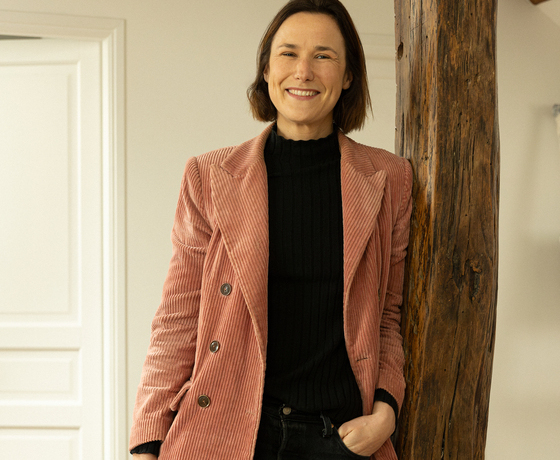
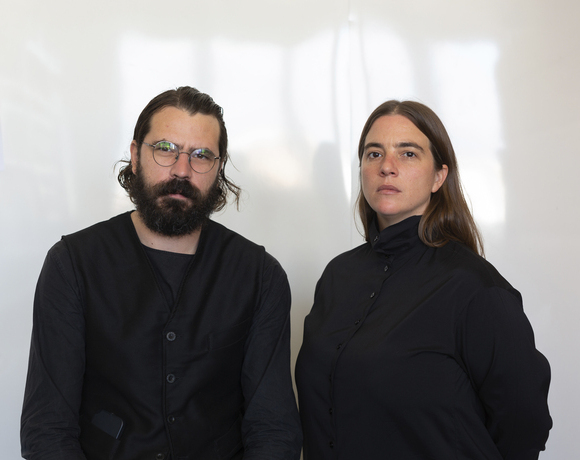
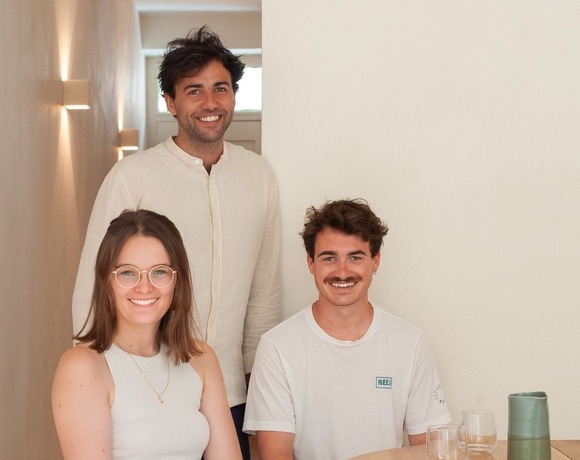
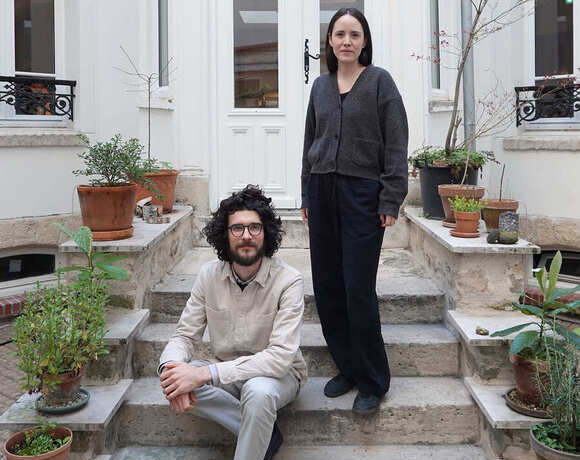
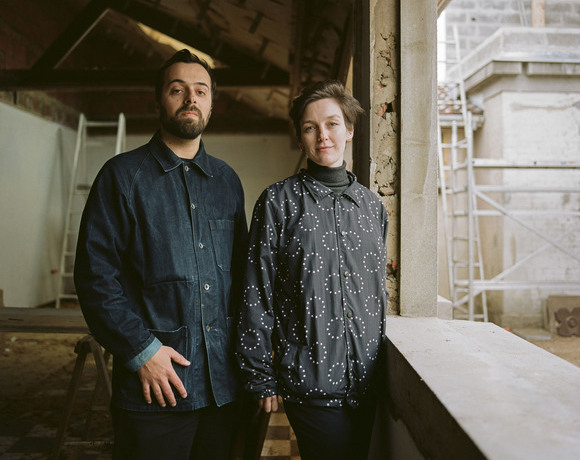
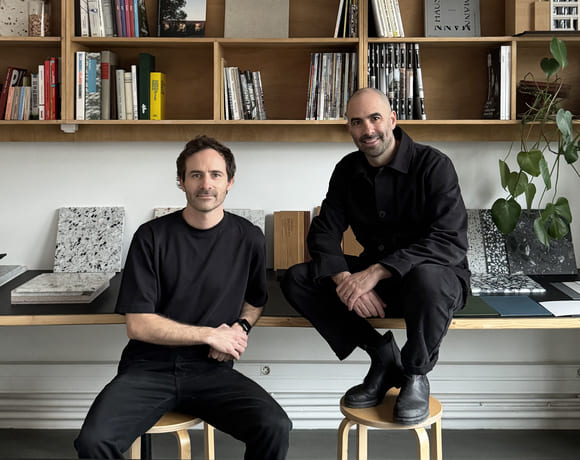
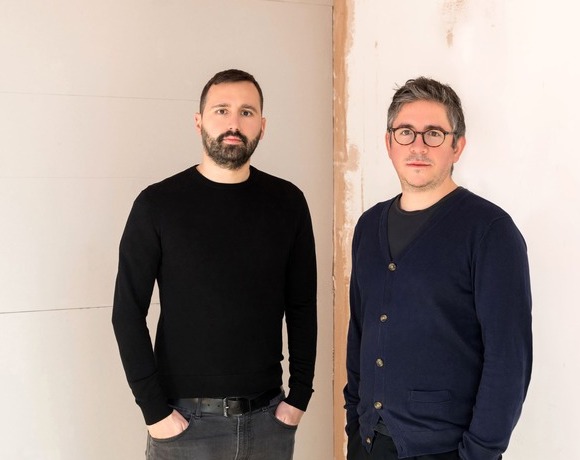
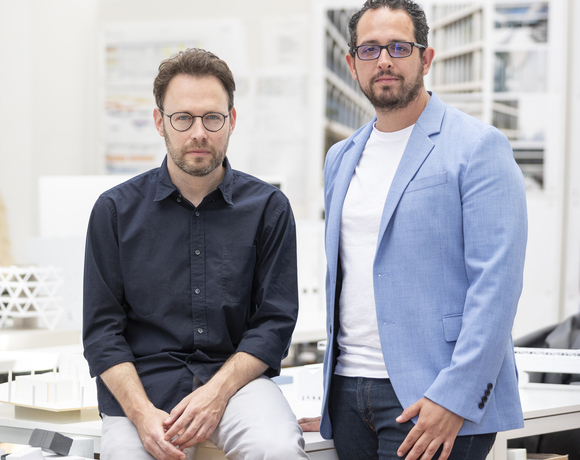
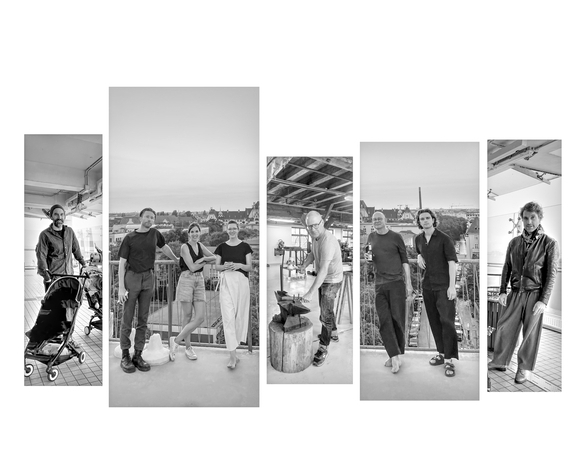
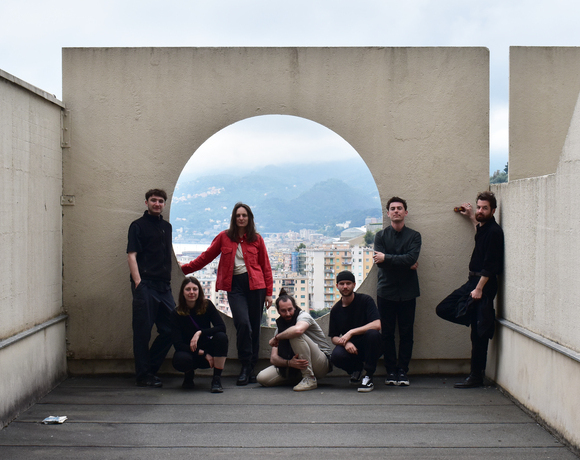
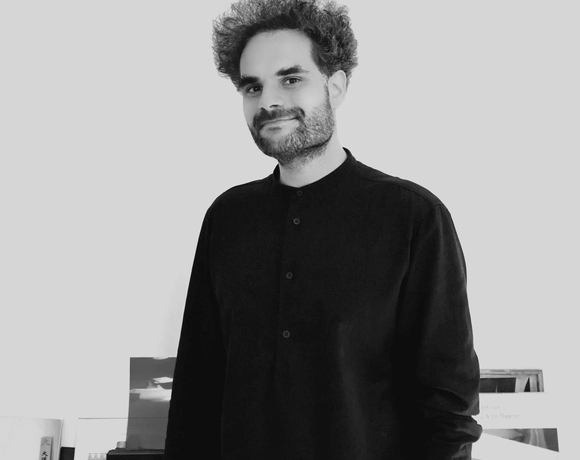
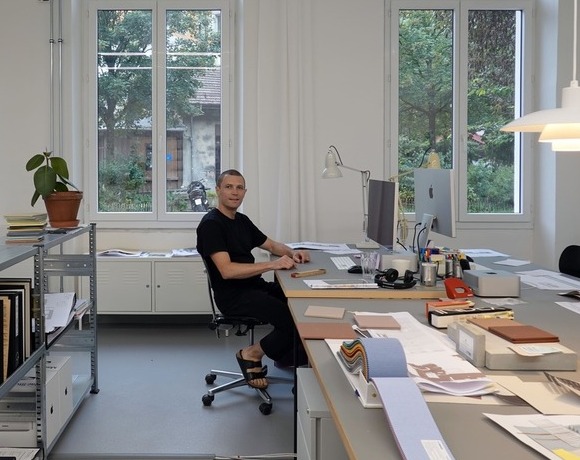
Roofscapes is an MIT-born architecture startup based between Paris and Zurich, dedicated to adapting existing buildings to climate change. The company develops scalable strategies for the â€œclimate realignment” of building envelopes and rooftops in response to rising urban temperatures. Before expanding its reach to various types of architectural interventions, the practice started by developing a replicable system of green and accessible wooden over-roof structures. Tailored to protect Paris’ overheating zinc roofs from solar radiation, Roofscapes’ system welcomes biodiversity, retains storm water, and creates new shared outdoor spaces in cities.

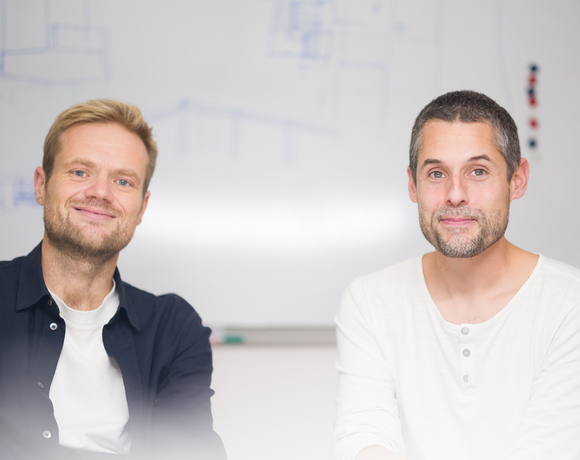
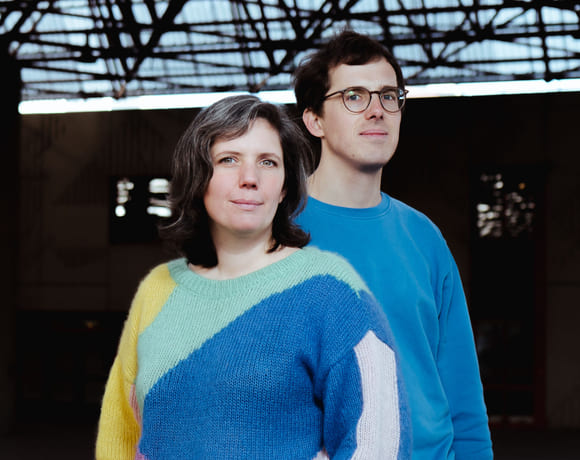
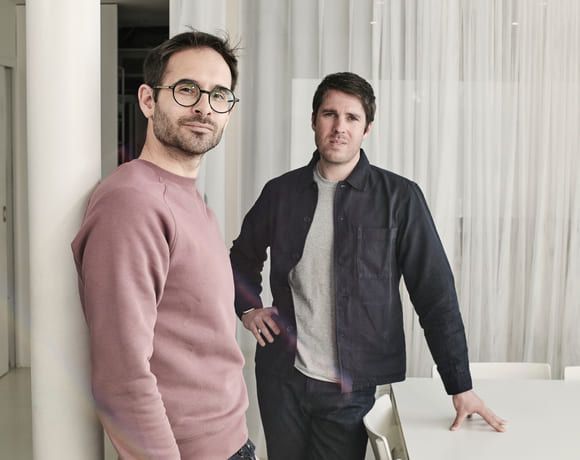
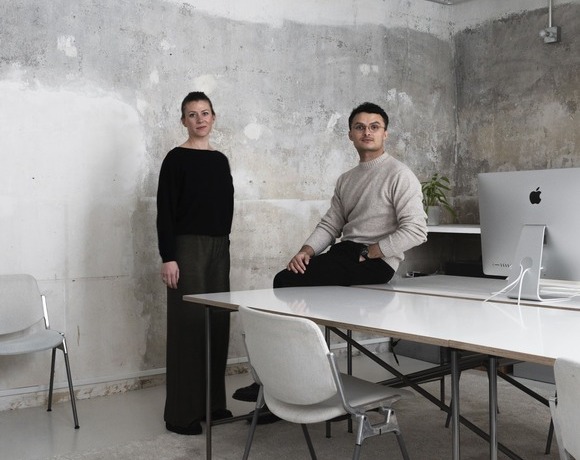
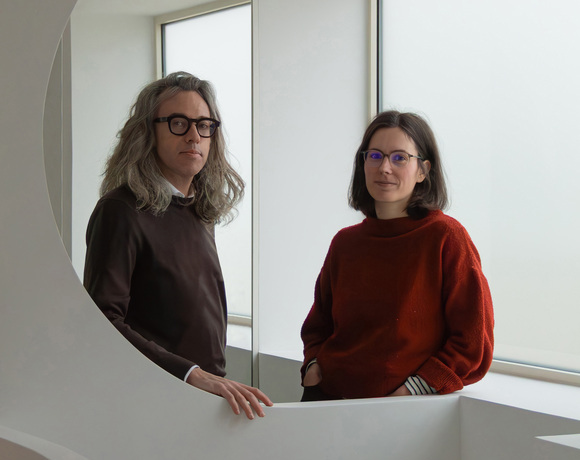
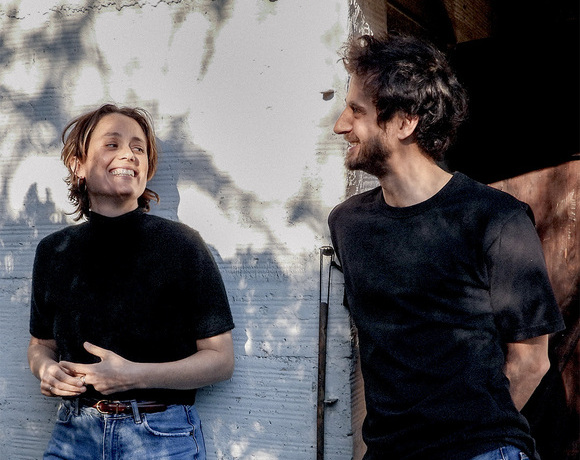
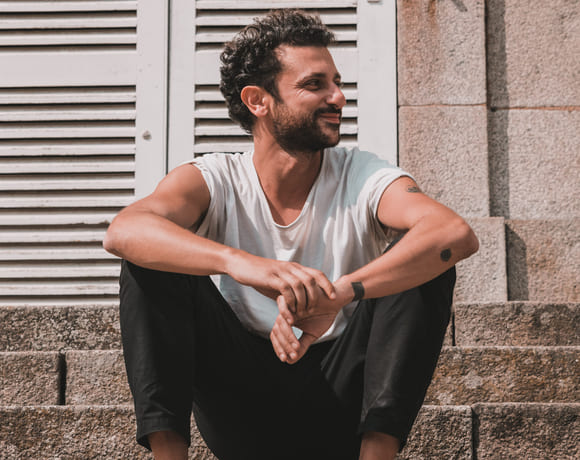
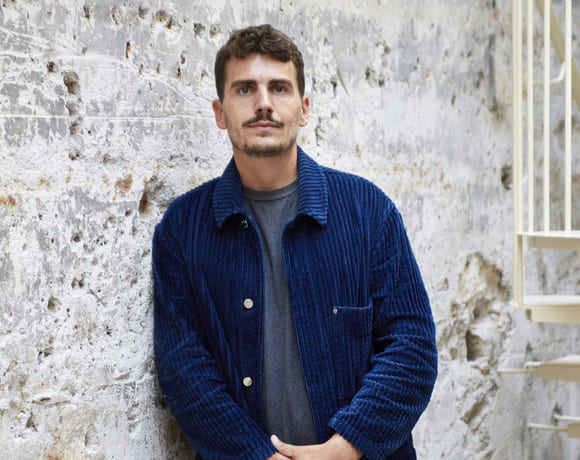
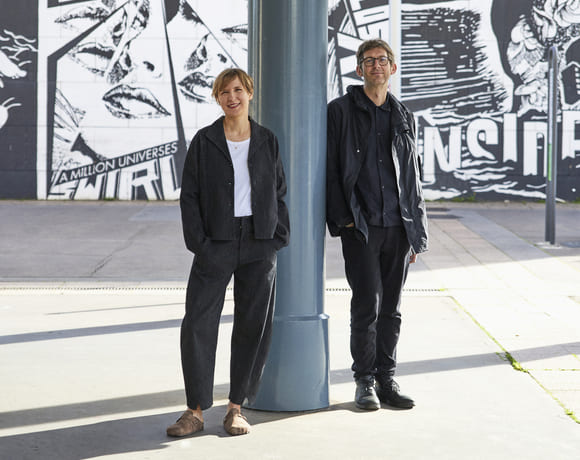
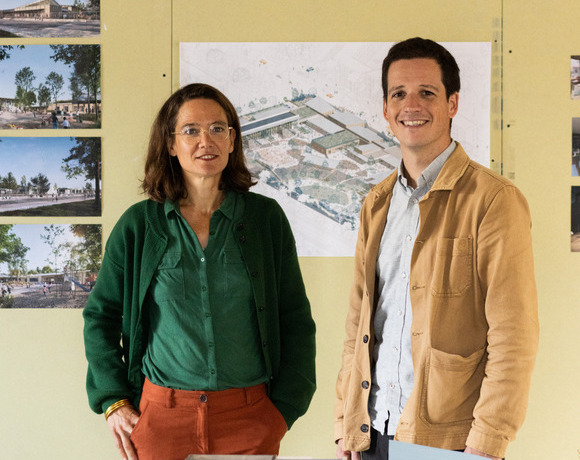
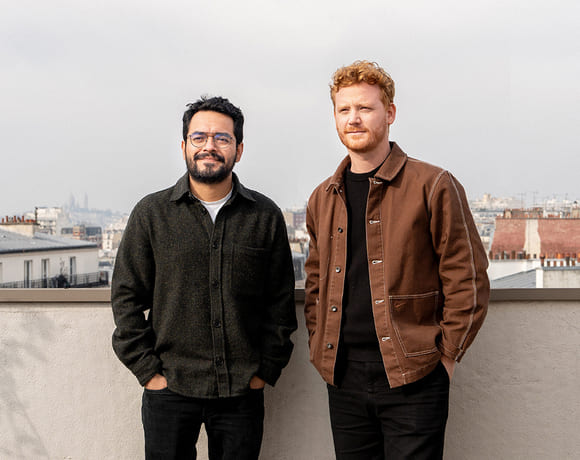
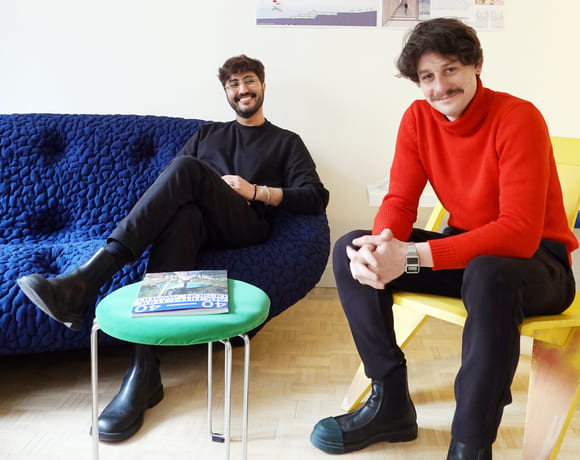
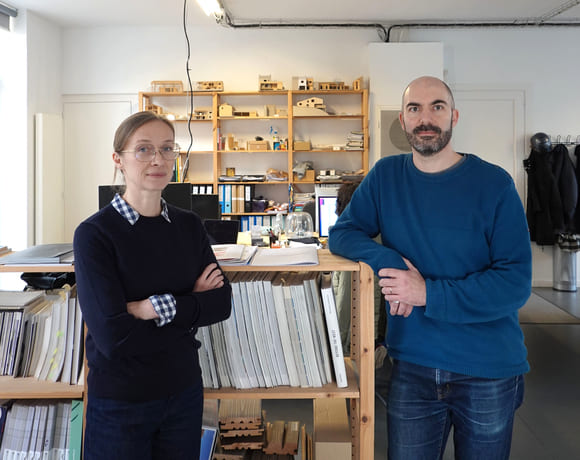
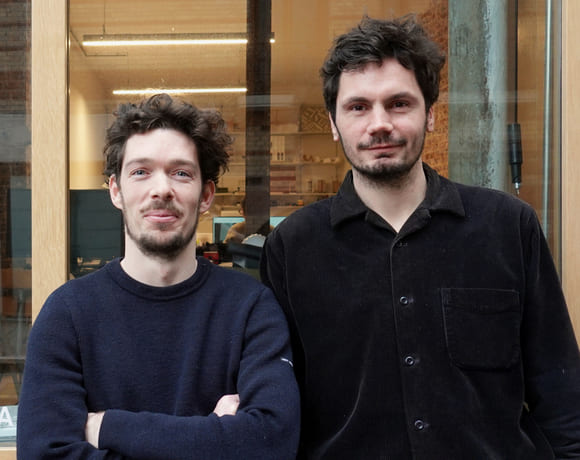
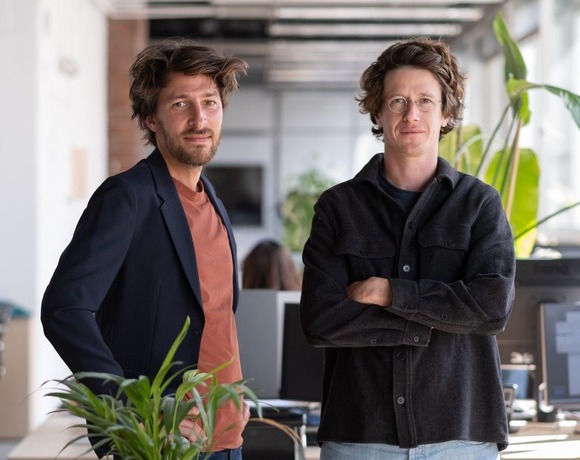
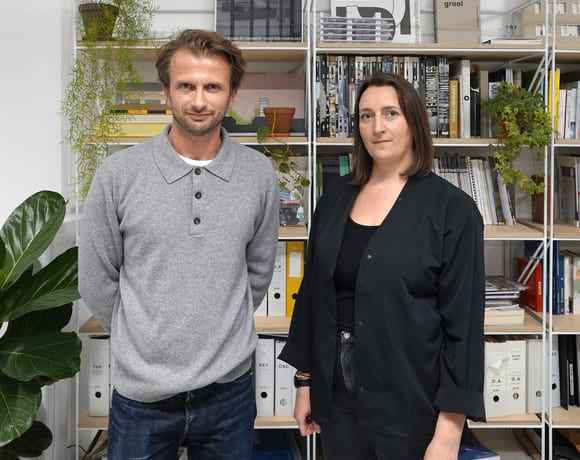
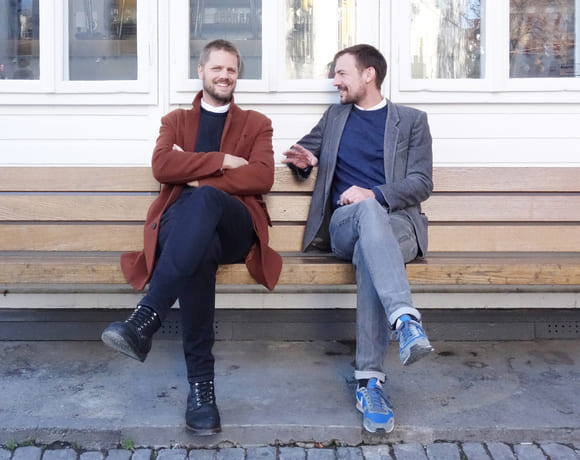
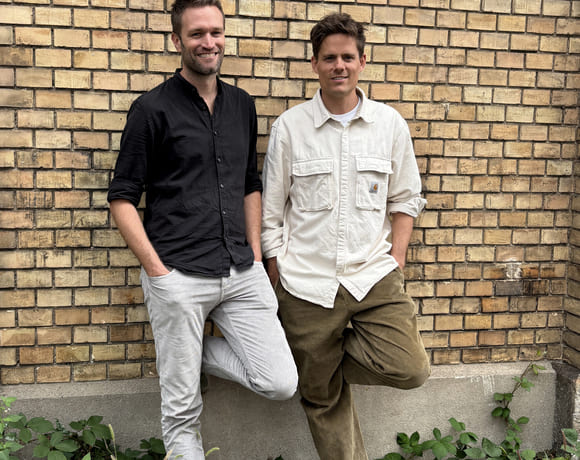
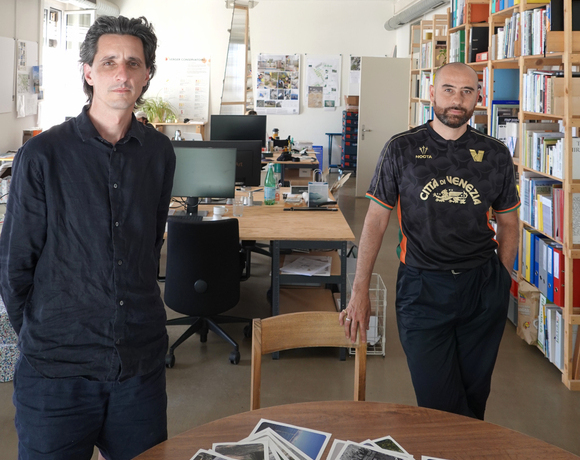
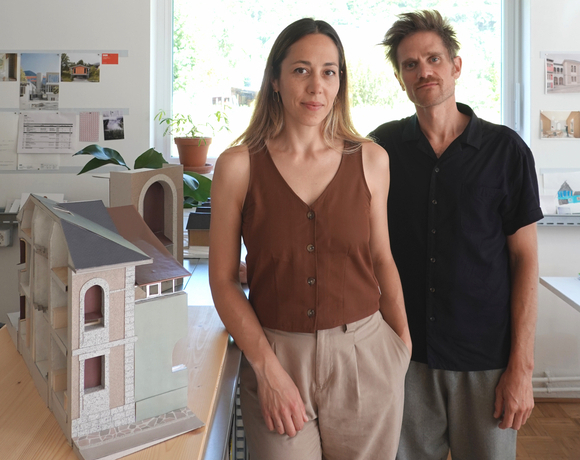
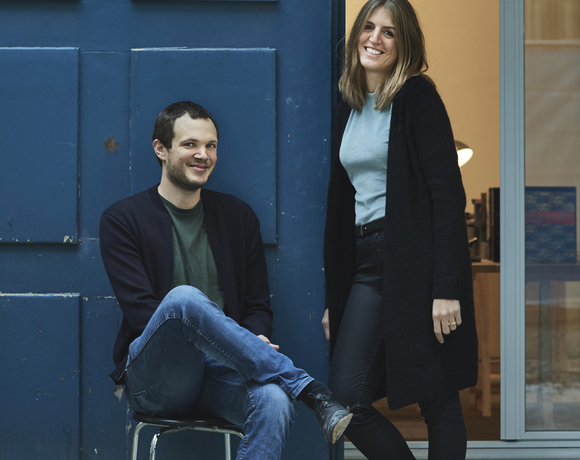
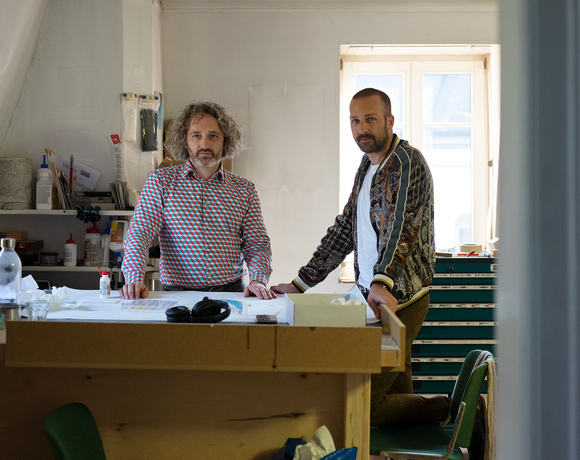
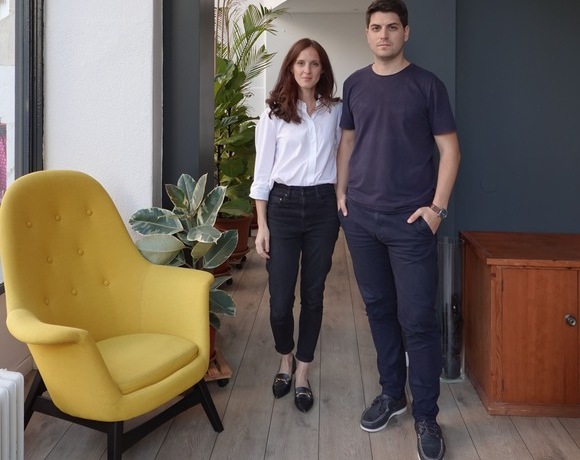
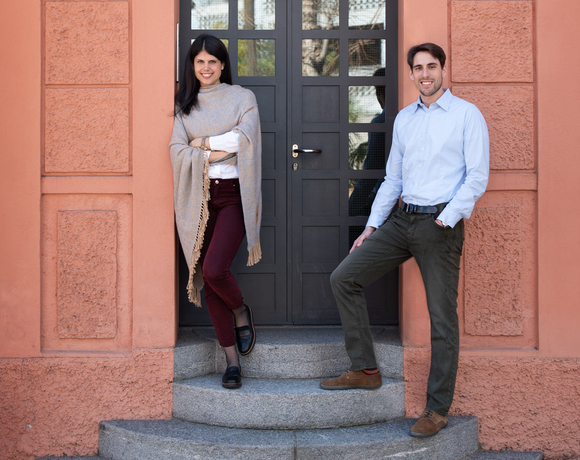
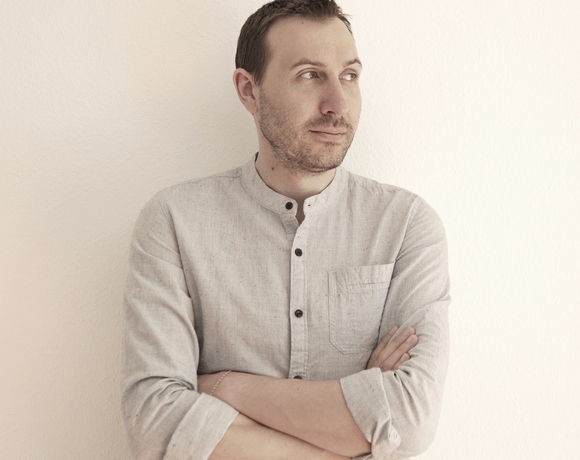
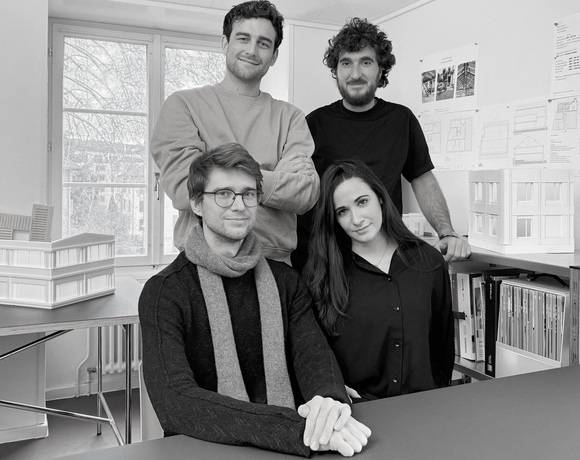
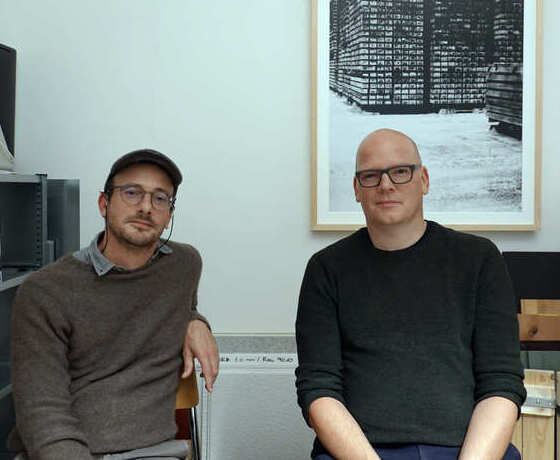
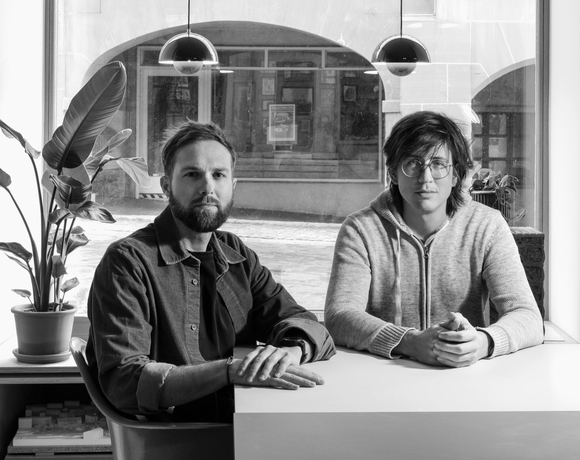
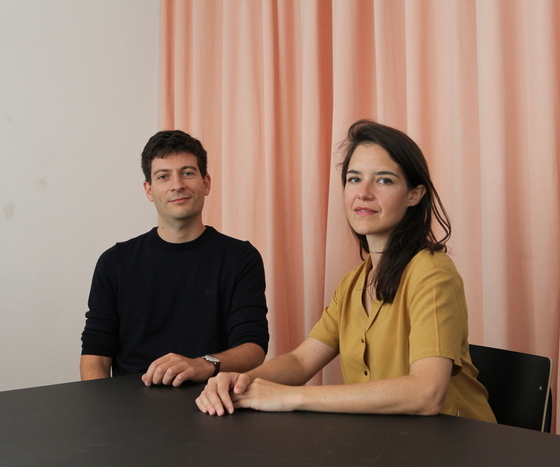
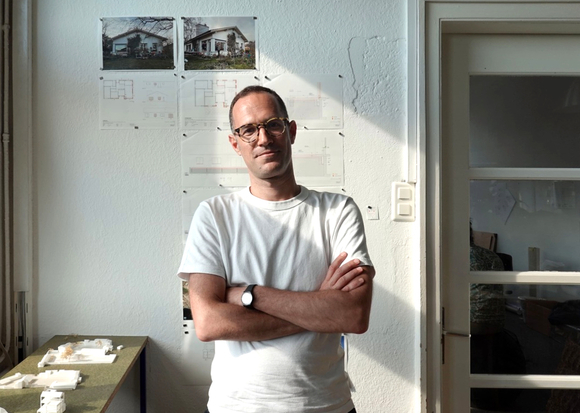
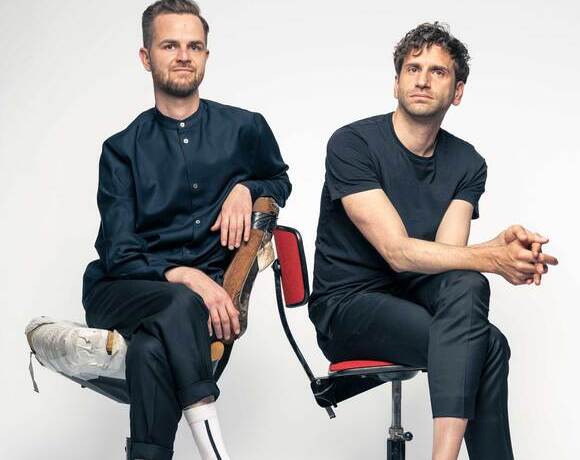
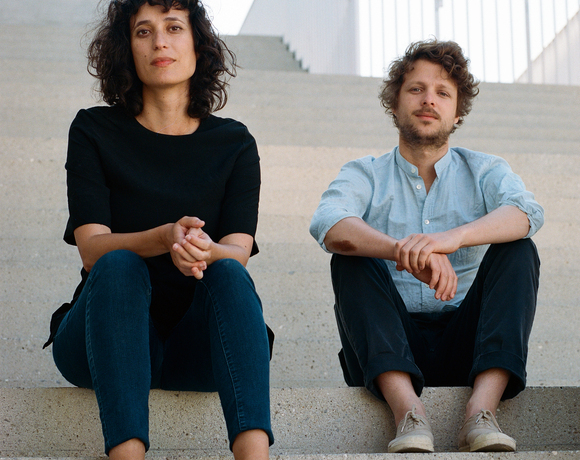
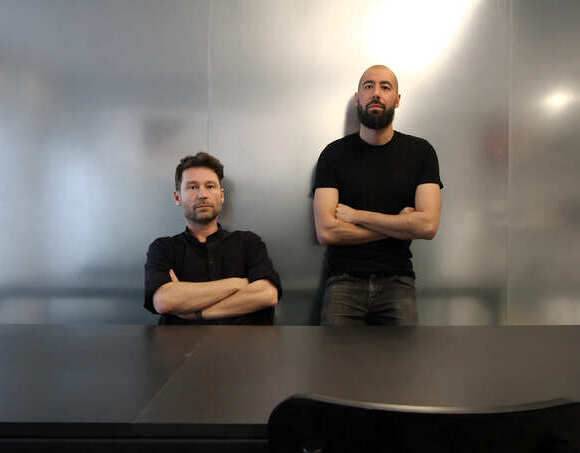
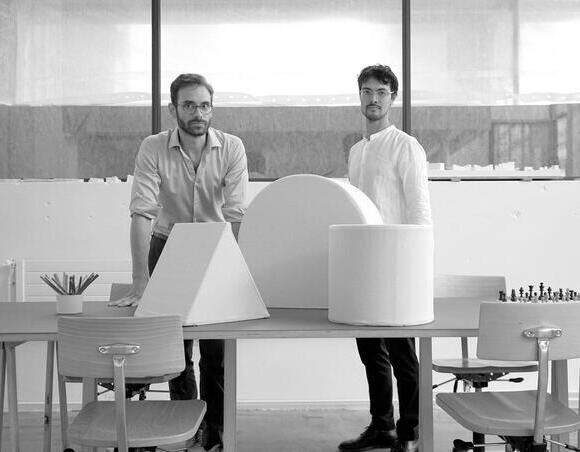
TC: Tim Cousin | EL: Eytan Levi


A generation in question

TC: Our generation seems to be among the first to have been trained with the awareness that buildings and the construction industry are responsible for 40% of global carbon emissions. But by simply following traditional training and joining architectural firms, we were not questioning this model—we were actively participating in it. This is deeply in conflict with the ideals we nurtured as students on environmental and social engagement in architecture, and it could explain why so many new practices are emerging in our generation. They’re searching for alternative answers and models, breaking away from traditional systems to address major environmental and social challenges. Unlike in past decades, when construction was booming and anyone could start an office because there was so much work, today’s young architects aren’t just focused on building. Many are engaging in research and curatorial work, looking for ways to shift the discipline’s trajectory to meet these environmental and social challenges.

EL: Building on what Tim said, I see two main types of emerging practices in our generation in France. Some trained here, worked in local firms, and eventually started their own practices, as has always been the case. But there's also a newer type—one shaped by the Erasmus generation. For the past 10 to 15 years, there was a strong culture of mobility, with architects working across the globe. However, around 2020, the COVID pandemic disrupted this movement. Travel became difficult, and job opportunities diminished. Beyond the practical limitations, the pandemic forced our generation to reflect—not just on remote work, but on the broader impact of our profession. It was a moment to reassess the emissions, effects, and responsibilities tied to our work. In my view, this period of reflection sparked the rise of numerous young practices. It prompted many of us, including at our own firm, to formalise ideas that had been brewing for a while and to launch something concrete.


Education as a catalyst

EL: Studying in different countries has shaped our perspectives. Tim and I studied in Switzerland, Japan, and the US together, following each other across these places. Architecture education in the US—particularly our experience at MIT—opened up opportunities we might not have encountered in Europe, especially when it comes to interdisciplinary collaboration. We weren’t forced to choose between disciplines; we were encouraged to combine them. The best example of this was our experience at MIT’s DesignX incubator, which supports designers in creating ventures related to the built environment. That kind of structured support for innovation is something we likely wouldn’t have found in Europe to the same extent at that time.

TC: The entrepreneurial spirit in the US is much stronger and deeply embedded in the culture. While many of the architectural references we studied were European, American schools, particularly at MIT, approached design in a much broader way. In Europe, architecture has a strong tradition with deep historical roots, but in the US, the definition of what architecture can be is more fluid. If we had completed our master’s in France or Switzerland, launching a startup focused on adapting buildings to climate change might have seemed unconventional back then. But at MIT, which is highly exploratory and research-driven, this kind of work was almost expected. These schools push speculative design research, expanding the possibilities of what architects can do. That openness allowed us to think beyond conventional practice. We originally met at EPFL at the start of our studies, and that foundation, combined with our experiences abroad, has shaped our approach ever since.


Thinking architecture otherwise

TC: When we were studying at EPFL in Lausanne, we noticed that the approach was somewhat traditional, with a focus on construction and a lot of hand-drawing—very much a traditional architectural education, but a solid one. We appreciated that base, but we were also looking to expand beyond it, to explore different possibilities for what architecture and design could be.

EL: At EPFL, before continuing to a master’s in architecture, we had to work for at least a year. Towards the end of that time, we realised we had all gained valuable experience working in different firms—big and small. But we also felt certain frustrations, things we couldn’t quite define or address within traditional practice. In the summer of 2018, we took a week off to reflect on our experiences and discuss the future of our careers. At the time, Europe was experiencing some of its strongest summer heat waves ever, and there was a growing awareness of climate change within the architectural field. We started thinking about how we, as architects, could improve city-making and the built environment—how it could better adapt to changing climates and evolving needs. That’s when we came up with the idea that later became Roofscapes. We realised that rooftops in European city centres were underutilised and, in their current state, contributed to urban heat islands. We saw an opportunity to transform them into spaces that could positively impact the urban ecosystem.

TC: With that foundation—and those shared frustrations—we decided to take a different path. MIT and the US provided a space where we could be more critical and expand our scope in ways we hadn’t envisioned before. It gave us the context and support to lay the groundwork for Roofscapes, which we hope is an answer to the questions we were asking ourselves at the end of our bachelor’s.

EL: When we arrived in the US, we joined the MIT DesignX startup incubator, which shifted our perspective. It helped us see Roofscapes not just as a standalone design project, tied to a single client, but as something more entrepreneurial—something scalable. Instead of working on one project at a time and moving on to the next, we began to think about Roofscapes as a replicable system.

TC: MIT has been actively expanding the role of design beyond traditional architecture—moving away from a strictly tectonic approach to seeing design as a tool for problem-solving across disciplines. That mindset shaped our work on Roofscapes. We realised that developing the project wasn’t just about architectural design; it also required engaging with regulations, engineering, and broader systemic challenges. These aspects were fundamental yet incredibly complex, demanding creative problem-solving beyond conventional architectural thinking. This expanded understanding of design, central to MIT’s teaching and environment, gave us the momentum to develop Roofscapes in a way we hadn’t originally envisioned.


From surface to system

TC: In the earliest days, the project was called Head in the Clouds. That was when we first started creating images and imagining life on rooftops—something poetic, envisioning shared spaces above the city for the people living in these buildings. But very early on, within a couple of months of joining the MIT DesignX incubator, we shifted to Roofscapes. The name Roofscapes emphasises the connection between rooftops and the broader urban landscape. A key idea in our project was that rooftops offer a way to reconnect with the city’s natural environment, escaping the alienation of dense urban fabrics. The name reflects both this larger-scale continuity and the idea of shaping—transforming rooftops into something more resilient, accessible, and green. Rather than static surfaces contributing to urban heat islands, we saw them as assets for the future resilience of cities.

EL: From the beginning of our architecture studies, we were drawn to the challenge of adapting existing buildings to climate change. We explored various technologies, particularly concerning reinforced concrete structures from the second half of the 20th century. The reality is that we live in an era where the built environment is already there—materials have been transformed, and our challenge is to work with what exists rather than constantly building anew. As we researched climate adaptation strategies, we encountered inspiring projects around the world—at the ground level, on facades, and on flat roofs. But when we focused on pitched roofs, especially in European city centres, we found a significant gap. These rooftops dominate the densest parts of our cities, where heat accumulates, vegetation is scarce, and water infiltration is minimal. Yet there were almost no initiatives addressing their potential for climate resilience. That gap sparked our curiosity. We studied historical examples where pitched roofs had been adapted for human use—like the altane platforms in Venice, where people have used rooftop spaces for centuries due to the city's limited ground-level space. Some of these references hinted to us that rooftops could be activated for more than just spatial qualities—they could also serve social and ecological functions.

In Paris, four out of five buildings are covered with pitched roofs, often made of zinc, a highly conductive material that exacerbates urban heat. Given this context, we saw an opportunity to explore solutions specifically for this situation. That’s why we launched Roofscapes—to adapt pitched roofs for changing climates and evolving urban needs.


A pilot for climate adaptation

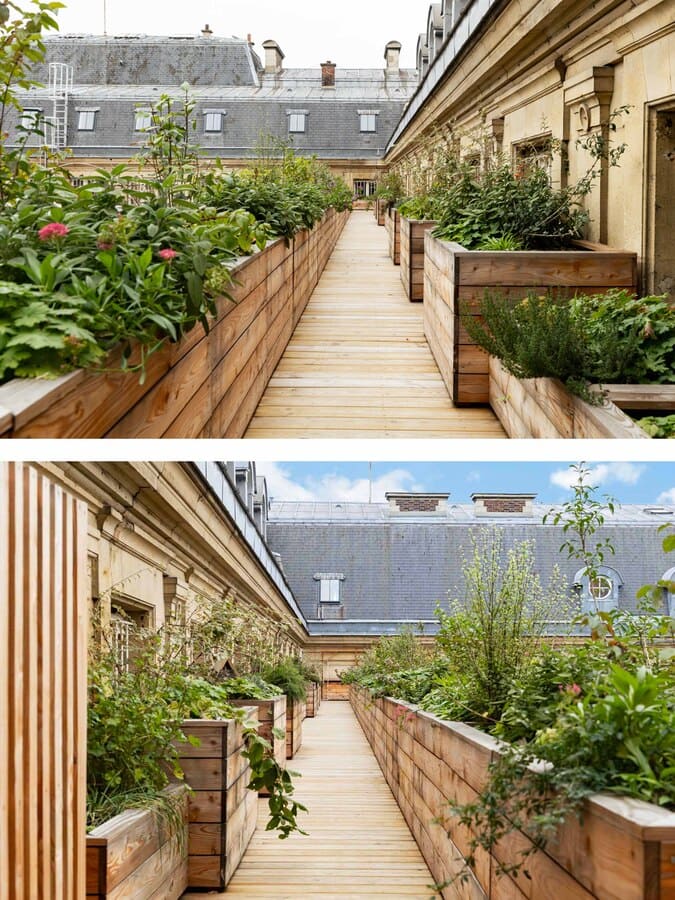
EL: With Roofscapes, we developed a system of timber platforms that provide shade, integrate vegetation, and create accessible spaces on rooftops that were previously unusable. These interventions offer multiple ecosystem benefits: reducing outdoor and indoor temperatures, improving water retention, increasing biodiversity by creating ecological corridors, and providing much-needed communal outdoor space in dense city centres. In places where open space is scarce, rooftops can become an essential resource for both climate resilience and urban life. 

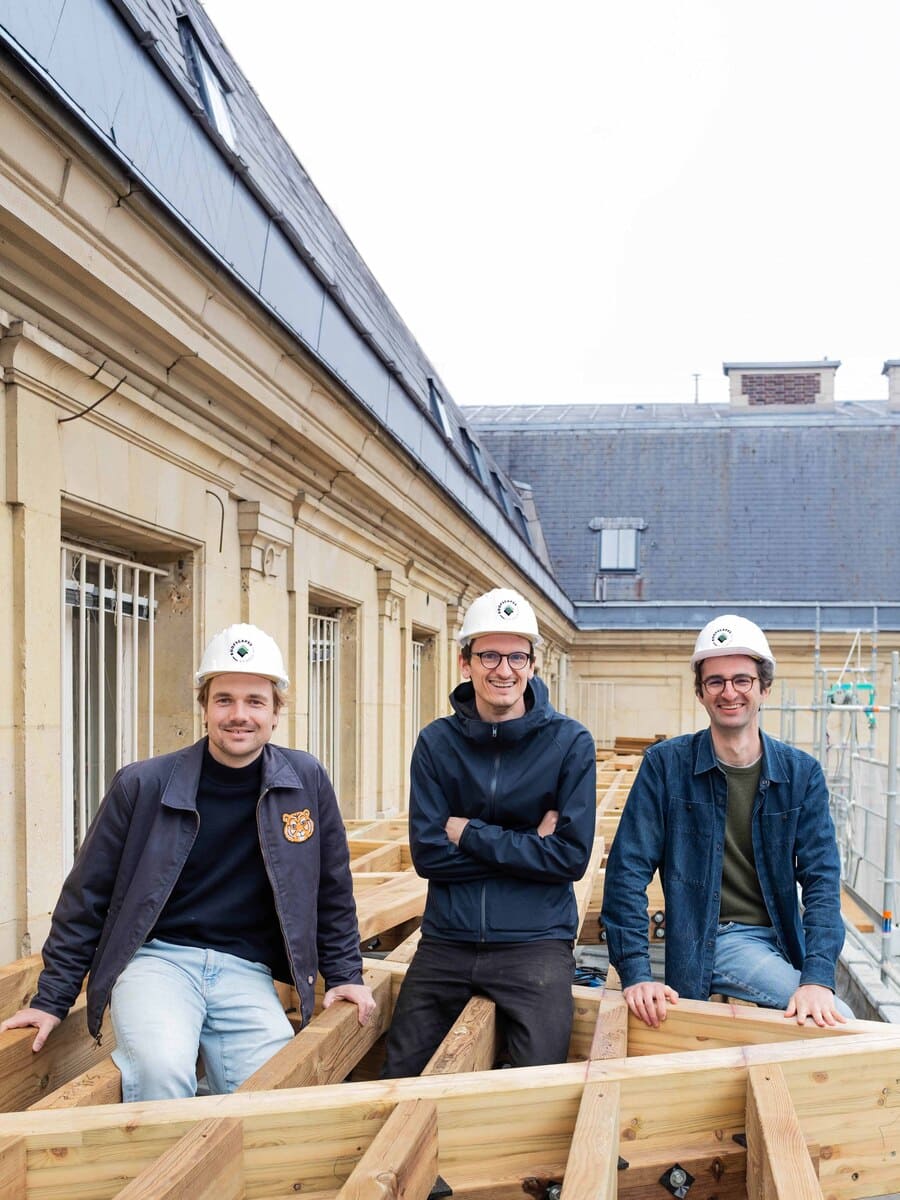
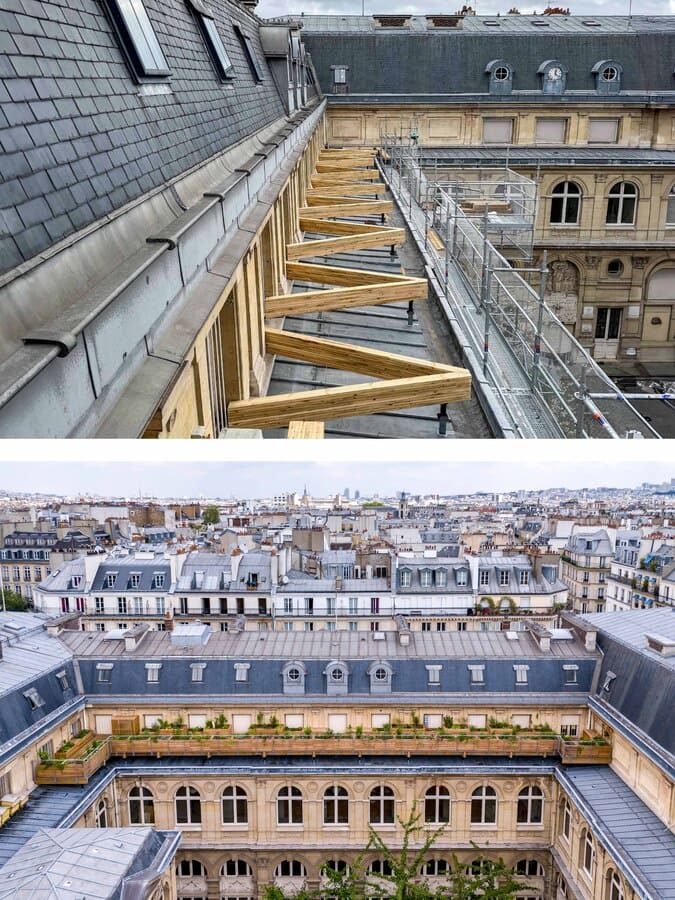
TC: We are currently located at the Climate Academy in Paris, a former town hall transformed into a public institution dedicated to climate advocacy, education, and activism. We’ve been connected with them since their founding in 2021, when we were preparing an installation for the Seoul Biennale of Architecture and Urbanism. We had a large model showcasing climate adaptation strategies for European rooftops and were looking for a place to exhibit it. That led to conversations with the Climate Academy, which was looking to support innovative projects. Over time, discussions evolved into the idea of launching a pilot project on the roof of this very building. The pilot is a demonstration of our first climate adaptation strategy for pitched roofs: a simple yet effective wooden platform system. These platforms shade roofs, reducing heat accumulation, while also creating accessible green spaces. The project integrates large planters with soil depths ranging from 25 to 40 cm, alongside water retention tanks. Covering about 100 square meters, 50% of the platform is dedicated to greenery. 

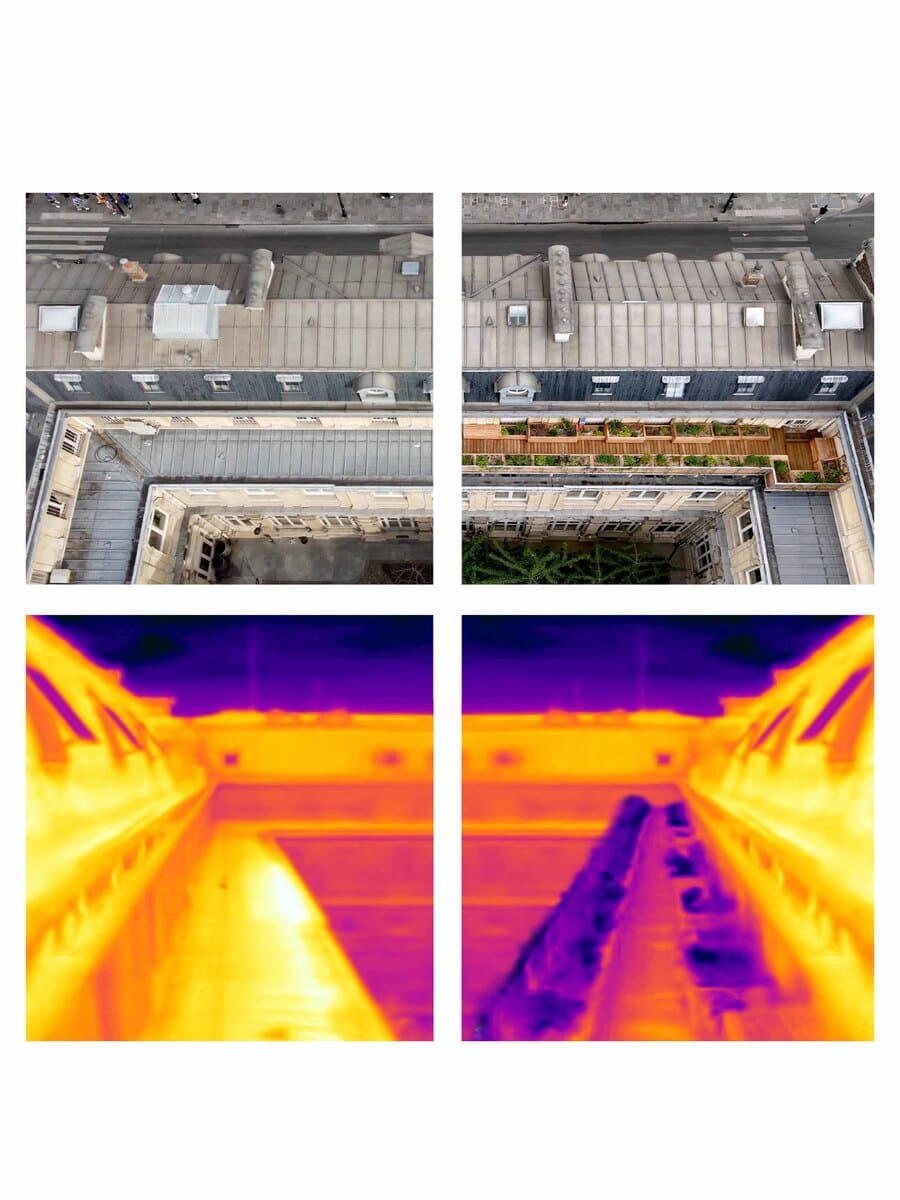
The goal is to test its impact across three key areas: temperature reduction, biodiversity increase, and water management. For temperature control, sensors compare roof temperatures in shaded versus exposed areas. Last summer, even though it wasn’t an extreme heatwave year, we observed striking results. On a 36°C day in late July, sun-exposed roofs heated up to nearly 70°C, while roofs under the platform stayed at air temperature. This also led to a 17°C drop in the interior attic space, demonstrating the effectiveness of shading in maintaining summer comfort. Biodiversity monitoring is another focus. Pitched roofs in Paris are largely mineral, offering little ecological value. With the new platform and planters, we’ve already observed increased insect and bird activity. Our goal is to study how these green rooftops can function as biodiversity anchors, reconnecting fragmented ecological networks across the city. Finally, water management is critical. Cities face summer water shortages, so rooftop greenery can’t rely on continuous irrigation. Instead, we designed a system where rainwater is stored in planters and gradually released back to plants through low-tech capillary action during dry periods. This pilot helps us evaluate the system’s efficiency and refine it for future iterations.


From heritage to evolution

EL: Working with existing buildings means heritage is always part of the equation—we're never starting from scratch. There are so many factors and interests tied to dense urban centres that it can feel overwhelming at first. We began by researching how people living under zinc roofs experience extreme heat, conducting interviews, surveys, and thermal monitoring of these rooftops in Paris. Our goal was to understand, in very tangible terms, the overheating issues residents faced. Historically, the default approach to heritage has been to maintain the status quo, assuming that since things have always been this way, they should remain unchanged. For us, heritage is not just about preserving buildings; it’s about preserving the life that sustains and inhabits them. Zinc roofs themselves are part of a living heritage—they are replaced every 60 years as the material naturally deteriorates. Given the changing climate, shifting temperatures, and evolving urban needs, adaptation is essential. Instead of clinging to the idea that nothing should change, we see this as an opportunity to continue the historical evolution of Parisian rooftops. If you look at early 19th-century depictions of Paris by Victor Hugo, for instance, you’ll see that roofs were once steeply pitched and covered in tiles. The late 19th century brought changes in materials and forms, adapting to new needs. Now, due to climate change, we’ve entered another phase—one where rooftops must not harm the people living beneath them and for the well-being of the broader urban environment.

TC: In the process of developing this project, we engaged in ongoing discussions with preservation architects, whose position has evolved significantly over the years. Initially, their primary concern was to maintain the integrity of Haussmannian architecture, making any rooftop intervention seem unacceptable. However, as the urgency of climate adaptation becomes more widely recognised—both politically and practically—these conversations have shifted. Over the past three years, we’ve seen a notable change in attitudes. The political momentum is undeniable, but this isn’t just about that—it’s about collective responsibility. Climate change affects everyone, regardless of political views, age, or background. If we ignore the need to adapt, people will continue to suffer from unbearable living conditions. At this point, adaptation isn’t just an option; it’s unavoidable.

TC: Right now, we’re at a pivotal moment. We’ve completed our pilot project, which required extensive advocacy, funding, and regulatory work to introduce something entirely new to a city’s climate adaptation strategies. Now that the first project is in place and many regulatory and technical barriers have been addressed, the next step is scaling up. Our goal is to replicate and adapt this solution to different types of buildings, each with its own technical challenges and opportunities.

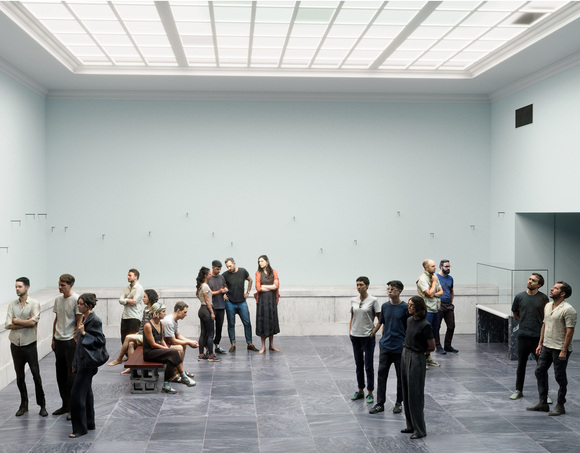
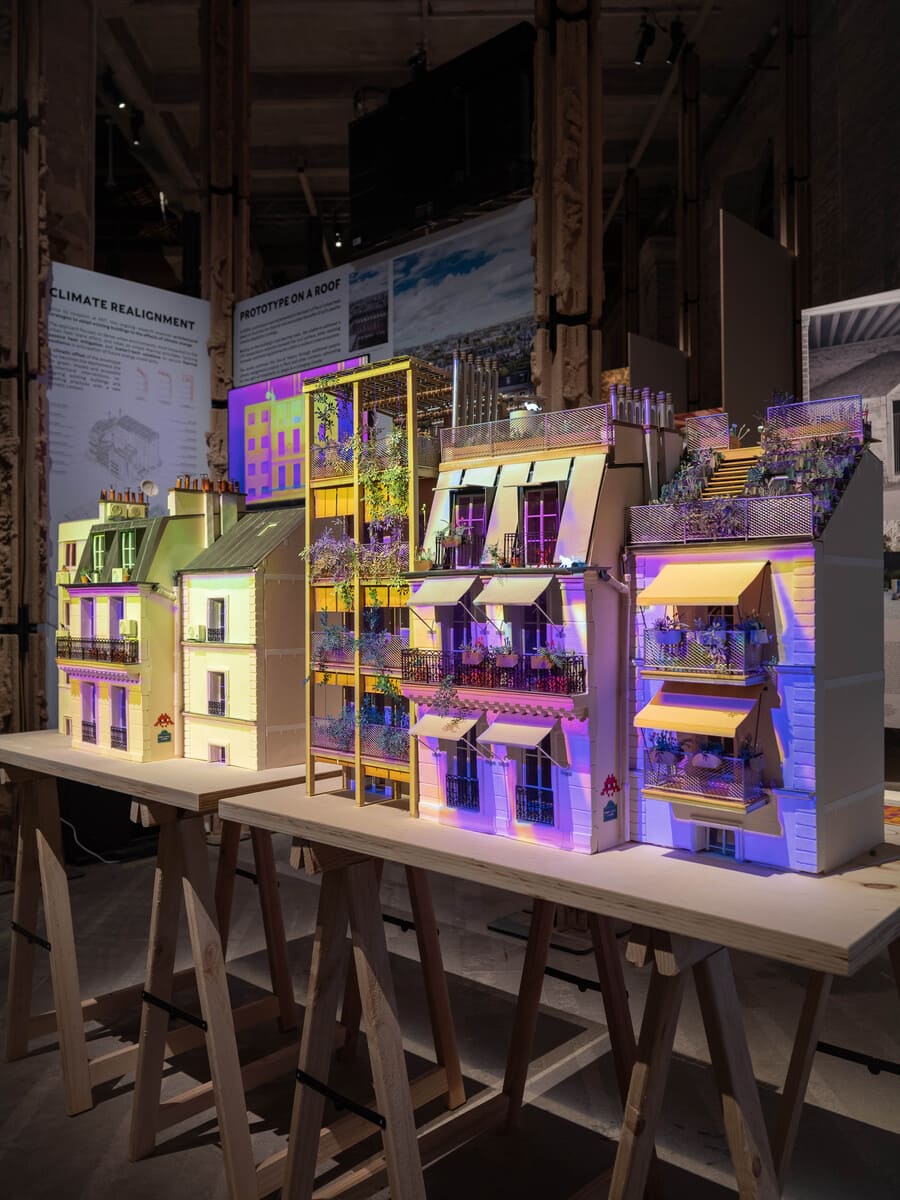
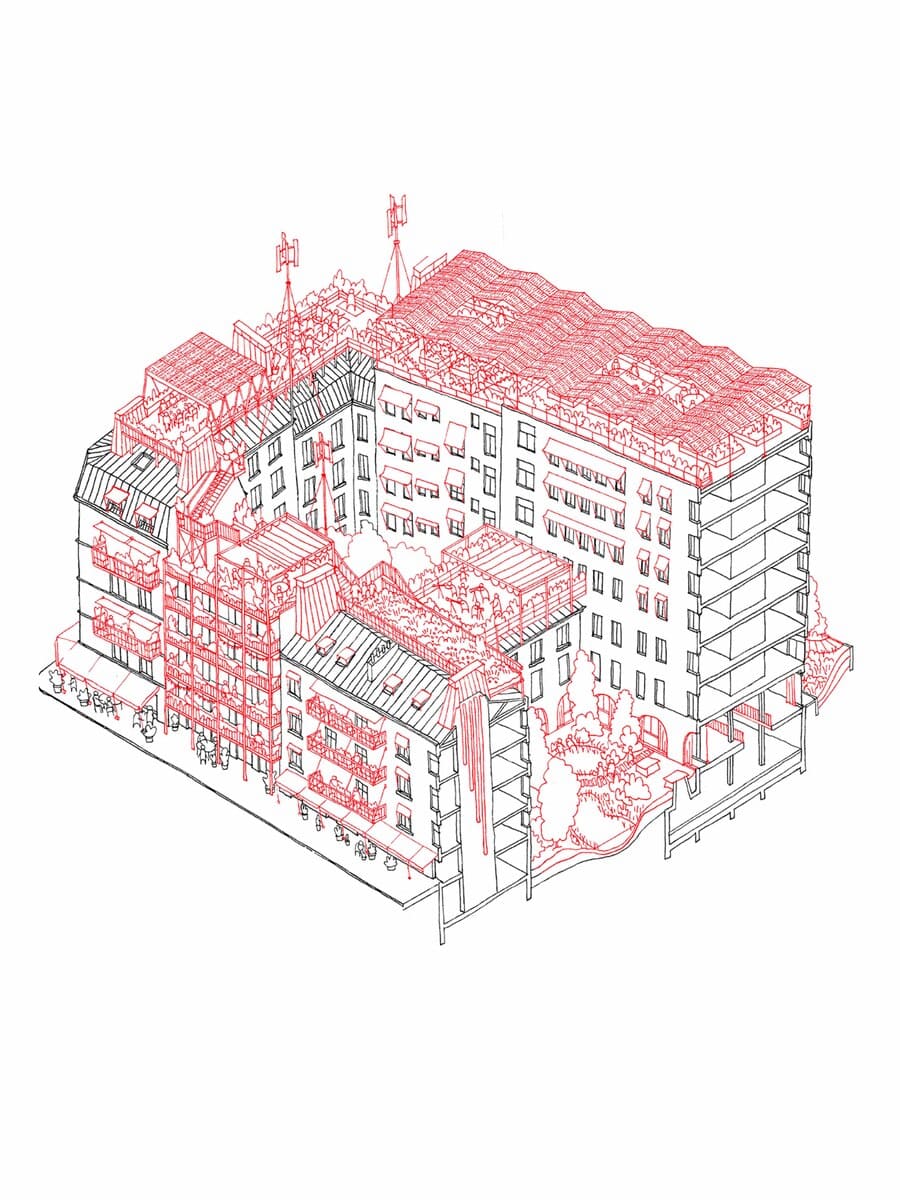
We’re also exploring variations of the system. While we initially focused on pitched roofs, we’ve realised that many flat roofs also lack the structural capacity to support vegetation or access directly on the slab. New structures may be necessary to redistribute loads onto the building’s main supporting elements. Ultimately, our goal is to adapt the dense, mineral-heavy urban fabric of European cities to a changing climate. The solutions we propose are simple and low-tech: shading, greenery, and accessible outdoor spaces. This creates what we call a ‘climatic offset’ of the building envelope—interventions on roofs, façades, and courtyards that provide shade, vegetation, and usable space. This approach is clearly illustrated in our participation at the 2025 Venice Biennale, for which we built large models to show these various adaptation strategies and demonstrated their impact through thermal imagery. 


Pushing limits through research

EL: After completing our pilot project and getting the first real-world results, we wanted to explore new perspectives on adapting Parisian roofs to climate change. So, we partnered with two schools—ENSCI in Paris and Harvard Graduate School of Design in Boston.

At ENSCI, students have been experimenting with design, looking at new materials and processes that we hadn’t explored before. At Harvard, the focus has been on geographic data—studying demographics, real estate values, and the built environment to understand the broader impact of roof adaptation. Right now, our work is very much at the building scale, but we’re hoping to expand to the urban and territorial levels, and that’s where these collaborations are really valuable. Academic institutions can zoom in and out in a way we can’t always do when working on the ground.

Beyond teaching, we’re also involved in research partnerships. MIT DesignX was a huge support in getting Roofscapes off the ground, and we’re still closely connected with them and the MIT Morningside Academy of Design. The academy is all about expanding the role of design beyond architecture into other fields, and we’re helping push that vision in Europe, especially around design entrepreneurship and sustainability. We’re also working with ETH Zurich’s Laboratory for Circular Engineering for Architecture (CEA Lab), which focuses on circularity. One big goal for us is to incorporate more reused materials—so far, we’ve been building with bio-sourced wood, but we’re also looking at reclaimed steel and other circular materials. Beyond materials, we see climate adaptation itself as a form of urban circularity. By making existing buildings more resilient and extending their lifespan, we’re helping cities adapt to climate change while keeping their built fabric alive. So for us, circularity is on both a material and an urban scale—it’s a big part of what we do.

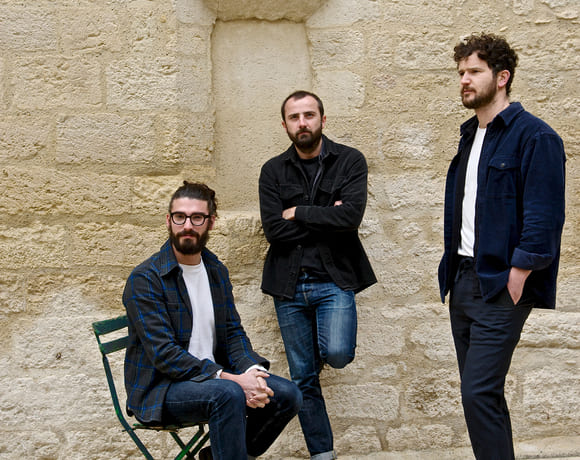
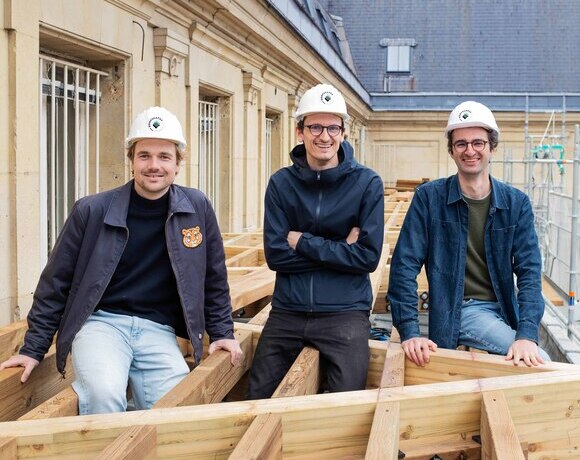
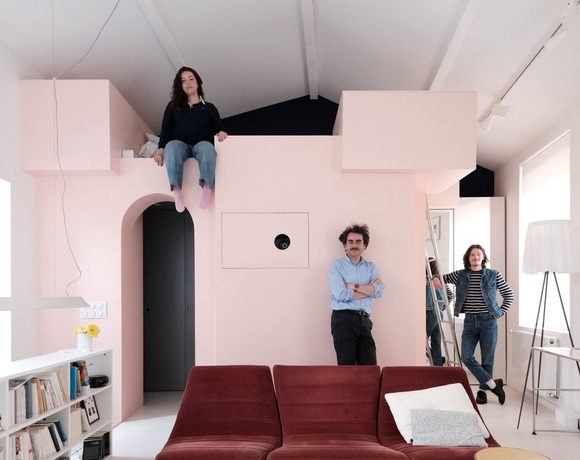
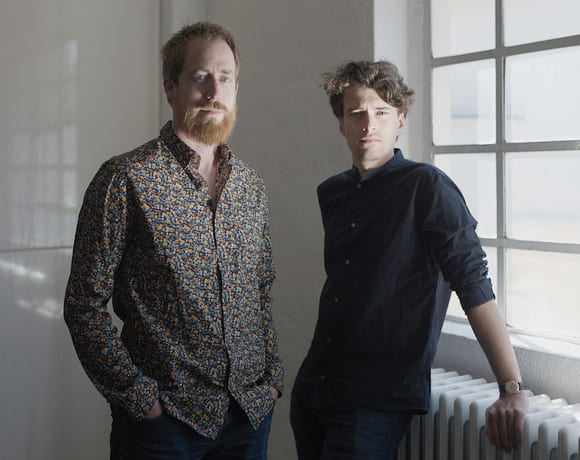
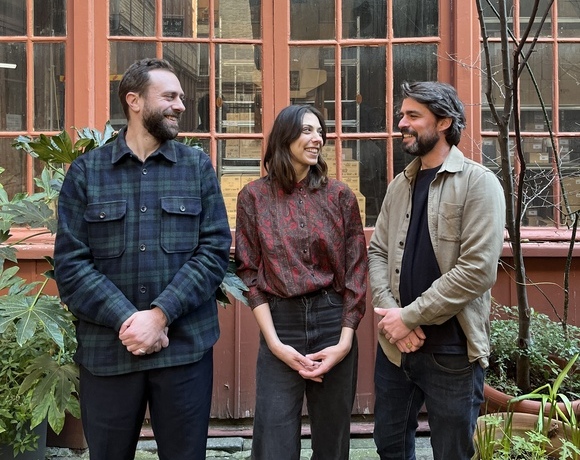
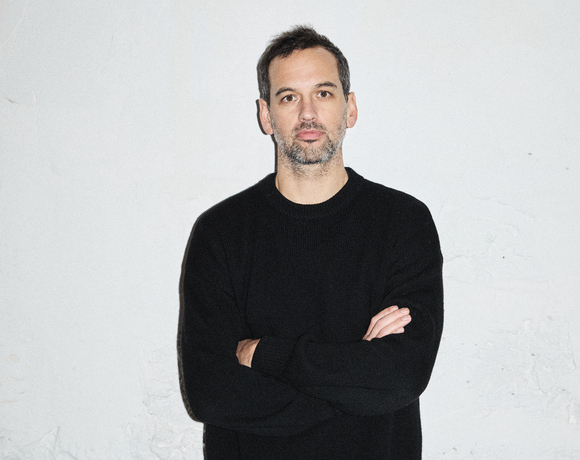
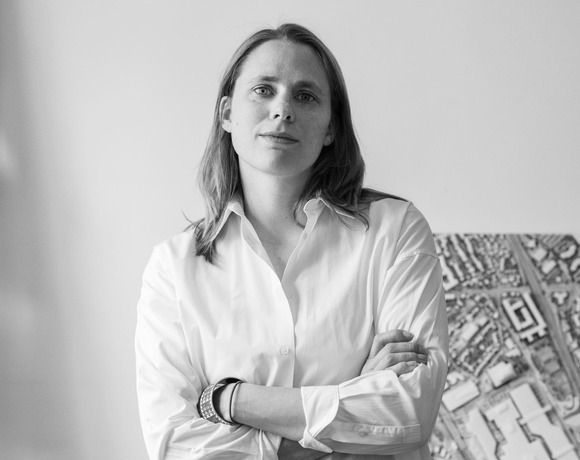
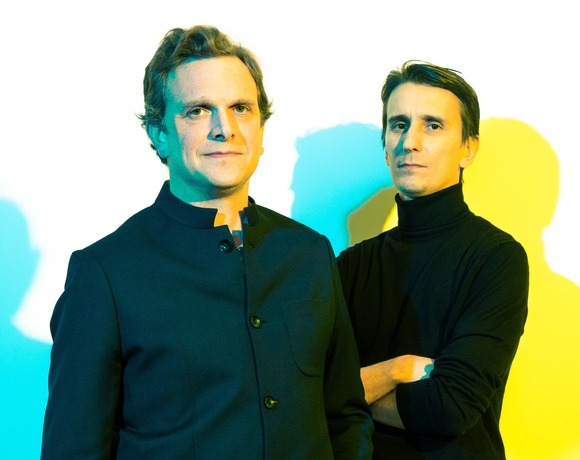
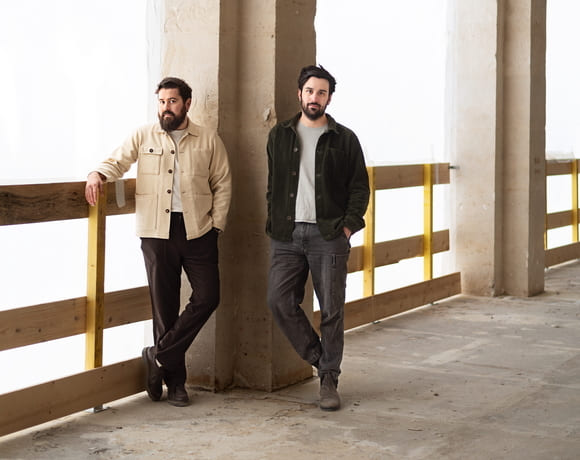
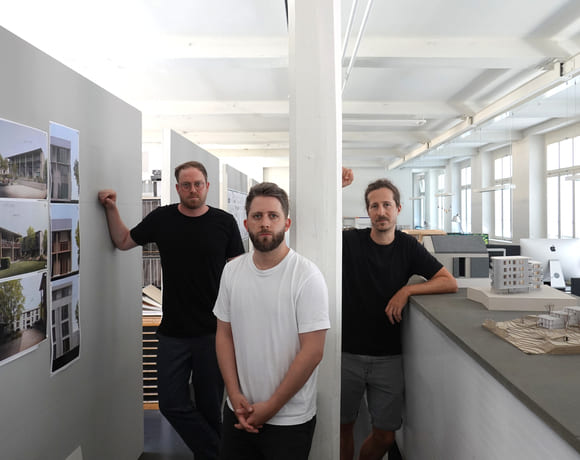
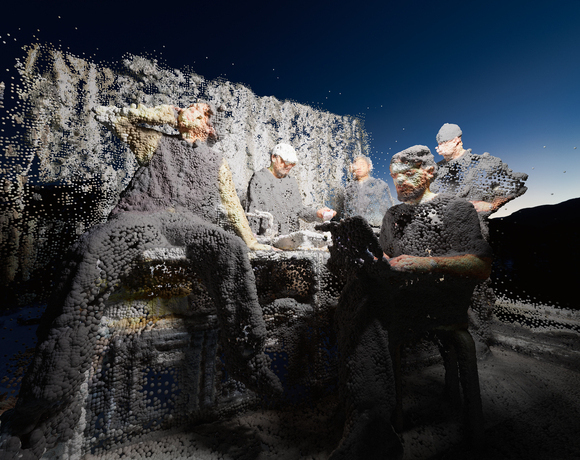
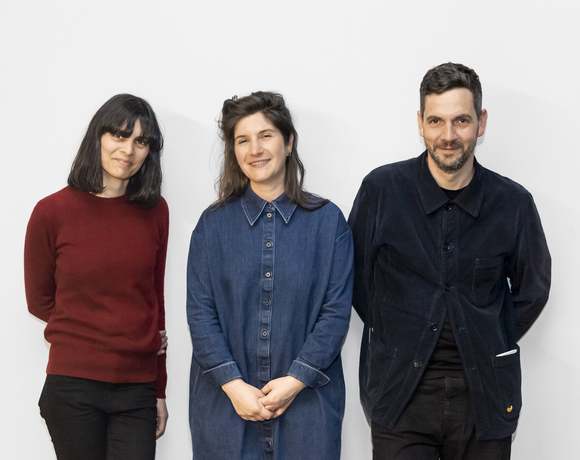
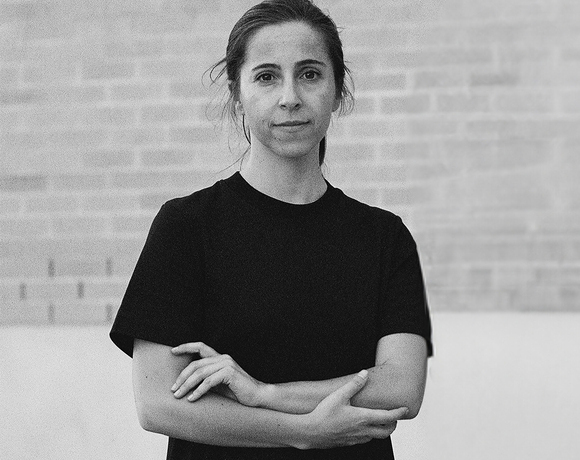
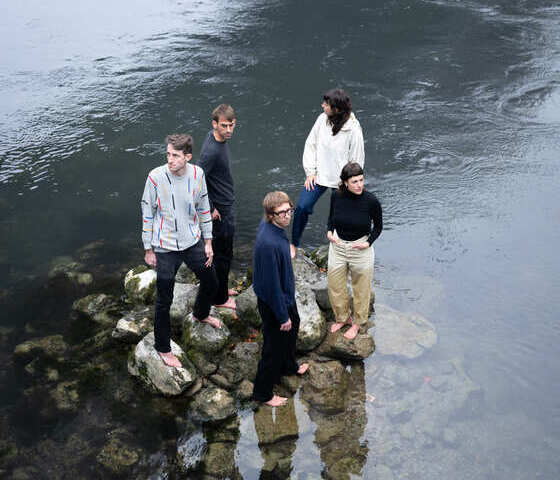
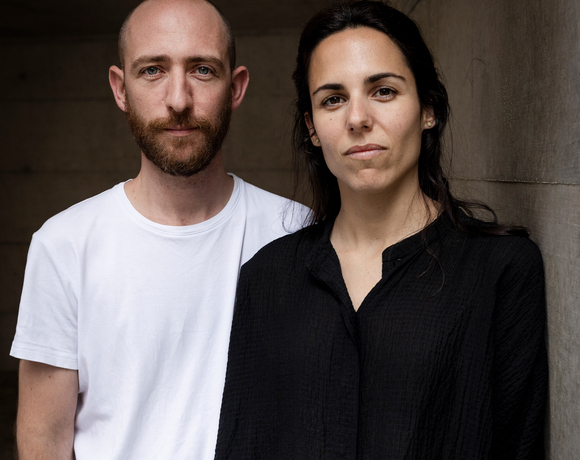
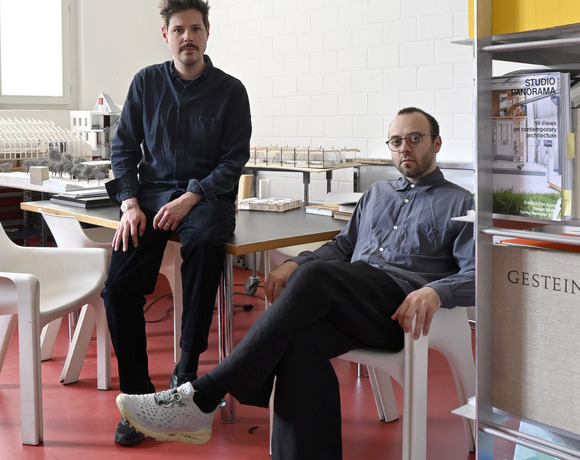
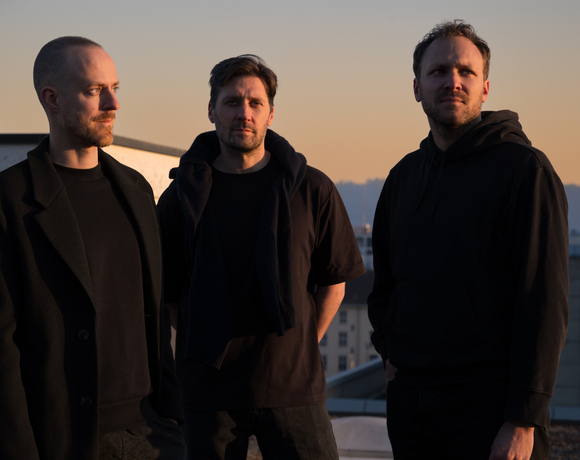
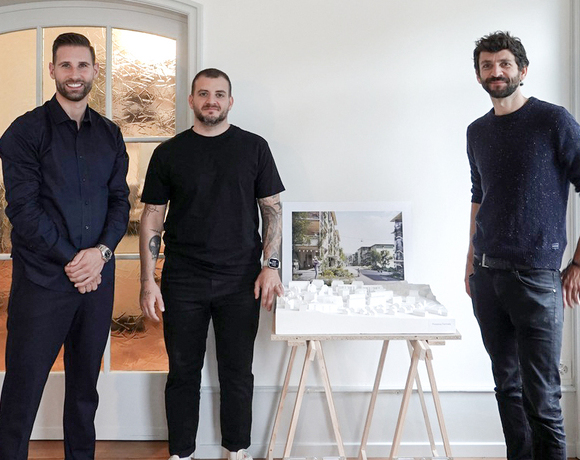
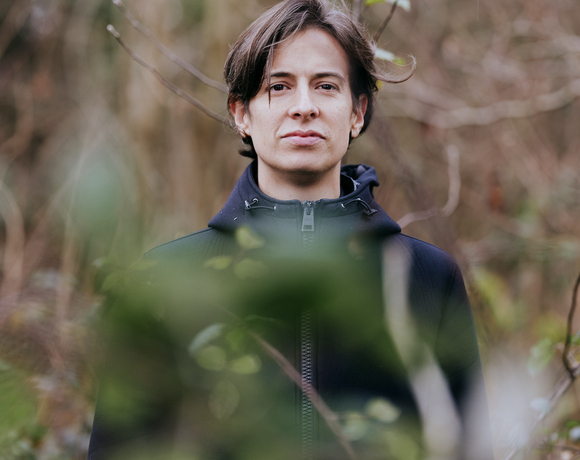
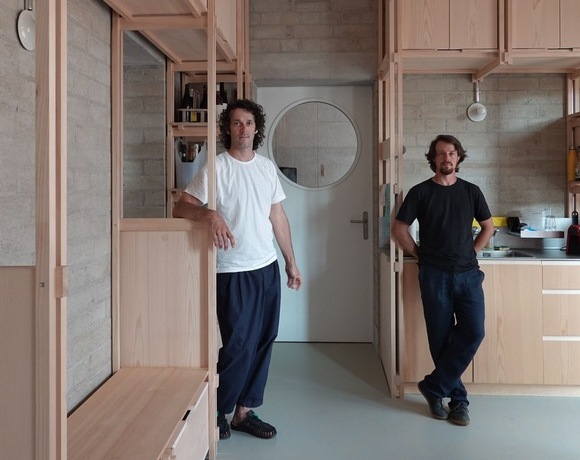
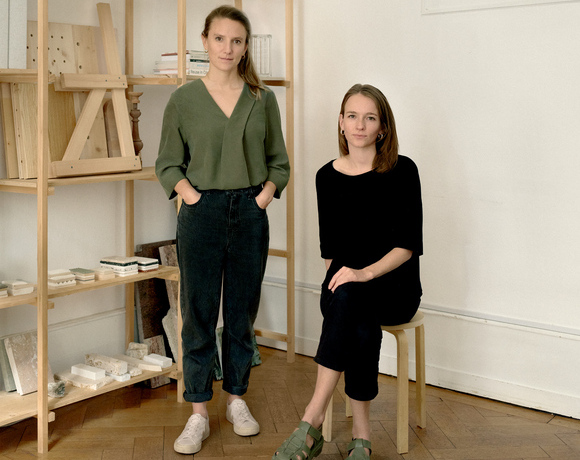
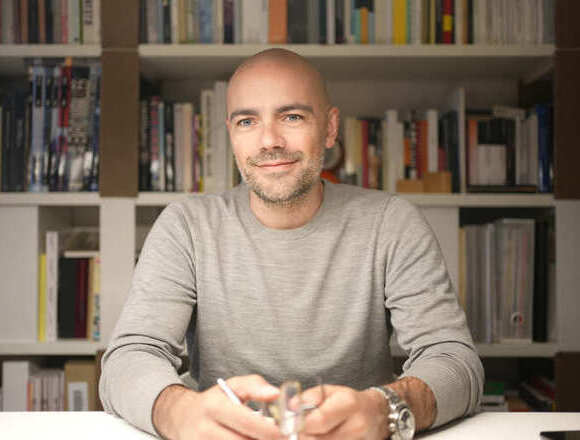
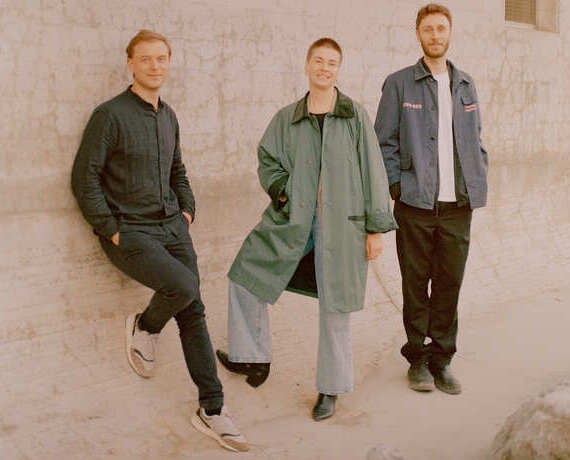
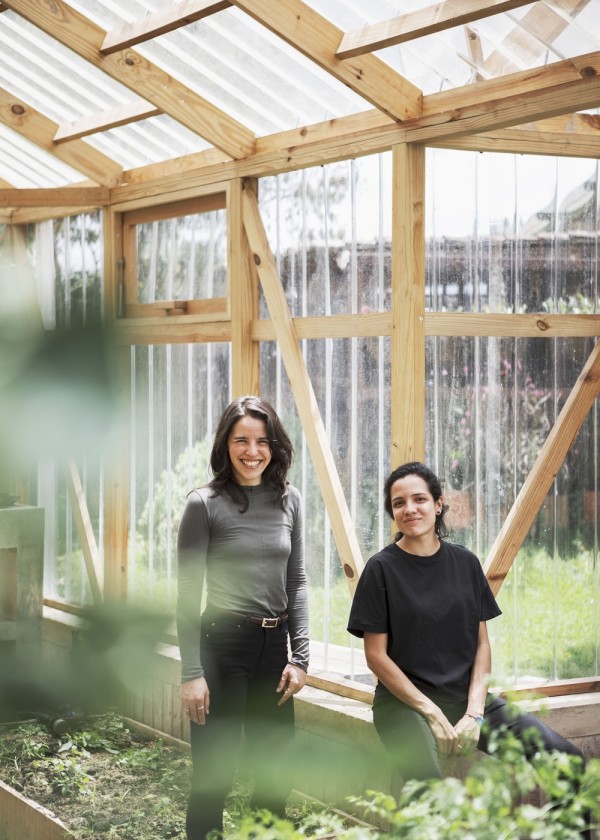
Roofscapes Image 01 âžĄď¸ Roofscapes. Eytan Levi, Tim Cousin, Olivier Faber. Ph. Pete EllisRoofscapes Image 03 âžĄď¸ Construction site of Roofscapes prototype, Paris. Ph. RoofscapesRoofscapes Image 05 âžĄď¸ Thermal and drone comparison before/after. Ph. RoofscapesRoofscapes Image 06 âžĄď¸ Finished project. Ph. RoofscapesRoofscapes Image 08 âžĄď¸ Roofscapes exhibition, 2025 Venice Biennale. Ph. Lloyd LeeRoofscapes Image 09 âžĄď¸ “Climate realignment” at the scale of a Parisian block. Img. Roofscapes


a project powered by Itinerant Office

subscribe to our newsletter

follow us