elua®
Cinematic Practice
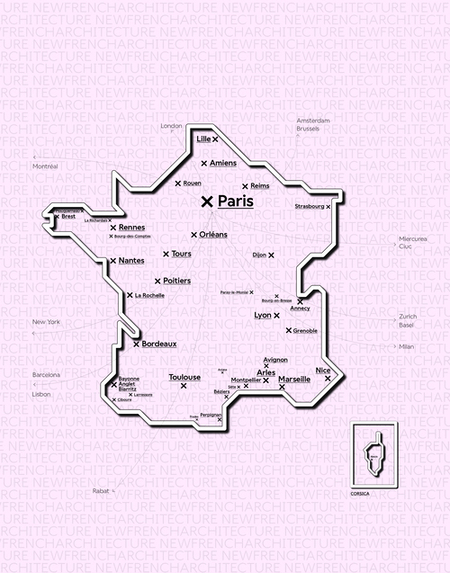
New French Architecture
An Original Idea by New Generations
asné achitecture
Material Roots, Precise Vision
Studio Classico
Breaking conventions with Studio Classico
Gwendoline Eveillard Studio
The Challenge of Reuse
KIDA
From Playground to Practice
atelier mura scala
Aiming at Peripheral Futures
rerum
A Laboratory for Urban Transformation
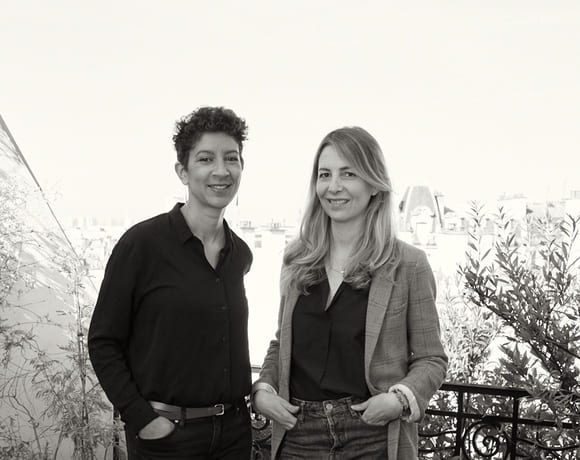
Le Studio Sanna Baldé
Bodies and Communities, First
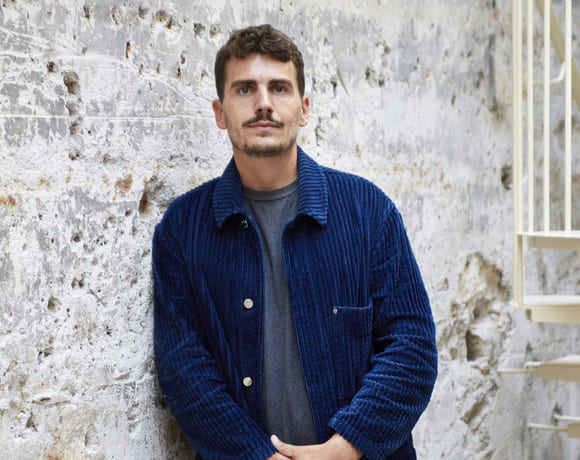
QSA
A Journey of Reinvention and Adaptation
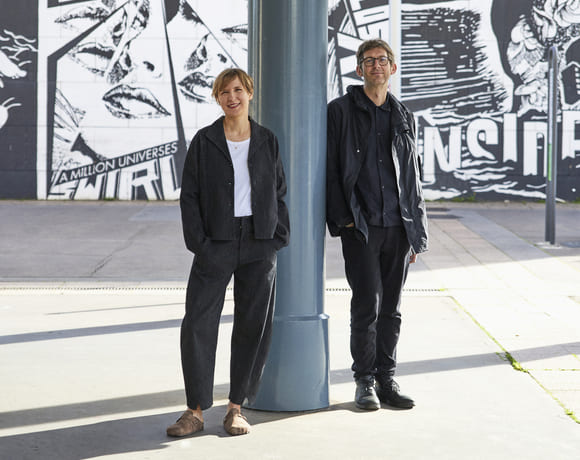
LDA Architectes
Practising Responsiveness
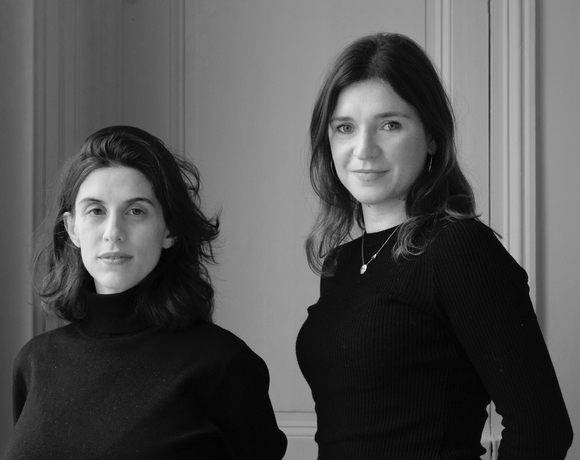
Atelier Sierra
Geographies of Practice
nicolas bossard architecture
Evolution: Flat by Flat
Compagnie architecture
Culture on Site
Studio Albédo
Strategic Acts of Architecture
Fabricaré
Simplicity and Singularity In the Making
Renode
Renovation as Quiet Resistance
Kapt Studio
Pushing Boundaries Across Scales
Room Architecture
Between Theory, Activism, and Practice
AVOIR
Structural Unknowing
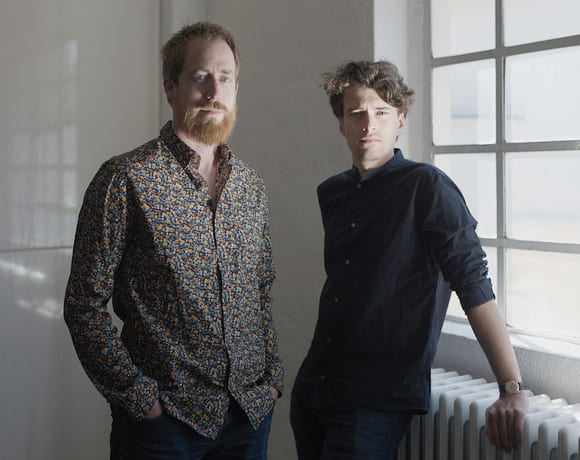
DRATLER DUTHOIT architectes
Crafting Local Language
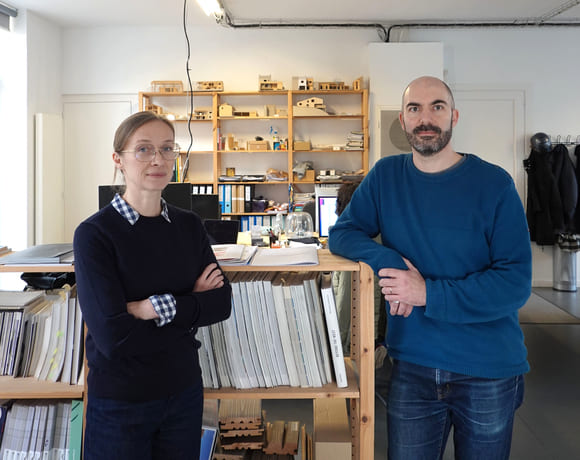
Claas Architectes
Building with the Region in Mind
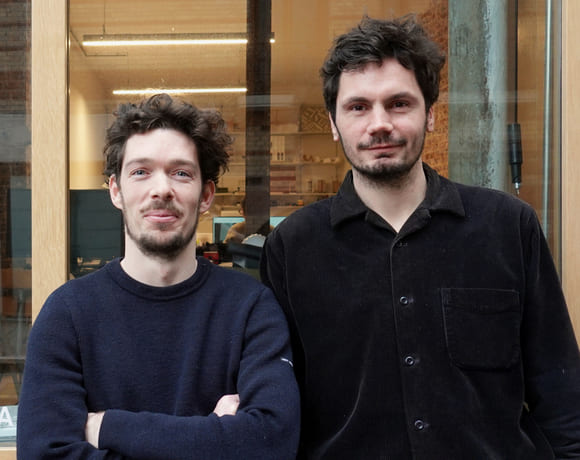
B2A - barre bouchetard architecture
Embracing Uncertainty in Architecture
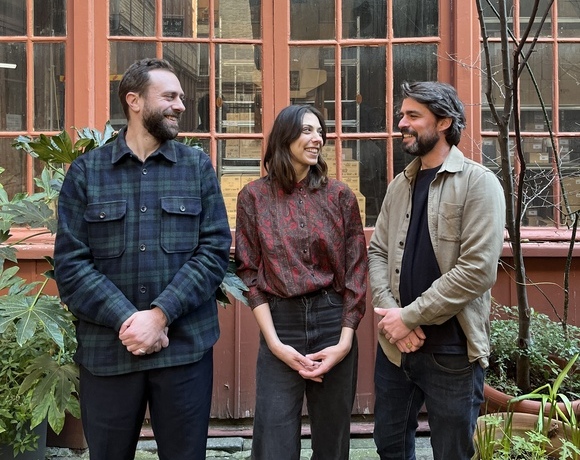
Acmé Paysage
Nurturing Ecosystems
Atelier Apara
Architecture Through a Pedagogical Lens
HEMAA
Designing for Ecological Change
HYPER
Hyperlinked Scales
Between Utopia and Pragmatism
Oblò
Dialogue with the Built World
Augure Studio
Revealing, Simplifying, Adapting
Cent15 Architecture
A Process of Learning and Reinvention
Pierre-Arnaud Descôtes
Composing Spaces, Revealing Landscapes
BUREAUPERRET
What Remains, What Becomes
ECHELLE OFFICE
In Between Scales
Atelier
Rooted in Context, Situated at the Centre
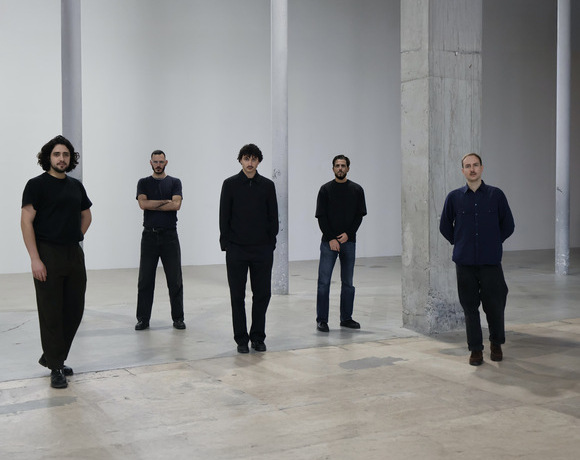
AJAM
Systemic Shifts, Local Gestures
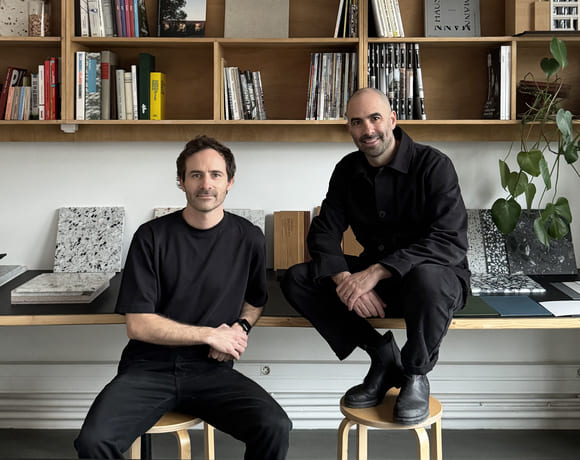
Mallet Morales
Stories in Structure
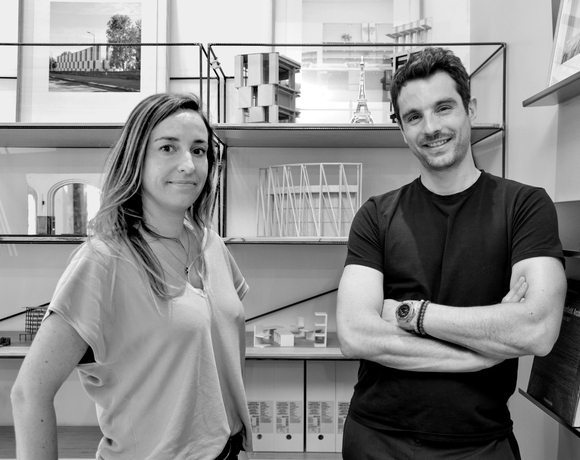
Studio SAME
Charting Change with Ambition
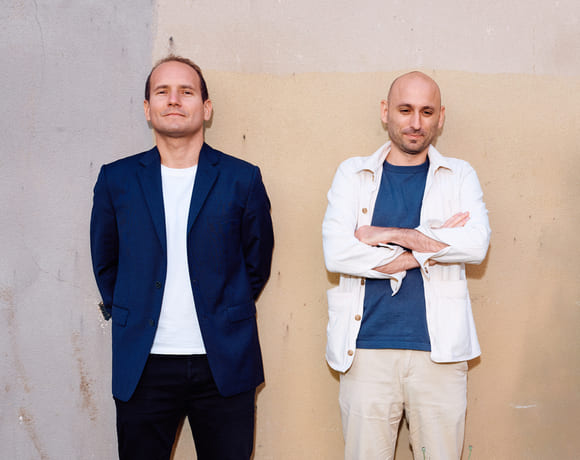
Lafayette
Envisioning the City of Tomorrow
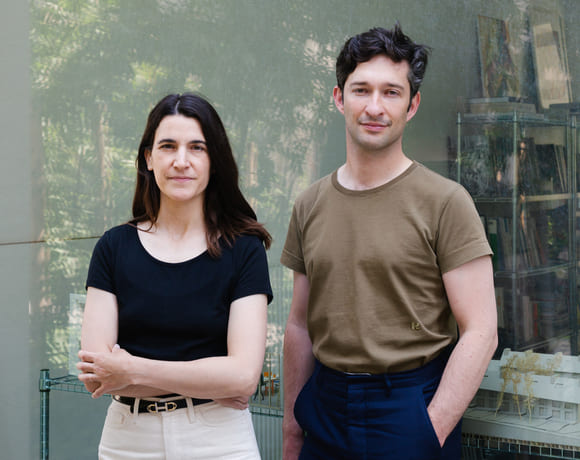
Belval & Parquet Architectes
Living and Building Differently
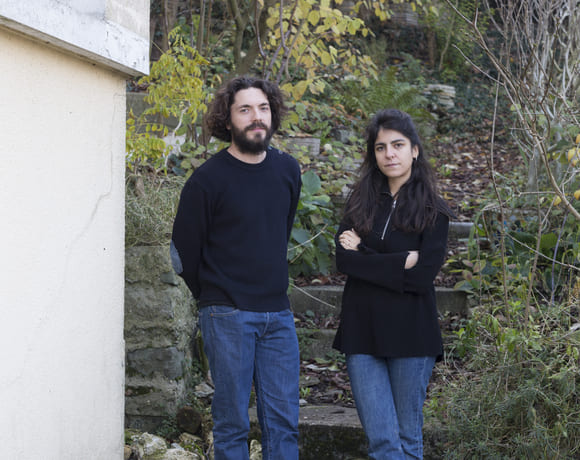
127af
Redefining the Common
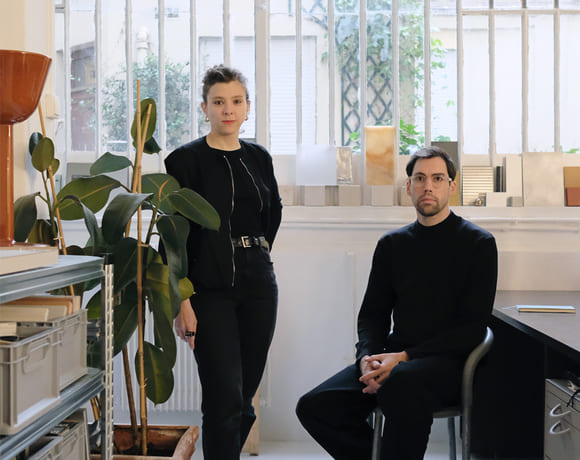
HEROS Architecture
From Stone to Structure
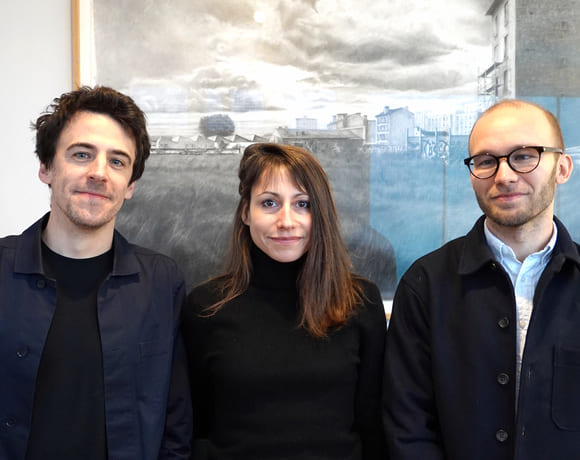
Carriere Didier Gazeau
Lessons from Heritage
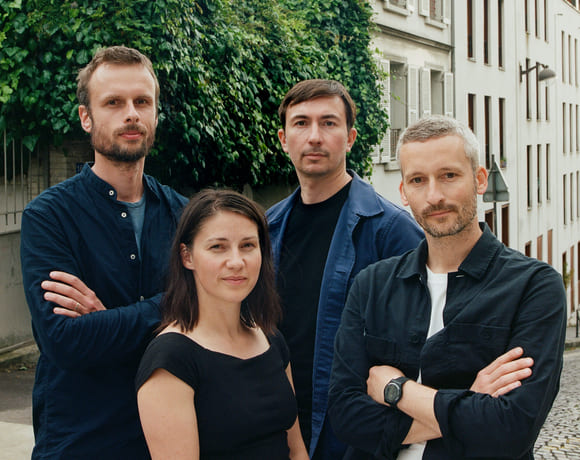
a-platz
Bridging Cultures, Shaping Ideas
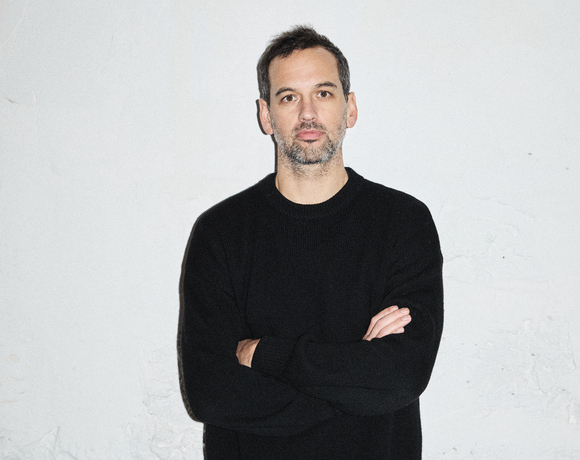
Rodaa
Practicing Across Contexts
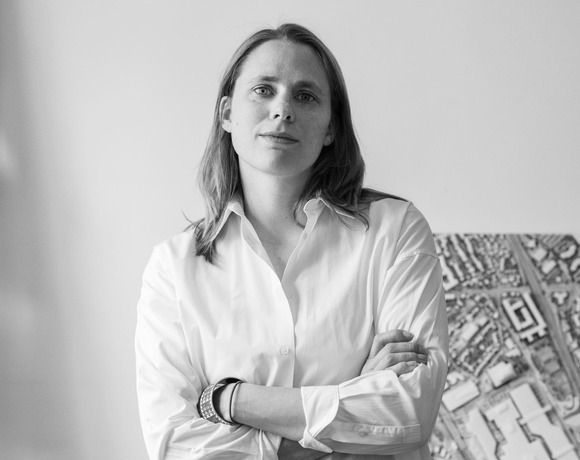
Urbastudio
Interconnecting Scales, Communities, and Values
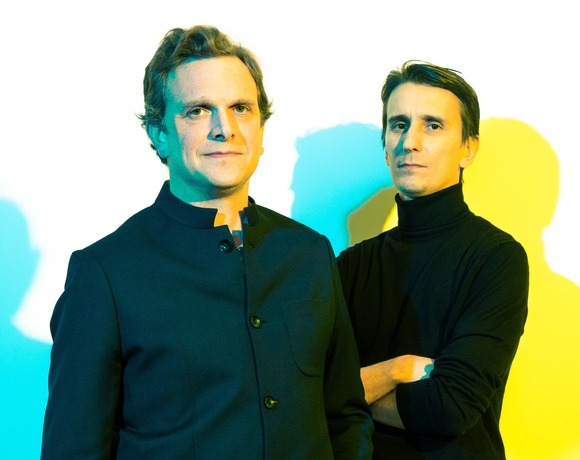
Oglo
Designing for Care
Figura
Figures of Transformation
COVE Architectes
Awakening Dormant Spaces
Graal
Understanding Economic Dynamics at the Core
ZW/A
United Voices, Stronger Impacts
A6A
Building a Reference Practice for All
BERENICE CURT ARCHITECTURE
Crossing Design Boundaries
studio mäc
Bridging Theory and Practice
studio mäc
Bridging Theory and Practice
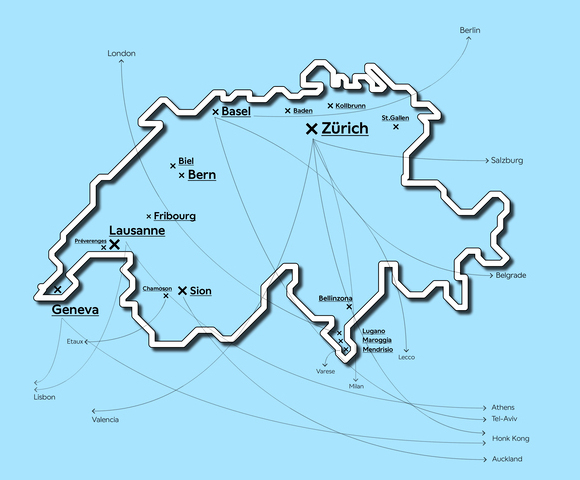
New Swiss Architecture
An Original Idea by New Generations
KUMMER/SCHIESS
Compete, Explore, Experiment
ALIAS
Stories Beyond the Surface
sumcrap.
Connected to Place
BUREAU/D
From Observation to Action
STUDIO ROMANO TIEDJE
Lessons in Transformation
Ruumfabrigg Architekten
From Countryside to Lasting Heritage
Kollektiv Marudo
Negotiating Built Realities
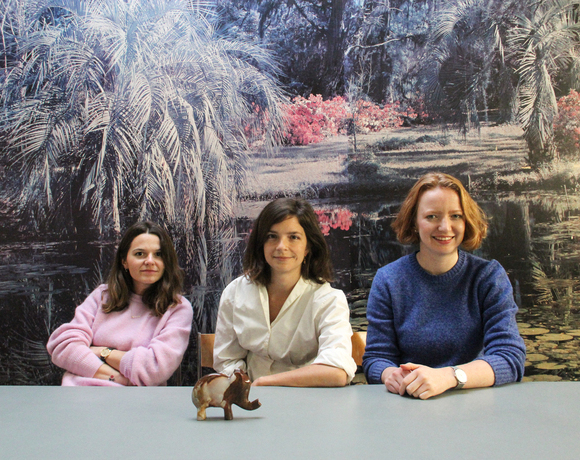
Studio Barrus
Starting byChance,Growing Through Principles
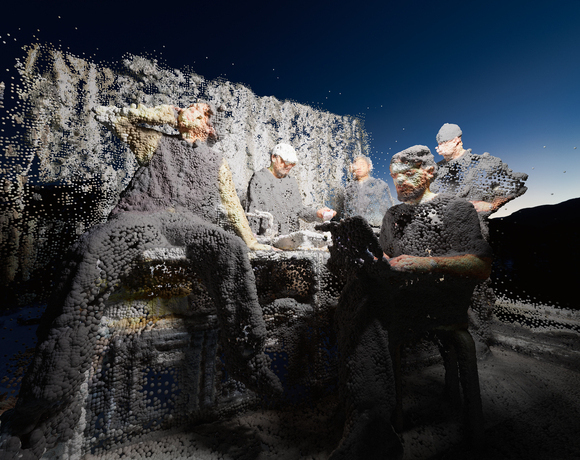
dorsa + 820
Between Fiction and Reality
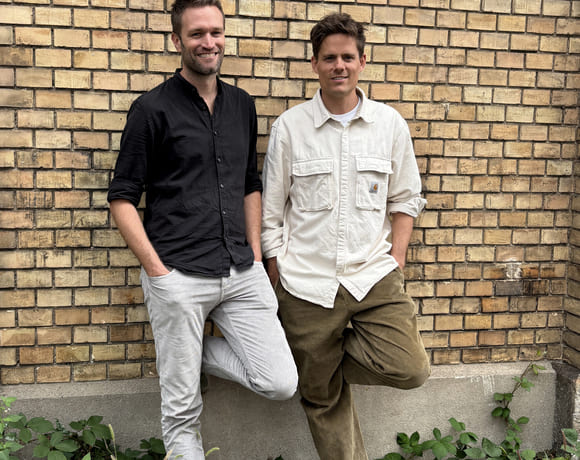
S2L Landschaftsarchitektur
Public Spaces That Transform
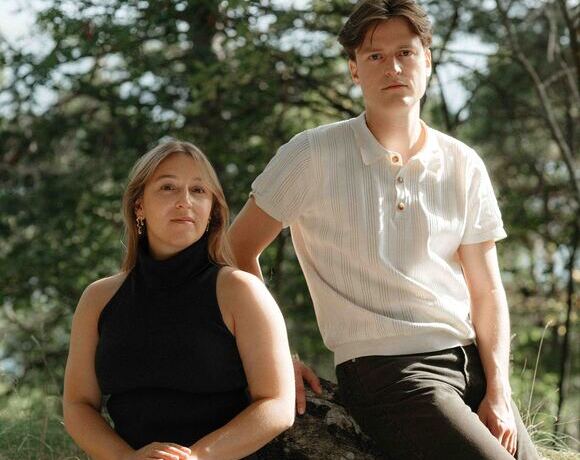
DER
Designing Within Local Realities
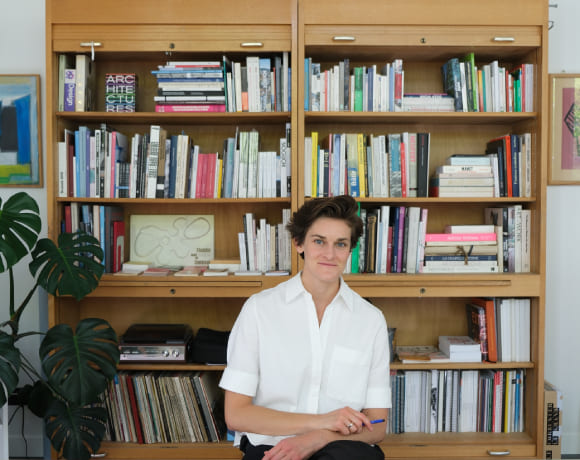
Marginalia
Change from the Margins
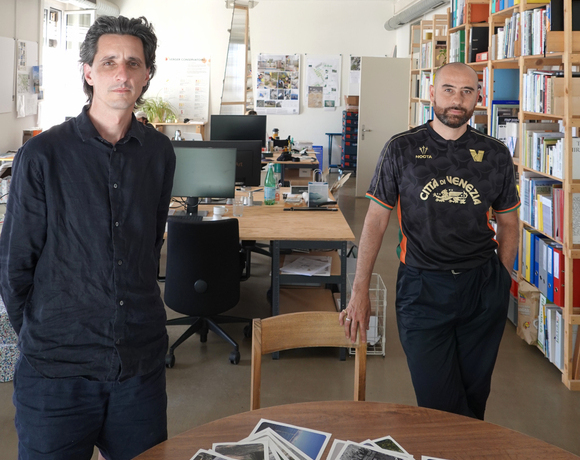
En-Dehors
Shaping a Living and Flexible Ecosystem
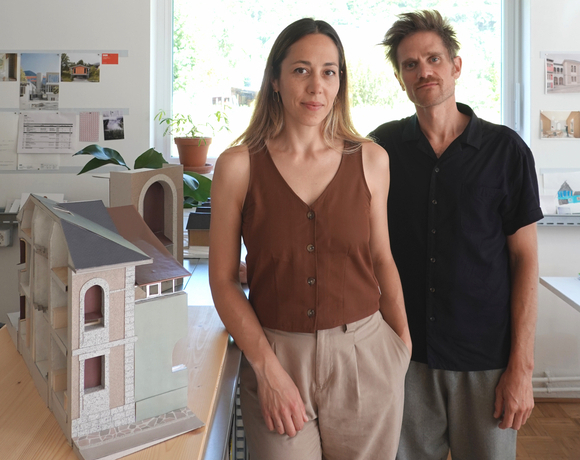
lablab
A Lab for Growing Ideas
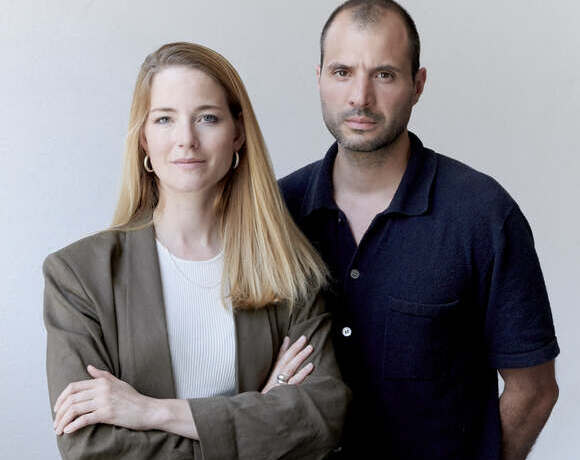
Soares Jaquier
Daring to Experiment
Sara Gelibter Architecte
Journey to Belonging
TEN (X)
A New Kind of Design Institute
DF_DC
Synergy in Practice: Evolving Together
GRILLO VASIU
Exploring Living, Embracing Cultures
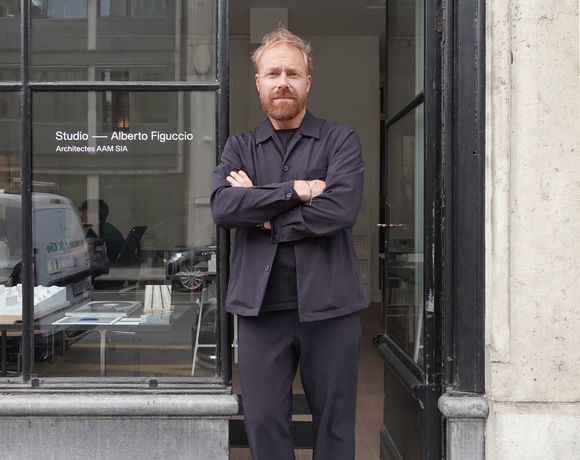
Studio — Alberto Figuccio
From Competitions to Realised Visions
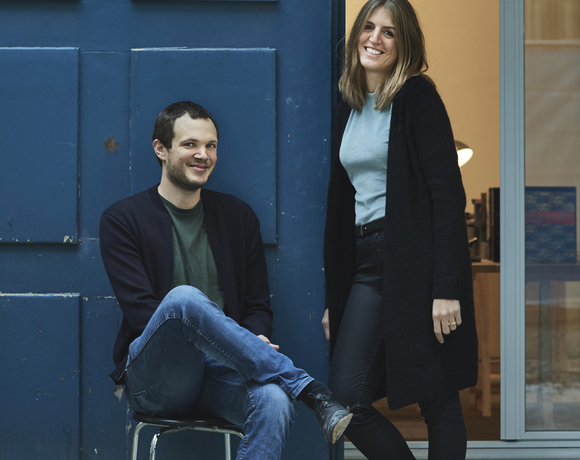
Mentha Walther Architekten
Carefully Constructed
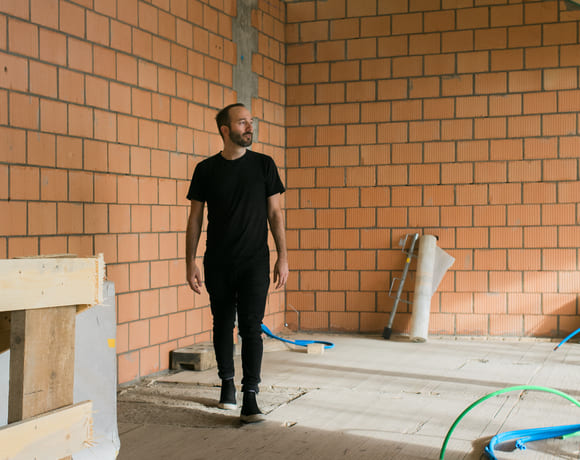
Stefan Wuelser +
Optimistic Rationalism: Design Beyond the Expected
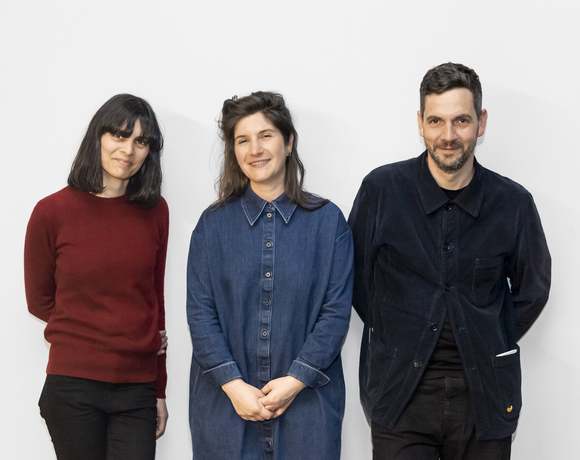
BUREAU
A Practice Built on Questions
camponovo baumgartner
Flexible Frameworks, Unique Results
MAR ATELIER
Exploring the Fringes of Architecture
bach mühle fuchs
Constantly Aiming To Improve the Environment
NOSU Architekten GmbH
Building an Office from Competitions
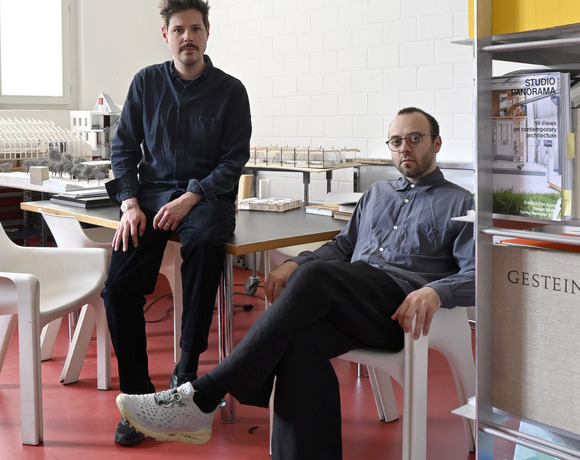
BALISSAT KAÇANI
Challenging Typologies, Embracing Realities
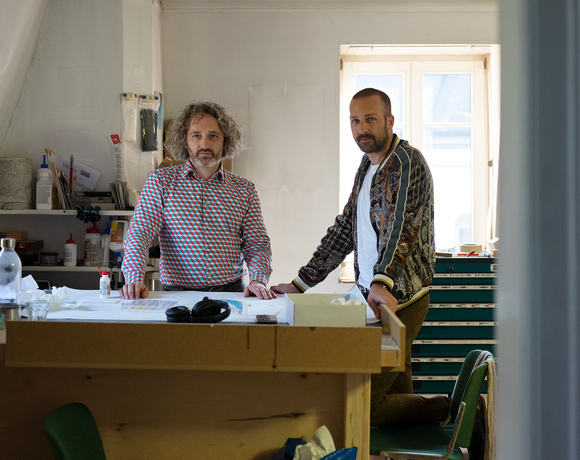
Piertzovanis Toews
Crafted by Conception, Tailored to Measure
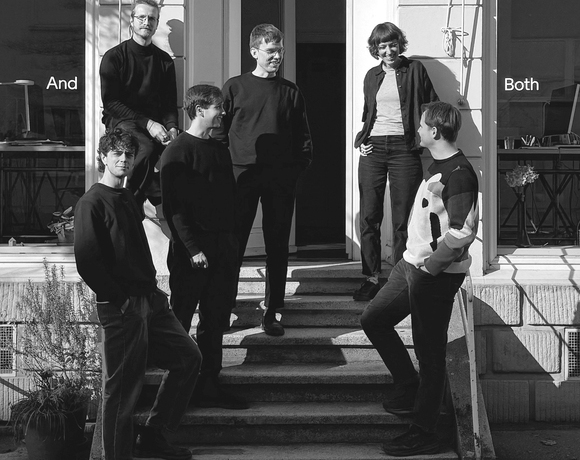
BothAnd
Fostering Collaboration and Openness
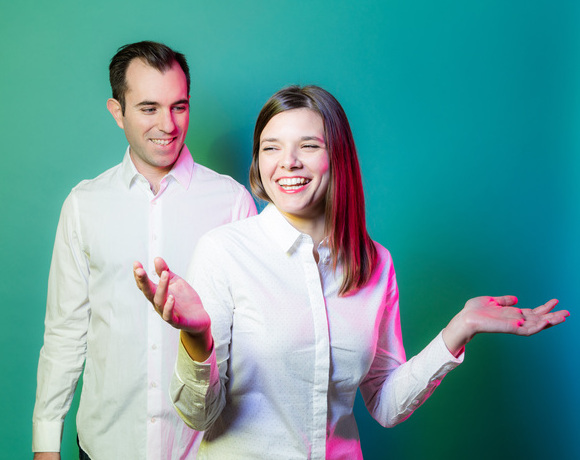
Atelier ORA
Building with Passion and Purpose
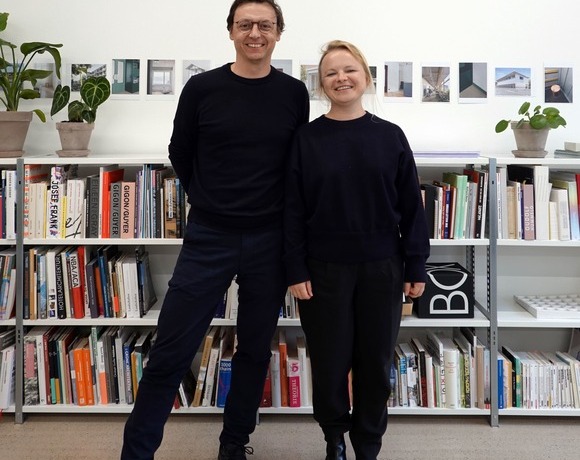
Atelier Hobiger Feichtner
Building with Sustainability in Mind
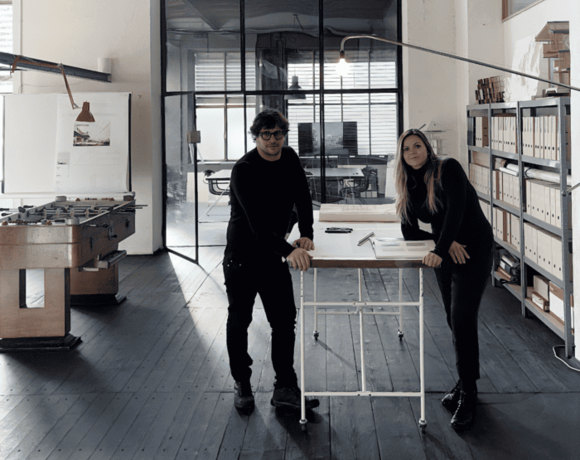
CAMPOPIANO.architetti
Architecture That Stays True to Itself
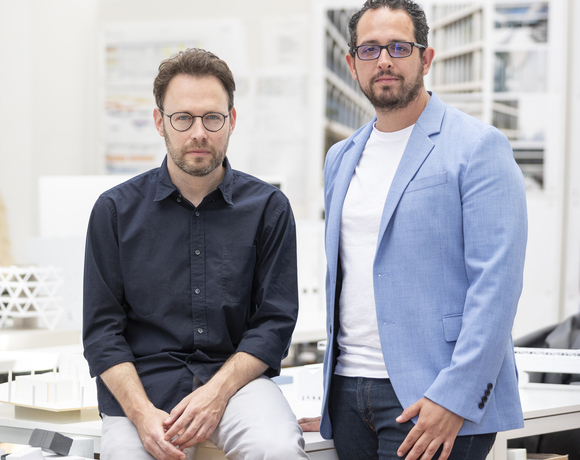
STUDIO PEZ
The Power of Evolving Ideas
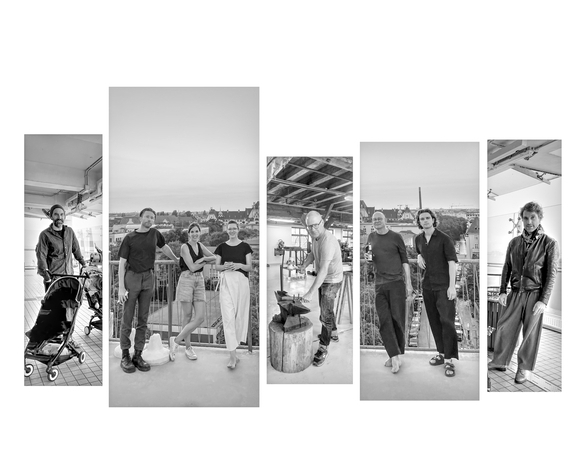
Architecture Land Initiative
Architecture Across Scales
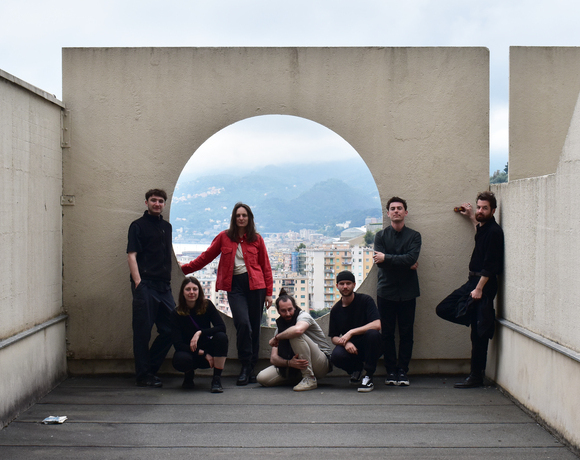
ellipsearchitecture
Humble Leanings, Cyclical Processes
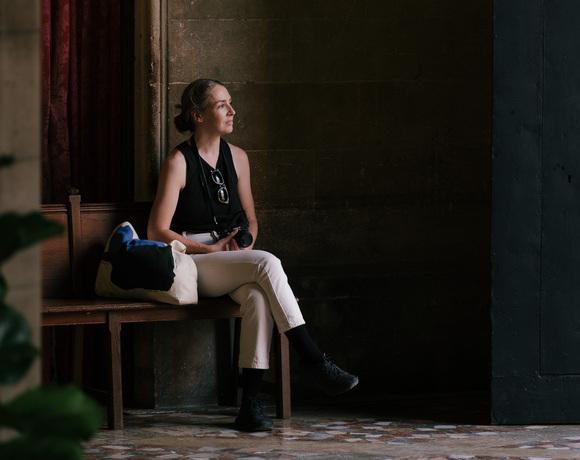
Sophie Hamer Architect
Balancing History and Innovation
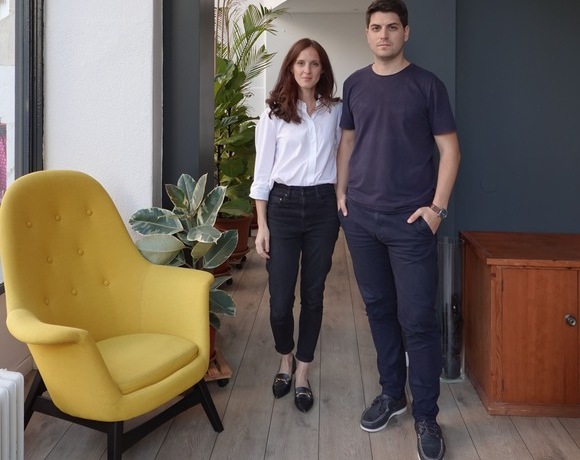
Argemí Bufano Architectes
Competitions as a Catalyst for Innovation
continentale
A Polychrome Revival
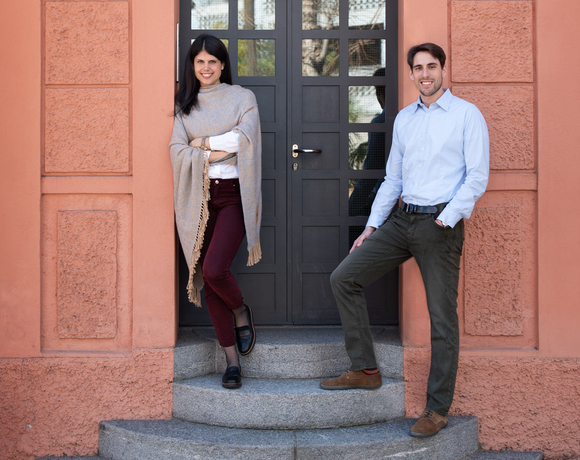
valsangiacomoboschetti
Building With What Remains
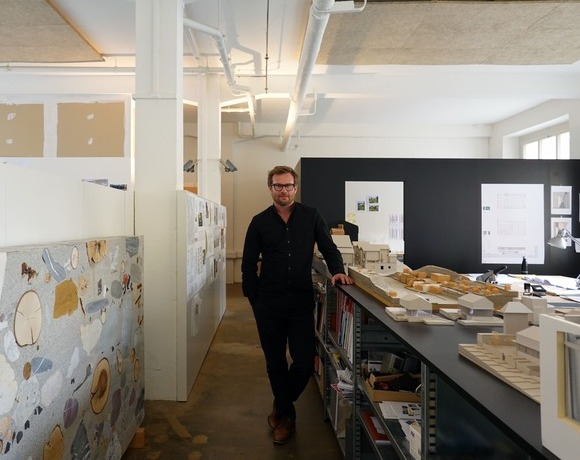
Oliver Christen Architekten
Framework for an Evolving Practice
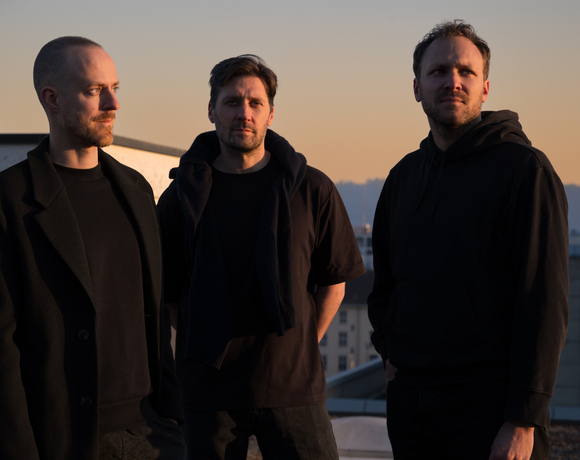
MMXVI
Synergy in Practice
Balancing Roles and Ideas
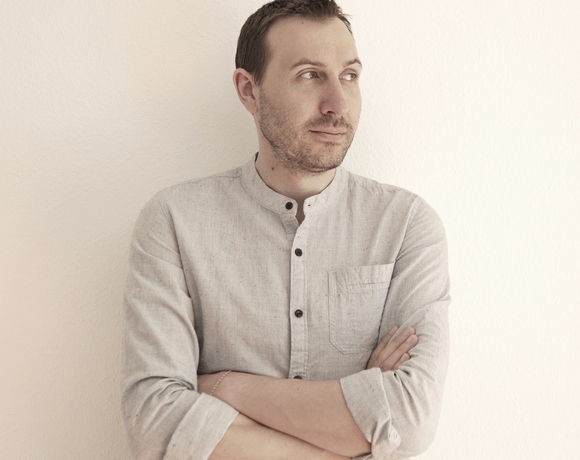
studio 812
A Reflective Approach to
Fast-Growing Opportunities
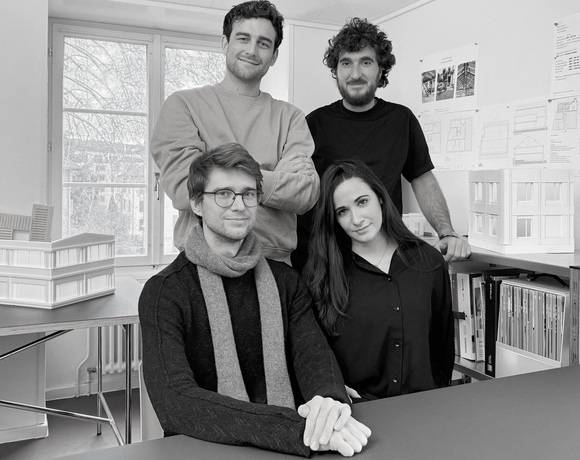
STUDIO4
The Journey of STUDIO4
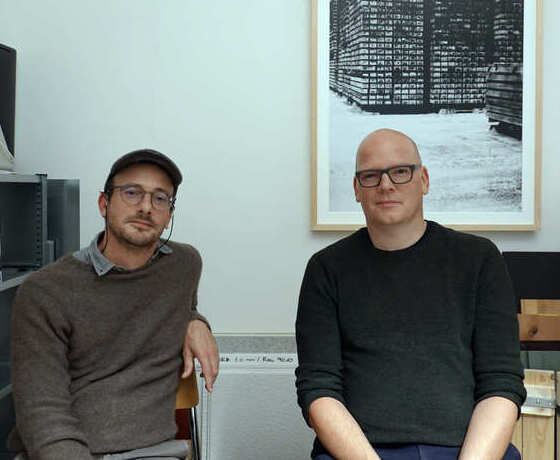
Holzhausen Zweifel Architekten
Shaping the Everyday
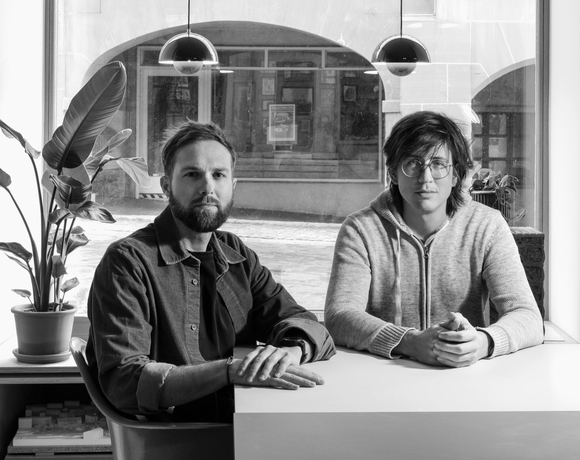
berset bruggisser
Architecture Rooted in Place
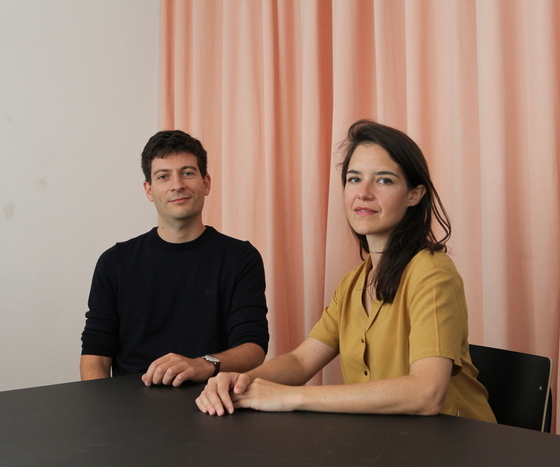
JBA - Joud Beaudoin Architectes
New Frontiers in Materiality
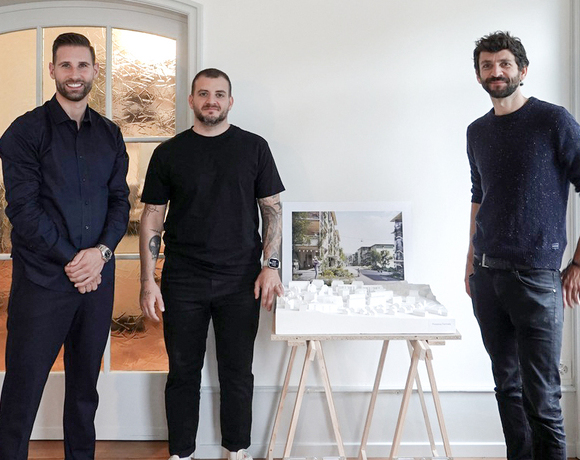
vizo Architekten
From Questions to Vision
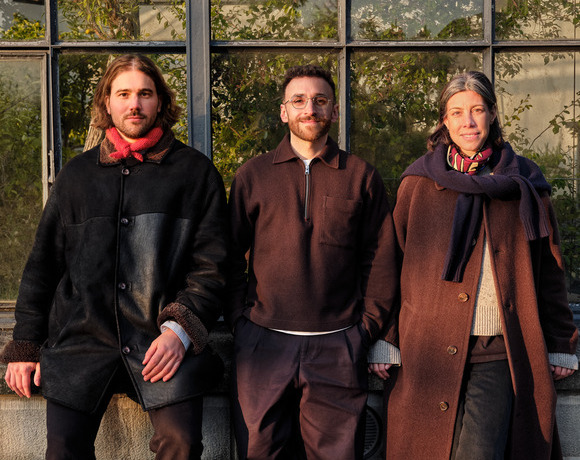
Atelier NU
Prototypes of Practice
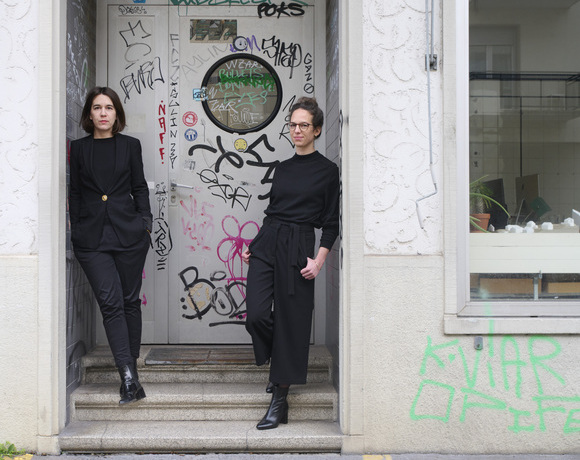
Atelier Tau
Architecture as a Form of Questioning
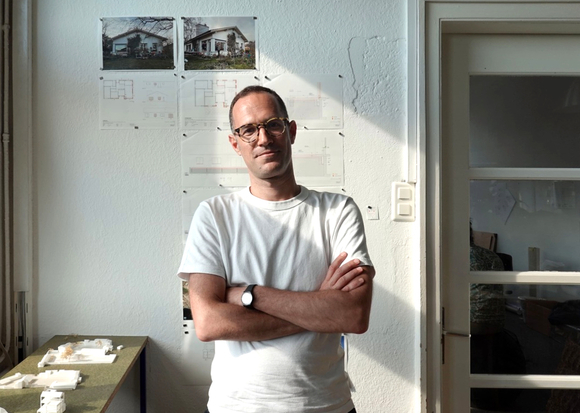
alexandro fotakis architecture
Embracing Context and Continuity
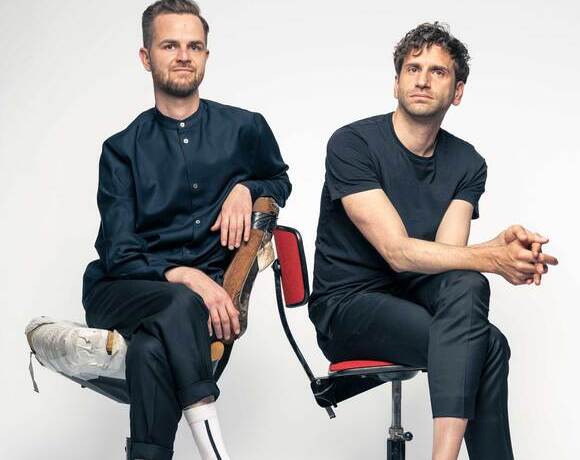
Atelier Anachron
Engaging with Complexity
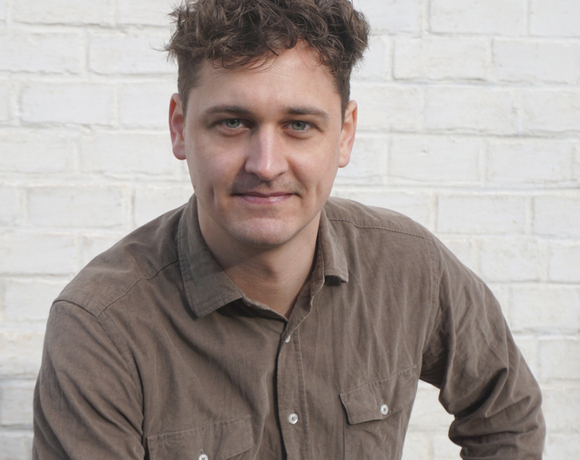
SAJN - STUDIO FÜR ARCHITEKTUR
Transforming Rural Switzerland
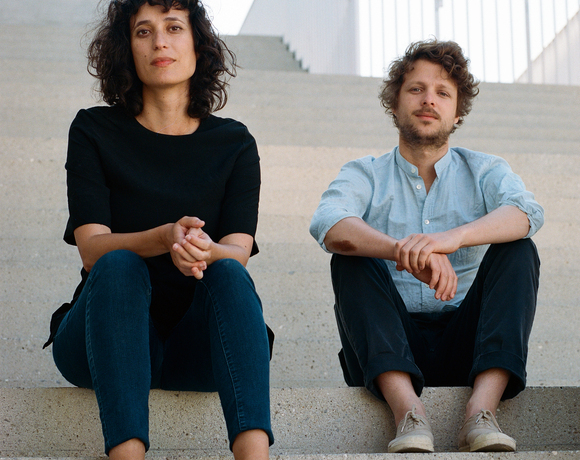
guy barreto architects
Designing for Others, Answers Over Uniqueness
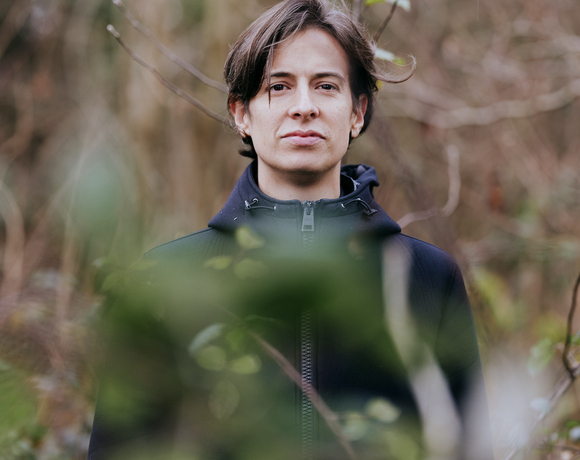
Concrete and the Woods
Building on Planet Earth
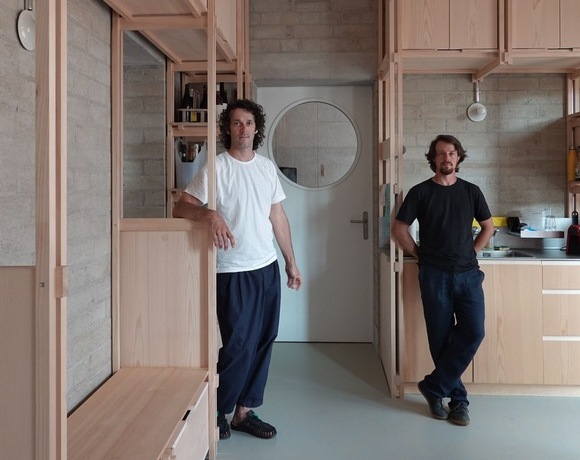
bureaumilieux
What is innovation?
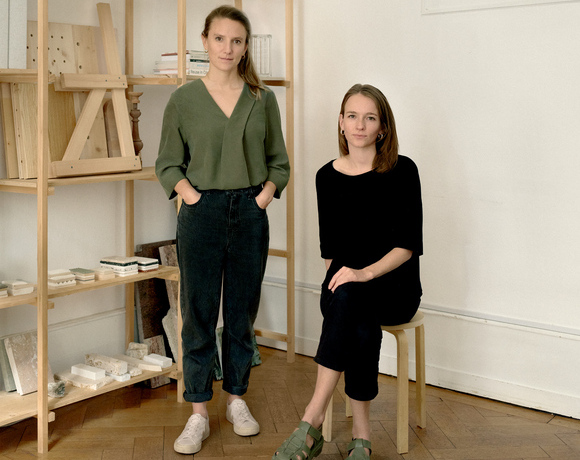
apropå
A Sustainable and Frugal Practice
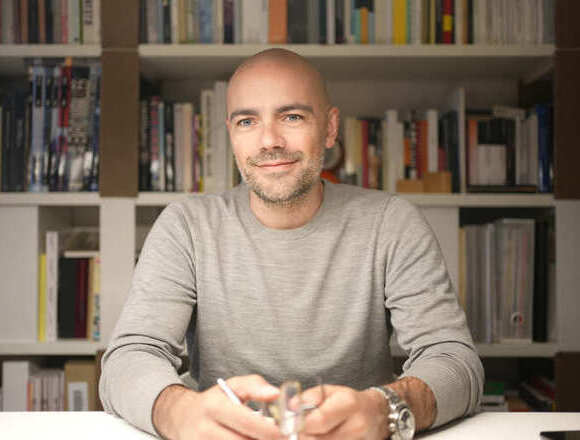
Massimo Frasson Architetto
Finding Clarity in Complex Projects
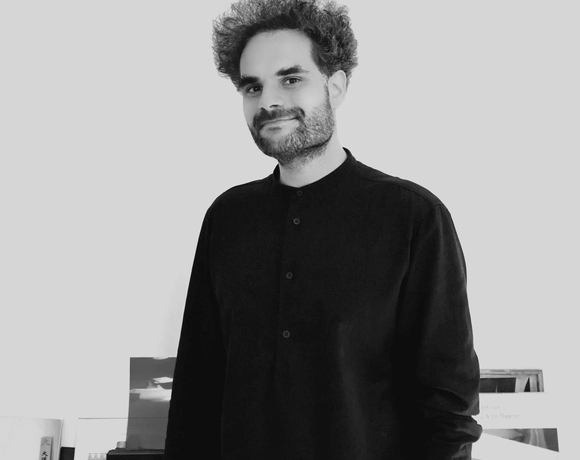
Studio David Klemmer
Binary Operations
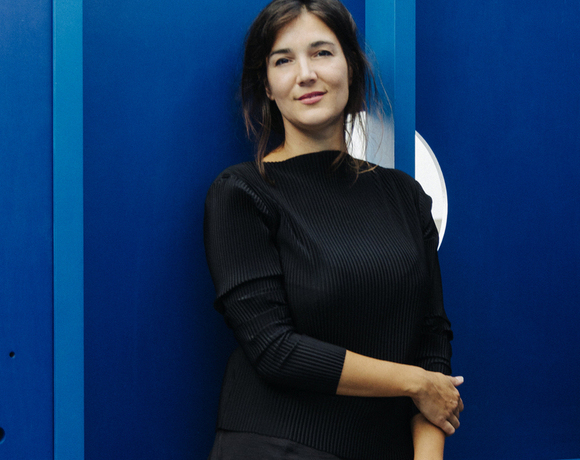
Caterina Viguera Studio
Immersing in New Forms of Architecture
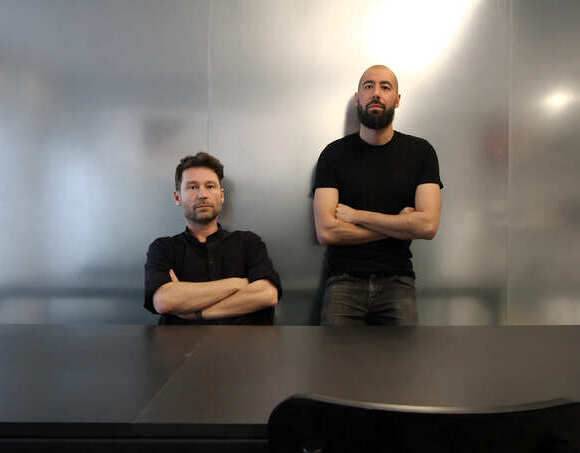
r2a architectes
Local Insights, Fresh Perspectives
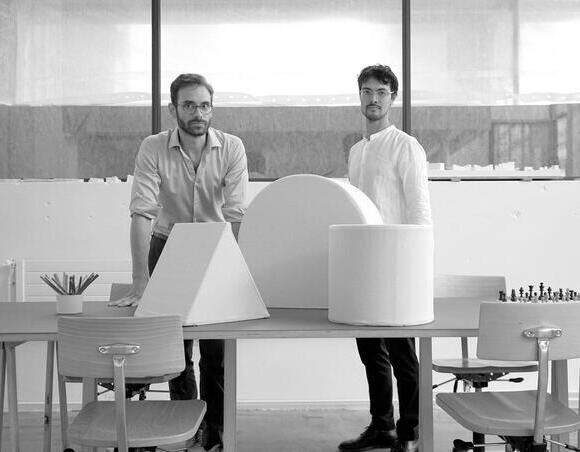
HertelTan
Timeless Perspectives in Architecture
That Belongs
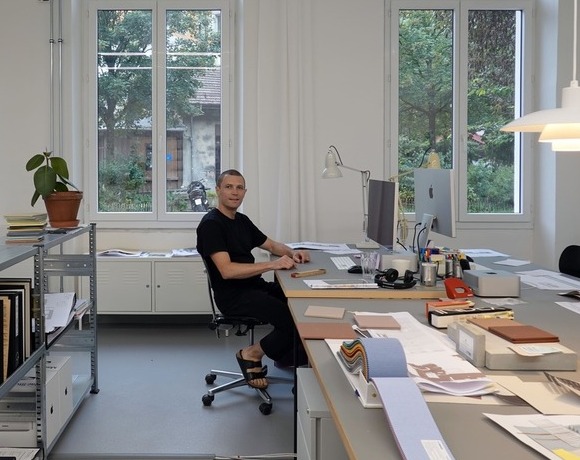
Nicolas de Courten
A Pragmatic Vision for Change
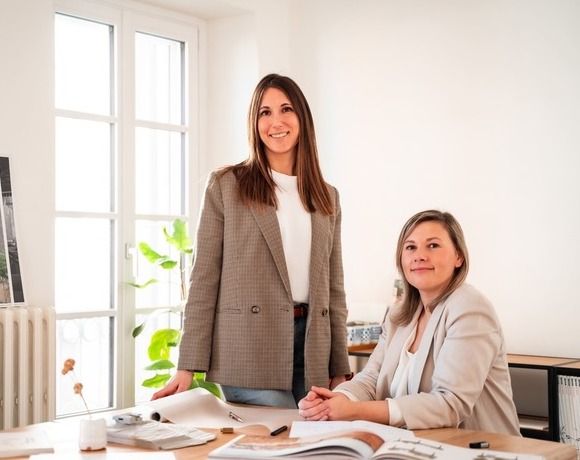
Atelier OLOS
Balance Between Nature and Built Environment
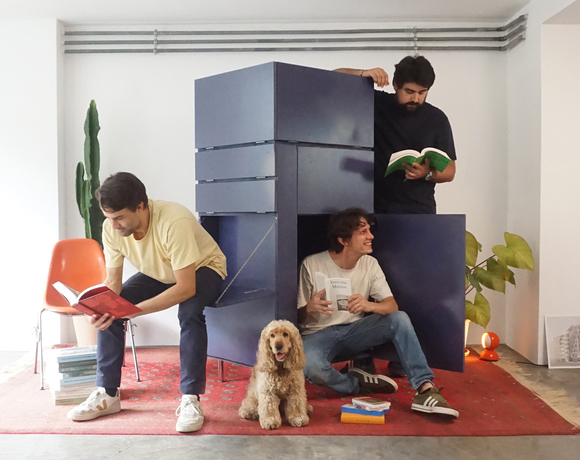
Associati
‘Cheap but intense’: The Associati Way
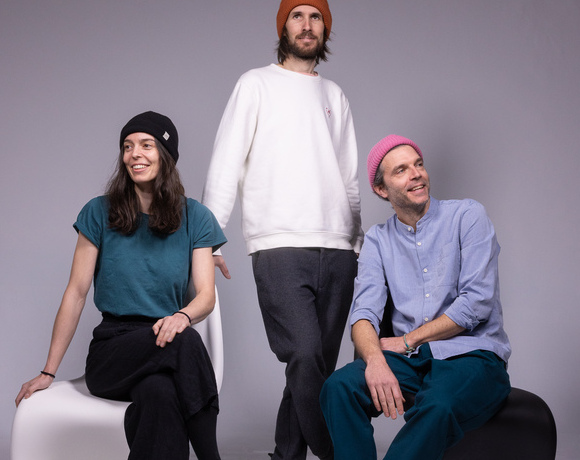
emixi architectes
Reconnecting Architecture with Craft
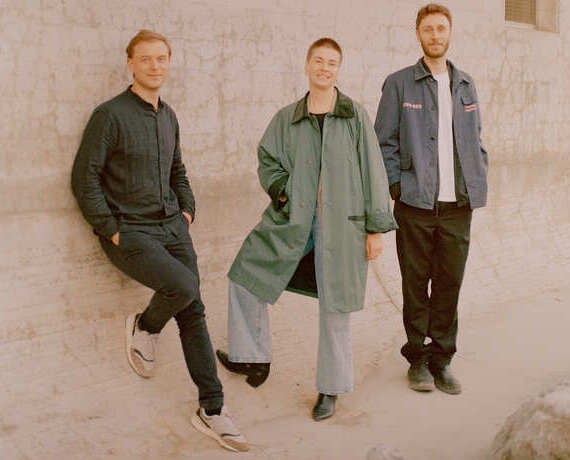
baraki architects&engineers
From Leftovers to Opportunities
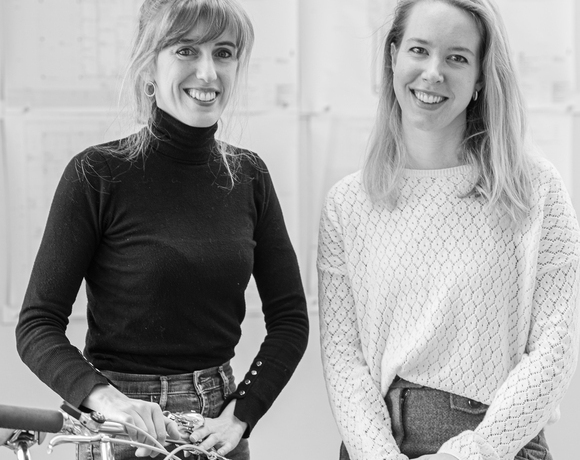
DARE Architects
Material Matters: from Earth to Innovation
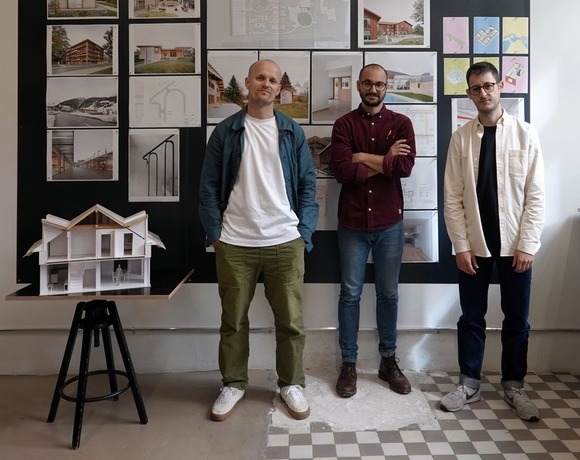
KOMPIS ARCHITECTES
Building from the Ground Up
Fill this form to have the opportunity to join the New Generations platform: submissions will be reviewed on a daily-basis, and the most innovative practices will have the chance to be part of the media's coverage and participate in our cultural agenda, including events, research projects, workshops, exhibitions and publications.
New Generations is a European platform that investigates the changes in the architectural profession ever since the economic crisis of 2008. We analyse the most innovative emerging practices at the European level, providing a new space for the exchange of knowledge and confrontation, theory, and production.
Since 2013, we have involved more than 3.000 practices from more than 50 countries in our cultural agenda, such as festivals, exhibitions, open calls, video-interviews, workshops, and experimental formats. We aim to offer a unique space where emerging architects could meet, exchange ideas, get inspired, and collaborate.
An original idea of New Generations
Team & collaborators: Gianpiero Venturini, Marta Hervás Oroza, Elisa Montani, Giuliana Capitelli, Kimberly Kruge, Canyang Cheng
If you have any questions, need further information, if you'd like to share with us a job offer, or just want to say hello please, don't hesitate to contact us by filling up this form. If you are interested in becoming part of the New Generations network, please fill in the specific survey at the 'join the platform' section.
Cinematic Practice
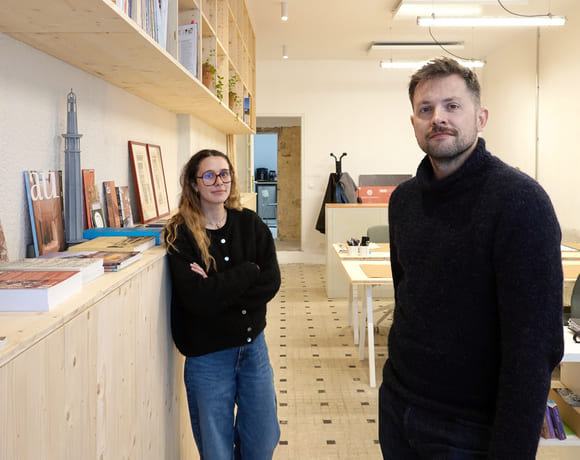
After graduating as an architect from the École Nationale Supérieure d’Architecture et de Paysage de Bordeaux, Clément Miglierina founded studio elua® in Bordeaux at the end of 2006.
His passion for all forms of art — and cinema in particular — deeply influenced his years of study, becoming a living and ongoing reference in his work today.
During his time at the École Nationale Supérieure d’Architecture et de Paysage de Bordeaux, Clément Miglierina developed the movement architecture is cinema, in which cinema serves as the guiding architect for each project. He met architects Patrick Bouchain and Nicole Concordet, who instilled in him a genuine love for the construction site and a sensitive approach to transmission and learning.
By defending a bold and creative artistic stance, his work is defined through singular, sensitive, and highly contextual projects that take shape across the Bordeaux metropolitan area and the Aquitaine countryside, from Agen to Biarritz.
In 2021, Clément Miglierina was named a laureate of the 40\40 Awards, an influential recognition celebrating Europe’s leading young architects under forty.
CM: Clément Miglierina
Echoes of Bordeaux
CM: Reflecting on my experience in Bordeaux, I often think about the unique architectural identity that seems to have formed there—what I sometimes refer to as a kind of "Bordeaux School."
When I was a student, it was all about Lacaton & Vassal. They were major figures—key representatives of the local culture. At the time, they were still based in Bordeaux, before moving to Paris around 2006, following their work on the Palais de Tokyo. There was also Jacques Hondelatte, Jean Nouvel’s friend and intellectual peer. Their practices shared certain similarities, but while Nouvel achieved widespread success, Hondelatte remained less well known. He had a strong personality and was an early adopter of digital tools—images, synthetic renderings—which he used to tell stories through his projects. I remember that during my studies, I wanted to have him as a professor. I chose his course, but he passed away in 2002, so I never had the chance to work with him.
Maybe this idea of a “Bordeaux School” exists only in my mind, shaped by personal references and memories from the architecture school. It’s not necessarily a shared mindset, but it was something I felt deeply during my studies and in the years that followed. Today, Bordeaux is home to many architects, which brings a lot of competition—but also a lot of energy. Arc en Rêve, the contemporary architecture centre, was especially important to me and remains a reference point for architects both in the city and beyond. I had heard about it even before coming to Bordeaux to study architecture. It felt like a sign.
Experimental practice
CM: I founded my practice in 2008, just after my studies. I’ve never worked in an agency. Never worked in a typical office setting. I created elua® right after graduating. I like to say that I’m a professional with an amateur eye: experimental and creative. That’s important to me because it allows me to keep a kind of naivety. I learn something new every day. Sonia Rykiel said something like that about fashion—that she was not a professional, but an amateur—and I keep that quote close to me in my practice. It’s a kind of bricolage. That spirit really speaks to me.
We have to work with different materials, and building norms have become more constraining. There’s a lot of administrative complexity around projects—it’s complicated. But still, it feels similar to when I started. We talk about the rise of young, rural architects, or collectives—that has definitely changed. But for my practice, I don’t feel a huge shift. I work in my own region, and every project feels like the beginning all over again. Like a writer facing a blank page. It always feels like that at the start. In 2021, the studio received the prestigious European 40under40 Award. This kind of programme is very competitive but also allows you to feel like you belong to something bigger, collective, and emerging. This motivates us to continue our work like this.
Building stories
CM: Every project feels complex at first. I always have to ask myself: What is architecture? What makes a good project? That question never goes away. Since 2006, and even today, it’s always complicated. But I love it. It’s a passion. Even if sometimes I think, How am I going to do this? How will I get there?
There are also more intellectual elements that shape my practice. Cinema, for example, has always been very important to me. When I was a student, I wrote my thesis on the link between architecture and cinema. It was entitled “Architecture is Cinema”. I know it’s a bit of a cliché—many people say that architecture is like cinema. Because both involve many contributors, different specialists, and the architect, like a director, has to tie it all together—budget, people, program, scenario—then make something tangible from it: a building, a film.
But what really interests me is not just the production aspect, but cinematic space itself. When I was a student, I used to say that cinema is the best architect because it creates space around people. A sensitive space. A living space. Un espace vivant. That was the real connection for me—between architecture and cinema. It became a foundation for elua. From the beginning, my goal has been to create living spaces, spaces that form around people. I’m not specifically interested in materials, even though they’re very important in today’s practices. For me, materials are more of a means to an end. What matters is the story. Telling a story for the users of the space—that’s what really drives me. That’s another link to film. Every project begins with a story, even before any drawings. Like a synopsis, a scenario. And all my projects have names—like movie titles.
Freedom within limits
CM: Eric Rohmer was a key reference for me because he worked with sentiment, and that’s really important. What’s fascinating about Rohmer’s practice is how economical it was. His movies involved maybe ten people at most—the actors and crew—and while not many people saw the films, they were very profitable because the budgets were so low. It’s interesting because his films are intimate, yet they made economic sense. In our projects, money is a crucial issue—it’s at the core of every project. I like this about Rohmer because he was truly singular; there are no other movies quite like his. He operated within a tight budget, which gave him the freedom to create exactly what he wanted.
That’s an architectural model too: to be truly free to work as you want, even with modest projects—not necessarily big ones—but projects you can actually build. Other important cinematic influences for me include David Lynch, Michael Mann, François Truffaut, Alain Resnais—and French filmmakers in general. I love cinema broadly, not just certain directors.
What’s amazing about architecture is that it’s a tangible craft—you can build, in a very literal sense. You can build ideas, which is fabulous. I started working right after my studies because I wanted to stay free. I was very creative when I was younger, but I didn’t initially want to build houses or be an architect at all. Now, creativity is rarer, and that’s magical—you have an idea, you can work on it little by little, and then build it with a team. It’s fabulous. I want to keep that in my mind—stay curious—because the magic is important. That has been really important for me. I love the fine arts, but I chose architecture. I was looking for a job where I could freely express myself and be creative.
Folds, frames, and feelings
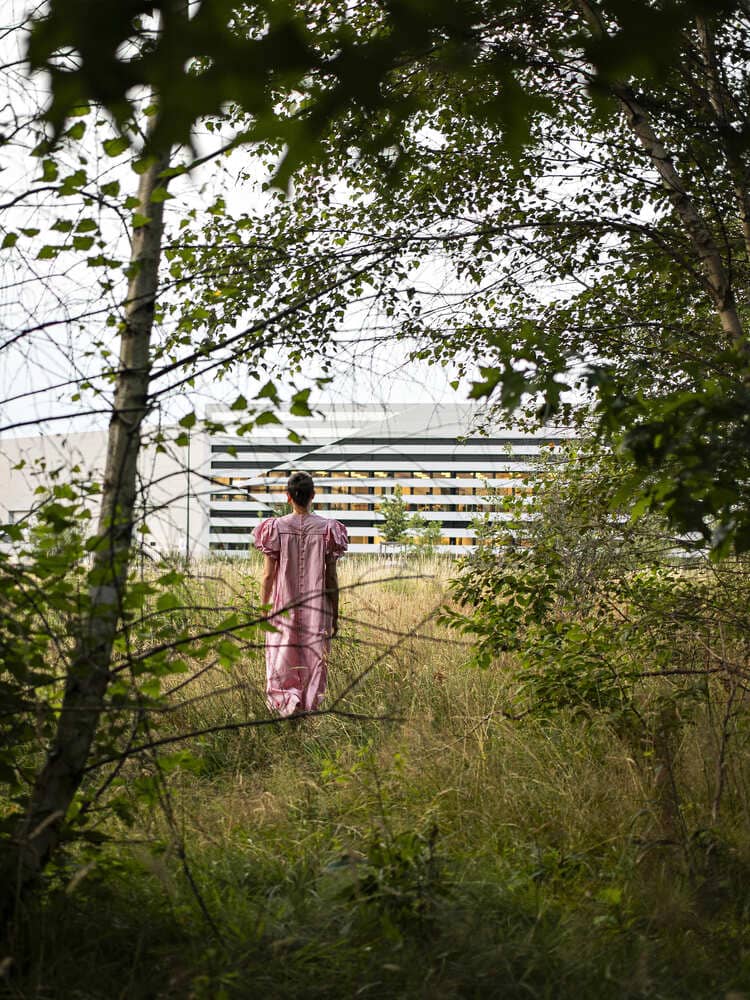
CM: Inspired by the delicate art of folding fabric, the Iron Giant exemplifies my approach where architecture intersects with fashion and cinema. This folding metal plant draws directly from the concept of fabric folds—le pliage du tissu—creating a tangible connection between structure and textile. That was the origin. To create the building, I collaborated with Prune Goldschmidt, a fashion stylist in Bordeaux. We worked with an actress who wore a dress lent by Prune. This linked the metal folds and fabric folds, bringing a connection with cinema. This project is industrial, so it had to be economical—ultra-profitable. The contours of the ribbons made the design very efficient. All the ribbons are oriented on a prairie that’s a Natura 2000 protected site, so I wanted to highlight and respect this natural area in the project.
Les Sentiments is another project deeply connected to cinema. Located in the Brazza neighbourhood in Bordeaux, along the waterfront of the Garonne River, it comprises nine houses—five on one side, four on the other. When presenting the project, we created a film to explain it. I aim to embrace all forms of representing and experiencing architecture. I always try to find the best media to present a project. At the start, I want to create architecture in a more singular, expressive way. We imagined the nine houses as nine feelings, unfolding in a slow, cinematic motion that evokes expressionist cinema, François Truffaut’s La Femme d’à côté and the Femme-Maisons series by Louise Bourgeois. Emerging from the collective unconscious—distorted to find their way—these expressionist houses form a motionless sequence leading to generous spatial experiences. Part of the Frugal Bordelais Building Label (Label Bâtiment Frugal Bordelais), the project embraces a bioclimatic approach: natural ventilation, shaded vegetation, patios that filter light, and a predominantly wooden structure. The houses open generously onto a central garden—the heart of the island—designed by Sabine Haristoy.
In another project, titled in Dutch Kleed me uit—Undress me in English—we designed social housing for Domofrance: 59 collective dwellings on block B133, part of the large urban development Bastide-Niel, masterplanned by MVRDV. For this project, we collaborated with Atelier Cambium and landscape architects A+R. MVRDV envisioned the master plan as a series of 'petites montagnes'—a mountain-like, trapezoidal urban landscape. The idea was to gradually “undress” the master plan—pour le déshabiller peu à peu. The first block reflects the MVRDV style—very monolithic, mountain-like, trapezoidal. The second block breaks that simplicity a bit, and the last one is more “undressed.” It was a collaborative project, but as elua® we focused more specifically on the 'more undressed' plot. The flats are independent in their layout, but they still fit within the larger MVRDV master plan visually. The form designed by elua® involves textile-like elements—des voiles d’ombrage, shading sails—that deconstruct the original form. While the shapes echo MVRDV’s geometry, we introduced a much lighter, textile quality, like fashion. The textile and metal elements connect conceptually and visually. On the top, there’s a small lift structure with two 'eyes' and a logo that says Kleed me uit—I like to use graphic elements in my projects. Again, like in all my projects, it’s very cinematic. This project was conceived after COVID, and even though I don’t have a lot of experience with collective housing, when working with Atelier Cambium, we wanted to give people generous, pleasant common areas. For that, the area is divided into three plots to create common spaces and a collective garden on top of the building that offers a panoramic view of the neighbourhood.
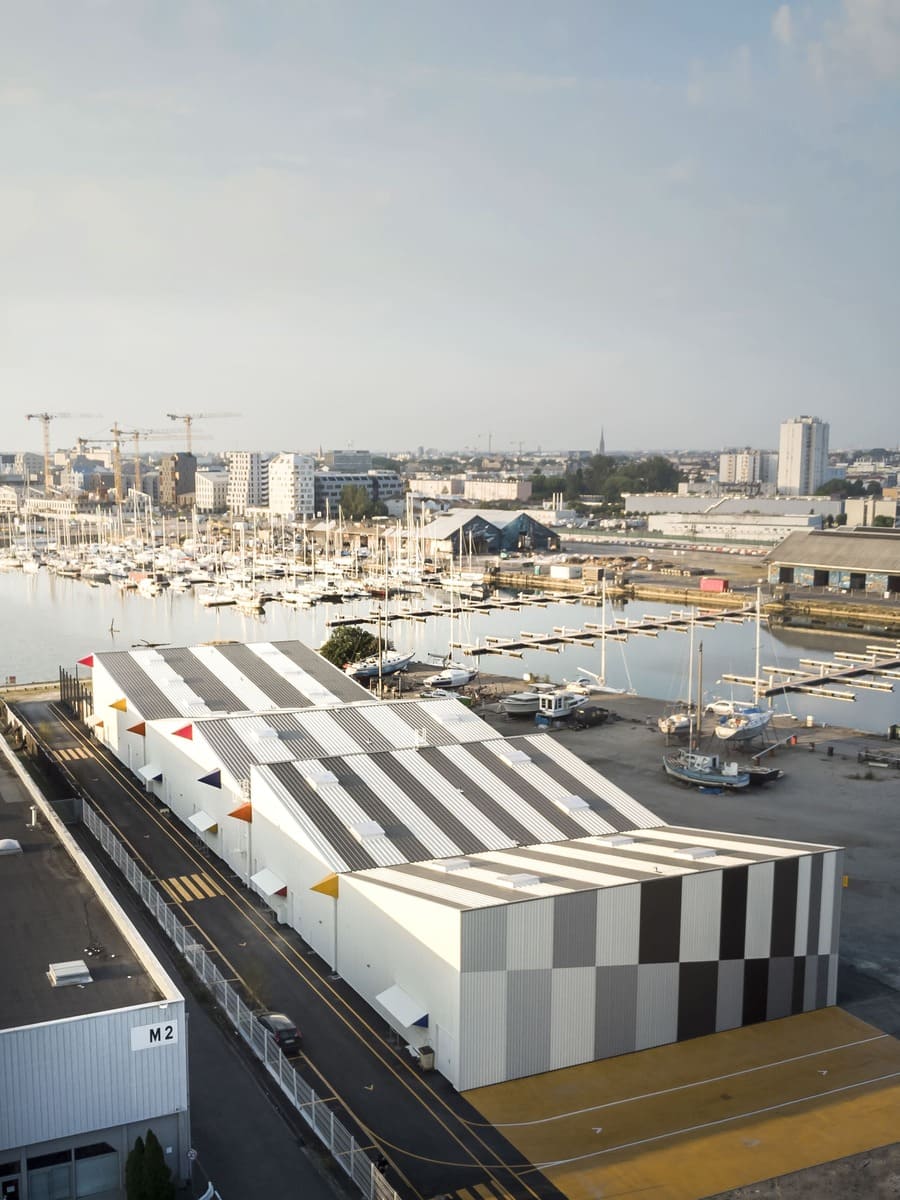
A few years ago, I worked on the project Moby Dick, a new nautical centre near La Base Sous-Marine, the Second World War submarine base in Bordeaux. During the war, it was an Italian and German submarine base. My commission was to build a workshop for the harbour workers, including textile workers. This was my first industrial project, and I was inspired by the dazzle camouflage—the paint used by the Allies in WWII, especially the Americans. They painted their boats with black and white stripes, very cubic—not classic camouflage but almost like cubist art. It was designed to confuse the size and direction of the boat. I wanted to evoke this history—WWII, the German base—and to add another layer to it. This was a big urban project, the first large one in Bordeaux, finished in 2018. There are many big collective housing projects around, but I didn’t want to add another big building. The dazzle effect was interesting because it breaks up the building visually. From a distance, the camouflage works—it’s hard to read the project. Up close, it’s very graphical, but from far away, it confuses the eye.
What’s next?
CM: Right now, I like working with random lines. We live in a very material and pragmatic society, including in architecture. Generally, architecture is very material-driven—materials optimised for cost and efficiency. Promoters and all the maîtres d’ouvrage want pragmatic, rational solutions.
So working with randomness is a kind of resistance, a little opposition. It’s a way to critique pragmatism and optimisation. For me, it’s about freedom, being critical, not always obedient, or following the trends of the moment.
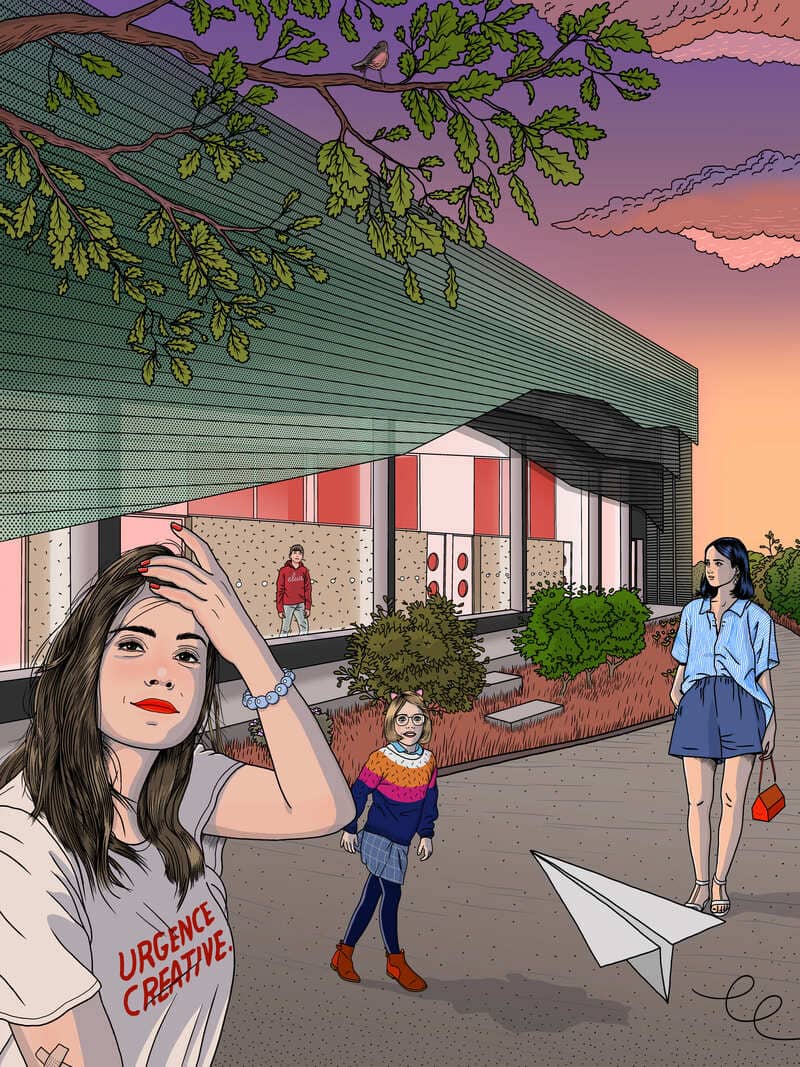
In a few months, we’ll complete a new communal school in Béarn, rehabilitation and extension, with all new landscaped playgrounds: Identification d’un paysage. It's a new story that experiments with the landscape. The architecture becomes a layer rising from the ground, and in the depths of the facade, we can have a glimpse of the foothills of the Pyrenees…
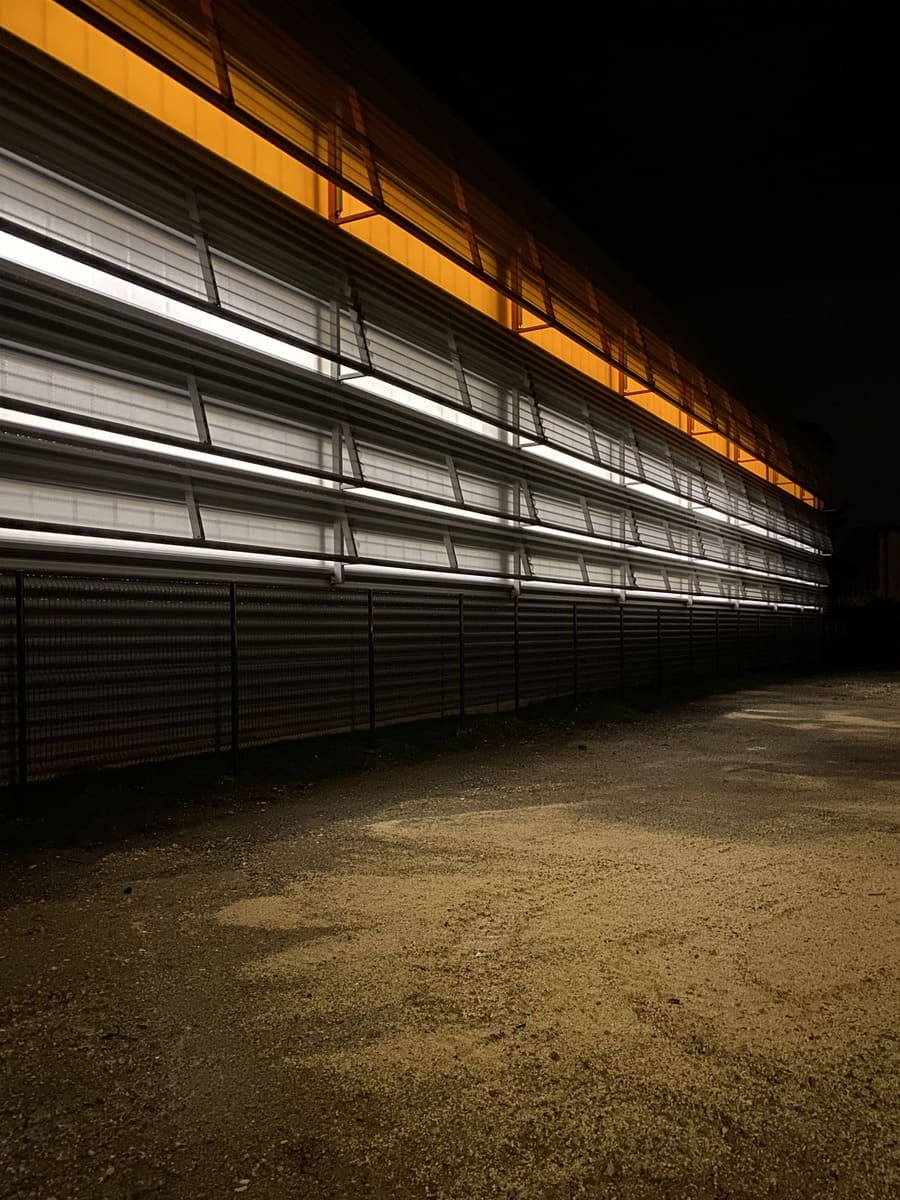
Technicolor. A workshop for ageing people in Blanquefort. An architecture that colours the space by painting with light. The wood becomes luminous, transparent, and the facade takes on soft, warm, amber hues throughout the seasons, expressing the company's expertise.
On the Bassin d’Arcachon, we are building an extension to the youth centre in Le Teich, called Comic Strip. This cultural project, conceived as a nest, is centred around a space that brings together the community's youth activities and cultural life. The project is simple and welcoming.
And our next big project is to collaborate with new talented people, writing new stories and building new cinematographic spaces, with a conscientious mind, creative focus, and new perspectives for the future. Working with love is so important. I always want to work with a deep connection to my feelings.
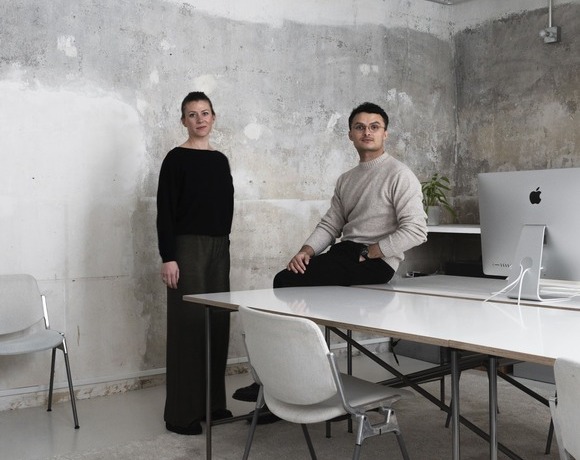
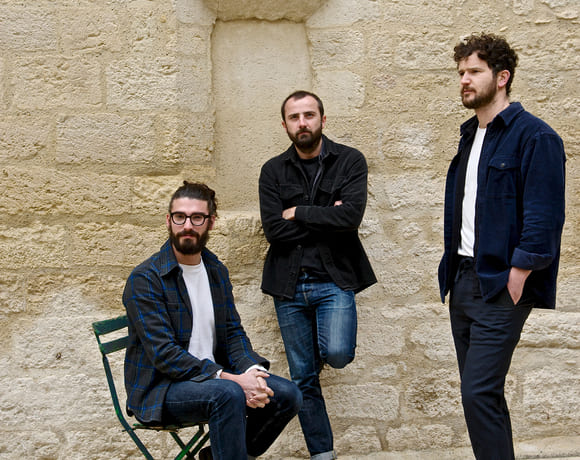
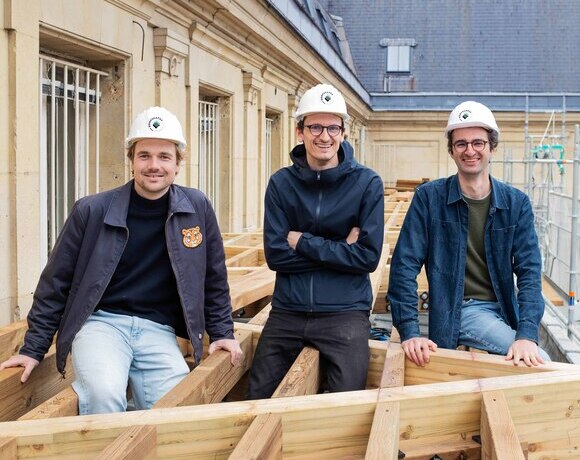
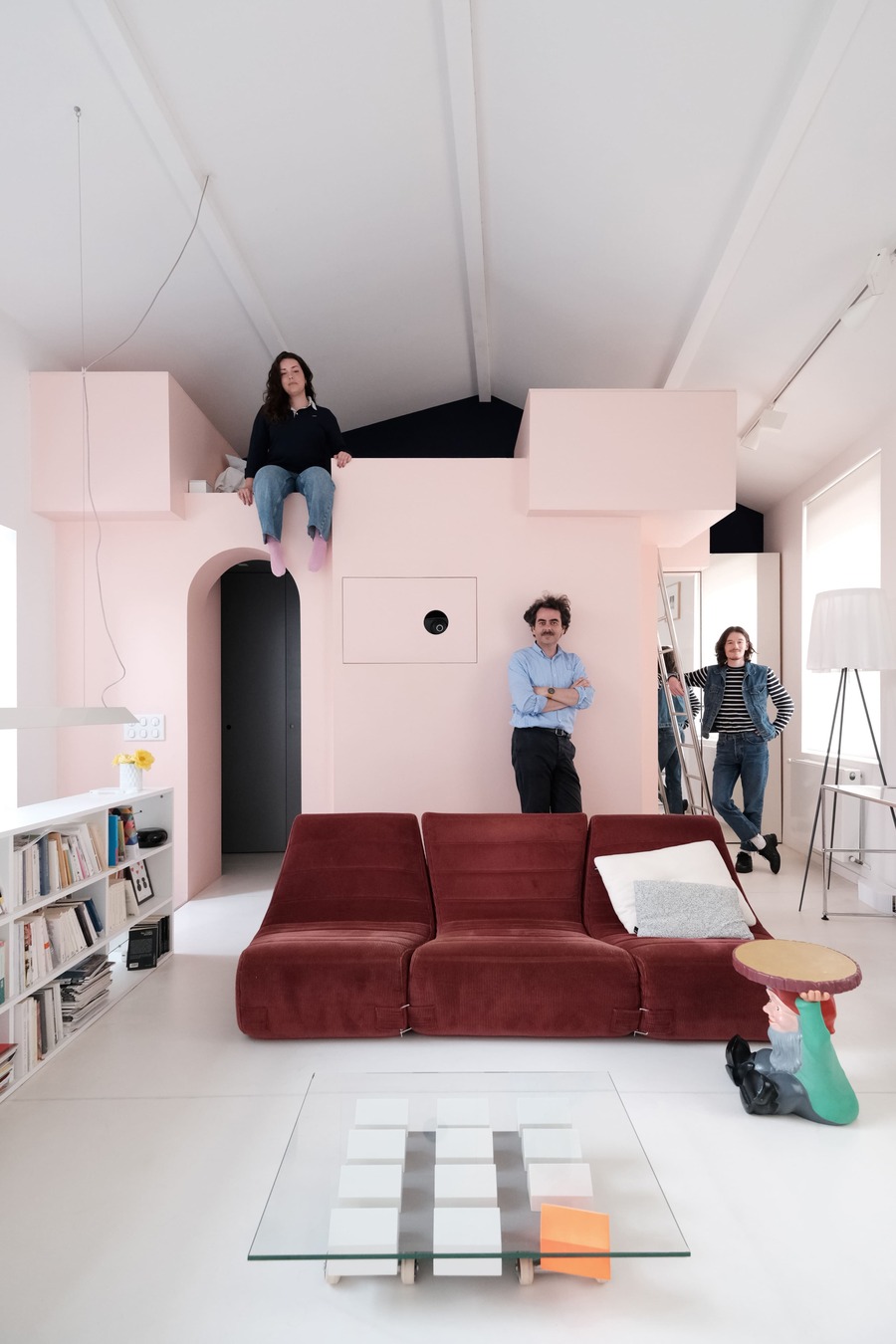
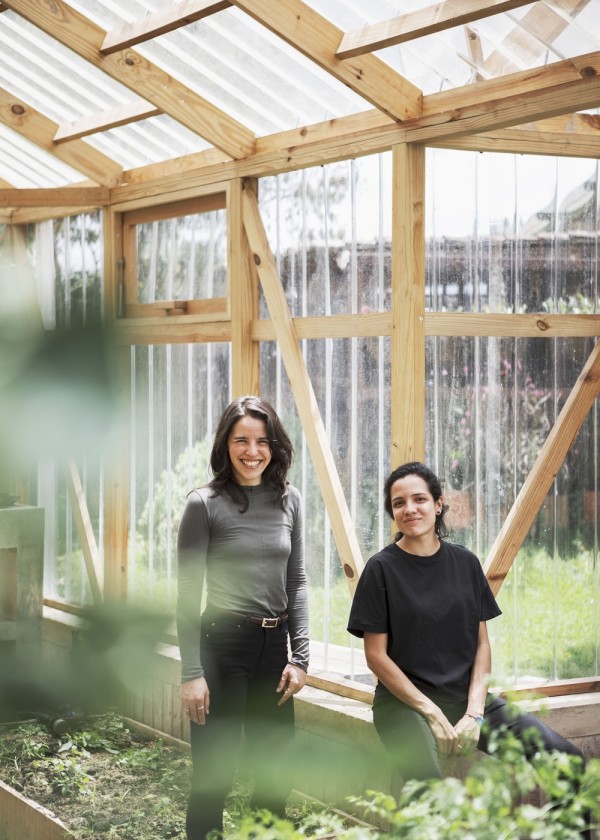
➡️ elua®. Clément Miglierina, Adrien Vuillermoz, Eléa Datin. Ph. elua®
➡️ The iron Giant, Bordeaux. Ph. Ivan Mathie
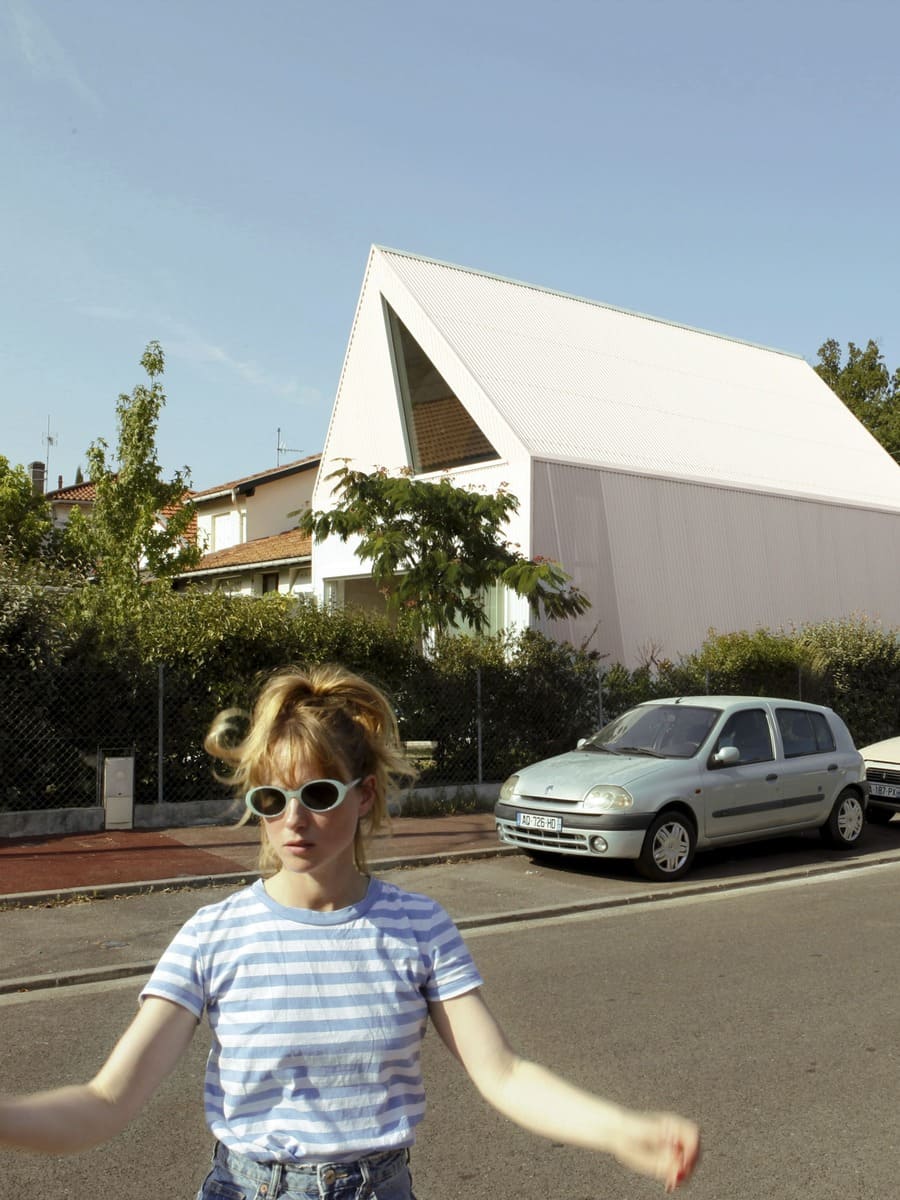
➡️ Gone with the wind, Merignac. Ph. Delphine Chanet
➡️ Identification d’un paysage, Arbus. Img. elua®
➡️ Moby Dick, Bordeaux. Ph. Julien Fernandez
➡️ Technicolor, Bordeaux. Ph. elua®