Studio Albédo
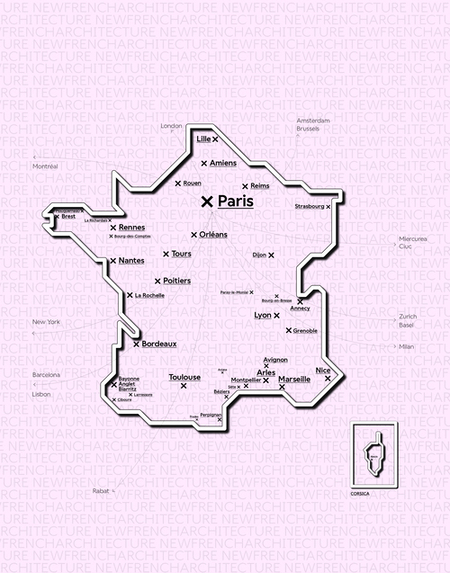
Paris

Strategic Acts of Architecture

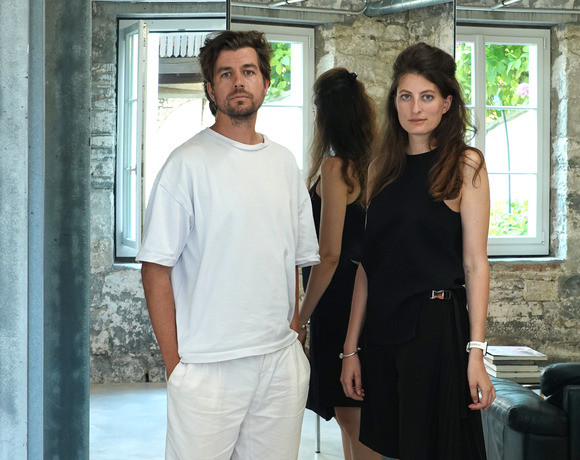
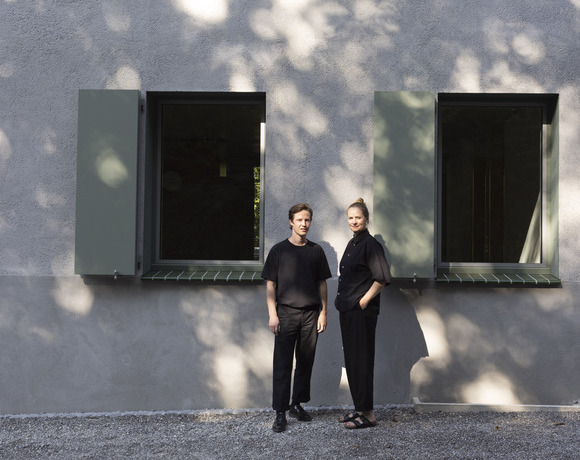
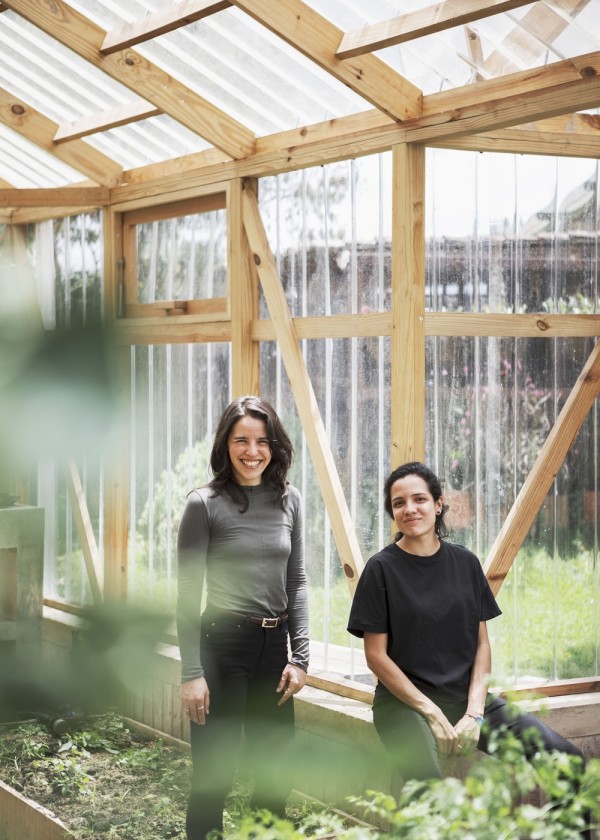
Studio Albédo is an architectural practice based in Paris since 2023. Albedo refers to the amount of sunlight reflected by a surface. This indicator of climatic variations inspires the agency to develop virtuous projects that build on what's already there and radiate out into their environment. Studio Albédo is committed to working on several scales: the building, the neighborhood, the city and the territory. The projects seek to reveal the potential of each situation in order to create unique places and encourage their collective appropriation.

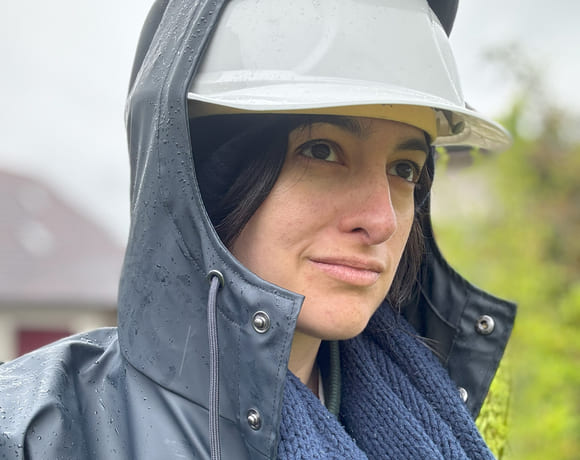
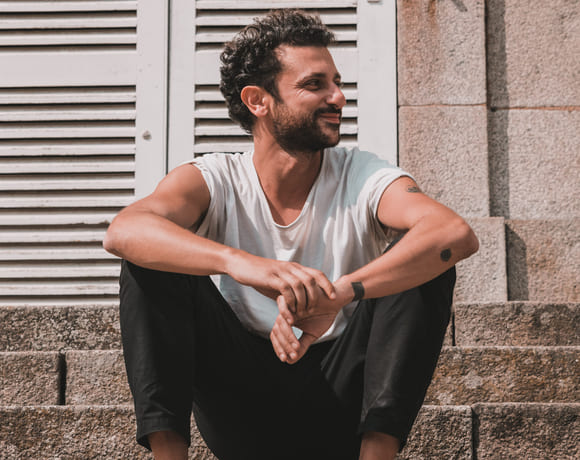
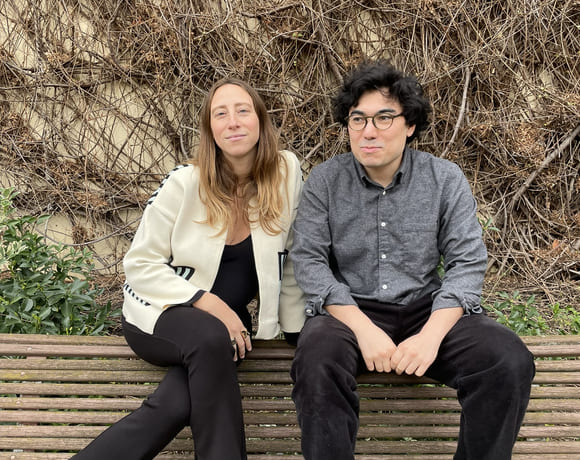
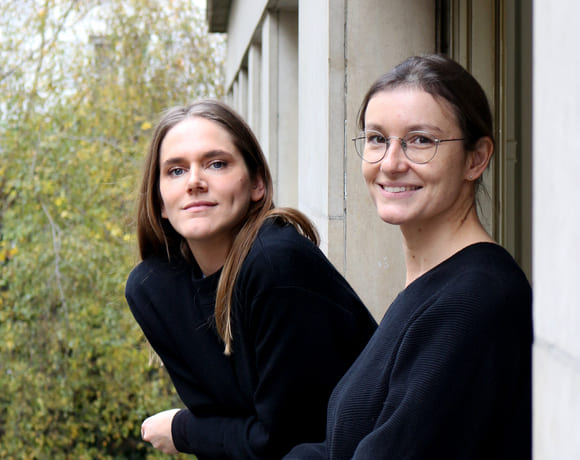
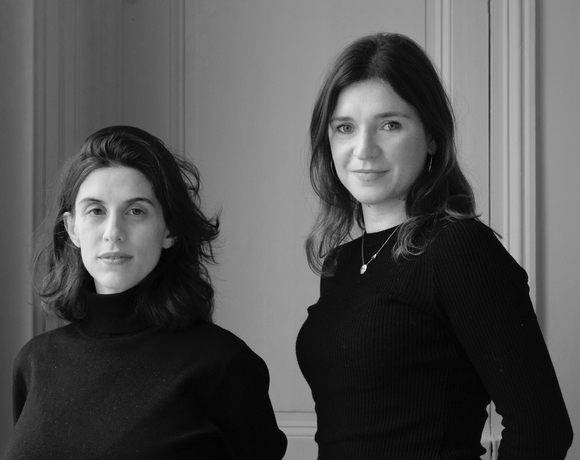
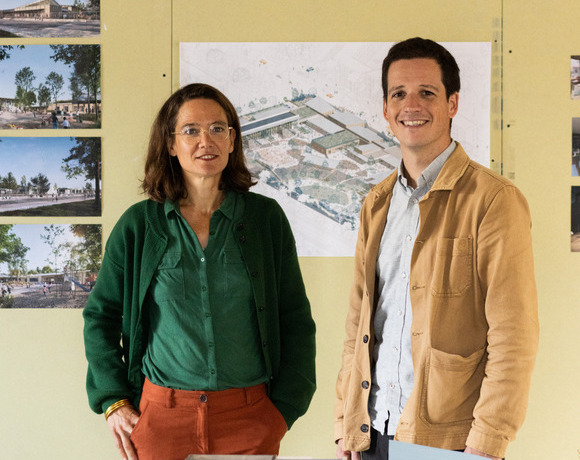
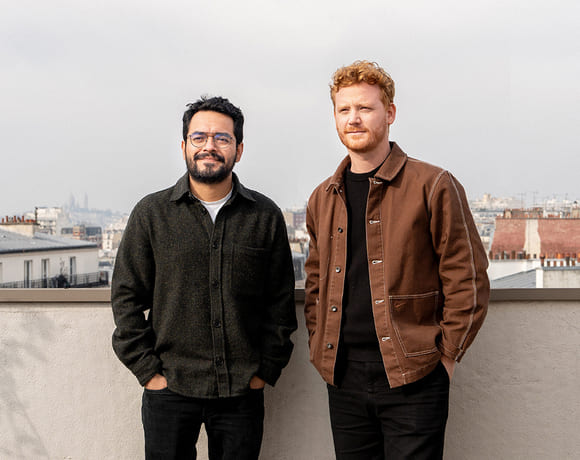
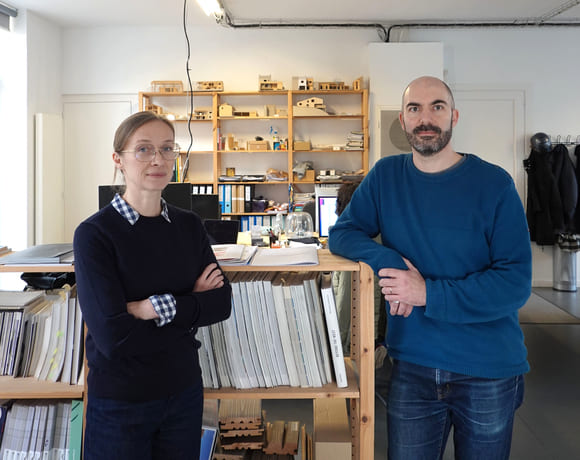
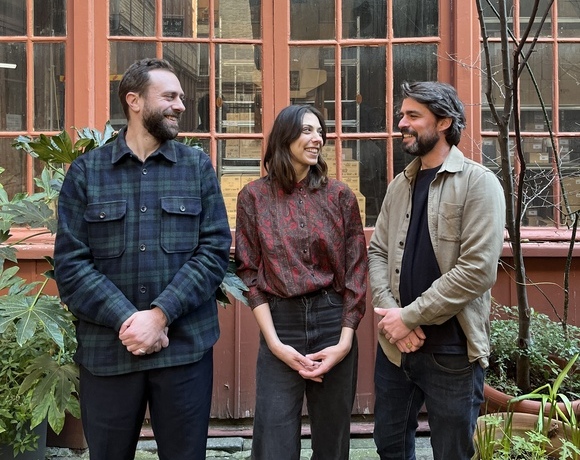
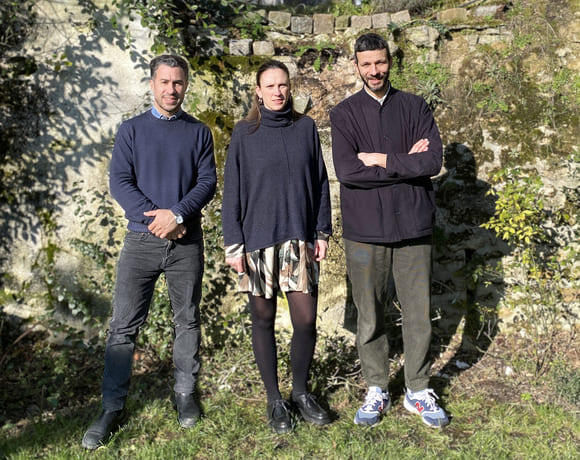
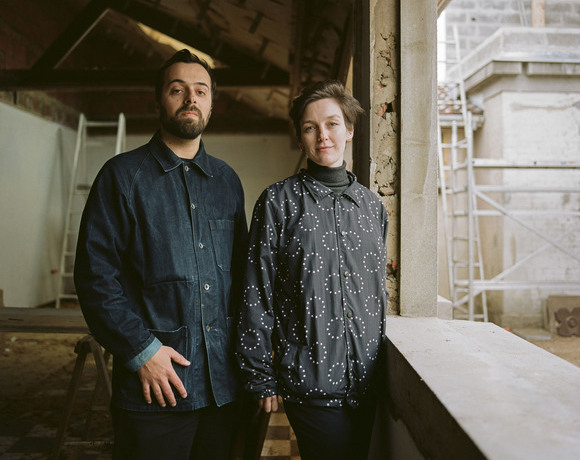
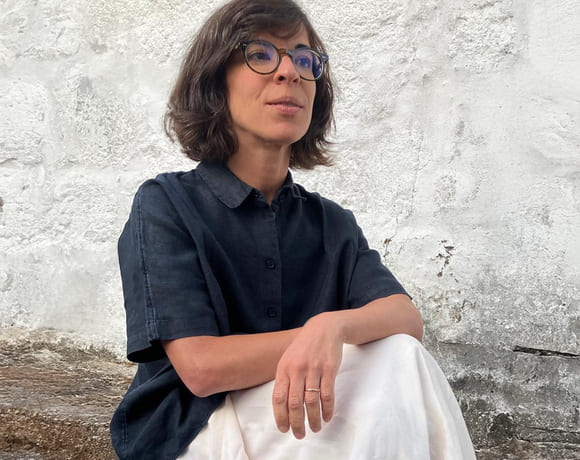
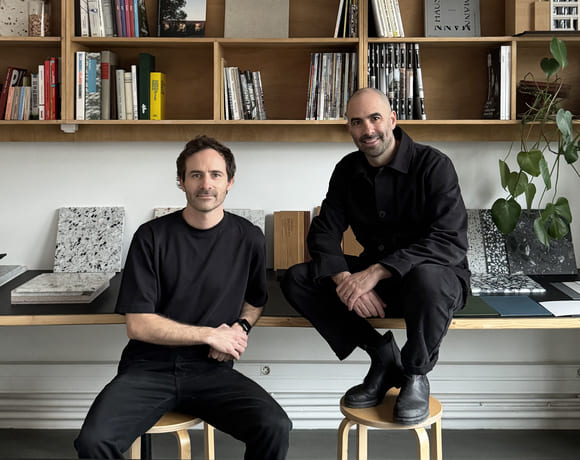
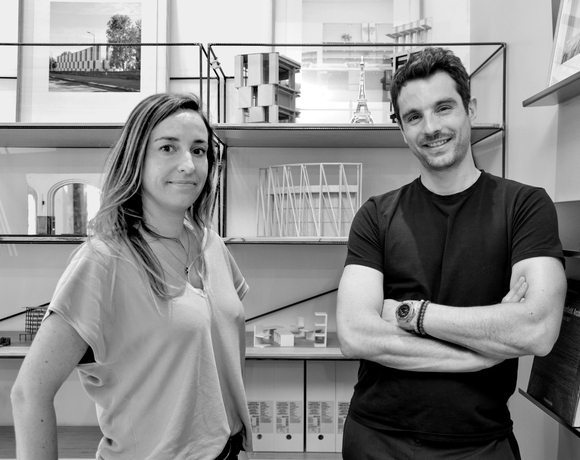
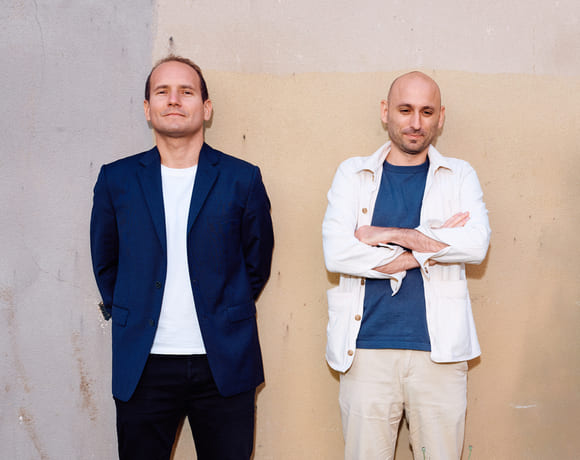
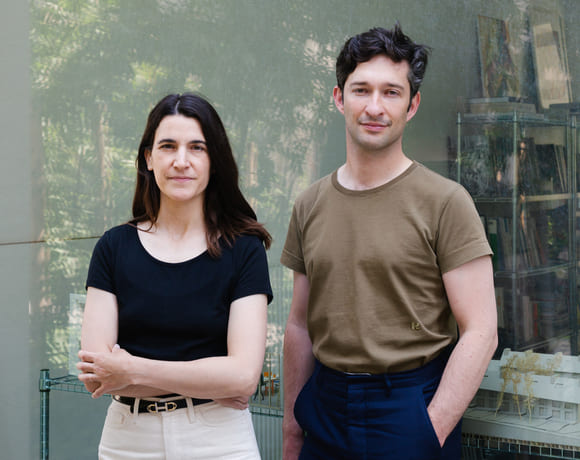
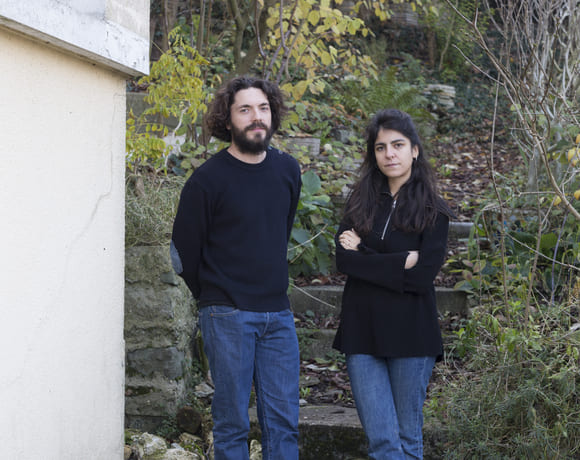
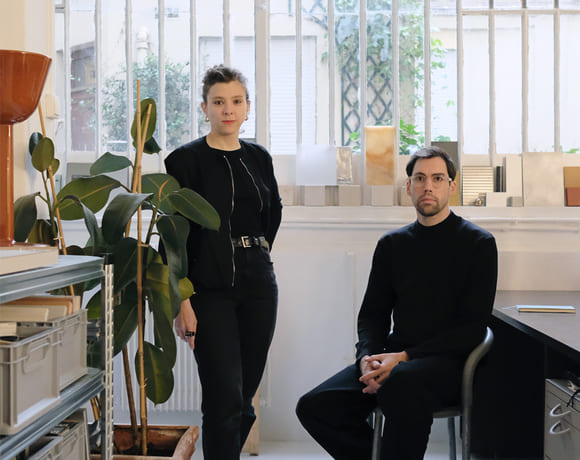
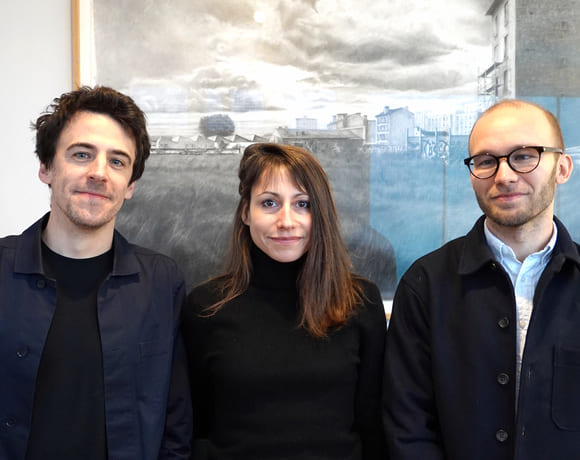
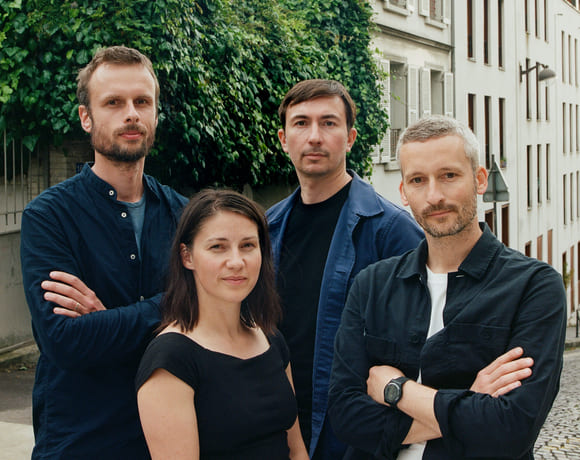
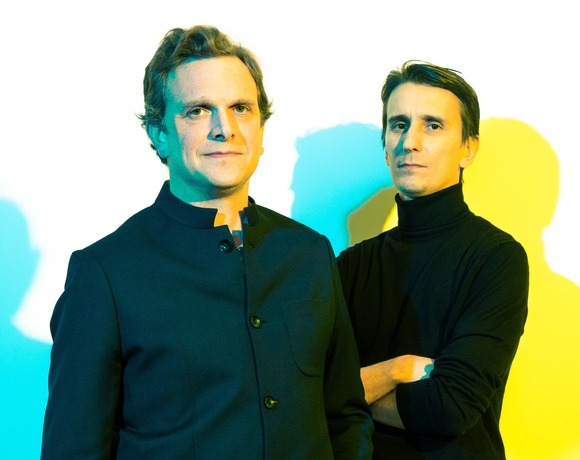
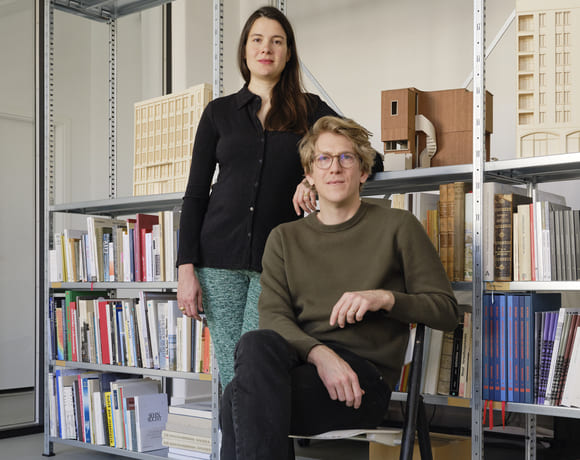
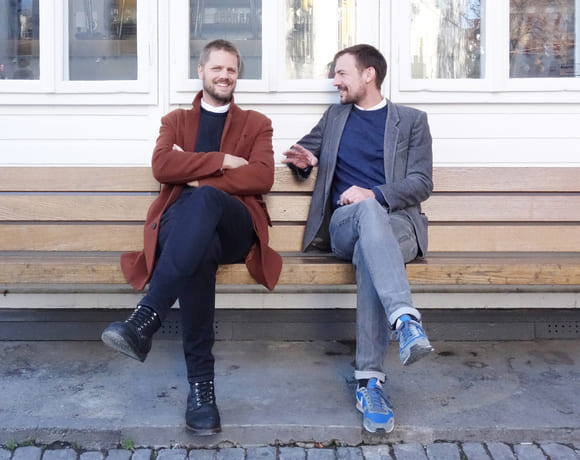
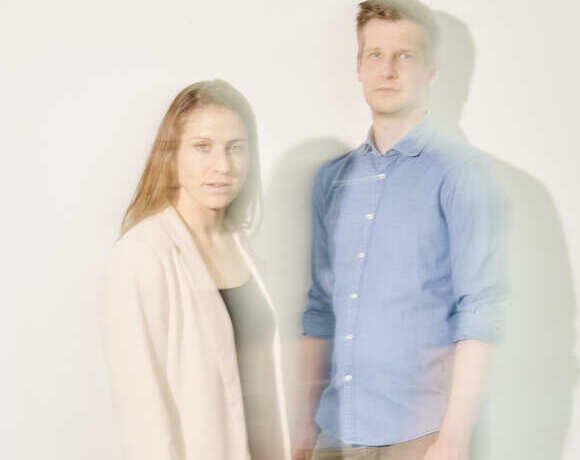
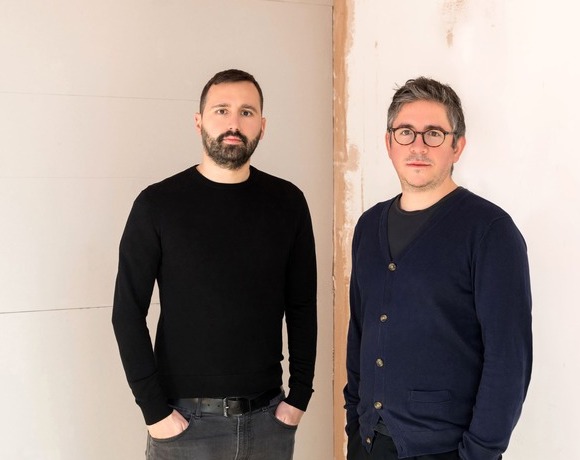
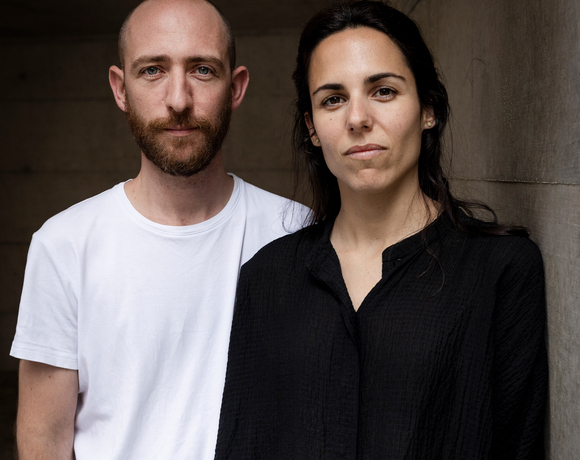
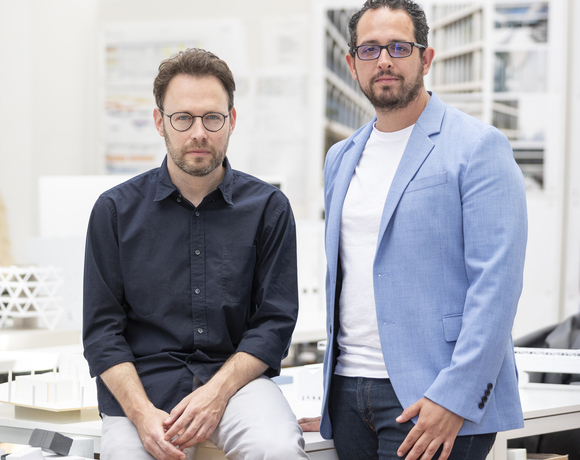
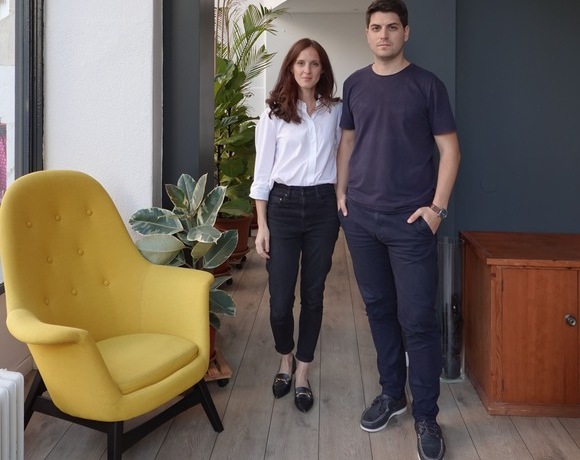
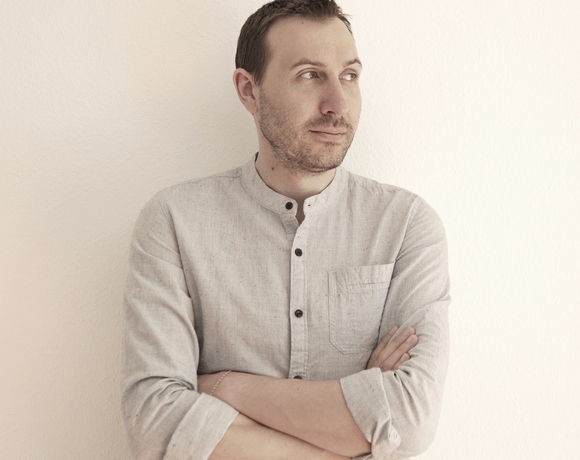
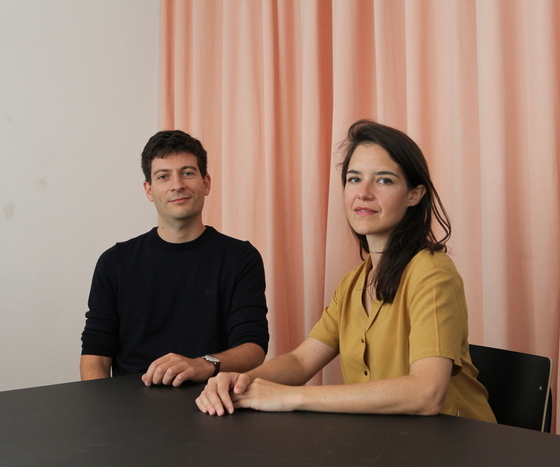
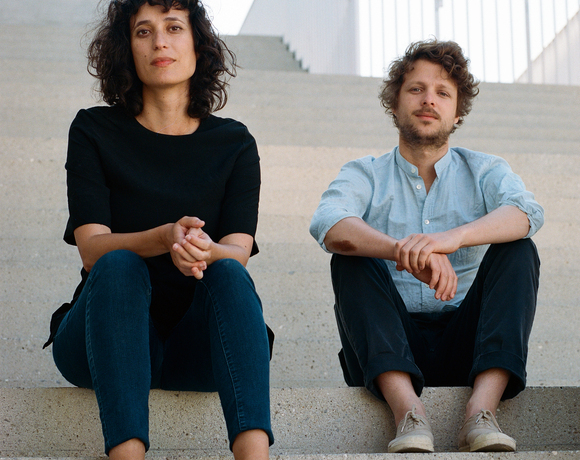
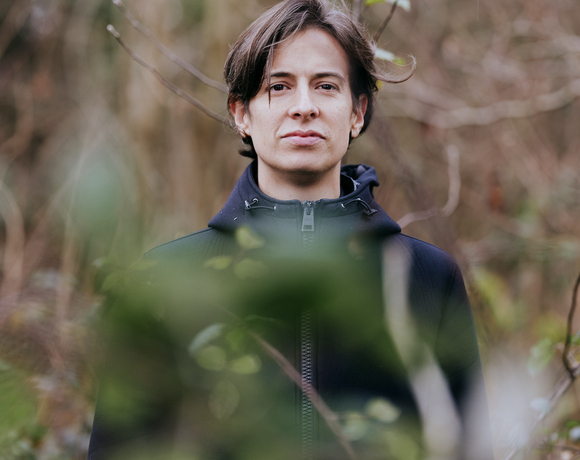
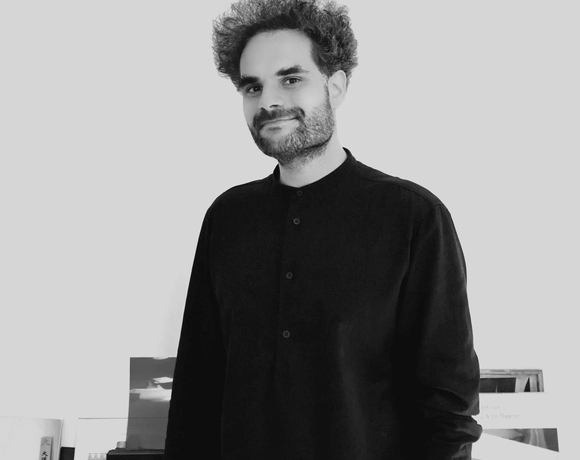
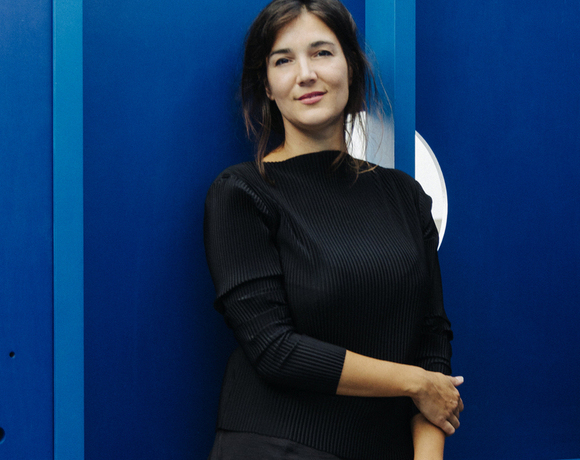
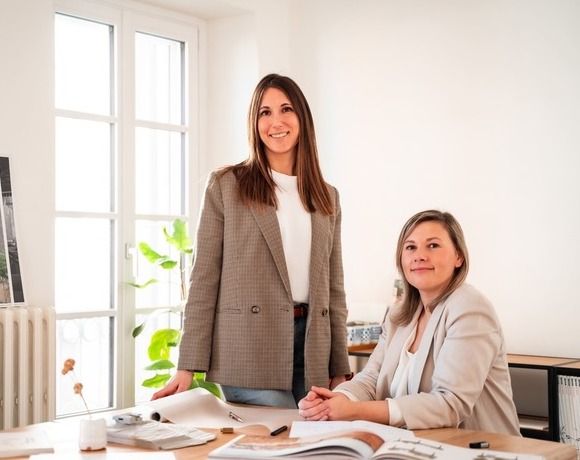
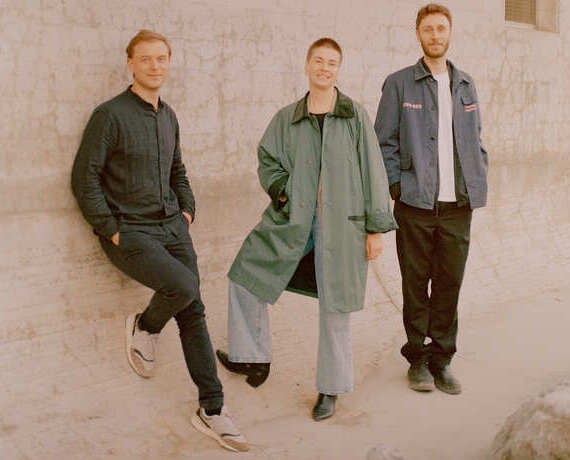
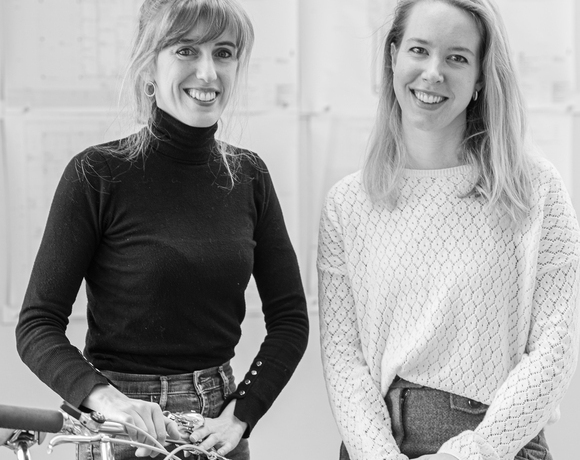
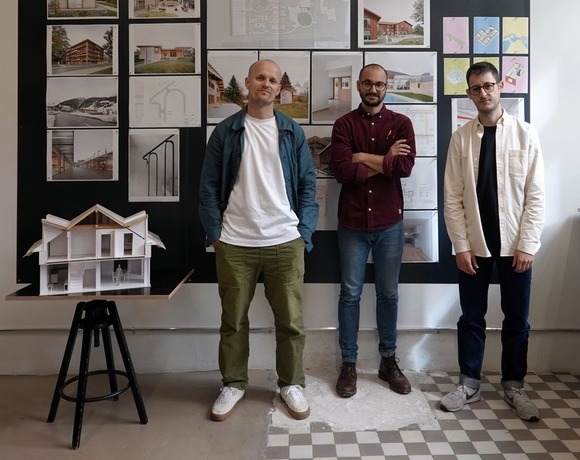
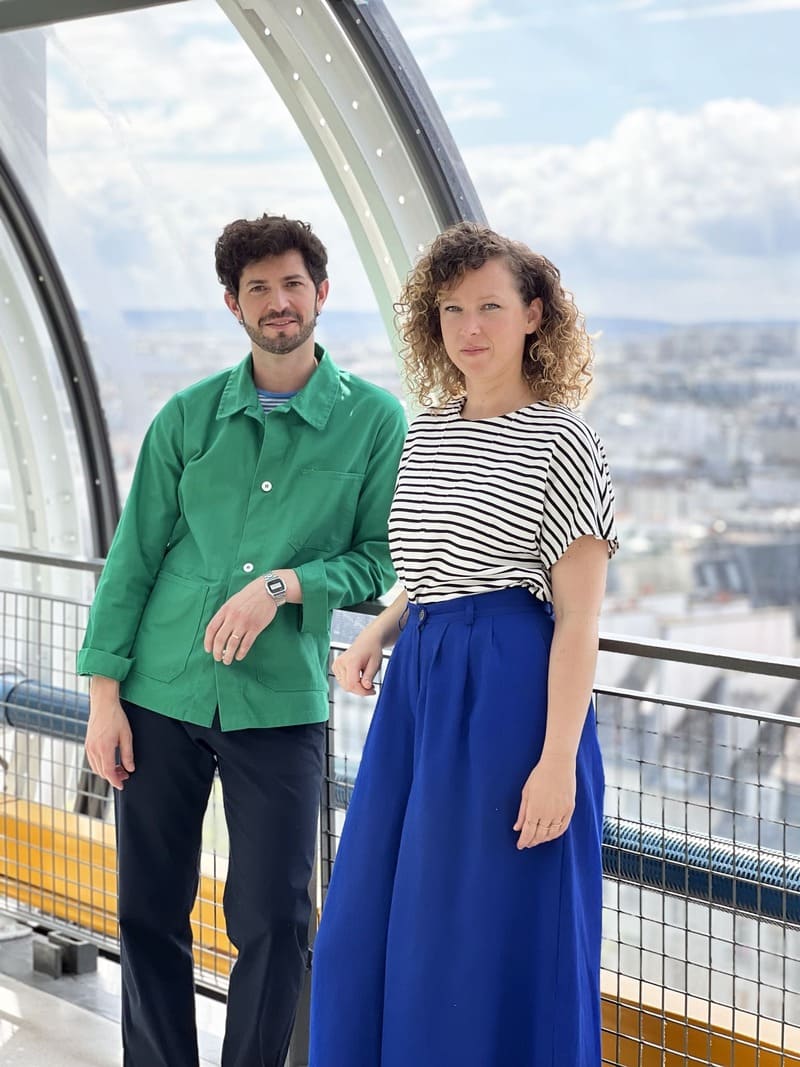
AG: Amélie Grand | PN: Paulo Neves


Political by design

PN: Our role as architects has evolved—we’re no longer “experts” in the traditional sense. Today, we work with more collaboration and humility, embracing diverse approaches to architecture. We constantly explore new ways to share knowledge with our peers. This shift may be influenced by social media and other factors as global challenges, but it’s also connected to broader social movements—political issues, feminism, and societal changes—that encourage our generation to be more open and sharing. We believe our practice can contribute to meaningful change. Architecture today must consider all these factors to stay relevant and impactful.

AG: It’s political, and we want to be part of this movement. We’re not excited by the same things that used to define prestige in architecture—like glamorous commissions or buildings with sea views. We’re more interested in repairing, fixing, and working with what’s already there but isn’t functioning. That’s more challenging—and much more exciting—than simply building a beautiful object.

PN: It’s about how architecture can improve a context, create urbanity, or even solve a social issue. Sometimes, just a small intervention can make a big difference in how a neighbourhood, a house, or even a flat functions. It’s not about the size of the project, it’s about the positive impact it can have. We’re more engaged in this kind of architecture than in, say, designing a museum. Of course, it would be great to design a museum, but the question is: to do what, exactly? Even with public buildings, we always try to step outside the program’s boundaries and ask what more the building can bring—for the neighbourhood, for the community. We look for positive change: more inclusive spaces, more public spaces.

AG: When we participate in architecture competitions, we always aim to deliver more than the program requires—to go beyond expectations. Our focus is not only on the building’s design itself but also on how it engages with the public realm.

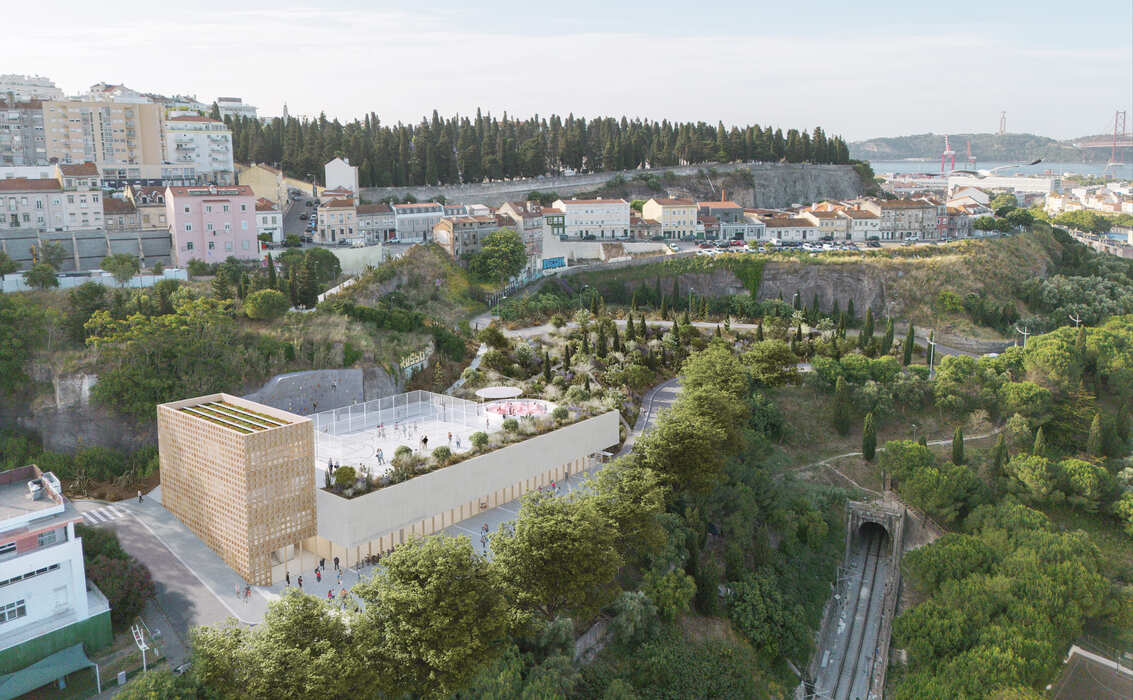
PN: For a competition for a sports centre in Lisbon, the brief called for a simple building on a sloped site. We tried to go beyond the brief, to push the boundaries and think about what the facility could bring to the area. It’s actually one of the main entrances to Lisbon, near the 25 de Abril bridge. The zone is kind of forgotten—you don’t really see it. So with this project, we wanted to bring visibility to the site and use the building to spark something new in the neighbourhood. It’s about asking: what positive potential can we activate with this project?

AG: Interestingly, the three winning projects adopted a rather introverted architectural expression. The brief was about creating an open public facility, yet the selected designs felt closed off. Our proposal aimed to introduce a sense of urbanity. Even though we weren’t chosen to build it, we stand by our vision.


Blending diverse experiences

PN: I studied in Évora (Portugal) and Amélie in Clermont-Ferrand—both relatively small and somewhat isolated cities, with populations between 50,000 and 150,000, almost like an enclave within a larger territory. We were far from the major metropolitan centres, practically in the countryside. And while we’ve always been drawn to big cities and urban life, that background deeply influenced how we understand and approach architecture. We’ve become sensitive to these kinds of peripheral territories. We understand that architecture has the power to transform daily life, and that awareness came partly from where we studied. The way architecture is taught there also shaped us. The context is different. There’s a huge gap between what’s happening in small cities and what’s happening in larger urban areas. That helped us understand different approaches to architecture. Managing problems in a big city is not the same as doing it in a rural space. After our studies, we both moved to Paris during a time of crisis and found work at Studio Muoto, where we first met. It was a pivotal moment in our careers—I stayed there for nearly nine years, and Amélie for five.

AG: Paulo worked on one of their most successful projects, Lieu de vie, Campus Universitaire Paris-Saclay, which he saw through from start to finish—all the way through construction. And together, we worked on the Blue Numeric School in Boulogne-Billancourt, near Paris.

PN: The Lieu de vie project was a long and very complex process. I learned a lot from that experience.  It was the beginning of something new in that part of the campus—a place that lacked urbanity. It became quite iconic because it was urban, and the ideas we were expressing with that building are still the same ones we carry today. 

AG: We were also really influenced by their research-by-design approach, always pushing the limits of each scenario. Drawing and redrawing until we found the right compromise.

PN: That definitely influences how we work today. This constant search for the best way to reveal the potential of a site, a project, or even a technical solution—that mindset comes from our time working at Muoto.


Beyond bioclimatic clichés

AG: When we decided to start Studio Albédo, it wasn’t a sudden event but a gradual process. We had been collaborating outside of work for a while, doing competitions together. Our first was Europan, mainly to test how we worked as a team. Then we did another competition for a school and sports centre in Switzerland with someone else. That was a learning experience. We realised the two of us worked well together. To be honest, I left Muoto in 2018 to start my own practice based on my thoughts but quickly realised I hated working alone. Doubt gets louder when you’re alone, but sharing makes the project richer, not just in design but also strategy and business. We were always exchanging ideas, so it made sense to formalise our collaboration. 

PN: We both shared a desire for creative freedom. When you work for others, you can propose ideas, but the final decision isn’t yours. It was important to take responsibility and make our own architecture. That’s why I left Muoto too—it felt like the right moment to move forward and follow our own path. We had worked in other offices and seen different approaches, but ultimately, it wasn’t our work or vision. 

AG: Another push came from our experience at the SANA incubator, where we met many young practices who shared our values and optimism. We also came across a book by Susanne Stacher, an architect and teacher at ÉNSA Versailles, who wrote about architecture’s responses to crises. She identified three recurring reactions. One is archaism—like Trump’s push for neoclassical public buildings, a return to old forms. Another is tabula rasa—wiping the slate clean. But SANA represents a different path: neo-vernacular practice. It’s about returning to common-sense architecture—slowing down, reconnecting with rural contexts, using bio-based materials—and poeticising them to create new imaginaries. 

PN: We rethink those materials, too. New practices today are more careful with resources and find modern ways to apply them. It’s not nostalgia—it’s doing things differently. 

AG: We’re moving away from the cliché of bioclimatic or “hippie” architecture. There are now more beautiful, intelligent responses to today’s challenges with virtuous materials. Older generations didn’t focus on nature, biodiversity, or environmental impact. That’s not to say they weren’t valuable—Muoto and others shaped French architecture’s identity. But that era feels like ages ago—everything has changed. 

PN: Our name, Studio Albédo, reflects this evolution. Albedo is a climate indicator measuring sunlight reflected by a surface. For us, it symbolises architecture that radiates — that has an impact beyond itself. We want to build in a way that reflects outward: something social, something positive. The name also has a scientific tone we like—it’s playful but meaningful. It holds a bit of our ambition to build differently.


Opportunities on the horizon

PN: The architecture school at Clermont-Ferrand (ENSACF) launched a competition reserved for practices that had participated in the SANA incubator program. We entered—and we won. It’s especially rewarding because the project is within the School of Architecture itself, involving the transformation of one floor into a productive, flexible workspace for students. The construction work is currently underway.

AG: I believe we won the project for two main reasons: first, we are among the most experienced architects within the SANA network. We had already worked on public buildings, and the school is a large public facility with many constraints—security and all. They trusted that we could handle such a complex project. The second reason was that our proposal was generous and created a comfortable environment for the students. For us, that’s really important—the comfort of the space, to care about the students. They went through COVID. It was really difficult for them to study during that time. So the school, the client, they were really sensitive to that. They wanted to make a kind of gesture toward the students, and we really responded to that. 

PN: In terms of materiality, we proposed a very white floor to help unify the space, especially since the ceiling is quite low. We also incorporated natural materials like wood. The design is simple, but it works well. The floor area is left open and adaptable. We designed a flexible electric system, allowing the space to be used for multiple purposes—we really emphasised that adaptability. We’re deeply committed to this project. It’s our first public commission, and although the budget isn’t large, we want to do it right. Even the furniture is challenging to finance, but we’re collaborating with the school’s workshops, where they can produce the pieces themselves. So, we designed everything simply to make that possible. 


Radical respect

PN: We are also responding to competitions, but in France, it’s really hard to get selected. Because we’re just starting, we present references from previous offices. But they’re not our projects, so it can be poorly received. We always mention that we were project leaders, but they usually prefer if the references are fully ours. We also tried to make associations. We reached out to a Belgian studio, SUM Projet. We didn’t know them—we just found them, called, and said, “Let’s try.” And we responded with them to a huge project: Quartier de Demain (Neighbourhoods of Tomorrow).

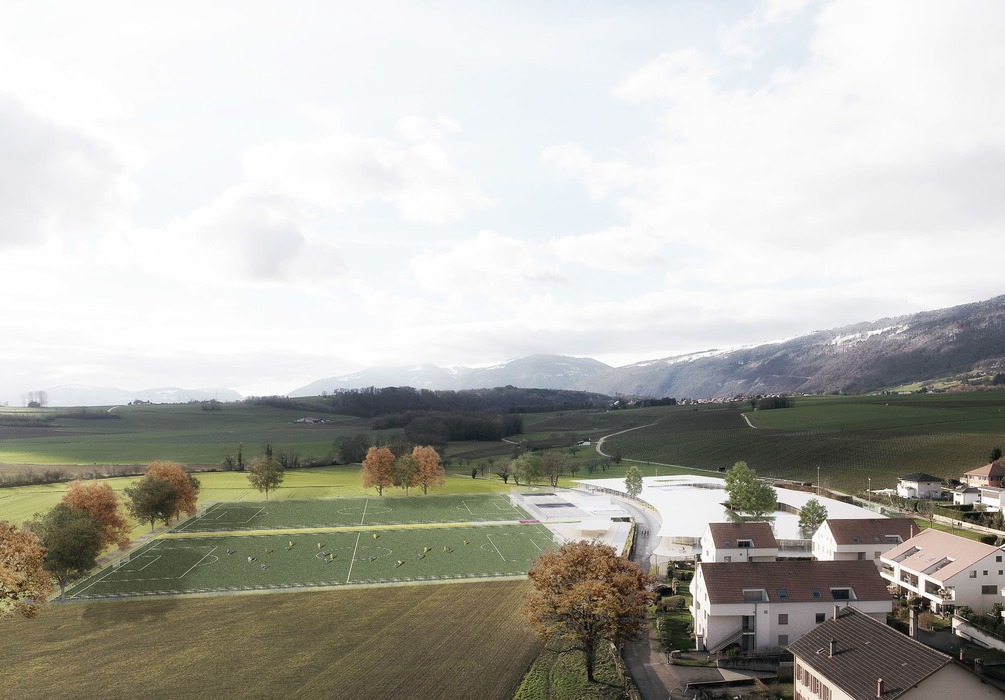
AG: There were ten sites across France, and we entered Corbeil-Essones with SUM Projet. We didn’t get selected, but it was a rich exchange. Out of 76 teams, we finished in 7th position. Then, for example, our second competition in Switzerland—it was a school—we weren’t well ranked, but we’re really proud of the project. It was a bit radical. 

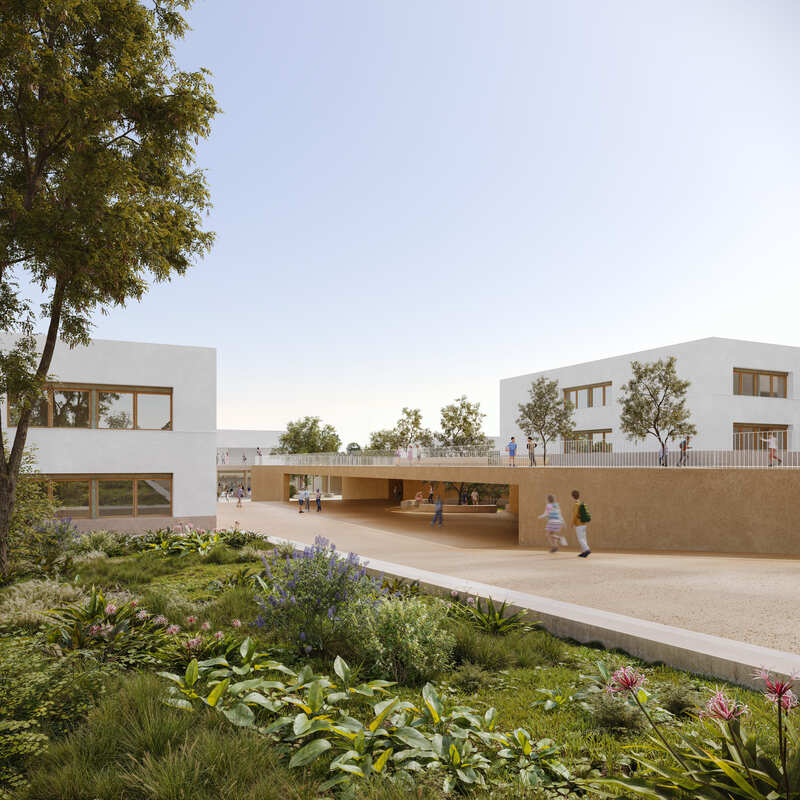
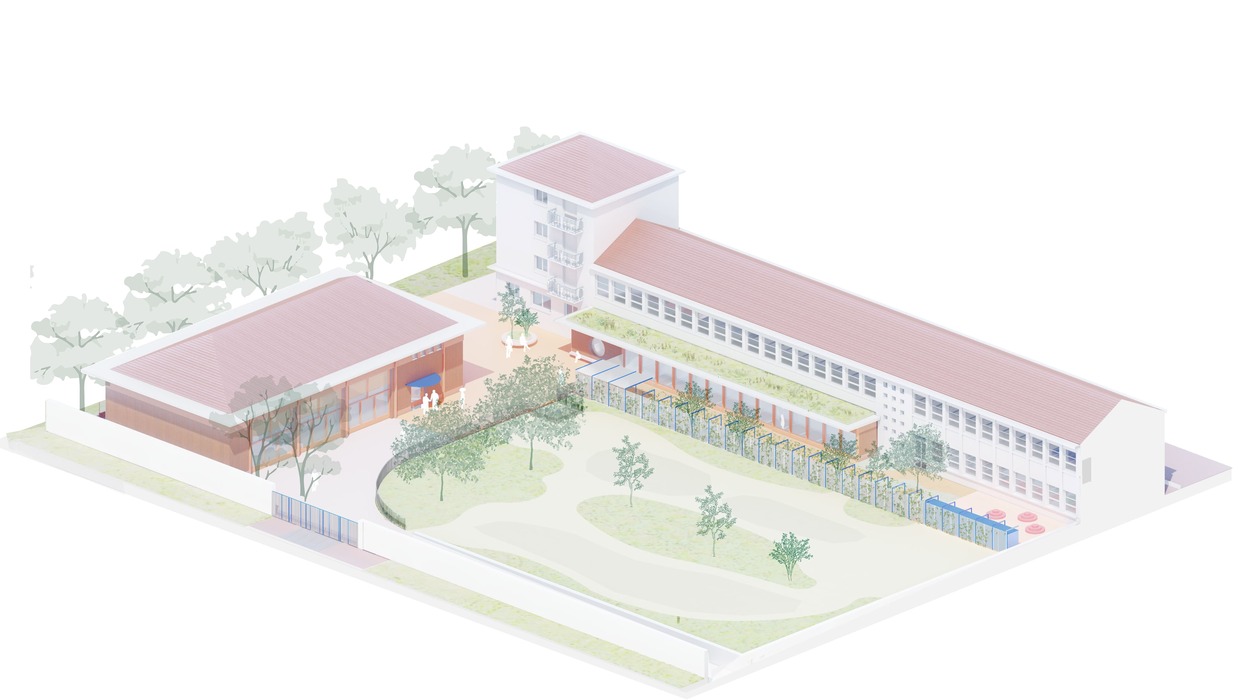
PN: Last year, we did another competition for a school. It was near Lisbon, almost in the countryside, in a small town. It was for a high school and a middle school, and the idea was to rehabilitate both and create a shared program with a library, café, and auditorium. We got second prize. It was really about reconnecting the two schools—and opening the area to the city. Most of these schools in Portugal were built in the 80s—over 150 of them—and they’re totally disconnected from the city.

The idea was to preserve the essence of both schools—we made very few changes to the existing buildings. Instead, we added new structures that complemented what was already there. Our intervention was intentionally non-intrusive, aiming to respect and enhance the original layout. The two schools functioned well on their own, so we focused on completing the geometric composition rather than altering it. The real issue was the lack of connection between them, so we introduced a shared public space—a central program that brings them together.

AG: As Paulo said, we wanted to value what was already there. Like in France in the 1950s, they created school models and replicated them across cities. These Portuguese schools are similar. They were just dropped in place, not connected to their context. But they do have some interesting qualities—plastic compositions, geometrical volumes—and they’re very functional. So we tried to preserve that functionality while improving the rest.


Between practice and research

PN: We prefer working on public projects. Private ones operate on a different scale, and we’ve explored that a little—working on flats, for example—but it takes a lot of time, and frankly, others do it better. In France, we also respond to Appels d’Offres. It’s a different process from competitions, based on a public tender system where you submit a proposal for a small project, including your team and fees. If you can convince the client—with your references, intentions, and vision—you can be selected directly, without going through a full competition. We recently secured a project that way: the rehabilitation of a small sports centre and the creation of a kindergarten in Sceaux, near Paris.

AG: They’re not in the same building, but they’re part of the same project. We proposed working on the connection between the two buildings and with the small square between them. There’s a small garden too, so the idea is to link all three elements. For our kind of practice, this is the best way to get projects. Competitions are really difficult to get into, but these public offers are more accessible.

In parallel, we would like to have more time for research, to focus on things that really matter to us. Teaching helps with that—it creates space for discussion. For example, I asked Paulo to help with an exercise I gave my students: they’re studying famous houses, and I decided to focus on Brazilian modern architecture. But I noticed that women architects are almost completely absent from the narrative. So, in Clermont-Ferrand, we’ve been looking into modern female architects in Brazil. Architecture can be a toxic environment—especially for women. So we’ve kept that in mind, and we try to act in a way that’s aligned with what we believe.

PN: It’s also about responding to the larger social changes happening around us—questions of inclusion, minority representation, and the political context. We want our practice to reflect those values in a positive and inclusive way. That’s a major theme for us, and it’s important for us to find a strong connection between our research and the competitions or proposals we develop.

AG: It’s sometimes easier to test ideas in competitions than in real projects. We always try to apply them in reality, but competitions give us space to experiment and combine design and research.

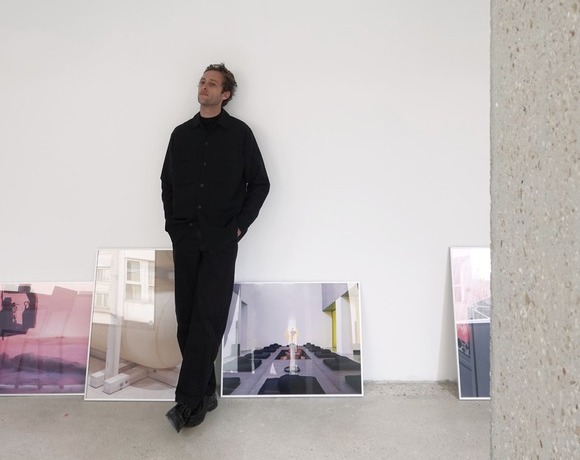
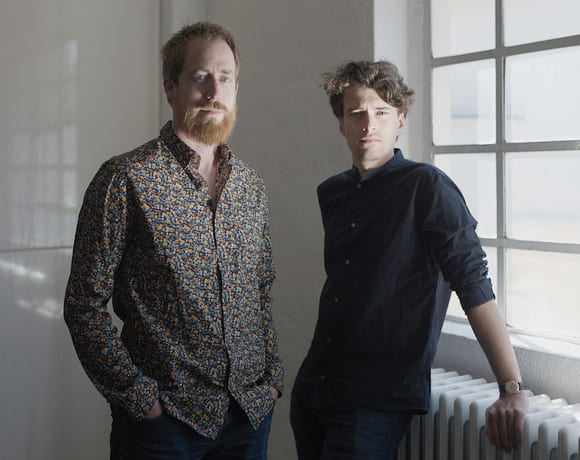
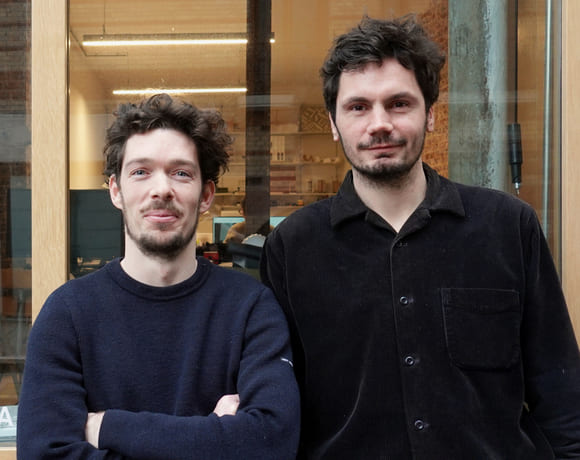
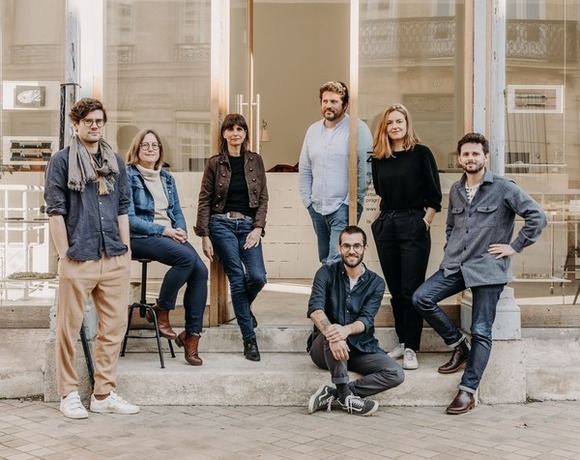
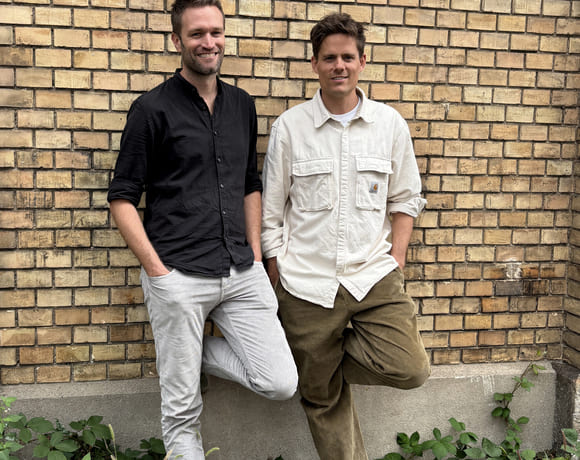
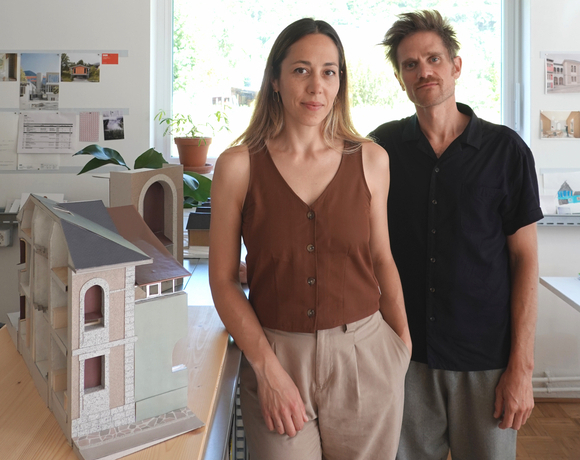
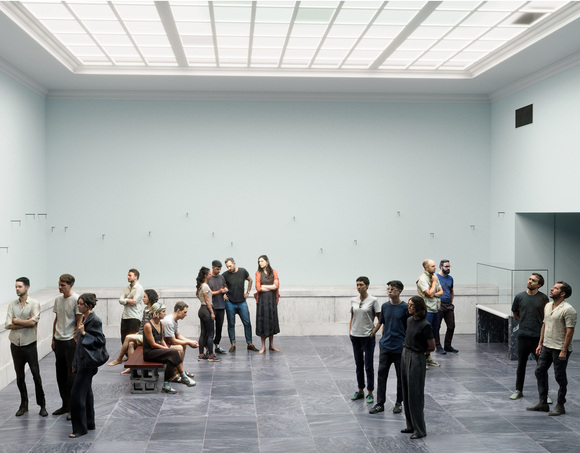
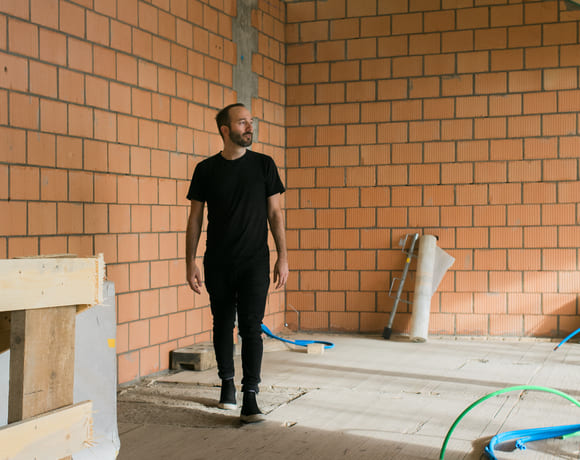
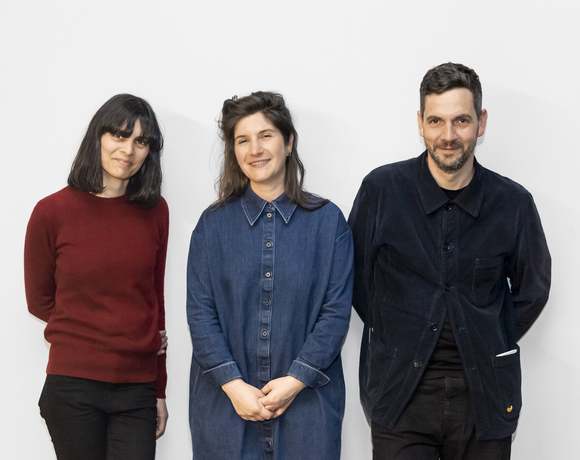
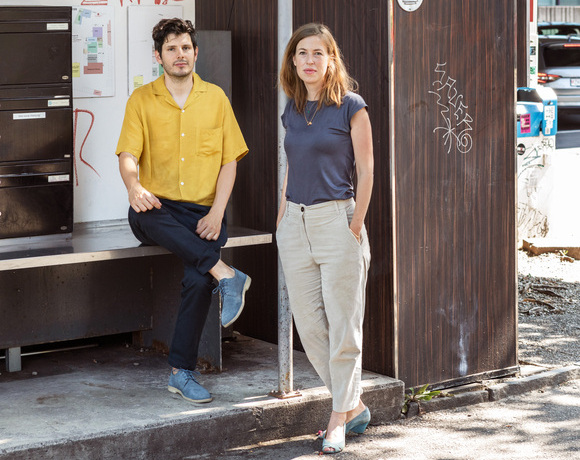
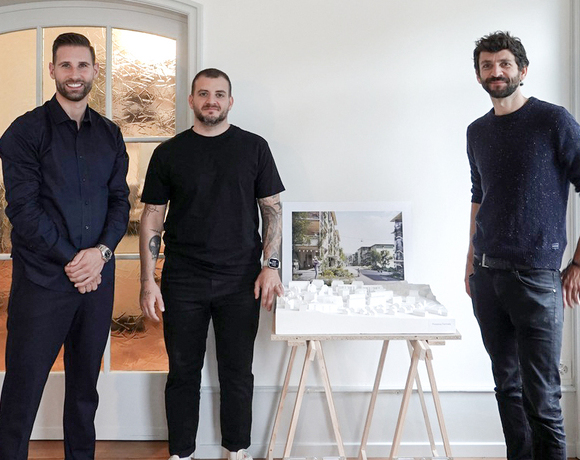
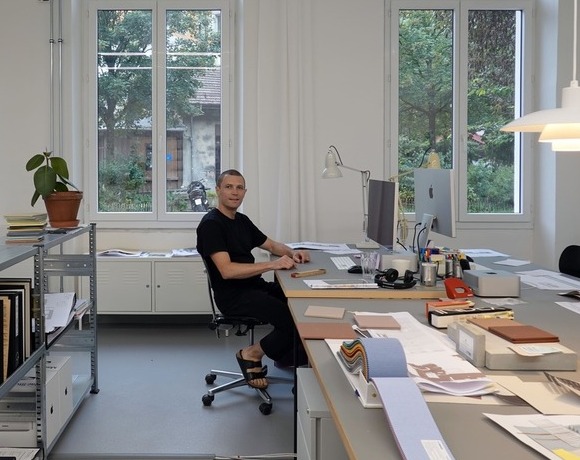
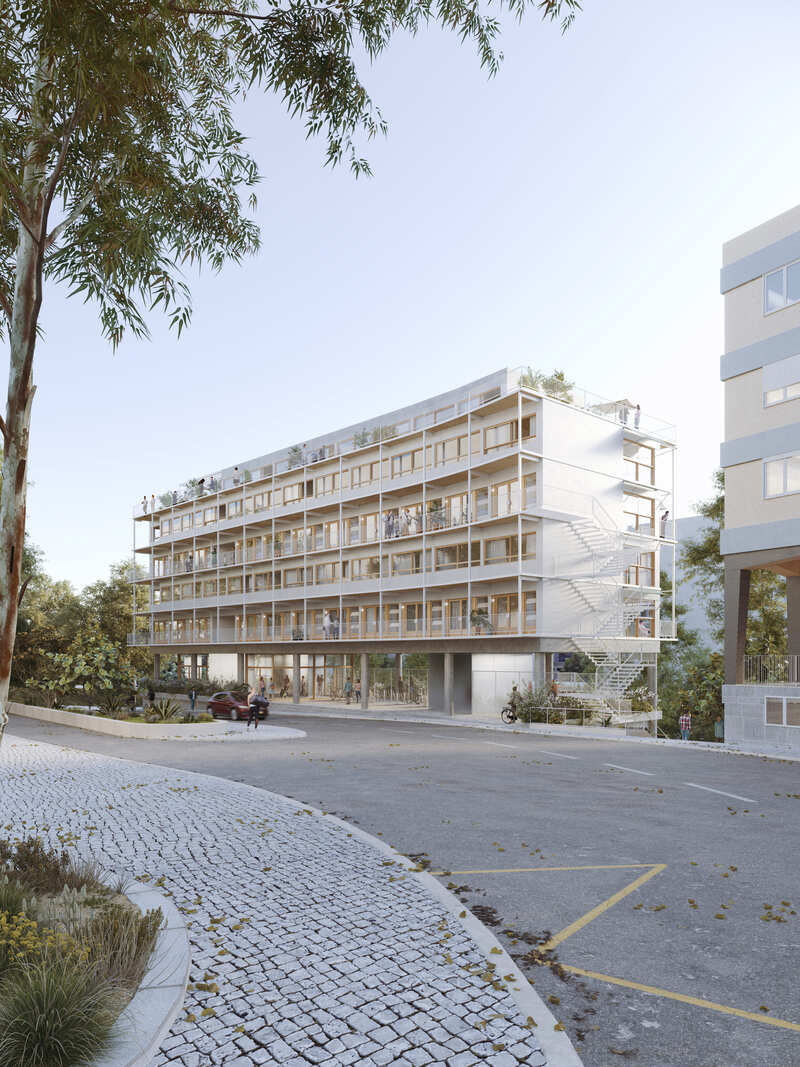
00  Studio Albedo Founders ➡️ Studio Albédo. Paulo Neves, Anémie Grand. Ph. Studio Albédo01 Quinta das Lavadeiras ➡️ Quinta das Lavadeiras, Lisbon. Img. Galerie Blanche03 Campo de Ourique Sport Center ➡️ Capo de Ourique Sport Centre, Lisbon. Img. Vincent Atelier05 School and Sports Center in Champagne ➡️ School and Sports Centre, Champagne. Img. Etienne Gobin Architecture09 Renovation and expansion of Vendas Novas middle and high school ➡️ Renovation and expansion of a school, Vendas Novas. Img. Galerie Blanche11  Kindergarten and renovation of a gymnasium in Sceaux  ➡️ Kindergarten and renovation of a gymnasium, Ville de Sceaux. Img. Studio Albédo


a project powered by Itinerant Office

subscribe to our newsletter

follow us