rerum
A Laboratory for Urban Transformation
New French Architecture
An Original Idea by New Generations
Le Studio Sanna BaldĂŠ
Bodies and Communities, First
QSA
A Journey of Reinvention and Adaptation
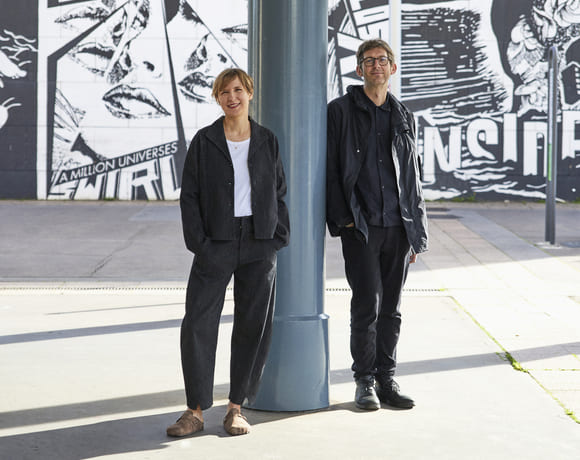
LDA Architectes
Practising Responsiveness
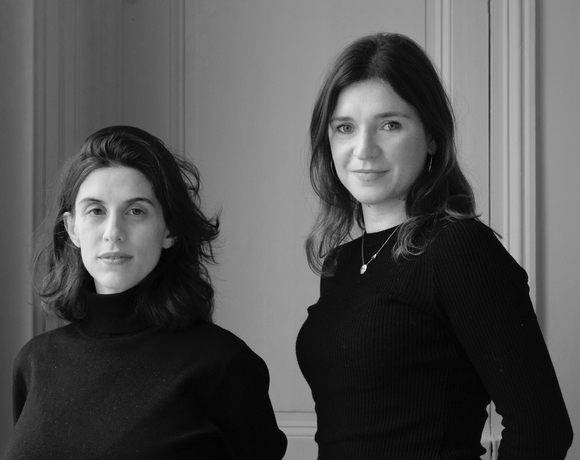
Atelier Sierra
Geographies of Practice
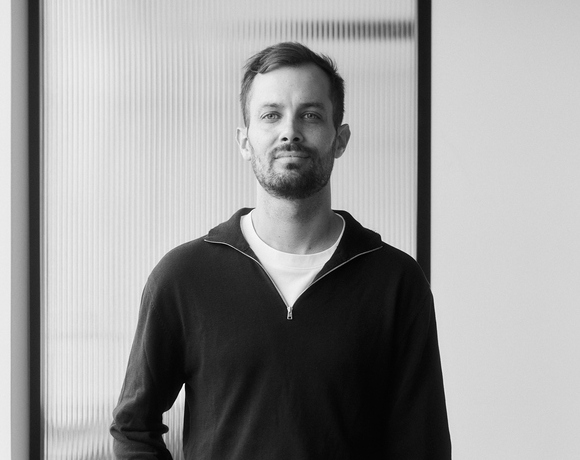
nicolas bossard architecture
Evolution: Flat by Flat
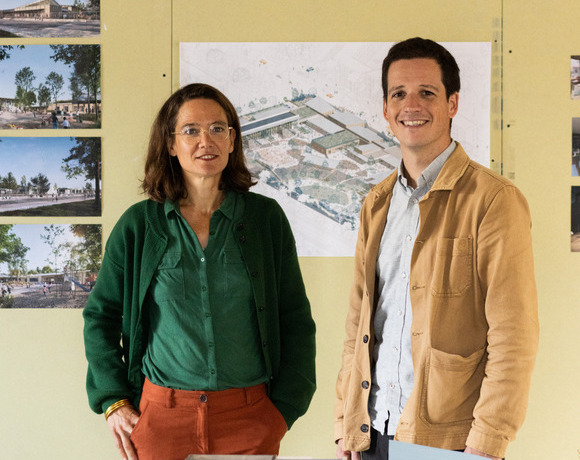
Compagnie architecture
Culture on Site
Studio AlbĂŠdo
Strategic Acts of Architecture
FabricarĂŠ
Simplicity and Singularity In the Making
Renode
Renovation as Quiet Resistance
Kapt Studio
Pushing Boundaries Across Scales
Room Architecture
Between Theory, Activism, and Practice
AVOIR
Structural Unknowing
DRATLER DUTHOIT architectes
Crafting Local Language
Claas Architectes
Building with the Region in Mind
B2A - barre bouchetard architecture
Embracing Uncertainty in Architecture
AcmĂŠ Paysage
Nurturing Ecosystems
Atelier Apara
Architecture Through a Pedagogical Lens
HEMAA
Designing for Ecological Change
HYPER
Hyperlinked Scales
Between Utopia and Pragmatism
Oblò
Dialogue with the Built World
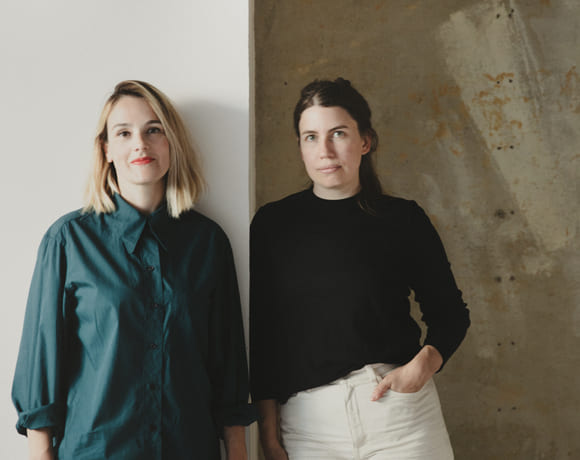
Augure Studio
Revealing, Simplifying, Adapting
Cent15 Architecture
A Process of Learning and Reinvention
Pierre-Arnaud DescĂ´tes
Composing Spaces, Revealing Landscapes
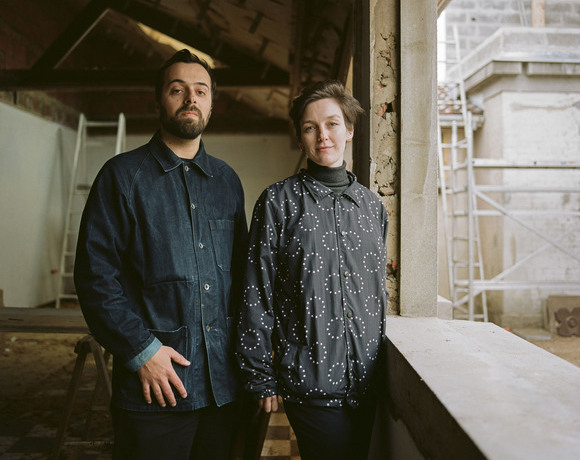
BUREAUPERRET
What Remains, What Becomes
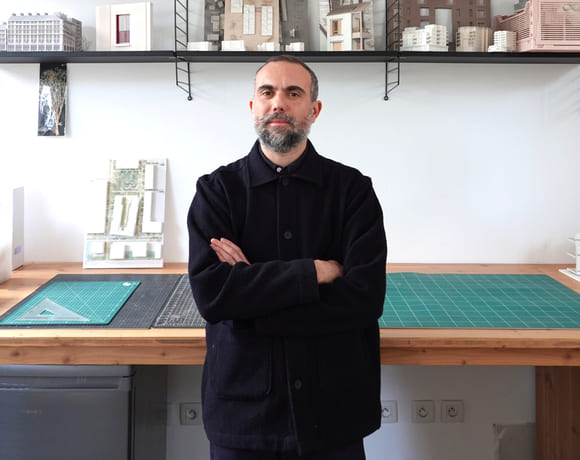
ECHELLE OFFICE
In Between Scales
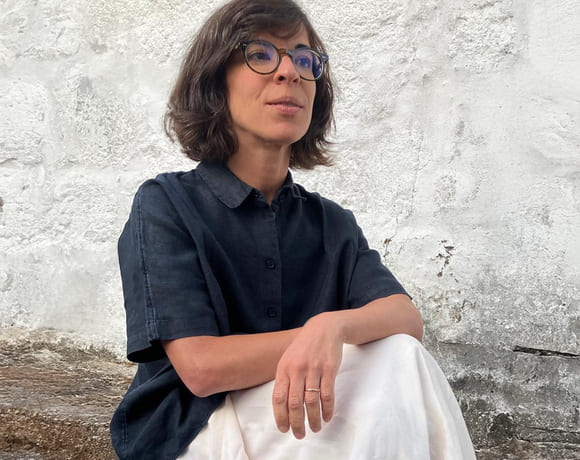
Atelier
Rooted in Context, Situated at the Centre
AJAM
Systemic Shifts, Local Gestures
Mallet Morales
Stories in Structure
Studio SAME
Charting Change with Ambition
Lafayette
Envisioning the City of Tomorrow
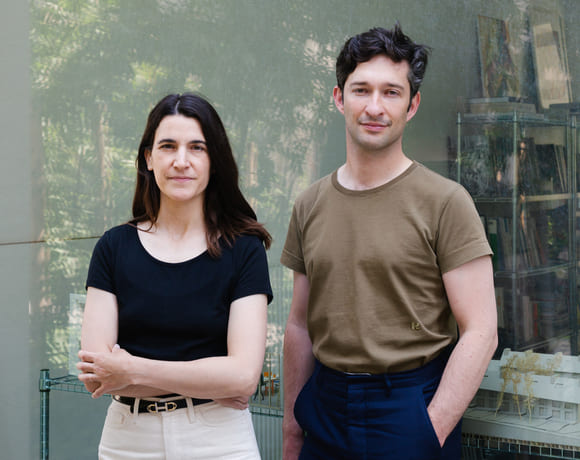
Belval & Parquet Architectes
Living and Building Differently
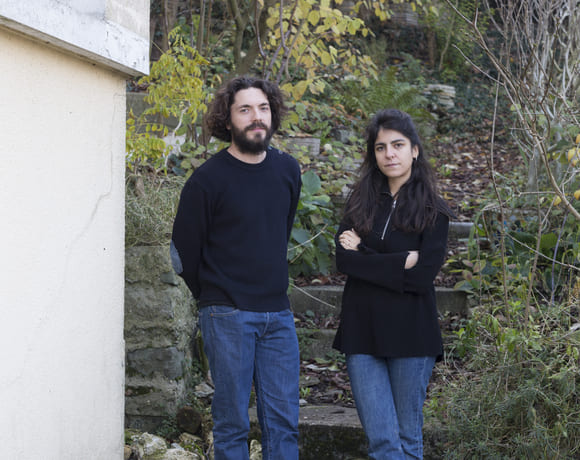
127af
Redefining the Common
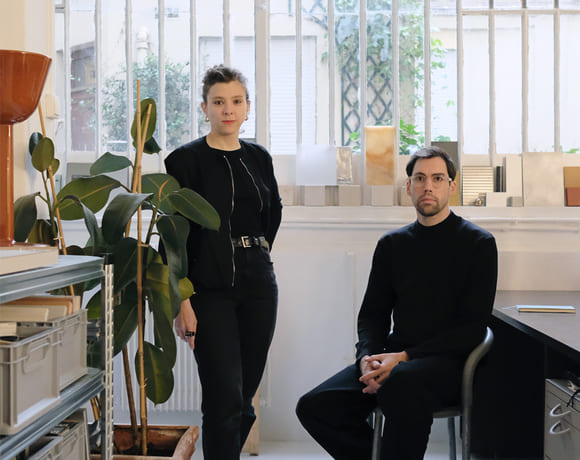
HEROS Architecture
From Stone to Structure
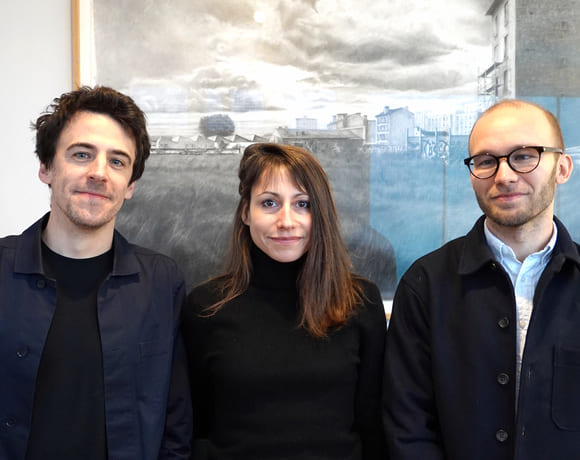
Carriere Didier Gazeau
Lessons from Heritage
a-platz
Bridging Cultures, Shaping Ideas
Rodaa
Practicing Across Contexts
Urbastudio
Interconnecting Scales, Communities, and Values
Oglo
Designing for Care
Figura
Figures of Transformation
COVE Architectes
Awakening Dormant Spaces
Graal
Understanding Economic Dynamics at the Core
ZW/A
United Voices, Stronger Impacts
A6A
Building a Reference Practice for All
BERENICE CURT ARCHITECTURE
Crossing Design Boundaries
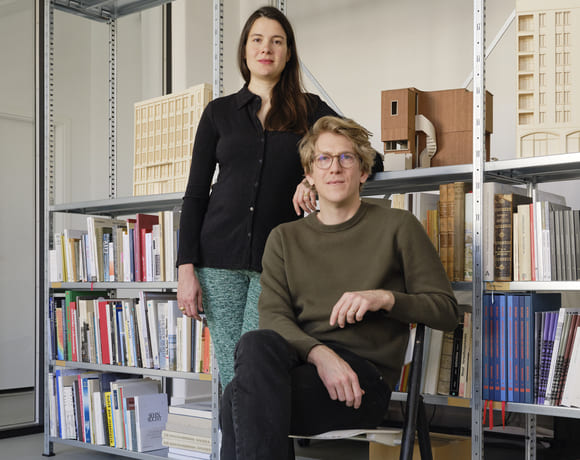
studio mäc
Bridging Theory and Practice
studio mäc
Bridging Theory and Practice
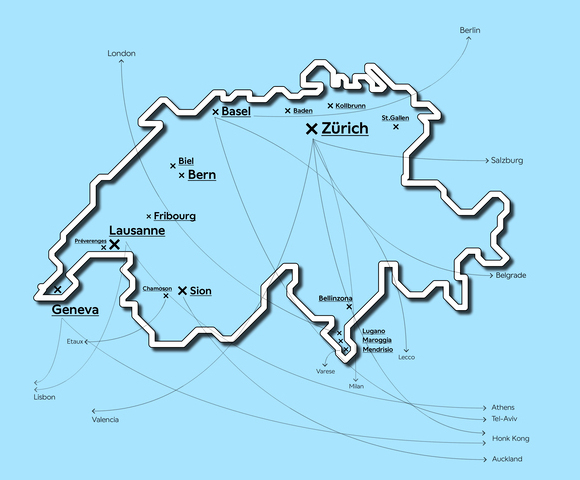
New Swiss Architecture
An Original Idea by New Generations
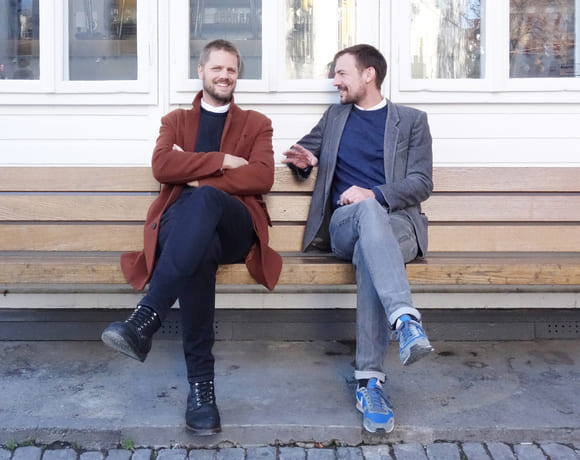
KUMMER/SCHIESS
Compete, Explore, Experiment
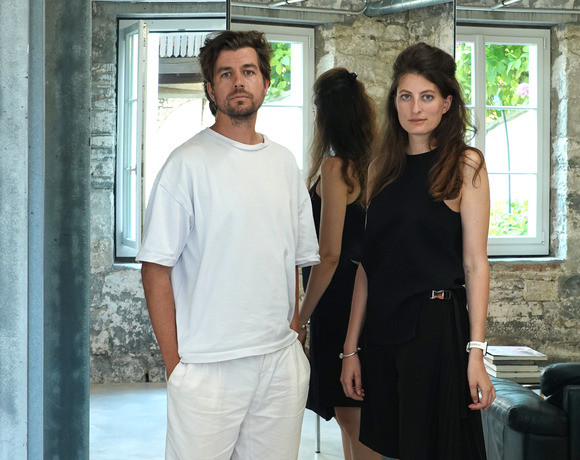
ALIAS
Stories Beyond the Surface
sumcrap.
Connected to Place
BUREAU/D
From Observation to Action
STUDIO ROMANO TIEDJE
Lessons in Transformation
Ruumfabrigg Architekten
From Countryside to Lasting Heritage
Kollektiv Marudo
Negotiating Built Realities
Studio Barrus
Starting byChance,Growing Through Principles
dorsa + 820
Between Fiction and Reality
S2L Landschaftsarchitektur
Public Spaces That Transform
DER
Designing Within Local Realities
Marginalia
Change from the Margins
En-Dehors
Shaping a Living and Flexible Ecosystem
lablab
A Lab for Growing Ideas
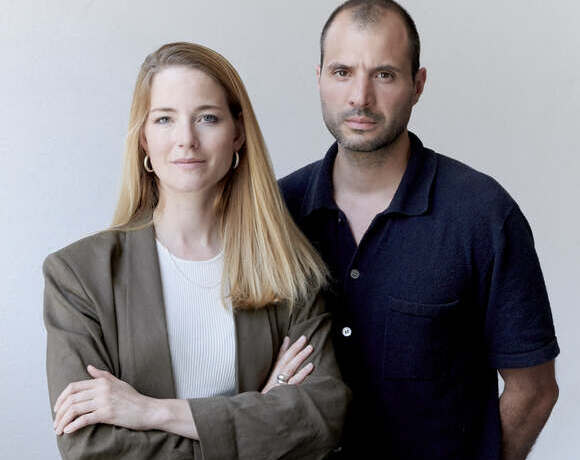
Soares Jaquier
Daring to Experiment
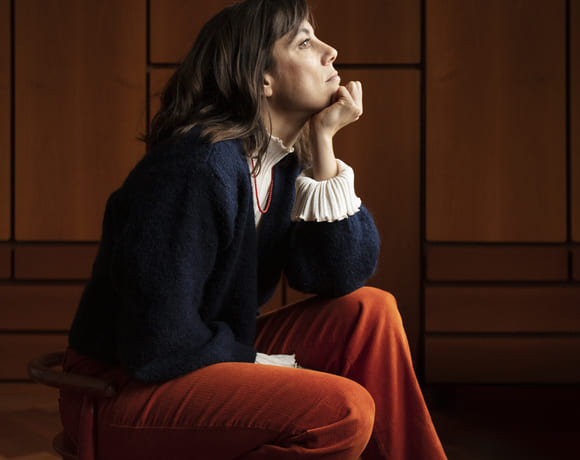
Sara Gelibter Architecte
Journey to Belonging
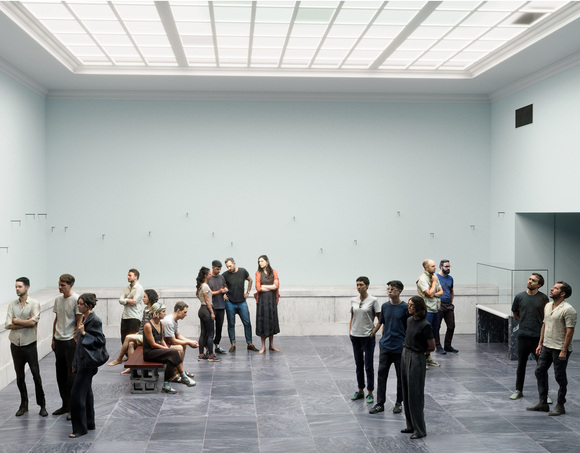
TEN (X)
A New Kind of Design Institute
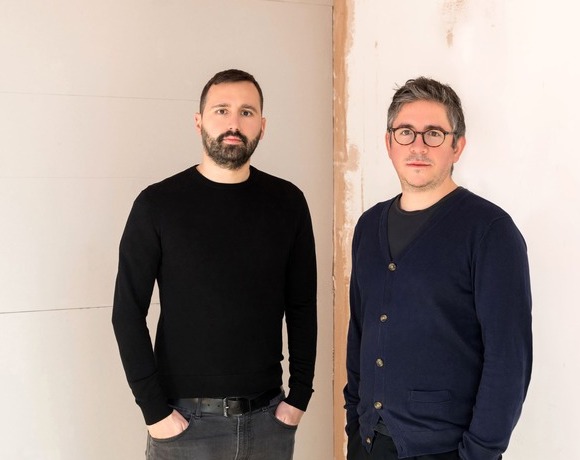
DF_DC
Synergy in Practice: Evolving Together
GRILLO VASIU
Exploring Living, Embracing Cultures
Studio â Alberto Figuccio
From Competitions to Realised Visions
Mentha Walther Architekten
Carefully Constructed
Stefan Wuelser +
Optimistic Rationalism: Design Beyond the Expected
BUREAU
A Practice Built on Questions
camponovo baumgartner
Flexible Frameworks, Unique Results
MAR ATELIER
Exploring the Fringes of Architecture
bach muĚhle fuchs
Constantly Aiming To Improve the Environment
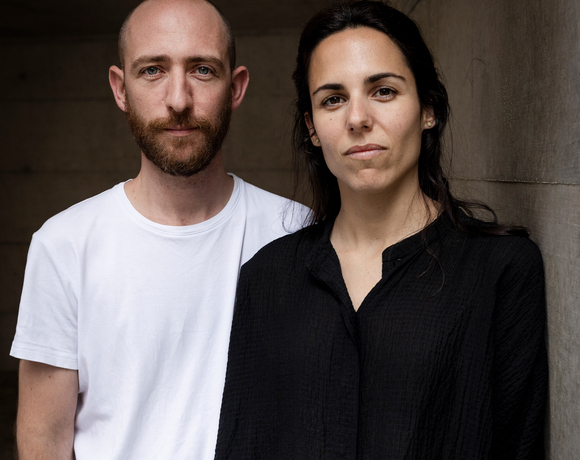
NOSU Architekten GmbH
Building an Office from Competitions
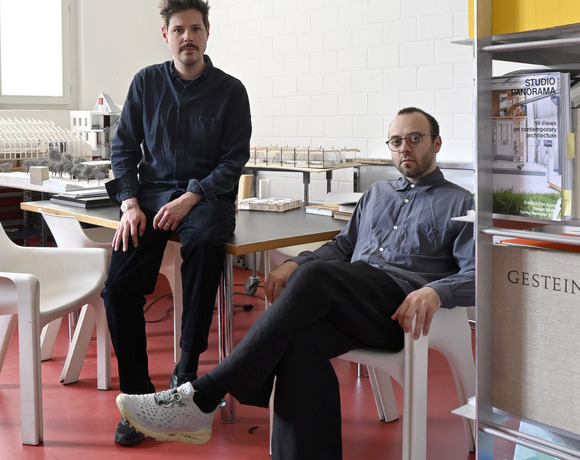
BALISSAT KAĂANI
Challenging Typologies, Embracing Realities
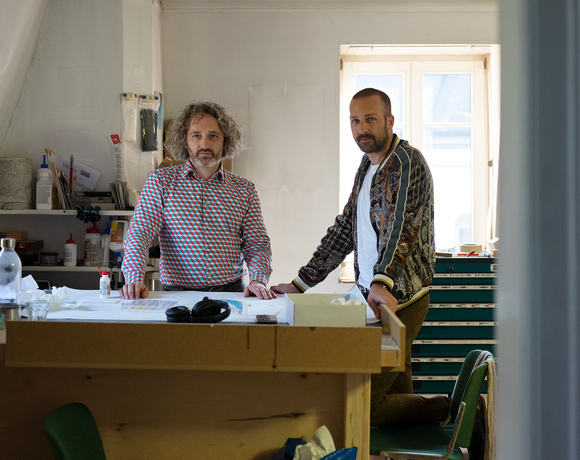
Piertzovanis Toews
Crafted by Conception, Tailored to Measure
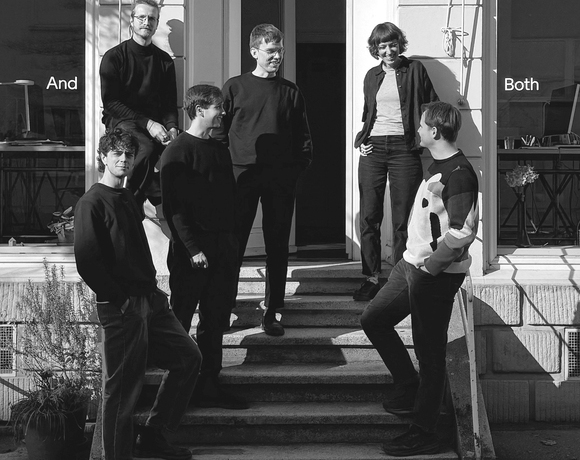
BothAnd
Fostering Collaboration and Openness
Atelier ORA
Building with Passion and Purpose
Atelier Hobiger Feichtner
Building with Sustainability in Mind
CAMPOPIANO.architetti
Architecture That Stays True to Itself
STUDIO PEZ
The Power of Evolving Ideas
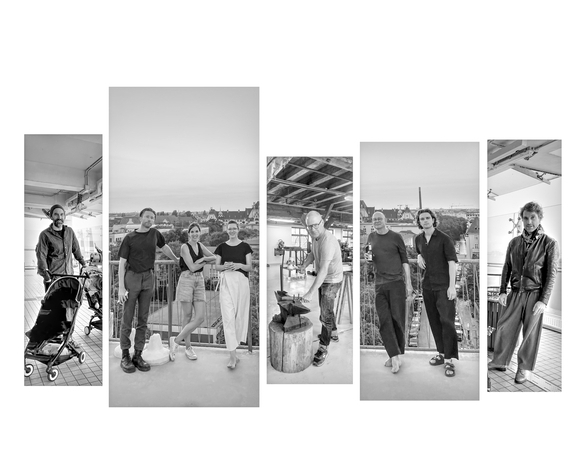
Architecture Land Initiative
Architecture Across Scales
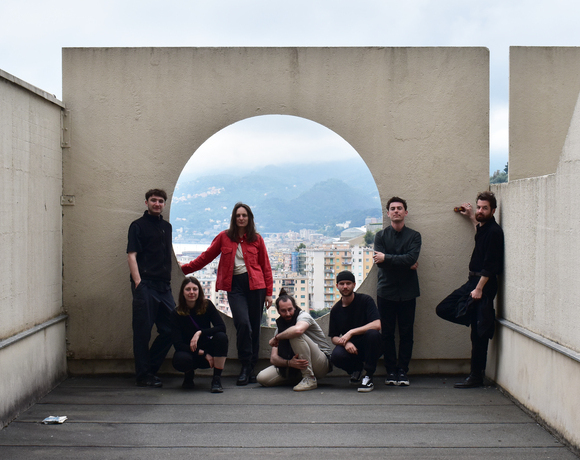
ellipsearchitecture
Humble Leanings, Cyclical Processes
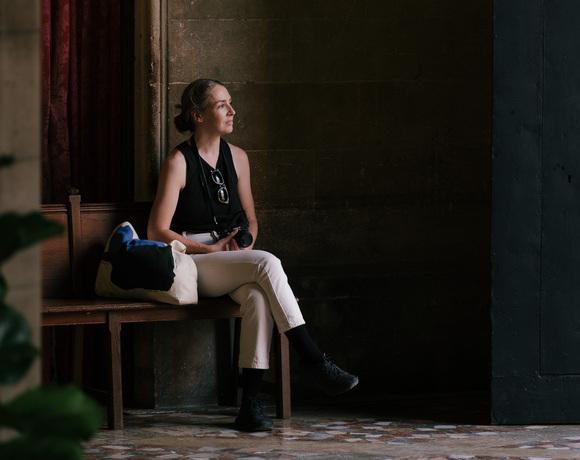
Sophie Hamer Architect
Balancing History and Innovation
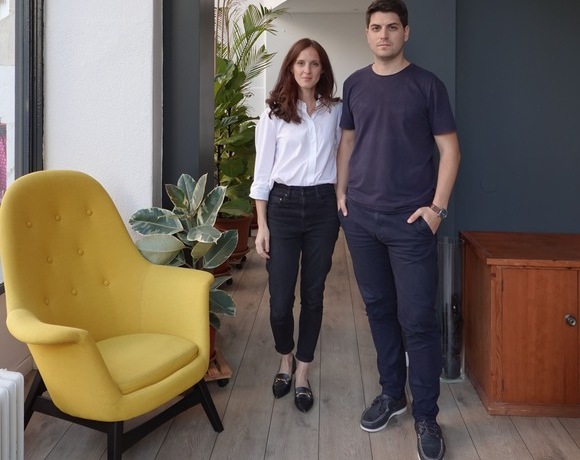
ArgemĂ Bufano Architectes
Competitions as a Catalyst for Innovation
continentale
A Polychrome Revival
valsangiacomoboschetti
Building With What Remains
Oliver Christen Architekten
Framework for an Evolving Practice
MMXVI
Synergy in Practice
Balancing Roles and Ideas
studio 812
A Reflective Approach to
Fast-Growing Opportunities
STUDIO4
The Journey of STUDIO4
Holzhausen Zweifel Architekten
Shaping the Everyday
berset bruggisser
Architecture Rooted in Place
JBA - Joud Beaudoin Architectes
New Frontiers in Materiality
vizo Architekten
From Questions to Vision
Atelier NU
Prototypes of Practice
Atelier Tau
Architecture as a Form of Questioning
alexandro fotakis architecture
Embracing Context and Continuity
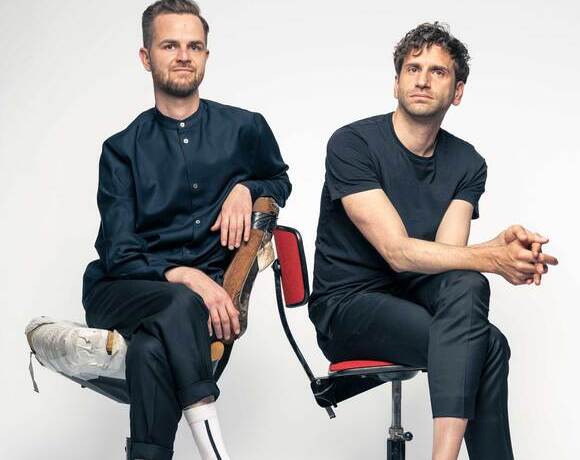
Atelier Anachron
Engaging with Complexity
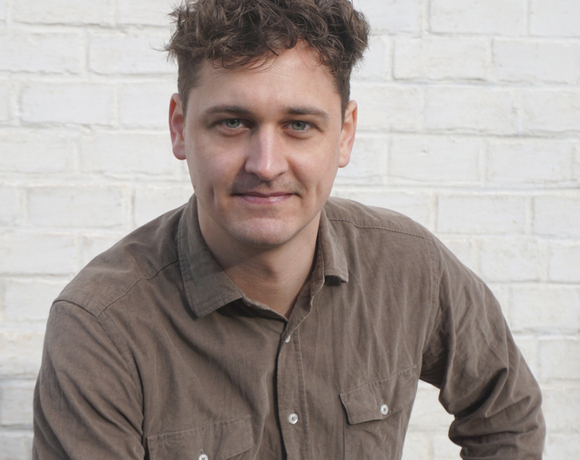
SAJN - STUDIO FĂR ARCHITEKTUR
Transforming Rural Switzerland
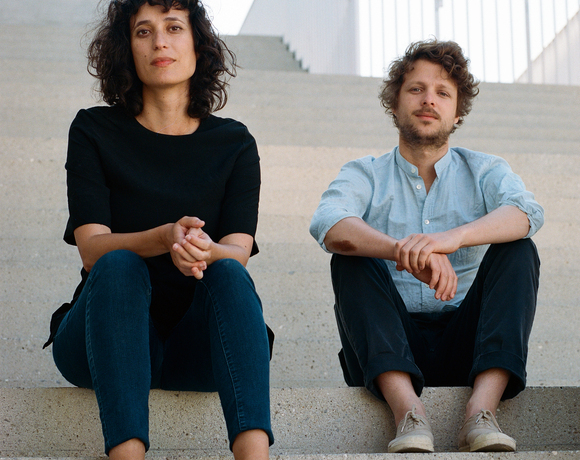
guy barreto architects
Designing for Others, Answers Over Uniqueness
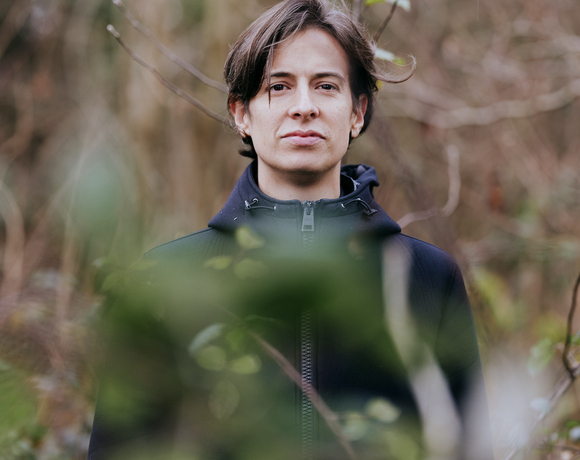
Concrete and the Woods
Building on Planet Earth
bureaumilieux
What is innovation?
apropaĚ
A Sustainable and Frugal Practice
Massimo Frasson Architetto
Finding Clarity in Complex Projects
Studio David Klemmer
Binary Operations
Caterina Viguera Studio
Immersing in New Forms of Architecture
r2a architectes
Local Insights, Fresh Perspectives
HertelTan
Timeless Perspectives in Architecture
That Belongs
Nicolas de Courten
A Pragmatic Vision for Change
Atelier OLOS
Balance Between Nature and Built Environment
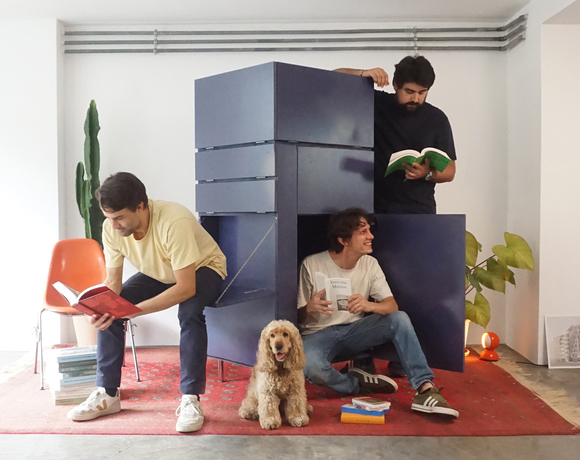
Associati
âCheap but intenseâ: The Associati Way
emixi architectes
Reconnecting Architecture with Craft
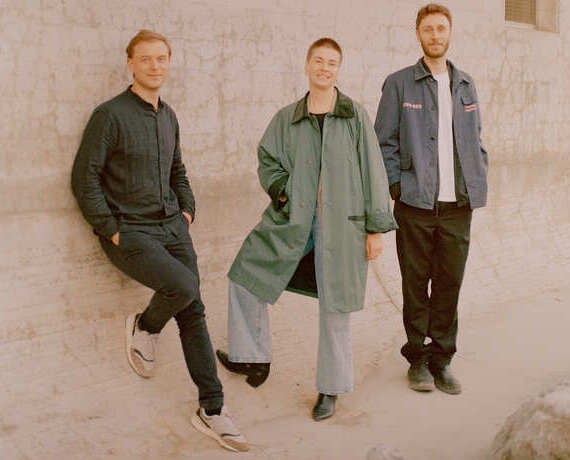
baraki architects&engineers
From Leftovers to Opportunities
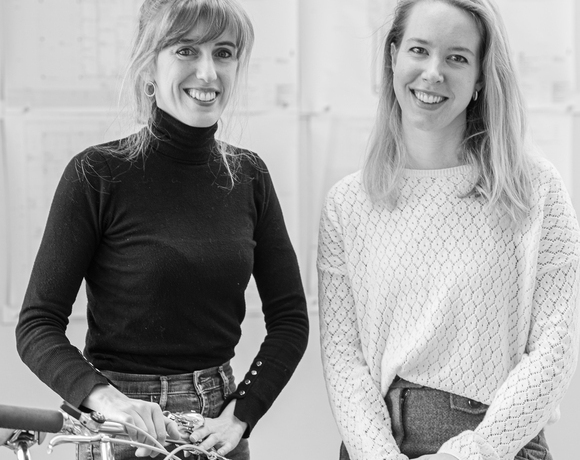
DARE Architects
Material Matters: from Earth to Innovation
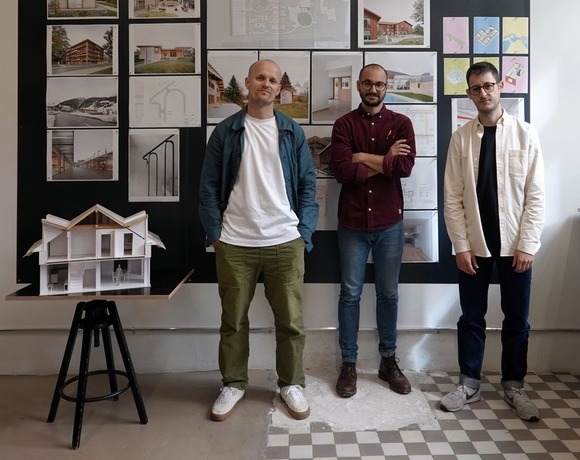
KOMPIS ARCHITECTES
Building from the Ground Up
Fill this form to have the opportunity to join the New Generations platform: submissions will be reviewed on a daily-basis, and the most innovative practices will have the chance to be part of the media's coverage and participate in our cultural agenda, including events, research projects, workshops, exhibitions and publications.
New Generations is a European platform that investigates the changes in the architectural profession ever since the economic crisis of 2008. We analyse the most innovative emerging practices at the European level, providing a new space for the exchange of knowledge and confrontation, theory, and production.
Since 2013, we have involved more than 3.000 practices from more than 50 countries in our cultural agenda, such as festivals, exhibitions, open calls, video-interviews, workshops, and experimental formats. We aim to offer a unique space where emerging architects could meet, exchange ideas, get inspired, and collaborate.
An original idea of New Generations
Team & collaborators: Gianpiero Venturini, Marta HervĂĄs Oroza, Elisa Montani, Giuliana Capitelli, Kimberly Kruge, Canyang Cheng
If you have any questions, need further information, if you'd like to share with us a job offer, or just want to say hello please, don't hesitate to contact us by filling up this form. If you are interested in becoming part of the New Generations network, please fill in the specific survey at the 'join the platform' section.
A Laboratory for Urban Transformation
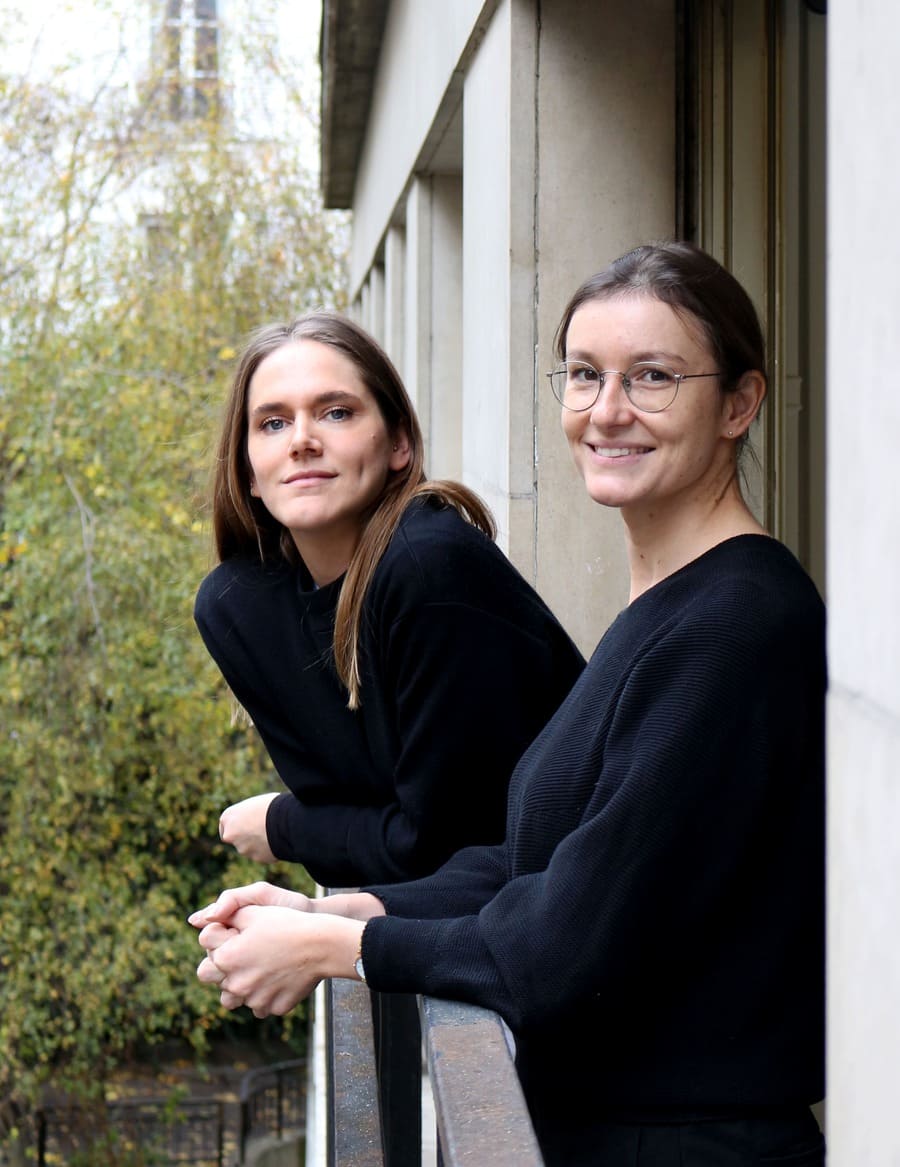
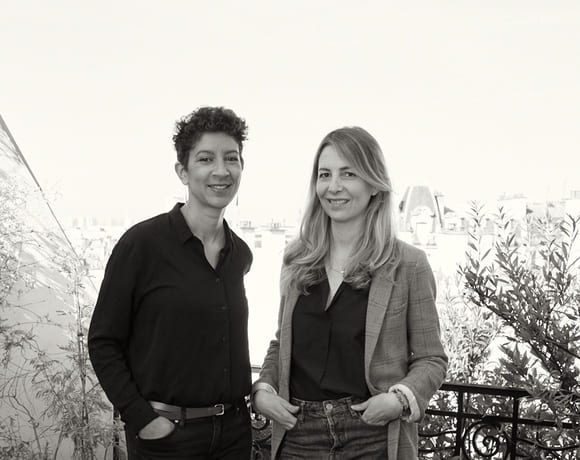
RERUM Architectes is an architectural practice founded in Paris in 2020 by Claire Roy and AdĂŠlie Collard. In its practice, the agency seeks to foster the dissemination of a âclimatic cultureâ through the design of contemporary and contextual architecture, understood in its sensitive, contingent, and theoretical dimensions. By advocating a mesological and geographical approach to architecture, the agencyâs projects take as their starting point the cultural, social, and natural environment in order to produce an âacclimatedâ architecture. From the territorial scale down to architectural detail, each project is inscribed within its visible and invisible context, aiming to provide the most appropriate response to a given situation.
CR: Claire Roy | AC: AdĂŠlie Collard
Small scale, bigger impact
CR: The question of location often reflects broader shifts in how young practices are positioning themselves today. We see a clear trend in our generation: having a base in Paris and another in a very rural area. The âin-betweenââarchitects fully based in rural areasâis less common. Many of our friends or other firms are going back to their roots while keeping a foothold in Paris.
I think itâs partly because we are âyoungâ. We have to follow opportunities, and Paris offers many, but these are usually better suited for bigger firms. For our generation, thereâs an appetite for smaller, almost artisanal projects. Often located in rural or peripheral areas, these projects are typically initiated by public institutionsâand as small practices of just one or two people, weâre well-positioned to respond to them. Itâs a way to enter the public architecture scene. This shift works at the beginning of a practice, but when you grow, it becomes harder to keep responding to these small commissions because they represent a significant commitment of time and resources, for disproportionately modest fees.
Our generationâwe call it the âclimate generationââweâre less keen on big projects because it feels like a shame now to build large new structures. We want to focus more on small-scale interventions, such as rehabilitations or extensions, working with what already exists and needs upgrading, rather than building large, new projects.
AC: For the best, I think itâs a real shift. In France, itâs difficult to see ourselves as big companies because thatâs not the reality of architecture here. In our case, Iâm not sure if we even want to become a large firmâbut the reality of architecture in France points toward staying small, with growth usually rarely exceeding 15 people. Larger offices with 50 or more employees are no longer a sustainable model. Huge projects with massive footprints are kind of a thing of the past. However, transformation projects and renovations are where architects are really needed, and these require a lot of intelligence.
Our general assumption is that to deliver precise, high-quality work, we have to choose smaller projectsâsimply because we donât have the resources to achieve the same level of excellence on larger ones. Smaller agencies can truly stand out by focusing their energy and expertise where it matters most.
A decade in the making
AC: I met Claire at architecture school in Lyon during our graduation year and decided to do our final project together because we were working on similar research. We quickly realised we had a really complementary in skills and vision.
CR: We have really different personalities and ways of viewing the world in a broad sense, and I think thatâs why it works well between us: We combine our complementary expertise to deliver a strong project. We also knew we could work efficiently together. Then we moved to Paris. After the diploma, I worked in Lyon for a big firm on the transformation of a large heritage project.
AC: As for me, before moving to Paris, I completed a double degreeâas I'm also trained as an engineerâand worked for a timber engineering company. I then moved to Paris for my first job as an architect. One or two years later, Claire joined me. We had already talked about having our own office one day, but we thought we werenât ready. We wanted experience, to understand the profession, and how to develop projects.
CR: We worked for about ten years before deciding to take the leap. That was in 2019, but then COVID hit, so we chose to postpone everything for a year and used that time for research, writing articles, and reflection. We had already decided to start the practiceâit was just a matter of timing. We contributed to journals and took the opportunity to think deeply about what we wanted to do and why, laying the foundation for our story. Right after COVID, we founded rerum.
AC: Like many other agencies in France, we got our start thanks to support from our previous offices. I was working on a major project in Paris and managed to negotiate retaining responsibility for part of the buildingâs management and construction. It was a collaboration with Studio Gangâa competition for a large housing project in Paris: a 10-storey building on a challenging site adjacent to train lines, making it both technically complex and environmentally sensitive. The project was a great opportunity and experience, and provided financial stability.
CR: The first year, since we didnât have many projects, we tried to work on some open competitions alongside my previous employment. We used this time to take part in the Europan competition, which we went on to win. Europan is tricky because it doesnât always lead to built projects. But we were lucky and won the site in Quimper with our proposal Dour, Koad, Ker. Competitions like Europan are valuable opportunities, as they foster encounters with a wider ecosystem of agencies and actors in architecture and urban planning, all working towards a common goal: the city of tomorrow. However, they do not necessarily lead to follow-up commissions or to a realised project.
Research, context, and instinct
CR: The name rerum came from our diploma project. It comes from a poem by the Roman poet and philosopher Lucrèce and the Latin phrase De Rerum Natura, meaning âThe Nature of Things.â It was the jumping-off point for diploma work, and because it made sense to us, we kept the name.
AC: Our diploma project remains a solid foundation for our approach. It involved reflecting on how to transform suburban areas through thoughtful densification, with a strong sensitivity to the surrounding context. Much of our work focused on understanding both the natural environment and the human factors of a site near Genève. We worked in a valley with a strong history but also great natural amenities. The mountains have a strong presenceâthe VallĂŠe de l'Arve runs from Chamonix and the glaciers to Genève. We really observed the movements of nature: the river, the seasons, cycles. One of our strongest commitments was the belief that suburban urbanisation had lost its connection to architecture and context. This insight was crucial then and remains a guiding principle for us today.
CR: Now, that method is part of how we work. We always begin projects with open inquiry or research to reveal the presence and forces of the site. It involves gathering data, and since we also focus on visually and graphically designing that data, it becomes the start of all our projects. Through data, we create visualisations that inform both us and the project, embracing it as an open-ended process.
AC: At some point, the research translates into designâsomething emerges, and that becomes the basis of the project. The broader the research, the more chances you have to find something interesting. We began applying this approach to urbanism projects through Europan and continue to work in that field, but we also use it for smaller-scale projects like apartment renovations. Although the scale differs, we strive to maintain the same approach even in these smaller interventions.
CR: The starting point is open research, therefore broad in scope. We may explore historical or heritage architecture, as well as the climate and social aspects of the area. For example, for a small flat in Le Marais (Paris) the project started from an old medieval map showing the building from a different perspectiveâbefore the invention of modern views. That historical research sparked our imagination, so the process can be quite spontaneous. While we ground our work in scientific methodsâusing maps and dataâwhat ultimately emerges is instinctive.
Designing with curiosity
CR: We are naturally curious and always explore the potential in every project. Although small flats arenât typically our main focus, weâre happy to take them on when the project or client sparks our interest. When we founded rerum, our focus was primarily on architectural and urban design. However, we have since expanded our work to include furniture design and other design projects. We like weirdness, and we like to ground our work in a theoretical field. We read a lot and write articles. In every project, we want to find something a little weird or interesting, something to engage with.
AC: Sometimes people ask us what we are: a practice, an office, or even a workshop? My answer is that we see ourselves as a laboratory of urban transformations. We have something to say and to contribute whenever there is a subject of changeâespecially when it involves the transformation of uses. Because our expertise spans both urbanism and architecture, our projects take on a hybrid nature. Architects design housing, urbanists design the surrounding area, but the in-betweenâthis part of the building that isnât exactly the private home but is a kind of private city interfaceâis where we are useful.
Humble by Design
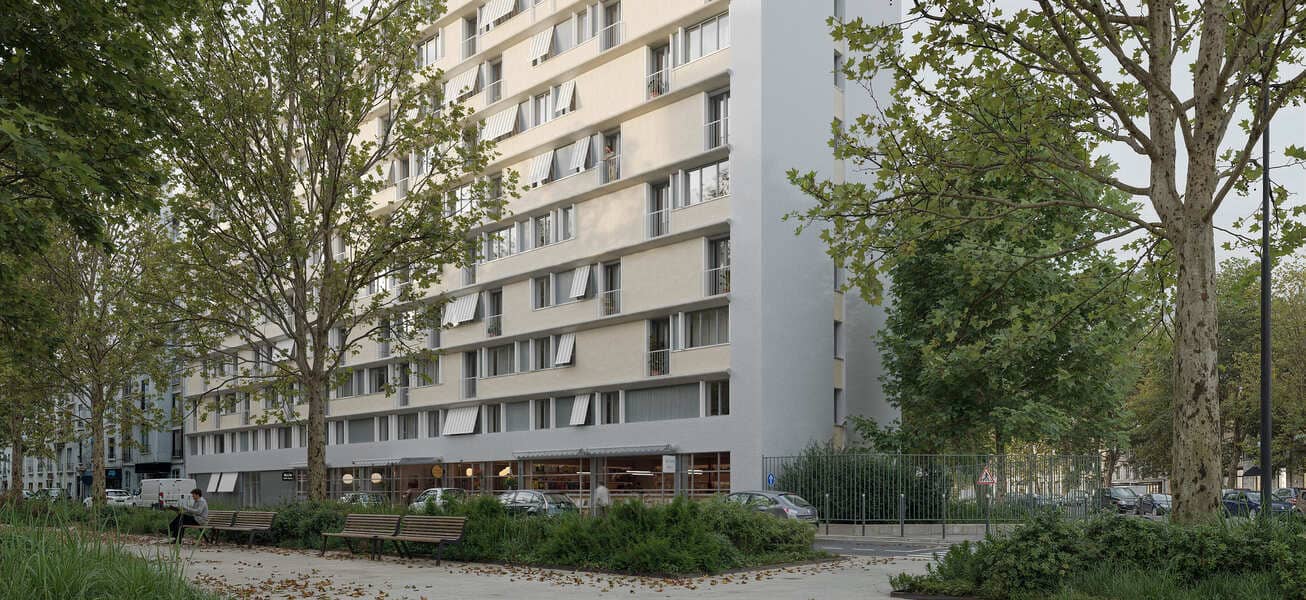
AC: Weâre currently working with landscape designers to transform all the entries of a neighbourhood in the northwest area of Paris. Itâs a neighbourhood with social problems like violence and building degradation. We had to consider what kind of approach would endureânot just something sturdy, but an intervention aimed at restoring meaning, enhancing the quality of dwelling, and bringing beauty back to a neglected space.
CR: We came into this project after several waves of renovation focused heavily on security, so the area became a fence between fences between fences. As architects, we see ourselves as having a political and social role. Our goal was to reopen dialogue and act as mediators for clients, helping to reconnect inhabitants with the intrinsic quality of their dwellings. We had to advocate for putting wood and beautiful elements in this context to reintegrate architectural quality and undo the damage.
AC: Part of our work was looking at the original building plans, where we discovered that many amenities disappeared over the course of renovations. This is both a strategic approach and a design solution. For example, there was a significant issue with bikes being locked to fences everywhereâon balconies, fences, and throughout the area. We proposed creating dedicated bike rooms for residents to address this. In terms of design, itâs mostly about the facade. The design tries to shift the perception of the people and the architecture, because the building is well-built and interesting. We want to step back and bring quality back to this kind of social housing.
CR: This is a collaborative project: us, a landscape architect, and an engineer. Itâs a public commission for social housing. In France, when a neighbourhood is identified as socially problematic or unsafe, there is a special program called ANRU (Agence Nationale pour la RĂŠnovation Urbaine). This site is in an ANRU zone, and prior to us, there were five years of research and a public participation commission. They organised social meetings inside the building and worked with inhabitants on the transformation. The brief included conclusions from that prior work, which we consultedâthough they appeared not to have been considered much beforehand. So we started just by observing what was already there and the work done by social workers and many others before us.
AC: We always take time to understand whatâs been done and use that as the first step in our own work. I think that applies here, but also in other situations.
CR: Itâs not really about a design postureâitâs more about an intention, a way of doing things. I wouldnât call it political exactly, because itâs really about what will happen in the end, but itâs about how you want to do it more than how you want it to look.
AC: To be conscious of what youâre doing, what resources youâre using, and the impact on the population. The goal is not to impose your style or design, but to understand what exists, whatâs precious in the situation, and what needs to be preserved. Maybe you add something of your own, but thatâs not the main point. Itâs about acting with an understanding of the context. This leads to a strong design posture, but it comes after this understanding, not before it.
Laboratory in action
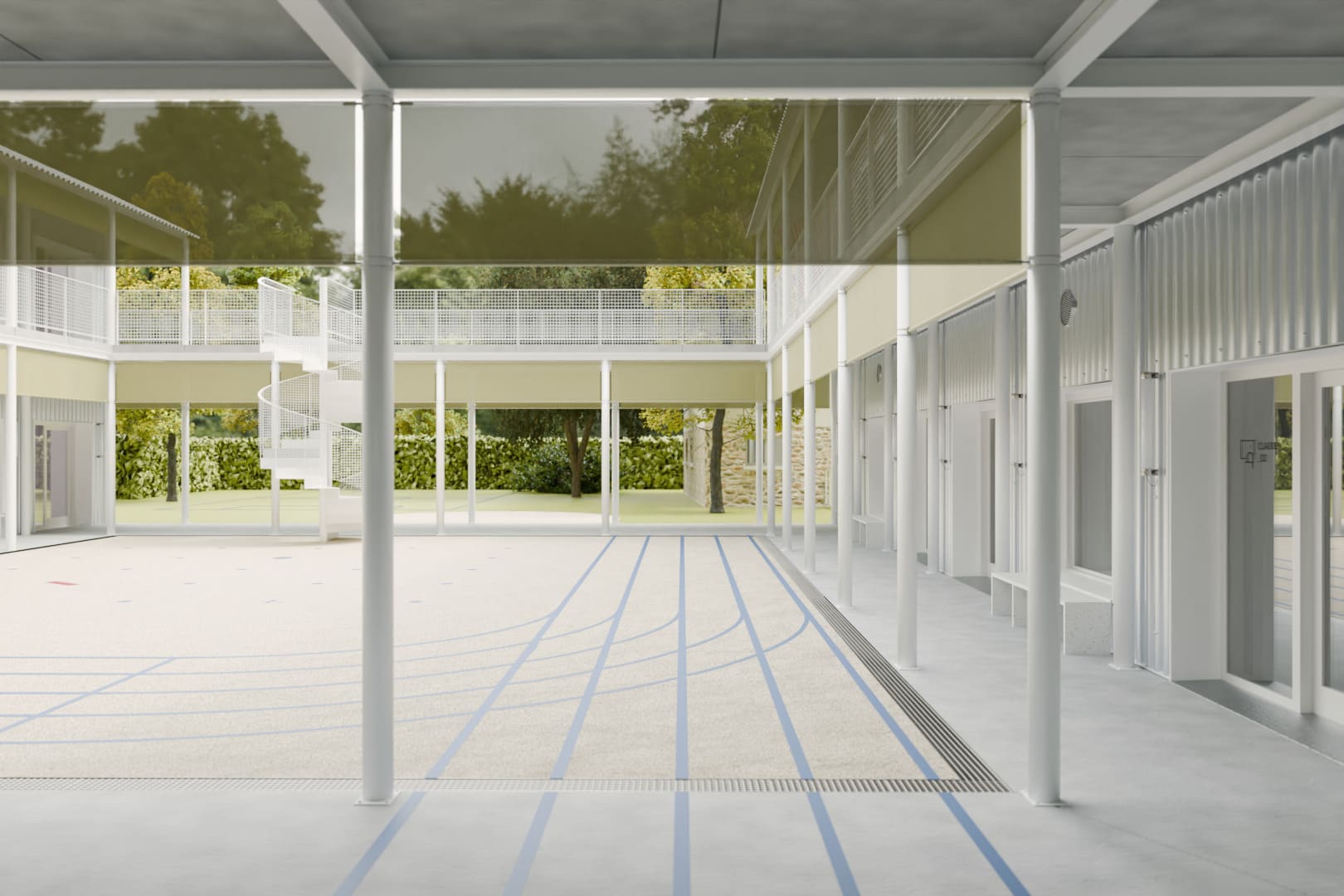
CR: We have also expanded into education projects. It began with a small intervention at a school in Paris, and thanks to that experience, we have since taken on more work in this area. Currently, we are involved in three school transformation projects in Paris. Weâre also working on a school in Sannois, in the Paris urban area. Itâs a modular construction â a temporary school â because all the schools in this area need energetic renovations. There will be many construction sites and innovations in existing schools, so they needed a building to temporarily house classes. It has to be there for less than 10 years, but also built strongly, with 11 classrooms planned. The goal is to be able to reuse it piece by piece elsewhere, which is both interesting and challenging.
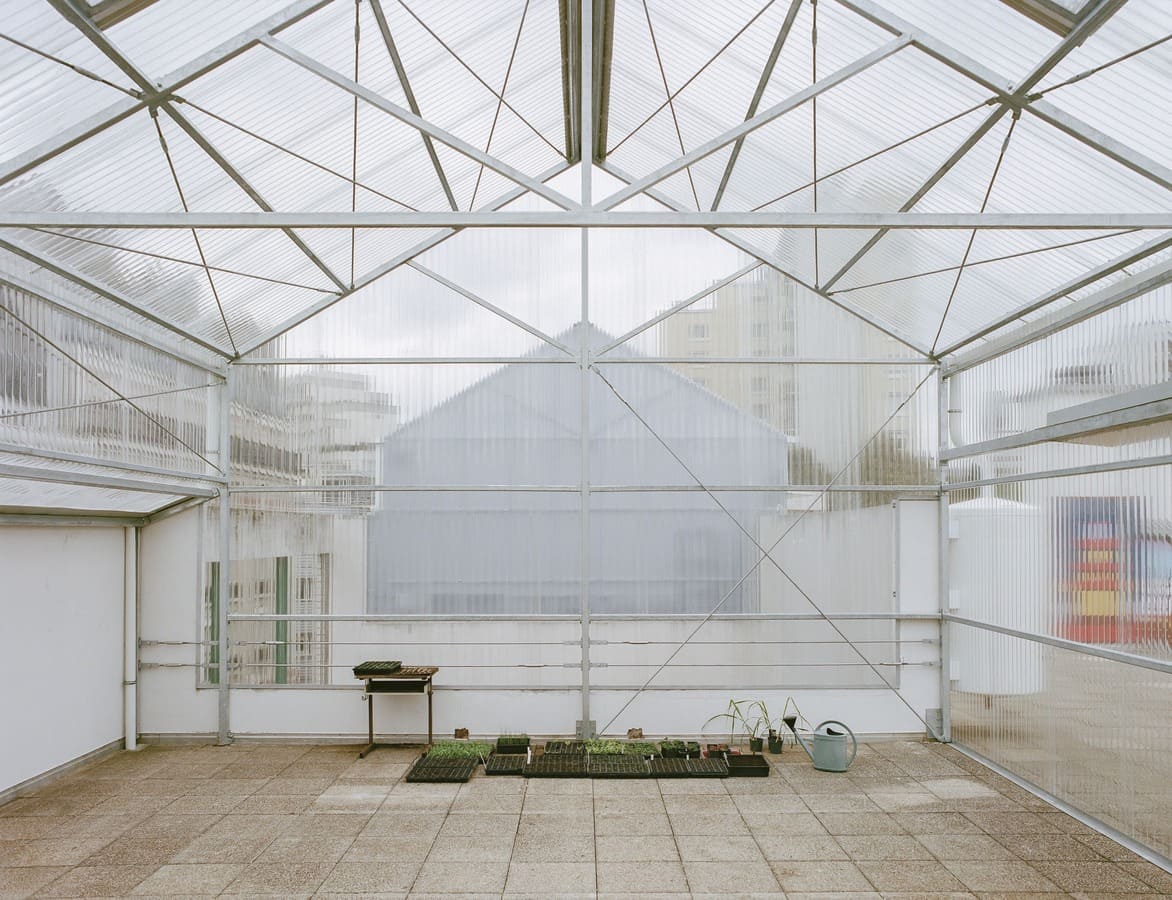
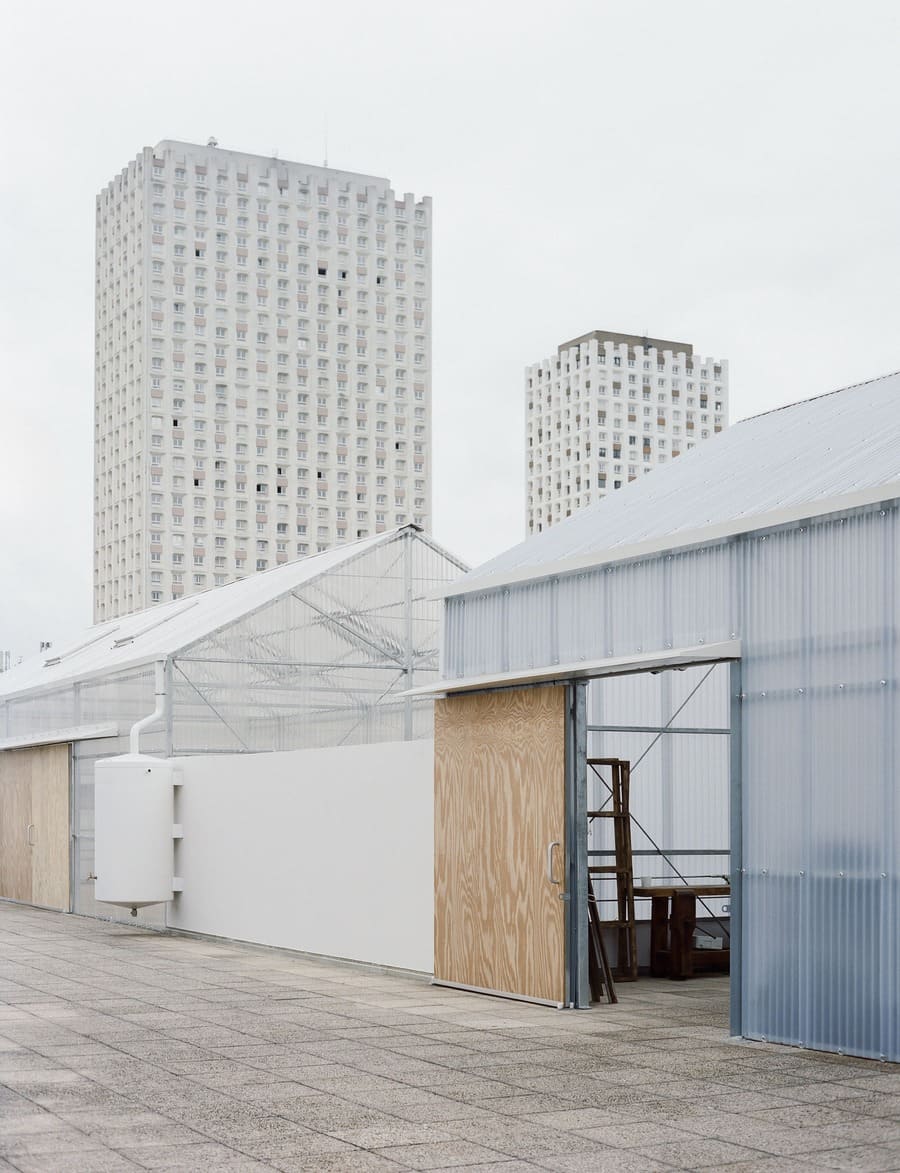
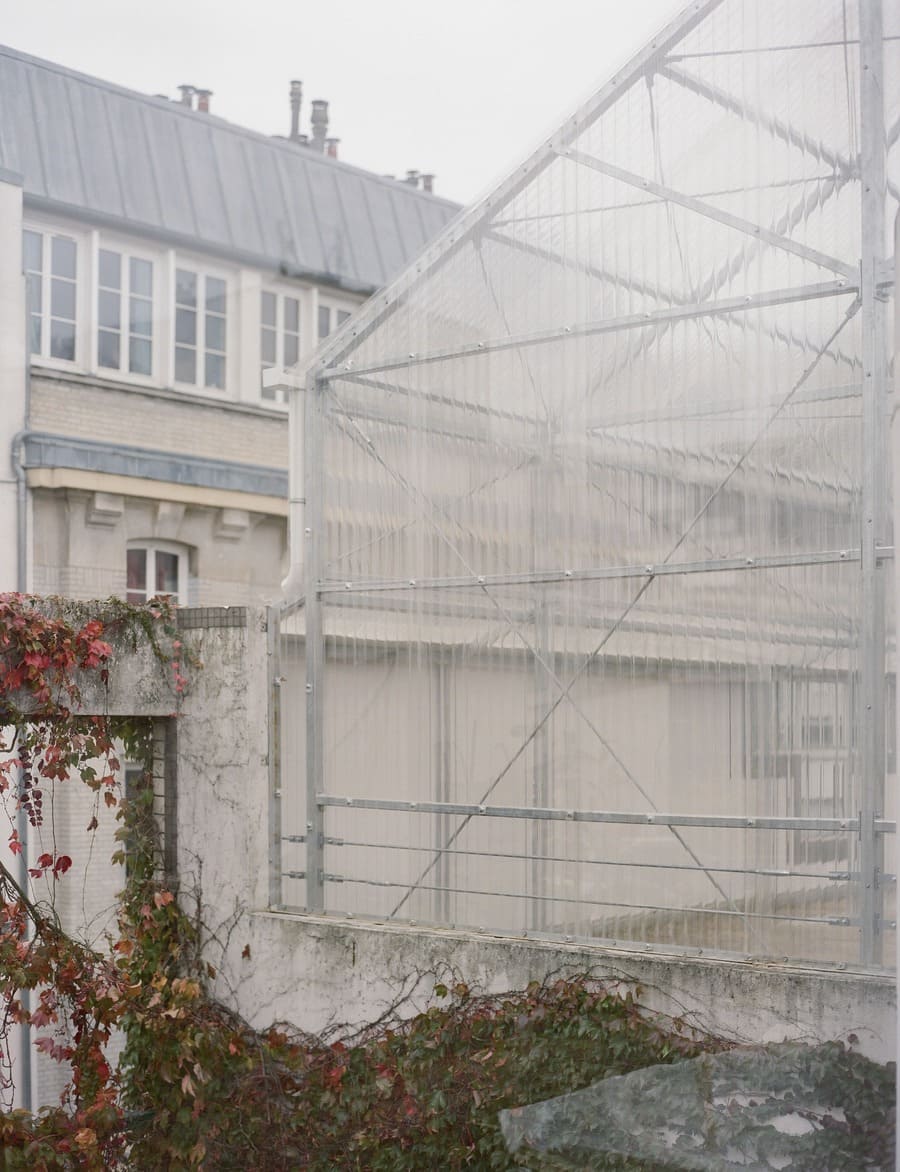
On the roof of a middle school in Paris, we are creating an educational farm that unites production and pedagogy: a place where cultivation meets learning. The project introduces two new greenhouses to support the existing rooftop farm, which until now had no dedicated structures. Beyond providing facilities, this intervention seeks to offer a new model of urban agricultureâone that combines nourishment, knowledge, and the beauty of a shared environment. Itâs organised by Veni Verdi, which does urban rooftop farming and sells vegetables at the Paris market. Itâs a small-scale farm, but combined with an educational program to teach kids about gardening.
This aligns with our vision of a laboratory of transformationâ and within a dense urban fabric, it brings together multiple ambitions under one roof. Such projects reflect a broader demand for adaptable, multifunctional spaces that address both educational and ecological needs in dense urban contextsâan area in which our agency is now actively engaged.
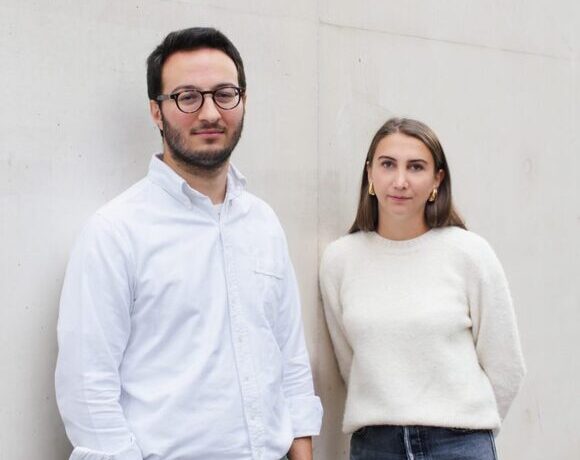
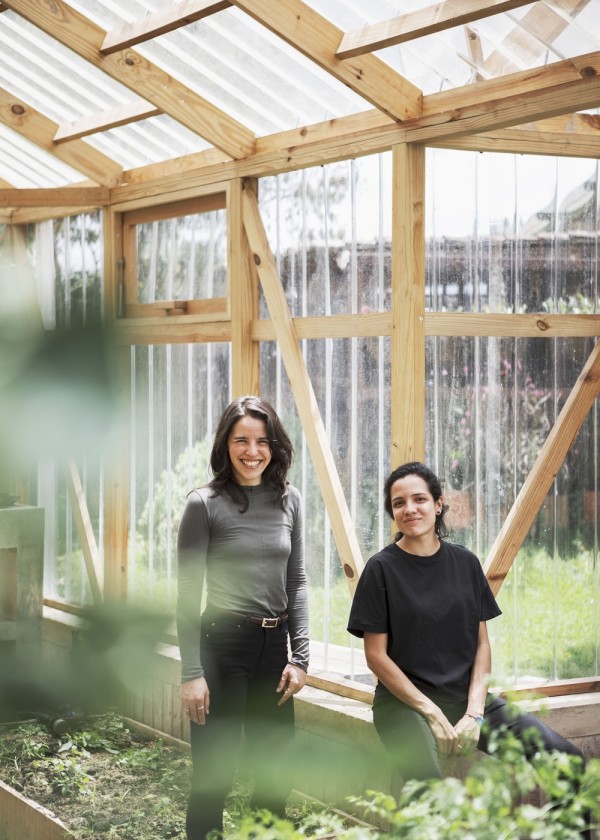
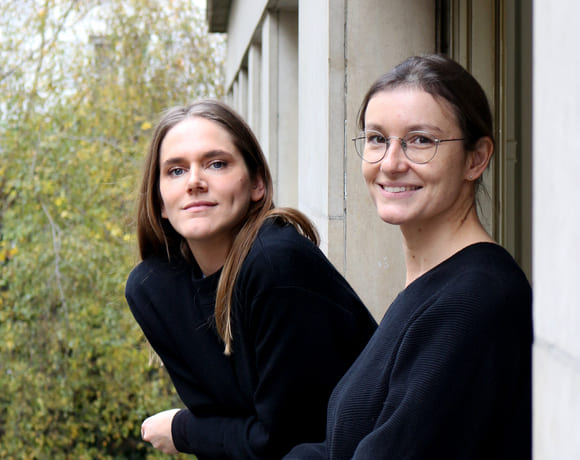
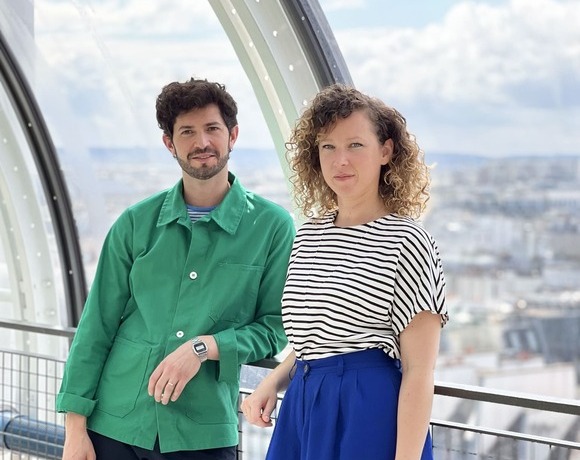
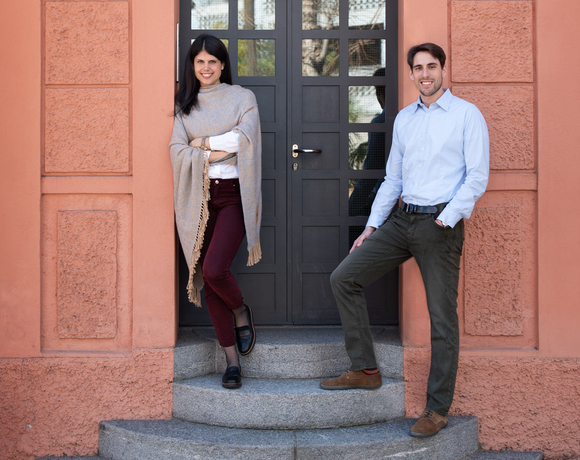
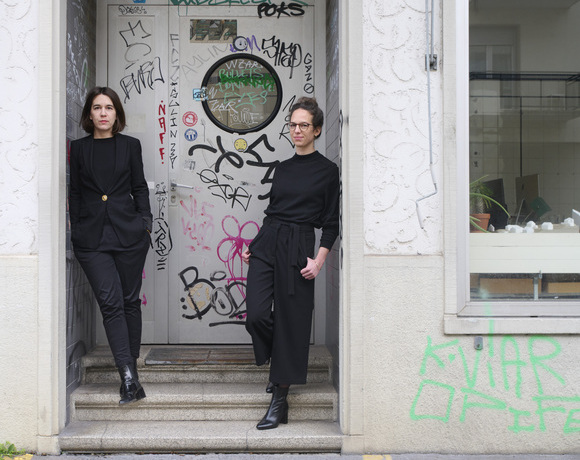
âĄď¸ rerum. Claire Roy, AdĂŠlie Collard. Ph. Courtesy of rerum
âĄď¸ An Educational Farm on the Roof, Paris. Ph. Mary Gaudin
âĄď¸ 11-class Modular School and canteen, Sannois. Img. rerum
âĄď¸ Rehabilitation of a residential complex, Paris. Img. OUT of RAM