Renode
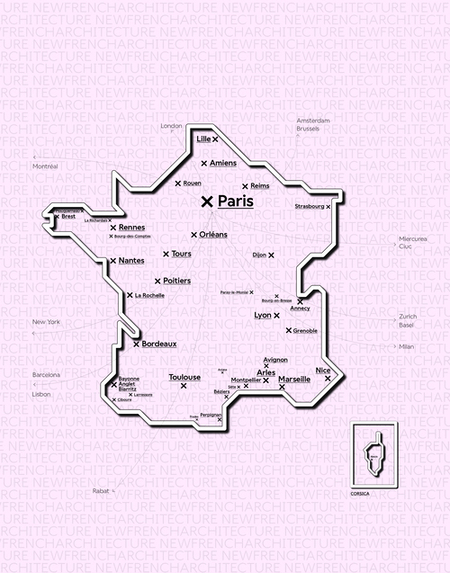
Strasbourg

Renovation as Quiet Resistance

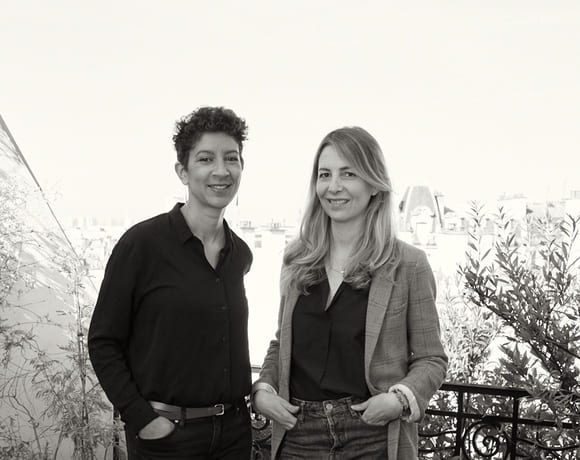
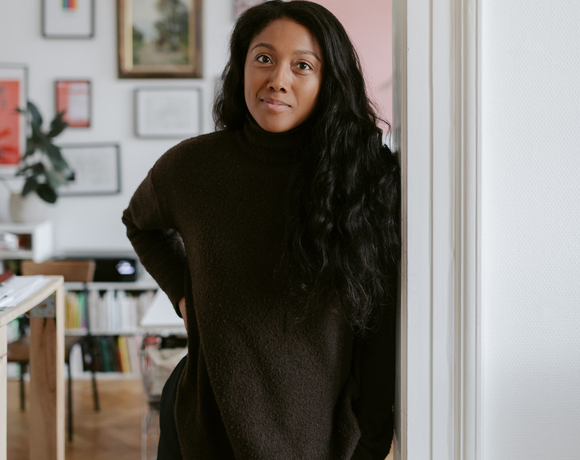
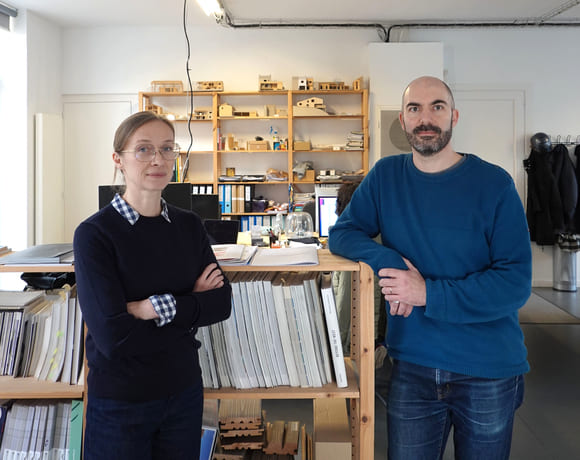
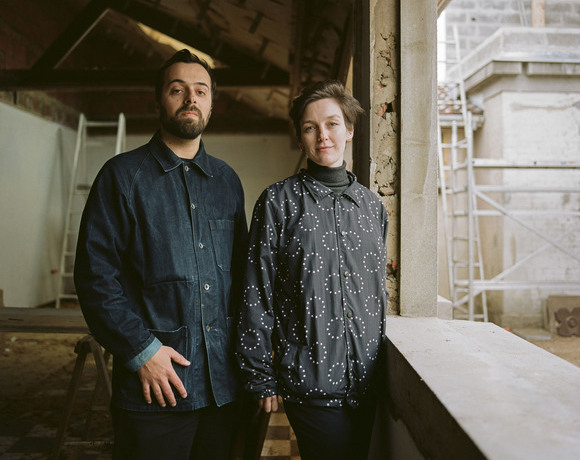
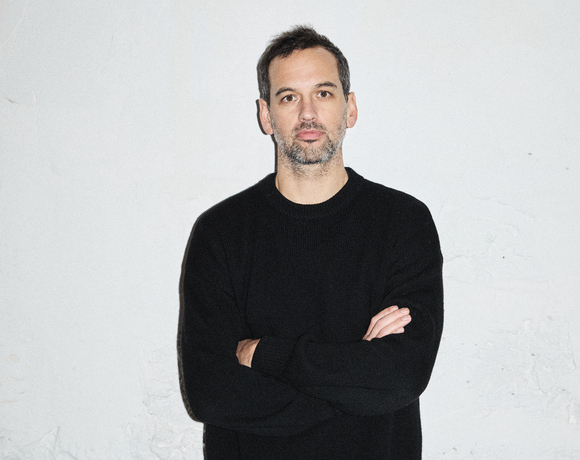
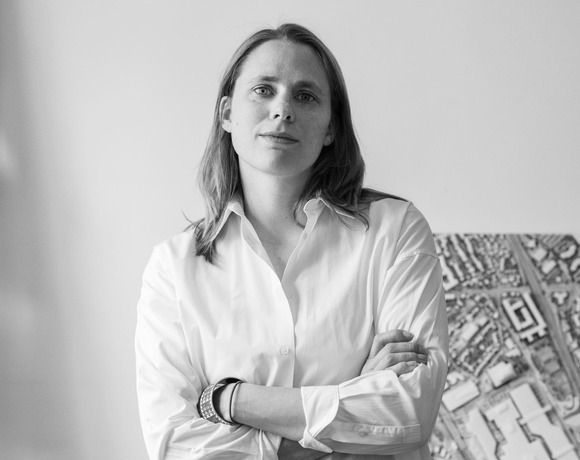
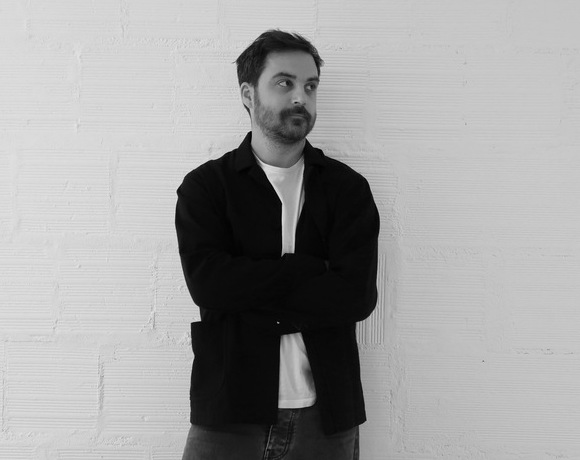
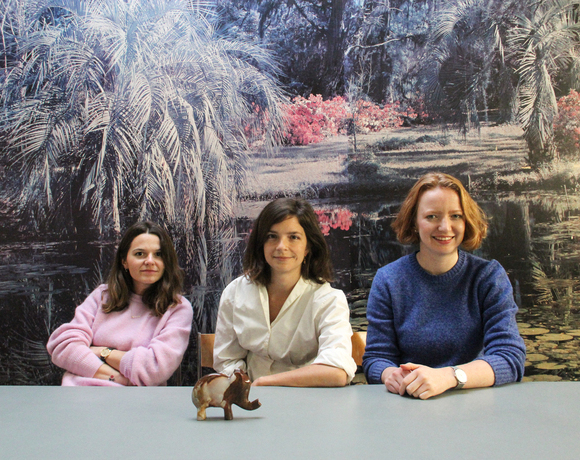
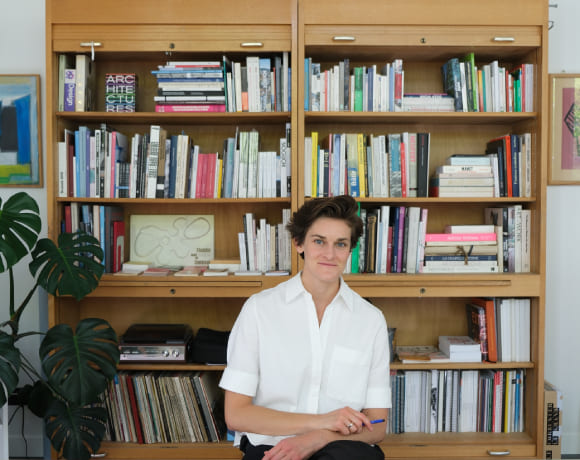
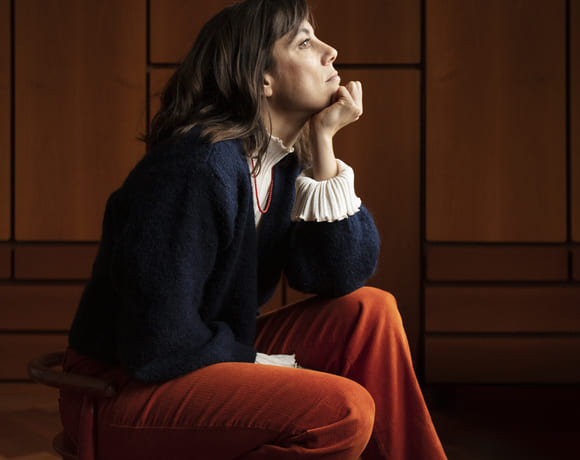
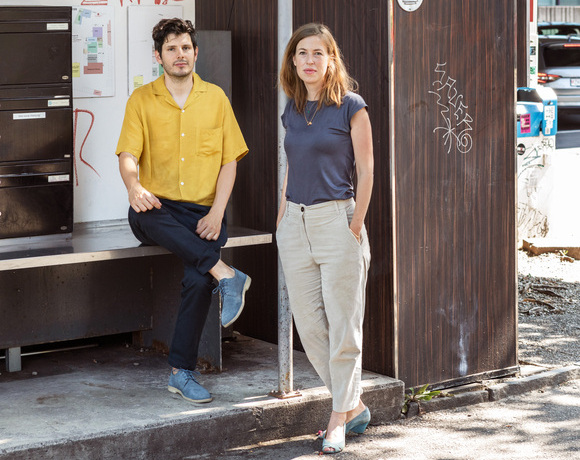
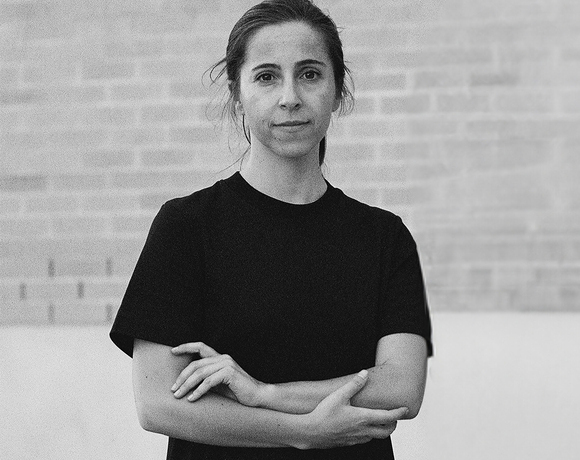
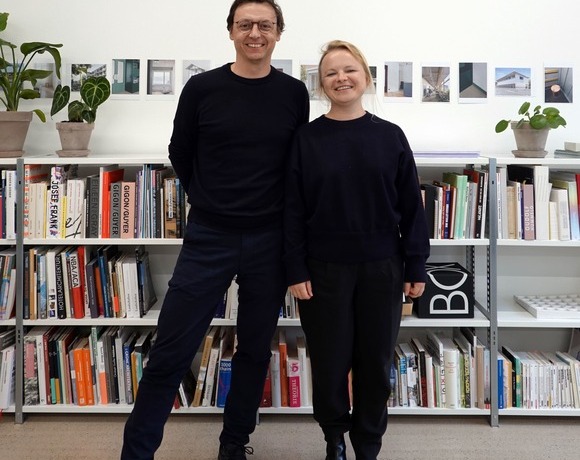
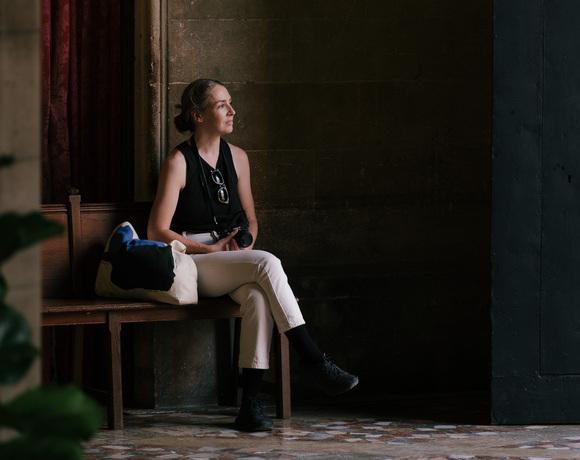
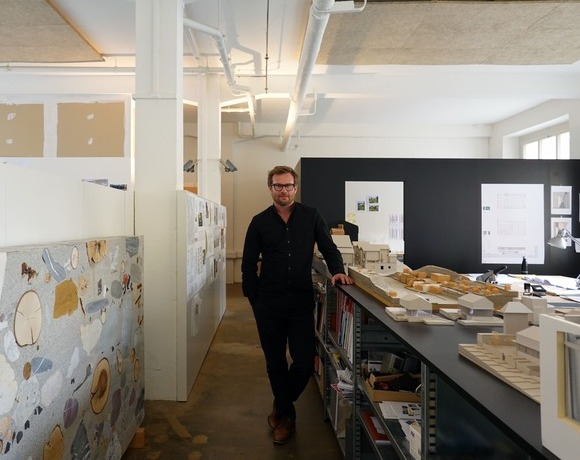
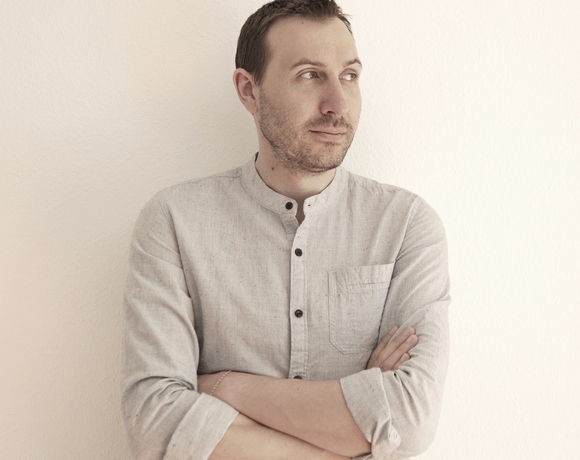
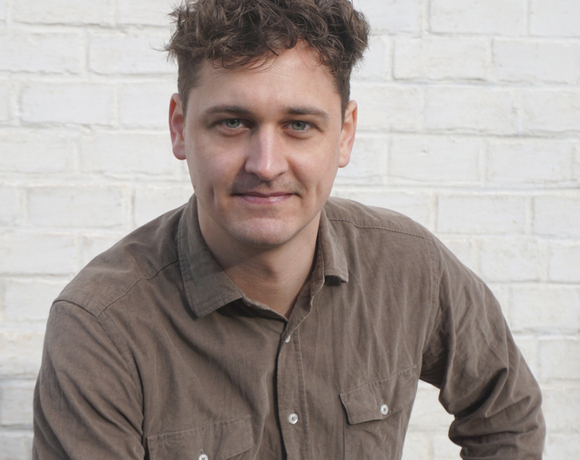
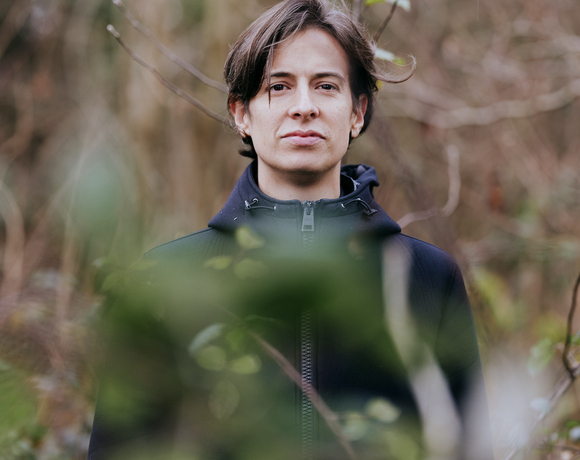
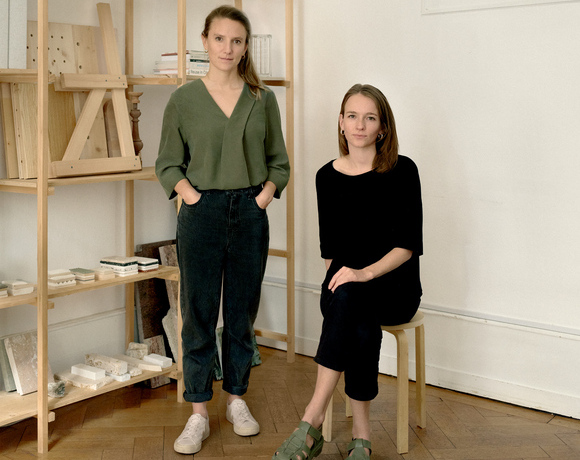
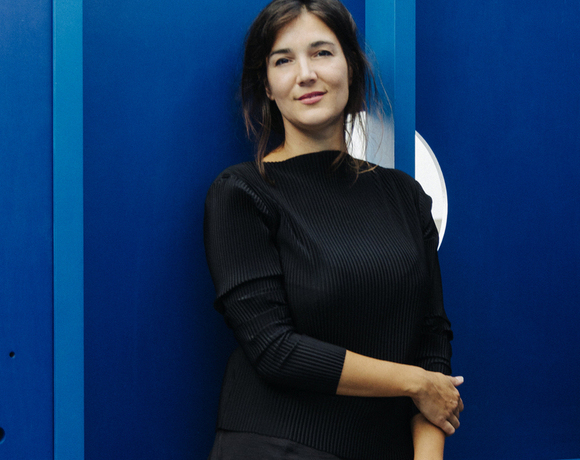
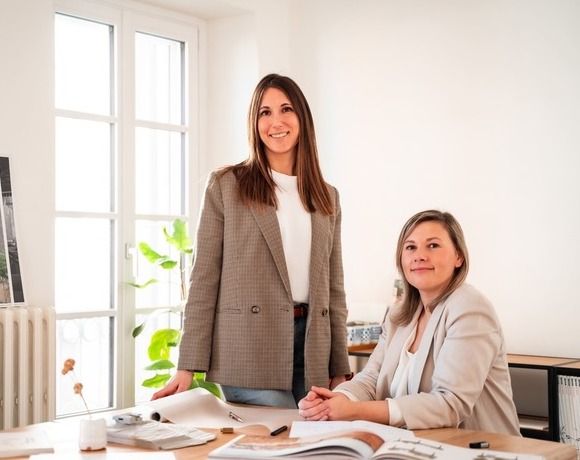
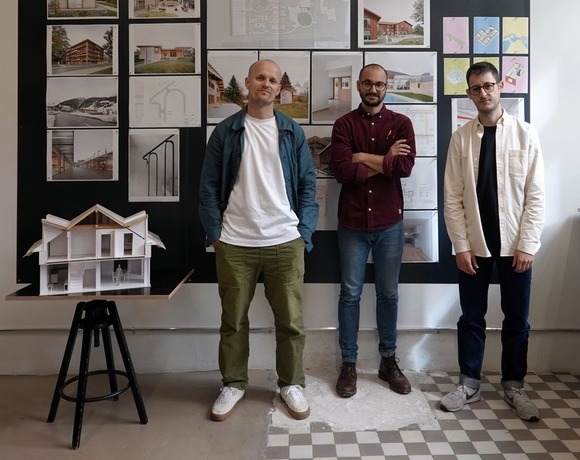
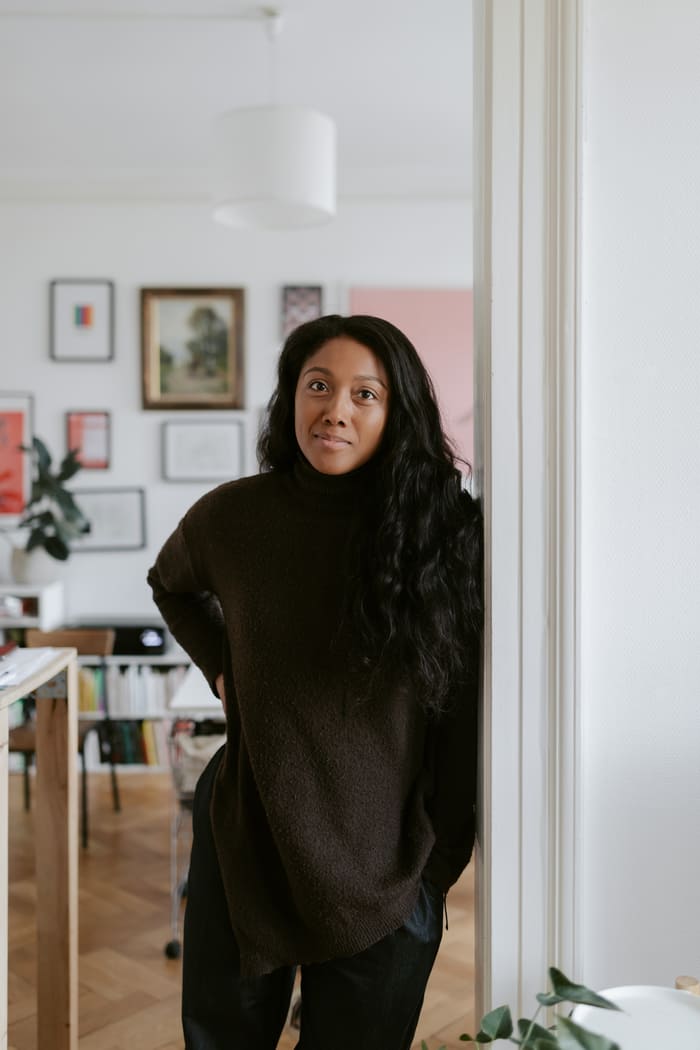
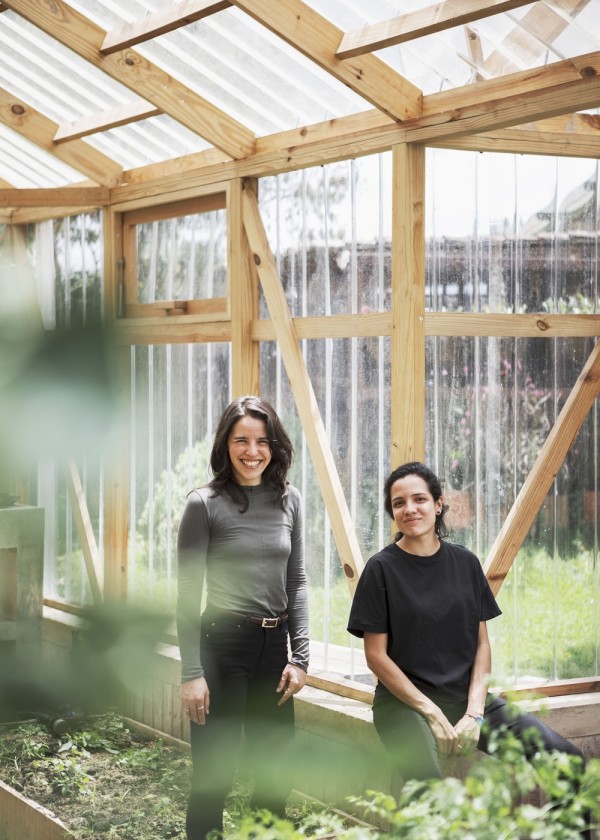
Leaded by Préscillia Homand-Troudart, Renode is an architectural studio based in Strasbourg, specializing in the renovation and enhancement of historic buildings. Born from the conviction that renovation is an opportunity, the practice combines ancestral techniques with innovative approaches to adapt existing structures to today’s climate challenges and the broader project of territorial regeneration. Renode stands out through research, writing, and pilot projects, asserting a committed vision for sustainable and desirable spaces. By sharing its expertise with property owners to transform constraints into long-term value, its mission is to empower individuals through knowledge and a culture of materials, transforming the built environment.

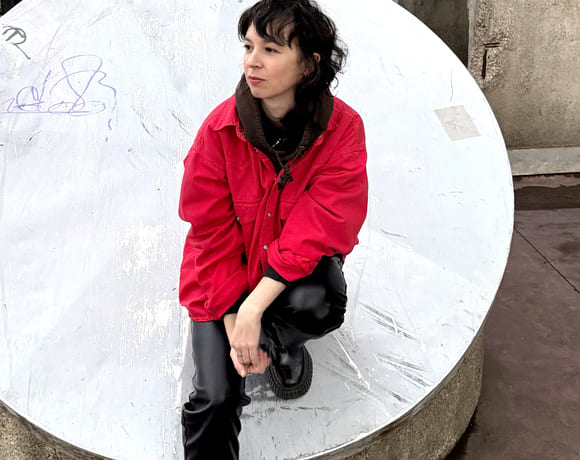
PH: PrĂŠscillia Homand-Troudart 


Opportunities in uncertainty: Emerging through chaos

PH: In France, there's a variety of approaches for independent architects to develop their practice. During architecture school, collectives often form based on friendships and shared causes.  Usually, they start as associations, made up of young people. Then, after school or less than a decade, they begin to get structure and services, and hopefully, contracts. They tend to focus on niche experimental projects—public spaces, temporary festivals, or projects under the wing of established architects. So there’s huge versatility in how to be a young architect. Even without many contacts or shortcuts, fresh ideas can still find their way into the world. 

In recent years—especially following the start of the war in Ukraine and the financial market contraction—a new paradigm has emerged around housing production in France, affecting both individual and collective projects. Concurrently, new public policies have limited land availability for urban expansion, prompting a broader redefinition of architectural practice.  For the new generation of architects, this shifting landscape is opening up more defined and visible niches—often rooted in scientific or experimental approaches. These areas are becoming genuine opportunities. If you stay focused, think boldly, and are willing to challenge the rules, you can genuinely make an impact.

Also, during COVID, a lot of architects hit a turning point—found a kind of inner calling. They realised they didn’t feel passion in their offices. I have several architects/friends who, over the past three years, left Paris and sought refuge in smaller towns across the French countryside. There’s definitely this movement of people going back to their roots, starting small, and growing again from there.


A hybrid sensibility: Crossing Borders

PH: Over time, I’ve noticed a particular energy among some of the new generations architects, based in Strasbourg. They tend to run inventive practices, often working with limited budgets and modest scales, yet their projects are remarkably expressive. Strasbourg’s location—right on the border between Germany and Switzerland—encourages students to study and gain experience abroad. When they return, they bring back a hybrid sensibility that enriches their work in surprising ways. There are also many older, more experienced architects here—humble, generous people who are open and want to share their knowledge. They're aware they're not eternal. So there's this nice mix—very large offices and very small ones. 

I’ve lived here since 2022. Before that, I spent three years in Paris. And I’ve also lived in Luxembourg and Montpellier. So I’ve always been between cultures and countries. I really love that mix—it’s practical for gaining knowledge. It helps you observe how things are done at the borders.

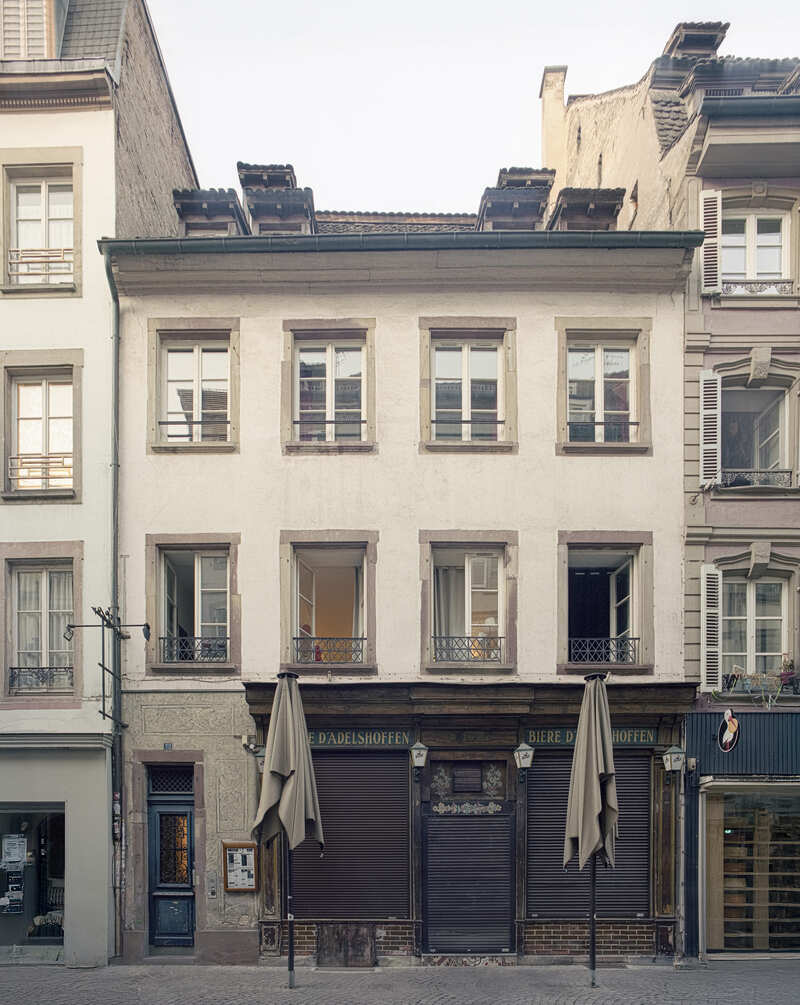
This incredibly enriching mix is what inspired me to establish Renode, to explore the dialogue between past and future, heritage and innovation. A big part of the interest in Strasbourg is the city’s rich history. If you walk through the different neighbourhoods, you really feel the legacy of both the German and the French areas. The historical layers are tangible. This chance to learn from all these overlapping styles and approaches is precisely what drew me to the city. And over the past three years, I’ve also discovered how many opportunities there are here for working on renovations. But it’s not just any renovation—it’s very particular. Often, we're working on buildings that are 90 or 100 years old. You get to learn ancient techniques, and at the same time, apply new methods and materials. 

When clients reach out for a project it’s almost always a building that’s nine decades old. And you have to deal with the building’s pathologies. The response has to be precise and based on careful analysis. Over time, these shared observations and experiences led me to formalise my practice. Today, I lead Renode as a practice rooted in renovation, local knowledge, and long-term care. Each project remains an opportunity to confront ideas and merge perspectives.


A clear choice early on: From Olympic discipline to territorial ethics

PH: My approach to architecture was shaped early on by teachers like Gilles Perraudin, Jean‑Luc Lauriol and Robert Celaire—architects of humility, rigour, and coherence, who act as transmitters of meaning and root their work deeply in vernacular knowledge and local context. During my studies, I engaged in diverse workshops, from La Réunion Island to projects involving Pacific or Korean students, that deeply explored nature dynamics. Concepts like bioclimatics, biomimicry, and low-tech design, far from being fleeting trends, were at the forefront and continue to fundamentally inform my architectural perspective today. Also, I was a high-level athlete in combined events (track and field) —training for the Olympics—while studying architecture. That wasn’t just about finding balance between two paths. It was about developing a unique relationship with the body, space, and time. Sport taught me how to inhabit effort, to read constraints as form, and to pursue meaning through repetition and intensity. Those two cultures—sport and architecture—merged early on, shaping how I work and how I think. In the end, I chose to become an architect.

I later enriched my background through the DSA Architecture and Urban Design at the Paris-Marne-la-Vallée School, a rigorous program. It offered a multiscale territorial and political approach to architecture—one that deals with the fabric of cities, infrastructures, and landscape over time. We were trained to work with complexity, to read places beyond their surfaces, and to position architecture within broader ecological and social dynamics. That’s where things started for me. But I soon realised Paris wasn’t where I wanted to stay. I’m from a small village in Provence, and while I’ve worked in intense environments—including at KOBE in Paris during my studies—I knew I wanted to practise architecture in a setting that allowed time, depth, and strategic alignment. For me, it wasn’t about escaping competition, but about choosing the right conditions to grow. So I chose Luxembourg for my first job, to specialise in renovation and rehabilitation. It was a strategic choice, aligned with my values and long-term vision.

In Luxembourg, I specialised in all types of renovation. The conditions were there—both professionally and financially—to support courageous projects. But I realised that demolition was the norm. In Luxembourg, nearly 0.85 % of non-protected buildings are demolished each year—almost 1 % of the existing stock—revealing a system that privileges expansion over preservation. They weren’t really protecting existing buildings. There was a strong culture of expansion and real estate pressure. So it was valuable to be there, to deconstruct what I’d learned in school and to experience another mindset. There was tension between my two experiences—as a French person and as someone living in Luxembourg. The city was constantly being demolished and replaced with massive projects. It was really visible. I ended up with a long-term contract at Kaell Architectes because of the firm’s core values. One project was about preserving a public path through the Casemates—a canyon-like space in the city. The architect had fought hard for that. To me, as a young professional, that mattered. It was important to start my career with awareness, to align my values, and to observe how the older generation fought for preservation in a context dominated by demolition. 

Eventually, I had to return to France, as I didn’t yet have the diploma needed to sign off on buildings in France. I came back to Paris to complete my HMONP, which involved an internship and a jury. I worked in two offices—one small, the other larger, led by Nicolas Michelin, known for his concept of urbanisme nĂŠgociĂŠ. He taught me to adapt projects to the realities of each site, negotiating with stakeholders. That was a key lesson: respect existing structures and work with them. Michelin’s office offered me a permanent contract, confident in my abilities. But I felt a disconnect. The projects often served financial mechanisms.  I needed to practice differently. So I began personal work, seeking to align my values with my profession. I believe nurturing oneself makes you better for the world—it’s a cycle. I could have turned down the contract, already envisioning a different path through my HMONP. Then COVID hit, and everything accelerated. It felt like there was no other path forward.


Rooted in renovation: Naming, grounding, acting

PH: Why Strasbourg? It’s the city that offered the best conditions to launch a small-scale, renovation-focused practice. There was space, and less competition than in Paris. But beneath that choice was a deeper question: Where could I build a balanced personal and professional life, while still engaging meaningfully with the economy?

As for the name of the practice—Renode—“Ren” means “humanity” in Chinese, and “NODE” is a technical word in IT, meaning articulation. It represents the crossing of different cultures and practices. The vision was to build a platform that bridges knowledge gaps and makes architecture accessible to private citizens. At the time, renovation wasn’t yet tied to reducing carbon emissions, so we framed it as a way to guide homeowners, promote local materials, and re-localise construction. We focused on complex, vernacular buildings, aiming to simplify what often feels like an overwhelming system. For us, the architect’s role is to share knowledge, educate, and support circularity in how materials are used.

I do not see renovation as a mere technical fix, but as a way to empower people through knowledge and material culture. Fifteen years ago, sustainability might have meant simply installing a solar panel. Efforts to reduce the building industry’s carbon footprint existed, but in isolated pockets. What I strive to do now is embed everything—renovation, local materials, craftsmanship—into a coherent, efficient system. It’s not just about updating buildings—it’s about preserving heritage. And also about creating wellness and a sense of urban purpose through renovation. Because the individual act of buying or renovating an old house can still contribute to a broader collective vision.


Crafting togetherness: Knowledge, matter, and trust

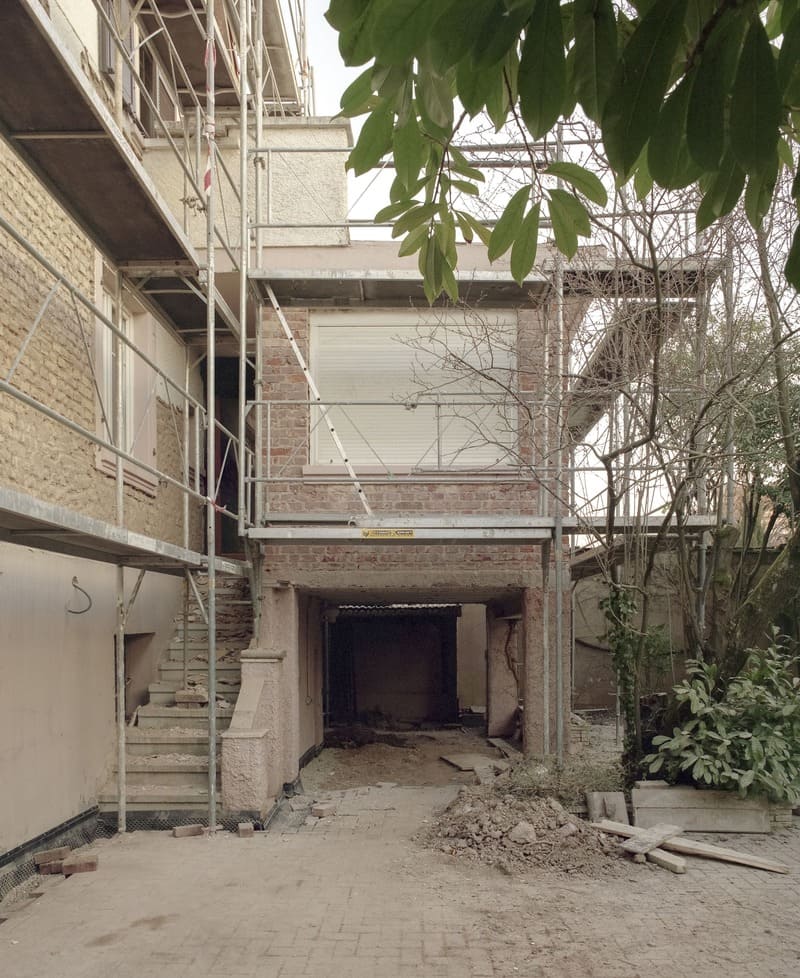
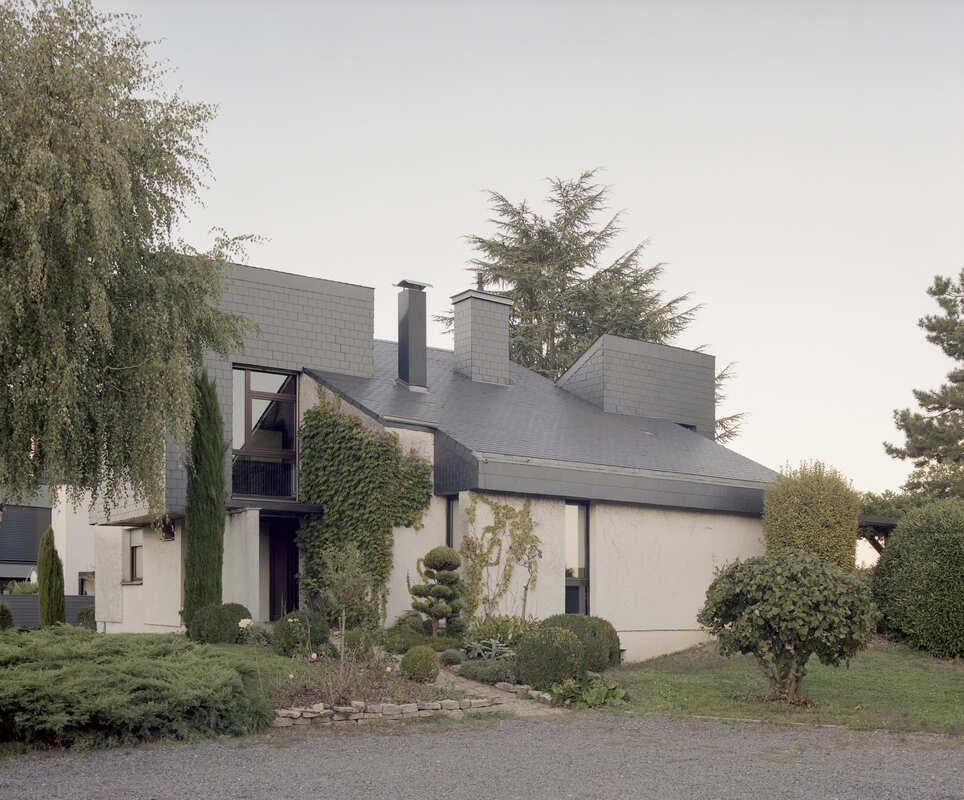
PH: I’m currently renovating a 90-year-old house through a comprehensive, global approach. The client asked me to anticipate climate conditions 50 years from now and create a highly efficient home—with minimal heating needs, internal climate zoning, and a wellness-oriented atmosphere shaped by a calm, minimalist aesthetic.

Before I could even begin on that vision, the house required extensive repairs. And that’s been a huge adventure. We discovered major damage at the base of the house—every part of the concrete at ground level was porous and contaminated. With this kind of renovation, we bring in all our skills—doing audits, involving engineers to assess performance on every part of the building envelope. We’re renovating all the systems—heating, ventilation, hot water—everything is being rebuilt from scratch. But we still hold onto our value of preserving as much of the original structure as possible: the paths, the grids—we respect the blueprint that existed before we arrived.

This project asks a lot from both me and the clients. It requires constant, honest dialogue. As an architect, you can’t come in thinking you’re the smartest person in the room. You need to listen intently, convince carefully, and wait for the client to fully understand what we’re trying to do. It's a very tense, precise mission. In terms of materiality, the walls were made of brick and covered in multiple layers of cement, which significantly reduced their vapour permeability and prevented moisture from escaping—essentially suffocating the structure. So we had to remove each layer to let the house breathe again. We then applied an external insulation system that preserved the wall’s breathability while improving thermal performance. That’s a strong point for me —balancing low energy use with high-quality results. It's a strong position, and I continue to fight for it against the easy, but ultimately flawed, solutions of standard insulation.

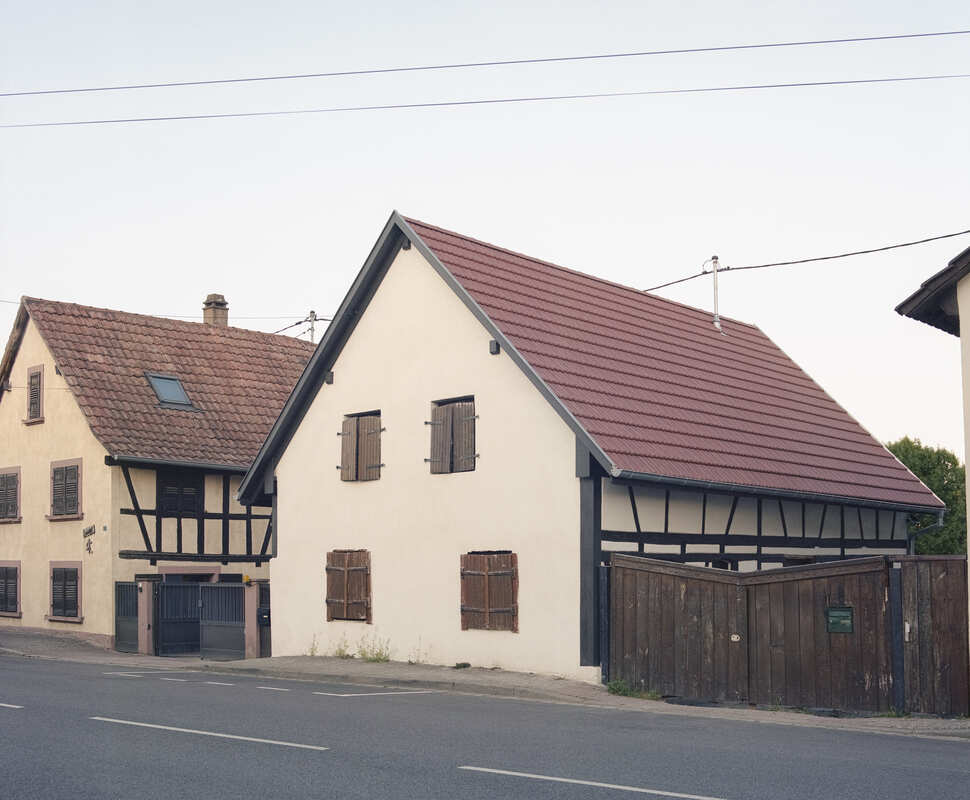
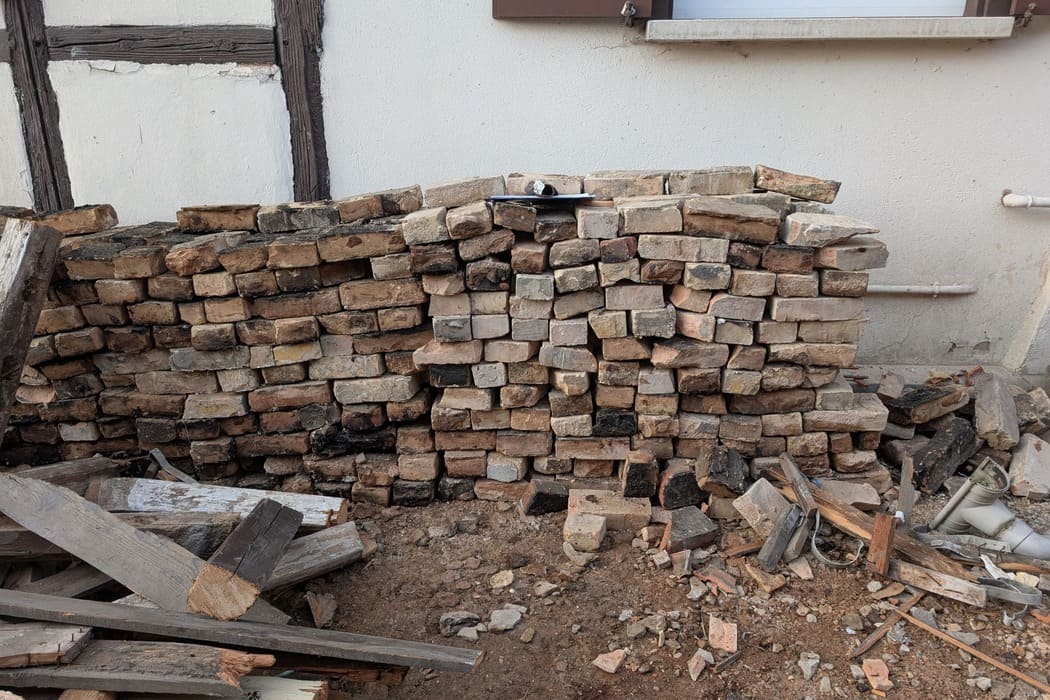
We also have another renovation project: a 200-year-old Alsatian house. The walls are a mix of wooden structure and hemp. Historically, the filling was made of earth and a bit of wood. Our goal with this project was to renovate it and bring back what used to be—without adding anything new. One whole side of the house was falling down. So we repaired it, using local carpenters to recreate the same wooden elements, and then we filled the walls again with hemp. We're in the Grand Est region, where hemp is produced locally, so it was a great opportunity to show this material to the client. This client is also having a global renovation done, but it's more of a compromise because they clearly don’t have a lot of money—it’s not a wealthy family. So we're putting the resources in the right places, making sure that at the end of the process, they have real comfort and quality where it matters most.

There’s also a strong element of self-renovation. The client is doing a lot of the work himself. So it’s a very hybrid way of working—sharing responsibility between architect and client. This client is originally from Ukraine. He moved here 20 years ago after the war. Back home, he was a major developer—he told us he used to build whole buildings by himself, managing teams of workers. So he has a lot of knowledge, and we really listen to him. We don’t take our clients for fools. We listen to their needs, to what they want in terms of comfort. It’s always interesting to mix intelligence from both sides.


Strategic entry Points, lasting transformations

PH: In the office, I handle full design-and-build missions, but also shorter ones focused on consulting and advising private homeowners. Our value lies in repositioning renovation as an opportunity, not a burden. It’s about transferring knowledge to the owners. There is a balance to maintain: full missions often have lower profitability because renovating old houses is time-consuming, while the AMO-type (Project Management Assistance) missions are more profitable and efficient. I have managed to find stability between the two, which brings a healthy variety to my workflow.

For the consulting missions, the timing was ideal in France. The French Climate and Resilience law had just come in. It mandates all private and public institutions to decarbonise their assets. 

Pressure has grown rapidly within the private housing market, particularly for homeowners and real estate asset owners navigating the current climate space. In the French private housing market, a mandatory energy diagnostic is performed upon purchase or rental, assigning buildings a rating from A to G. According to new legislation, if a property receives an F or G rating—denoting high inefficiency—it will be prohibited from the rental market starting in 2028. This regulation-led approach has forced many landlords to re-evaluate their assets, identifying systemic issues such as poor windows, inadequate ventilation, and inefficient gas or fuel-based heating systems. These factors contribute significantly to carbon emissions; indeed, the building sector accounts for approximately 16% of France’s total emissions.

This shift represents a significant opportunity for Renode, as I have been specialising in renovation for a considerable time. I utilise these new legal thresholds as strategic entry points, beginning with compliance-driven upgrades and gradually guiding homeowners towards more ambitious transformations. By moving beyond simple energy efficiency, my practice focuses on material quality, spatial comfort, and even beauty—a transition I believe is essential to redefining how we inhabit existing structures.

In 2020, a French official report revealed that 95% of renovation funding was spent on isolated measures, failing to deliver a significant impact on overall decarbonisation. If you read it, it felt like a call to action for architects, especially those of us already committed to sustainability and home renovation. The report said that if architects want to take on this kind of mission, they must complete specific training and get certified. So I did the training. Then I was accredited by the ANAH (the French National Housing Agency), which officially allowed me to operate in this field. What’s important is that we had this intuition two years before the boom of the field we’re now in. For us, the architect is the ideal figure to act as a trusted third party—legally recognised, technically equipped, and ethically bound—to mediate between state mechanisms and private homeowners. So today, we’re operating in a real niche: I help make buildings more efficient within a specific legal framework, and we apply that to old, vernacular buildings. It’s challenging because the law was written for standard construction—often ignoring the complexities of existing heritage. But we’re committed to adapting and moving the needle forward.

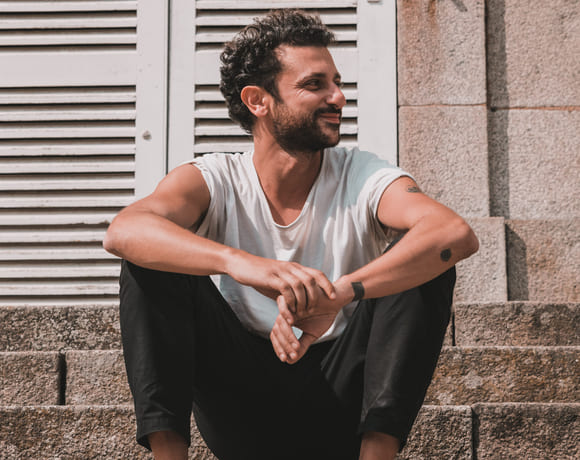
69943e2644a6d âžĄď¸ Renode. PrĂŠscillia Homand-Troudart. Ph. Kiraz Photography1 âžĄď¸ Residential global renewal, Strasbourg. Ph. Guillaume Porche3 âžĄď¸ Charred timber frame work to be replaced, Strasbourg. Ph. Guillaume Porche5 âžĄď¸ Residential renewal, Alsace. Ph. Guillaume Porche6 âžĄď¸ VLAD, Alsace. 200 year-old house renovation. Ph. Guillaume Porche8 âžĄď¸ VLAD, Alsace. Old bricks dismantled for reuse. Ph. Renode


a project powered by Itinerant Office

subscribe to our newsletter

follow us