QSA
A Journey of Reinvention and Adaptation
New French Architecture
An Original Idea by New Generations
Le Studio Sanna Baldé
Coming Soon
LDA Architectes
Practising Responsiveness
Atelier Sierra
Geographies of Practice
nicolas bossard architecture
Evolution: Flat by Flat
Compagnie architecture
Culture on Site
Studio Albédo
Strategic Acts of Architecture
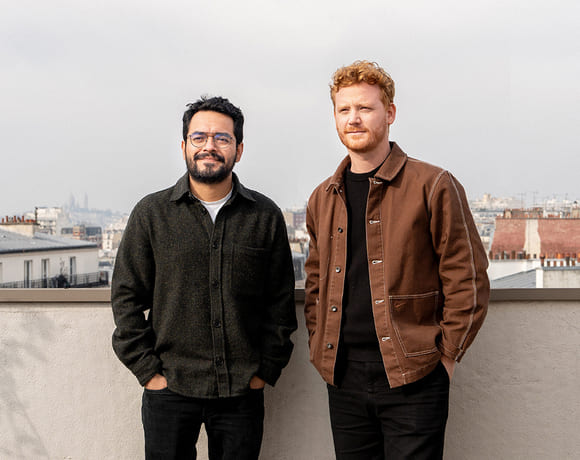
Fabricaré
Simplicity and Singularity In the Making
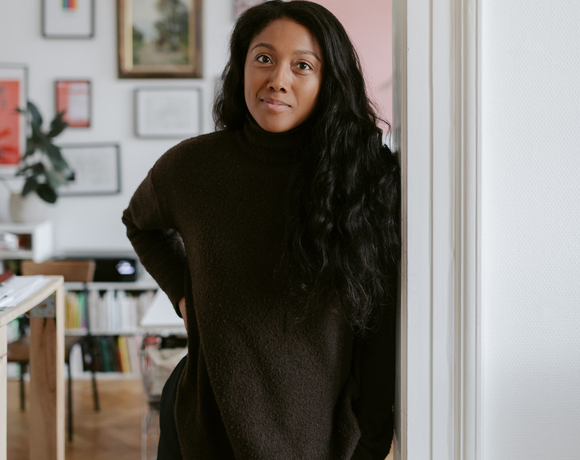
Renode
Renovation as Quiet Resistance
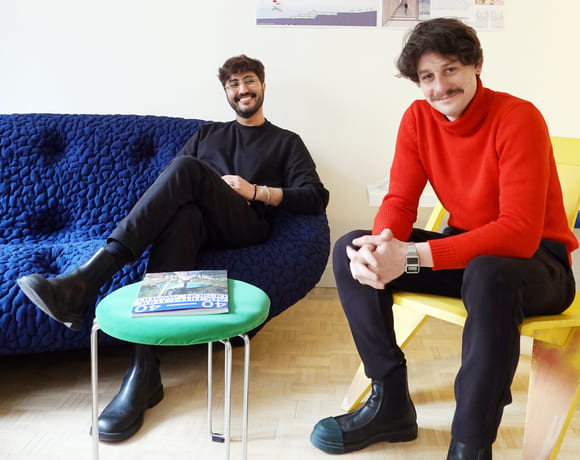
Kapt Studio
Pushing Boundaries Across Scales
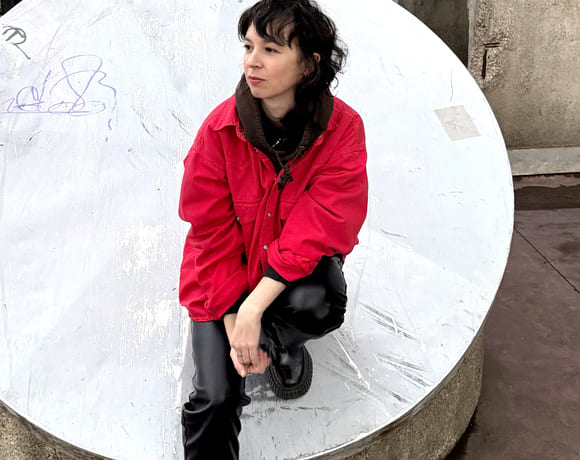
Room Architecture
Between Theory, Activism, and Practice
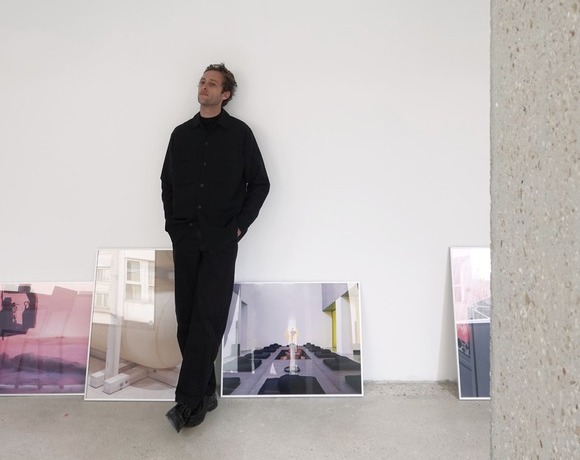
AVOIR
Structural Unknowing
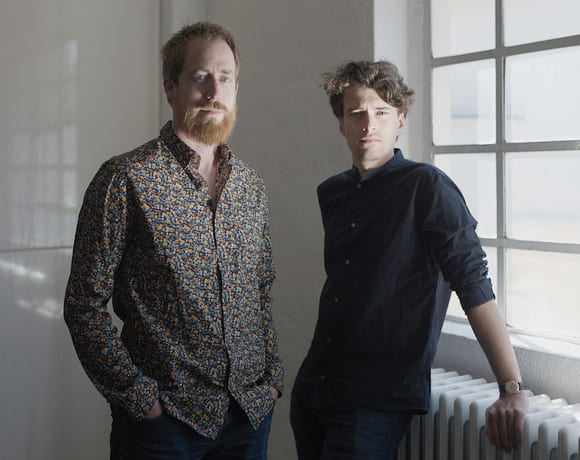
DRATLER DUTHOIT architectes
Crafting Local Language
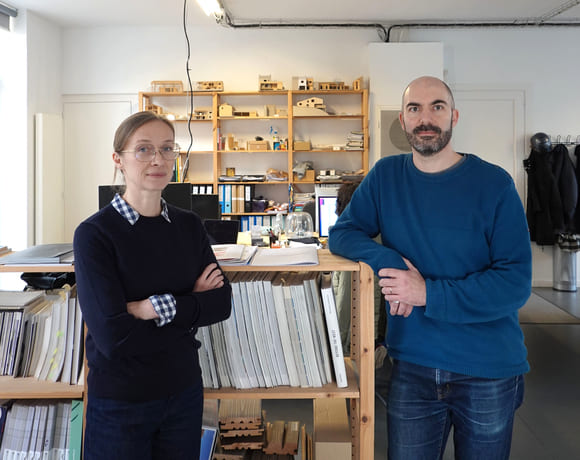
Claas Architectes
Building with the Region in Mind
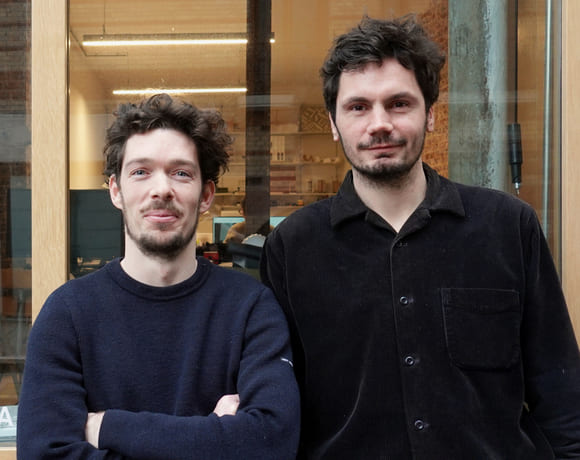
B2A - barre bouchetard architecture
Embracing Uncertainty in Architecture
Acmé Paysage
Nurturing Ecosystems
Atelier Apara
Architecture Through a Pedagogical Lens
HEMAA
Designing for Ecological Change
HYPER
Hyperlinked Scales
Between Utopia and Pragmatism
Oblò
Dialogue with the Built World
Augure Studio
Revealing, Simplifying, Adapting
Cent15 Architecture
A Process of Learning and Reinvention
Pierre-Arnaud Descôtes
Composing Spaces, Revealing Landscapes
BUREAUPERRET
What Remains, What Becomes
ECHELLE OFFICE
In Between Scales
Atelier
Rooted in Context, Situated at the Centre
AJAM
Systemic Shifts, Local Gestures
Mallet Morales
Stories in Structure
Studio SAME
Charting Change with Ambition
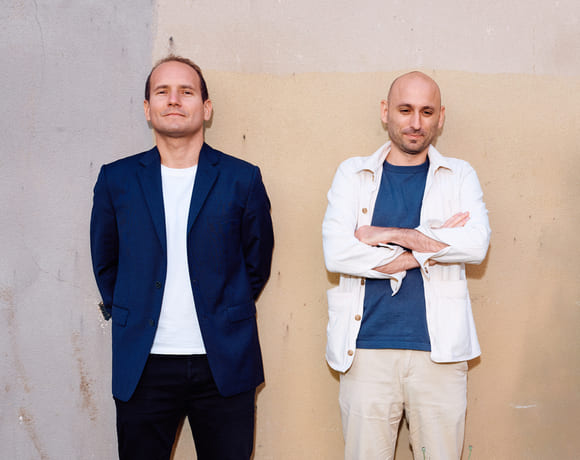
Lafayette
Envisioning the City of Tomorrow
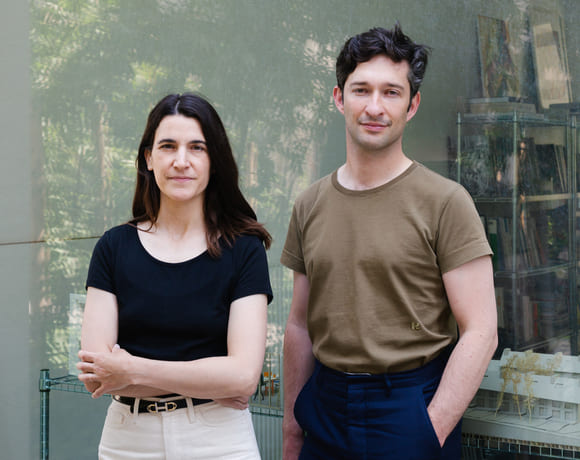
Belval & Parquet Architectes
Living and Building Differently
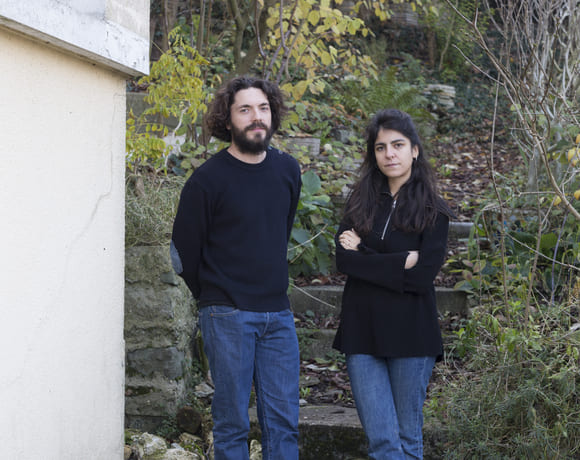
127af
Redefining the Common
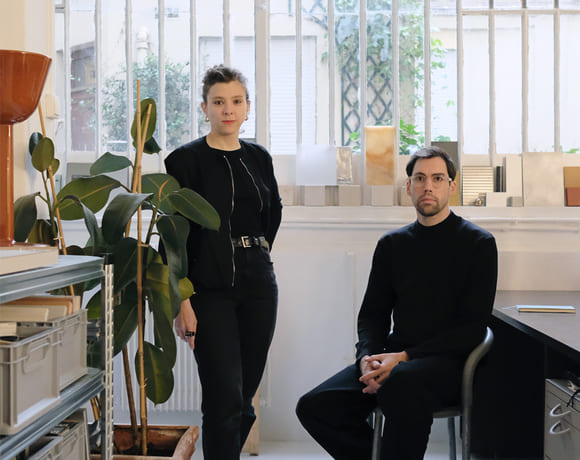
HEROS Architecture
From Stone to Structure
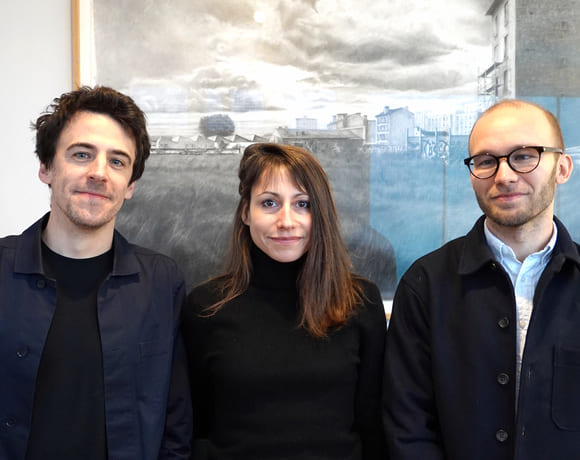
Carriere Didier Gazeau
Lessons from Heritage
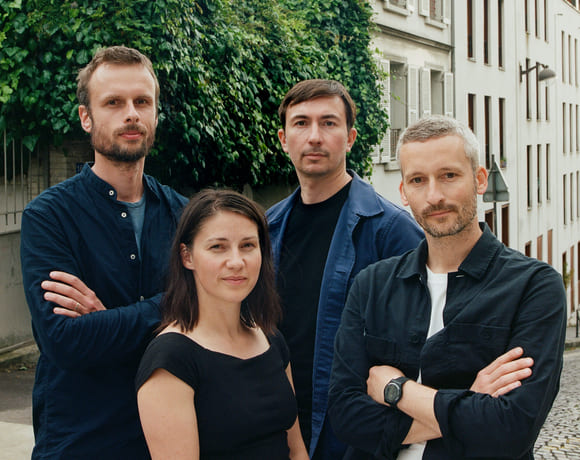
a-platz
Bridging Cultures, Shaping Ideas
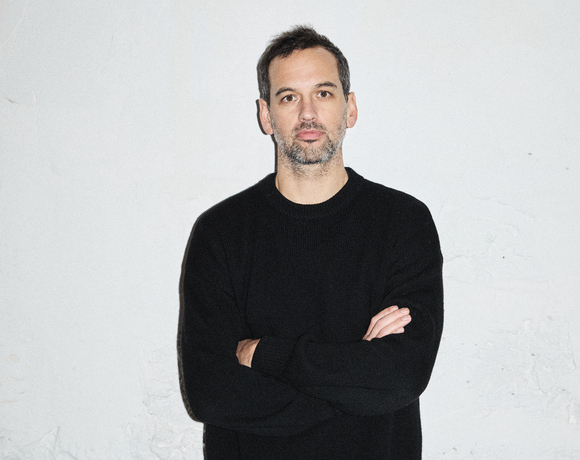
Rodaa
Practicing Across Contexts
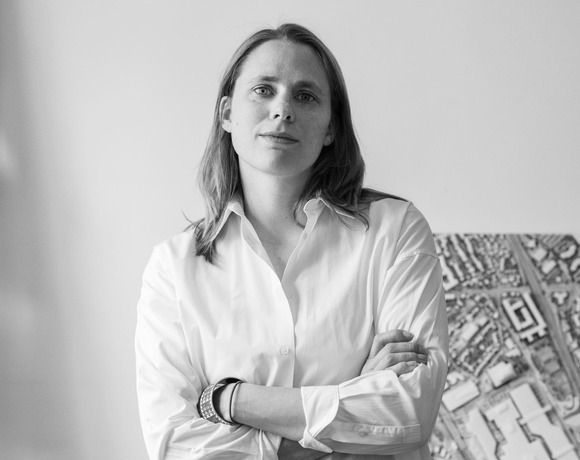
Urbastudio
Interconnecting Scales, Communities, and Values
Oglo
Designing for Care
Figura
Figures of Transformation
COVE Architectes
Awakening Dormant Spaces
Graal
Understanding Economic Dynamics at the Core
ZW/A
United Voices, Stronger Impacts
A6A
Building a Reference Practice for All
BERENICE CURT ARCHITECTURE
Crossing Design Boundaries
studio mäc
Bridging Theory and Practice
studio mäc
Bridging Theory and Practice
New Swiss Architecture
An Original Idea by New Generations
KUMMER/SCHIESS
Compete, Explore, Experiment
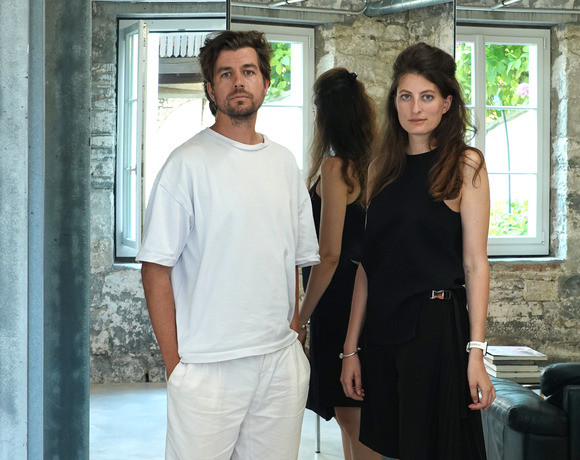
ALIAS
Stories Beyond the Surface
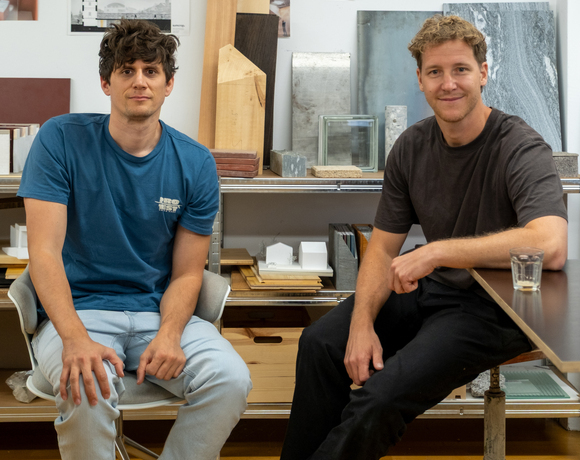
sumcrap.
Connected to Place
BUREAU/D
From Observation to Action
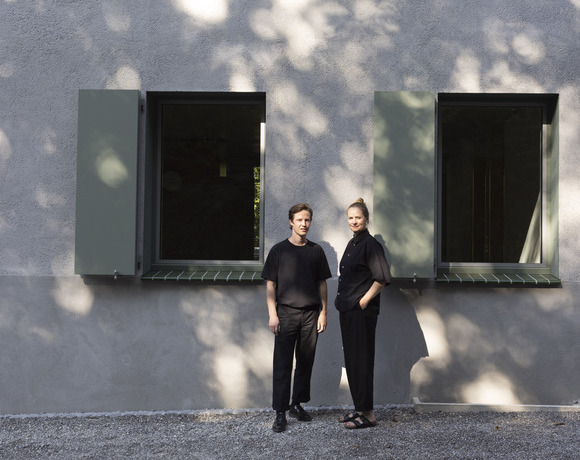
STUDIO ROMANO TIEDJE
Lessons in Transformation
Ruumfabrigg Architekten
From Countryside to Lasting Heritage
Kollektiv Marudo
Negotiating Built Realities
Studio Barrus
Starting byChance,Growing Through Principles
dorsa + 820
Between Fiction and Reality
S2L Landschaftsarchitektur
Public Spaces That Transform
DER
Designing Within Local Realities
Marginalia
Change from the Margins
En-Dehors
Shaping a Living and Flexible Ecosystem
lablab
A Lab for Growing Ideas
Soares Jaquier
Daring to Experiment
Sara Gelibter Architecte
Journey to Belonging
TEN (X)
A New Kind of Design Institute
DF_DC
Synergy in Practice: Evolving Together
GRILLO VASIU
Exploring Living, Embracing Cultures
Studio — Alberto Figuccio
From Competitions to Realised Visions
Mentha Walther Architekten
Carefully Constructed
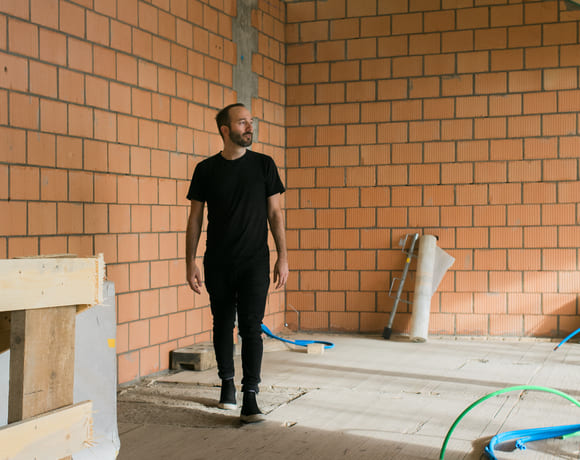
Stefan Wuelser +
Optimistic Rationalism: Design Beyond the Expected
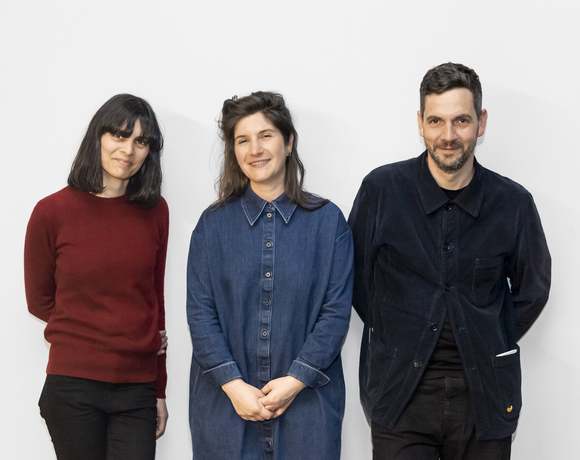
BUREAU
A Practice Built on Questions
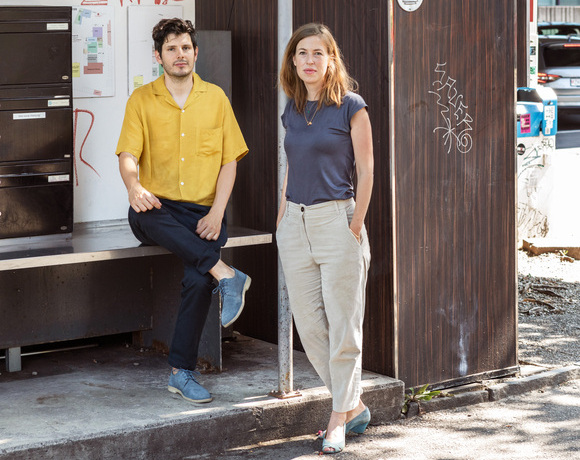
camponovo baumgartner
Flexible Frameworks, Unique Results
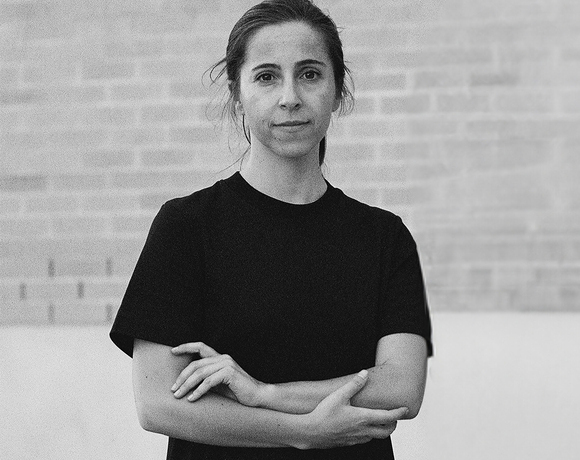
MAR ATELIER
Exploring the Fringes of Architecture
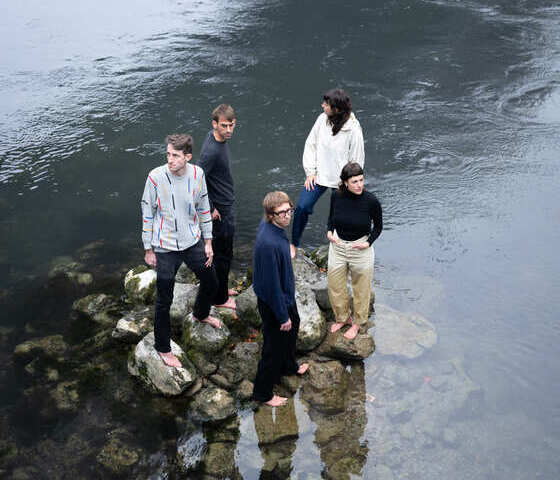
bach mühle fuchs
Constantly Aiming To Improve the Environment
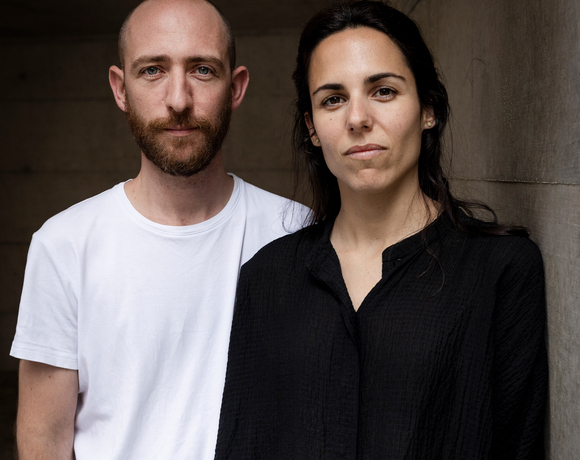
NOSU Architekten GmbH
Building an Office from Competitions
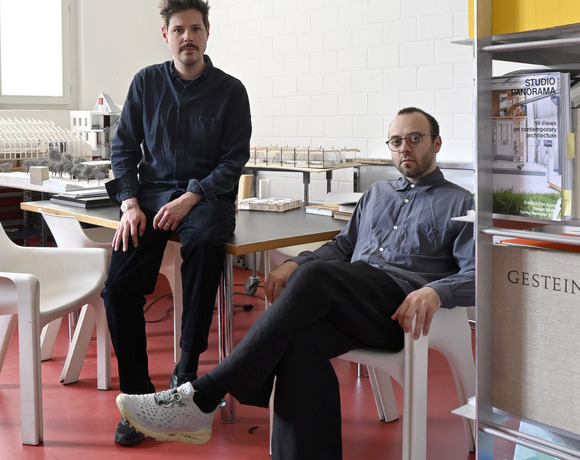
BALISSAT KAÇANI
Challenging Typologies, Embracing Realities
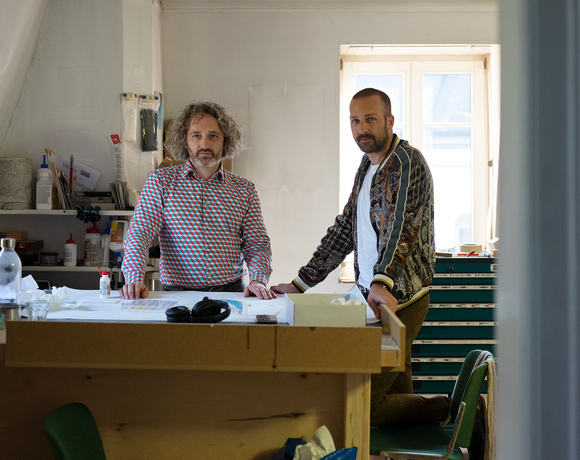
Piertzovanis Toews
Crafted by Conception, Tailored to Measure
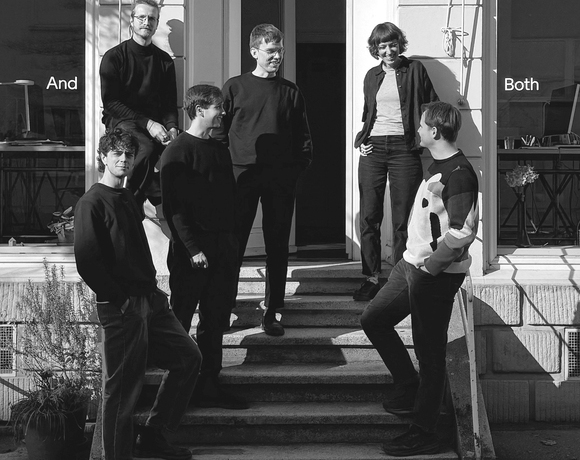
BothAnd
Fostering Collaboration and Openness

Atelier ORA
Building with Passion and Purpose
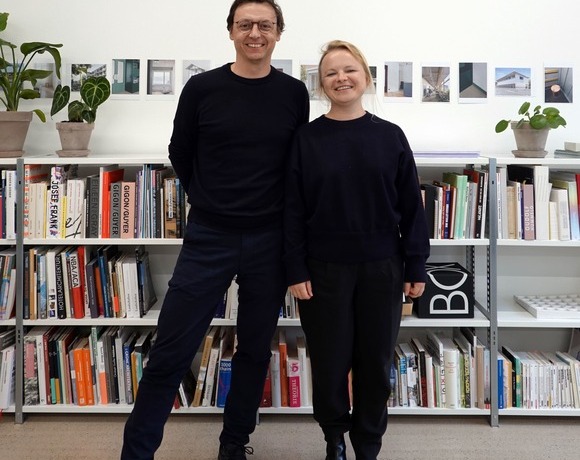
Atelier Hobiger Feichtner
Building with Sustainability in Mind
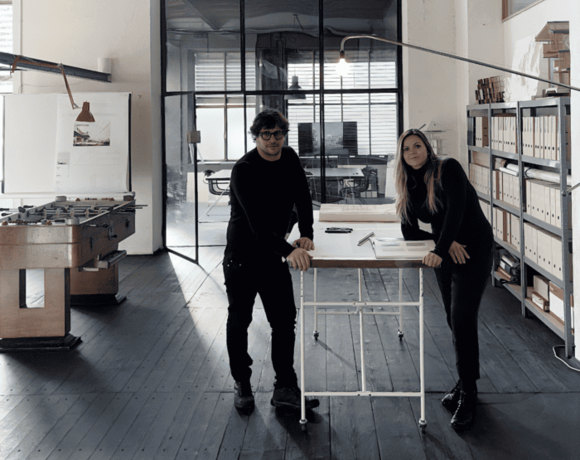
CAMPOPIANO.architetti
Architecture That Stays True to Itself
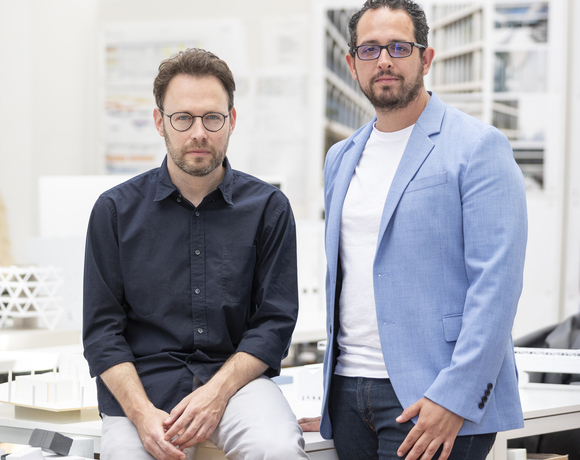
STUDIO PEZ
The Power of Evolving Ideas
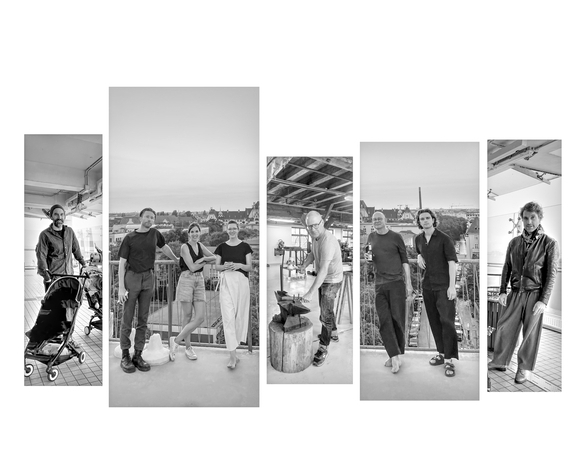
Architecture Land Initiative
Architecture Across Scales
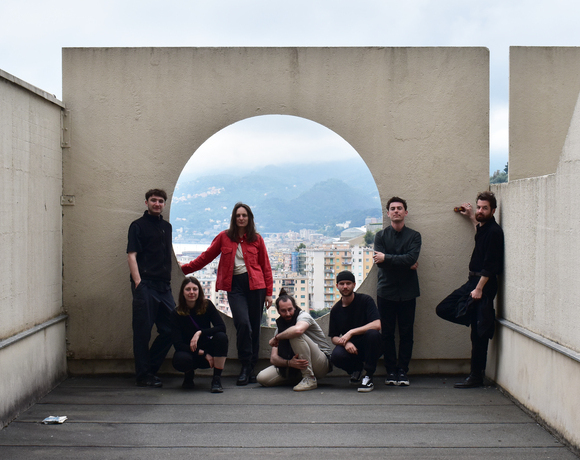
ellipsearchitecture
Humble Leanings, Cyclical Processes
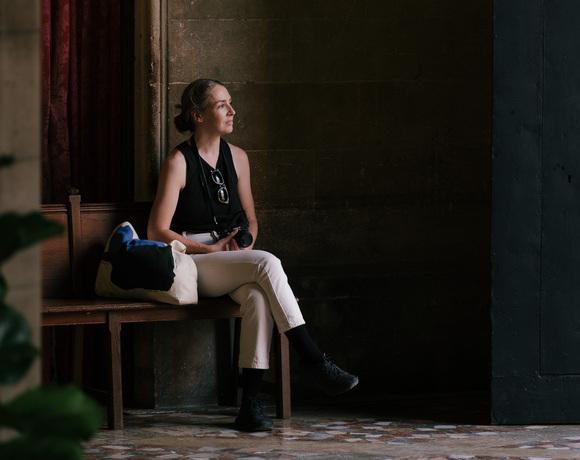
Sophie Hamer Architect
Balancing History and Innovation
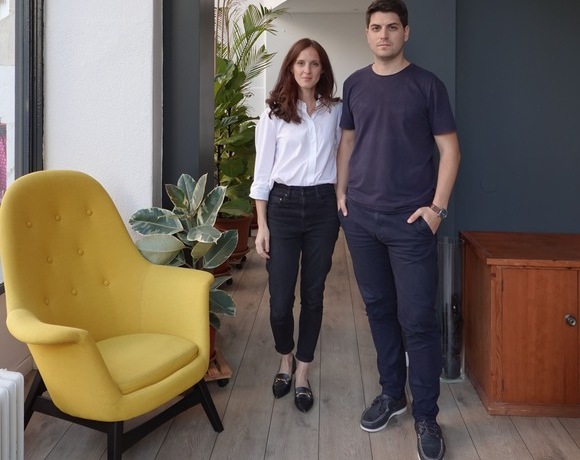
Argemí Bufano Architectes
Competitions as a Catalyst for Innovation
continentale
A Polychrome Revival
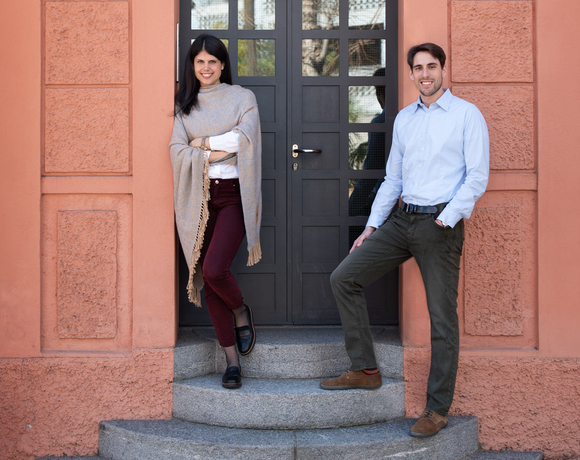
valsangiacomoboschetti
Building With What Remains
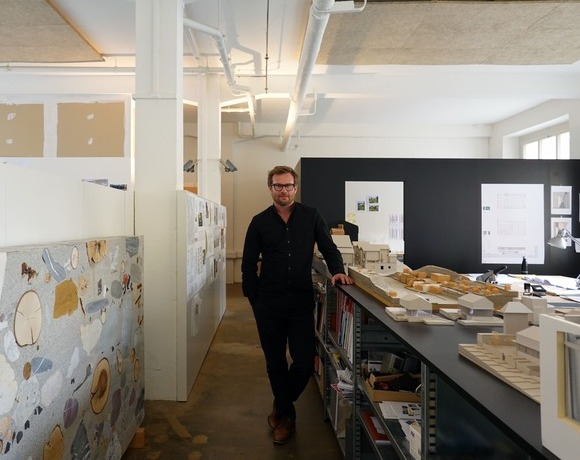
Oliver Christen Architekten
Framework for an Evolving Practice
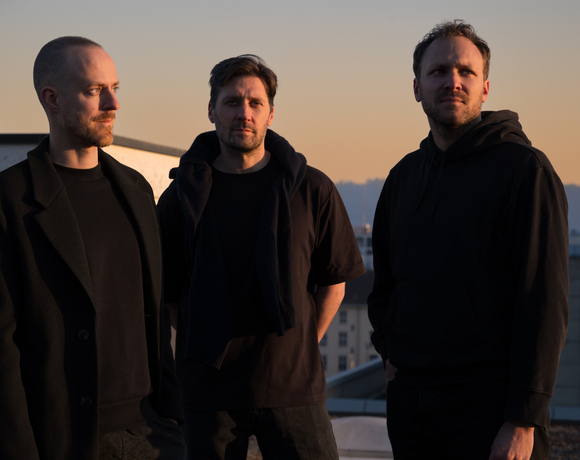
MMXVI
Synergy in Practice
Balancing Roles and Ideas
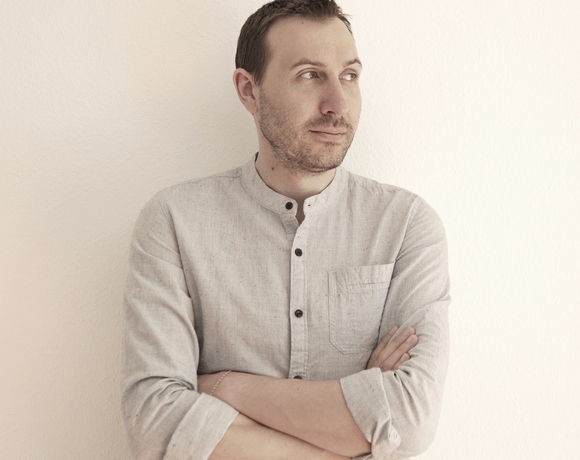
studio 812
A Reflective Approach to
Fast-Growing Opportunities
STUDIO4
The Journey of STUDIO4
Holzhausen Zweifel Architekten
Shaping the Everyday
berset bruggisser
Architecture Rooted in Place
JBA - Joud Beaudoin Architectes
New Frontiers in Materiality
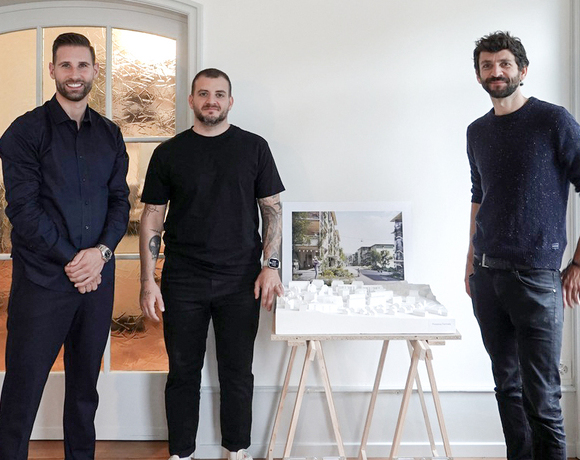
vizo Architekten
From Questions to Vision
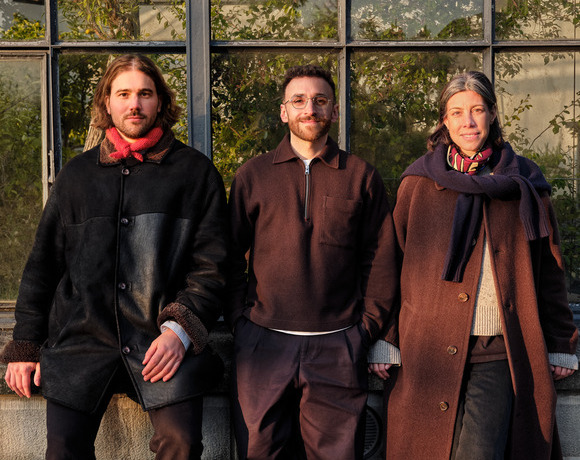
Atelier NU
Prototypes of Practice
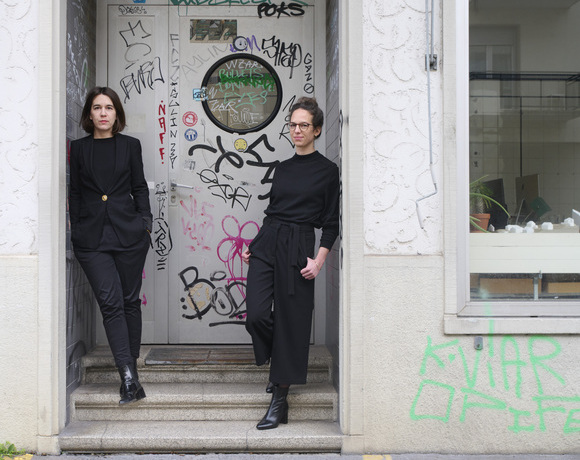
Atelier Tau
Architecture as a Form of Questioning
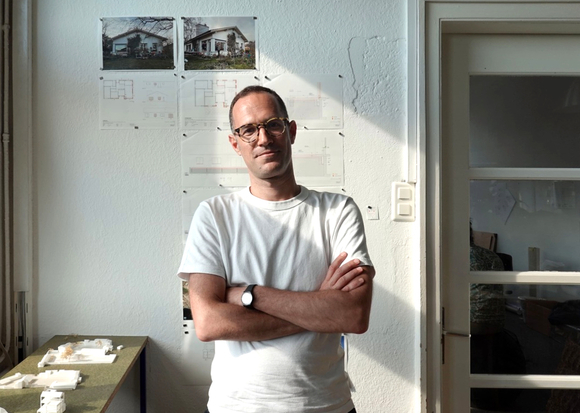
alexandro fotakis architecture
Embracing Context and Continuity
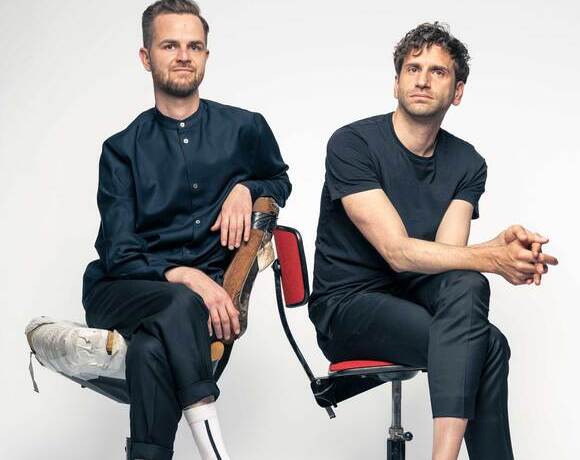
Atelier Anachron
Engaging with Complexity
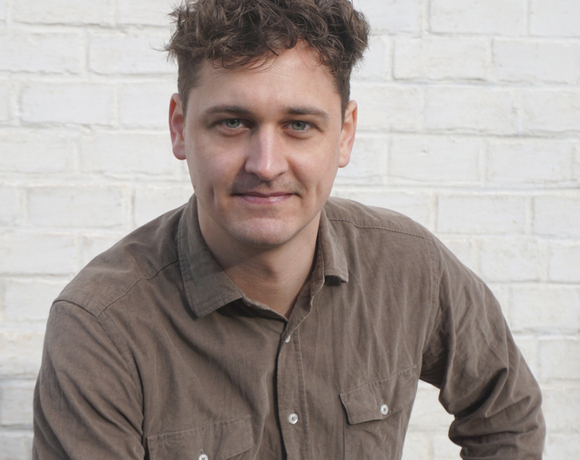
SAJN - STUDIO FÜR ARCHITEKTUR
Transforming Rural Switzerland
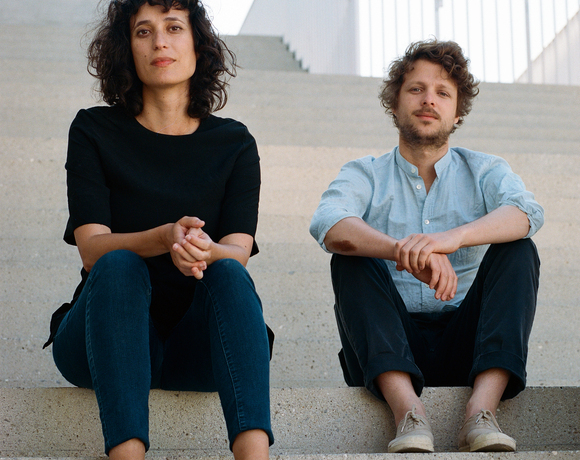
guy barreto architects
Designing for Others, Answers Over Uniqueness
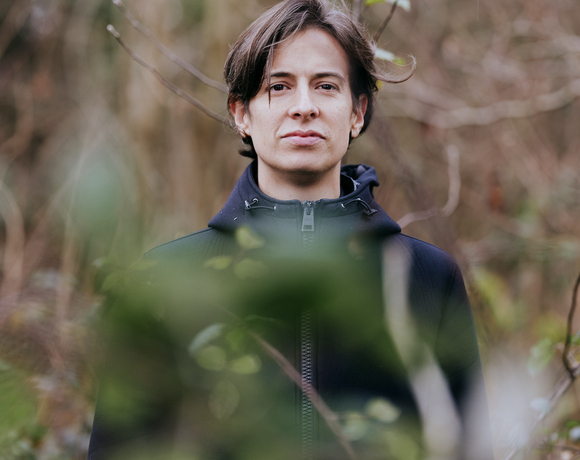
Concrete and the Woods
Building on Planet Earth
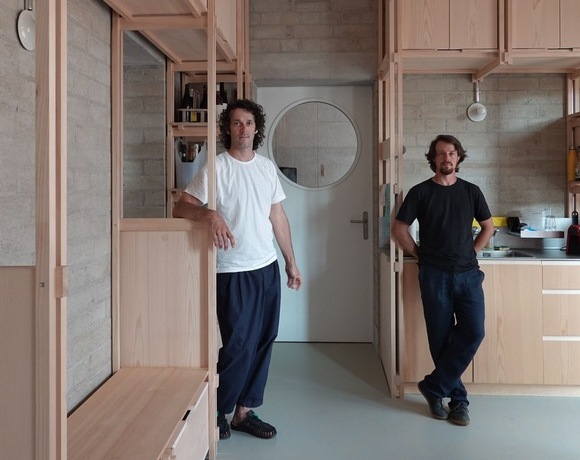
bureaumilieux
What is innovation?
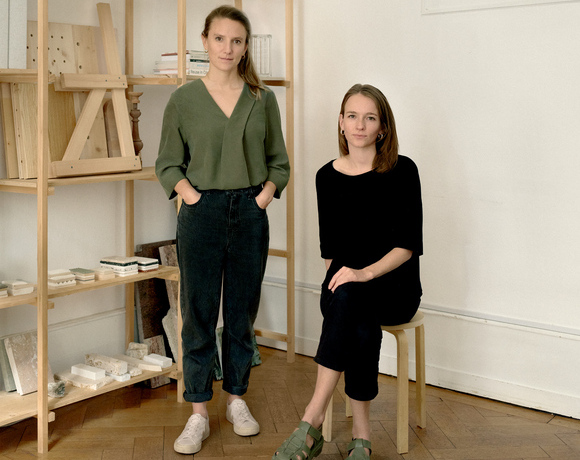
apropå
A Sustainable and Frugal Practice
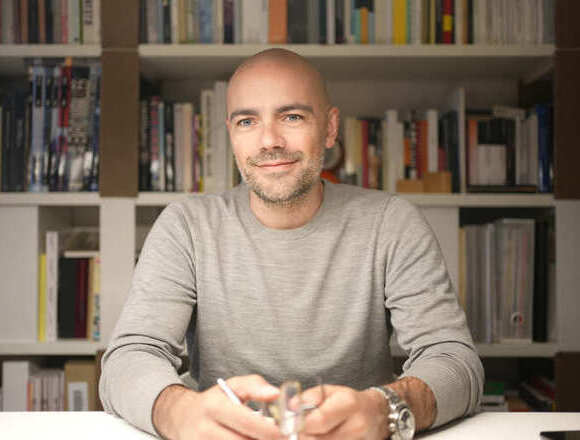
Massimo Frasson Architetto
Finding Clarity in Complex Projects
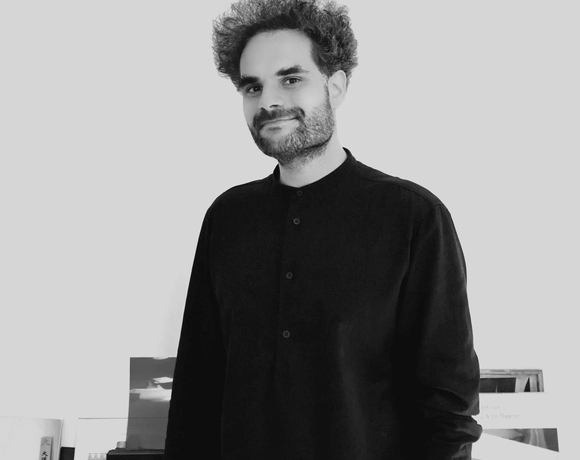
Studio David Klemmer
Binary Operations
Caterina Viguera Studio
Immersing in New Forms of Architecture
r2a architectes
Local Insights, Fresh Perspectives
HertelTan
Timeless Perspectives in Architecture
That Belongs
Nicolas de Courten
A Pragmatic Vision for Change
Atelier OLOS
Balance Between Nature and Built Environment
Associati
‘Cheap but intense’: The Associati Way
emixi architectes
Reconnecting Architecture with Craft
baraki architects&engineers
From Leftovers to Opportunities
DARE Architects
Material Matters: from Earth to Innovation
KOMPIS ARCHITECTES
Building from the Ground Up
Fill this form to have the opportunity to join the New Generations platform: submissions will be reviewed on a daily-basis, and the most innovative practices will have the chance to be part of the media's coverage and participate in our cultural agenda, including events, research projects, workshops, exhibitions and publications.
New Generations is a European platform that investigates the changes in the architectural profession ever since the economic crisis of 2008. We analyse the most innovative emerging practices at the European level, providing a new space for the exchange of knowledge and confrontation, theory, and production.
Since 2013, we have involved more than 3.000 practices from more than 50 countries in our cultural agenda, such as festivals, exhibitions, open calls, video-interviews, workshops, and experimental formats. We aim to offer a unique space where emerging architects could meet, exchange ideas, get inspired, and collaborate.
An original idea of New Generations
Team & collaborators: Gianpiero Venturini, Marta Hervás Oroza, Elisa Montani, Giuliana Capitelli, Kimberly Kruge, Canyang Cheng
If you have any questions, need further information, if you'd like to share with us a job offer, or just want to say hello please, don't hesitate to contact us by filling up this form. If you are interested in becoming part of the New Generations network, please fill in the specific survey at the 'join the platform' section.
A Journey of Reinvention and Adaptation
QSA is an architecture office based in Paris, founded in 2015 by Quentin Sommervogel QSA works on a wide range of projects in Paris and across France — housing, retail, offices, and public spaces — in collaboration with both public and private clients. With more than a hundred projects to its credit, QSA has developed expertise in the transformation of existing structures — renovation, rehabilitation, extension — through a transversal and collaborative approach, attentive to context, uses, and contemporary challenges. Combining heritage and innovation, QSA designs custom-made, coherent, and sustainable solutions, always mindful of the specific constraints of each situation. Guided by the triptych of quality, cost, and time, its responses are both pragmatic and holistic, integrating a global approach where complementarities become productive. QSA fosters a practice that is free, rigorous, and committed, seeking a meaningful balance between intuition and method, constraints and creativity, design and construction.
QS: Quentin Sommervogel
From freelance to an early practice
QS: I studied for five years at the École Nationale Supérieure d'Architecture de Versailles and spent one year abroad in UIUC University of Illinois at Urbana Champaign, USA and one semester doing a workshop with UFRJ Universidade Federal do Rio de Janeiro, BZ. During my master’s, in my last year at Versailles, I was part of a student group working primarily at the urban and territorial scale—exploring geography, politics, and economics. It was a scale quite different from architecture but ultimately connected to it. My degree focused on the sequence of these different scales.
After graduating in 2012, I started working at Lambert Lenack. At that time, they were just beginning to associate, working on two main project types: large-scale housing developments and smaller-scale projects like flat renovations, extensions, and elevations. The smaller projects required more time but were less financially viable. When I joined, I worked mostly on these small and medium-scale, short-term projects—right after completing a diploma focused on large-scale urbanism. It was a stark contrast, but I enjoyed the fast-paced process.
I stayed at Lambert Lenack for about nine months before forming a collective with five other former Versailles students. We called it 13ruemadon and worked on various competitions, idea-based projects, and a flat renovation. The experience I gained at Lambert Lenack helped me manage these small-scale projects independently. Winning competitions and working collaboratively confirmed our desire to start our own practice. However, we knew we needed to complete an additional year of study—the Habilitation à la Maîtrise d’Oeuvre (HMONP)—to officially register ourselves as architects. In 2014, I worked freelance for an office while completing the HMONP, but when that office’s workload slowed down, I found myself with only two flat projects—not quite enough to launch my own practice, but enough to gain experience.
One of these projects led to a key opportunity. While working with a construction company, I developed a strong relationship with the director, who saw potential in having a young architect in its network. He tested me with a few small projects, and it worked out well. That was how everything started. I was just 26 at the time, and that initial connection gradually expanded my network.
Scaling up, a decade later
QS: After my diploma, I gained short-term professional experience, which gave me the tools to independently manage small-scale projects, including construction phases. As a collective, we participated in the first Réinventer Paris competition and worked on the renovation of the Hôtel de la Bûcherie—a historic hôtel particulier in the 5th arrondissement. Réinventer Paris was a call for innovative urban projects for developers, investors, and designers. It focused on 23 sites across Paris, owned by the City of Paris. Hôtel de la Bûcherie was one of the sites included in the competition. We reached the final phase and placed second. That was a defining early experience. We were just 26 years old, working on an ambitious project. Now, 10 years later, I’m finally approaching that scale of work again—but with a completely different mindset. Fresh out of school, you see things differently. You don’t yet fully grasp the constraints that shape real-world projects. After a decade of experience, your perspective becomes more structured, framed by technical, financial, and regulatory realities. But that early, unconstrained vision still plays a role—it’s something I try to maintain in my work today.
That first Réinventer Paris competition took place in 2013-2014, and it generated a lot of buzz. It was a large-scale initiative. Hundreds of architects—Parisian, French, and international—participated. A unique aspect of this competition was the formation of teams comprising investors, contractors, and architects. The goal was to present Paris with ready-to-build projects. We were invited to join a team that had already passed the first, administrative phase. The original project leader and the architects had differing visions, leading to their separation, and we stepped in as the new architects. By the time we joined, the team was already well-established, with many members working under tight deadlines—just two or three months—to complete the first stage of the competition. The project aimed to merge the digital sphere with arts and crafts in a historical building in the 5th Arrondissement. Paris has a rich tradition of arts and crafts education, and the project sought to integrate this with the digital world, particularly through partnerships with institutions like École 42, a private institution of education in computer science where students are trained through peer-to-peer pedagogy, and project-based learning. The idea was to create a collaborative space where both fields could interact through co-working and events.
After this experience, work came naturally—I remained open to any type of project, regardless of scale or type, approaching each project without preconceptions. Now, after 10 years, I have worked on approximately 120 projects, including a dozen medium-to-large ones, each with construction costs between €500,000 and €1,5 million. In contrast, the Hôtel de la Bûcherie project from Réinventer Paris, if won, would have been a €5 million project. From both experience and logic, I’ve realised that larger projects are more financially sustainable. The fees architects earn increase proportionally with project size, yet every project—whether €700,000 or €2,5 million—requires a similar start-to-finish process. Over the last five years, I’ve consistently worked on 15 to 25 projects at the same time. Some are full architectural missions, while others involve advisory roles, expert analysis, or client consultation. Managing multiple projects simultaneously requires a strong organisational system. For me, organisation revolves around maintaining a structured digital archive, which makes it easy to retrieve past work, staying on top of a calendar, and communicating well. This system enables me to handle numerous projects efficiently. However, I recognise that sustaining this level of multitasking long-term may not be practical. At some point, shifting toward larger projects with fewer simultaneous commitments may be necessary.
Lessons in renovation
QS: Many architects today are developing strategies to stand out. A common discussion is whether to specialise in a specific building type—housing, offices, hospitals, hotels, etc. Others, depending on their networks, focus on scenography or stage design. I’ve always preferred not to specialise. Architecture sits at the intersection of multiple fields, requiring an understanding of diverse disciplines. I often compare an architect to a conductor, orchestrating various specialists rather than being deeply focused on one area.
That said, if I had to define my speciality, it would be working with existing buildings rather than new construction. This aligns with my broader philosophy: rather than being limited to a specific type of project, I prefer the versatility that architecture offers. This specialisation wasn’t planned—it evolved step by step. Over the past 10 years, I’ve exclusively worked on existing buildings, handling rehabilitation, renovation, extensions, and elevations. Working with existing buildings feels particularly relevant today, given environmental concerns, carbon costs, and construction expenses. The idea of ‘building a city on top of the existing city’ aligns with my practice. In places like Paris, where there’s almost no space left for new construction, the ability to adapt and transform existing structures is becoming essential.
Looking ahead
QS: Uncertainty has been a recurring theme in my career—rather than adhering to a rigid strategy, I’ve remained open to unforeseen opportunities, which have often led to new and valuable experiences. Some of my projects are for a large real estate investment company. They purchase entire buildings for rental purposes, mainly in the retail sector. Over eight years of working with them, I’ve noticed an increasing number of vacant properties, even in prime city centers like Strasbourg and Nancy. My role often involves advisory work rather than direct architectural design, collaborating with local architects for execution.
Lately, I’ve been responding to some public market offers, and we won one just recently. Now, we’re working on our first public project—refurbishing a 30-room hotel in Pantin, a suburb of Paris. We also recently delivered a complete refurbishment/renovation of a 300m² space for a law firm near Place de la République in Paris. I understand the importance of balancing private and public commissions, so as I look ahead, I want to take on more public projects. However, I don’t want to start from scratch, especially since working solo without associates makes securing and responding to public tenders quite challenging.
Instead, I’m considering collaborating with other firms from my generation to submit joint proposals. One thing I’m certain of in this profession is that architecture is a generational field—you grow and evolve alongside your peers. That’s why, from the beginning, I’ve focused on making sure my work is visible to other architects. If you move forward with your generation, progress happens naturally.
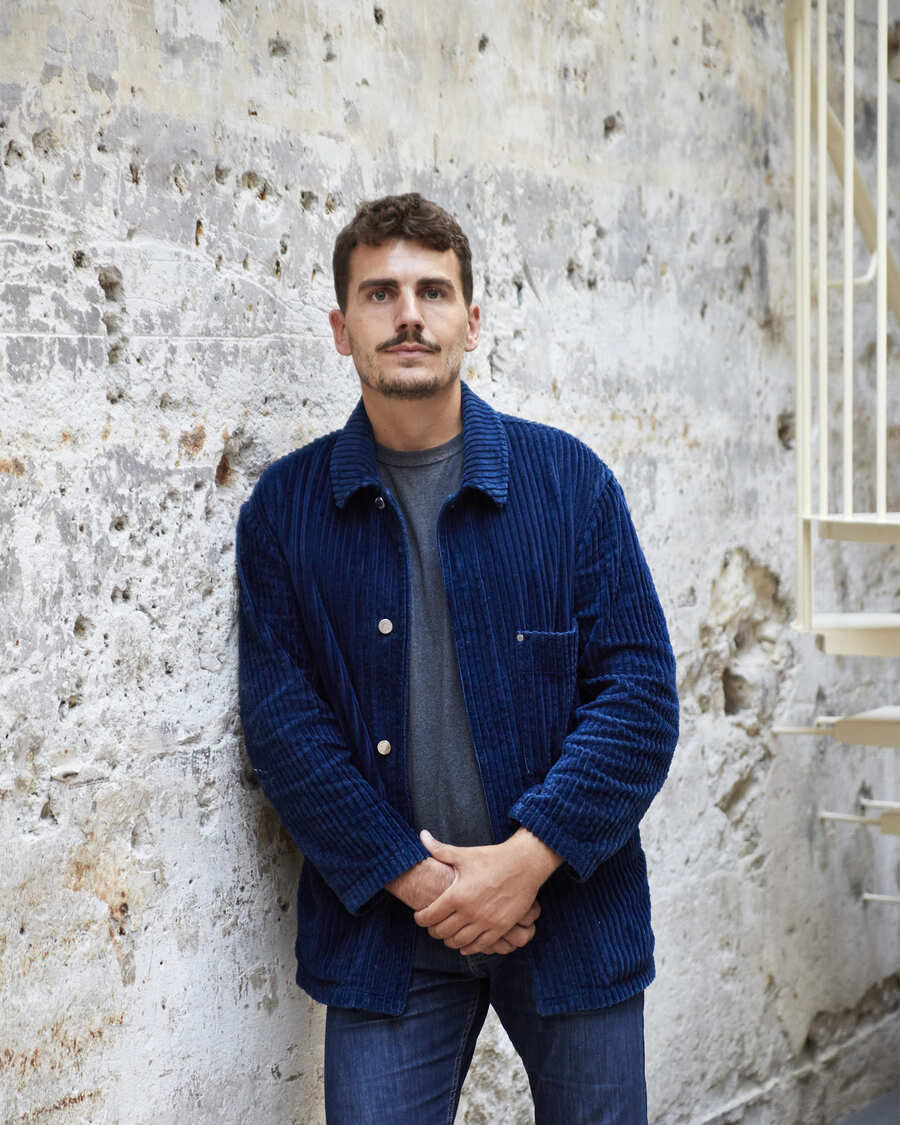
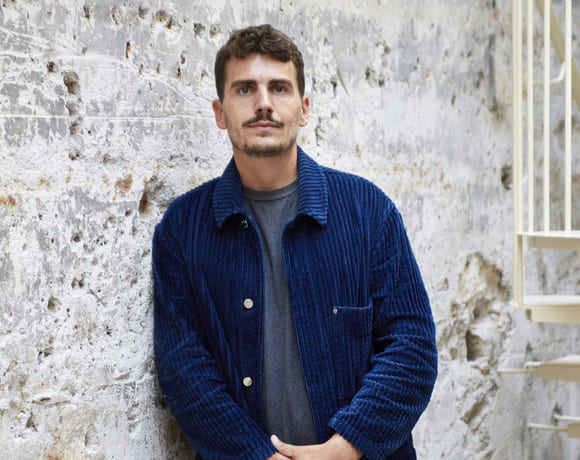
➡️ Quentin Sommervogel. Ph. Stéphane Ruchaud
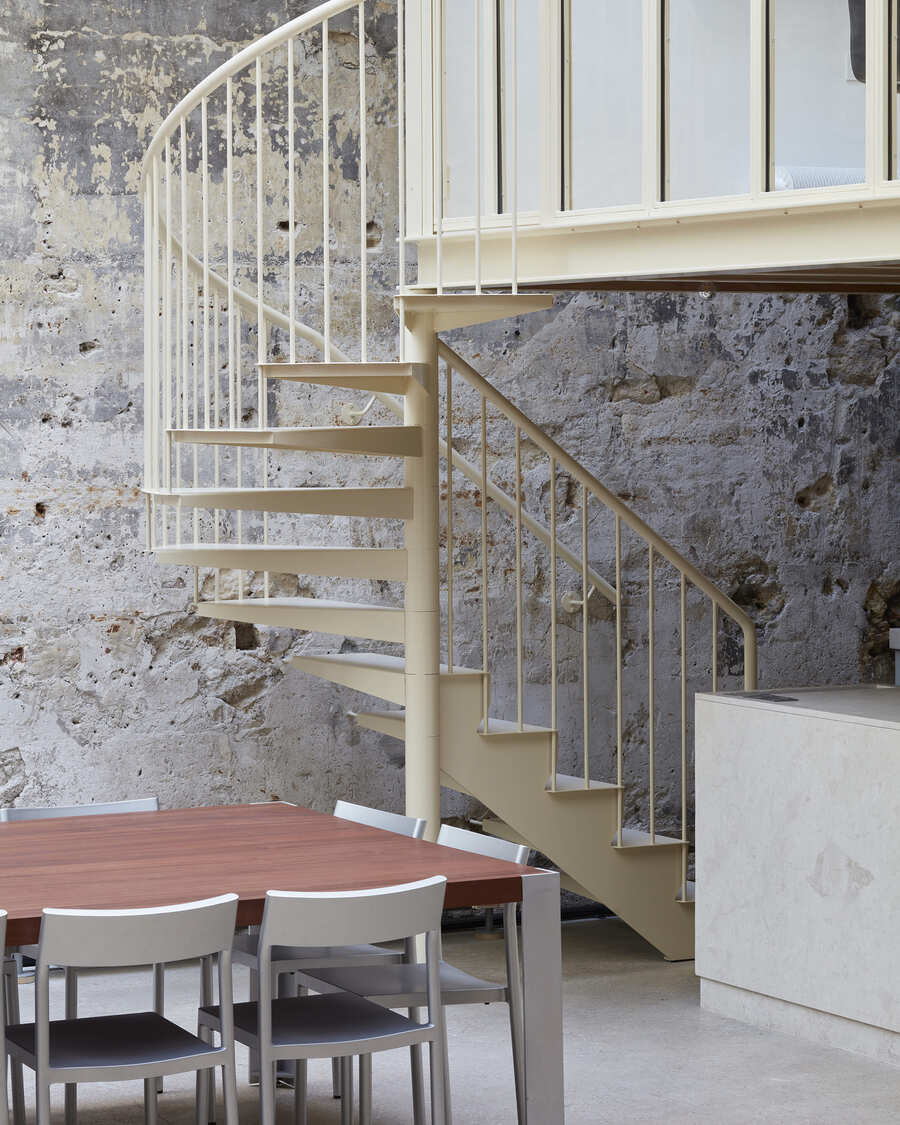
➡️ Law firm office transformation, Paris 11e. Ph. Stéphane Ruchaud
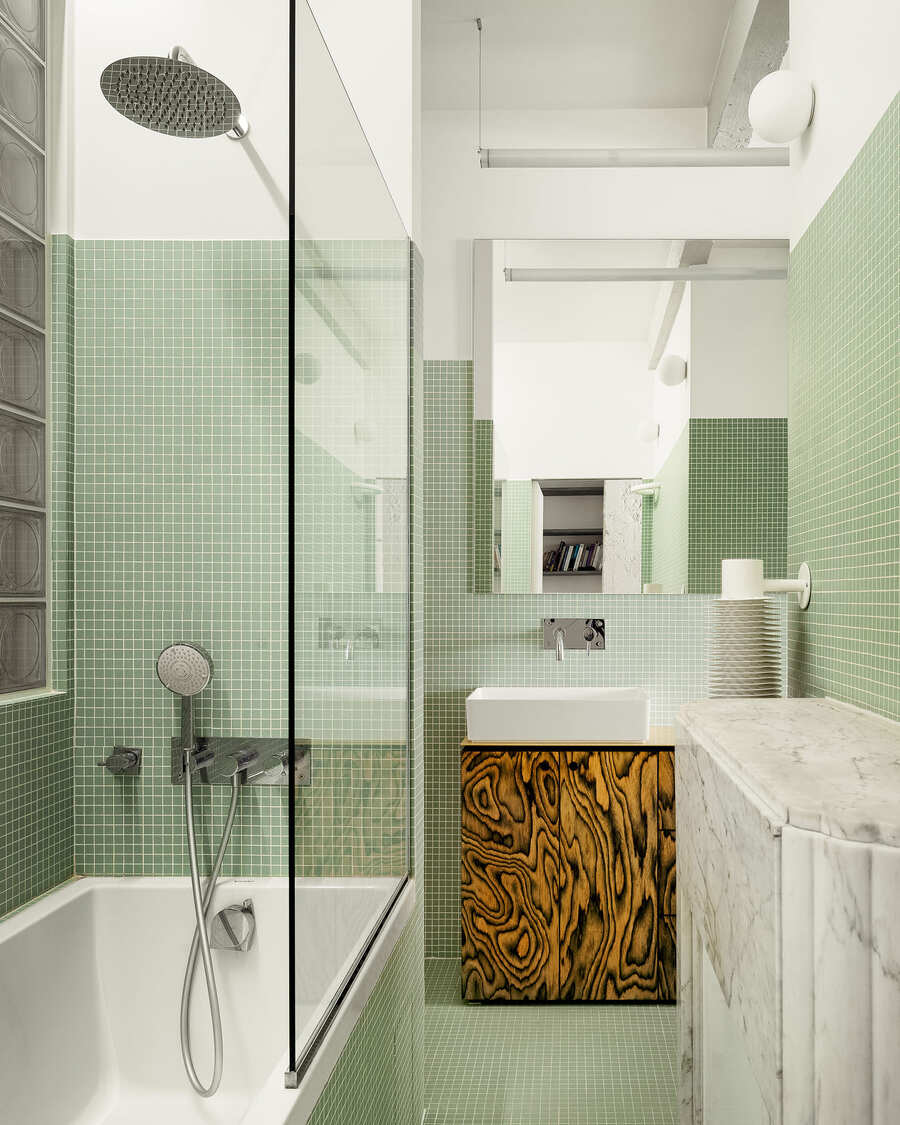
➡️ Apartment renovation, Paris 8e. Ph. Yohann Fontaine
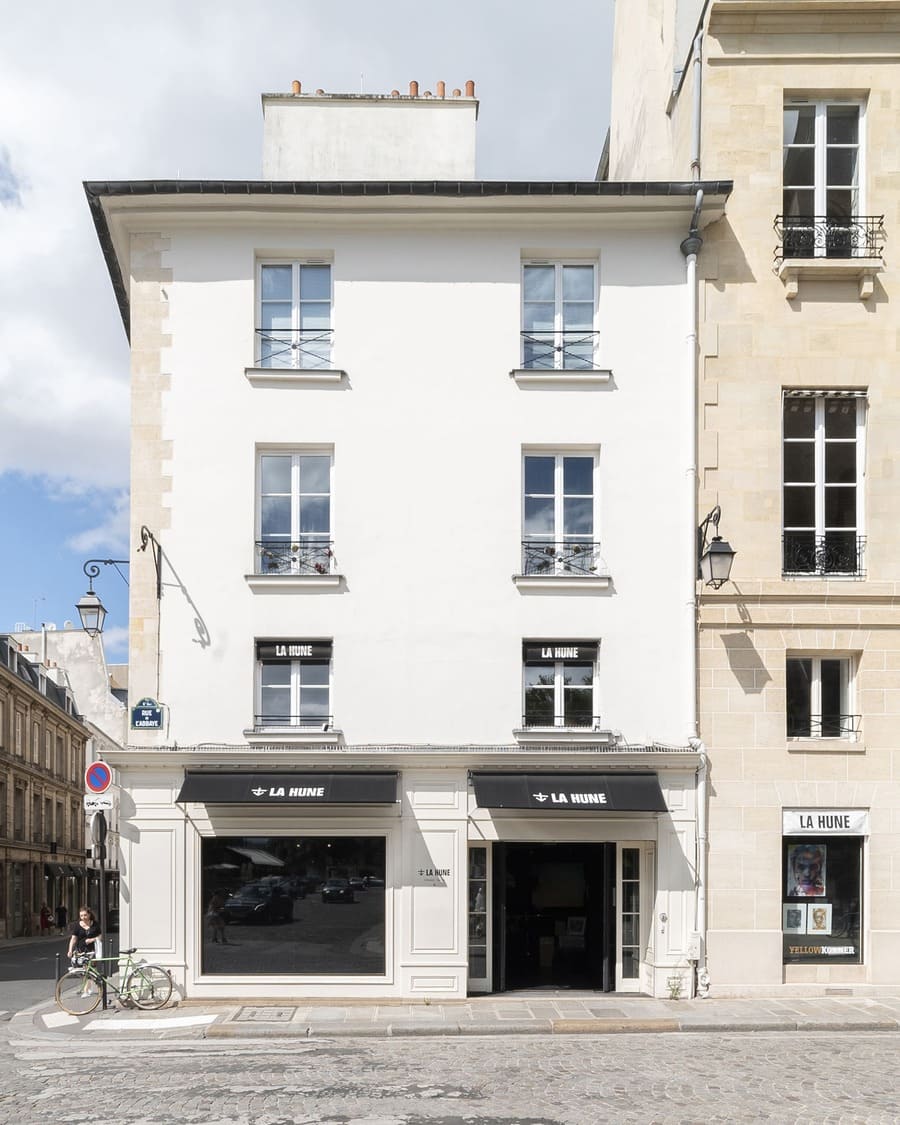
➡️ La Hune bookstore and gallery renovation, Paris 6e. Ph. Florian Berenguer
➡️ Foundation office renovation, Paris 13e. Ph. Philippe Billard
➡️ Law firm office transformation, Paris 11e. Ph. Stéphane Ruchaud