nicolas bossard architecture
Evolution: Flat by Flat
New French Architecture
An Original Idea by New Generations
Compagnie architecture
Culture on Site
Studio AlbĂŠdo
Strategic Acts of Architecture
FabricarĂŠ
Simplicity and Singularity In the Making
Renode
Renovation as Quiet Resistance
Kapt Studio
Pushing Boundaries Across Scales
Room Architecture
Between Theory, Activism, and Practice
AVOIR
Structural Unknowing
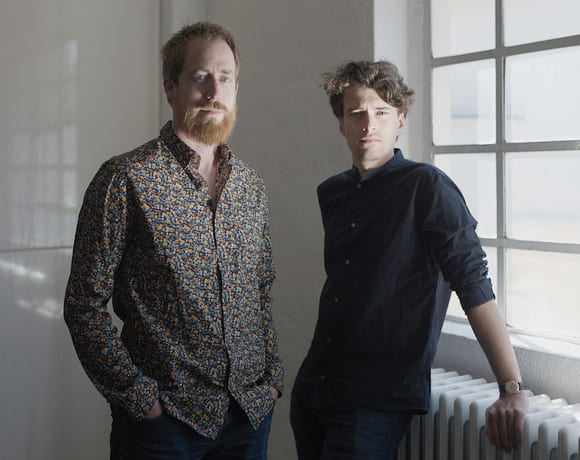
DRATLER DUTHOIT architectes
Crafting Local Language
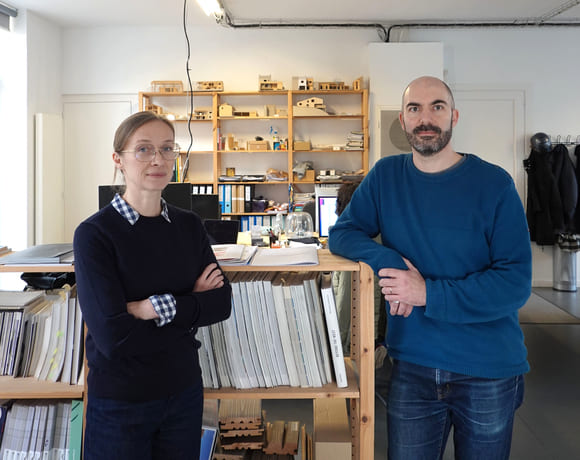
Claas Architectes
Building with the Region in Mind
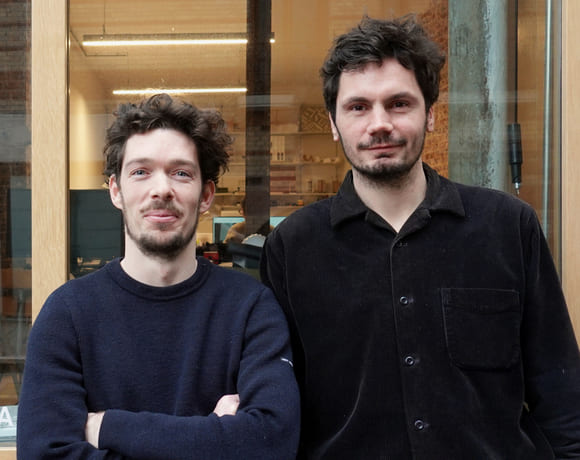
B2A - barre bouchetard architecture
Embracing Uncertainty in Architecture
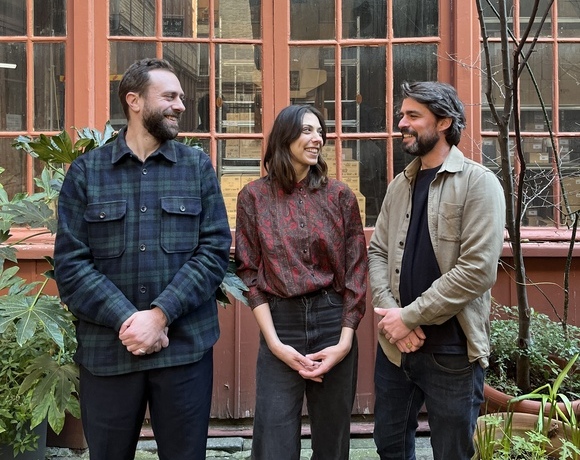
AcmĂŠ Paysage
Nurturing Ecosystems
Atelier Apara
Architecture Through a Pedagogical Lens
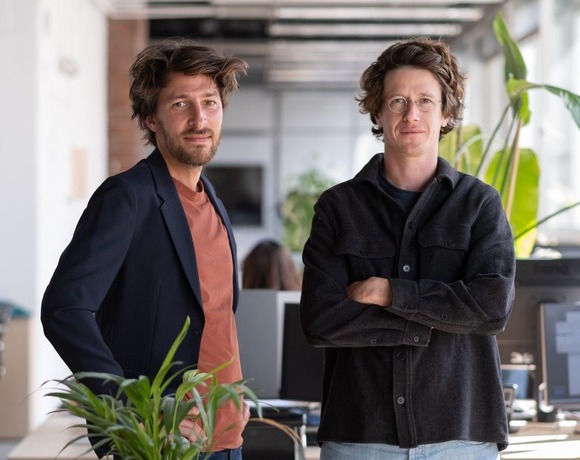
HEMAA
Designing for Ecological Change
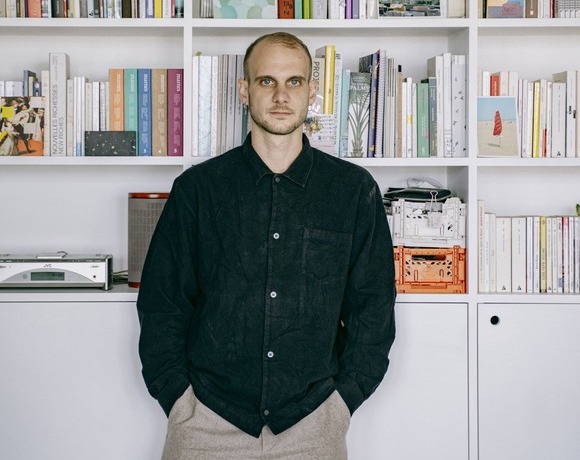
HYPER
Hyperlinked Scales
Between Utopia and Pragmatism
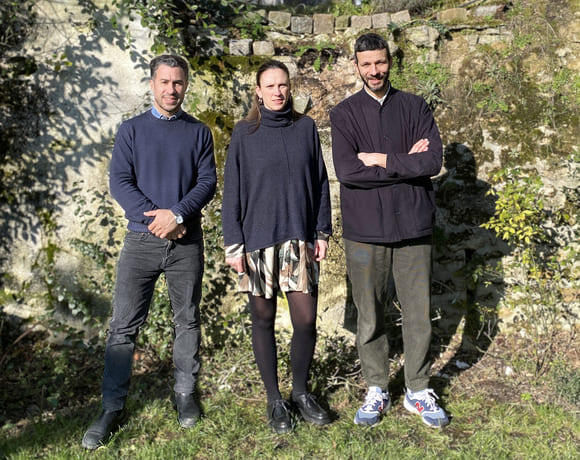
Oblò
Dialogue with the Built World
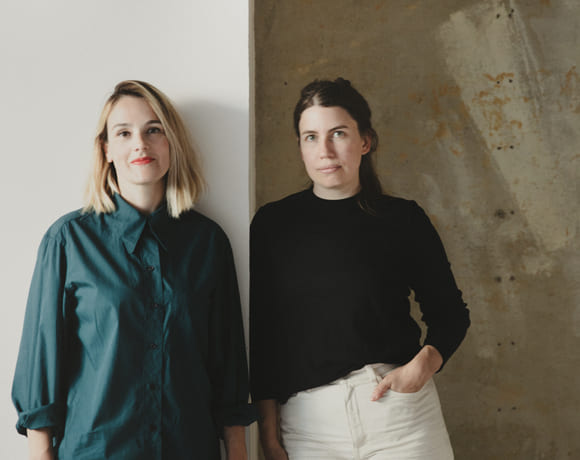
Augure Studio
Revealing, Simplifying, Adapting
Cent15 Architecture
A Process of Learning and Reinvention
Pierre-Arnaud DescĂ´tes
Composing Spaces, Revealing Landscapes
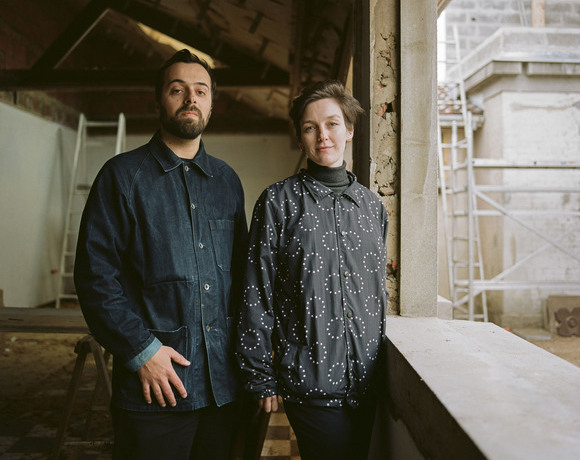
BUREAUPERRET
What Remains, What Becomes
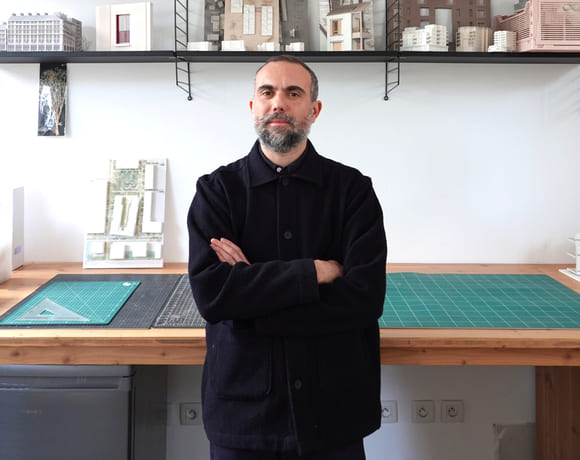
ECHELLE OFFICE
In Between Scales
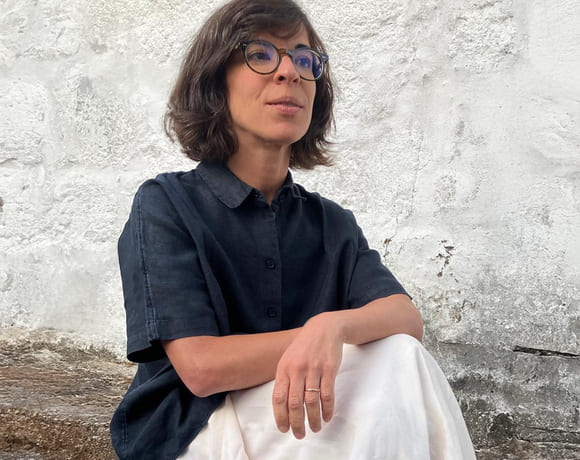
Atelier
Rooted in Context, Situated at the Centre
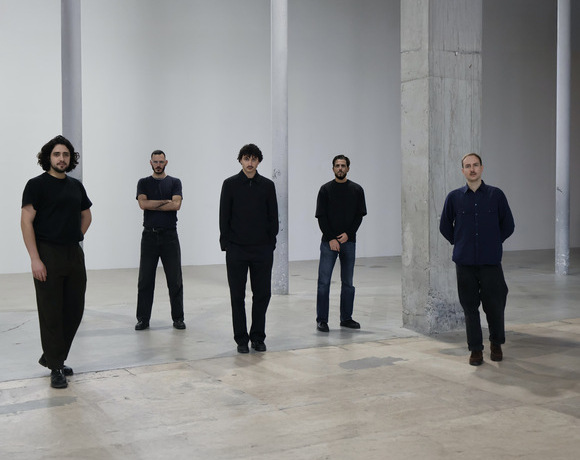
AJAM
Systemic Shifts, Local Gestures
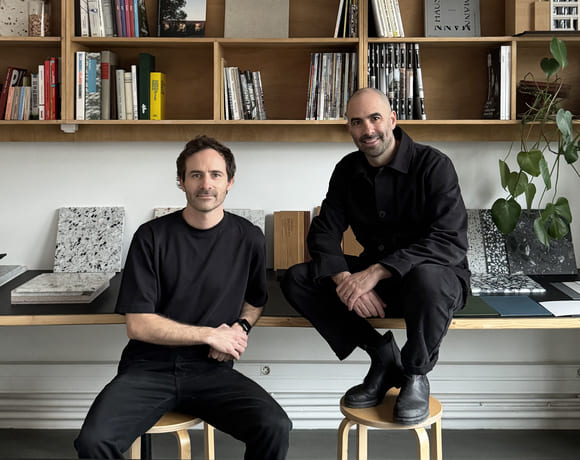
Mallet Morales
Stories in Structure
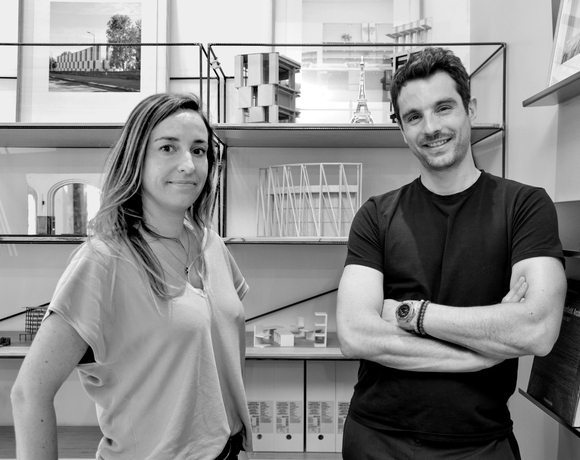
Studio SAME
Charting Change with Ambition
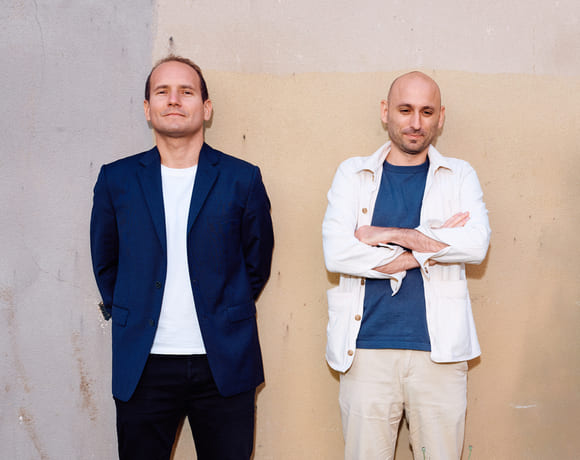
Lafayette
Envisioning the City of Tomorrow
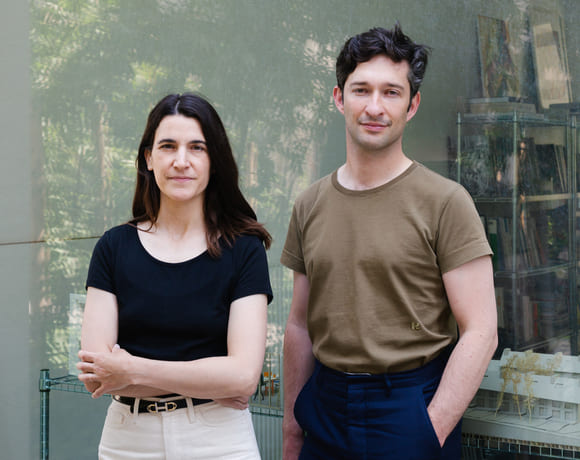
Belval & Parquet Architectes
Living and Building Differently
127af
Redefining the Common
HEROS Architecture
From Stone to Structure
Carriere Didier Gazeau
Lessons from Heritage
a-platz
Bridging Cultures, Shaping Ideas
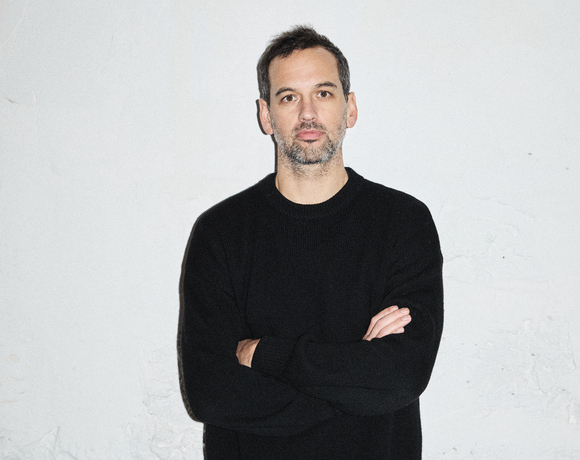
Rodaa
Practicing Across Contexts
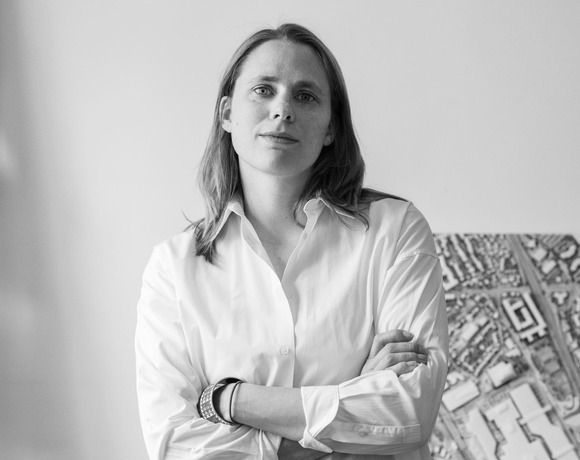
Urbastudio
Interconnecting Scales, Communities, and Values
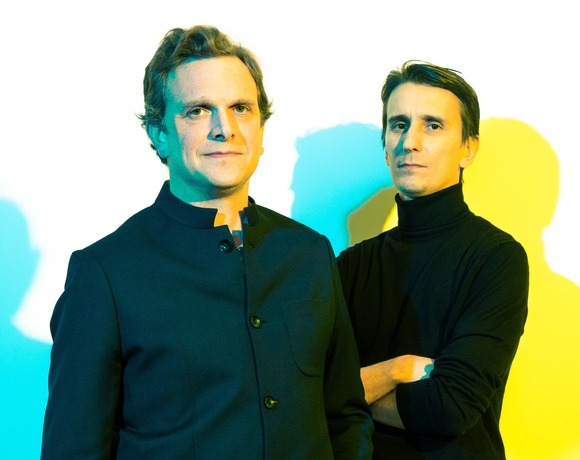
Oglo
Designing for Care
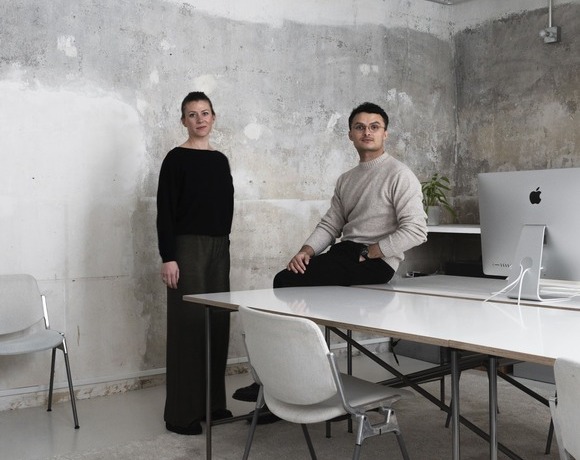
Figura
Figures of Transformation
COVE Architectes
Awakening Dormant Spaces
Graal
Understanding Economic Dynamics at the Core
ZW/A
United Voices, Stronger Impacts
A6A
Building a Reference Practice for All
BERENICE CURT ARCHITECTURE
Crossing Design Boundaries
studio mäc
Bridging Theory and Practice
studio mäc
Bridging Theory and Practice
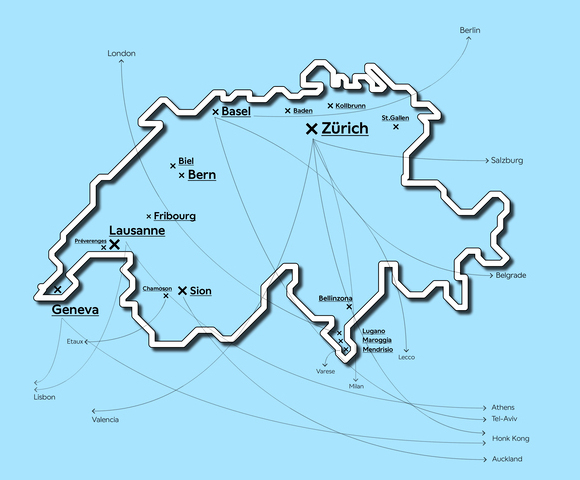
New Swiss Architecture
An Original Idea by New Generations
KUMMER/SCHIESS
Compete, Explore, Experiment
ALIAS
Stories Beyond the Surface
sumcrap.
Connected to Place
BUREAU/D
From Observation to Action
STUDIO ROMANO TIEDJE
Lessons in Transformation
Ruumfabrigg Architekten
From Countryside to Lasting Heritage
Kollektiv Marudo
Negotiating Built Realities
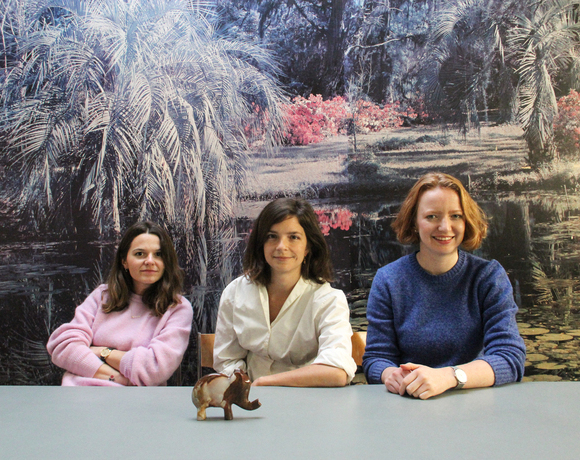
Studio Barrus
Starting byChance,Growing Through Principles
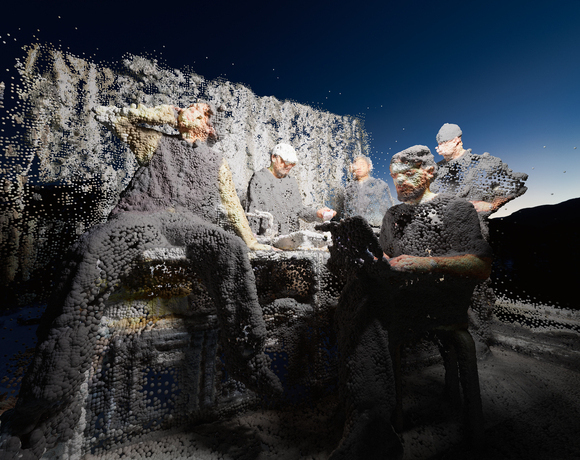
dorsa + 820
Between Fiction and Reality
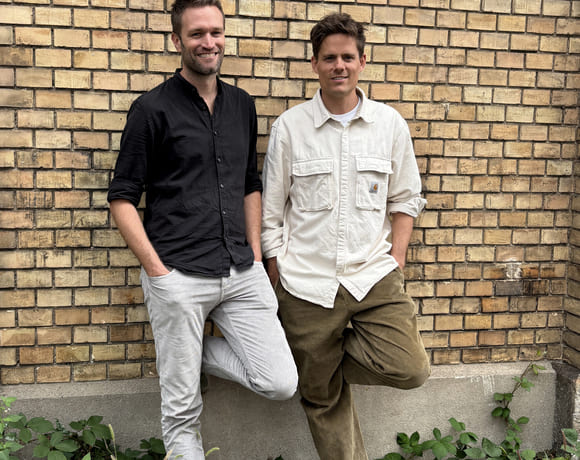
S2L Landschaftsarchitektur
Public Spaces That Transform
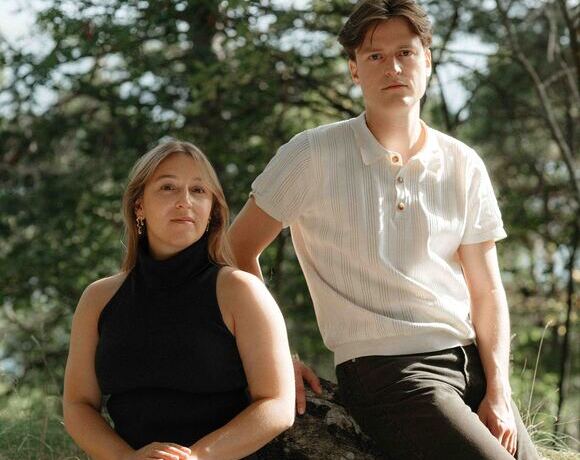
DER
Designing Within Local Realities
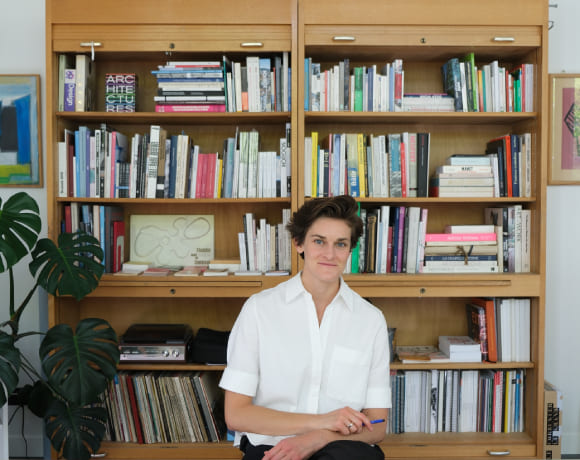
Marginalia
Change from the Margins
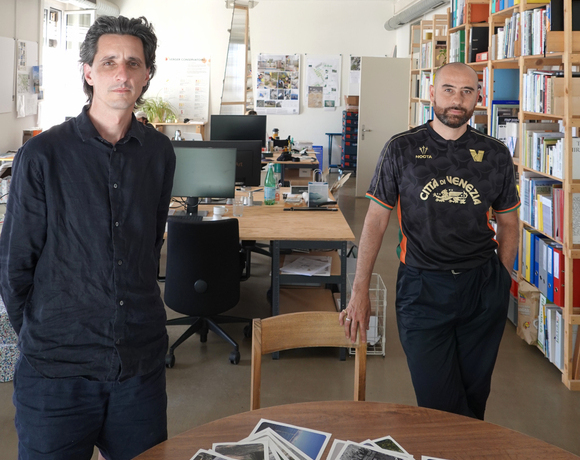
En-Dehors
Shaping a Living and Flexible Ecosystem
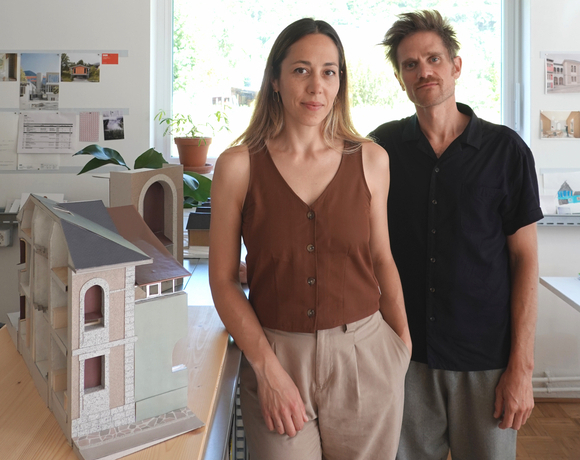
lablab
A Lab for Growing Ideas
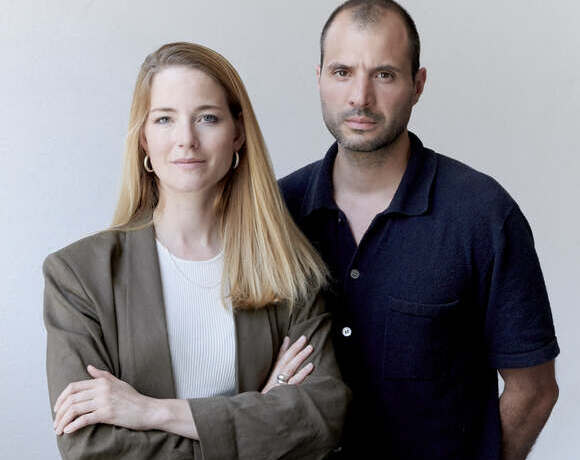
Soares Jaquier
Daring to Experiment
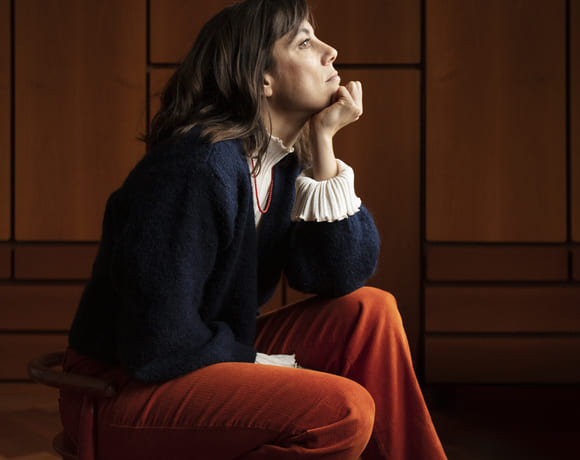
Sara Gelibter Architecte
Journey to Belonging
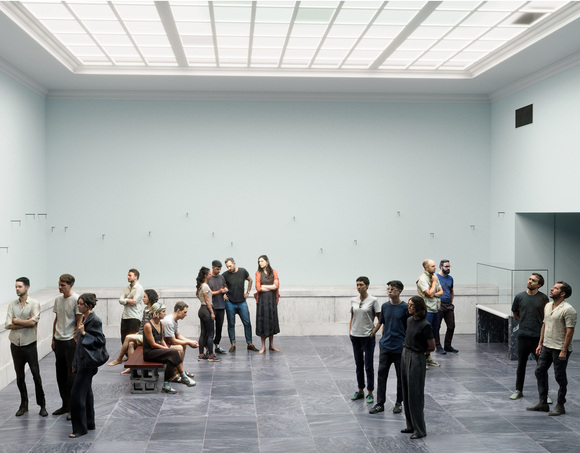
TEN (X)
A New Kind of Design Institute
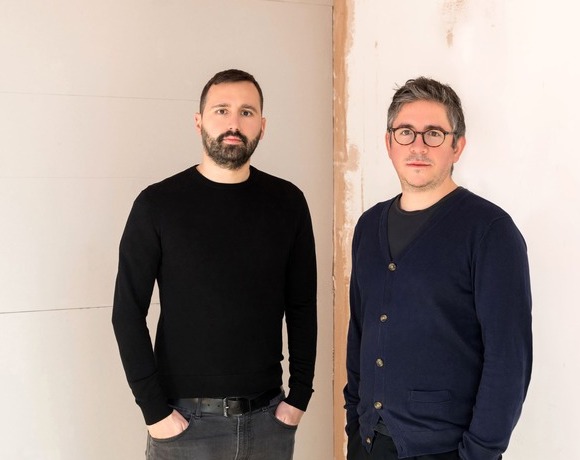
DF_DC
Synergy in Practice: Evolving Together
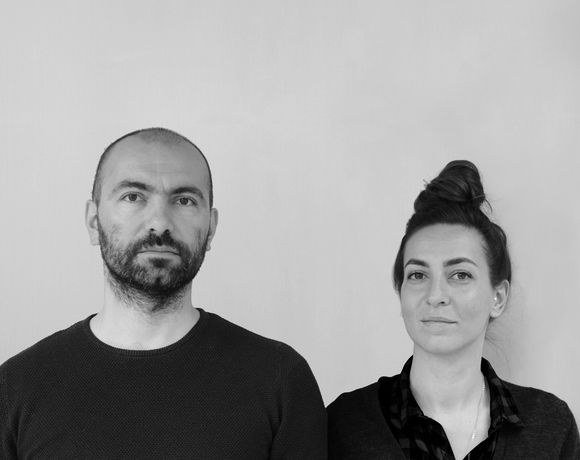
GRILLO VASIU
Exploring Living, Embracing Cultures
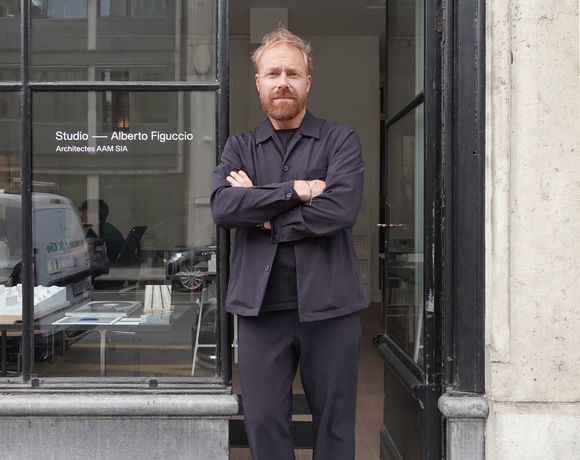
Studio â Alberto Figuccio
From Competitions to Realised Visions
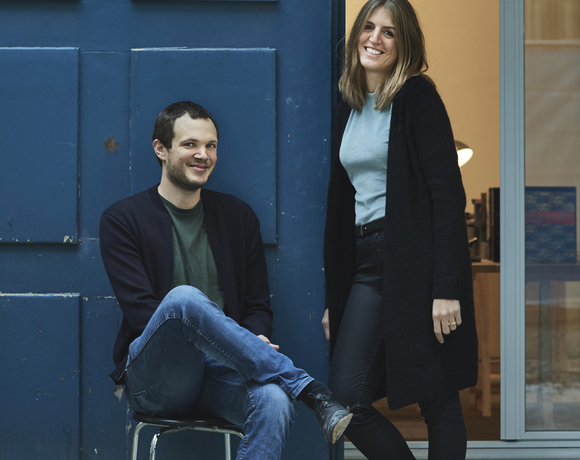
Mentha Walther Architekten
Carefully Constructed
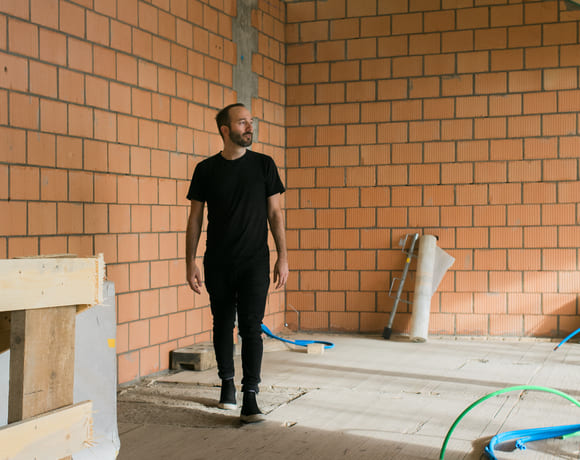
Stefan Wuelser +
Optimistic Rationalism: Design Beyond the Expected
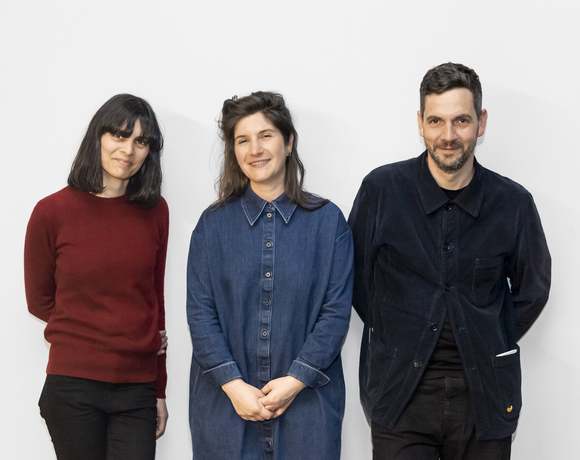
BUREAU
A Practice Built on Questions
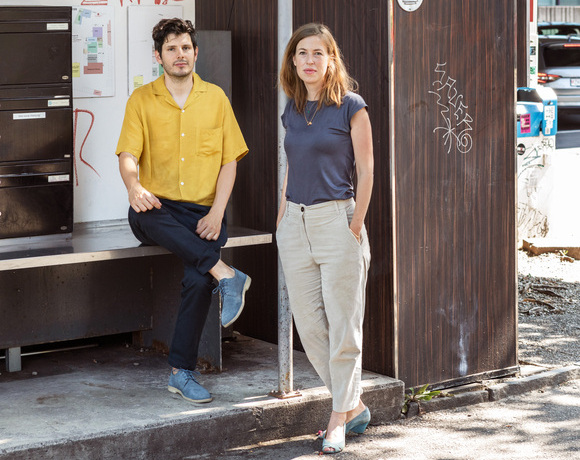
camponovo baumgartner
Flexible Frameworks, Unique Results
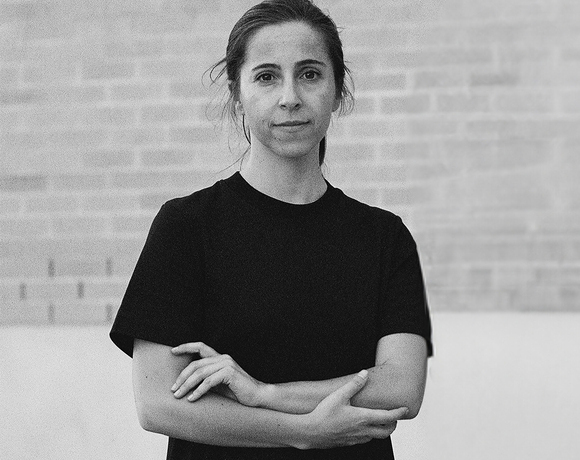
MAR ATELIER
Exploring the Fringes of Architecture
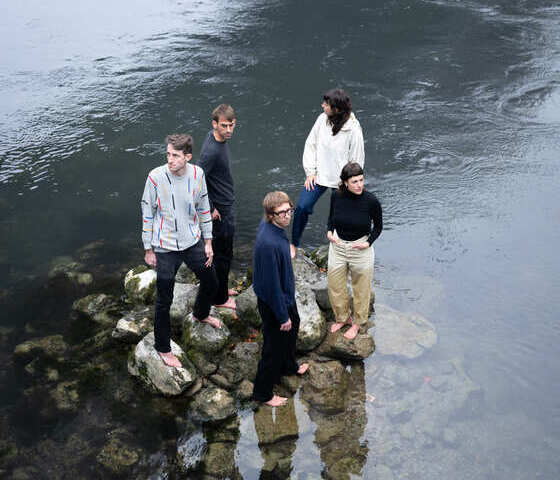
bach muĚhle fuchs
Constantly Aiming To Improve the Environment
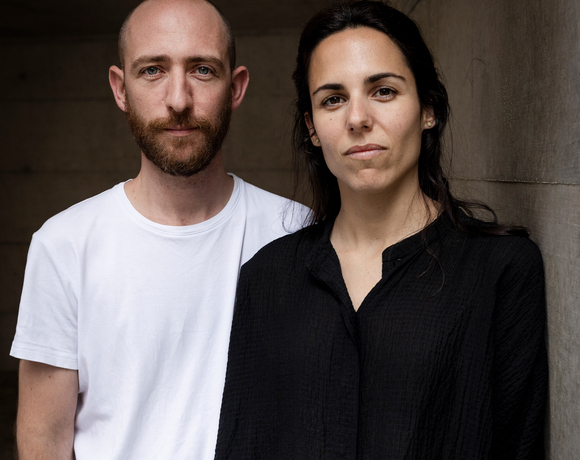
NOSU Architekten GmbH
Building an Office from Competitions
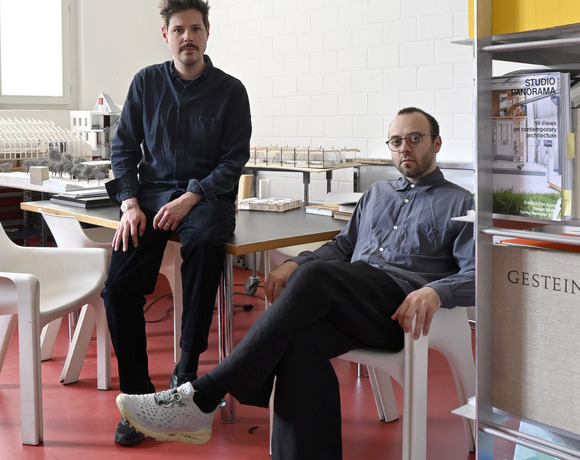
BALISSAT KAĂANI
Challenging Typologies, Embracing Realities
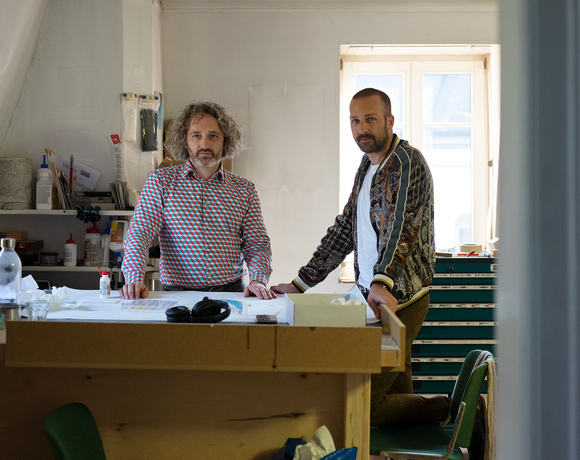
Piertzovanis Toews
Crafted by Conception, Tailored to Measure
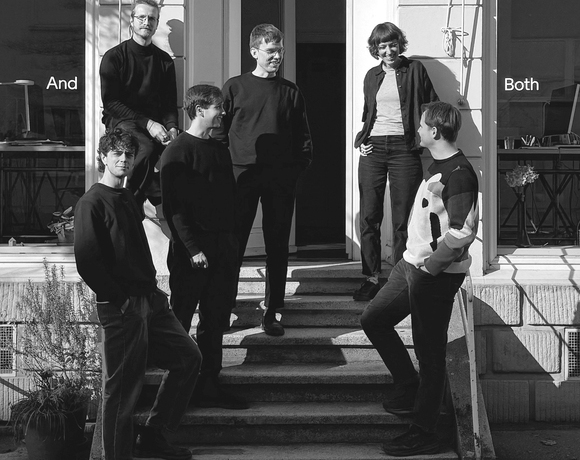
BothAnd
Fostering Collaboration and Openness

Atelier ORA
Building with Passion and Purpose
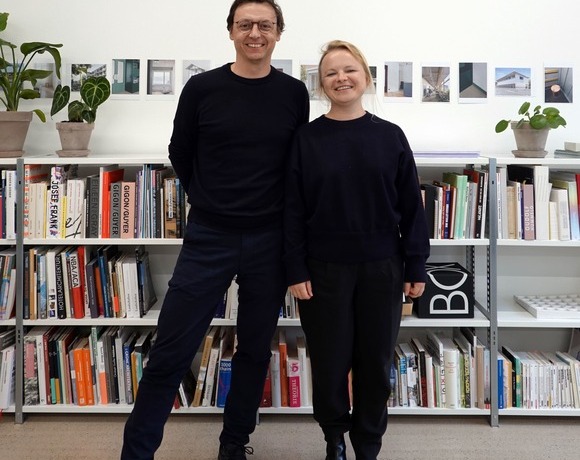
Atelier Hobiger Feichtner
Building with Sustainability in Mind
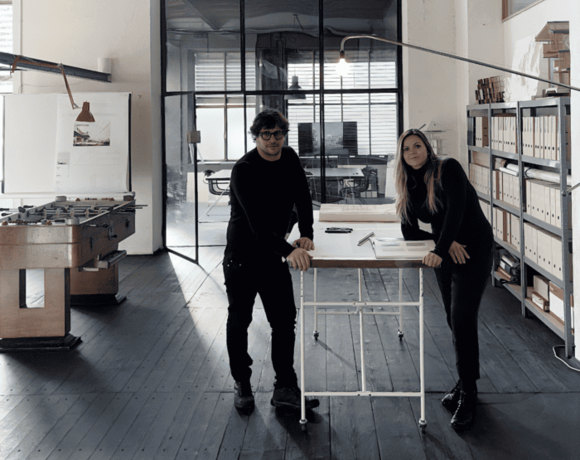
CAMPOPIANO.architetti
Architecture That Stays True to Itself
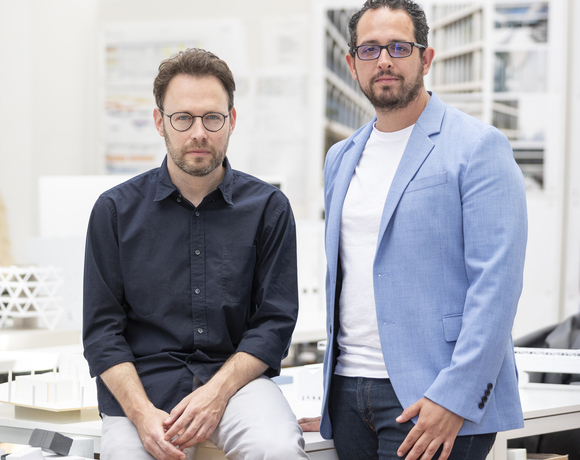
STUDIO PEZ
The Power of Evolving Ideas
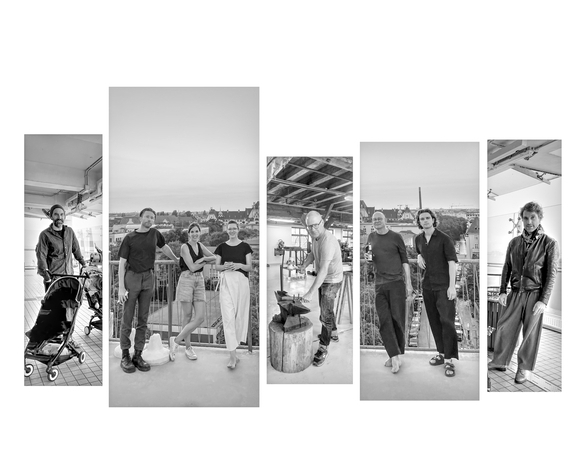
Architecture Land Initiative
Architecture Across Scales
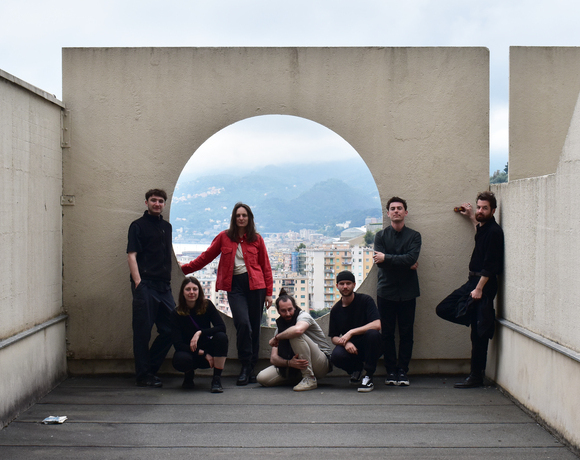
ellipsearchitecture
Humble Leanings, Cyclical Processes
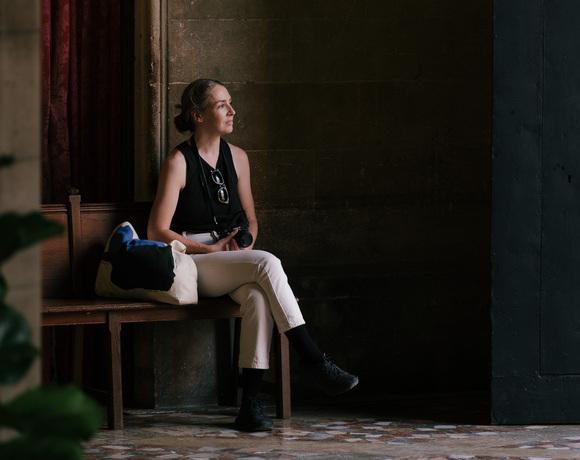
Sophie Hamer Architect
Balancing History and Innovation
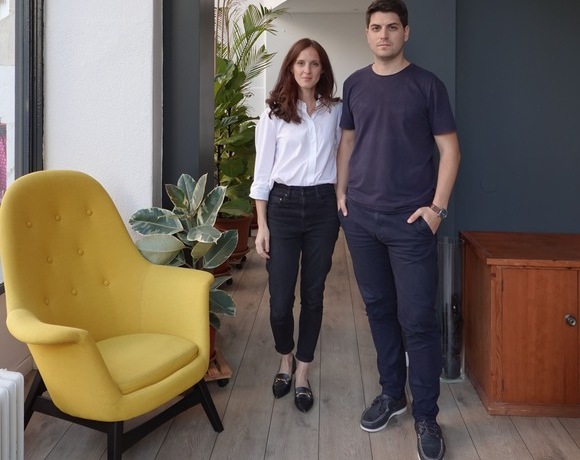
ArgemĂ Bufano Architectes
Competitions as a Catalyst for Innovation
continentale
A Polychrome Revival
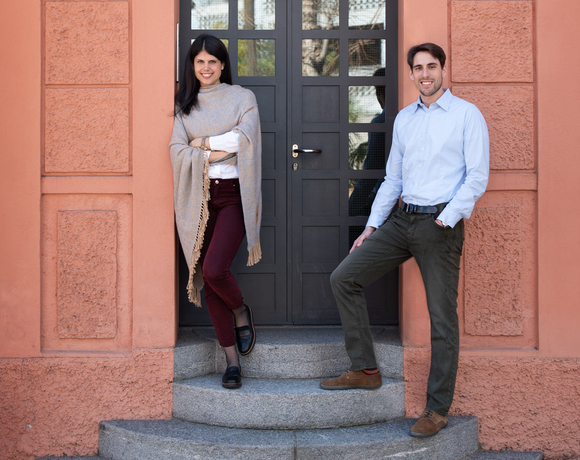
valsangiacomoboschetti
Building With What Remains
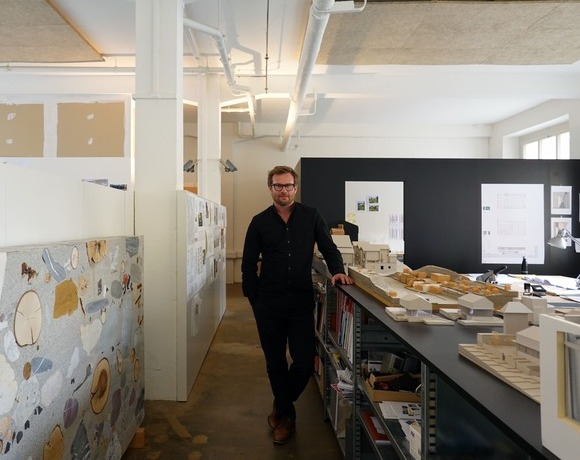
Oliver Christen Architekten
Framework for an Evolving Practice
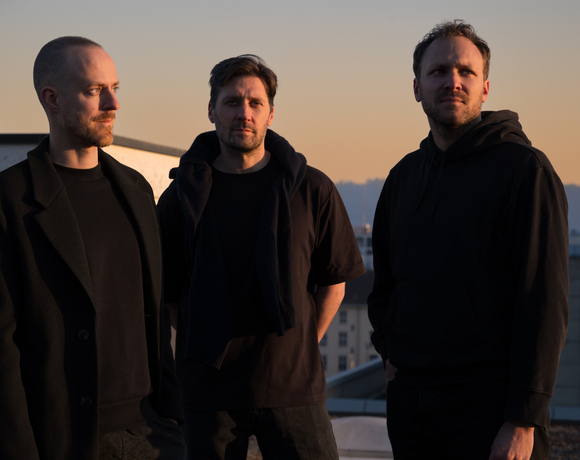
MMXVI
Synergy in Practice
Balancing Roles and Ideas
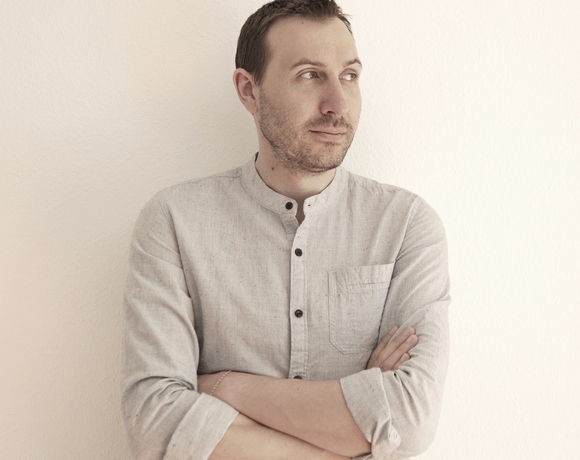
studio 812
A Reflective Approach to
Fast-Growing Opportunities
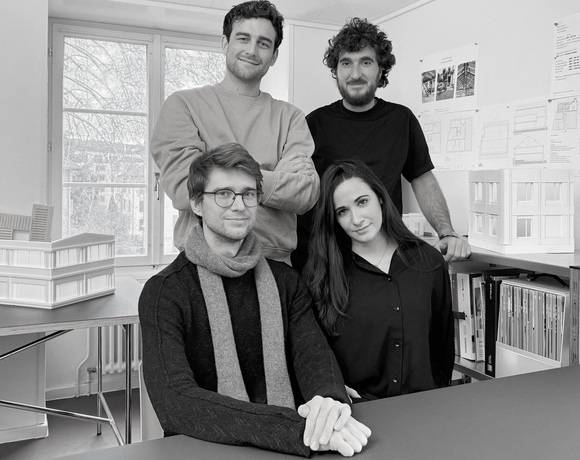
STUDIO4
The Journey of STUDIO4
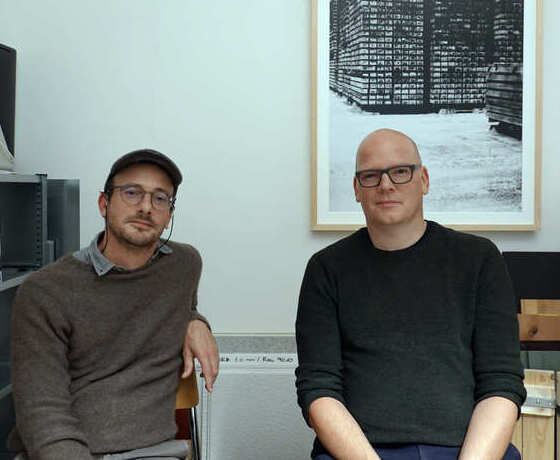
Holzhausen Zweifel Architekten
Shaping the Everyday
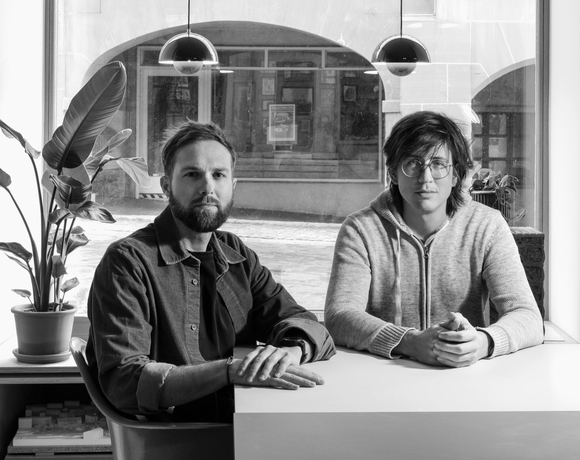
berset bruggisser
Architecture Rooted in Place
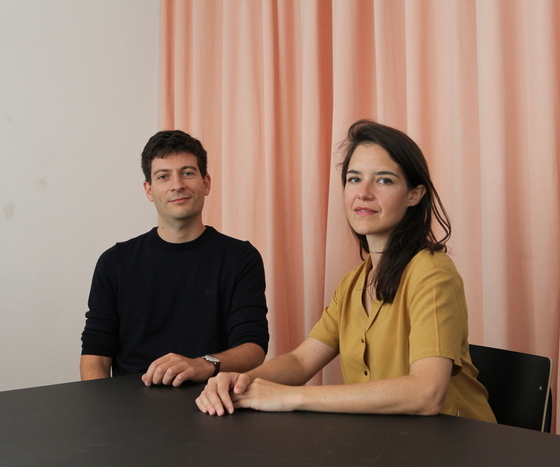
JBA - Joud Beaudoin Architectes
New Frontiers in Materiality
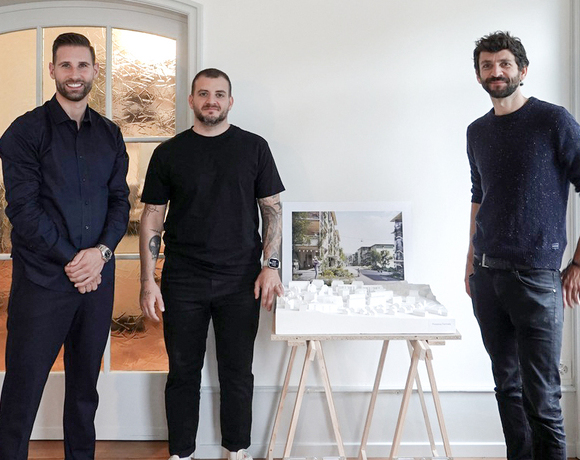
vizo Architekten
From Questions to Vision
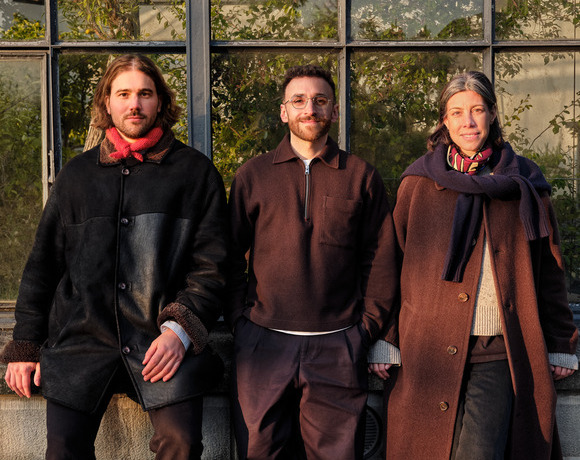
Atelier NU
Prototypes of Practice
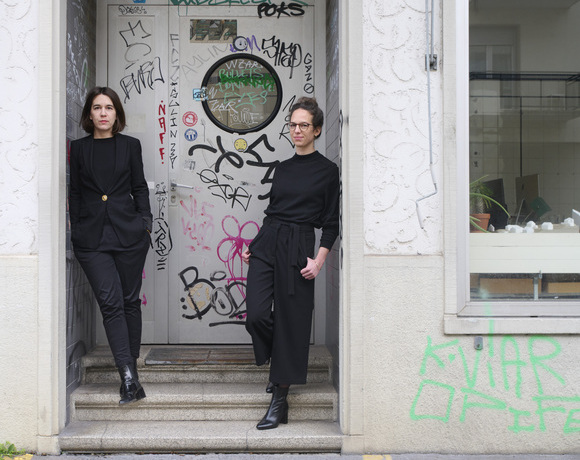
Atelier Tau
Architecture as a Form of Questioning
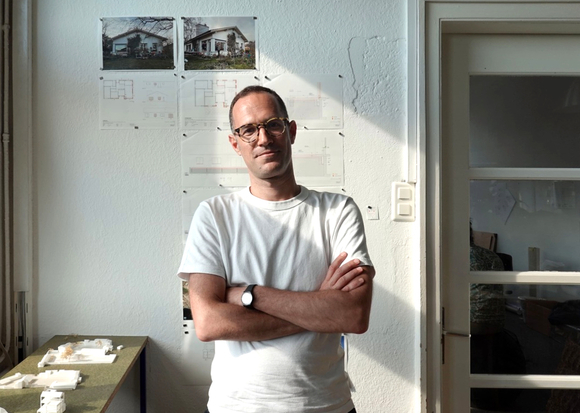
alexandro fotakis architecture
Embracing Context and Continuity
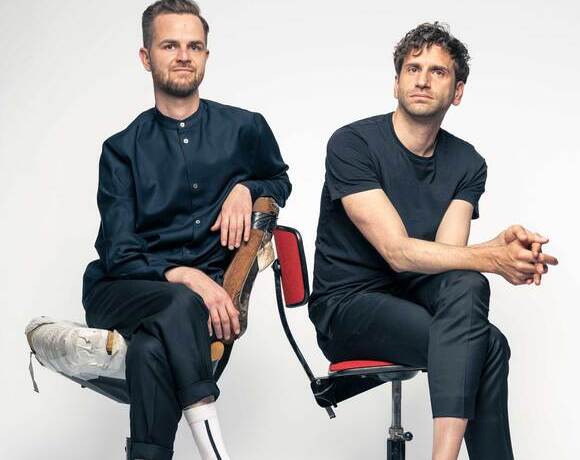
Atelier Anachron
Engaging with Complexity
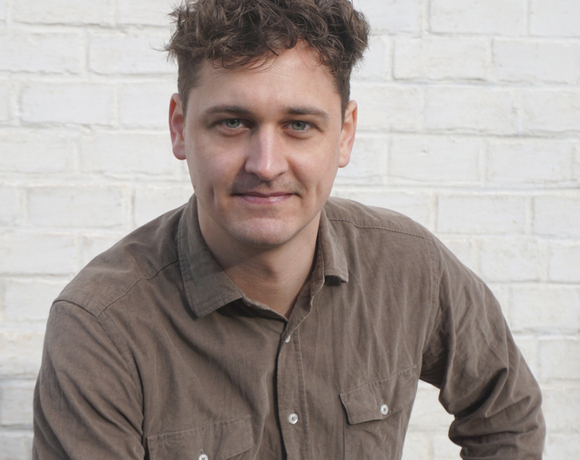
SAJN - STUDIO FĂR ARCHITEKTUR
Transforming Rural Switzerland
guy barreto architects
Designing for Others, Answers Over Uniqueness
Concrete and the Woods
Building on Planet Earth
bureaumilieux
What is innovation?
apropaĚ
A Sustainable and Frugal Practice
Massimo Frasson Architetto
Finding Clarity in Complex Projects
Studio David Klemmer
Binary Operations
Caterina Viguera Studio
Immersing in New Forms of Architecture
r2a architectes
Local Insights, Fresh Perspectives
HertelTan
Timeless Perspectives in Architecture
That Belongs
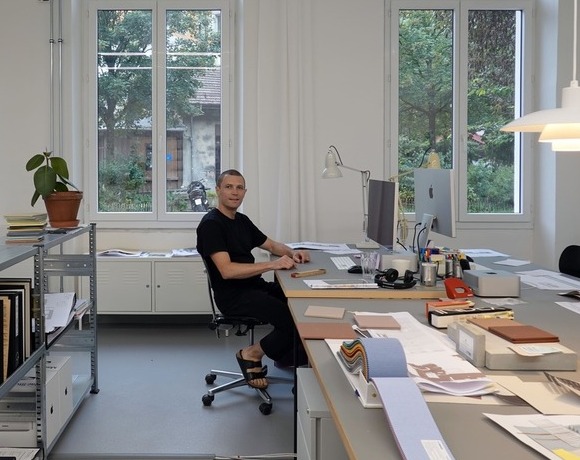
Nicolas de Courten
A Pragmatic Vision for Change
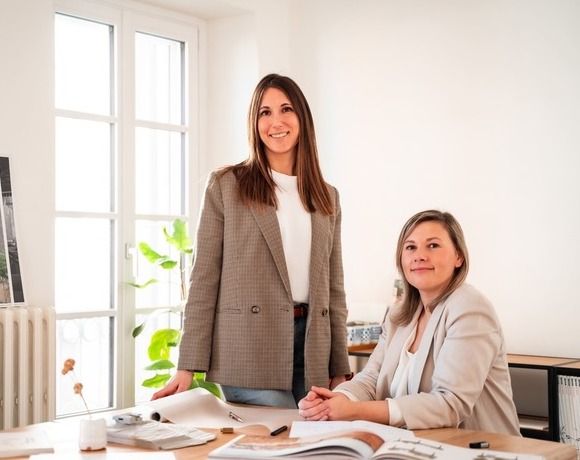
Atelier OLOS
Balance Between Nature and Built Environment
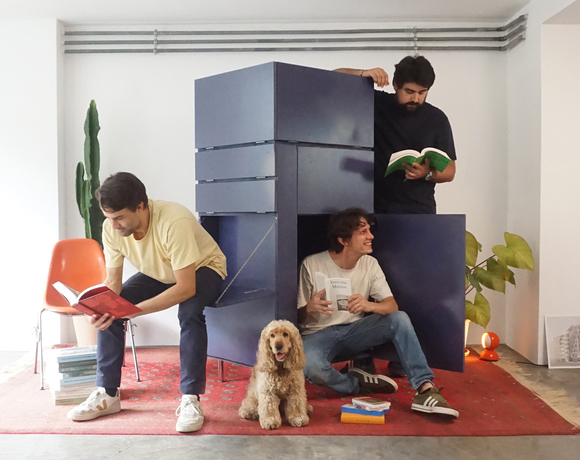
Associati
âCheap but intenseâ: The Associati Way
emixi architectes
Reconnecting Architecture with Craft
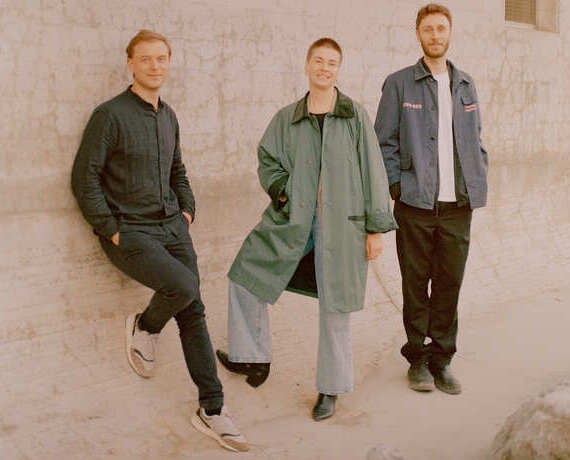
baraki architects&engineers
From Leftovers to Opportunities
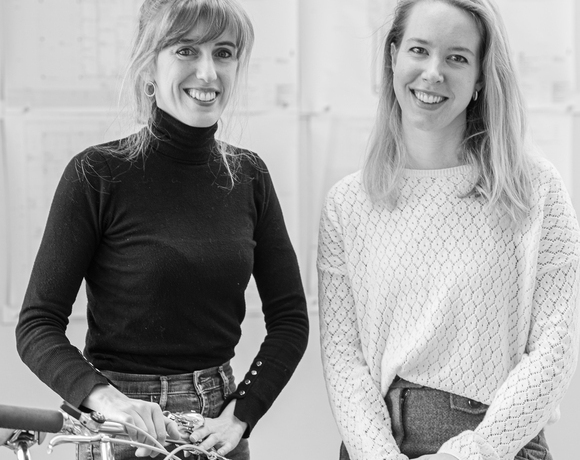
DARE Architects
Material Matters: from Earth to Innovation
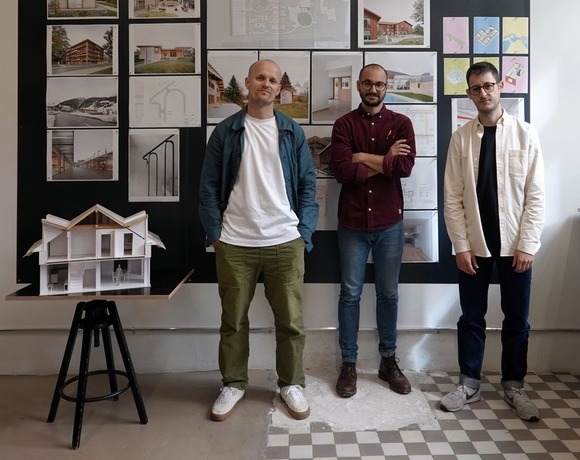
KOMPIS ARCHITECTES
Building from the Ground Up
Fill this form to have the opportunity to join the New Generations platform: submissions will be reviewed on a daily-basis, and the most innovative practices will have the chance to be part of the media's coverage and participate in our cultural agenda, including events, research projects, workshops, exhibitions and publications.
New Generations is a European platform that investigates the changes in the architectural profession ever since the economic crisis of 2008. We analyse the most innovative emerging practices at the European level, providing a new space for the exchange of knowledge and confrontation, theory, and production.
Since 2013, we have involved more than 3.000 practices from more than 50 countries in our cultural agenda, such as festivals, exhibitions, open calls, video-interviews, workshops, and experimental formats. We aim to offer a unique space where emerging architects could meet, exchange ideas, get inspired, and collaborate.
An original idea of New Generations
Team & collaborators: Gianpiero Venturini, Marta HervĂĄs Oroza, Elisa Montani, Giuliana Capitelli, Kimberly Kruge, Canyang Cheng
If you have any questions, need further information, if you'd like to share with us a job offer, or just want to say hello please, don't hesitate to contact us by filling up this form. If you are interested in becoming part of the New Generations network, please fill in the specific survey at the 'join the platform' section.
Evolution: Flat by Flat
Founded in Paris in 2018 by Nicolas Bossard, the practice develops projects ranging from apartment renovations to collective housing, offices, and heritage interventions. Rooted in a pragmatic and rigorous approach, the studio explores how to âdo better with less,â balancing budget, planning, and high architectural ambition. Since 2023, Nicolas Bossard Architecture has evolved into a network of independent experts, fostering agile collaboration. The office was selected in 2024 by Bpifrance for the national Accelerator Architecture & Design â France 2030 program.
NB: Nicolas Bossard
A hybrid approach
NB: I believe thereâs a new generation of architects exploring alternative, hybrid studio models that werenât so common in the past. These models embrace a more transversal way of workingâengaging with interior design, refurbishment, programming, furniture design, researchârather than following the traditional path from first brief to completed building. There are many ways to contribute to the conception or construction of a project, even if itâs just a small part. I think itâs important to stay open and experiment with new models. Thatâs often how starting a firm happensâalmost by accident. For me, it all began with a single request from a client. I remember thinking, âCould I actually do this on my own?â
I studied at the Paris-Belleville School of Architecture and spent a year on exchange in Montreal. After graduating, I joined the Louis Vuitton Architecture Design Office at LVMH, working on retail projects. It was a large teamâaround 70 architectsâwhich felt huge compared to the Paris offices I knew. Working in a large and highly structured team gave me strong insight into how international design processes are managed. However, I realised that what I was looking for was the opportunity to be more closely involved in design decisions and to carry out projects from concept to completion. Thatâs what motivated me to move toward more independent practice. A few months later, I joined Studio Vincent Eschalier, which at the time was a small architectural office in Paris with just four people. It was a promising team, right at the cusp of scaling up. Within a few months, we started working on larger projects, taking a big step forward. It was an incredible time to gain practical skills and develop my own working method. When I left, there were around 15 architectsâand now the studio has grown to 35.
What I liked about working there was the autonomy. I was leading projects alone quite early, two or three years after joining. It was amazing. I had a view of the structure, administration, and communication because we did everything ourselvesâthere were only a few of us, so we participated in every aspect of organising the firm. We were all young and full of ideas, so it was really cool. I started working on smaller projects and eventually led a big refurbishment with a budget of eight or nine million. I was acting as chief manager, and I was tempted to see if I could work on my own projects myself. So, when I had a personal request, I thought, okay, letâs try itâIâm able to do this.
My boss was actually very supportive. When I told him I wanted to try starting my own practice and take on a project independently, he encouraged me. We kept working togetherâhe passed along some projects from the office that I could lead through my own firm, and even shared others that he had decided not to take on. So he helped me develop my own firm, and weâve collaborated since. Thatâs why I think new ways of collaborating between structures are fascinating. So, in 2018, I started working for myself.
Growing in ambition
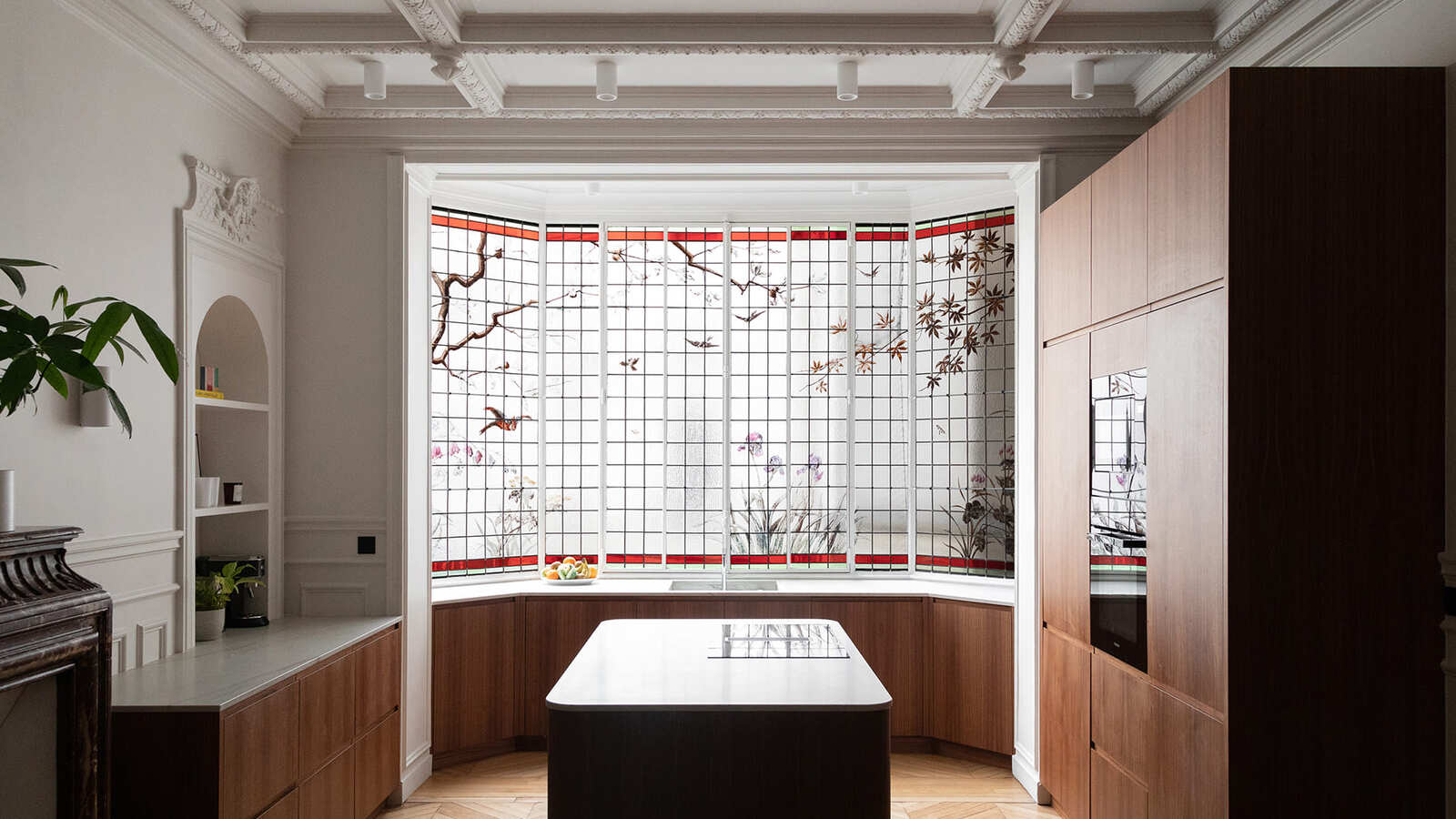
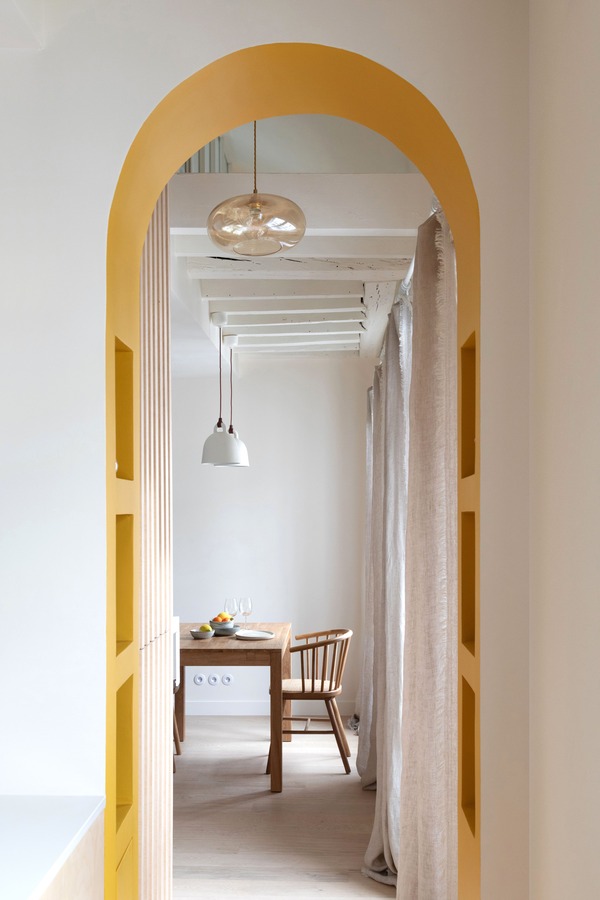
NB: That first project was a domestic refurbishment, and within a few months, I already had three or four more. Things moved very quickly from there. They ranged from flats of 50 to 150 square metresânot huge, but it was a way to test my method and see if I could find my voice, assist clients without a manager, and develop my own way of doing things. It actually worked well. Those projects led to one or two more, then others cameâprofessional clients such as developers and doctors who wanted to build their practices. I had a flow and was able to choose the clients I wanted. After almost seven years, Iâve led more than 30 flat renovations, but Iâve also taken on new programmes that opened up paths Iâm now trying to develop further. Over the past seven years, Iâve led more than 70 projects across approximately 20 cities in France â from Paris and its surrounding suburbs, to Bordeaux, Versailles, Saint-Germain-en-Laye, Arâches-la-Frasse in the Alps, and Brest in Brittany. The projects range in size from compact 19-square-metre spaces to complete transformations of over 3,500 square metres. This diversity in both scale and context has shaped a highly adaptive and technically engaged practice. Weâve worked on private flats, coworking spaces, medical clinics, office buildings, rooftop extensions, and heritage renovations â often in complex regulatory or structural conditions. Some projects have required heavy restructuring, integration of technical systems, or delicate interventions in listed buildings. This variety of programmes and technical challenges has been essential to refining our methodology and strengthening our ability to deliver precise, contextual responses to each project.
One example is a radiology practice in Paris, set within a former commercial space. It was a highly technical project due to the many regulations required for such an environment. It was the first time I truly felt I was engaging as an architectural expert with doctors who were experts in their own field. Together, we shaped the idea of how they wanted to work, and their input helped me do my job better. Everyone brought their expertise to the table, and that collaboration led to an exceptional project. That way of working is something I really want to pursue. Residential and private client projects are interesting because you can test design and decoration ideas. But it can be challenging to convince clients, especially when they come with a clear idea of how they want to liveâoften backed by reference images from Pinterest. It makes it harder to assert your expertise.
A few months ago, a private professional client came to me to develop a restaurant, cafĂŠ, and coworking space in Bordeaux. Itâs an amazing place with a rich programme, connecting workers. I love these kinds of clients. They have ideas, wishes, and objectives, but their ideas go in many directions, and you have to concentrate them into one clear project brief. Thatâs something I really enjoy now.
A very personal methodology
NB: A big part of my design approach focuses on listening to the client and connecting to their ideas and objectives. Sometimes itâs like what we call in French maĂŻeutique (the Socratic method)âhelping the client express the inner idea they struggle to put into words. Itâs almost like being a psychologist. We talk a lot at the beginning. I collect many details about how they want to live, their ideal space for work or living. I translate this into design plans or schemes before offering a really structured methodology. I have developed guidelines to help clients understand how we can start with a broad brief full of ideas and gradually shape it into something structured. We break the process into phases, which brings clarity and directionâfrom the initial concept down to details like fabric choices, colours, or even designing custom furniture like a banquette.
Clients Iâve worked with often say they like the trusting way I lead them, holding their hand to reassure them through the construction process and making them participate fully. I think the key to success is that every brief and programme can be interesting. One of my projects was published widely but wasnât that exciting programmaticallyâI could have taken other contracts with more interesting programmes. But what made it a success was the connection between me and my client, our communication, and teamwork. We included the workers as well, so it was a true team effort.
It was a horizontal processânot me working alone in my officeâbut all working together to make it happen. The project was difficult, and I struggled at times to reach the end. I was working with clients of all generationsâsome over 60âand their view of architecture differed from ours.
Complete transformations
NB: One of my projects was featured on Never Too Small, a video series showcasing compact homes around the world. It was a big surprise. I designed it during COVID, which made everything more complexâwe had to handle the entire design process remotely, and construction took place during the second or third lockdown. Despite the small scale and relatively simple structure, the project had a strong impact. It really demonstrated what can be achieved through a close connection with the client.
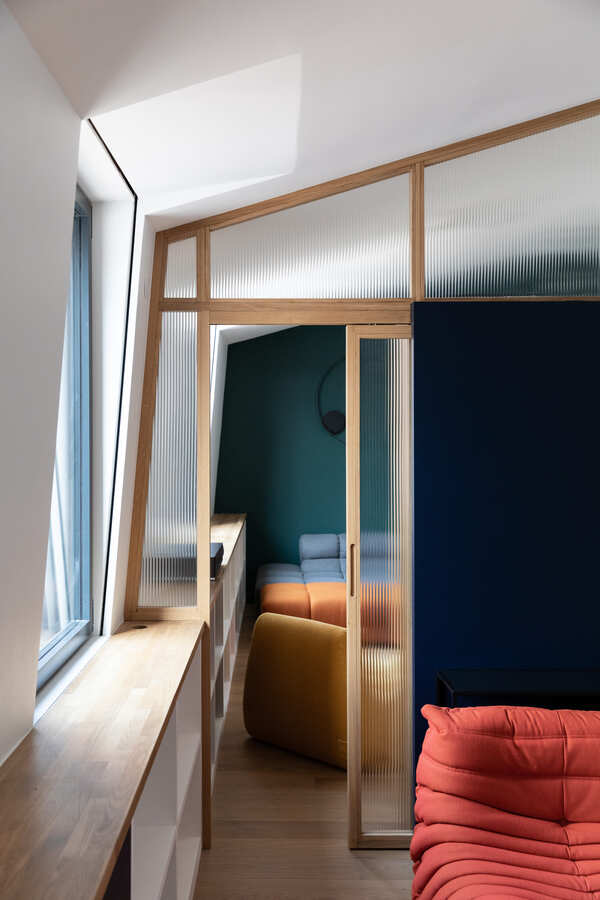
The project was a small duplex in the 18th district of Paris. It was abandoned for years, 50 square metres on two levels, which were not connected â there was only a hole in the ceiling to go upstairs. The structure had to be reinforced: the floors, the roof, everything had to be refurbished. It was all about giving a sense of space and volume, and bringing every quality of a big flat you can find in Paris into this project. So, with the client, we imagined we were elsewhere and tried to give the quality of a Parisian rooftop. And it worked. After reinforcing everything, we relocated the use of every space: the reception area on the first floor, the bathroom on the second floorâthe quality of a big renovation. What makes this project stand out is not just its final aesthetic but the level of architectural transformation it required: structural consolidation, a complete shift in spatial organisation, and a fully reimagined layout within strict constraints of a rooftop duplex. It shows how even small-scale projects can carry the complexity and ambition of much larger ones.
I find this programme interesting because I enjoy working with compact living spaces that involve structural and reinforcement challenges. Iâve had other projects published where the final results highlight skills in decoration and interior design, but donât reveal the architectural work behind themâsuch as mixing uses, reinforcing floors, or opening structural walls. Thatâs the thing â when you have a young firm like mine, you can end up being labelled an interior designer just because the first project you do is an interior one. But with this one, Villa Saint-Michel, it was okay because when clients came to me with that reference, they saw all the structural work and that we were reinventing an old attic, starting from zero.
After working on so many projects, Iâm now in a position to choose. Some clients approach me just to design shelves, a kitchen, or a bathroom, but I say noâI donât take on partial renovations. I want to transform the entire space, or at the very least, be involved in the full process from start to finish.
Continuity over demolition
NB: When you start a practice in Paris as a young architect, youâre told that investing in existing buildings is not for architects. You have to build something new, create your design from start to finish. But I like, and continue to like, investing in existing buildings because itâs about creating a continuum between the history of a place and the new goals of our clients â to create a storyline. In Paris, thatâs whatâs amazingâthere are so many opportunities to work with the existing, and every project has its own history. Iâve worked in the Faubourg area, in buildings made of wood and plaster. When you open up a floor or a wall, it feels like archaeologyâyou uncover layers of the past. For example, in one project, we reused beams that werenât even structural; they had come from a wall we demolished, and before that, from another neighbourhood altogether.
With this extended experience working on existing buildings, Iâve developed a strategy based on taking inventory of whatâs already there and what we can build onâthen carefully adding our own layers. Itâs not going back to zero, not total demolition and building a copy of a new project â itâs continuing something. The inventory is important. If we can reuse an old floor and renovate it, or keep the structure of the ceiling, or keep the doors â I always keep all the wooden oak doors, renovate them, send them to the painter, and bring them back to the flat. Every time we donât reuse materials on one project, I try with the company I work with to reuse them on the next projects.
Creative grounds in Bordeaux
NB: Working in Paris allowed me to develop both architectural and structural skills alongside interior design. But the programme weâre now developing in Bordeauxâa mix of co-working and hospitalityâis particularly exciting and brings a new dimension to the practice. Working in Paris on permits and with the Parisian administration means dealing with very strong urban constraints. You have to know that field to get a construction permit, and itâs quite complicated. I manage it well now because of experience, but for a young architect starting in Paris, itâs hard to get approval because of heritage rules and everything.
Working in Bordeaux is refreshing. You can actually reach the administration, speak directly with people at the town hall, get support with the design, and connect with those who have the power to approve your project. Just a few months ago, I submitted a permit file, and the administration responded, 'We love the projectâmaybe just add this to clarify that part of the programme.' It was amazing. They helped me strengthen the narrative to get the project approved. That kind of energy from the cityâs administrative side is rare and really encouraging. There are people who want creativity and new ways of mixing programmes, which is great for clients with ideas.
For this client, we imagined 1,000 square metres of co-working in an old factory building and a traditional stone mansion in Bordeaux, connected by a courtyard. We had to develop coherent work areas for independent workers. We designed sports facilities and organised spaces for work, parties, and lunches. These hybrid projects donât come with a clear programme in square metres; we have to imagine together and make sketches to see if it works.
A firm in transition
NB: Iâm entering a new phase of my practice, aiming to establish a more agile and hybrid way of working. In 2024, my practice was selected by Bpifrance for the national Accelerator Architecture & DesignâFrance 2030 programme. This initiative identifies 30 promising firms in France and supports their strategic development through coaching, training, and peer dialogue. This recognition has reinforced my commitment to building a resilient, high-performing practice with a lean, expert-based structure. For each project, I now select a bespoke team, drawing on independent collaborators and consultants to create efficient, project-specific working groups. For each project, I now assemble small, tailored teamsâbringing together architects Iâve collaborated with before and engineers with specific expertise. Instead of positioning myself as the architect with assistants executing my ideas, I see the project as a collective effort, where each contributor brings their own knowledge and skill. Itâs about building a team of experts, not a hierarchy. Iâm building horizontal expert connections on every project, which leads to a more agile way of organising my work. Iâm also free to have a really flexible schedule and organise everything without a traditional office, as we usually imagine it. This evolution also mirrors a broader shift in our profession: from traditional office-based structures toward more agile, networked models. I see this not just as a personal choice but as a response to the contemporary challenges of architectural practiceâwhere adaptability, collaboration, and economic sustainability are key.
This approach also gives me the possibility to explore other ways of getting contracts. Iâm doing construction and renovation projects, but Iâm also coaching small interior design companies that want to focus on structuring their business and organising the tools to make a profitable firm. Alongside my architecture practice, I draw on my business and coaching experience to help develop architecture firms into solid, financially sustainable enterprises. As architects, weâre often well-trained in design, but less so in building a business. Thatâs why I also support small practices in strengthening their operations and long-term stability.
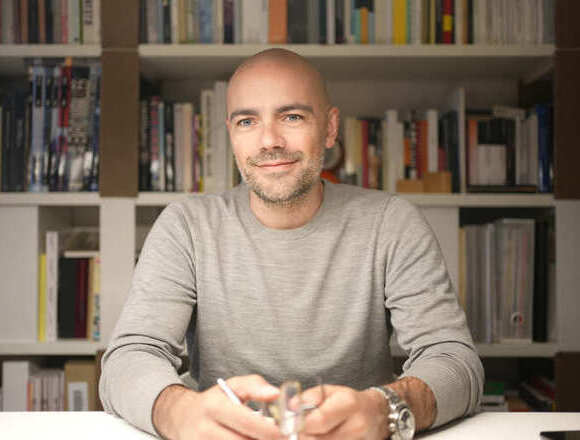
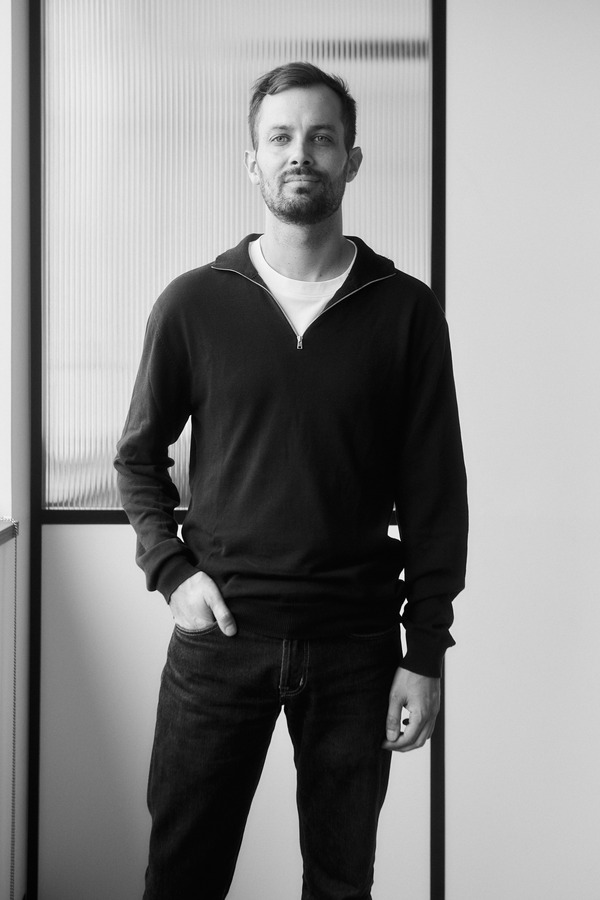
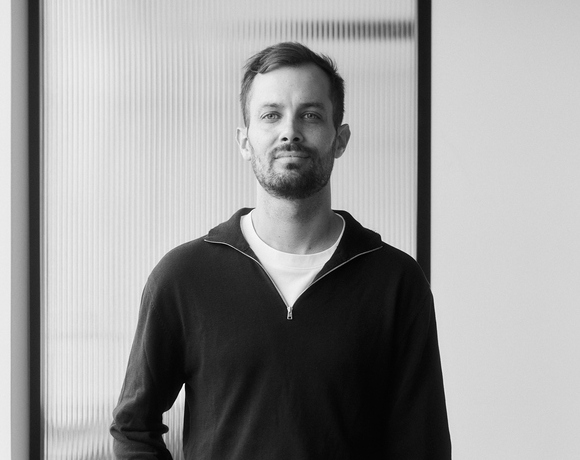
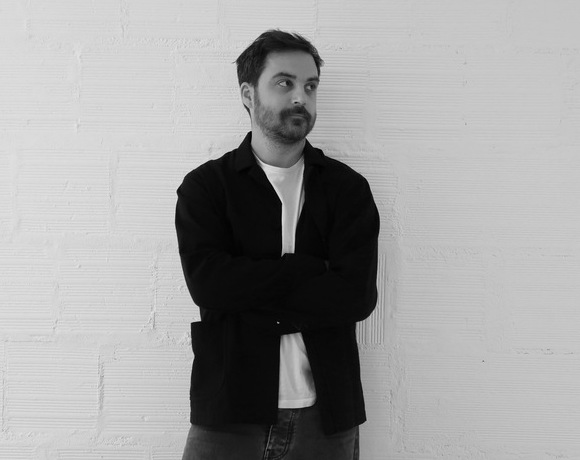
âĄď¸ Nicolas Bossard Architecture. Nicolas Bossard. Ph. Maxime FrogĂŠ
âĄď¸ Boileau Rooftop Extension, Montrouge. Ph. BCDF Studio
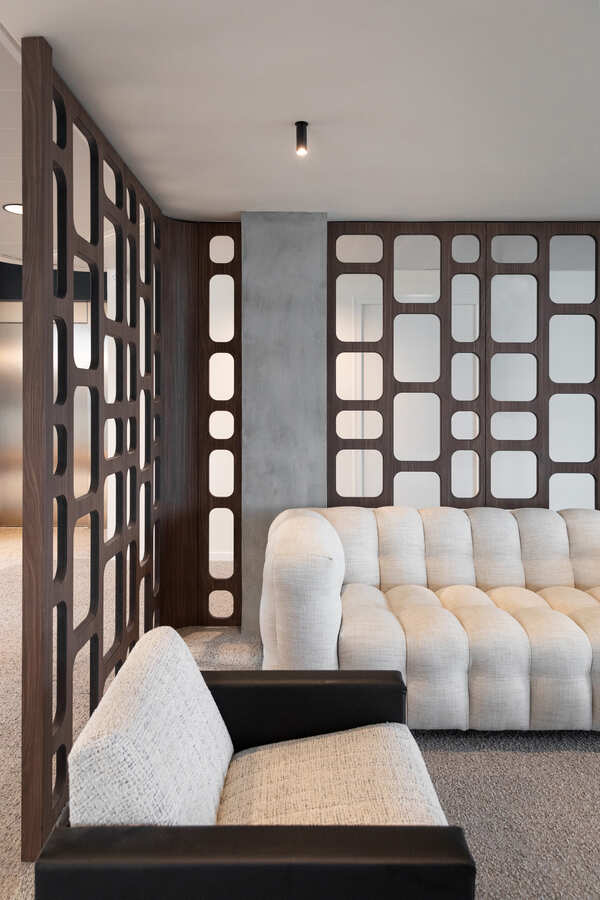
âĄď¸ Charcot Offices, Paris. Ph. BCDF Studio
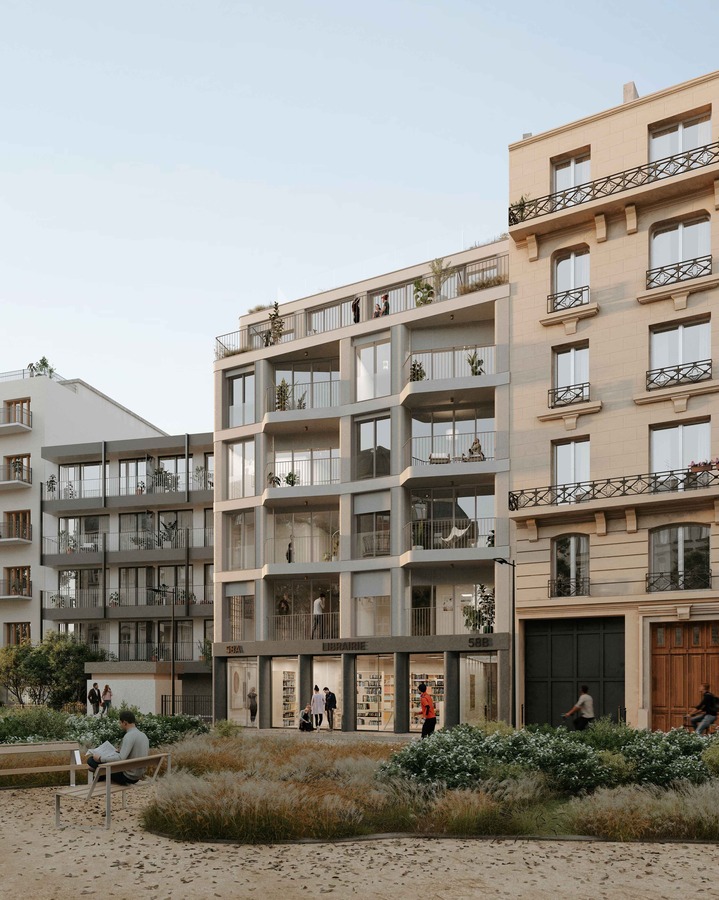
âĄď¸ Collective Housing, Asnières-sur-Seine. Img. Nicolas Bossard Architecture
âĄď¸ High-end apartment renovation, Rennes. Ph. BCDF Studio