Kapt Studio
Pushing Boundaries Across Scales
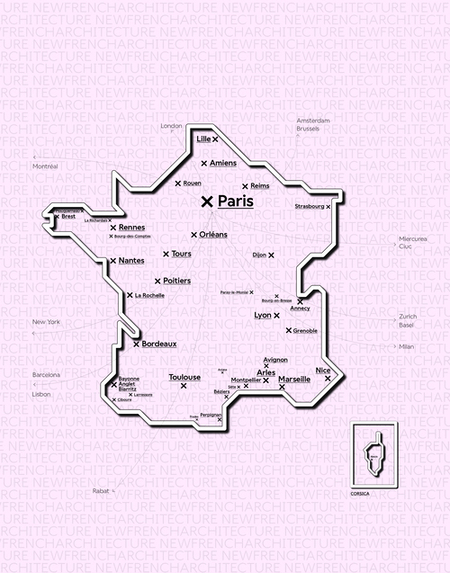
New French Architecture
An Original Idea by New Generations
Room Architecture
Between Theory, Activism, and Practice
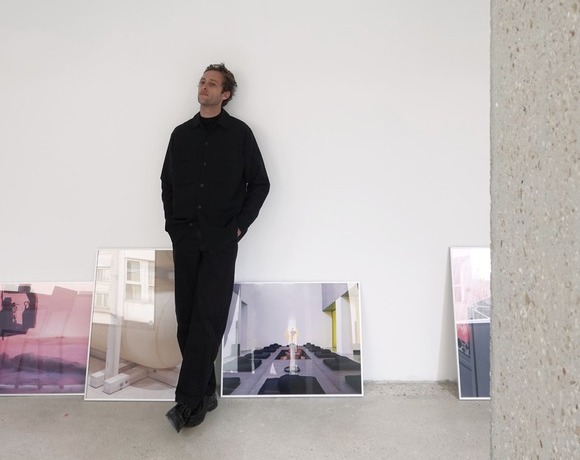
AVOIR
Structural Unknowing
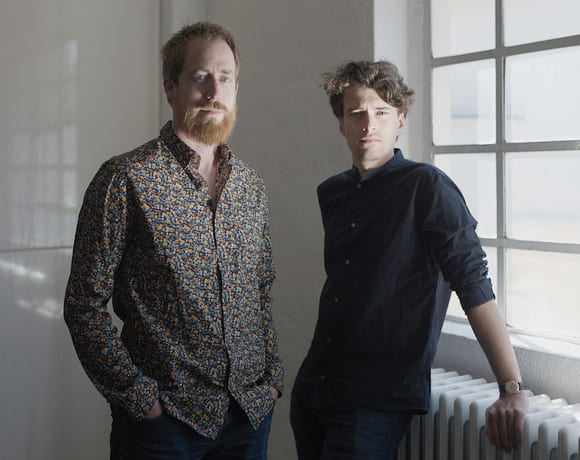
DRATLER DUTHOIT architectes
Crafting Local Language
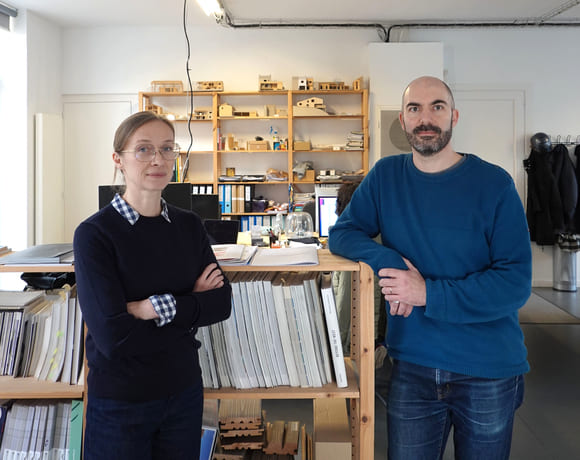
Claas Architectes
Building with the Region in Mind
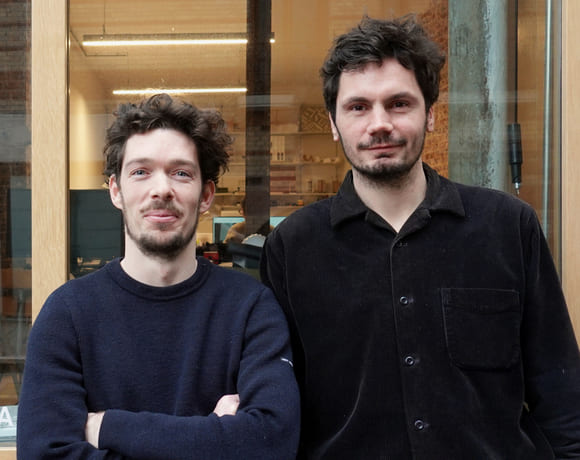
B2A - barre bouchetard architecture
Embracing Uncertainty in Architecture
AcmĂŠ Paysage
Nurturing Ecosystems
Atelier Apara
Architecture Through a Pedagogical Lens
HEMAA
Designing for Ecological Change
HYPER
Hyperlinked Scales
Between Utopia and Pragmatism
Oblò
Dialogue with the Built World
Augure Studio
Revealing, Simplifying, Adapting
Cent15 Architecture
A Process of Learning and Reinvention
Pierre-Arnaud DescĂ´tes
Composing Spaces, Revealing Landscapes
BUREAUPERRET
What Remains, What Becomes
ECHELLE OFFICE
In Between Scales
Atelier
Rooted in Context, Situated at the Centre
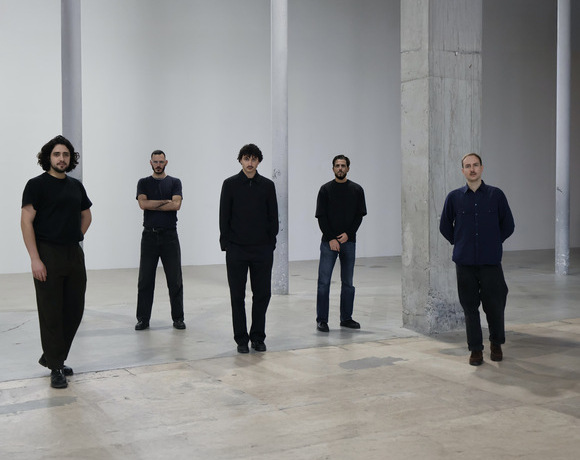
AJAM
Systemic Shifts, Local Gestures
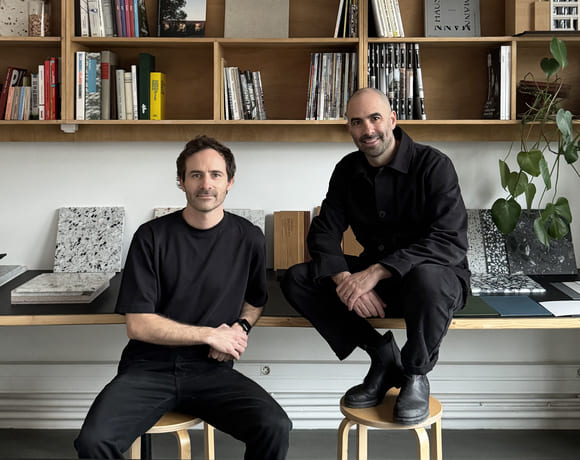
Mallet Morales
Stories in Structure
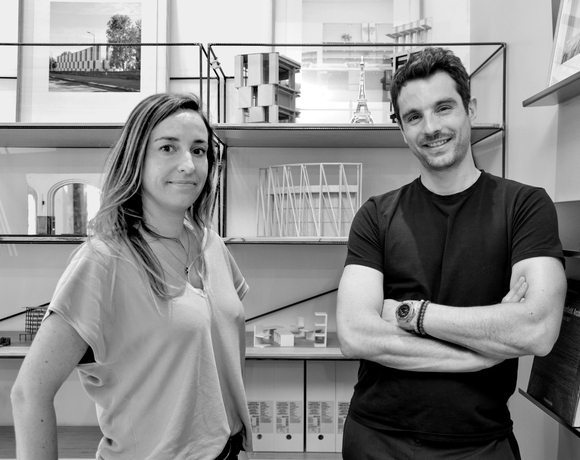
Studio SAME
Charting Change with Ambition
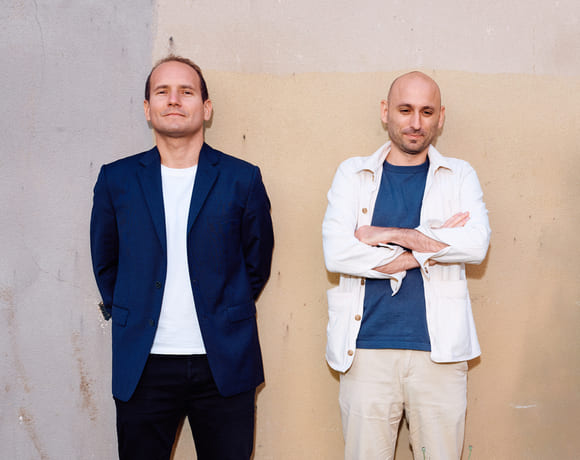
Lafayette
Envisioning the City of Tomorrow
Belval & Parquet Architectes
Living and Building Differently
127af
Redefining the Common
HEROS Architecture
From Stone to Structure
Carriere Didier Gazeau
Lessons from Heritage
a-platz
Bridging Cultures, Shaping Ideas
Rodaa
Practicing Across Contexts
Urbastudio
Interconnecting Scales, Communities, and Values
Oglo
Designing for Care
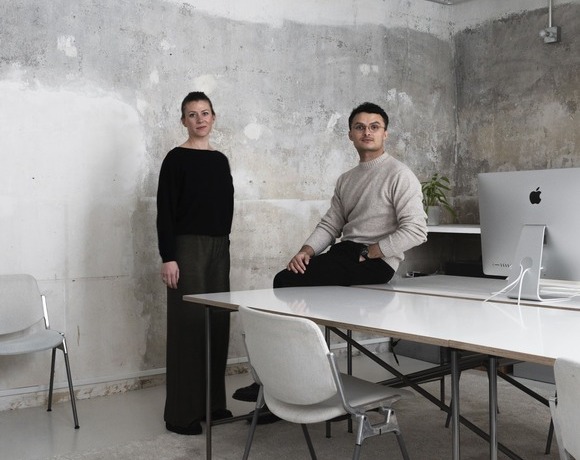
Figura
Figures of Transformation
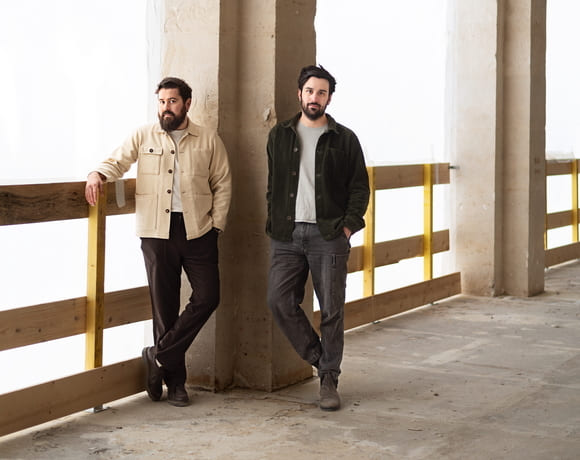
COVE Architectes
Awakening Dormant Spaces
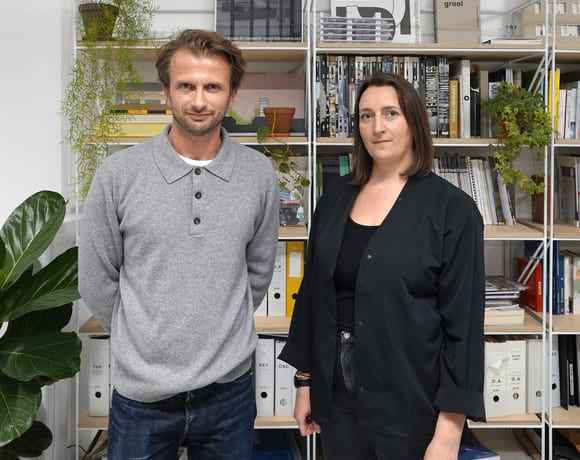
Graal
Understanding Economic Dynamics at the Core
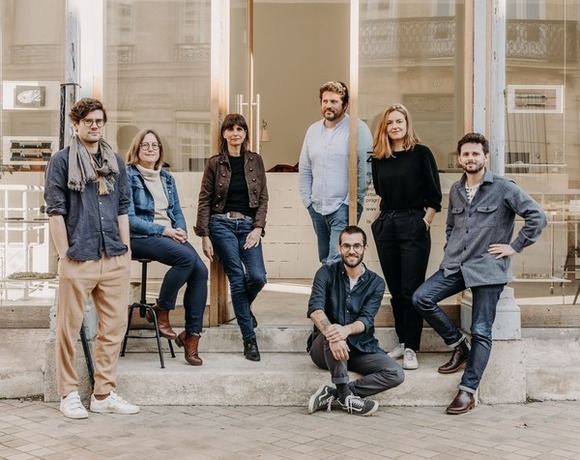
ZW/A
United Voices, Stronger Impacts
A6A
Building a Reference Practice for All
BERENICE CURT ARCHITECTURE
Crossing Design Boundaries
studio mäc
Bridging Theory and Practice
studio mäc
Bridging Theory and Practice
New Swiss Architecture
An Original Idea by New Generations
KUMMER/SCHIESS
Compete, Explore, Experiment
ALIAS
Stories Beyond the Surface
sumcrap.
Connected to Place
BUREAU/D
From Observation to Action
STUDIO ROMANO TIEDJE
Lessons in Transformation
Ruumfabrigg Architekten
From Countryside to Lasting Heritage
Kollektiv Marudo
Negotiating Built Realities
Studio Barrus
Starting byChance,Growing Through Principles
dorsa + 820
Between Fiction and Reality
S2L Landschaftsarchitektur
Public Spaces That Transform
DER
Designing Within Local Realities
Marginalia
Change from the Margins
En-Dehors
Shaping a Living and Flexible Ecosystem
lablab
A Lab for Growing Ideas
Soares Jaquier
Daring to Experiment
Sara Gelibter Architecte
Journey to Belonging
TEN (X)
A New Kind of Design Institute
DF_DC
Synergy in Practice: Evolving Together
GRILLO VASIU
Exploring Living, Embracing Cultures
Studio â Alberto Figuccio
From Competitions to Realised Visions
Mentha Walther Architekten
Carefully Constructed
Stefan Wuelser +
Optimistic Rationalism: Design Beyond the Expected
BUREAU
A Practice Built on Questions
camponovo baumgartner
Flexible Frameworks, Unique Results
MAR ATELIER
Exploring the Fringes of Architecture
bach muĚhle fuchs
Constantly Aiming To Improve the Environment
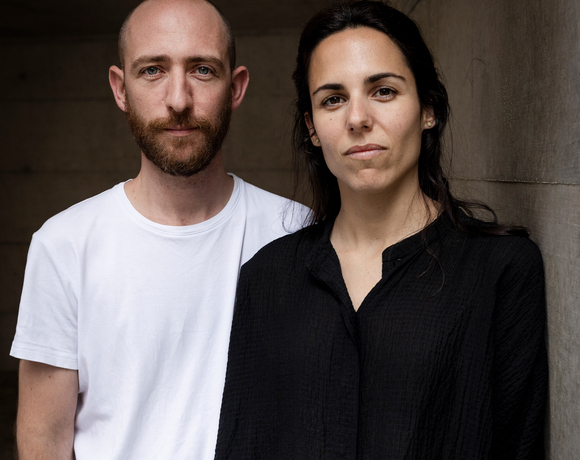
NOSU Architekten GmbH
Building an Office from Competitions
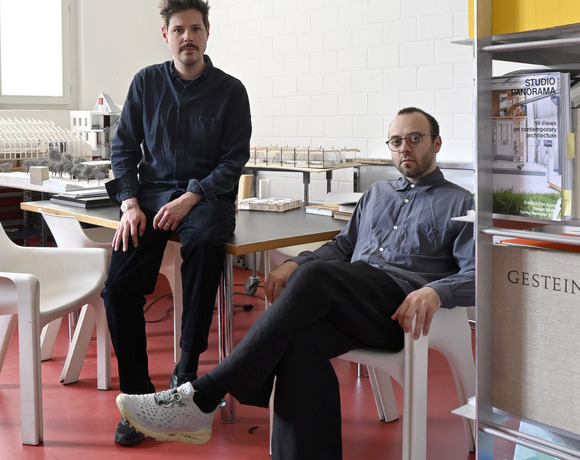
BALISSAT KAĂANI
Challenging Typologies, Embracing Realities
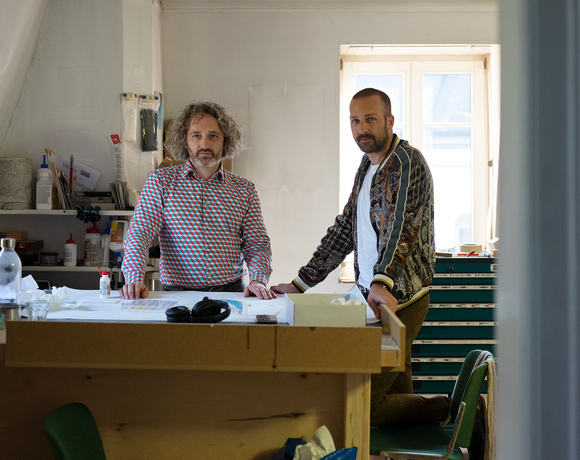
Piertzovanis Toews
Crafted by Conception, Tailored to Measure
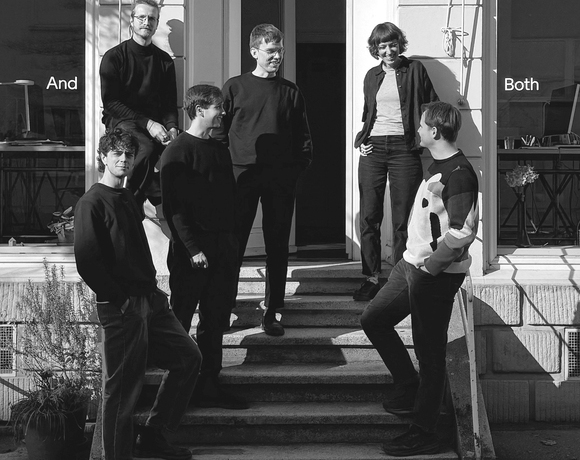
BothAnd
Fostering Collaboration and Openness
Atelier ORA
Building with Passion and Purpose
Atelier Hobiger Feichtner
Building with Sustainability in Mind
CAMPOPIANO.architetti
Architecture That Stays True to Itself
STUDIO PEZ
The Power of Evolving Ideas
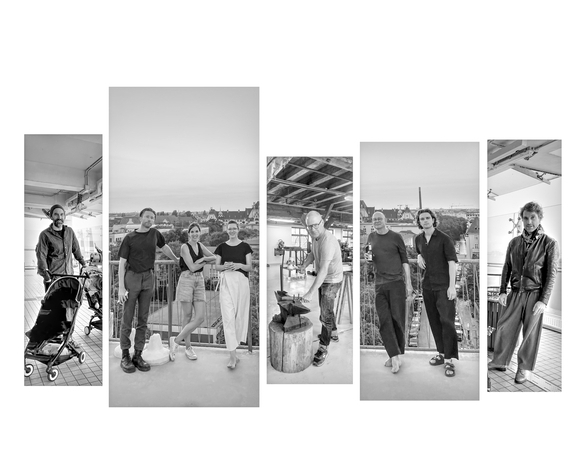
Architecture Land Initiative
Architecture Across Scales
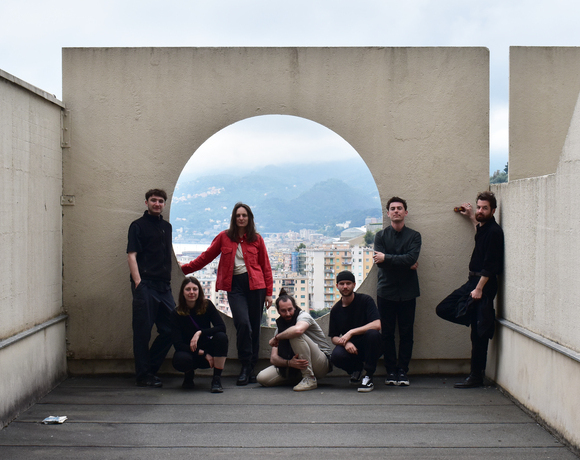
ellipsearchitecture
Humble Leanings, Cyclical Processes
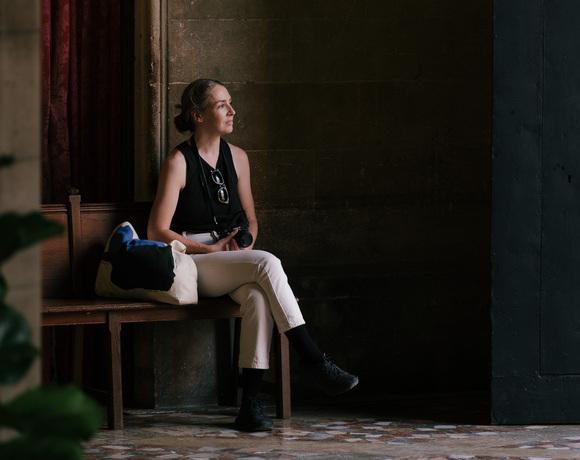
Sophie Hamer Architect
Balancing History and Innovation
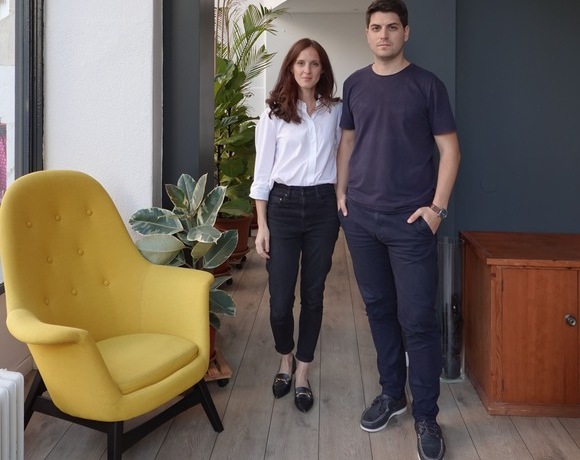
ArgemĂ Bufano Architectes
Competitions as a Catalyst for Innovation
continentale
A Polychrome Revival
valsangiacomoboschetti
Building With What Remains
Oliver Christen Architekten
Framework for an Evolving Practice
MMXVI
Synergy in Practice
Balancing Roles and Ideas
studio 812
A Reflective Approach to
Fast-Growing Opportunities
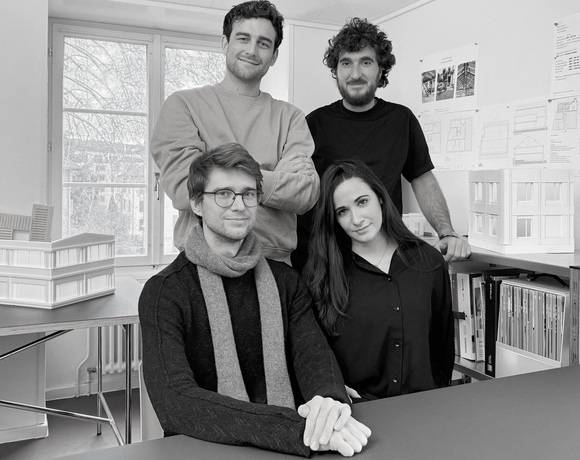
STUDIO4
The Journey of STUDIO4
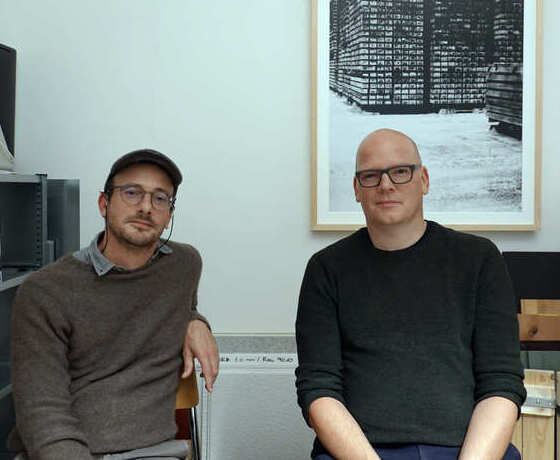
Holzhausen Zweifel Architekten
Shaping the Everyday
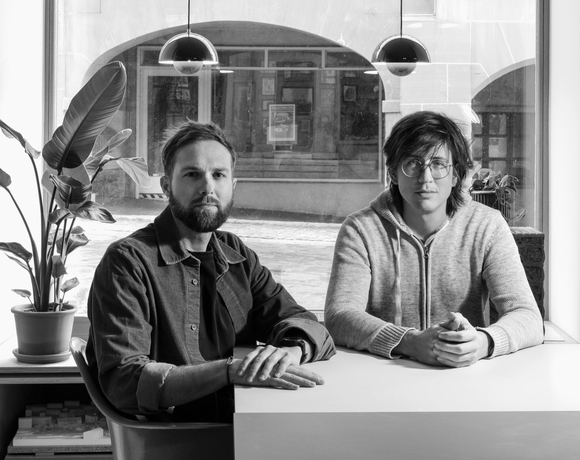
berset bruggisser
Architecture Rooted in Place
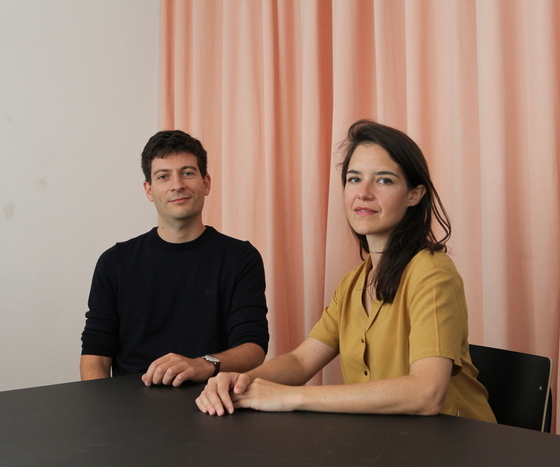
JBA - Joud Beaudoin Architectes
New Frontiers in Materiality
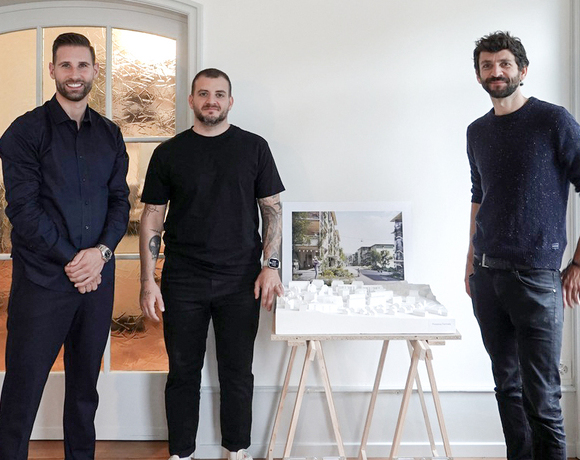
vizo Architekten
From Questions to Vision
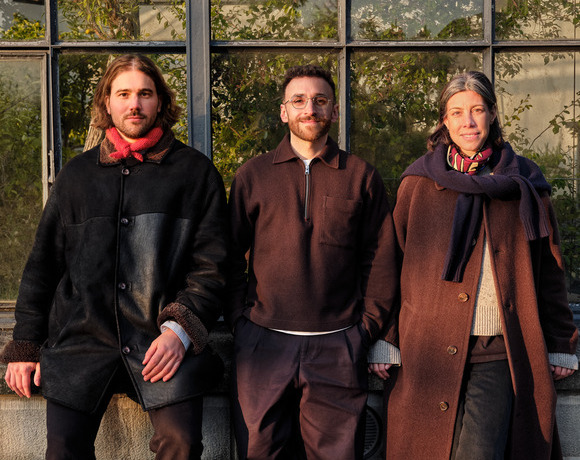
Atelier NU
Prototypes of Practice
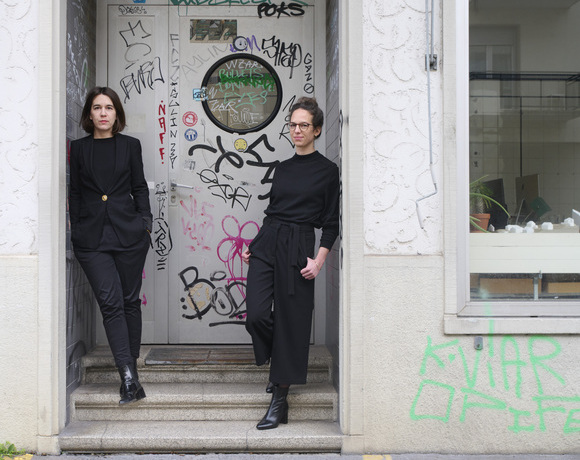
Atelier Tau
Architecture as a Form of Questioning
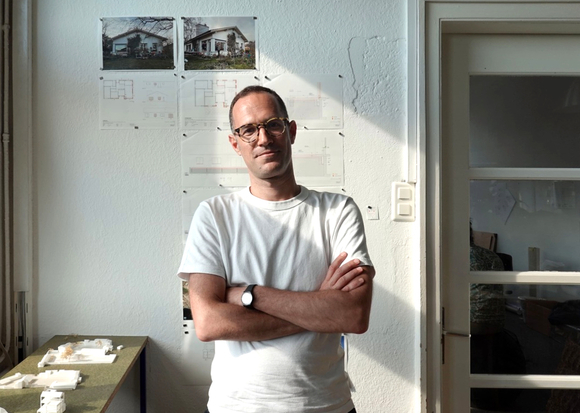
alexandro fotakis architecture
Embracing Context and Continuity
Atelier Anachron
Engaging with Complexity
SAJN - STUDIO FĂR ARCHITEKTUR
Transforming Rural Switzerland
guy barreto architects
Designing for Others, Answers Over Uniqueness
Concrete and the Woods
Building on Planet Earth
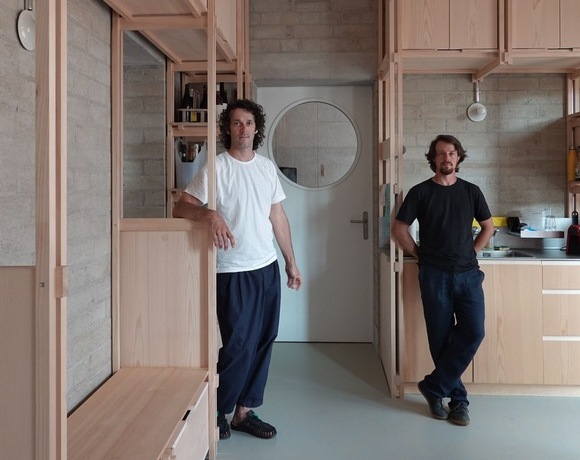
bureaumilieux
What is innovation?
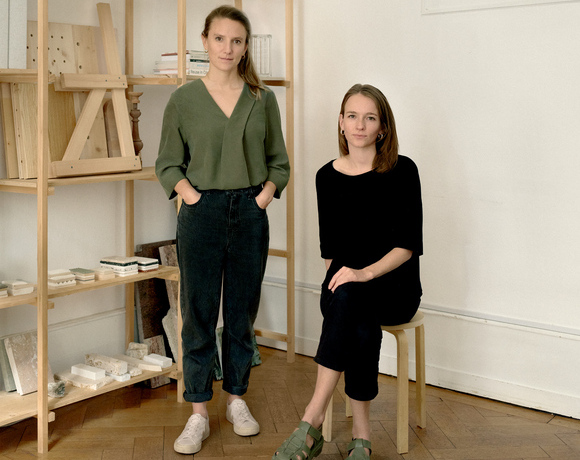
apropaĚ
A Sustainable and Frugal Practice
Massimo Frasson Architetto
Finding Clarity in Complex Projects
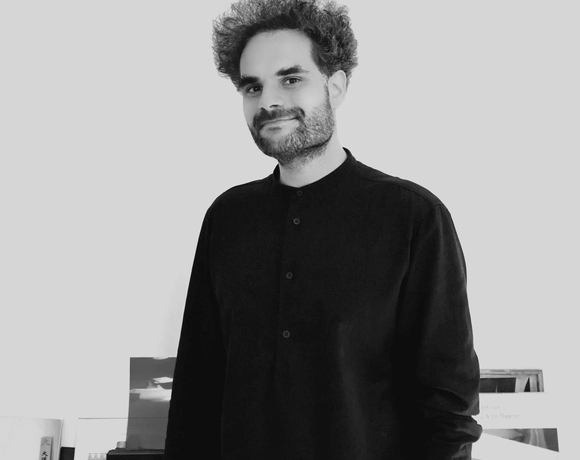
Studio David Klemmer
Binary Operations
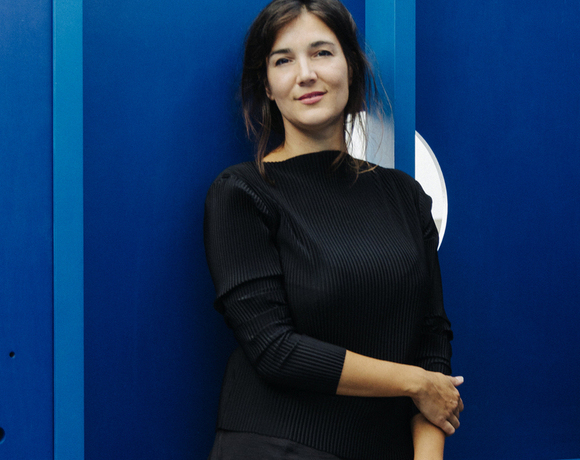
Caterina Viguera Studio
Immersing in New Forms of Architecture
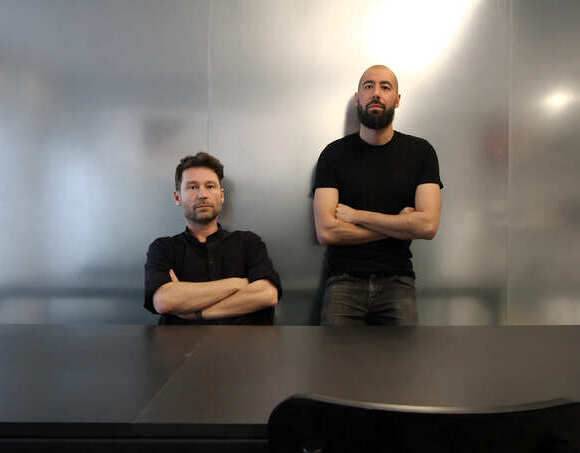
r2a architectes
Local Insights, Fresh Perspectives
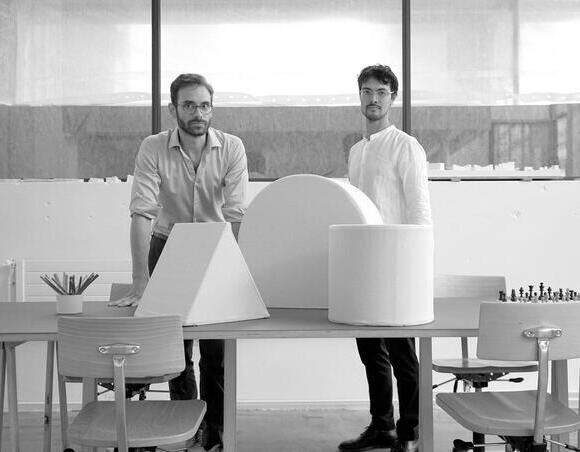
HertelTan
Timeless Perspectives in Architecture
That Belongs
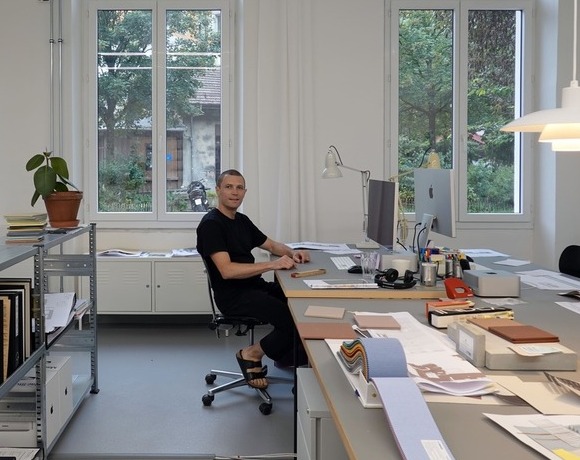
Nicolas de Courten
A Pragmatic Vision for Change
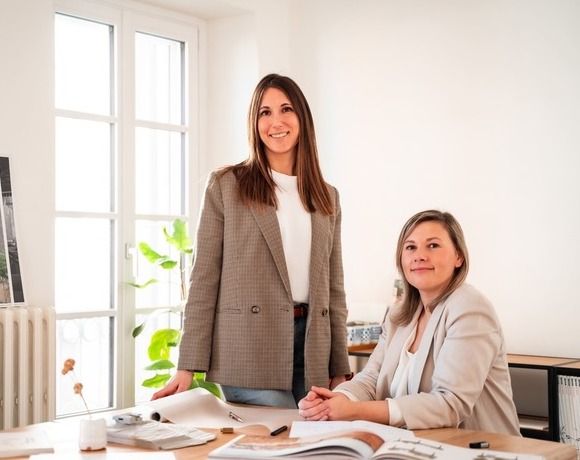
Atelier OLOS
Balance Between Nature and Built Environment
Associati
âCheap but intenseâ: The Associati Way
emixi architectes
Reconnecting Architecture with Craft
baraki architects&engineers
From Leftovers to Opportunities
DARE Architects
Material Matters: from Earth to Innovation
KOMPIS ARCHITECTES
Building from the Ground Up
Fill this form to have the opportunity to join the New Generations platform: submissions will be reviewed on a daily-basis, and the most innovative practices will have the chance to be part of the media's coverage and participate in our cultural agenda, including events, research projects, workshops, exhibitions and publications.
New Generations is a European platform that investigates the changes in the architectural profession ever since the economic crisis of 2008. We analyse the most innovative emerging practices at the European level, providing a new space for the exchange of knowledge and confrontation, theory, and production.
Since 2013, we have involved more than 3.000 practices from more than 50 countries in our cultural agenda, such as festivals, exhibitions, open calls, video-interviews, workshops, and experimental formats. We aim to offer a unique space where emerging architects could meet, exchange ideas, get inspired, and collaborate.
An original idea of New Generations
Team & collaborators: Gianpiero Venturini, Marta HervĂĄs Oroza, Elisa Montani, Giuliana Capitelli, Kimberly Kruge, Canyang Cheng
If you have any questions, need further information, if you'd like to share with us a job offer, or just want to say hello please, don't hesitate to contact us by filling up this form. If you are interested in becoming part of the New Generations network, please fill in the specific survey at the 'join the platform' section.
Pushing Boundaries Across Scales
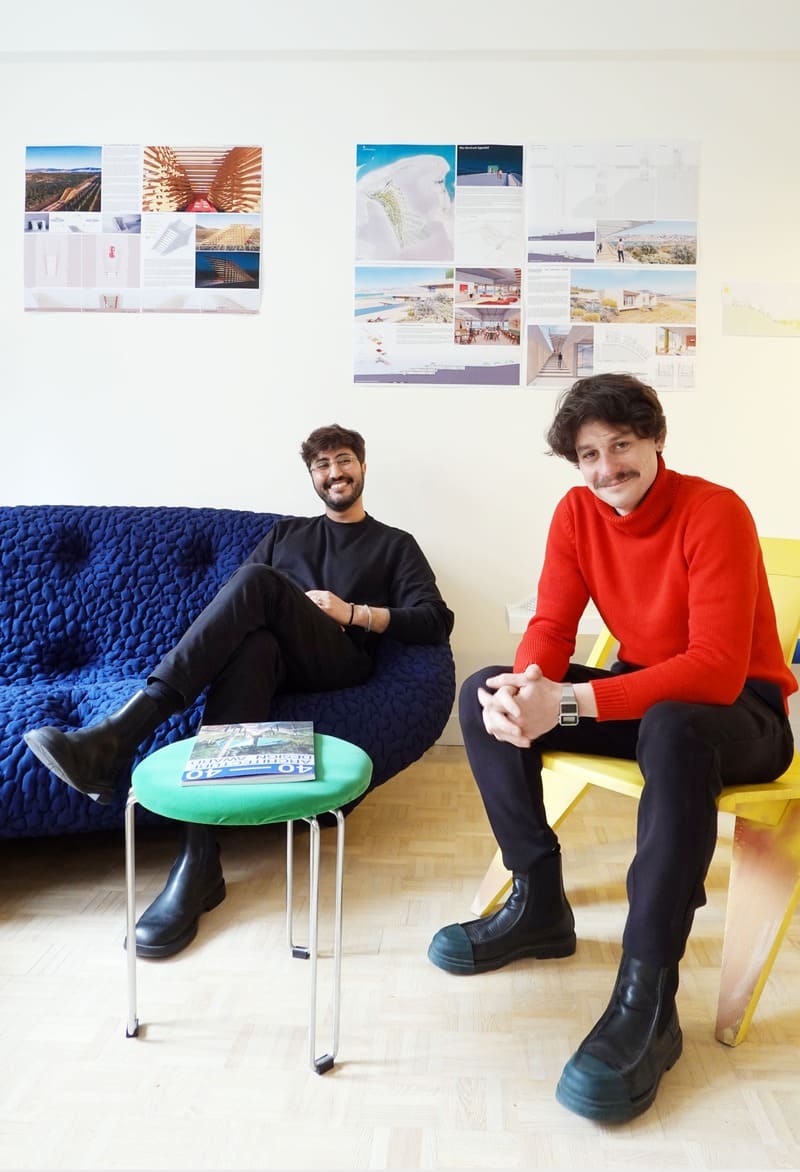
Rooted between Paris and Rabat, KAPT Studio operates where craft meets climate and narrative, treating architecture as an instrument of transformation, each project unfolding as a quiet manifesto. Anas Koubaiti and ThĂŠo Pagnon, each shaped by a decade of experience in leading practices, before founding KAPT Studio. With the dual lens of architects and engineers, they claim a pragmatic yet questioning stance, committed to an inhabited ecology, to thoughtful reuse, and to designs anchored in territorial coherence. Their work spans every scale: user-centred design, adaptive transformation of existing buildings, climate-responsive architecture, and custom-made furniture. Each project engages in a finely tuned dialogue with use, ground, and local supply chains. KAPT is also a travelling research studio: teaching, scenography, installations, and competitions punctuate their practice, each one a laboratory for experimentation.
AK: Anas Koubaiti | TP: ThĂŠo Pagnon
Practising on the edge
TP: We've noticed a vibrant architectural scene emerging in Parisâand likely across France. A growing number of young practices are taking shape, and we see two main reasons behind this. France has a tradition of small practices compared to the rest of Europe. For example, I worked in the UK for a long time, and in England, they tend to have larger practices that handle big projects. In France, itâs more diffuseâsmall offices have a voice, especially with public bodies. Thatâs one of the reasons France is a good place to start your own practice: You can actually be heard. In our case, after we received the 40 Under 40 award, the City of Paris reached out to meet us. So there's definitely a tendency or a desire to give visibility to younger or smaller practices.
I also think itâs a generational thing. Our generation wants to express itself, and architecture is one way to do that across different fields. Like us, emerging firms are exploring, innovating, and proposing solutions by working on different scales, from furniture to urban planning, even fashion. That diversity of interest draws people to architecture, and thatâs one reason why the scene is so lively, not just in Paris, but in France overall. Itâs a stimulating environment, though very competitive.
AK: Thereâs also a renewed connection with rural regions. Thatâs been the case for us tooâeven though weâre based in Paris, weâve had projects in more remote places, like the CĂŠvennes or the outskirts of Toulouse. One interesting figure: I believe there are around 30,000 licensed architects in France (which means one licensed architect for 44 people in Franceâalmost half the European Union average), and 10,000 of them are concentrated in the Ăle-de-France region. So there's a clear imbalance. Some regions lack architects entirely. Corsica, for example, has faced a shortage for decades. So now, young practices are considering moving to those underserved areas, exploring opportunities where thereâs a real need for architecture.
TP: Rural or peripheral areas are one of the main focus for new practices. Weâve had projects there thanks to local connections. Then we worked on-site and made regular visits. Itâs interesting because you can explore different ways of buildingâlocal methods and materialsâwhich you can then adapt or bring back to other contexts, like Paris. That cross-learning is really valuable. I feel like our practice has one foot in Paris and one foot in the regional landscape. Thereâs a new appreciation for local know-how and regional architecture.
Seeds in the jungle
AK: We began studying architecture at the same time. Both of us trained as architects and engineers, attending two different schools simultaneouslyâone for architecture, one for engineering. So weâve known each other since we were just discovering what architecture really means. Thatâs where our story began. After that, we each followed our own pathsâErasmus, internships, work experiencesâbut we always stayed in touch.
TP: Even though we took different routes after graduation, we remained connected and eventually decided to team up. It really started during a trip to Morocco in 2020âjust before the pandemic. We both reached a point in our careers where we wanted to start something new. I had spent 11 years at Rogersâsix in London, then helped open the Paris office in 2020 with a colleague, right before COVID hit.
AK: Around that time, I had worked for a few large Parisian firms. Then I took a break to study urban governance at SciencesPo in Paris. While Theo was coming back to Paris to open Rogersâ office, it was a good moment for us to reconnect and reflect on how we saw architecture.
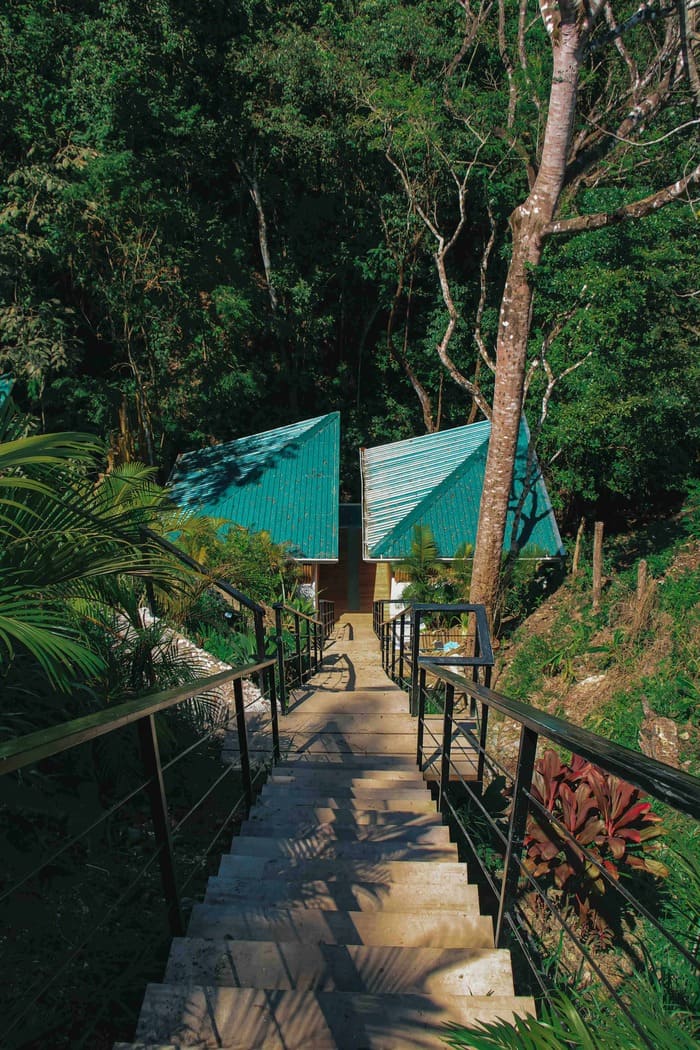
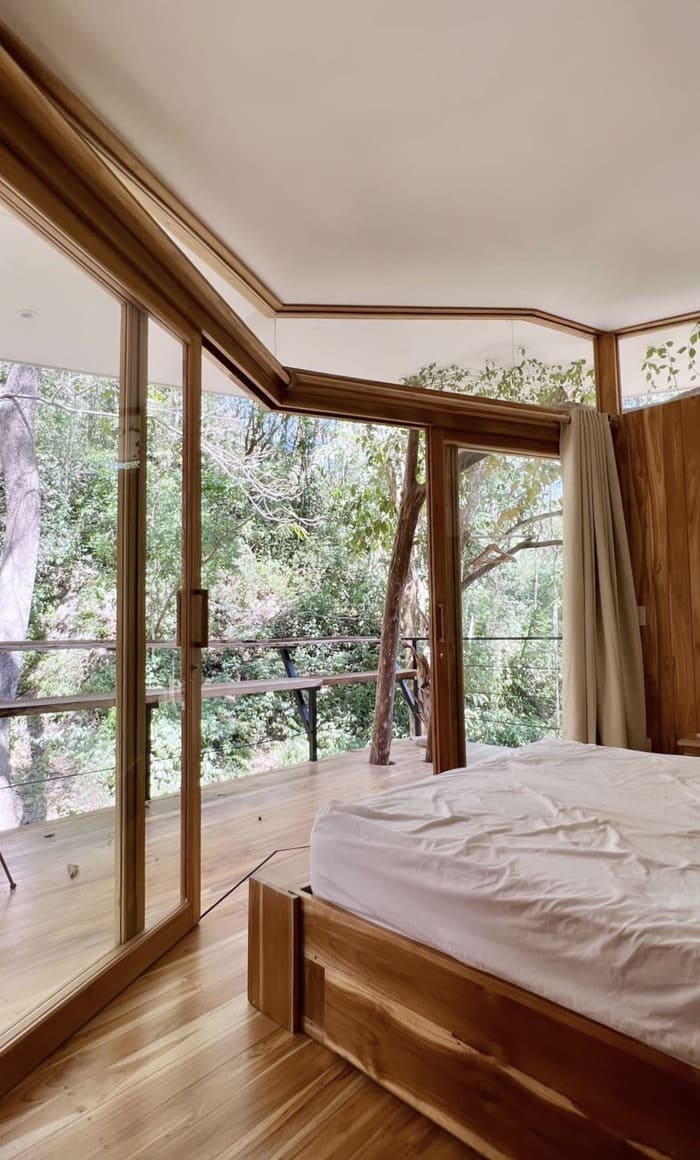
TP: Then came an eco-lodge project in Costa Rica, brought to us by a friend. We thought, why not give it a try? It was an amazing site, on a jungle slope. The program was strong, the context was interesting, so we said yes.
AK: It actually started during the pandemic, so we couldnât be on-site. Travel restrictions made it impossible. We had to fully rely on digital tools, which wasnât our initial plan. We considered backing out, but decided instead to make the best of it. It was complicatedâour local partners werenât very engaged, and there was a cultural gap around the architectural design.
TP: That challenge really shaped our collaboration. We had to focus on what truly mattered in the project. We couldnât control everything, so we had to decide what was essential to preserve: The overall big picture, but also some construction and assembly details. That approach of being efficient and intentional became part of our working method.
AK: That experience forced us to adapt our design process. How can we build there? How can we communicate our ideas effectively? The site was a 20-metre slope, surrounded by jungle, but with a clearing where no trees had to be cutârespecting Costa Ricaâs environmental laws. We also had to consider water flow and topography. So most of the dialogue was with a technical team. It was a rich experience, designing remotely with people on the ground.
TP: Itâs a funny story now, but it really was the beginning of our collaboration. For me, after 11 years at a big office, working on large-scale projects, it felt like a natural shift. Eventually, I realised I wanted more control over my own production. It was sometimes frustrating, in a large office, to be responsible without having the final say on what was designed or created.
AK: Back then, I already had the same desire to work independently. I didnât want to go back into a big firm with its established ways of doing things. I wanted more freedom to explore. So in 2020, we were both readyâat the same point, sharing the same mindsetâto step out of the big studio model and do things differently.
Practice in motion
AK: Our backgrounds arenât strictly architecturalâand that influences how we approach our work. Itâs not just that we experimentâwe like to experiment. I think it also comes from our curiosity, from not wanting to see architecture as a closed field. Weâve never done fashion design, for example, but I have worked for a decade closely with the art and fashion press, so I have strong ties to that world. Theo, on his side, isnât just an architect and engineerâheâs also a comedian and does theatre. So for us, architecture isnât something that boxes us in. We believe in creating bonds. Weâre a young practice, but more than that, we want to keep experimenting, stay open, and merge with other fields.
Weâre working across multiple scales. The smallest is furnitureâweâve just started a line and are in early talks with furniture editors. Then thereâs the installation scale. One of our latest proposals was for ConcĂŠntrico, an architecture festival in LogroĂąo. We explored using construction materialsâlike concrete casting beamsânot as temporary tools but as the structure itself, embracing their ephemeral nature. Though our proposal wasnât selected, it was a concept we were eager to test.
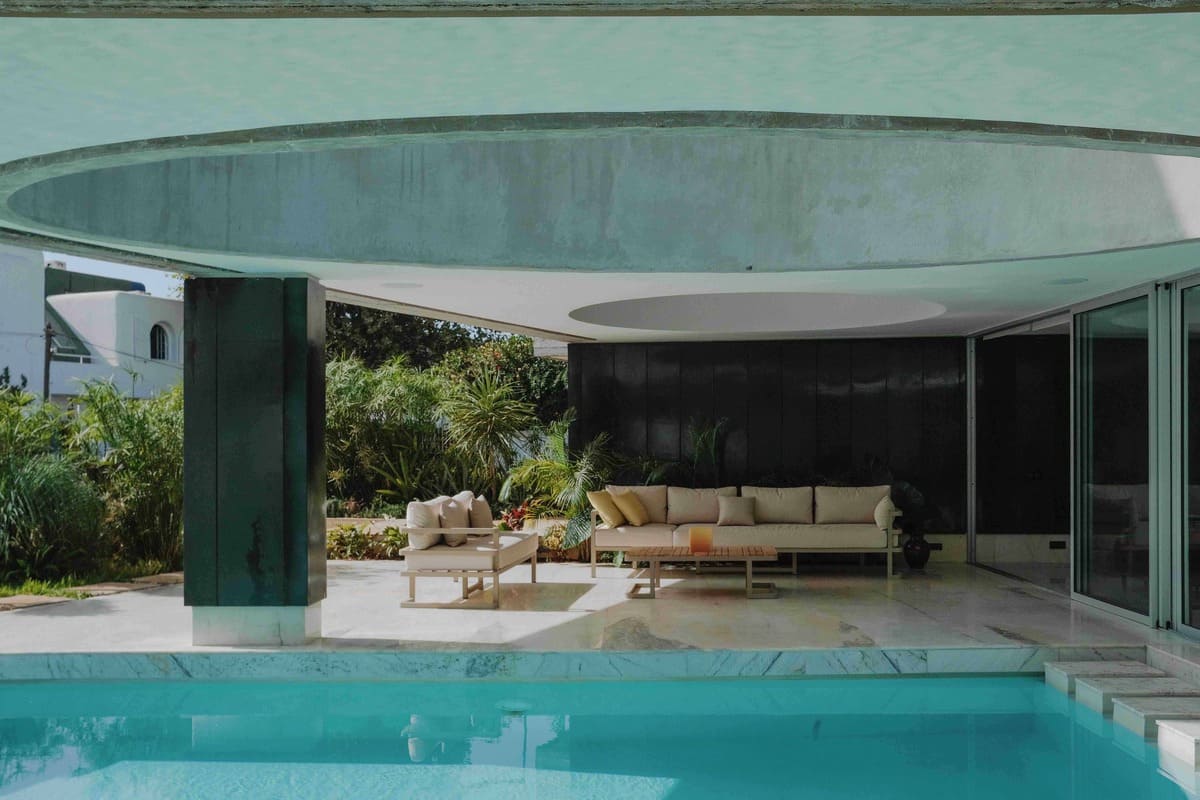
On a slightly larger scale, we also worked on a project called Ecolodge, which is composed of small unitsâtiny housesâclustered to form a larger system. Itâs an in-between scale: individual objects forming a collective. Then there's housing. One recent project is a new house in Rabat, on a difficult empty plot in a mid-20th-century neighbourhood. Given the seismic regulations, a concrete frame was unavoidable, but we wanted to offer something differentâstill grounded in the Moroccan context. So we revisited traditional elements like riads and atriums with a contemporary, bioclimatic approach to ensure comfortable temperatures throughout the year.
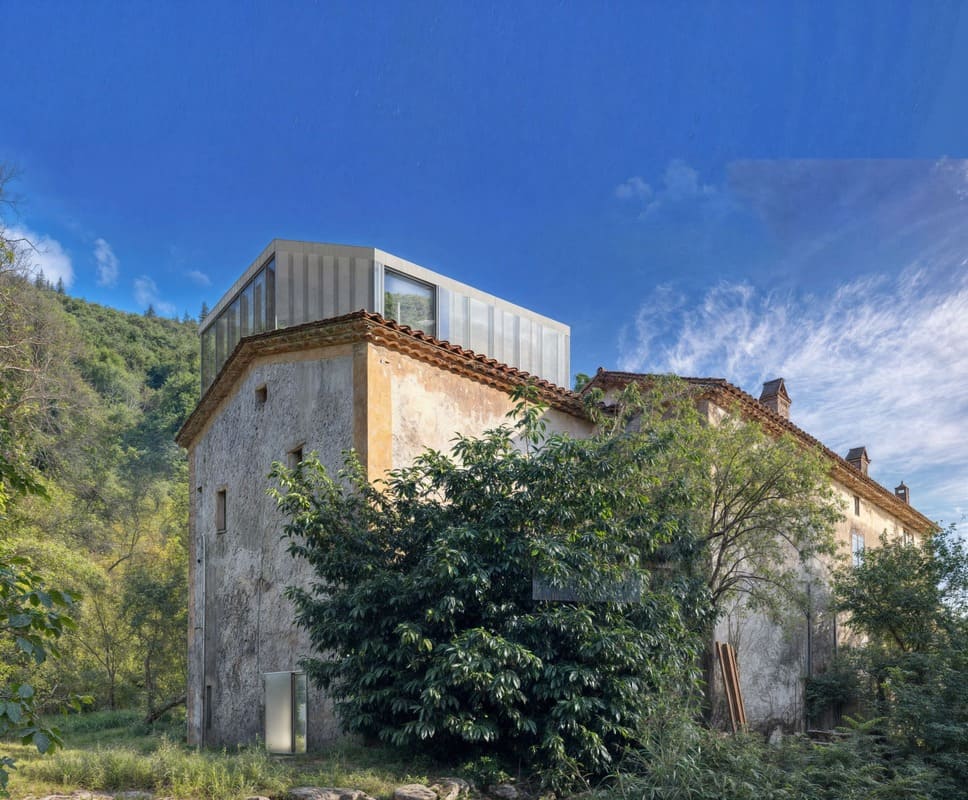
We also value working with existing structures, especially in France. One rural project involved converting an 18th-century water mill and a tall stone buildingâoriginally used to breed silkwormsâinto artist residences. The silkworm tower had this fascinating natural ventilation system, and we wanted to respect and preserve it, seeing human comfort as parallel to the needs of silkworms. We added a lightweight, cocoon-like structure that could be removed if the building ever becomes officially listed. At the urban scale, thereâs another example: a house near Toulouseâan eclectic blend of 19th-century stone and brick, a 1960s addition, and a 1990s veranda. We had to unify three distinct periods within a protected perimeter and add a new extension.
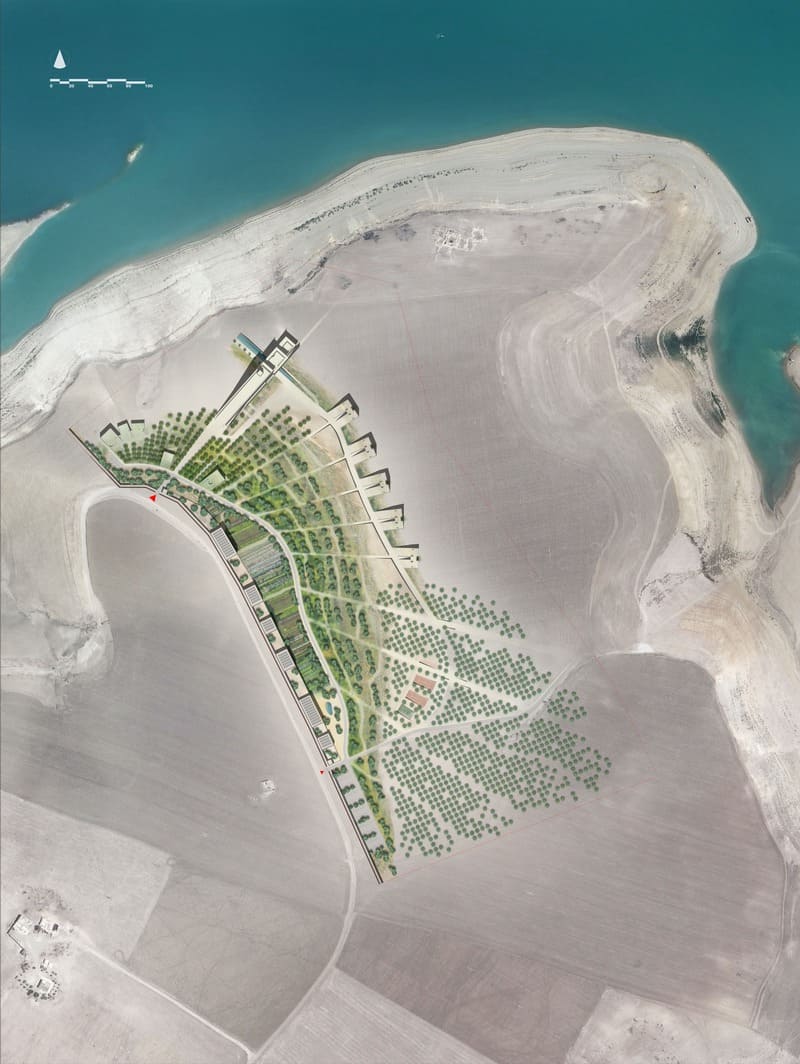
TP: Thereâs also the bigger scaleâlike a competition in Morocco we entered in 2025 for a resort. We didnât win but got an honourable mention, placing in the top ten. It was a beautiful site in northern Morocco, by a lake, with a sloping terrain. This range of scales and contexts reflects our commitment to exploring architectureâs diverse possibilities and responding thoughtfully to each projectâs unique challenges.
Balanced systems
AK: One of the core ideas in our practice is hybridisation. Weâre curious, we travel a lot, weâve experienced different backgrounds, and we like testing things from one context in another.
TP: What we truly enjoyâand often discussâis that initial phase of a project. The beginning is a moment of expansive brainstorming, and the more original, the better. That process triggers so many ideas for us. And also, because of our engineering background, weâre very drawn to systems and structures. Even at small scales, such as building a structure using just one type of beam, the way you arrange and connect those beams creates a cohesive system. In our Toulouse project, for example, we applied the same ideaâhow do you reconcile four distinct constructions into a logical system in a (re)unified whole. Similarly, in our Morocco project, our approach to structure was very deliberate, recognising that often the structure itself defines the form. We think of structure and envelope as two systems that inform each other. That relationship defines the formârather than just a purely plastic or formal approach.
AK: I don't think we could ever develop a signature style, like always using the same material, because we donât deal with the same context every time. We donât build in Toulouse the way we build in Rabat, or in Costa Rica. In the French architecture scene, thereâs a new generation reconnecting with local know-howâand we really appreciate that. We explore that too. But at the same time, there's this big focus on sustainability, which is essentialâit's a given, a starting point. We donât question if sustainability matters. But we do question how it risks leading to a kind of standardised architecture. Should a sustainable wooden building in Bordeaux be the same as one in Paris? Thatâs something weâre wary of.
We also try to be pragmatic. For example, in the Rabat family house: with or without us, the house would have been built. The seismic regulations mandated a concrete frame. So, do we step away? No. The question became, âOkay, given this constraint, how can we improve the result?â If itâs going to be concrete, letâs assume it. Letâs be honest and keep it visible. Then letâs focus on comfortâon reducing the need for air conditioning or heating by applying bioclimatic principles. For us, this means embracing a design approach thatâs deeply rooted in contextâwhere form, structure, and sustainability come together naturally, rather than following rigid formulas.
Evolving work culture
TP: One other key part of our practice is teaching. We both teach construction coursesâitâs technical, but we really enjoy it. Weâve been doing it since 2020, and itâs important to us to engage with students. It triggers new questions and forces us to reflect on our own practice. And itâs also refreshing. I donât feel old at all, but when I talk with these very young students, their way of thinking is completely differentâand itâs enriching. I spent time in big offices working crazy hours, doing all-nighters, sometimes even unpaid. That was just how things were. But this new generationâthey wonât accept that. Theyâll say, âSorry, I have other things to do.â And I think thatâs a good thing. They want to carve their own paths, learn what they can, and then go do their own thing.
AK: Itâs a win-win. And itâs healthier. We both agree that the way things used to workâlong hours, poor communicationâwasnât healthy. Hopefully, that era is fading, and something better is emerging.
TP: Thatâs something weâve been thinking about a lotâhow do you value your time in architecture? Itâs a really hard question. People often think, âWell, itâs just ideas, so it doesnât cost anything.â Itâs a constant battle to defend your fees, to defend this intellectual output and experience as a real value.
AK: Especially with private clients, who may not understand how even a small change can mean a big challenge. But being transparent helps. Whether a project is successful or not, you should be clear about the process, the decisions, and the value behind them.
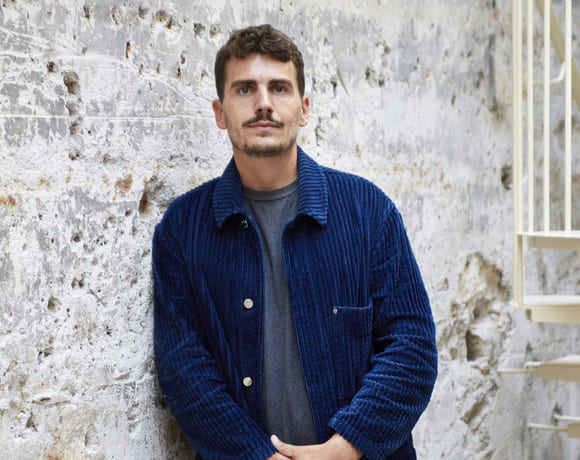
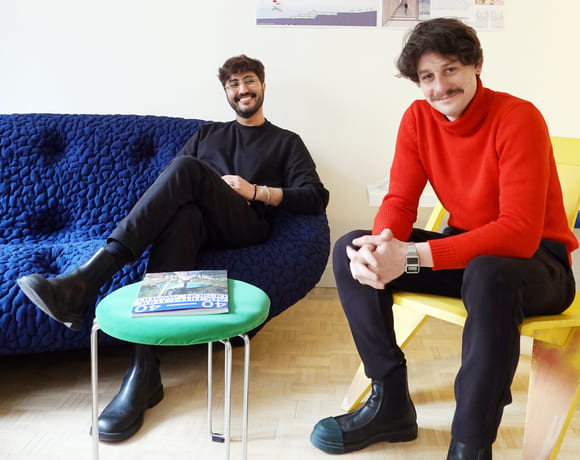
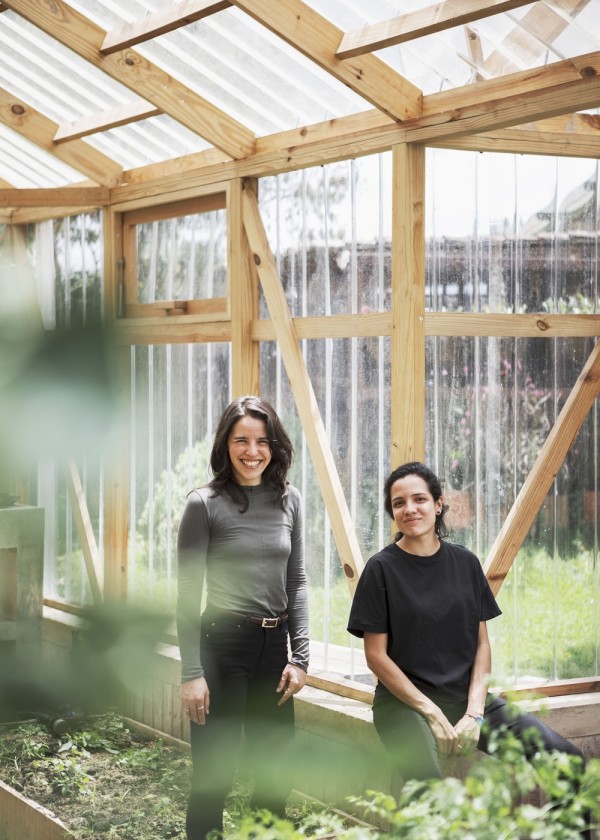
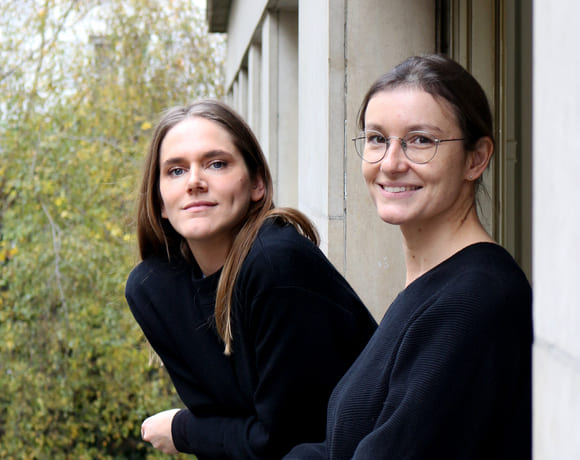
âĄď¸ KAPT Studio. Anas Koubaiti, ThĂŠo Pagnon. Ph. Gianpiero Venturini
âĄď¸ The Aguedal. Ecolodge and syntropic farm, Taza. Img. KAPT Studio
âĄď¸ Santa Teresa Ecolodge, Costa Rica. Ph. ECOCOON
âĄď¸ The New Magnanery. Rehabilitation and extension, Aulas. Img. KAPT Studio
âĄď¸ The Bioclimatic Ribat. Family House, Rabat. Ph. Amine Houari