HYPER
Hyperlinked Scales
Between Utopia and Pragmatism
New French Architecture
An Original Idea by New Generations
Oblò
Dialogue with the Built World
Augure Studio
Revealing, Simplifying, Adapting
Cent15 Architecture
A Process of Learning and Reinvention
Pierre-Arnaud DescĂ´tes
Composing Spaces, Revealing Landscapes
BUREAUPERRET
What Remains, What Becomes
ECHELLE OFFICE
In Between Scales
Atelier
Rooted in Context, Situated at the Centre
AJAM
Systemic Shifts, Local Gestures
Mallet Morales
Stories in Structure
Studio SAME
Charting Change with Ambition
Lafayette
Envisioning the City of Tomorrow
Belval & Parquet Architectes
Living and Building Differently
127af
Redefining the Common
HEROS Architecture
From Stone to Structure
Carriere Didier Gazeau
Lessons from Heritage
a-platz
Bridging Cultures, Shaping Ideas
Rodaa
Practicing Across Contexts
Urbastudio
Interconnecting Scales, Communities, and Values
Oglo
Designing for Care
Figura
Figures of Transformation
COVE Architectes
Awakening Dormant Spaces
Graal
Understanding Economic Dynamics at the Core
ZW/A
United Voices, Stronger Impacts
A6A
Building a Reference Practice for All
BERENICE CURT ARCHITECTURE
Crossing Design Boundaries
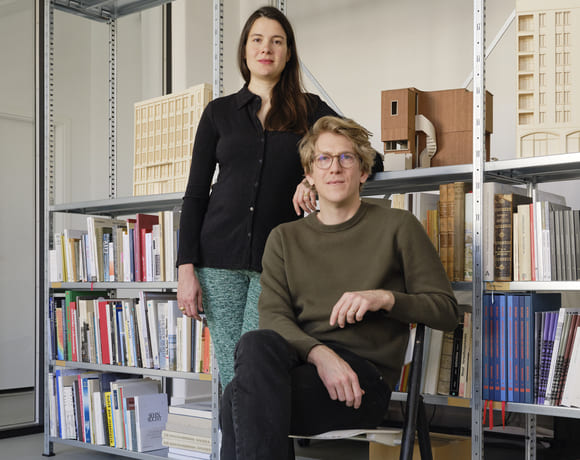
studio mäc
Bridging Theory and Practice
studio mäc
Bridging Theory and Practice
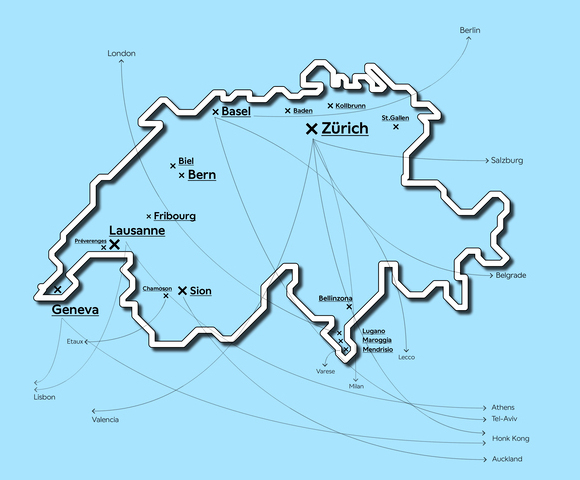
New Swiss Architecture
An Original Idea by New Generations
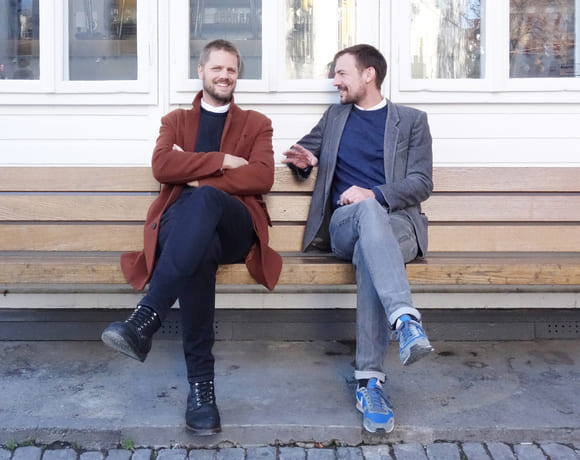
KUMMER/SCHIESS
Compete, Explore, Experiment
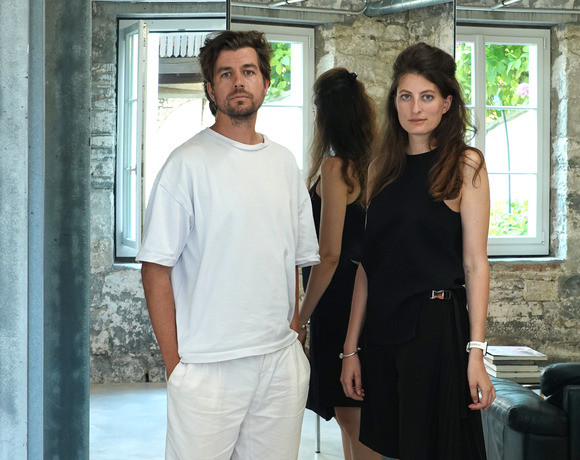
ALIAS
Stories Beyond the Surface
sumcrap.
Connected to Place
BUREAU/D
From Observation to Action
STUDIO ROMANO TIEDJE
Lessons in Transformation
Ruumfabrigg Architekten
From Countryside to Lasting Heritage
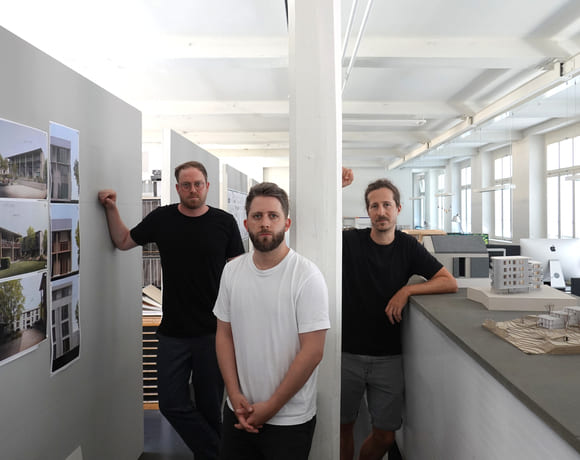
Kollektiv Marudo
Negotiating Built Realities
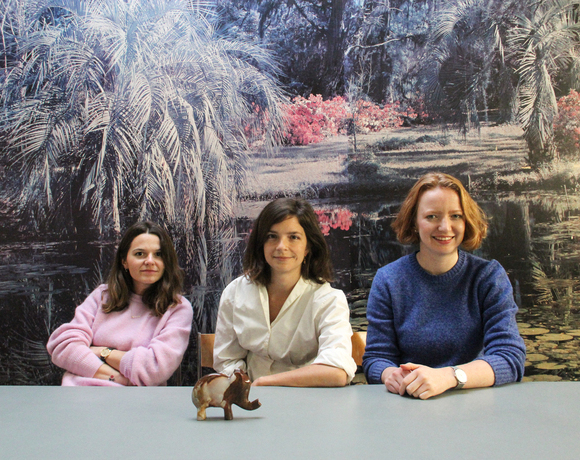
Studio Barrus
Starting byChance,Growing Through Principles
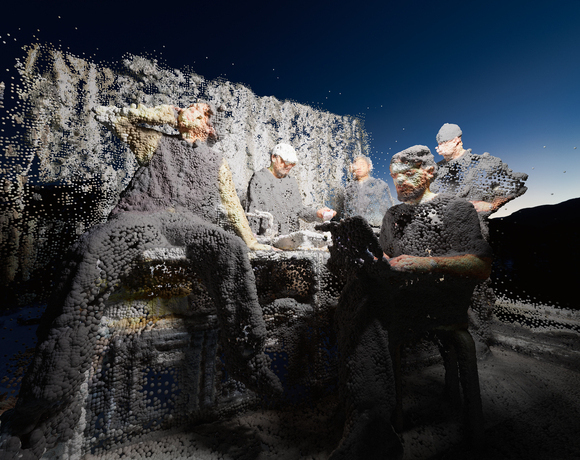
dorsa + 820
Between Fiction and Reality
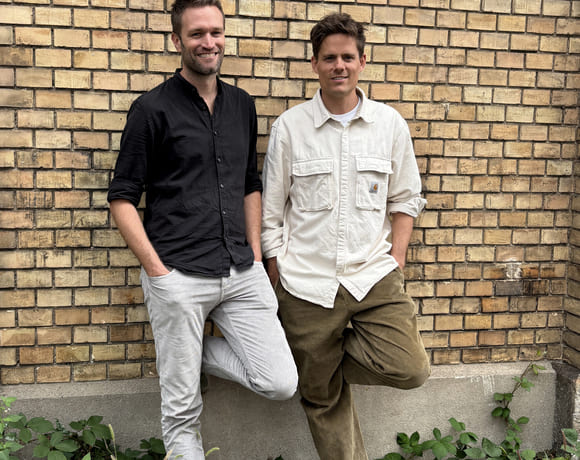
S2L Landschaftsarchitektur
Public Spaces That Transform
DER
Designing Within Local Realities
Marginalia
Change from the Margins
En-Dehors
Shaping a Living and Flexible Ecosystem
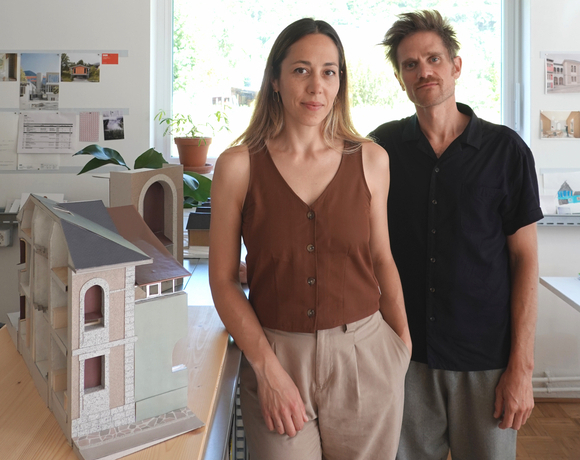
lablab
A Lab for Growing Ideas
Soares Jaquier
Daring to Experiment
Sara Gelibter Architecte
Journey to Belonging
TEN (X)
A New Kind of Design Institute
DF_DC
Synergy in Practice: Evolving Together
GRILLO VASIU
Exploring Living, Embracing Cultures
Studio â Alberto Figuccio
From Competitions to Realised Visions
Mentha Walther Architekten
Carefully Constructed
Stefan Wuelser +
Optimistic Rationalism: Design Beyond the Expected
BUREAU
A Practice Built on Questions
camponovo baumgartner
Flexible Frameworks, Unique Results
MAR ATELIER
Exploring the Fringes of Architecture
bach muĚhle fuchs
Constantly Aiming To Improve the Environment
NOSU Architekten GmbH
Building an Office from Competitions
BALISSAT KAĂANI
Challenging Typologies, Embracing Realities
Piertzovanis Toews
Crafted by Conception, Tailored to Measure
BothAnd
Fostering Collaboration and Openness
Atelier ORA
Building with Passion and Purpose
Atelier Hobiger Feichtner
Building with Sustainability in Mind
CAMPOPIANO.architetti
Architecture That Stays True to Itself
STUDIO PEZ
The Power of Evolving Ideas
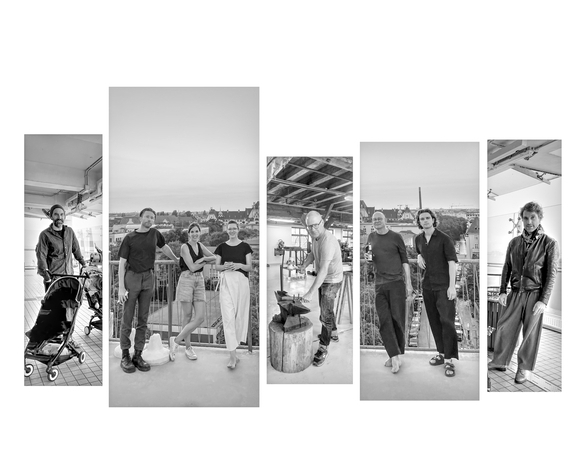
Architecture Land Initiative
Architecture Across Scales
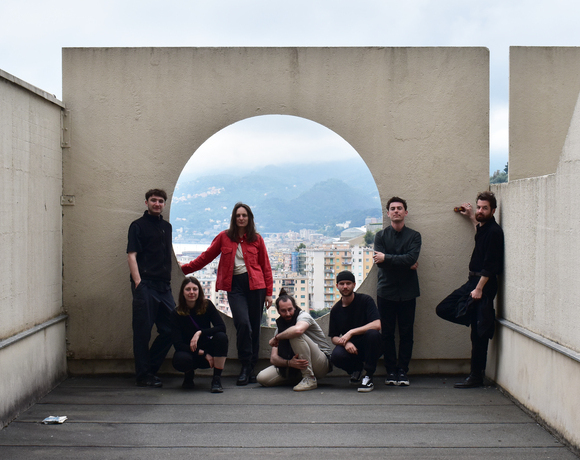
ellipsearchitecture
Humble Leanings, Cyclical Processes
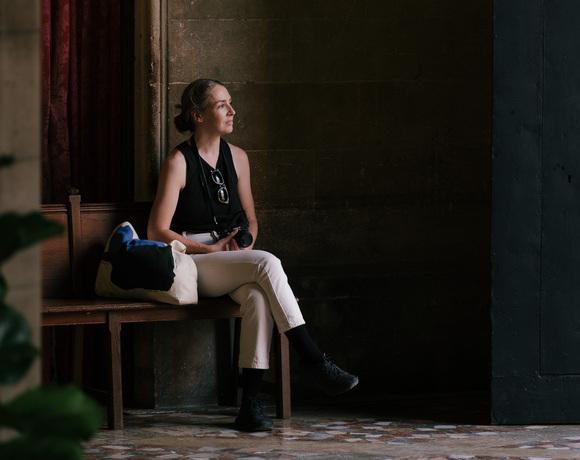
Sophie Hamer Architect
Balancing History and Innovation
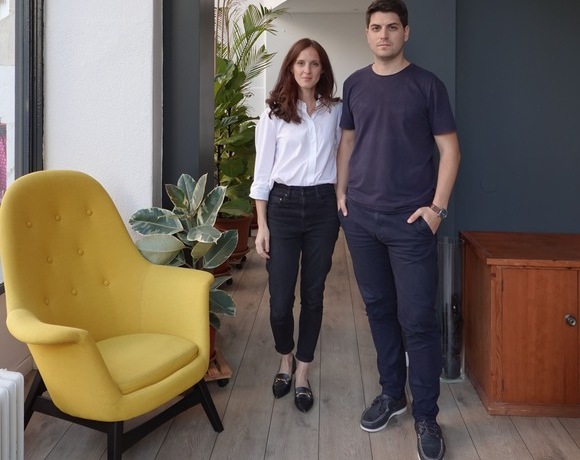
ArgemĂ Bufano Architectes
Competitions as a Catalyst for Innovation
continentale
A Polychrome Revival
valsangiacomoboschetti
Building With What Remains
Oliver Christen Architekten
Framework for an Evolving Practice
MMXVI
Synergy in Practice
Balancing Roles and Ideas
studio 812
A Reflective Approach to
Fast-Growing Opportunities
STUDIO4
The Journey of STUDIO4
Holzhausen Zweifel Architekten
Shaping the Everyday
berset bruggisser
Architecture Rooted in Place
JBA - Joud Beaudoin Architectes
New Frontiers in Materiality
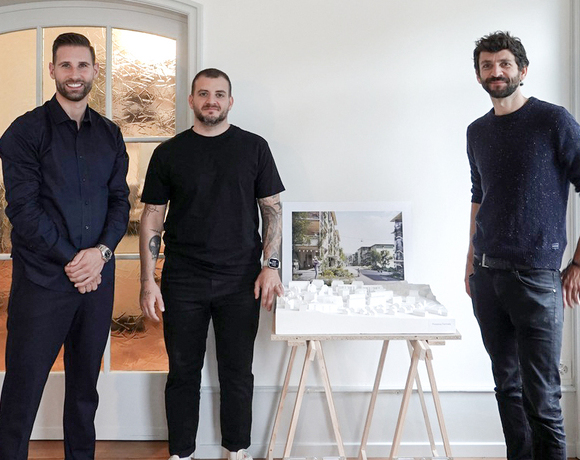
vizo Architekten
From Questions to Vision
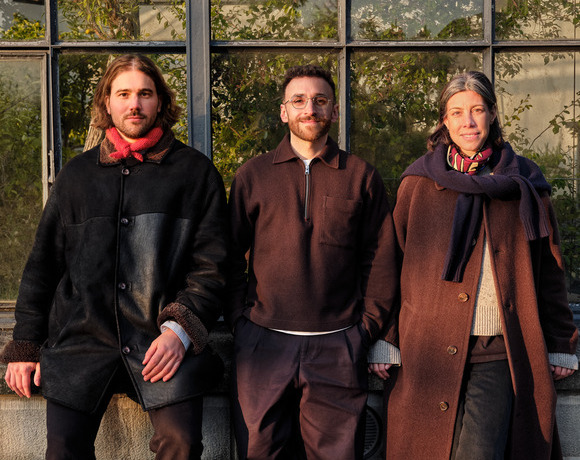
Atelier NU
Prototypes of Practice
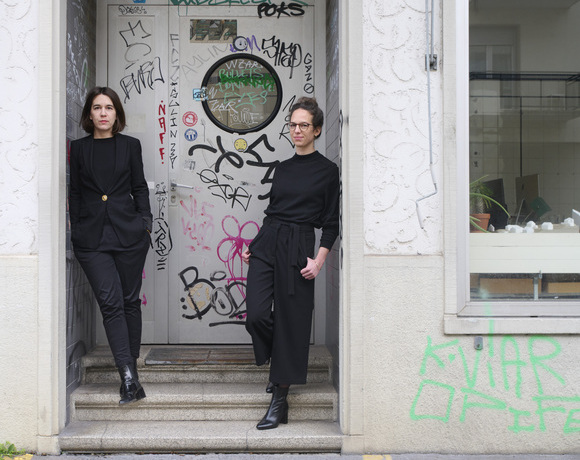
Atelier Tau
Architecture as a Form of Questioning
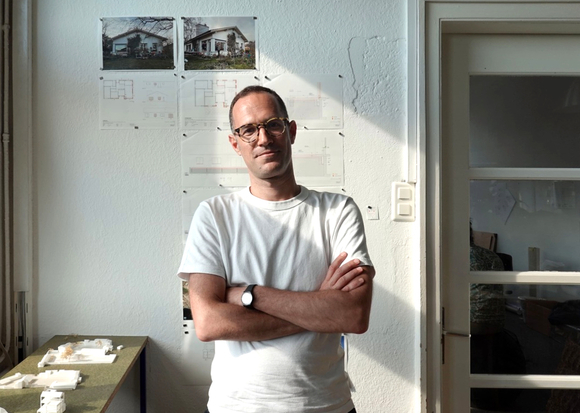
alexandro fotakis architecture
Embracing Context and Continuity
Atelier Anachron
Engaging with Complexity
studio jo.na
Transforming Rural Switzerland
guy barreto architects
Designing for Others, Answers Over Uniqueness
Concrete and the Woods
Building on Planet Earth
bureaumilieux
What is innovation?
apropaĚ
A Sustainable and Frugal Practice
Massimo Frasson Architetto
Finding Clarity in Complex Projects
Studio David Klemmer
Binary Operations
Caterina Viguera Studio
Immersing in New Forms of Architecture
r2a architectes
Local Insights, Fresh Perspectives
HertelTan
Timeless Perspectives in Architecture
That Belongs
Nicolas de Courten
A Pragmatic Vision for Change
Atelier OLOS
Balance Between Nature and Built Environment
Associati
âCheap but intenseâ: The Associati Way
emixi architectes
Reconnecting Architecture with Craft
baraki architects&engineers
From Leftovers to Opportunities
DARE Architects
Material Matters: from Earth to Innovation
KOMPIS ARCHITECTES
Building from the Ground Up
Fill this form to have the opportunity to join the New Generations platform: submissions will be reviewed on a daily-basis, and the most innovative practices will have the chance to be part of the media's coverage and participate in our cultural agenda, including events, research projects, workshops, exhibitions and publications.
New Generations is a European platform that investigates the changes in the architectural profession ever since the economic crisis of 2008. We analyse the most innovative emerging practices at the European level, providing a new space for the exchange of knowledge and confrontation, theory, and production.
Since 2013, we have involved more than 3.000 practices from more than 50 countries in our cultural agenda, such as festivals, exhibitions, open calls, video-interviews, workshops, and experimental formats. We aim to offer a unique space where emerging architects could meet, exchange ideas, get inspired, and collaborate.
An original idea of New Generations
Team & collaborators: Gianpiero Venturini, Marta HervĂĄs Oroza, Elisa Montani, Giuliana Capitelli, Kimberly Kruge, Canyang Cheng
If you have any questions, need further information, if you'd like to share with us a job offer, or just want to say hello please, don't hesitate to contact us by filling up this form. If you are interested in becoming part of the New Generations network, please fill in the specific survey at the 'join the platform' section.
Hyperlinked Scales: Between Utopia and Pragmatism
HYPER is an architecture and urban design studio founded by Lucas Meliani. Rooted in careful site analysis and environmental responsiveness, the studio explores the intersections between built heritage, public space, and climate adaptation. HYPER develops strategic, context-driven projects at multiple scales, from urban studies to architectural interventions. With a transdisciplinary approach and a commitment to reuse, the studio engages with transformation rather than tabula rasa, favoring incremental processes, low-tech solutions, and shared design methods. Based in Paris, HYPER works across metropolitan and small-town contexts.
LM: Lucas Meliani
A movement, three tendencies
LM: When I reflect on the growing movement of emerging practices in France, I see three main architectural approaches at play, with some overlap between them. The first group reacts against the metropolitan way of organising territory, instead focusing on rural areas that were abandoned for a long time. They believe that working in these places can lead to broader systemic change. This movement emphasises local knowledge, resources, and craftsmanship. The second group remains engaged with cities, seeing them not only as sites of social and environmental crises but also as spaces of opportunity and transformation. They acknowledge their challenges but believe they hold the potential for social emancipation and innovation. Rather than rejecting the city, they work toward repairing and improving it. These two approaches are not in opposition but are interdependent. Actions in the metropolis impact rural areas, and vice versa. Beyond these, there are also more militant practices that embrace radical ecological and utopian ideals, seeking complete disconnection from global energy and economic systems. Their work explores alternative ways of living, though it may be less pragmatic or immediately applicable.
Becoming HYPER
LM: I've worked in several different practices, but the three most significant ones were TVK, uapS, and lâAUC. These French firms have a lot in common, especially their approach to integrating urbanism and architecture, working simultaneously across different scales. They emphasise the permeability between architecture and broader urban systems.
Over the course of seven years in these offices, I worked on large-scale metropolitan projects. My work primarily focused on three areas. The first was infrastructure adaptation, transforming highways and crossings, always treating infrastructure as a resource to be repurposed rather than demolished. The second was the design of public spaces, which involved approaching these spaces as the starting point for urban and rural transformation, with a strong focus on the ground as a key element. Finally, I worked on maintaining the modernist heritage, understanding the original intentions behind modernist buildings and neighbourhoods to preserve, enhance, or adapt them. I also worked in both well-funded contexts and low-budget, long-term projects, navigating how to create meaningful change with limited resources. These experiences shape my current independent practice: HYPER.
The name was an idea I had as a student. I chose it for different reasons. First, I was obsessed with hypermarkets in the suburbsâtheir car parks, the way they create new relationships between people, and how they represent a different way of life. While many see these places as horrible, I saw them as spaces of possibility, revealing the potential within modernity. Another reason comes from the concept of a âhypertextualâ societyâa world where we exist in multiple places simultaneously due to technological advancements. This idea of being hyper-connected, of moving fluidly between different spaces and scales, resonated with me. Over the years, my practice has evolved through working on diverse projects, but I am still in the process of understanding where it is heading. I donât start with a preconceived idea; instead, I explore through the work itself.
Sustainability without the spectacle
LM: The new climatic order is a critical framework for rethinking consumption. Addressing climate change requires working across different scales, from energy systems to material efficiency. But this doesnât mean buildings need to âlook ecologicalâ. For me, itâs about substance over appearance. A building doesnât have to feature green façades to be sustainable. Sometimes, the most efficient buildings donât outwardly express their ecological performance. Communicating this to decision-makers remains a challenge. As both an architect and urbanist, I work across multiple scales and project phases. My role often begins before the architectural design takes shapeâdefining programmatic and ecological conditions, involving communities, and shaping the framework for projects to emerge. But I also engage in architectural design and public space planning, trying to encompass the full process of making architecture beyond just the final form.
One project that embodies these ideas is La Part-Dieu in Lyon, a major metropolitan transport hub. Working with François Decoster, we explored ecological strategies for the area, categorising approaches into four main tendencies. The first is biomimicry, architecture that imitates nature, both in appearance and function, like a building that absorbs COâ similar to a tree. This is often high-tech and requires substantial maintenance. The second is high-tech solutions, approaches like those of Norman Foster and Renzo Piano, where advanced technology regulates environmental performance, optimising light, wind, and energy. The third is vernacular traditions, which implies revisiting traditional construction methods as a sustainable approach, drawing from historical techniques adapted to contemporary needs. And finally, thereâs low-tech pragmatismâa more realistic approach, working within todayâs industrial and economic conditions while minimising material use and maximising bioclimatic efficiency, without trying to mimic nature.
I align most with the last approach, which balances ecological performance with practical constraints. This classification helps clarify contemporary ecological approaches, each of which ultimately manifests in a distinct architectural aesthetic.
Scaling impact
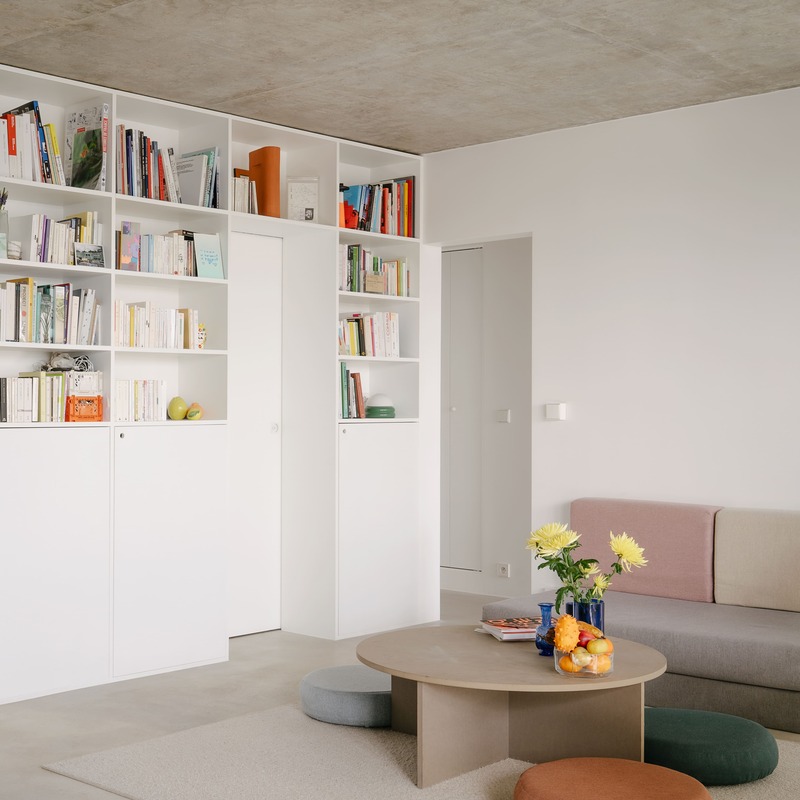
LM: When I work on small-scale projects, I always consider their implications at a larger scale, and vice versa. The interplay between these two perspectives is fundamental to my approach. For example, I transformed a flat in a tower near La Chapelle in Paris. This flat was part of a modernist consortium, a beautifully designed tower that felt like a micro-metropolis. We worked to open the space to the horizon of the city, creating a way of living that aligns with how we envision urban life evolving.
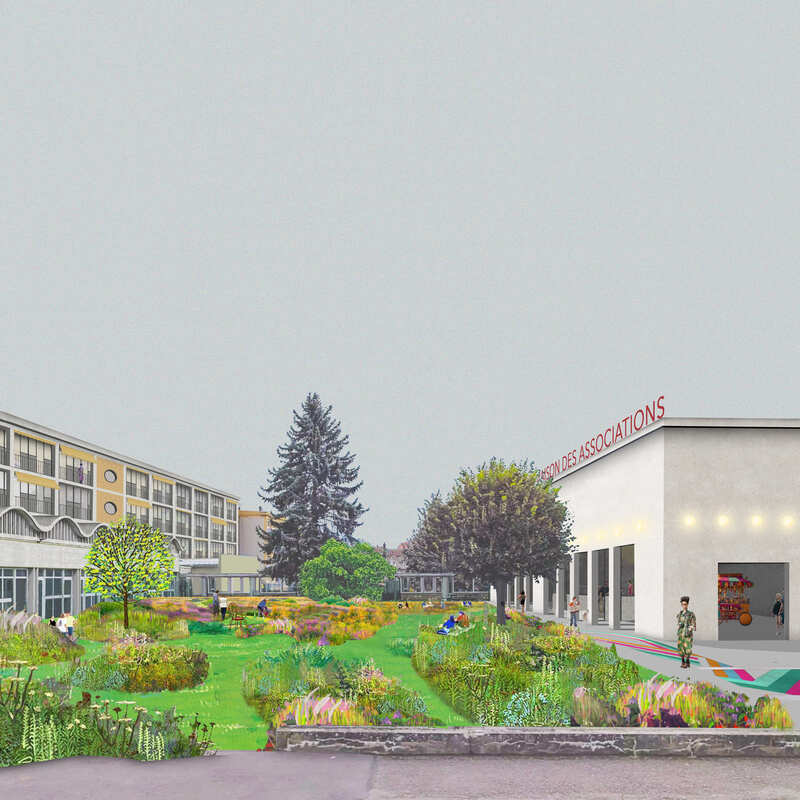
Another project involved repurposing a high school that had been abandoned for five to ten years. Located in a small city, the municipality initially considered demolishing it. However, we researched its architectural history and discovered it was designed by AndrĂŠ Hermant, the architect of Le Parvis Notre-Dame. By showcasing the quality of the existing structure, we convinced them to preserve it. The project became a mixed-use space incorporating a school, associations, a production facility, and communal flats owned by the city. We demolished nothing, working within the constraints of a limited budget while embracing an aesthetic of realism and efficiency.
Finally, another of my first major projects (in Paris) was for Ville de Paris and Paris MĂŠtropole AmĂŠnagement. The mayor initiated a program to create 300 child-friendly streets, and I was assigned 13 of them. This project is deeply tied to heritage because Paris has a long-standing public space culture, shaped by figures like Haussmann. Parisian public spaces are highly structured and consistent across the city, which is both a strength and a challenge when proposing new interventions. The goal is to pedestrianise these new streets, reduce car traffic, and introduce as much greenery as possible. Working on this project has allowed me to explore how to extend Parisâ existing infrastructure while introducing new ways of thinking. However, navigating the cityâs strict regulations has been a challenge, as there is a strong emphasis on control and continuity. Each street requires a tailored approach, making the project both complex and fascinating.
Joining forces and exchanging
LM: Other projects Iâm involved in are much larger in scale, sometimes involving bigger teams. I donât work alone on these; I collaborate with technical engineering firms and landscape architects, such as RĂŠseaux, to develop holistic solutions.
I collaborate with many different professionals, primarily architects, but each with distinct approachesâsome focusing on ecological aspects, others on financial feasibility or public space. I enjoy working with these varied perspectives. For the high school refurbishment, I collaborated with four architects, each bringing expertise in different areas: programmatic and economic planning, environmental and energy strategies, participatory design, and technical engineering.
Our approach was highly horizontal, functioning as a platform for collective decision-making rather than a hierarchical structure. My role is to synthesise these different ideas into a coherent narrative rather than acting as a sole leader. I particularly enjoy working with young offices, hearing their perspectives, and integrating them into a broader architectural vision.
Interests moving forward
LM: I have engaged in projects across various scalesâtransforming small flats, working on programmatic urban approaches in smaller cities, and designing public spaces. What ties these together is a focus on heritageânot just architectural heritage, but also soil and ground heritage. I am particularly interested in what we have inherited from the rapid urbanisation of the past 50 years and how we can work with it rather than against it.
Another focus moving forward is primarily on the public sector, particularly urban and public space projects. While I am open to private sector work, my main interest lies in shaping metropolitan spaces. I donât yet have a fully defined vision of where my practice is heading, but recurring themes are emerging. When preparing responses for consultations, I consistently choose projects related to modernism and metropolitan areas, suggesting a natural direction for my work.
I also want to continue working on architectural projects, as I believe engaging with architecture itself is essential to understanding broader urban issues. Alongside practice, I am involved in research projects, such as an exhibition at Arc en RĂŞve in Bordeaux. This project focuses on the maintenance and operation of technical and energy infrastructureâelectricity, heat, and gas distribution networks. Bordeaux serves as a case study, but the research applies to all of France. We presented a large-scale map of Bordeauxâs energy networks, analysing their impact on territories, and highlighting the workers who maintain them. The goal is to make these invisible infrastructures visible and to raise awareness of the ecological implications of energy consumption. The research builds on the work of Fanny Lopez, who explores critical energy infrastructures and the challenges of transitioning away from them. Itâs not just about technical solutions but understanding what we need to renounce to achieve a sustainable future.
This project underscores the need to simplify systems while acknowledging their complexity. Cities are built on vast, hidden networks, and revealing them is the first step toward rethinking how we sustain them ecologically and equitably.
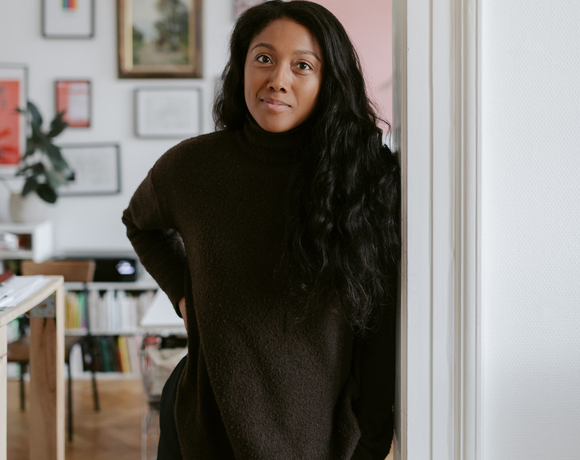
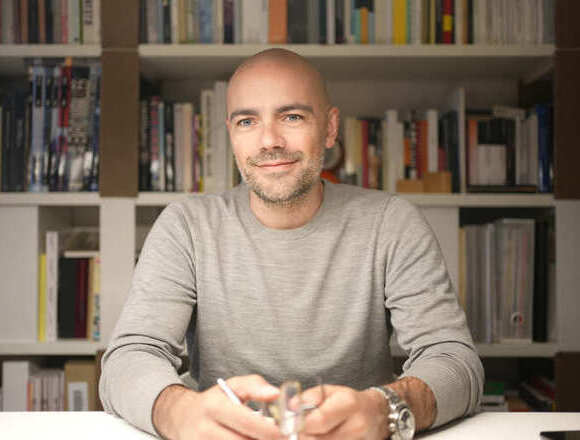
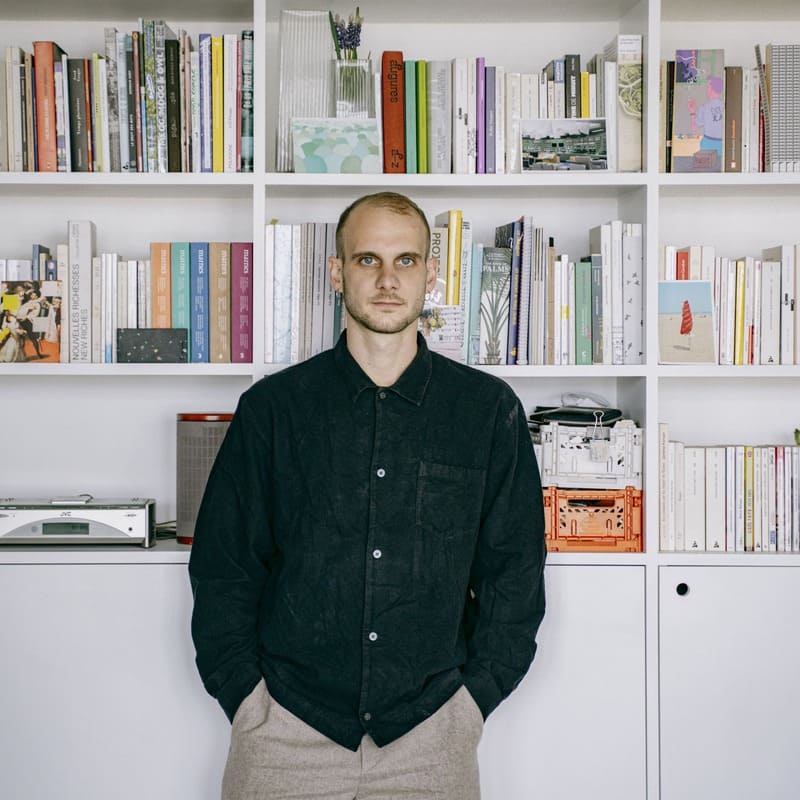
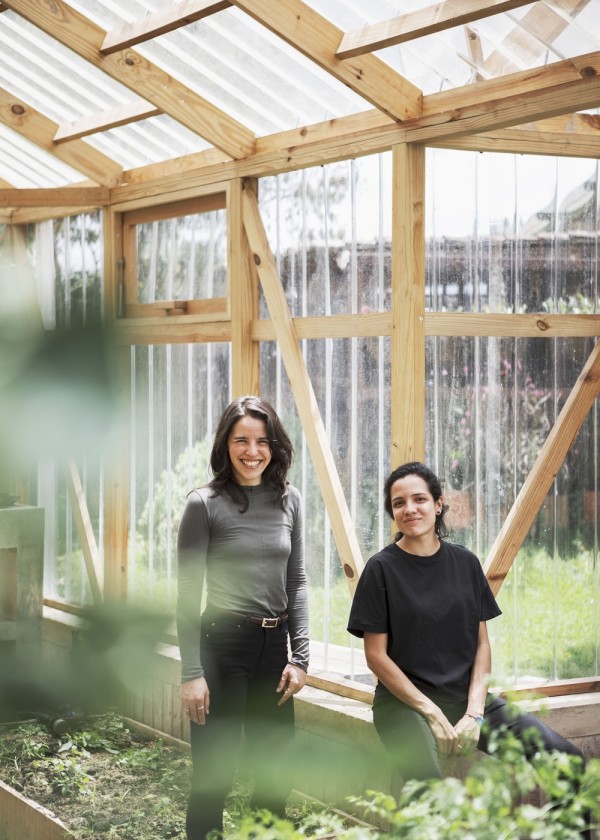
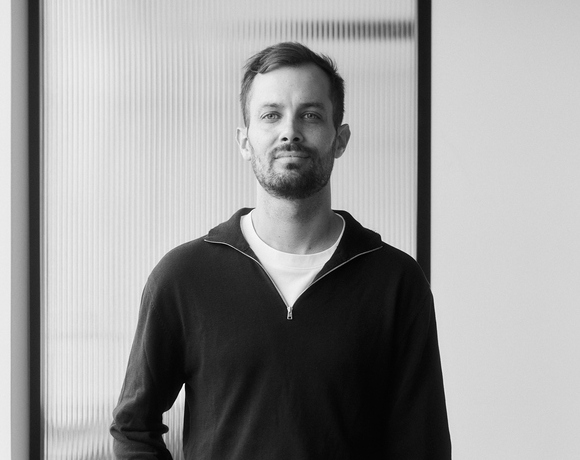
âĄď¸ HYPER. Lucas Meliani. Ph. Jeanne Perrotte
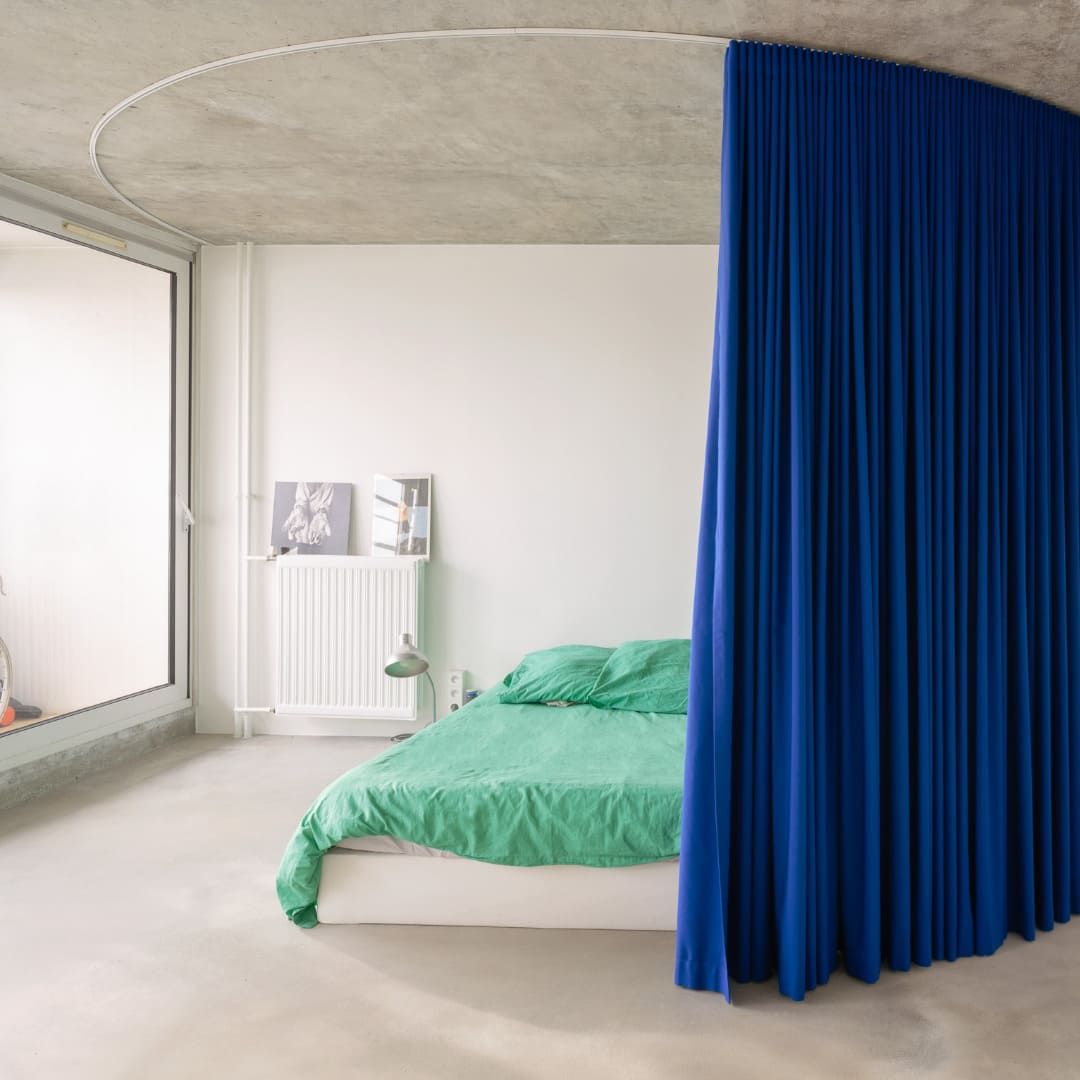
âĄď¸ Super 18 apartment. Hybrid workspace-home, Paris. Ph. Giaime Meloni
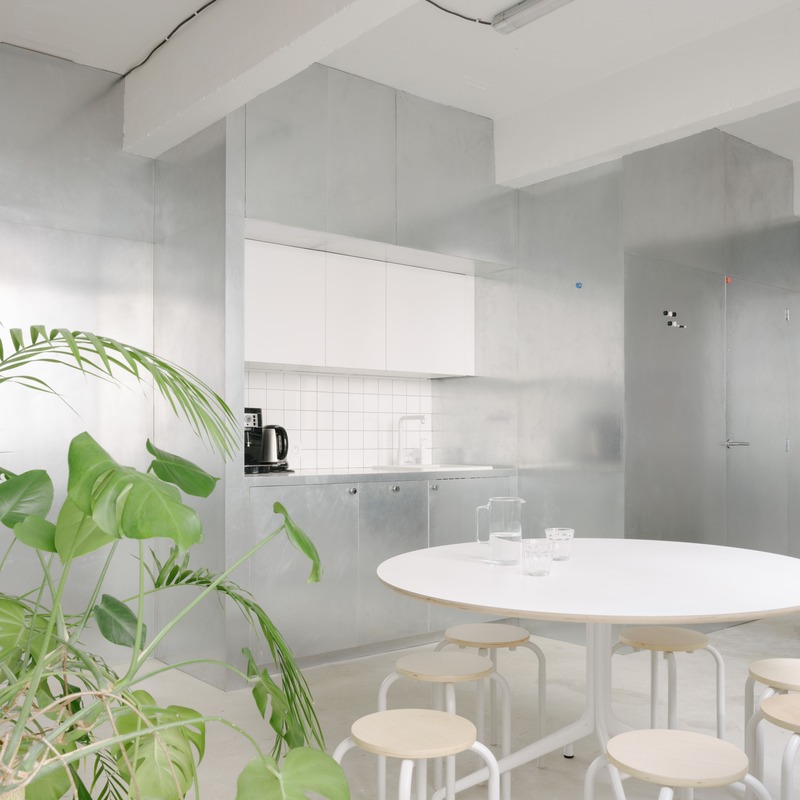
âĄď¸ Rooms studio conversion. Former furniture workshop transformation, Paris. Ph. Giaime Meloni
âĄď¸ Village block densification. Residential infill study model, Lempdes. Ph. HYPER
âĄď¸ Redevelopment study. Reprogramming and transformation strategy, Charmes. Img. HYPER