HEROS Architecture
From Stone to Structure
New French Architecture
An Original Idea by New Generations
Carriere Didier Gazeau
Lessons from Heritage
a-platz
Bridging Cultures, Shaping Ideas
Rodaa
Practicing Across Contexts
Urbastudio
Interconnecting Scales, Communities, and Values
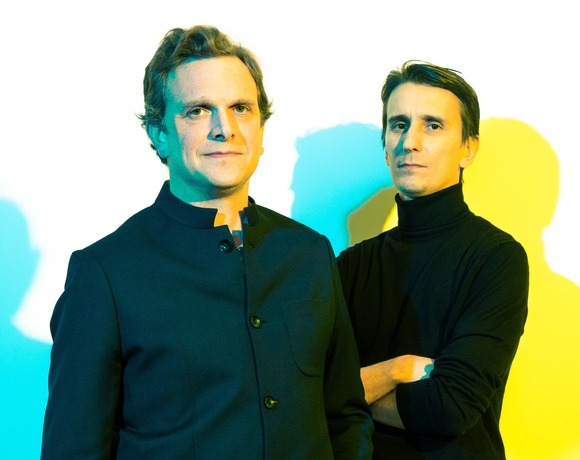
Oglo
Designing for Care
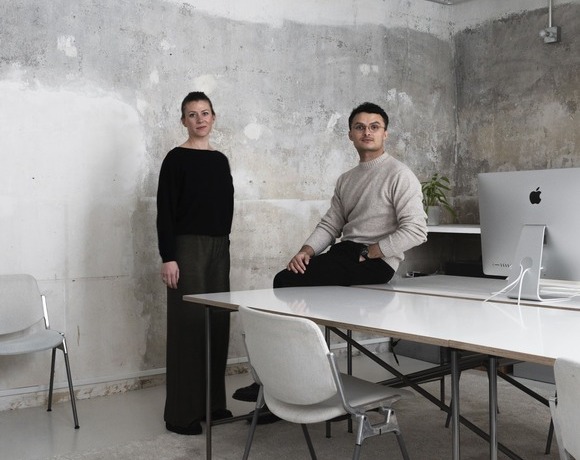
Figura
Figures of Transformation
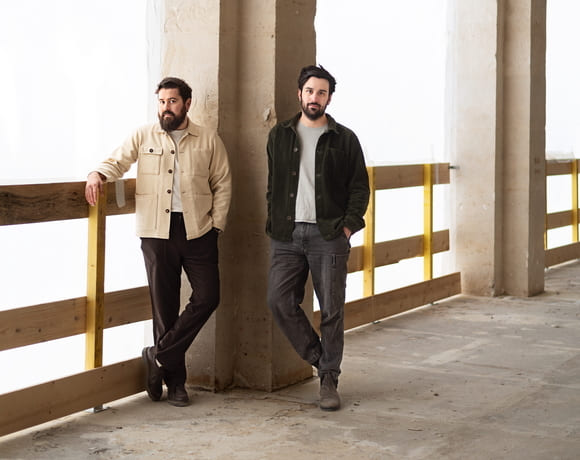
COVE Architectes
Awakening Dormant Spaces
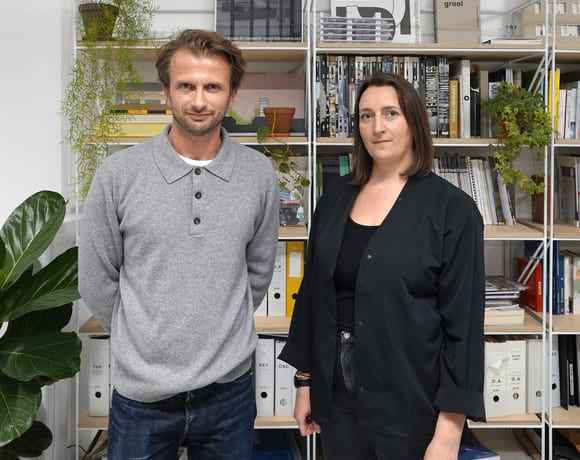
Graal
Understanding Economic Dynamics at the Core
ZW/A
United Voices, Stronger Impacts
A6A
Building a Reference Practice for All
BERENICE CURT ARCHITECTURE
Crossing Design Boundaries
studio mäc
Bridging Theory and Practice
studio mäc
Bridging Theory and Practice
New Swiss Architecture
An Original Idea by New Generations
KUMMER/SCHIESS
Compete, Explore, Experiment
ALIAS
Stories Beyond the Surface
sumcrap.
Connected to Place
BUREAU/D
From Observation to Action
STUDIO ROMANO TIEDJE
Lessons in Transformation
Ruumfabrigg Architekten
From Countryside to Lasting Heritage
Kollektiv Marudo
Negotiating Built Realities
Studio Barrus
Starting byChance,Growing Through Principles
dorsa + 820
Between Fiction and Reality
S2L Landschaftsarchitektur
Public Spaces That Transform
DER
Designing Within Local Realities
Marginalia
Change from the Margins
En-Dehors
Shaping a Living and Flexible Ecosystem
lablab
A Lab for Growing Ideas
Soares Jaquier
Daring to Experiment
Sara Gelibter Architecte
Journey to Belonging
TEN (X)
A New Kind of Design Institute
DF_DC
Synergy in Practice: Evolving Together
GRILLO VASIU
Exploring Living, Embracing Cultures
Studio â Alberto Figuccio
From Competitions to Realised Visions
Mentha Walther Architekten
Carefully Constructed
Stefan Wuelser +
Optimistic Rationalism: Design Beyond the Expected
BUREAU
A Practice Built on Questions
camponovo baumgartner
Flexible Frameworks, Unique Results
MAR ATELIER
Exploring the Fringes of Architecture
bach muĚhle fuchs
Constantly Aiming To Improve the Environment
NOSU Architekten GmbH
Building an Office from Competitions
BALISSAT KAĂANI
Challenging Typologies, Embracing Realities
Piertzovanis Toews
Crafted by Conception, Tailored to Measure
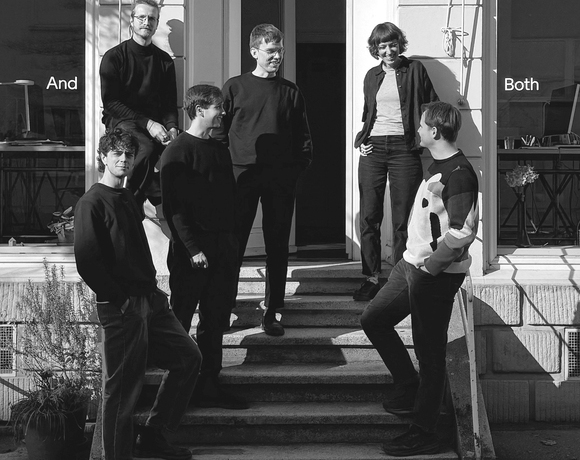
BothAnd
Fostering Collaboration and Openness
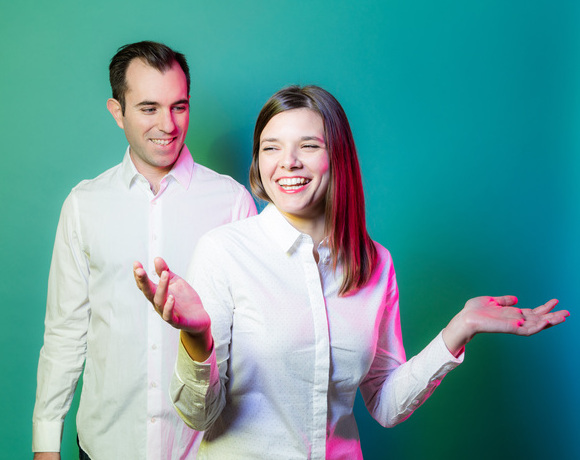
Atelier ORA
Building with Passion and Purpose
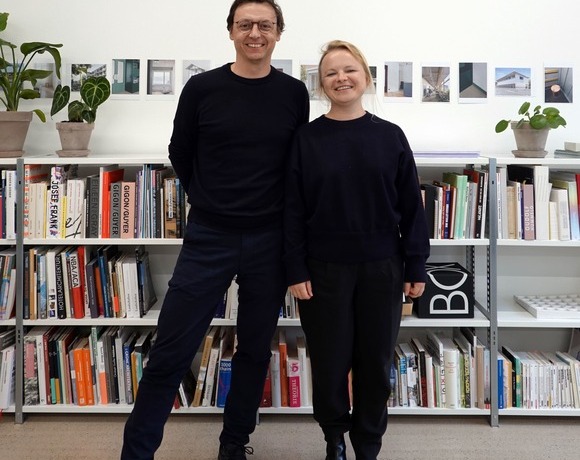
Atelier Hobiger Feichtner
Building with Sustainability in Mind
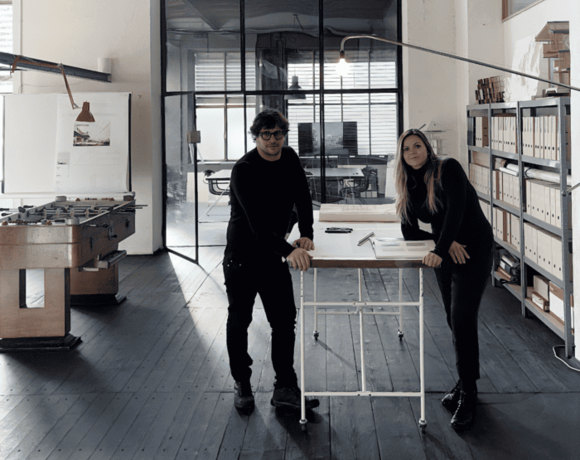
CAMPOPIANO.architetti
Architecture That Stays True to Itself
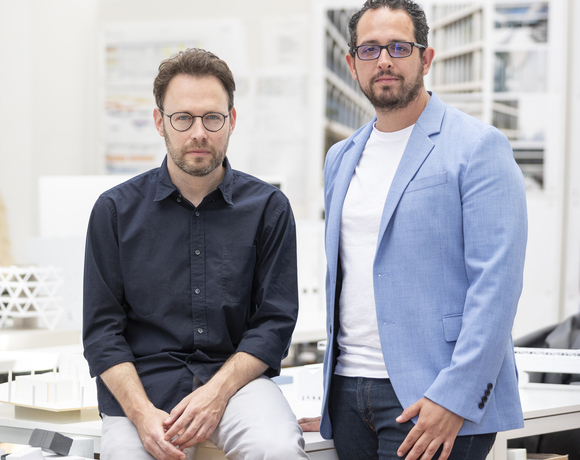
STUDIO PEZ
The Power of Evolving Ideas
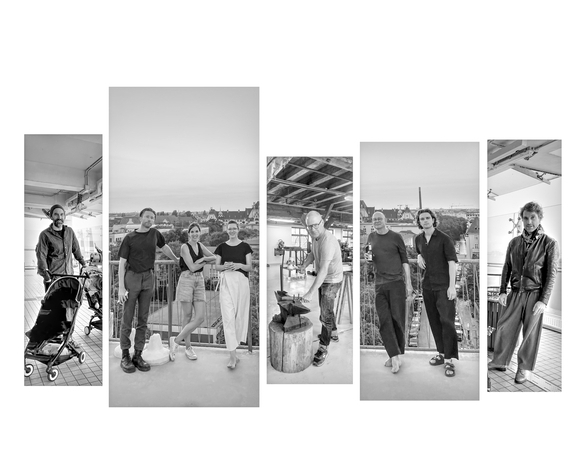
Architecture Land Initiative
Architecture Across Scales
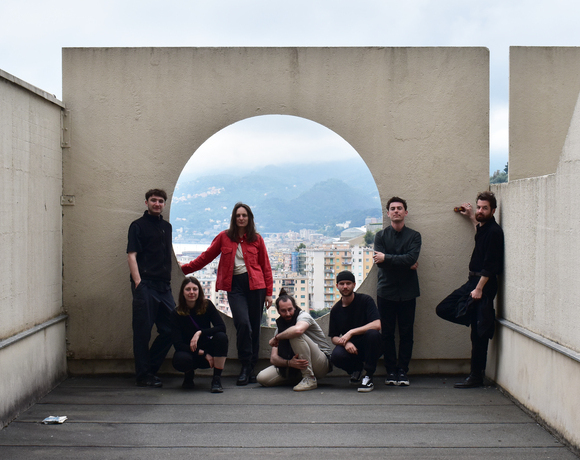
ellipsearchitecture
Humble Leanings, Cyclical Processes
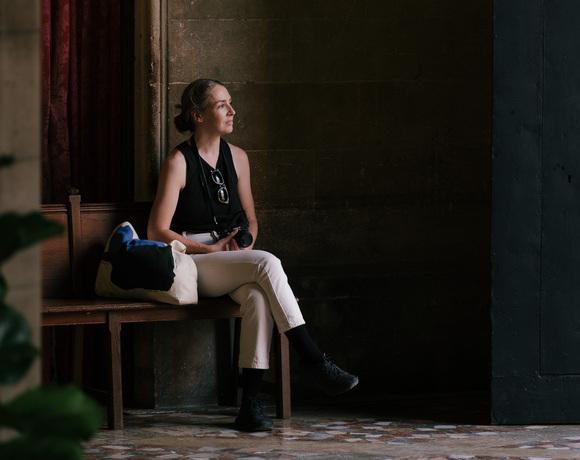
Sophie Hamer Architect
Balancing History and Innovation
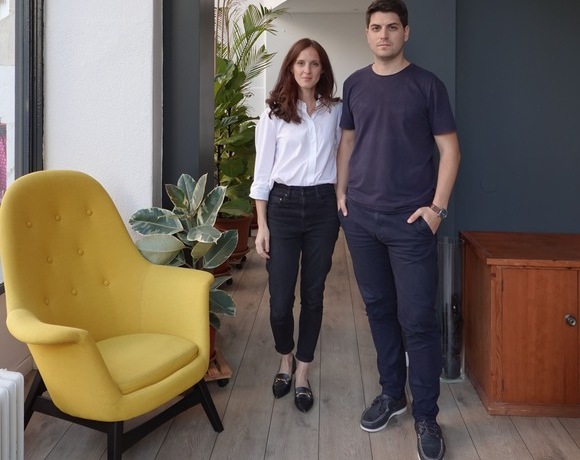
ArgemĂ Bufano Architectes
Competitions as a Catalyst for Innovation
continentale
A Polychrome Revival
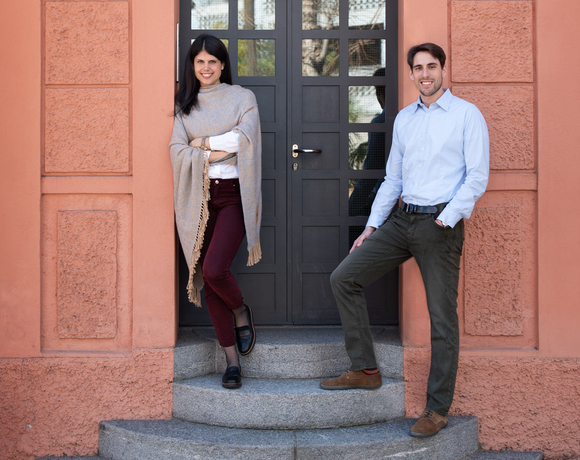
valsangiacomoboschetti
Building With What Remains
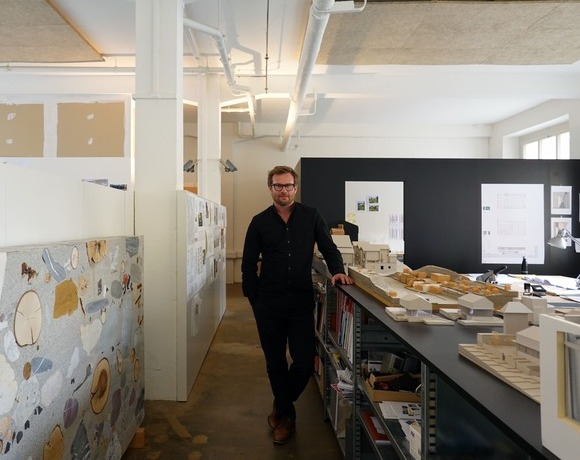
Oliver Christen Architekten
Framework for an Evolving Practice
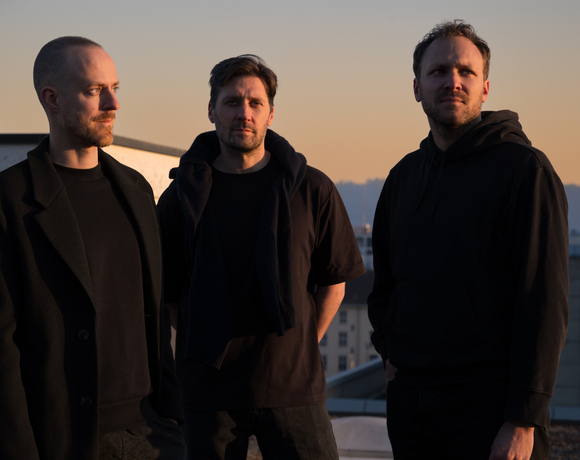
MMXVI
Synergy in Practice
Balancing Roles and Ideas
studio 812
A Reflective Approach to
Fast-Growing Opportunities
STUDIO4
The Journey of STUDIO4
Holzhausen Zweifel Architekten
Shaping the Everyday
berset bruggisser
Architecture Rooted in Place
JBA - Joud Beaudoin Architectes
New Frontiers in Materiality
vizo Architekten
From Questions to Vision
Atelier NU
Prototypes of Practice
Atelier Tau
Architecture as a Form of Questioning
alexandro fotakis architecture
Embracing Context and Continuity
Atelier Anachron
Engaging with Complexity
studio jo.na
Transforming Rural Switzerland
guy barreto architects
Designing for Others, Answers Over Uniqueness
Concrete and the Woods
Building on Planet Earth
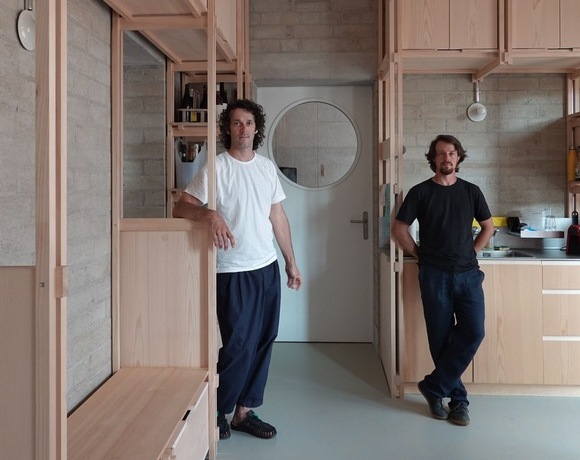
bureaumilieux
What is innovation?
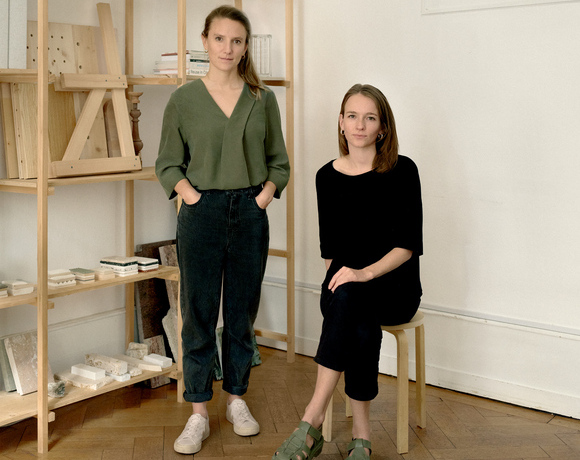
apropaĚ
A Sustainable and Frugal Practice
Massimo Frasson Architetto
Finding Clarity in Complex Projects
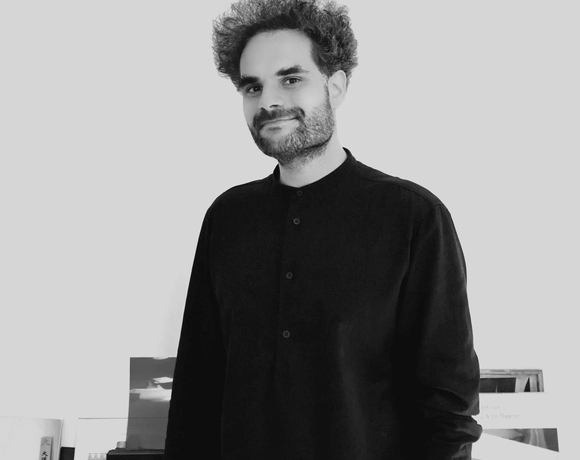
Studio David Klemmer
Binary Operations
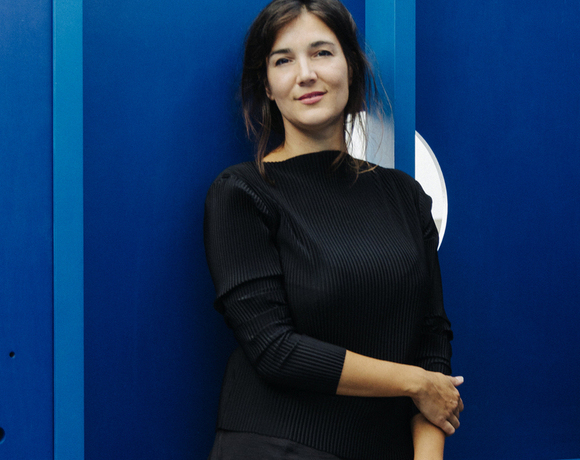
Caterina Viguera Studio
Immersing in New Forms of Architecture
r2a architectes
Local Insights, Fresh Perspectives
HertelTan
Timeless Perspectives in Architecture
That Belongs
Nicolas de Courten
A Pragmatic Vision for Change
Atelier OLOS
Balance Between Nature and Built Environment
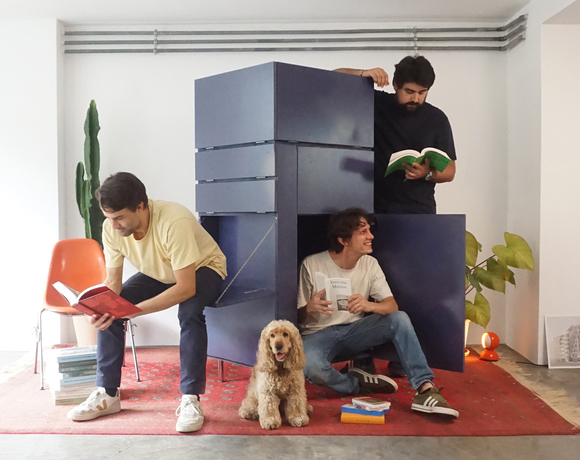
Associati
âCheap but intenseâ: The Associati Way
emixi architectes
Reconnecting Architecture with Craft
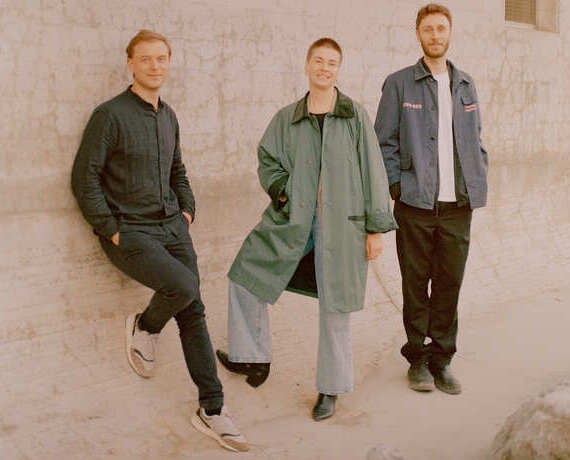
baraki architects&engineers
From Leftovers to Opportunities
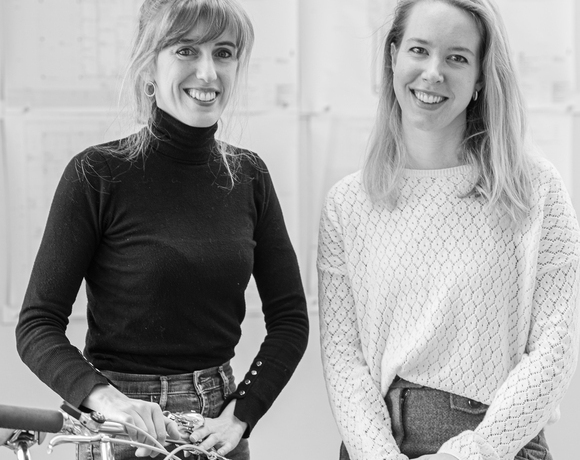
DARE Architects
Material Matters: from Earth to Innovation
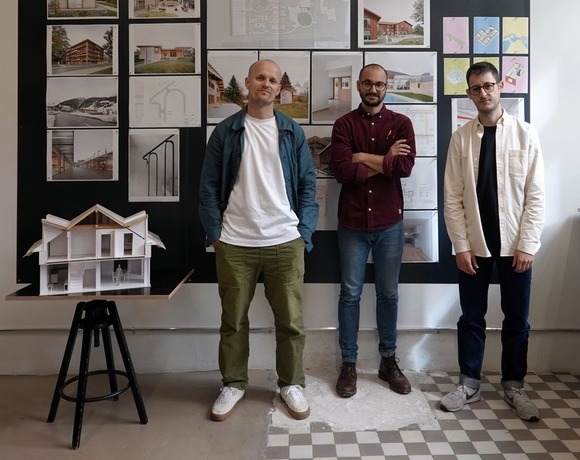
KOMPIS ARCHITECTES
Building from the Ground Up
Fill this form to have the opportunity to join the New Generations platform: submissions will be reviewed on a daily-basis, and the most innovative practices will have the chance to be part of the media's coverage and participate in our cultural agenda, including events, research projects, workshops, exhibitions and publications.
New Generations is a European platform that investigates the changes in the architectural profession ever since the economic crisis of 2008. We analyse the most innovative emerging practices at the European level, providing a new space for the exchange of knowledge and confrontation, theory, and production.
Since 2013, we have involved more than 3.000 practices from more than 50 countries in our cultural agenda, such as festivals, exhibitions, open calls, video-interviews, workshops, and experimental formats. We aim to offer a unique space where emerging architects could meet, exchange ideas, get inspired, and collaborate.
A project by Itinerant Office
Within the cultural agenda of New Generations
Editor in chief Gianpiero Venturini
Team Akshid Rajendran, Ilaria Donadel, Bianca Grilli
If you have any questions, need further information, if you'd like to share with us a job offer, or just want to say hello please, don't hesitate to contact us by filling up this form. If you are interested in becoming part of the New Generations network, please fill in the specific survey at the 'join the platform' section.
From Stone to Structure
HEROS develops sensitive architecture, rooted in places and open to functions. Each project is an opportunity to bring together past and present, material and emotion, to reveal spaces that are just, sustainable and alive. Between architecture and design, the urban scale and that of furniture, they defend a sober, experimental and contextual approach, favouring authentic materials and made-to-measure solutions. HEROS designs no-frills projects that stand the test of time, forging lasting links between places, people and imaginations.
LR: Laura Ros
A journey of tenacity
LR: Paris has always been a hub of creativity and innovation, but thereâs a sense that something unique is happening nowadays in the architecture scene. Paris feels like an endless city, offering space for countless voices and expressions in architecture, society, and beyond. Perhaps the increasing number of emerging practices is linked to this moment in time, where people are seeking new ways to express themselvesâboth as a response to the current era of uncertainty and as a reflection of life in a metropolis like Paris. There is a major change regarding the architectural attitude: closer to materials, resources, and the constructive process. New generations are âlearning as they goâ to think about architecture in a new way, adapting to new constraints, such as carbon footprints, thermal comfort, energetic performance, and natural materials. It is an exciting moment for architects, as we have the great opportunity to build in a more responsible and lasting way.
As for my personal trajectory, I studied at ETSAM in Madrid and completed my degree in 2011, just after the 2008 financial crisis. There wasnât much work for architects in Spain, so my generation went abroadâmy friends scattered across different countries. I had already lived in Vienna and considered staying in the German-speaking world, but I sent portfolios everywhere searching for new opportunities. I donât know if it was destiny or just chance, but I ended up in Paris. I started with a small internship, but it was toughâI didnât speak French. Arriving in a new city, not knowing the language, knowing no one, and trying to start my career as an architectâit wasnât easy. That first experience wasnât quite the right fit for me. Then, I started working at Jacques Moussafirâs office, where I met JĂŠrĂ´me (HervĂŠ), my partner both in the practice and in life.
It was during this time that JĂŠrĂ´me and I decided to start our own practice. JĂŠrĂ´me launched Heros in 2016, but as we were also a couple, we wanted to minimise the financial risks of starting an emerging office. So, it felt natural for me to join him two years later, in 2018. At first, we focused on private clientsâsmall refurbishments and extensions. But when I joined, we reconnected with some of my former offices. That marked a turning point, allowing us to step into larger-scale architectural projects in parallel with the smaller and more domestic ones. We try to remain polyvalent and open-minded.
Designing through dialogue
LR: Right now, weâre working on everything from a 35-square-meter renovation to a new house, to a 120-unit collective housing project on the outskirts of Paris. That kind of range is essential to usâit keeps things dynamic. We give the same level of attention, passion and creativity to a small project as we do to a large one. At first, we were mainly working on private flats. But then, we were invited to participate in a selection process for a project in Villeurbanne, near Lyon.
Villeurbanneâs historic centre was built as social housing in the early 20th century and features Franceâs first steel-structured skyscrapers. The public developer and urbanist were selecting three teams of three architects each to co-design the expansion of the historical axis. Our team included Hardel Le Bihan (architecte mandataire), Plages Arrière (a local architect), and Heros (the young office). We advanced to the final round, which involved an oral presentation. Unlike other teams that focused solely on architectural concepts, we approached it from a more personal, human perspective. During the presentation, we described our experience of walking through the neighbourhood, climbing the stairs of the towers, and listening to the people who had lived there for generations. There was also a personal connectionâone of the architects from the local team had a great-aunt who had lived in one of the towers since its construction. Maybe that human connection made a difference, and in the end, we were selected.
It was an unusual processâthere was no predefined architectural project. Instead, the public developer organised a series of workshops, where each team developed their project in dialogue with the others. The idea was to create a neighbourhood collectively, designing in parallel rather than in isolation. That experience reinforced something we believe in deeplyâthat architecture isnât just about form or aesthetics. Itâs about dialogue, people, places, and the way stories shape cities.
Navigating political complexities
LR: The experience with the project in Villeurbanne has been both rewarding, as we were selected, and extremely challenging, as the project has yet to begin. Every design decision and architectural choice required approval not only from our client but also from the urbanist, the public developer, the mayor and ABF (Architecte des Bâtiments de France). Itâs a reminder of the other side of this profession that we need to learn to work with.
It felt like being part of a huge machine, where even the smallest detailsâlike the colour of a wall or the design of a metal element on the facadeârequired approval. As we progressed with the design, we worked alongside the other architects, and the validation process became a slow, step-by-step journey. Then, political changes took placeâthe city of Lyon shifted to the Green Party, and they required more sustainable designs. This led to a six-month pause while the urban project was revised. As a young office, it was challenging. Even today, we focus on balancing smaller projects alongside larger ones, which has become a good strategy to stay active.
What was particularly difficult about this project, which was highly political, was the feeling of not being in full control of the design. You realise that decisions are not entirely yoursâurbanists dictate the cityâs shape, and the ABF has a say in many design elements. The process was long, and after several years, the projectâs financial and economic aspects became more complex due to the uncertain geopolitical situation in recent years, which led to rising prices. Ultimately, you feel somewhat stuck, caught in a political context, with the building site yet to get started. Eventually, this long process forced us to develop a pragmatic approach with an essentialist design strategy.
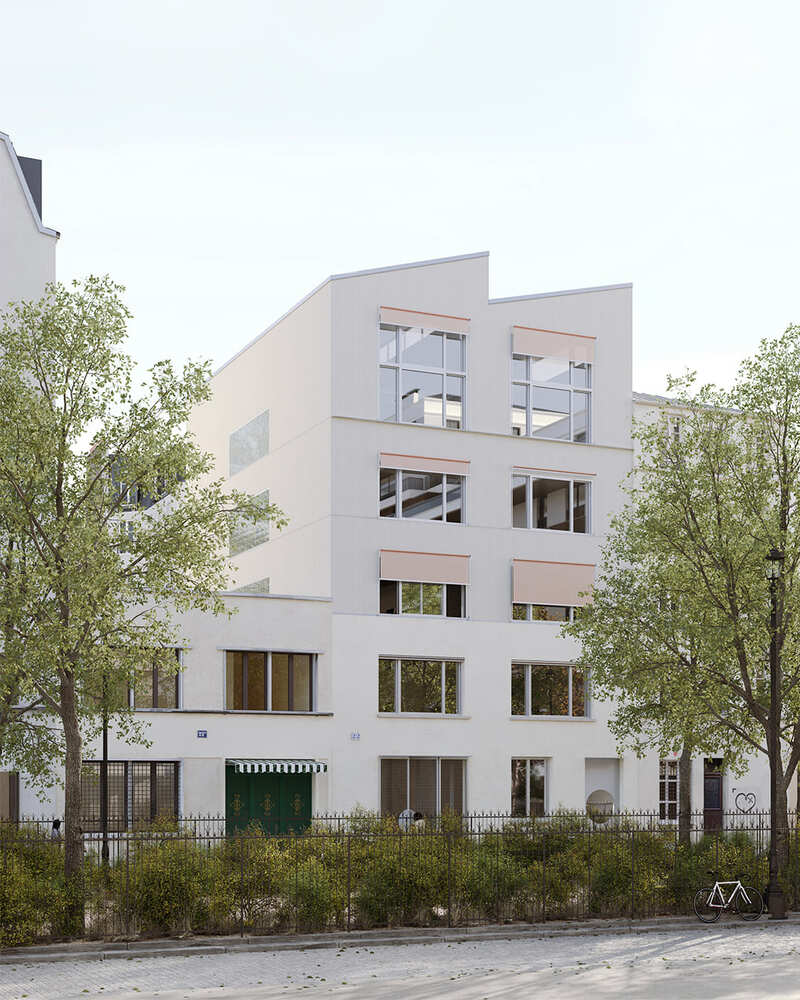
This kind of political complexity is nowadays very usual in Paris, even in small-scale projects such as our office project Aicard, situated in the 11th arrondissement. In this case, the project consists of a restructuring and elevation of an existing building from the beginning of 20th century. As an act of reparation and resilience, the difficulty resides in responding to a clientâs demand as well as the ones coming from the mayor of the arrondissement, the city of Paris and the ABF. Dialogue, consistency and architectural principles, together with tenancy, become really important aspects of the project. It can take years to obtain the building permit, but this kind of project is definitely emblematic of our time as it allows to rebuild the city on itself.
Single units become collective housing
LR: In our work with social housing, we pay close attention to the housing plan itself. This is one of the key aspects of our practice: we believe that a family living in a stand-alone flat should have the same quality of life as one living in collective housing. Our work on smaller-scale projects constantly informed our involvement in larger-scale interventions. For us, both private and collective housing should offer the same qualities, and thatâs what we strive to develop in our office.
In this sense, we understand collective housing as a collection of family units, including new constraints such as vertical superposition, urban context interactions, technical and structural inputs and regulation complexity. Both scales of the project deal with the everyday lives of future inhabitants, and they should require as much work and effort from the architecture practice as possible.
Pushing the boundaries of materials and efficiency
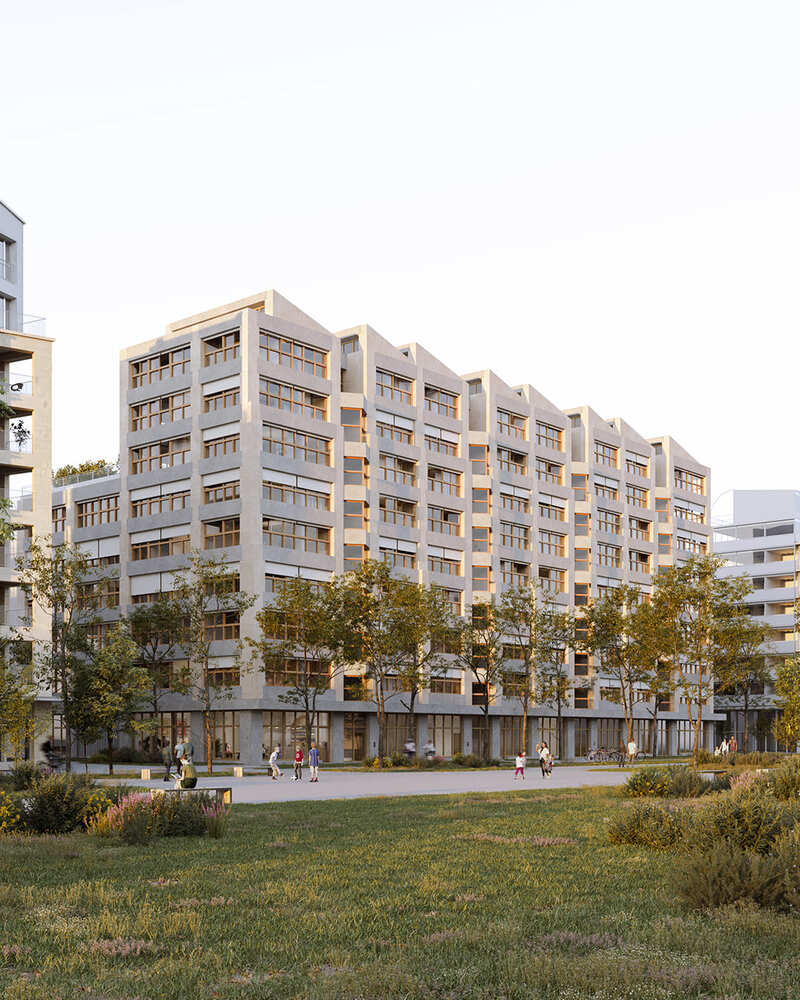
LR: We are currently developing an ambitious project in collaboration with Atelier Villermard AssociĂŠs in the Chapelle-Charbon new development zone (ZAC), located in the 18th arrondissement of Paris. This large site once belonged to SNCF, the French national railway company, and was transformed into a park in 2020. The site had been part of a large social housing operation in the 1990s, but today, it faces a challenge: the existing buildings have blind facades facing this new park. In Paris, living in front of a park is extraordinary and extremely rare, so the city and public developer aimed to create a new set of housing buildings to face the park and integrate green corridors, aligning with the existing social housing. Our project will feature 78 social housing units, shared spaces, and commercial areas.
The public developer, Paris & Metropole AmĂŠnagement, launched a competition for several new buildings, including three main buildings facing the park and two larger buildings with nine or ten stories. Each site is developed by an architecture office, some of them already well-known as Bruther, Rafael Gabrion and ClĂŠment Vergely; others are emerging practices, like Hub + Nicolas Lombardi, Palast, and Heros. What was exciting about this opportunity was the public developer's emphasis on high environmental and technical performance expected for the projects. They worked with some of the best experts in the field, including, a renowned urban planner and architect (h2o) and landscape architect (Base), and top engineers specialising in bio-sourced materials and new construction techniques (Laurent Mouly) as well as environmental aspects (Franck BouttĂŠ). The programme set the environmental expectations incredibly high, and when we received it, we were both impressed and overwhelmed. But it also pushed us to think about how we could meet these standards. We decided to use stone, a material we hadnât worked with before. It appeared to us to be the better choice to reduce the carbon footprint and take advantage of its thermal inertia. Stone, especially limestone, is a key feature of Paris architecture, and we thought it would help bridge the architectural language of the new buildings with the cityâs traditional character.
This project began with little knowledge of stone, and the learning process was intense but rewarding. We ultimately won the competition by using this material not only for the facades but also inside the building, in walls separating the flats, allowing people to live in direct contact with it. The use of limestone inside the flats connects the public and private spaces uniquely, and it also contributes to the buildingâs thermal inertia.
A good project comes from a good client; in our case, it also comes from a good urban and developing programme. These ambitious environmental requirements made it âeasierâ for us as architects because we didnât have to convince the client of the importance of sustainability or performance. These aspects were already rooted in the initial programme. Throughout the design process, we had to be constantly aware of the carbon impact, energy consumption, and the building's overall performance. As architects, we couldnât simply make decisions without considering how they would affect the project as a whole. Everything is interconnected, and each adjustment affects the final outcome, so we worked closely with the engineering team to ensure the best possible results. Today, it's no longer about what the architect simply wants; it's about making sure that the solutions we propose actually work in real life.
Low carbon, high stakes
LR: You try to avoid using too much steel and concrete, as was done in the past, but when it becomes too expensive for a project that's already at a good level, you have to add other materials to balance the costs. The issue is that as soon as you introduce materials like steel and concrete, the carbon impact increases. Finding the right balance between carbon and costs is the key to achieving a project.
For instance, in the Chappelle-Charbon project, although we worked with limestoneâwhich is excellent in terms of carbon impact, as it can be used with minimal transformation straight from the quarryâwe still didnât meet our carbon goals. To improve on this, we incorporated reused steel elements for the balconies in the inner courtyard. This counts as zero carbon, which is a clever way to balance out the environmental impact. But technically, itâs complicated. How do you prove that the reused steel works well in terms of structural calculation or fire safety?
Therefore, all these aspects together make projects much more technically demanding from the start. For a young practice like ours, it can be as overwhelming as intellectually exciting and challenging. The best way to approach it is to learnâstay close to the materials, attend lectures and trainings, meet people in the industry, and work closely with your engineering team. If you donât push beyond the basic architectural solution, you can't really work with these constraints in a meaningful way. Without this understanding, your project can end up just being a response to these technical constraints, rather than a true architectural position.
In Paris, experimenting with materials is increasingly becoming a political act. The challenge lies in striking the right balance.
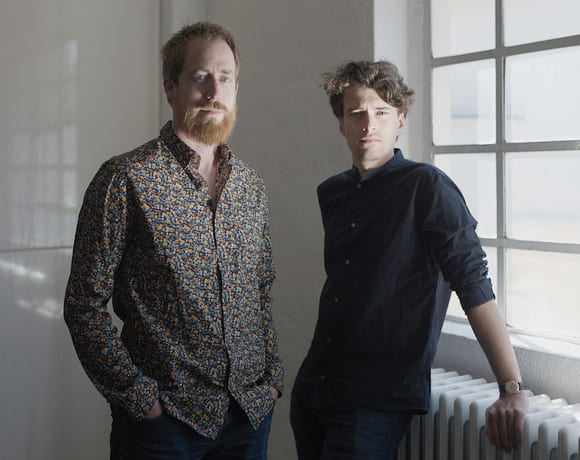
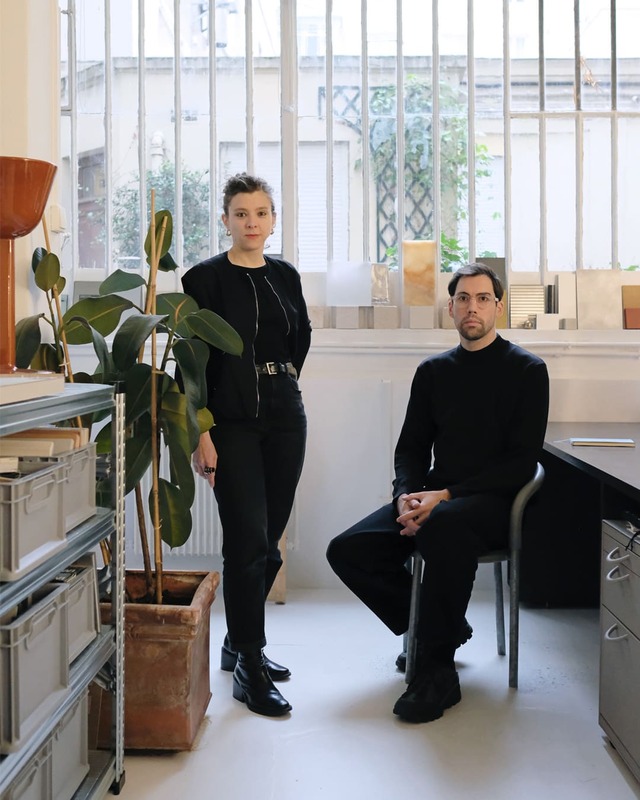
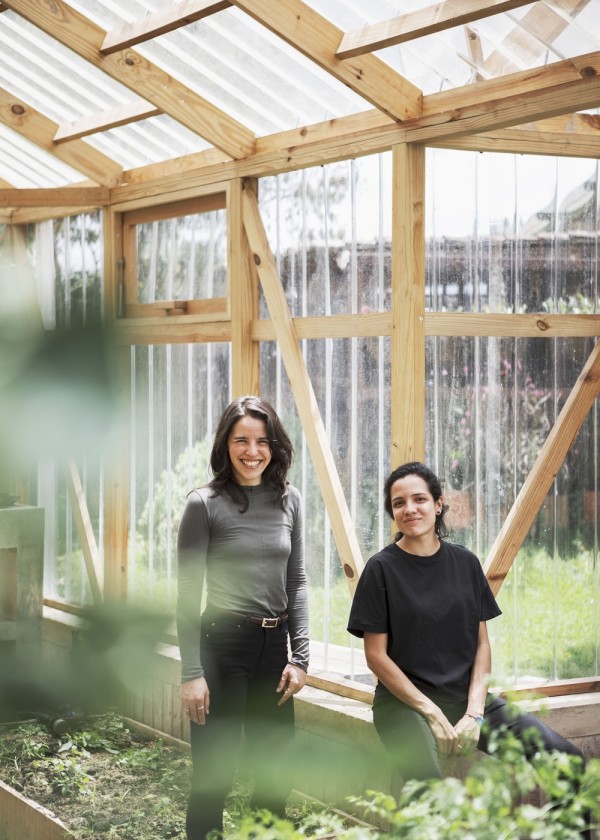
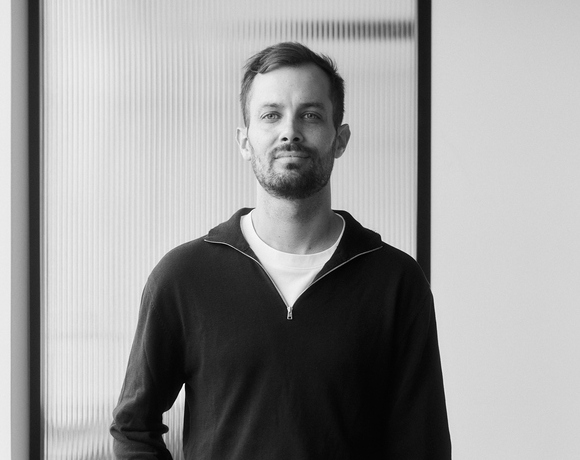
âĄď¸ HEROS. Laura Ros, JĂŠrĂ´me HervĂŠ. Ph. Heros Architecture
âĄď¸ Chapelle Charbon, Paris. Social housing building. Img. Ailleurs Studio
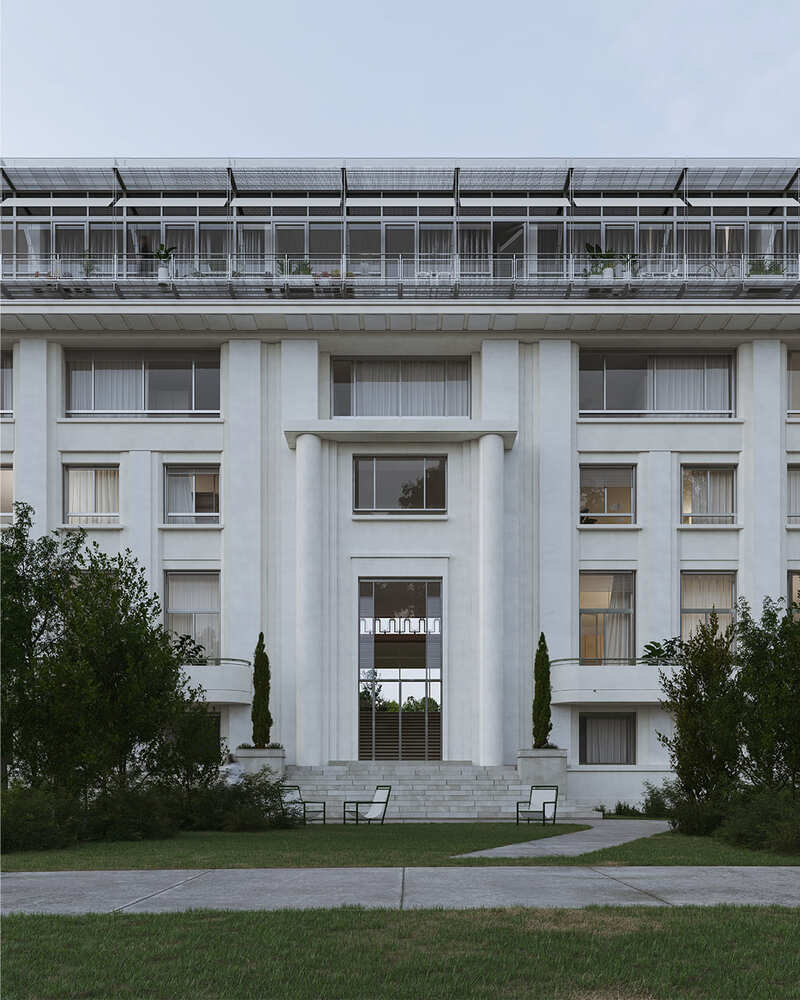
âĄď¸ Astorial IV, Chatillon. Transormation of an art deco office building. Img. Jeudi Wang
âĄď¸ Bureaux Aicard, Paris. Restructuring and extension of an office building. Img. Jeudi Wang
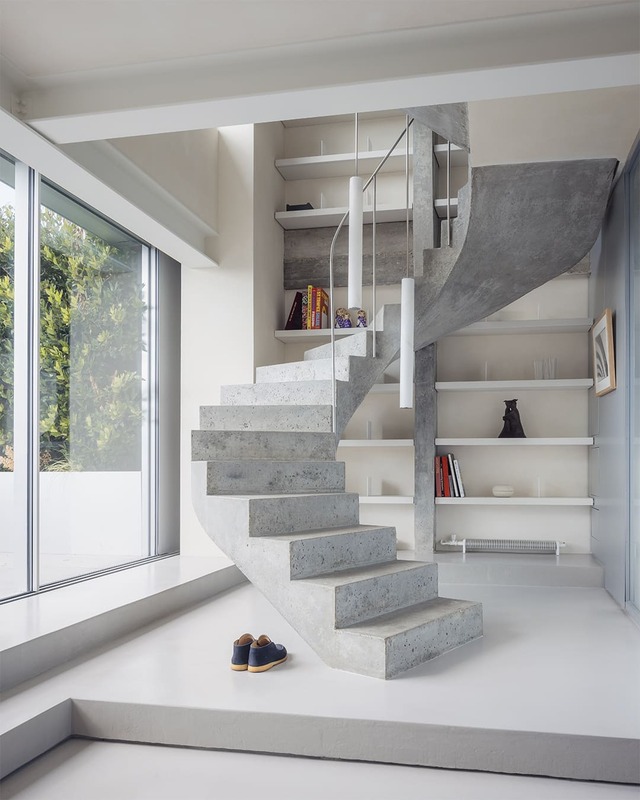
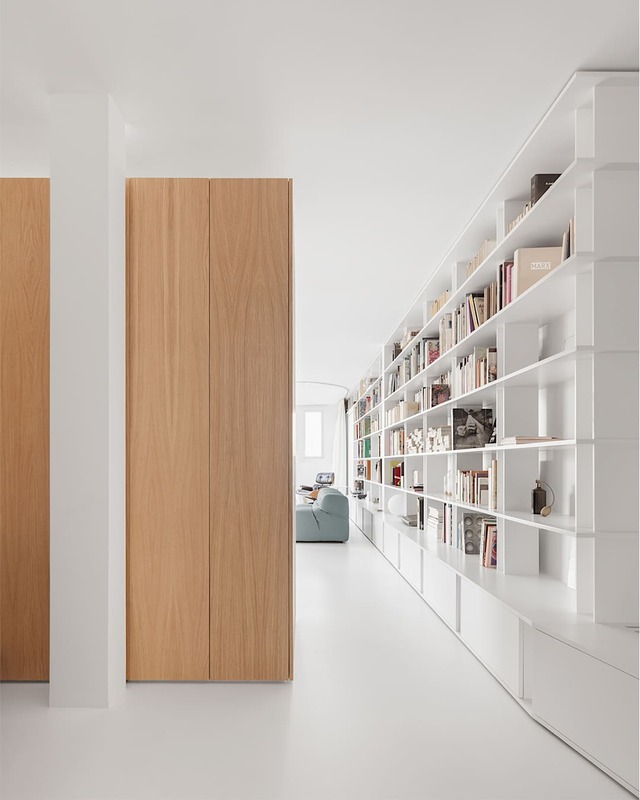
âĄď¸ Appartement A, Paris. Restructuring and extension of a 1970s apartment. Ph. Stijn Bollaert
âĄď¸ Appartement S, Paris. Refurbishment of an apartment. Ph. Schnepp Renou