HEMAA
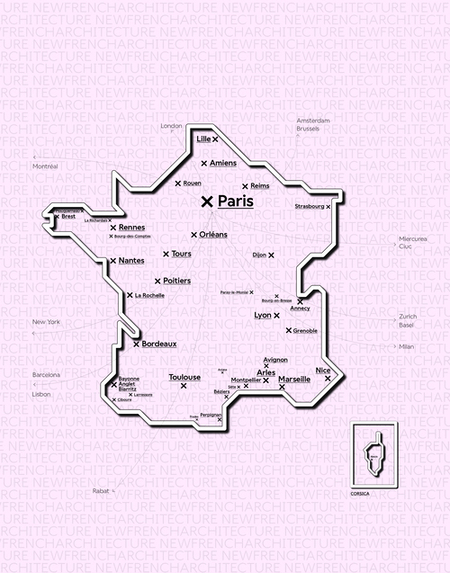
Paris

Designing for Ecological Change

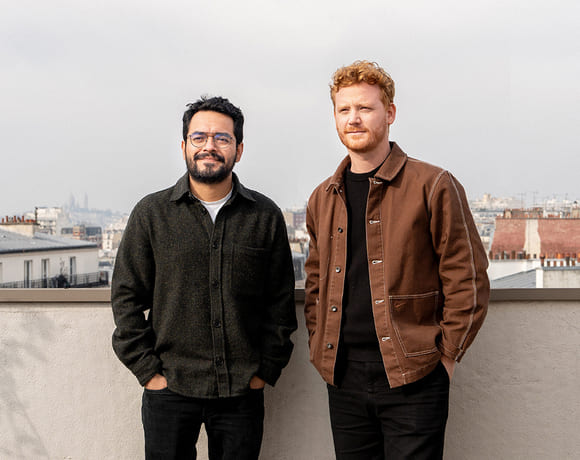
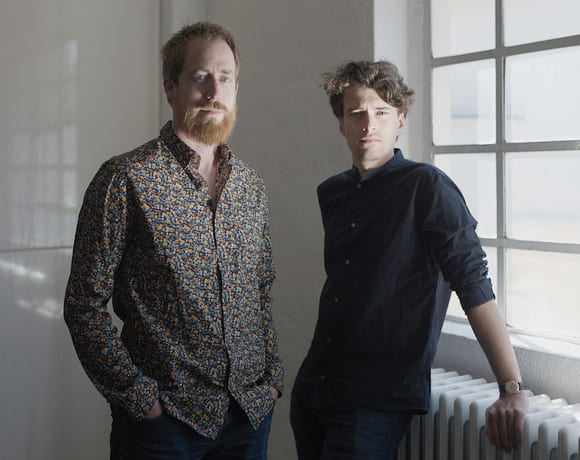
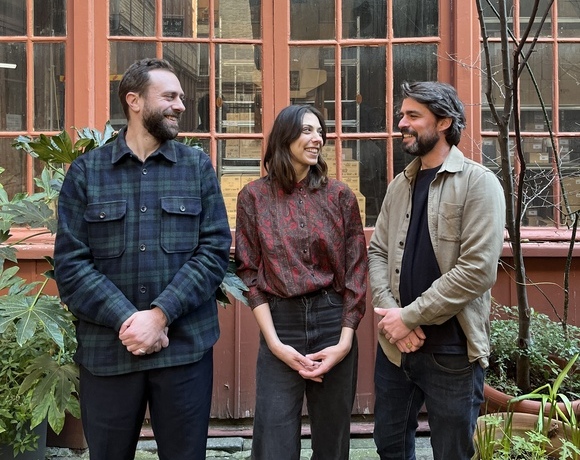
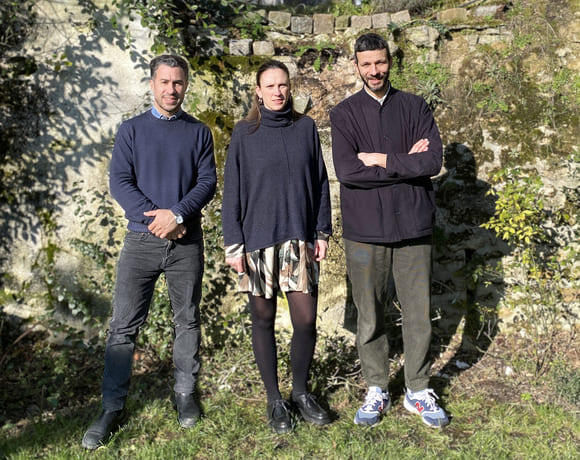
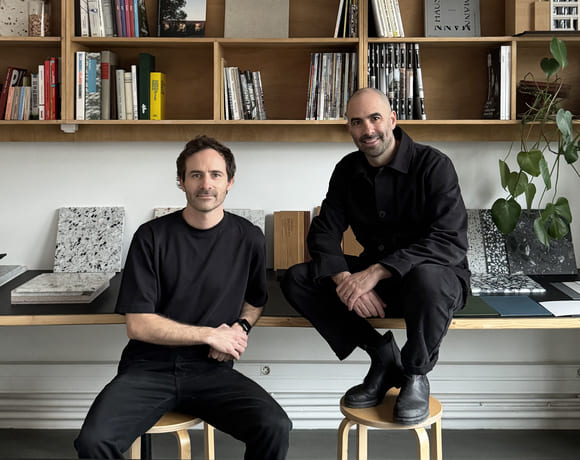
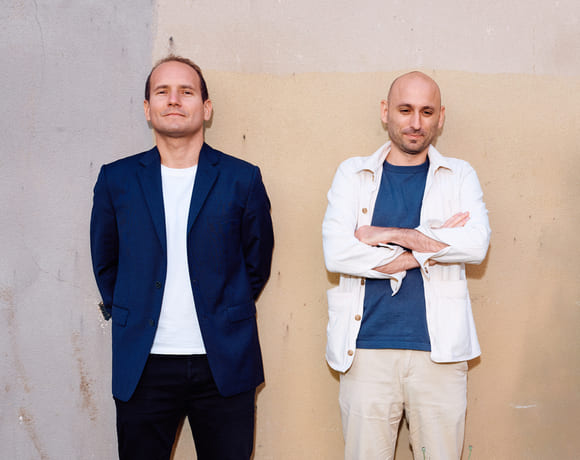
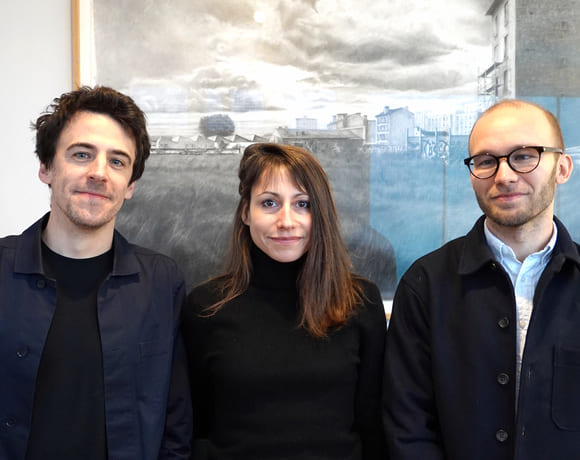
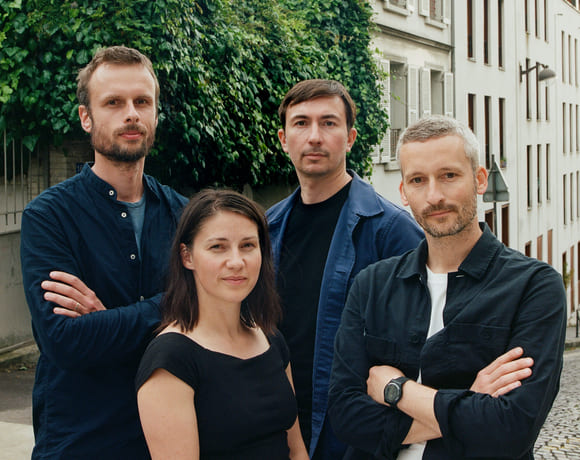
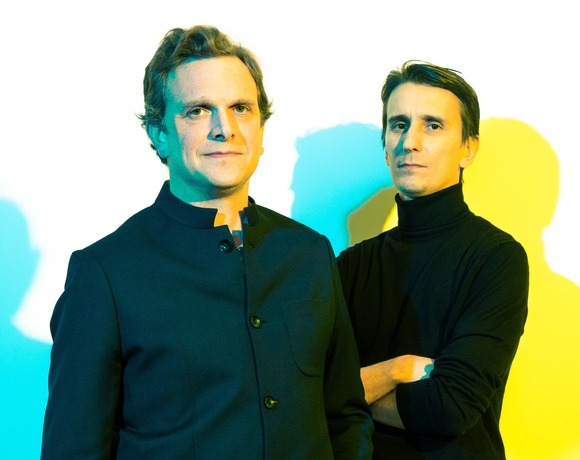
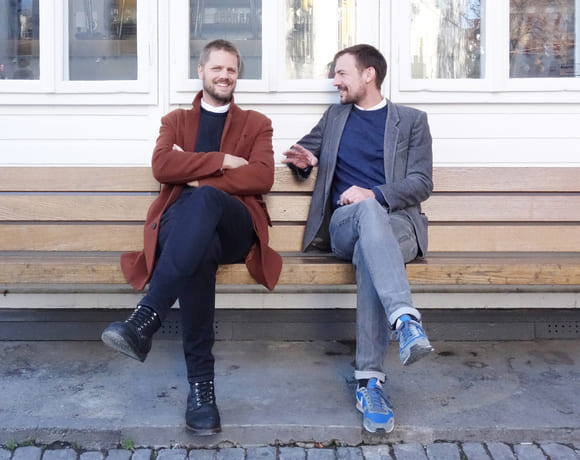
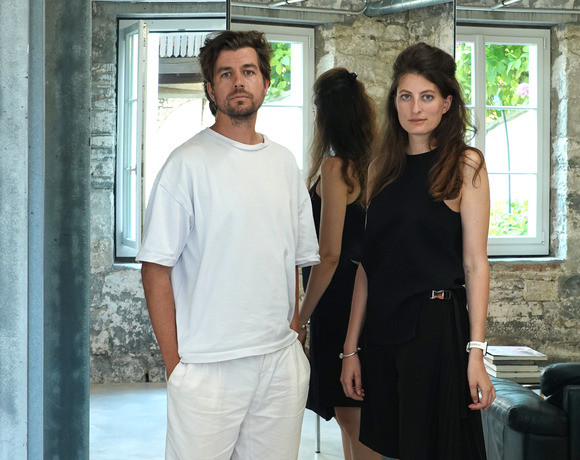
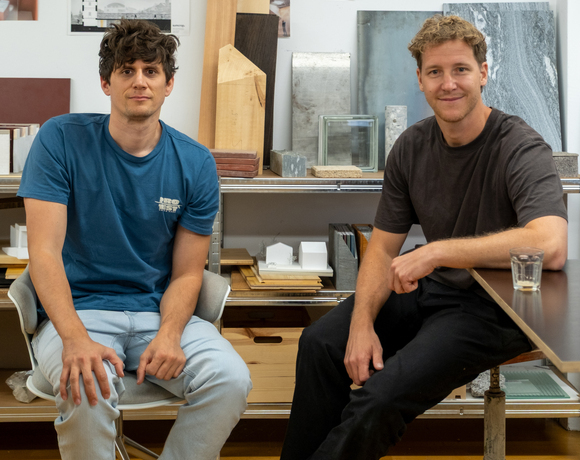
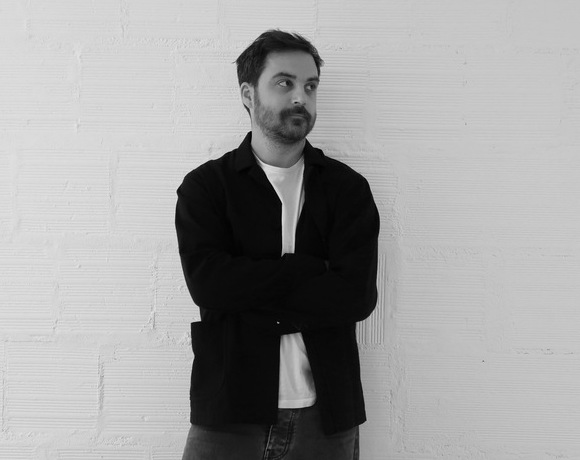
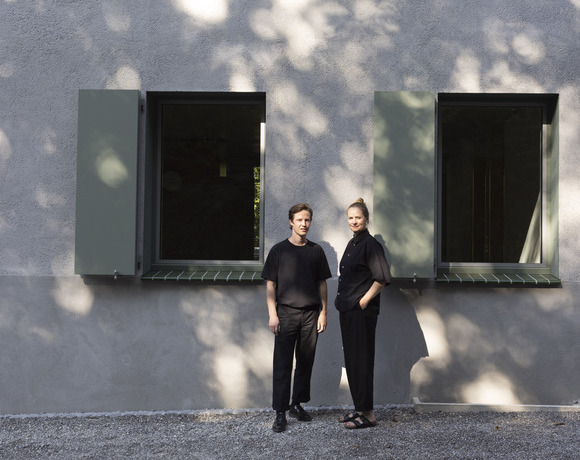
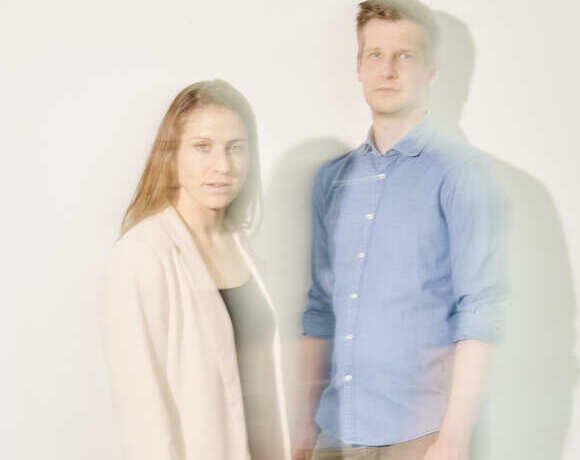
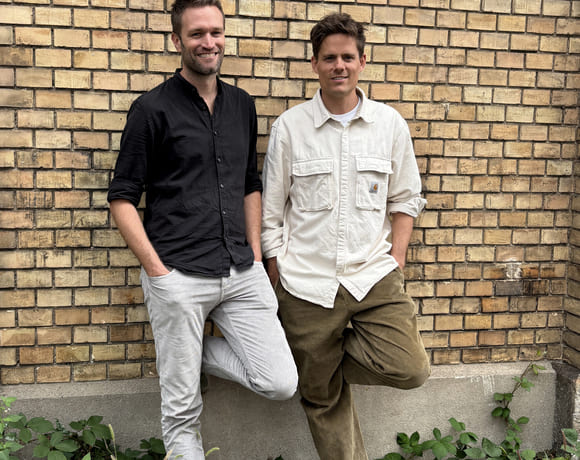
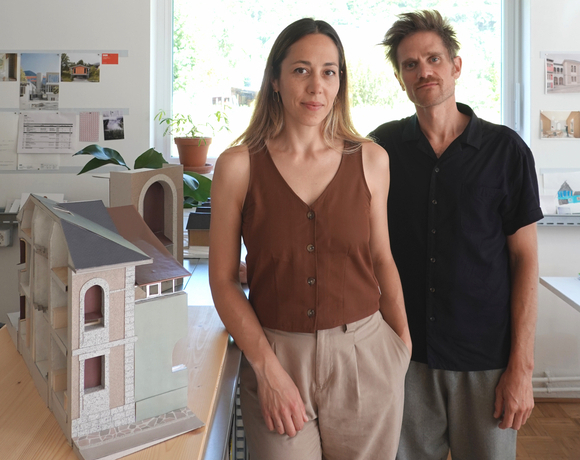
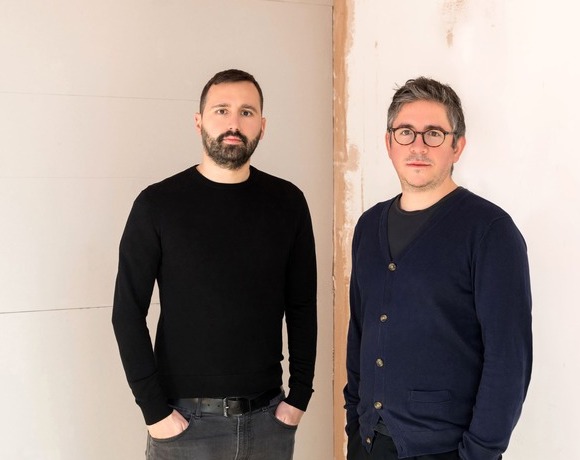
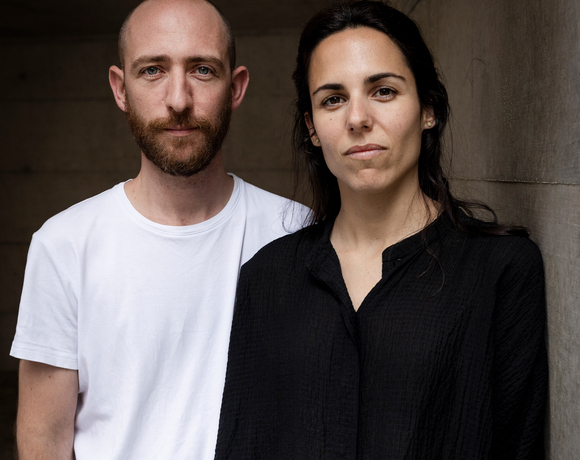
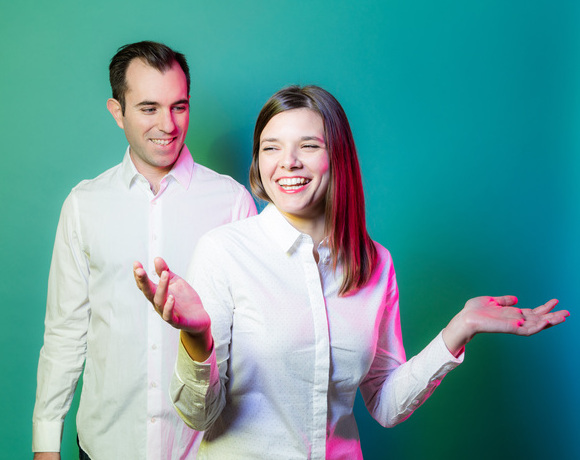
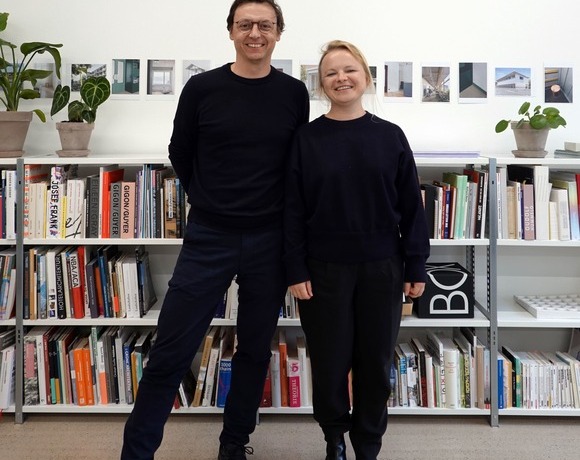
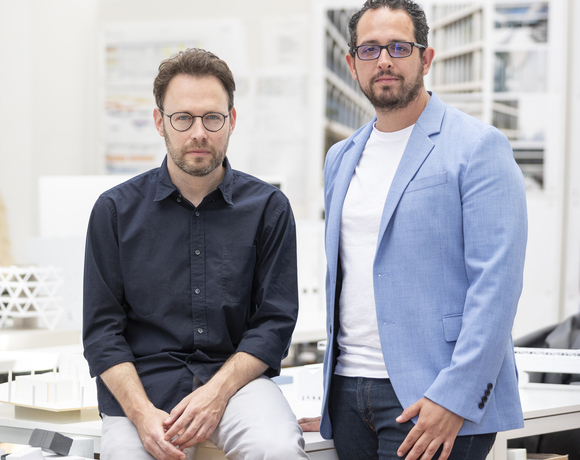
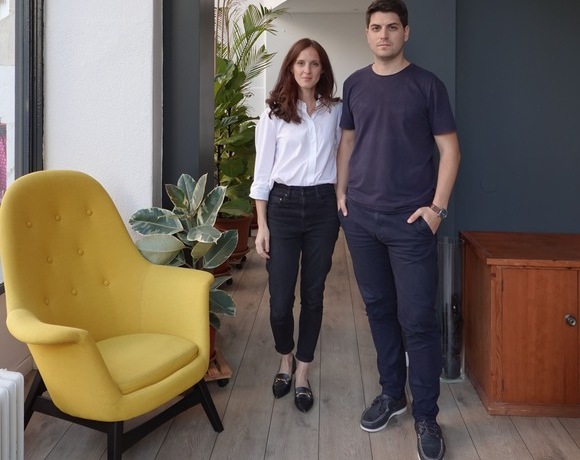
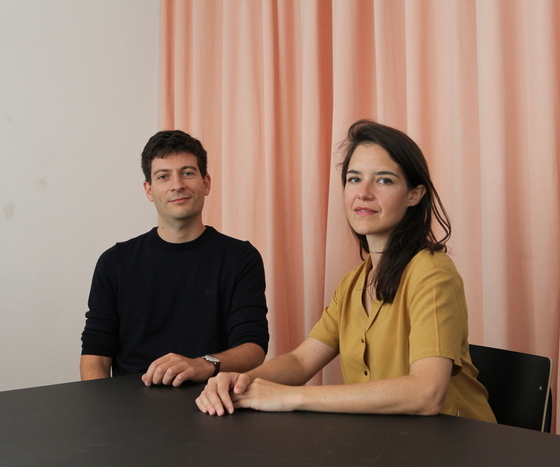
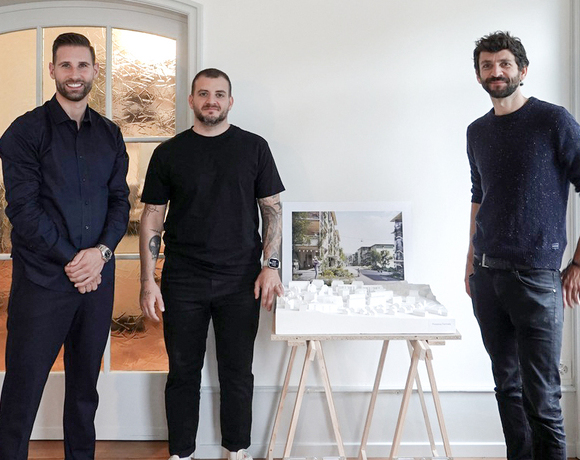
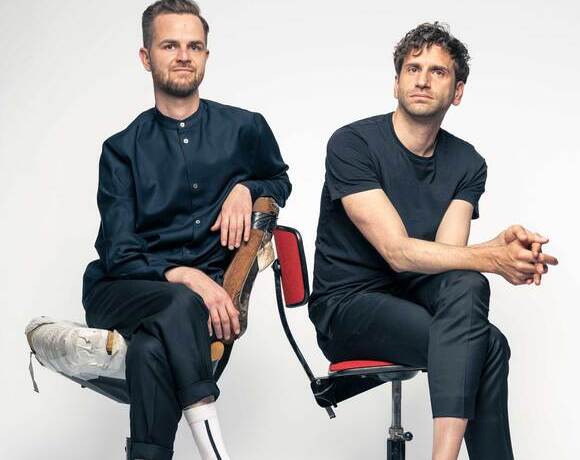
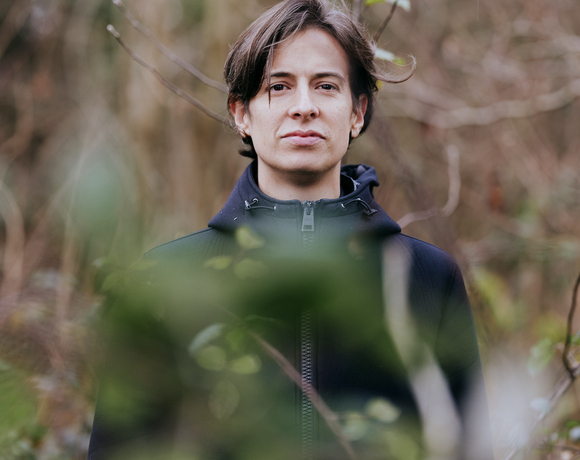
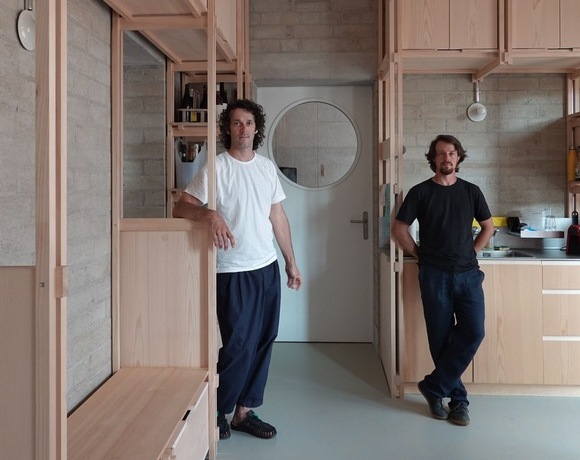
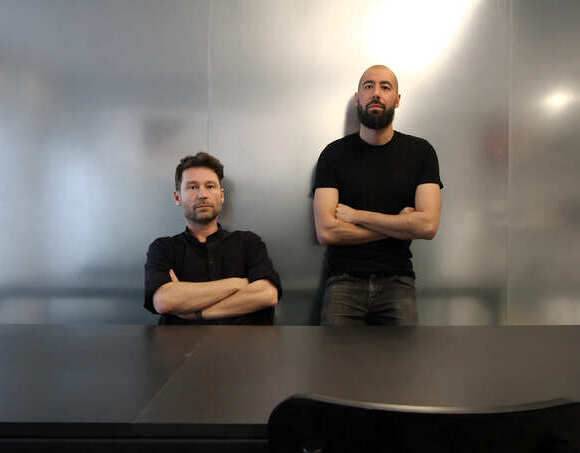
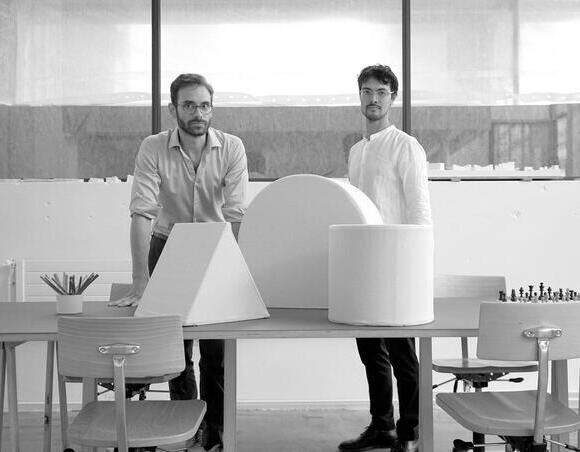
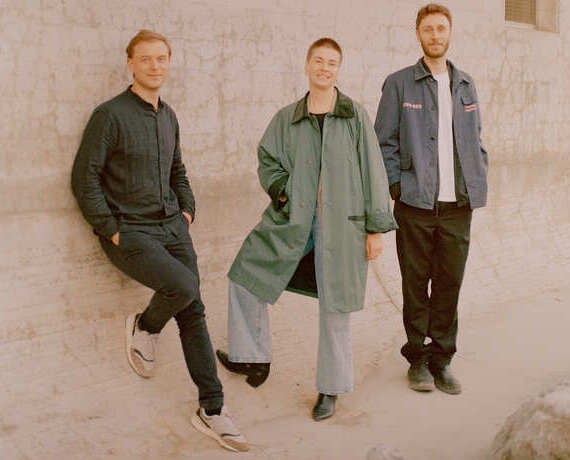
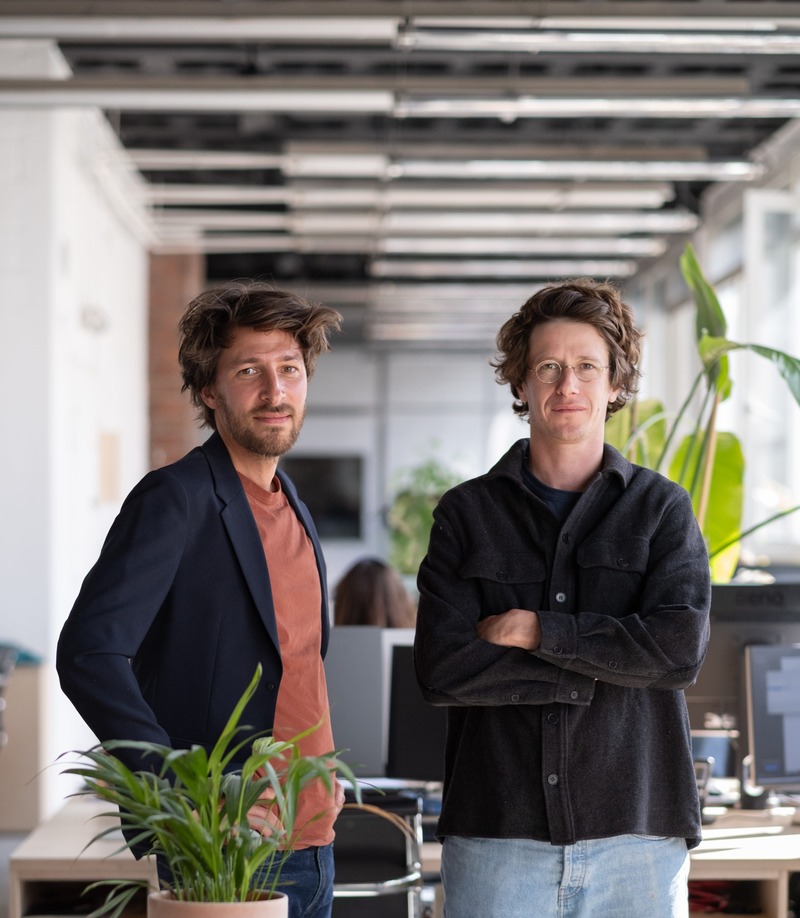
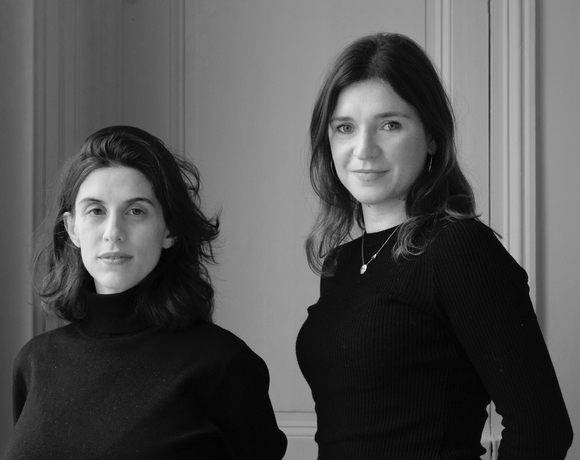
HEMAA is an architecture and urban planning firm founded by Charles Hesters and Pierre Martin-Saint-Etienne. The firm's work encompasses all scales of architecture and land-use planning, both urban and rural. The diversity of the programs they undertake (public facilities, collective and individual housing, cultural venues) allow them to maintain a cross-disciplinary and open-minded approach that enriches and renews their thinking with each project. Their solutions are developed collaboratively, based on a commitment to sustainable architecture that respects its site. The firm advocates for architecture rooted in the history and geography of the place. Understanding its essence allows them to define the site layout, morphology, and layout, and to build with the materials best suited to each program and each location.

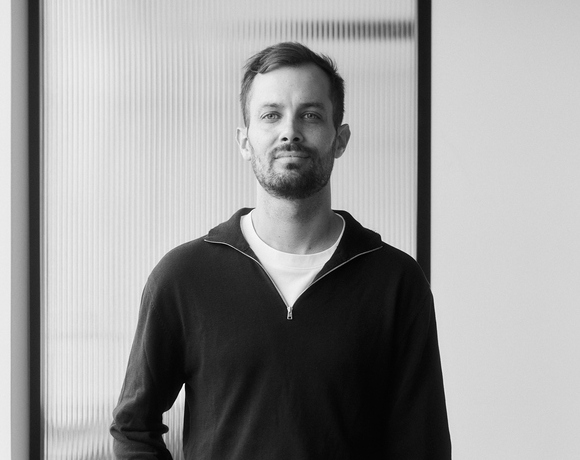
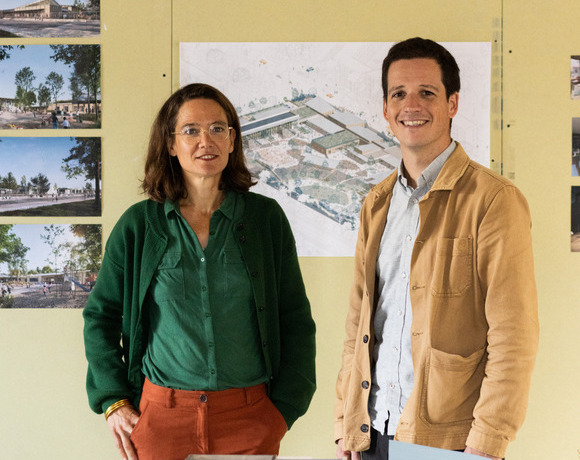
PMSE: Pierre Martin-Saint-Etienne | CH: Charles Hesters


Building with a sustainable mindset

CH: Recent global shifts, like digital advancements and ecological concerns, have influenced architecture. More young architects want to do things differently. When we started working, ecological practices and material choices weren’t as prominent in discussions.

PMSE: As we questioned our personal choices—how we travel, what we eat—those concerns naturally extended to our work. What role do we want to play as architects in a world facing ecological challenges? Our generation, and those ten years around us, has approached these issues deeply—not just adding greenery to buildings but rethinking ecological architecture at its core. That push for new ideas has opened doors for people like us to build.

CH: About 90% of the buildings we work on are public, and France has strict rules in place, like the MOP law (law that regulates public buildings and architecture) which requires cities to organise design competitions for projects above a certain budget. This law helps maintain architectural quality and protects the landscape, but getting invited to these competitions is the hardest part.

PMSE: There are different ways to get invited. If you’re well known in a small region, you might get selected through local networks. Or, if you’ve already built a school, you’re more likely to be invited for another. At the beginning, we teamed up with larger firms that had experience and references. In one project, we partnered with a firm known for working with concrete, while we brought our expertise in ecological construction. That combination helped us get selected.

CH: The shift towards sustainability also influenced these competitions. Public officials and mayors, responsible for selecting architects, increasingly looked for younger firms engaged in new ecological approaches.

PMSE: A good project isn’t just about having a good architect—it also depends on having a good client. When a client is motivated to build sustainably but doesn’t know how, our role is to translate that ambition into a project. This shift in client mindset allowed new, environmentally conscious firms to participate and win competitions.

CH: Public buildings are meant to set an example. When a city builds a school, it wants to demonstrate the best way to build, hoping private developers will follow. That’s why there’s a strong push for sustainable projects.

PMSE: In housing, especially large-scale projects, cities have also encouraged collaborations between established and emerging firms. That’s how we won a competition in Lyon to design 50 social housing units and 100 private flats. The city specifically asked for young architects to be part of the team.

CH: But we can’t assume this ecological focus will last. Political shifts in France and globally could change priorities. We worry that, in a few years, sustainability might no longer be a major consideration, even for public projects.


Pushing boundaries in a small village

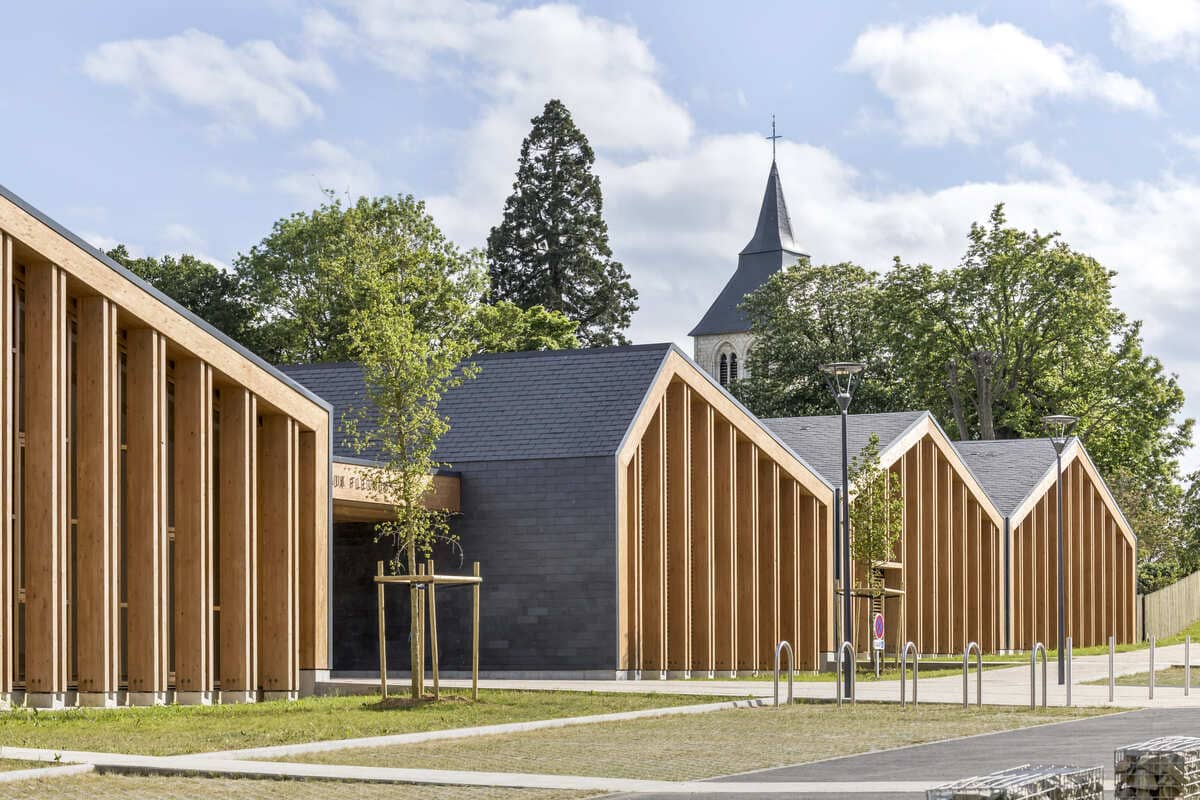
CH: We completed a school project in Heudebouville, Normandy, about an hour and a half from Paris. As architects based in Paris, working in this small village was a striking contrast. The school wasn’t large, but with the village’s growing population, the design had to allow for future expansion.

PMSE: The school would be the biggest building in the village, larger than the city hall or church. That led us to ask how we could create contemporary architecture while respecting the local building traditions.

CH: We designed it as a cluster of five buildings inspired by barns. Together, they formed the school but remained visually connected to the village’s scale.

PMSE: We used local materials—French wood, stone tiles similar to those on the church roof—so the school felt familiar to the community. This approach also made the project more sustainable by minimising material transportation. We realised that one of the first steps in ecological design is using locally available resources.

CH: We learned a lot from this project. Looking back, we might do some things differently, but many of the ideas we explored here continue to influence our work. The connection to the site, engagement with the community, and material choices are now central to our practice.

PMSE: Working in a small village also meant having close communication with the mayor and local officials. Unlike in a big city, where you rarely meet decision-makers, this direct interaction helped us understand their priorities.

CH: One key aspect was water management. In urban areas, natural water infiltration is a major challenge, but here, we designed natural drainage paths so rainwater from the roof flowed back into the fields instead of being directed into pipes. The school is self-sufficient in managing its water. This concept, first developed in that project, is now part of every design we do. We continue to refine it, but the core principle remains. Another major lesson was prefabrication. To minimise noise and disruption in the village, most of the wooden structure was pre-assembled off-site, allowing for quick and quiet construction. That experience shaped how we approach prefabrication in later projects.

PMSE: This project embodies many of the new questions surrounding the construction of public facilities—wooden and prefabricated structures, water management, and the use of local materials. After COVID, these ideas became more widespread in society and among decision-makers, and perhaps we arrived with the right project at the right moment. This school led to numerous competition invitations over two years for different types of buildings: schools with sports facilities, standalone sports complexes, and schools dedicated to arts and music. Gradually, this extended to cultural spaces. From this project and our first five competitions, we won all five, which allowed us to expand into various programs and helped our practice grow.


Growing through diversity

CH: We sought to protect ourselves from economic uncertainty in France. We believed that working on different types of buildings would provide stability, but we weren’t sure if we could achieve it. In hindsight, this diversity has made us better. In our first firm, we worked on housing and offices, which operate very differently from public buildings. Housing and office projects can feel almost industrial—highly organised with repetitive facade details over large surfaces. This taught us discipline in execution, which we now integrate into public buildings.

PMSE: Public projects are more artisanal. We often say our buildings are prototypes because each is unique in materiality and context. Working across different building types enriches our approach. We love designing schools with cultural and sports facilities, we deal with different spatial needs—still working on sun protection, semi-outdoor areas, and varied scales— but introducing new typological challenges that keep our practice evolving.

CH: This diversity also enriches our firm’s culture. We now have more knowledge—how to combine different materials and create hybrid structures, such as a wooden facade with stone. It was something we aimed for. Now, it’s something we want to maintain because it keeps our work exciting.

PMSE: It all happened gradually. We won a school project, which led to another school with a small sports facility. That small sports facility led to standalone sports projects. Schools led to conservatories of music and theatre, which introduced us to cultural centres. This eventually led to libraries and a museum on Viking history. Local familiarity with our work helped—having completed a well-regarded school in an area, we were trusted with a museum project, even though we hadn’t built a museum before. Many factors played into this expansion, and we’re happy with the path it has taken.


Old materials for “new” solutions

CH: The fundamental question we ask in every project is how it fits into its site. The goal is to create a building that belongs in its place. This isn’t just about volume but also about materials—both the materials already present in the city and those used in construction. The key is not simply using new materials but choosing the right ones for each context.

PMSE: One of our early projects is a leisure centre and sports complex in Évry-Courcouronnes. Our aim was to create an environment for children that felt distinct from their everyday surroundings. Given the site's suitable earth composition, we used rammed earth for the walls and wood for the interiors, creating a natural and immersive space. Later, we applied the same techniques in the Viking History Museum (Hérouville-Saint-Clair, Caen, Normandy), aligning with historical construction methods.

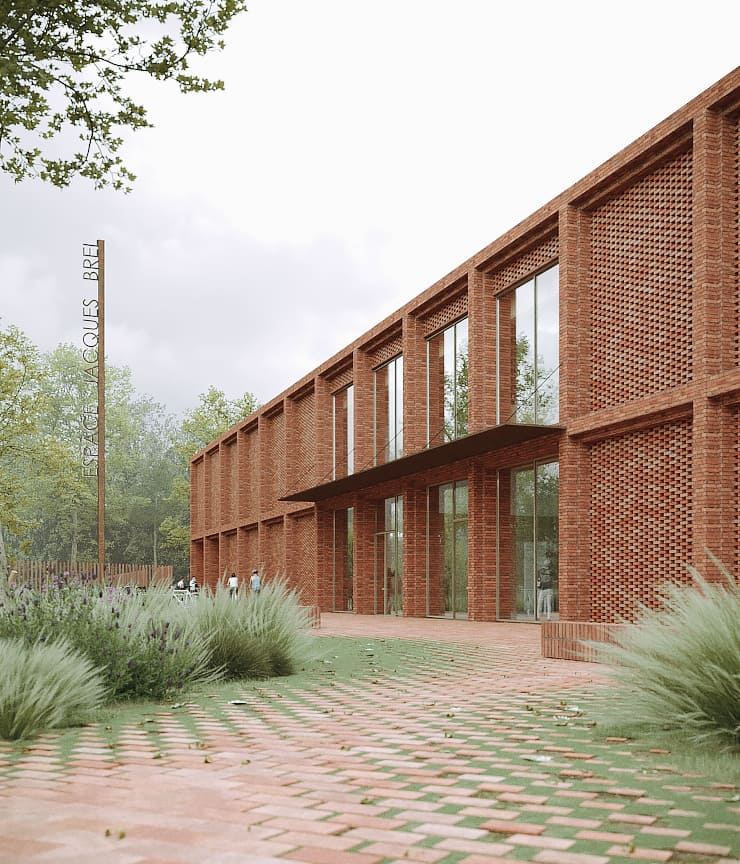
CH: We also designed a school in the western suburbs of Paris, where traditional stone architecture is prominent. Stone is an exceptionally ecological material because it requires minimal processing—only transportation from quarry to site. This made it a natural choice. Similarly, in Lille, where red brick is ubiquitous, we designed a cultural centre using brick in a contemporary way to integrate with its surroundings.

PMSE: In Évry, we initially planned to use local earth for rammed earth walls, but during testing, we discovered asbestos contamination. We partnered with Cycle Terre, an association repurposing earth excavated from Paris’s new metro tunnels for low-carbon bricks and rammed earth. Though we couldn’t use site earth, we maintained a connection to Paris’s construction history and the Grand Paris development.

CH: Early on, we were focused on reducing carbon in structures, avoiding concrete when it's useless, and prioritising wood, earth. Over time, we realised carbon impact extends beyond structure—to ventilation and electrical systems. Now, we’re working on two schools designed to minimise mechanical ventilation, reducing both construction impact and long-term energy use. This also simplifies renovations, as older buildings weren’t designed for modern ventilation infrastructure. However, convincing clients and engineers to adopt this approach remains a challenge. We’ve found the right collaborators and are excited to explore this further.

PMSE: Ventilation accounts for 20% of a building’s carbon footprint—similar to structure—so reducing it has a significant impact. It’s also cost-effective, freeing up resources for better materials.

CH: Historical architecture was inherently ecological before globalisation. We’re not inventing new solutions; we’re reviving and refining local techniques with contemporary tools. A Paris city official once asked what innovations we were introducing, and we told them: we’re not inventing anything, just rediscovering and optimising what was already there. In the second part of the 20th century, concrete was the only material, and details were always the same. Now, we work with wood, earth, bricks, and concrete, each with unique properties.

PMSE: This changes the way we design buildings. Using these materials requires understanding their limitations and possibilities. If you build with rammed earth, stone, or wood, each material has different characteristics. You have to design with their strengths in mind. Sometimes, for example, instead of using large amounts of wood, a small iron piece can optimise material use.


Challenging the limits of norms

CH: Experimenting with hybrid solutions with these materials often presents new challenges. For example, in Évry we designed a cultural and social centre in a city that is only 40 years old and primarily built in brick. We wanted a strong building that referenced Mario Botta’s cathedral, the only significant public building in the area, while also being ecological. Brick has a low carbon footprint if you look at it over 50 years, so we used it for the façades, but we structured the building with wood. Since wood and brick respond differently to temperature and humidity, it required a construction method outside standard French norms. We had to undergo an ATEX (experimental techniques) process, which involved extensive calculations and justifications to prove the structure would be insurable and long-lasting. The issue with ATEX is that it can only be reused under identical conditions—same materials, same insulation. We wish the French government would simplify the process and allow more flexibility in building norms. We need more freedom to create interesting, sustainable buildings.

PMSE: There’s also the issue of new environmental regulations, the RE 2020, meant to reduce carbon emissions in construction. The problem is that carbon calculations rely on government-approved data files. If a small local craftsman produces wooden windows but lacks the official file, the system assigns a default high carbon footprint. Meanwhile, a plastic window from a large manufacturer might appear to have a lower footprint simply because they have the required paperwork. 

CH: These examples show that architecture alone isn’t enough. We need to engage in broader discussions. In France, architects aren’t well-organised as a collective force. If more architects and engineers were involved in shaping building regulations, the rules might be more logical and ecological. But for that to happen, we would need to be more politically active, which isn’t necessarily what architects want—we want to design buildings, not navigate politics.

PMSE: That’s why working with smaller towns and clients can be more effective—we can explain, experiment, and make real improvements without being constrained by large bureaucracies. It doesn’t eliminate the challenge of arguing for better solutions, but it helps.

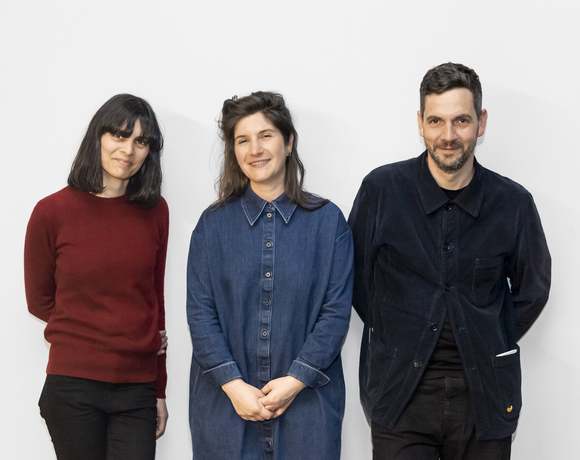
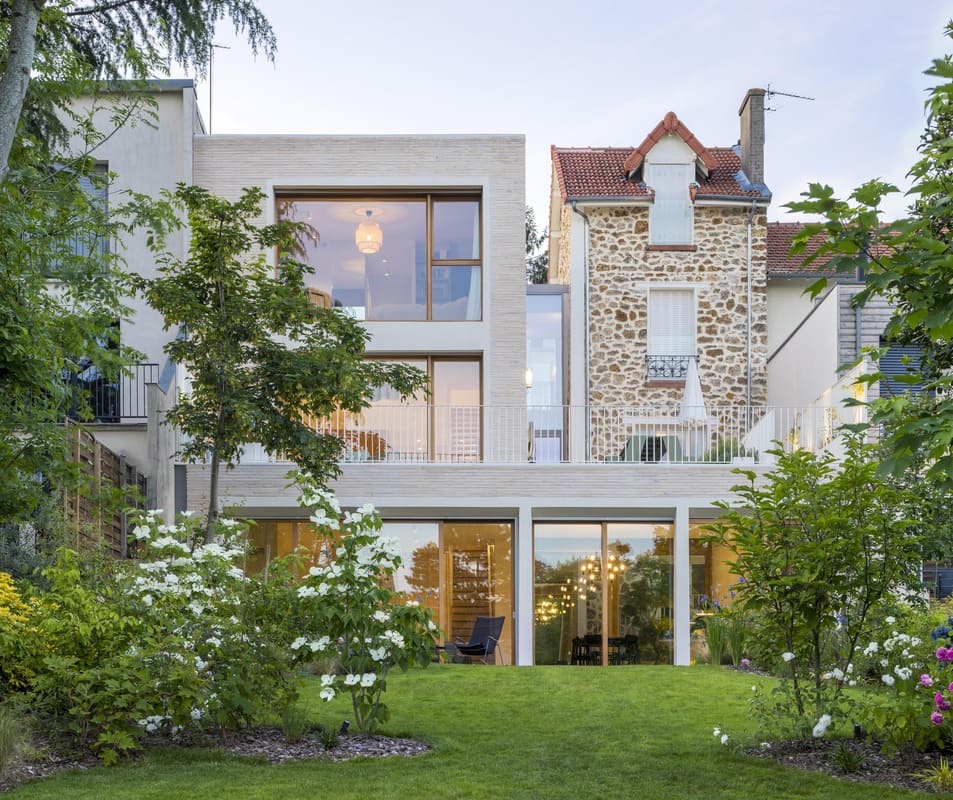
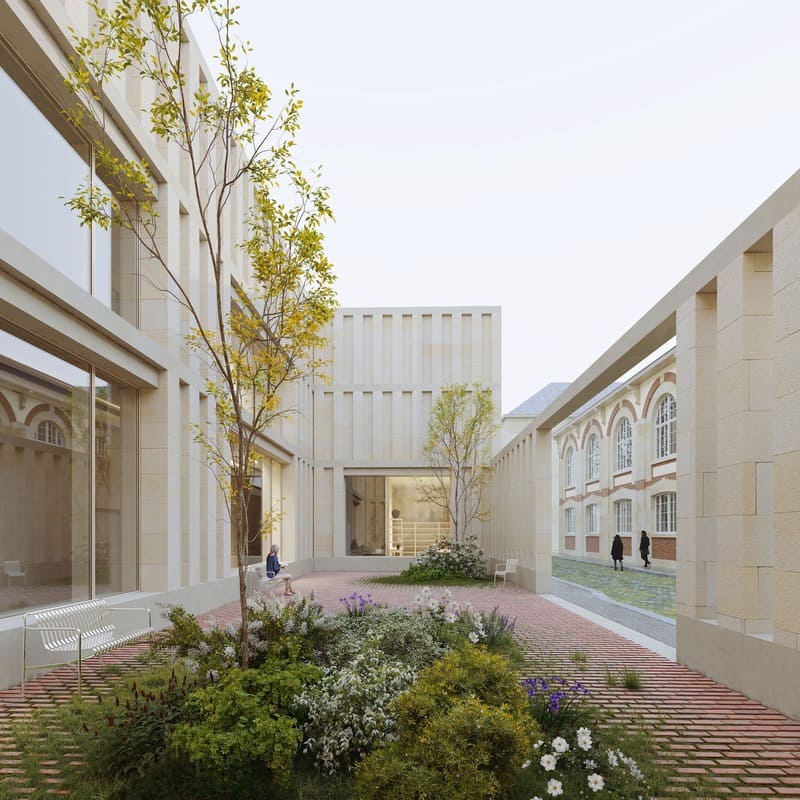
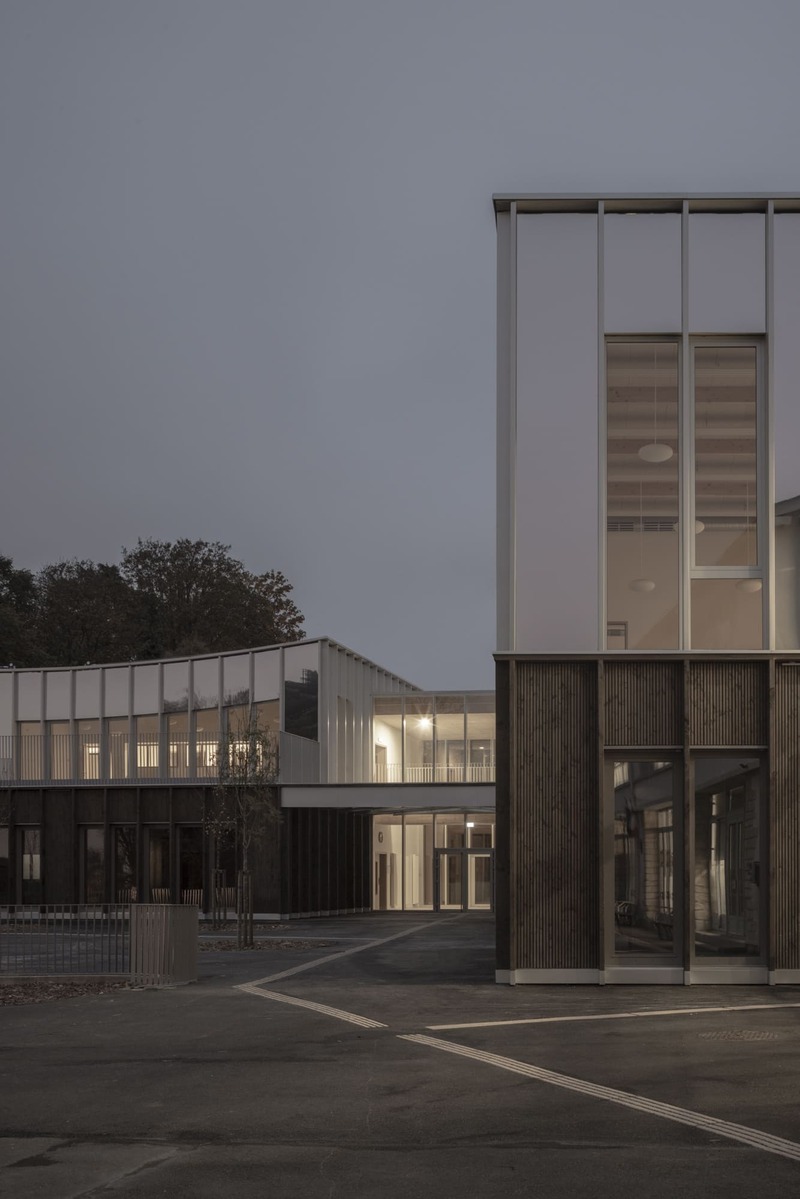
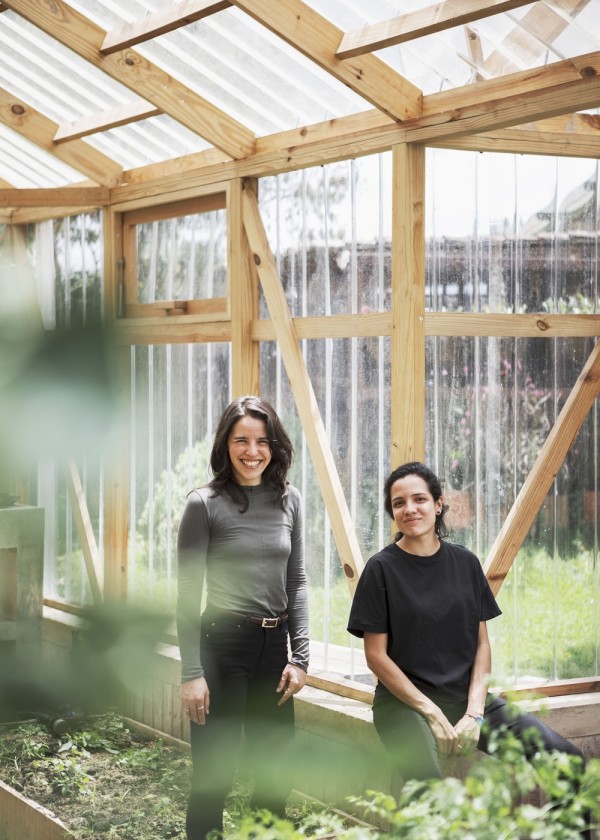
00. portrait associes mathilde tistchenko copie âžĄď¸ HEMAA. Pierre Martin-Saint-Etienne, Charles Hesters. Ph. Mathilde TistchenkoCultural centre Croix Jeudi Wang âžĄď¸ Cultural centre, Croix. Img. Jeudi WangEcole heudebouville Sergio Grazia âžĄď¸ École, Heudebouville. Ph. Sergio Grazia Francilian House photo 1 Sergio Grazia âžĄď¸ Francillian House. Ph. Sergio GraziaManufacture de Serves. Jeudi Wang âžĄď¸ Manufacture de Serves. Img. Jeudi WangSchool Mareil Marly 2 Nicolas da Silva lucas âžĄď¸ School Mareil-Marly. Ph. Nicolas da Silva Lucas


a project powered by Itinerant Office

subscribe to our newsletter

follow us