Fabricaré
Simplicity and Singularity In the Making
New French Architecture
An Original Idea by New Generations
Studio Albédo
Coming Soon
Renode
Renovation as Quiet Resistance
Kapt Studio
Pushing Boundaries Across Scales
Room Architecture
Between Theory, Activism, and Practice
AVOIR
Structural Unknowing
DRATLER DUTHOIT architectes
Crafting Local Language
Claas Architectes
Building with the Region in Mind
B2A - barre bouchetard architecture
Embracing Uncertainty in Architecture
Acmé Paysage
Nurturing Ecosystems
Atelier Apara
Architecture Through a Pedagogical Lens
HEMAA
Designing for Ecological Change
HYPER
Hyperlinked Scales
Between Utopia and Pragmatism
Oblò
Dialogue with the Built World
Augure Studio
Revealing, Simplifying, Adapting
Cent15 Architecture
A Process of Learning and Reinvention
Pierre-Arnaud Descôtes
Composing Spaces, Revealing Landscapes
BUREAUPERRET
What Remains, What Becomes
ECHELLE OFFICE
In Between Scales
Atelier
Rooted in Context, Situated at the Centre
AJAM
Systemic Shifts, Local Gestures
Mallet Morales
Stories in Structure
Studio SAME
Charting Change with Ambition
Lafayette
Envisioning the City of Tomorrow
Belval & Parquet Architectes
Living and Building Differently
127af
Redefining the Common
HEROS Architecture
From Stone to Structure
Carriere Didier Gazeau
Lessons from Heritage
a-platz
Bridging Cultures, Shaping Ideas
Rodaa
Practicing Across Contexts
Urbastudio
Interconnecting Scales, Communities, and Values
Oglo
Designing for Care
Figura
Figures of Transformation
COVE Architectes
Awakening Dormant Spaces
Graal
Understanding Economic Dynamics at the Core
ZW/A
United Voices, Stronger Impacts
A6A
Building a Reference Practice for All
BERENICE CURT ARCHITECTURE
Crossing Design Boundaries
studio mäc
Bridging Theory and Practice
studio mäc
Bridging Theory and Practice
New Swiss Architecture
An Original Idea by New Generations
KUMMER/SCHIESS
Compete, Explore, Experiment
ALIAS
Stories Beyond the Surface
sumcrap.
Connected to Place
BUREAU/D
From Observation to Action
STUDIO ROMANO TIEDJE
Lessons in Transformation
Ruumfabrigg Architekten
From Countryside to Lasting Heritage
Kollektiv Marudo
Negotiating Built Realities
Studio Barrus
Starting byChance,Growing Through Principles
dorsa + 820
Between Fiction and Reality
S2L Landschaftsarchitektur
Public Spaces That Transform
DER
Designing Within Local Realities
Marginalia
Change from the Margins
En-Dehors
Shaping a Living and Flexible Ecosystem
lablab
A Lab for Growing Ideas
Soares Jaquier
Daring to Experiment
Sara Gelibter Architecte
Journey to Belonging
TEN (X)
A New Kind of Design Institute
DF_DC
Synergy in Practice: Evolving Together
GRILLO VASIU
Exploring Living, Embracing Cultures
Studio — Alberto Figuccio
From Competitions to Realised Visions
Mentha Walther Architekten
Carefully Constructed
Stefan Wuelser +
Optimistic Rationalism: Design Beyond the Expected
BUREAU
A Practice Built on Questions
camponovo baumgartner
Flexible Frameworks, Unique Results
MAR ATELIER
Exploring the Fringes of Architecture
bach mühle fuchs
Constantly Aiming To Improve the Environment
NOSU Architekten GmbH
Building an Office from Competitions
BALISSAT KAÇANI
Challenging Typologies, Embracing Realities
Piertzovanis Toews
Crafted by Conception, Tailored to Measure
BothAnd
Fostering Collaboration and Openness
Atelier ORA
Building with Passion and Purpose
Atelier Hobiger Feichtner
Building with Sustainability in Mind
CAMPOPIANO.architetti
Architecture That Stays True to Itself
STUDIO PEZ
The Power of Evolving Ideas
Architecture Land Initiative
Architecture Across Scales
ellipsearchitecture
Humble Leanings, Cyclical Processes
Sophie Hamer Architect
Balancing History and Innovation
Argemí Bufano Architectes
Competitions as a Catalyst for Innovation
continentale
A Polychrome Revival
valsangiacomoboschetti
Building With What Remains
Oliver Christen Architekten
Framework for an Evolving Practice
MMXVI
Synergy in Practice
Balancing Roles and Ideas
studio 812
A Reflective Approach to
Fast-Growing Opportunities
STUDIO4
The Journey of STUDIO4
Holzhausen Zweifel Architekten
Shaping the Everyday
berset bruggisser
Architecture Rooted in Place
JBA - Joud Beaudoin Architectes
New Frontiers in Materiality
vizo Architekten
From Questions to Vision
Atelier NU
Prototypes of Practice
Atelier Tau
Architecture as a Form of Questioning
alexandro fotakis architecture
Embracing Context and Continuity
Atelier Anachron
Engaging with Complexity
SAJN - STUDIO FÜR ARCHITEKTUR
Transforming Rural Switzerland
guy barreto architects
Designing for Others, Answers Over Uniqueness
Concrete and the Woods
Building on Planet Earth
bureaumilieux
What is innovation?
apropå
A Sustainable and Frugal Practice
Massimo Frasson Architetto
Finding Clarity in Complex Projects
Studio David Klemmer
Binary Operations
Caterina Viguera Studio
Immersing in New Forms of Architecture
r2a architectes
Local Insights, Fresh Perspectives
HertelTan
Timeless Perspectives in Architecture
That Belongs
Nicolas de Courten
A Pragmatic Vision for Change
Atelier OLOS
Balance Between Nature and Built Environment
Associati
‘Cheap but intense’: The Associati Way
emixi architectes
Reconnecting Architecture with Craft
baraki architects&engineers
From Leftovers to Opportunities
DARE Architects
Material Matters: from Earth to Innovation
KOMPIS ARCHITECTES
Building from the Ground Up
Fill this form to have the opportunity to join the New Generations platform: submissions will be reviewed on a daily-basis, and the most innovative practices will have the chance to be part of the media's coverage and participate in our cultural agenda, including events, research projects, workshops, exhibitions and publications.
New Generations is a European platform that investigates the changes in the architectural profession ever since the economic crisis of 2008. We analyse the most innovative emerging practices at the European level, providing a new space for the exchange of knowledge and confrontation, theory, and production.
Since 2013, we have involved more than 3.000 practices from more than 50 countries in our cultural agenda, such as festivals, exhibitions, open calls, video-interviews, workshops, and experimental formats. We aim to offer a unique space where emerging architects could meet, exchange ideas, get inspired, and collaborate.
An original idea of New Generations
Team & collaborators: Gianpiero Venturini, Marta Hervás Oroza, Elisa Montani, Giuliana Capitelli, Kimberly Kruge, Canyang Cheng
If you have any questions, need further information, if you'd like to share with us a job offer, or just want to say hello please, don't hesitate to contact us by filling up this form. If you are interested in becoming part of the New Generations network, please fill in the specific survey at the 'join the platform' section.
Simplicity and Singularity In the Making
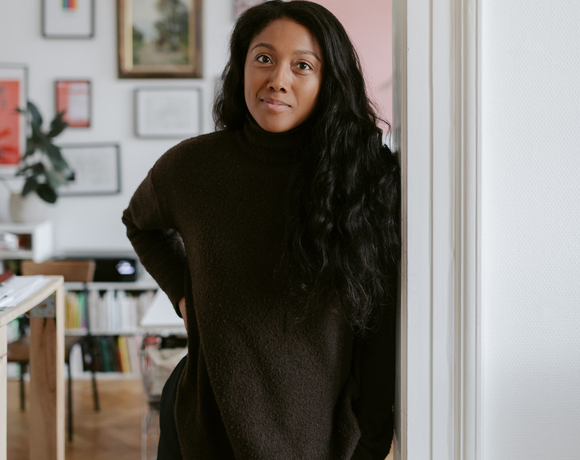
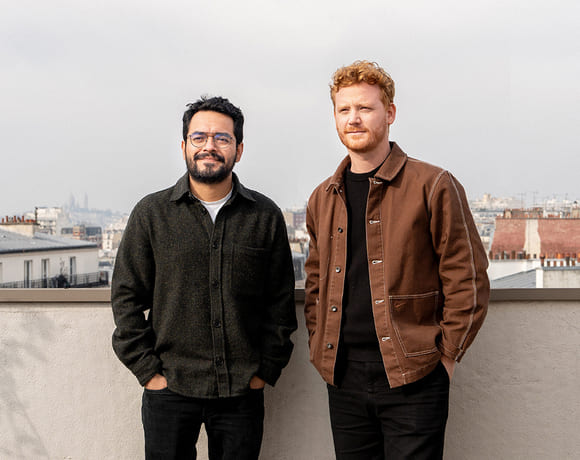
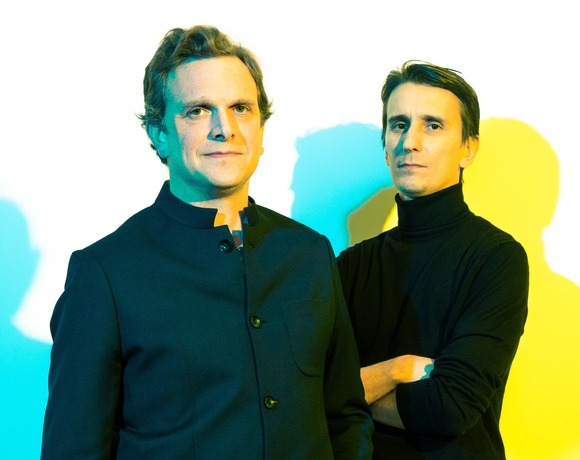
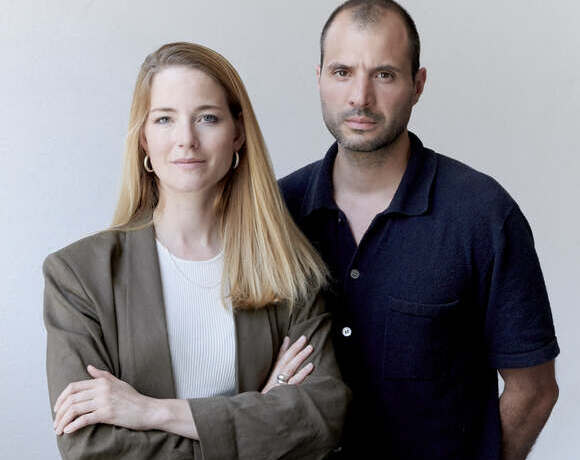
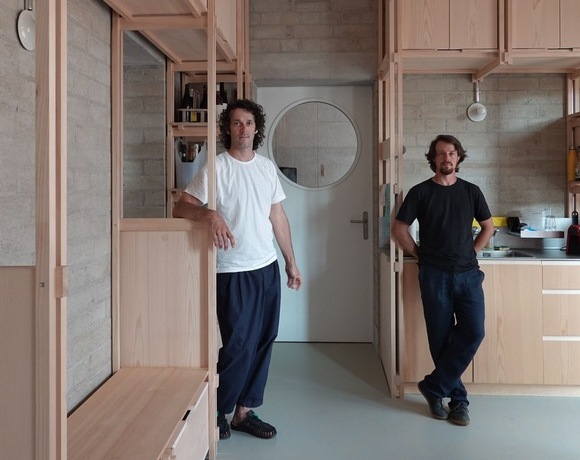
fabricaré embodies an architecture of conviction, driven by a lucid optimism: transforming the act of building is the ultimate opportunity to reconnect with meaning. Founded by Christophe Beraldin and Jorge Torres Martinez, they turn contemporary challenges into engines of innovation to re-enchant our territories. Drawing from their intersecting paths across Mexico, Spain, Italy, and France, they cultivate a versatile approach that rejects standardized solutions. They explore the delicate balance between the private and the collective, designing each project as a process of sedimentation where local history and resources become the foundations of a desirable future. At the crossroads of technical rigor and poetic detail, they reinterpret craftsmanship to create symbiotic spaces that dissolve boundaries, inviting us to live in harmony with the living world.
CB: Christophe Beraldin | JT: Jorge Torres Martinez
Gaining trust, Building references
JT: The main reason there’s a flourishing new generation of architects in France—especially in Paris—is the availability of small-scale private projects. I wouldn't say there's an abundance of work, but there are definitely opportunities, mostly in private commissions: flat renovations, extensions, and refurbishment. These types of projects are stimulating. They create openings for young practitioners. I think this is often the first step in establishing a studio—getting that first flat renovation, for example, gives you the confidence to imagine your own practice.
CB: Another reason relates to a broader shift taking place in society—one that spans many fields, including architecture. The new generation increasingly seeks independence, a trend we’re observing not only in architecture but across various sectors. It’s the result of a combination of factors. Take our experience with Echelle Un, the incubator program we joined at ENSA Paris-Est. What we share with the other teams is this desire to work on public architecture and to gain access to public commissions. Most of us start with small-scale private projects, and then we search for the next one, and the next. There’s a community of young architects, ourselves included, who feel a strong urge to express themselves more freely and in new ways—and public projects often provide that space, enabling us to engage with pressing societal issues.
JT: That’s something we all share: We want to access public commissions, but often we need the support of more established firms to do that. It’s one of the major challenges. Even though we have professional experience—we’ve worked at different studios—you have your past network, but the question is: how do you connect with new people who are willing to trust you? How do you find larger firms that say, "Yes, we’ll partner with you on a project, even though you’re a young practice"?
This is the question we keep asking—both in the incubator programme and in our day-to-day practice. Right now, we mostly have private clients, but the goal is to move toward public interventions. That’s why we’re working on a lot of administrative dossiers and public tenders. But without collaborating with established firms, it’s extremely difficult to be taken into account. You need to build your references first—and that’s probably one of the biggest challenges for a young practice in France. It's like the classic paradox: you need experience to get the job, but you can't gain experience unless someone gives you a chance.
CB: That’s also why we’ve been looking at competitions outside of France. It gives us an opportunity to show how we approach public architecture, and how things might be more accessible in other European countries. We’ve already seen some results—placing third and second in a few competitions—and we're now expanding our interests to Spain, Italy, Belgium, and Switzerland. While it’s not easy, the selection processes in these countries differ, offering new opportunities at this stage of our practice. So for us, there are two paths: one is the private projects—sometimes with a public dimension. The other is competitions—public or semi-public—that are often more accessible in other countries.
A name to build upon
JT: We didn’t originally set out to start a firm, but once we began talking about Fabricaré, things evolved—and that’s what brought us to where we are today.
CB: The idea started with a conversation about naming—whether to use our surnames or to find a name that would allow space for evolution. We wanted something open, not Beraldin & Torres Martinez, but a name that could evolve with others joining the practice. That’s how Fabricaré came about. We also liked the idea of using a Latin-rooted word, since our backgrounds connect to Latin cultures—Jorge is from Mexico City, and I have Spanish roots from my years in Seville. We didn’t want it to be in Spanish, since we’re based in France, but we wanted something that reflects our roots, our story, and our language. Fabricaré means "I will make" in Latin. It’s a projection, a future-oriented name. It worked in French too—its root is shared with fabriquer, which evokes making things by hand. That’s important to us. We love working with materials, building models, and making things physically—so the idea of craft and fabrication felt right.
JT: Choosing the name was, in a way, our way of making the collaboration official. But a real milestone came when we got our own office space. Before that, we were working from home, without a proper space to meet clients or build models. Getting a dedicated workspace completely changed our energy. It marked a real shift.
CB: That shift also sparked a deeper reflection on who we are as architects. I think we’re still writing our script. We know what we’re doing right now, but we’re still figuring out what we want to say. What we do know is that we want to aim for simplicity—not in a naive way, but in a way that brings clarity. Architecture is often very complex in its details and functions, but the result should feel simple.
JT: Maybe the word is “dense”—it should be dense, but appear simple. When we draw our plans, elevations, or façades, we’re not comfortable if they look too complicated. It’s not a rule or an end goal, but it’s part of our way of working. We’re not trying to add complexity, but rather to make it easily legible.
CB: Simplicity isn’t about form—it’s about how it feels in the end. When you look at it, it should feel like it was always meant to be there.
JT: I think this way of thinking also comes from our generation. With the climate crisis and all the environmental questions we’ve grown up with, we just take it as self-evident that we need to work with fewer resources, to demolish less, to transform more. We don’t need to construct a discourse around it—it just feels like common sense. That said, simplicity is never enough on its own. Each project must carry its own singularity—something unmistakably its own. Even the most straightforward design needs a distinctive presence: a poetic touch, a striking geometry, a unique form that sets it apart.
In between private and public
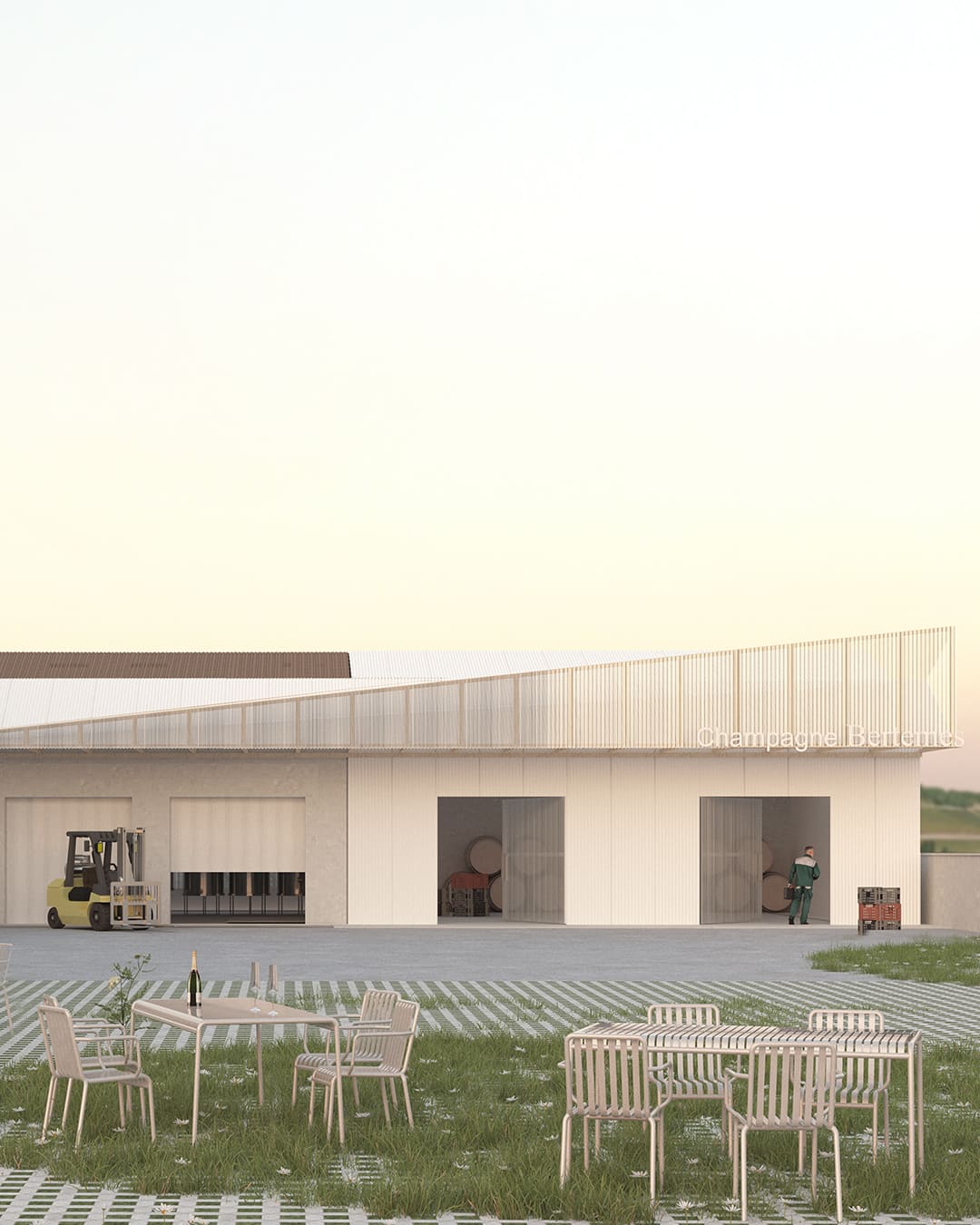
JT: One project that really gave us momentum was the Champagne Exploitation for the Bertemès family. It’s particularly interesting because it sits at the intersection of public and private. It’s a private commission, but the building is open to the public, so it touches on the kind of hybrid work we want to do. It’s taken some time—private timelines can be long—but it’s been meaningful. It was a clear commission, a large one, and it gave us the feeling that we were becoming established as a practice.
CB: The project involves a family-run vineyard, looking to evolve and get a contemporary image. The site is a mix of different construction styles and eras. Our goal was to create unity across the whole ensemble; it was also about linking the generations that have shaped the vineyard—to bring a clear identity to the champagne brand and to make it open to the public for visits and tastings.
JT: There’s also a private house on the property, connected to the production area. We were asked to demolish a part of the building that linked the two and replace it with a space for champagne tastings. So we proposed to demolish as little as possible, and instead open up the space and build a lightweight structure in wood that would connect everything. It’s a small public building inserted into a complex private structure.
CB: We worked with the idea of creating unity across a site with many rooflines and angles—tying it all together without erasing its character. Our idea was to find a unified rhythm, using the slopes to bring coherence. Another important element was materials. The region is full of industrial roofs—corrugated metal sheets, for example. At first, the client was surprised. That kind of material isn’t traditionally associated with champagne or luxury. But we wanted to reinterpret it, to give it value. The ground there is limestone—rich in colour—so we also used that palette to inform our design. It’s been a year and a half, and the project is still ongoing.
JT: The intervention is almost patrimonial in spirit. The main house isn’t listed, but it’s protected, and the rest of the buildings are more industrial, post-war constructions. It really reflects the kind of scale we’re interested in. It's heritage work, but not monumental. It’s intimate, contextual. It’s the kind of project that could become a strong reference for the studio. Once it’s built, we’ll be able to use it in our public tenders.
Referencing Mexico
JT: My first architectural network and professional experience is in Mexico—my friends, former employers, all of it. We’ve been working on a residential project on the outskirts of Mexico City. It’s a private client who wants to transform an old house that had a commercial space on the ground floor. She approached us because she inherited the property and wishes to give it a new life—renovating it into flats while preserving the memory and spirit of her family’s heritage.
The idea was to work with what already existed. We wanted to preserve as much of the original structure as possible. It was a complex project, but we’re really happy with the outcome. It's not exactly vernacular architecture, but it takes the characteristics of a mostly self-constructed context to make its own contemporary architectural language. In that neighbourhood, I don’t know the exact number, but I’d say around 80% of the houses are self-built. The materials are raw, unfinished—brick left exposed, maybe due to economic constraints that prevent people from completing their homes.
We were really drawn to that language. Personally, I find it very compelling. So we saw it as the perfect opportunity to lean into that aesthetic—exposed materials, concrete, and brick block—the same things everyone uses there.
We weren’t actively seeking work in Mexico because our goal is to grow in Paris, in France. At first, we hesitated to take it on—how were we going to do this from a distance? But like I said before we started this interview, it’s my home city. I know how things work there. It wasn’t unfamiliar. So we just went for it, and now we’re developing it.
Building in dense Paris
JT: We also have a wooden roof extension project in the 20th arrondissement, near our office in Paris. It’s a 30-square-meter extension, made entirely of wood. That choice comes from both the conditions of the existing building and our interest in working with timber.
CB: It’s very interesting because it’s in the heart of an old Haussmannian block surrounded by the history and unique character of Parisian architecture. There’s a small house there in the middle of the block, and the client wants to add an extension to the roof. It’s really complicated because of the context—lots of neighbours, very dense surroundings. We’ve had to work closely with them. It’s a complex situation, but also very exciting. There’s something special about building in this place, and this project has the quality of a small jewel—modest in scale, but where every detail truly matters.
JT: There will be challenges, especially when delivering materials—they’ll have to close off the street. It’s not a prefabricated project in the usual sense. The structure is being prefabricated in a workshop, but it will be assembled on-site. There’s no way to fabricate anything directly on-site—it’s just not possible in such a dense city like Paris. As Christophe mentioned, the neighbours, the noise—these are all things we have to consider.
Still, it’s a really interesting project, especially because we’re working with the new bioclimatic local urban planning program (PLUb), which includes things like a green roof and timber construction.
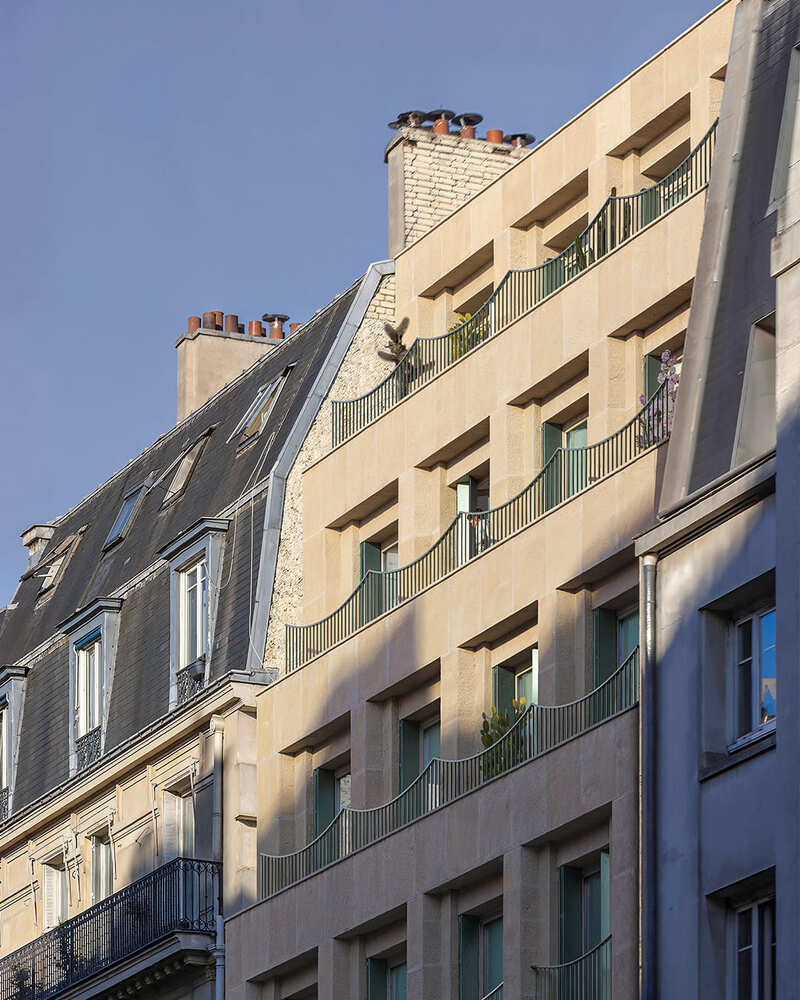
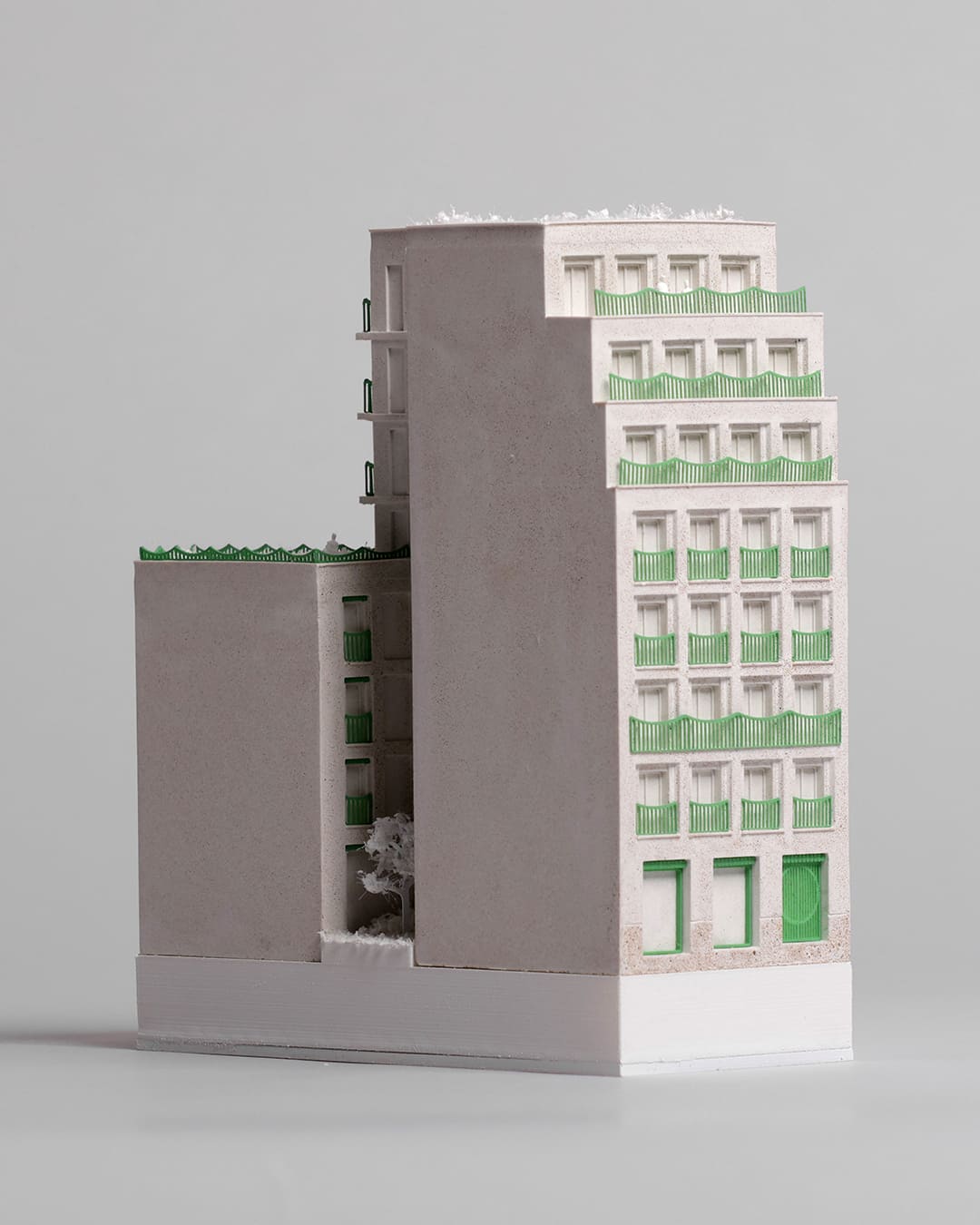
CB: From our recent small-scale rooftop project in Paris, we’re now taking part in a competition for a larger public social housing project in the heart of the city. Nothing has been built yet, but we’re excited to bring our careful, meaningful design approach to this challenge. Stay tuned!
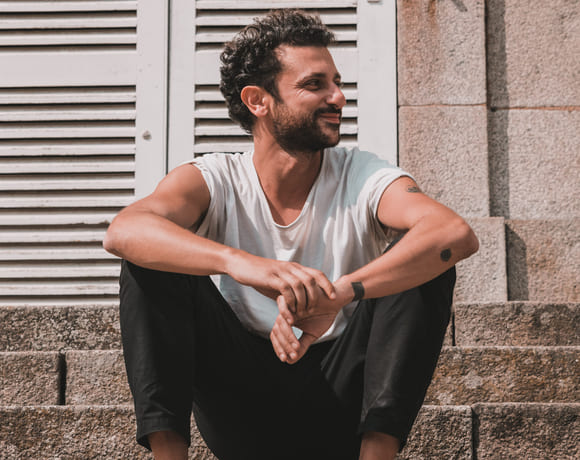
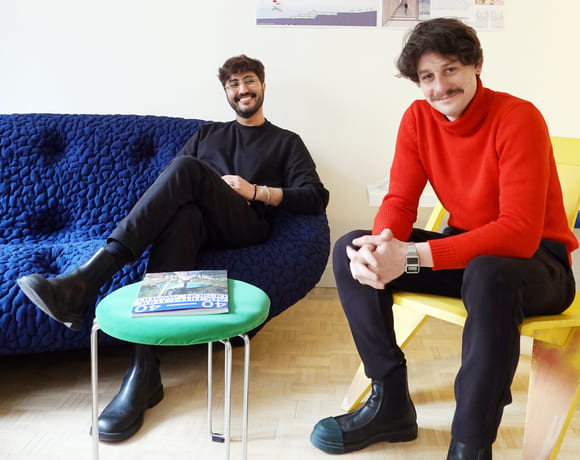
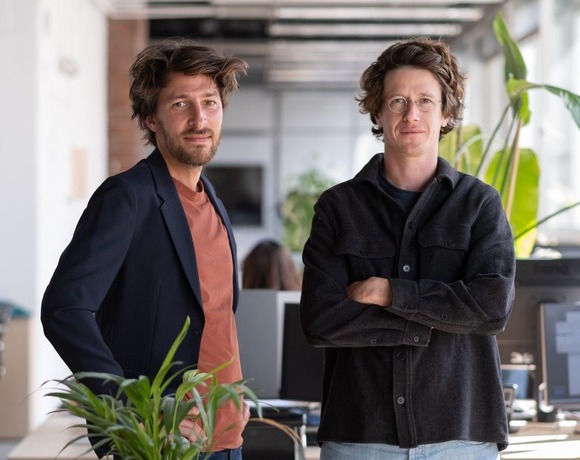
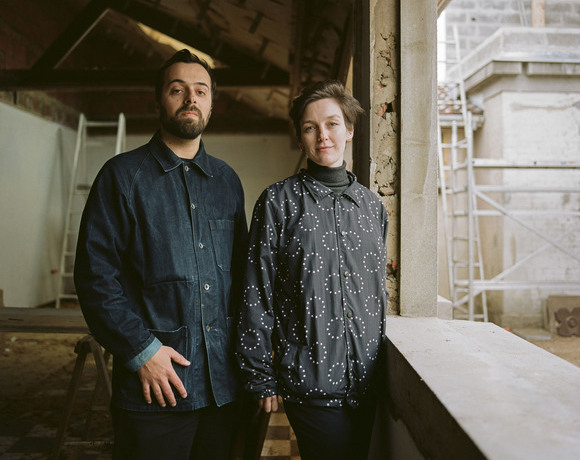
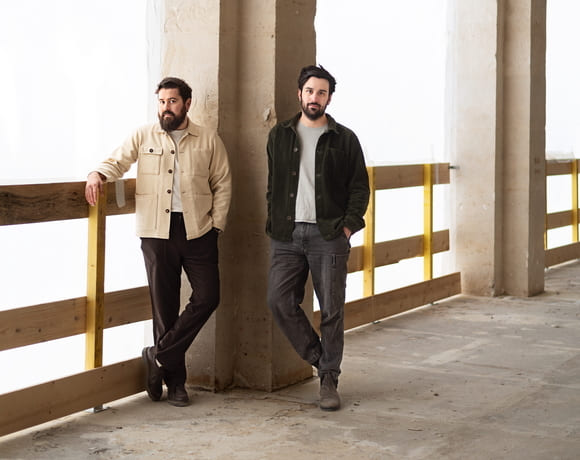
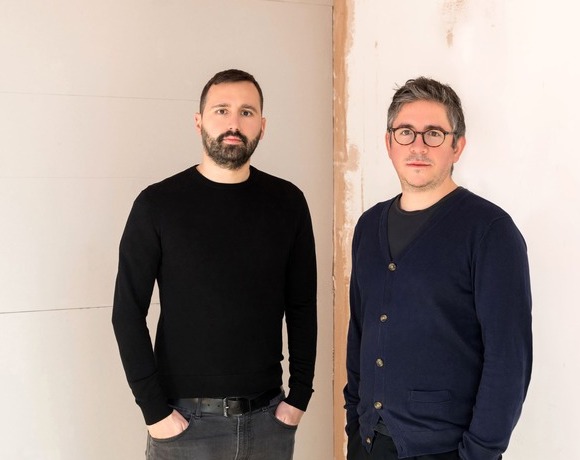
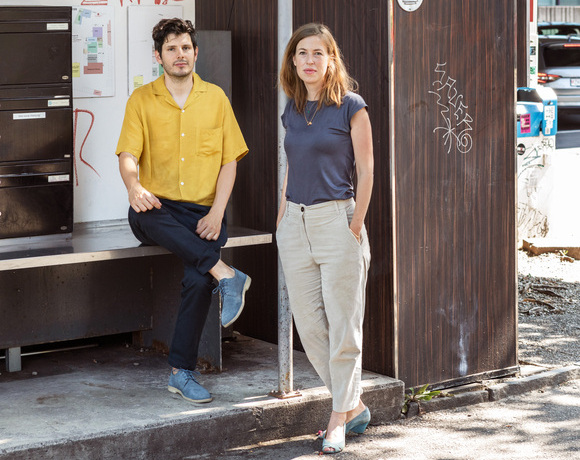
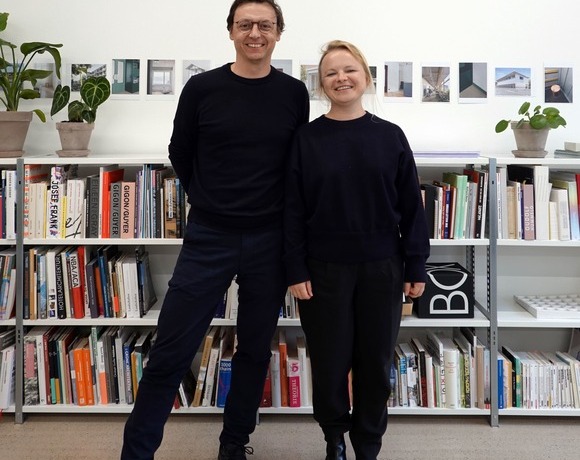
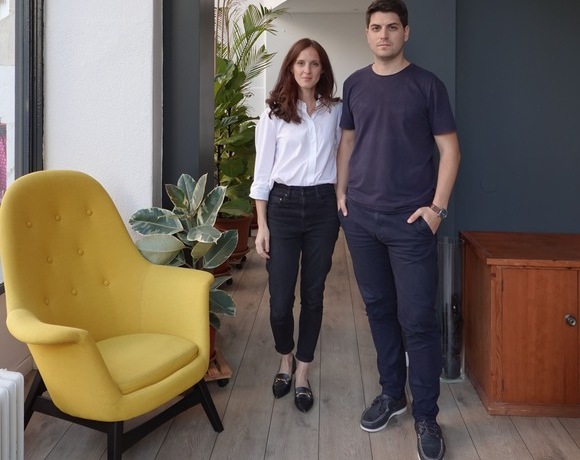
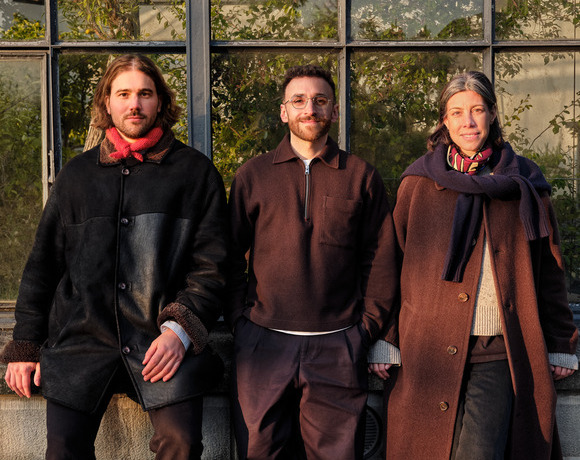
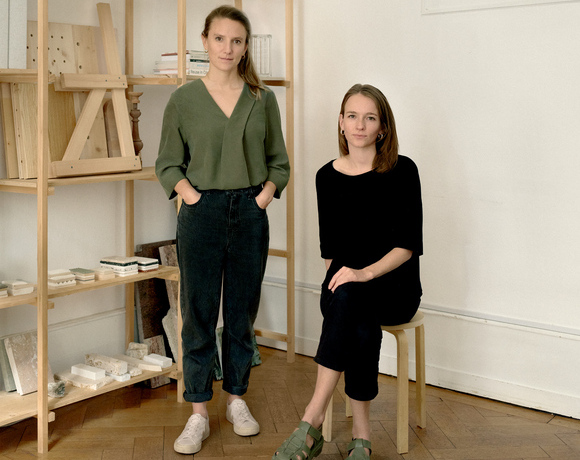
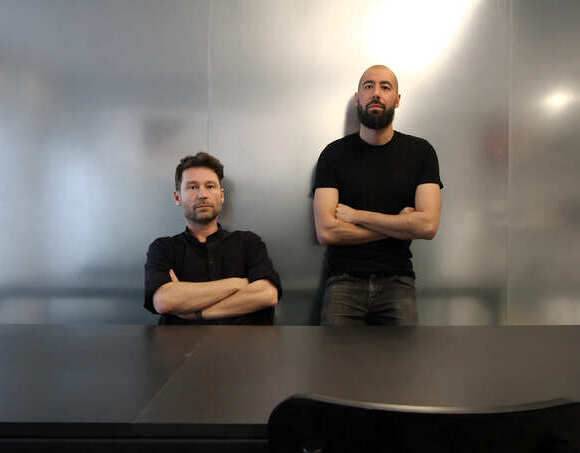
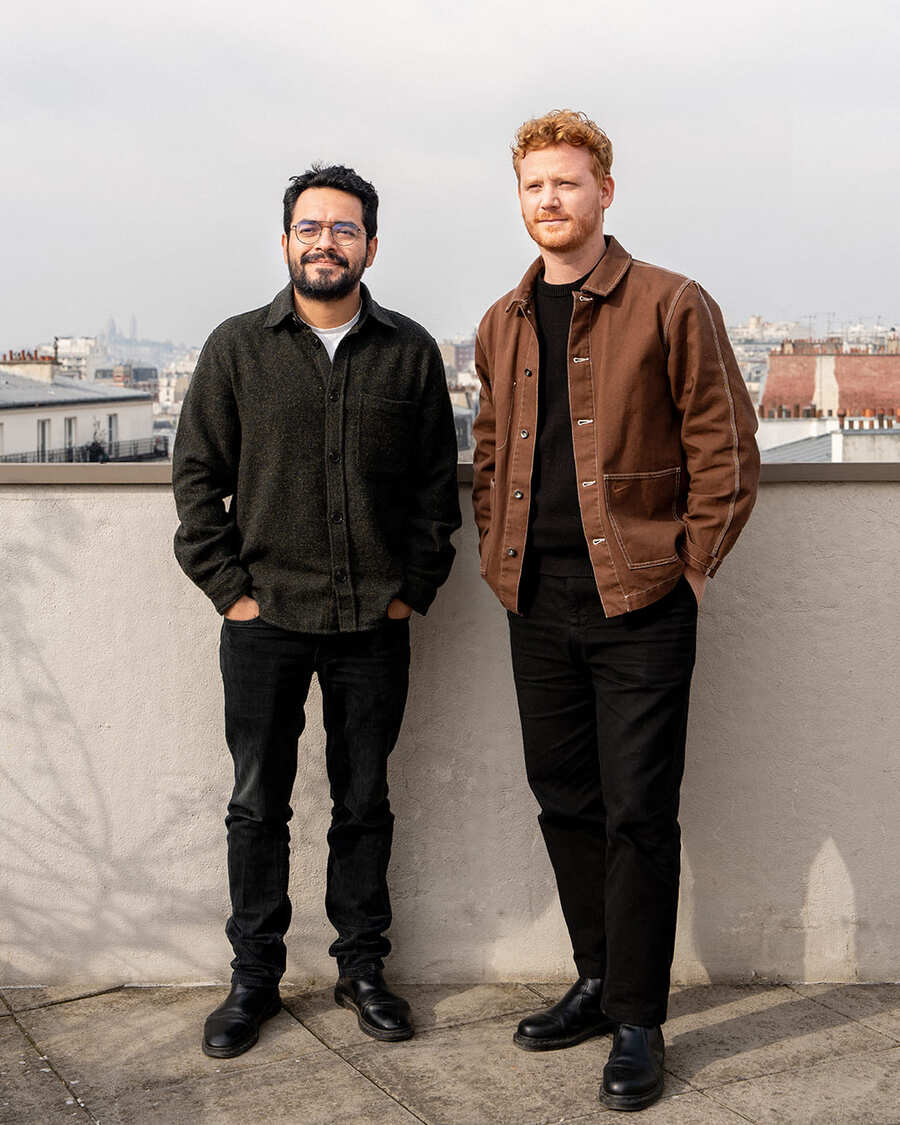
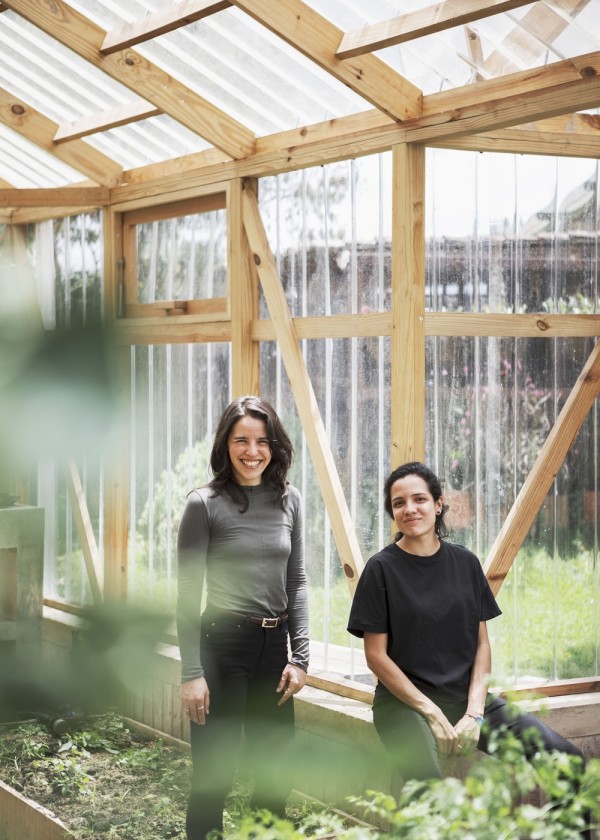
➡️ Fabricaré. Jorge Torres Martínez, Christophe Beraldin. Ph. Matthieu Torres
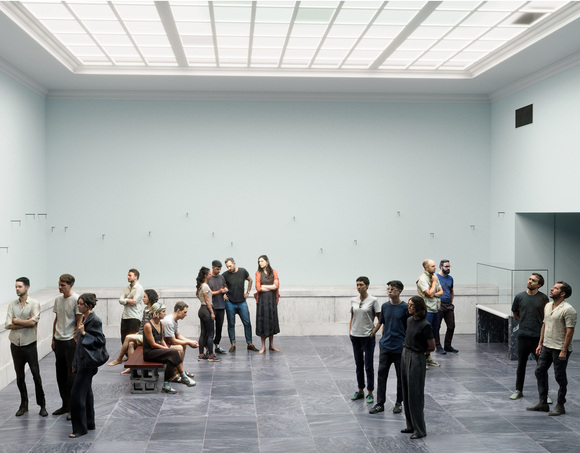
➡️ Social housing, Paris. Img. ArtefactoryLab
➡️ Social housing, Paris. Ph. Atelier Pierre-Loup Boisseau
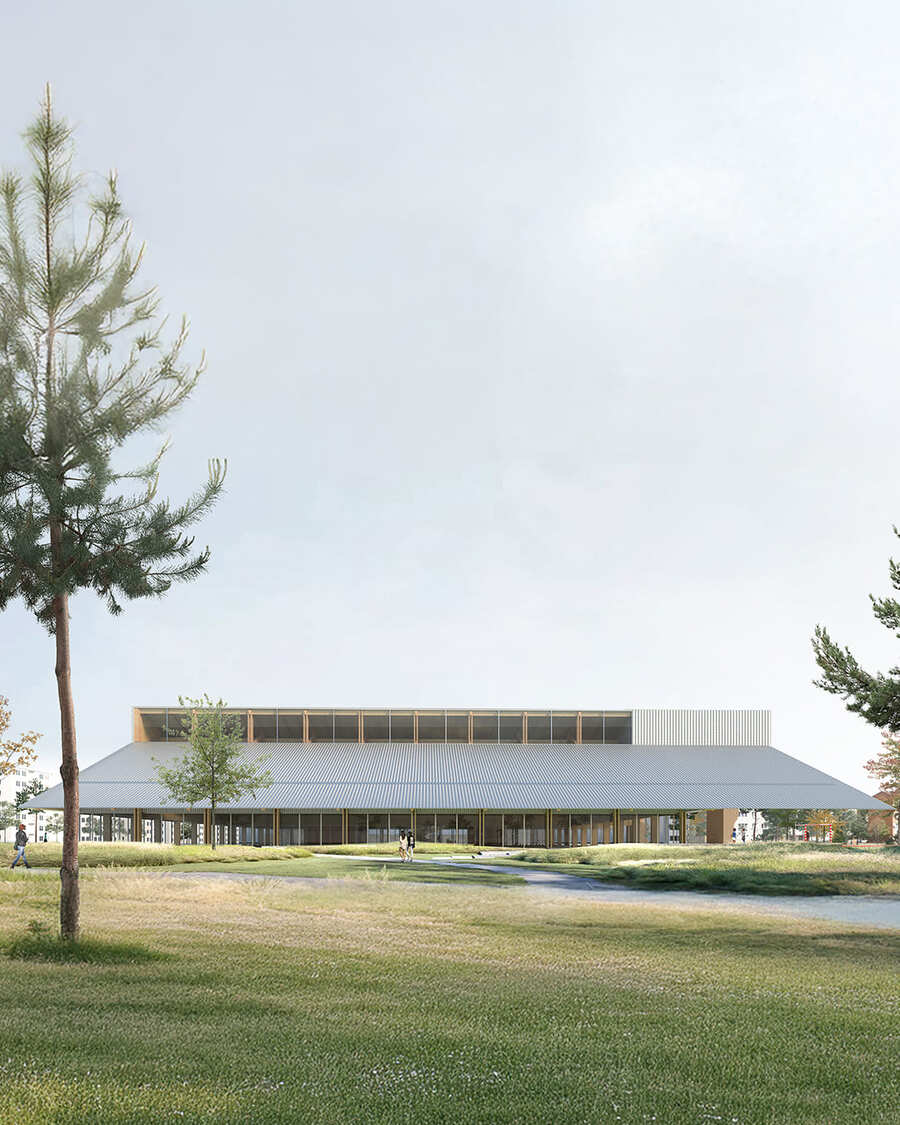
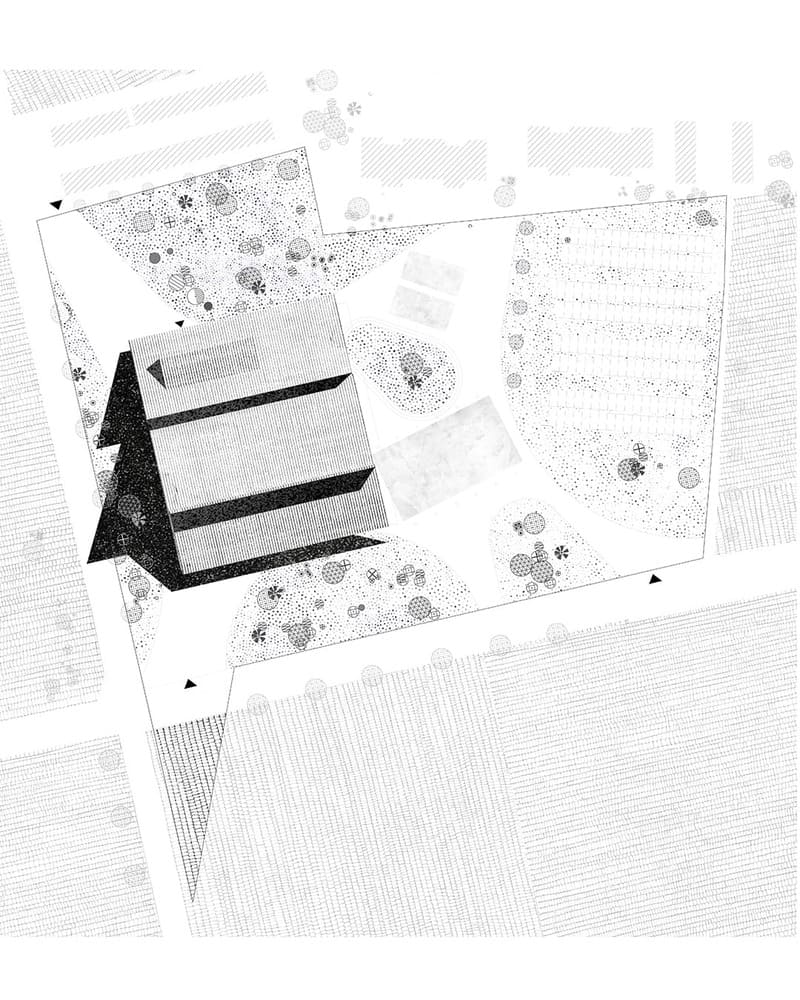
➡️ Sports Hall, Žatec. Img. Courtesy of Fabricaré
➡️ Maison de Champagne Bertemès. Img. Courtesy of Fabricaré