DRATLER DUTHOIT architectes
Crafting Local Language
New French Architecture
An Original Idea by New Generations
AVOIR
Coming Soon
Claas Architectes
Building with the Region in Mind
B2A - barre bouchetard architecture
Embracing Uncertainty in Architecture
Acmé Paysage
Nurturing Ecosystems
Atelier Apara
Architecture Through a Pedagogical Lens
HEMAA
Designing for Ecological Change
HYPER
Hyperlinked Scales
Between Utopia and Pragmatism
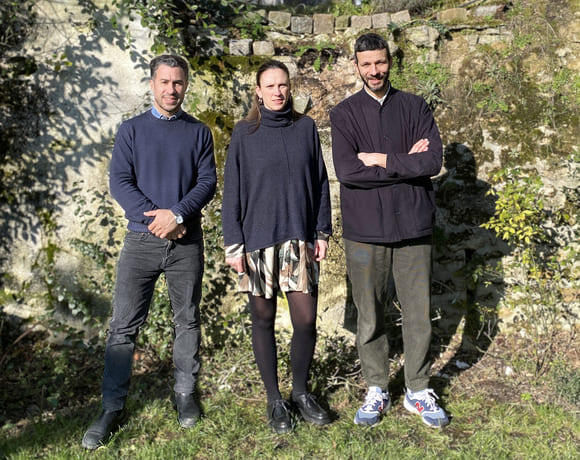
OblĂČ
Dialogue with the Built World
Augure Studio
Revealing, Simplifying, Adapting
Cent15 Architecture
A Process of Learning and Reinvention
Pierre-Arnaud DescĂŽtes
Composing Spaces, Revealing Landscapes
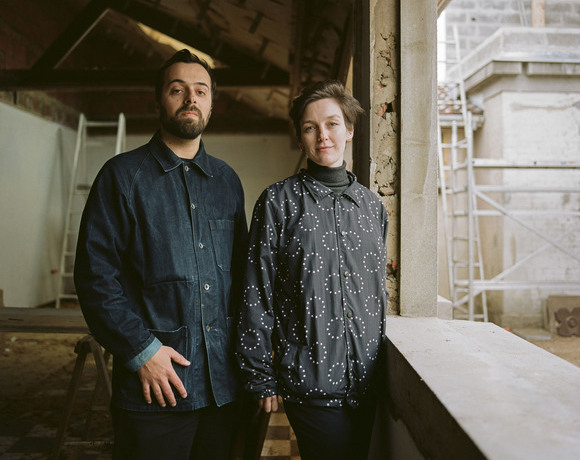
BUREAUPERRET
What Remains, What Becomes
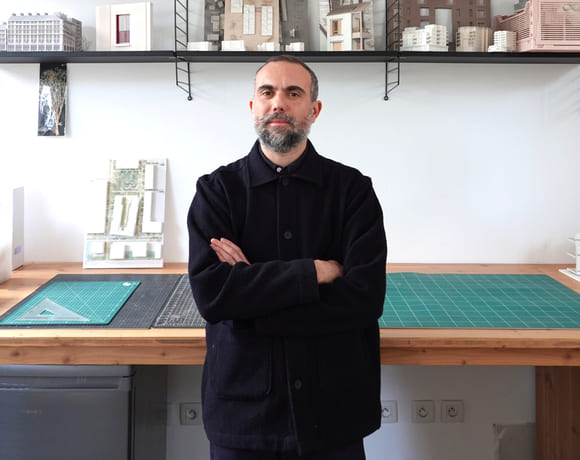
ECHELLE OFFICE
In Between Scales
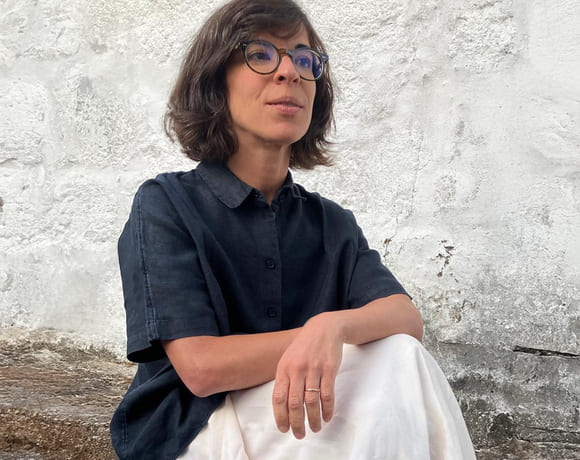
Atelier
Rooted in Context, Situated at the Centre
AJAM
Systemic Shifts, Local Gestures
Mallet Morales
Stories in Structure
Studio SAME
Charting Change with Ambition
Lafayette
Envisioning the City of Tomorrow
Belval & Parquet Architectes
Living and Building Differently
127af
Redefining the Common
HEROS Architecture
From Stone to Structure
Carriere Didier Gazeau
Lessons from Heritage
a-platz
Bridging Cultures, Shaping Ideas
Rodaa
Practicing Across Contexts
Urbastudio
Interconnecting Scales, Communities, and Values
Oglo
Designing for Care
Figura
Figures of Transformation
COVE Architectes
Awakening Dormant Spaces
Graal
Understanding Economic Dynamics at the Core
ZW/A
United Voices, Stronger Impacts
A6A
Building a Reference Practice for All
BERENICE CURT ARCHITECTURE
Crossing Design Boundaries
studio mÀc
Bridging Theory and Practice
studio mÀc
Bridging Theory and Practice
New Swiss Architecture
An Original Idea by New Generations
KUMMER/SCHIESS
Compete, Explore, Experiment
ALIAS
Stories Beyond the Surface
sumcrap.
Connected to Place
BUREAU/D
From Observation to Action
STUDIO ROMANO TIEDJE
Lessons in Transformation
Ruumfabrigg Architekten
From Countryside to Lasting Heritage
Kollektiv Marudo
Negotiating Built Realities
Studio Barrus
Starting byChance,Growing Through Principles
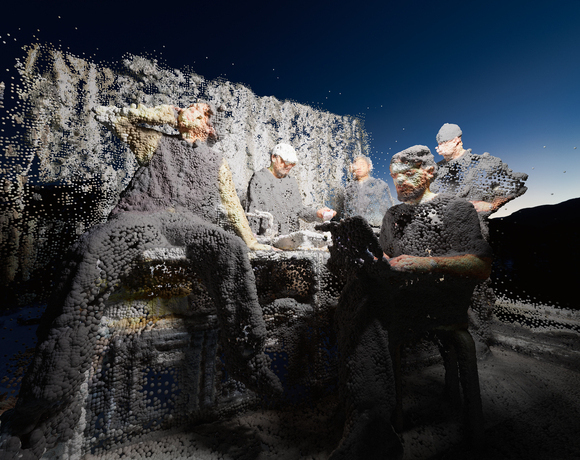
dorsa + 820
Between Fiction and Reality
S2L Landschaftsarchitektur
Public Spaces That Transform
DER
Designing Within Local Realities
Marginalia
Change from the Margins
En-Dehors
Shaping a Living and Flexible Ecosystem
lablab
A Lab for Growing Ideas
Soares Jaquier
Daring to Experiment
Sara Gelibter Architecte
Journey to Belonging
TEN (X)
A New Kind of Design Institute
DF_DC
Synergy in Practice: Evolving Together
GRILLO VASIU
Exploring Living, Embracing Cultures
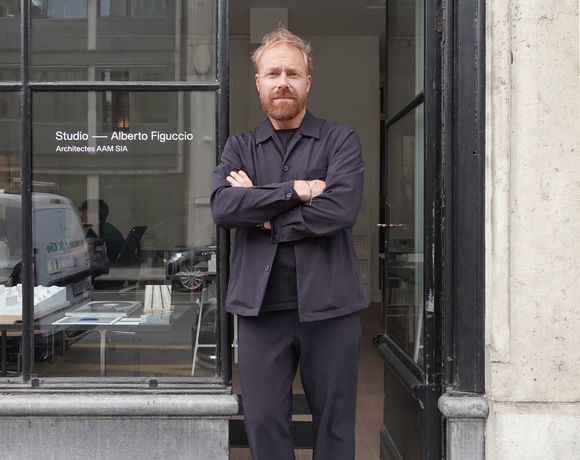
Studio â Alberto Figuccio
From Competitions to Realised Visions
Mentha Walther Architekten
Carefully Constructed
Stefan Wuelser +
Optimistic Rationalism: Design Beyond the Expected
BUREAU
A Practice Built on Questions
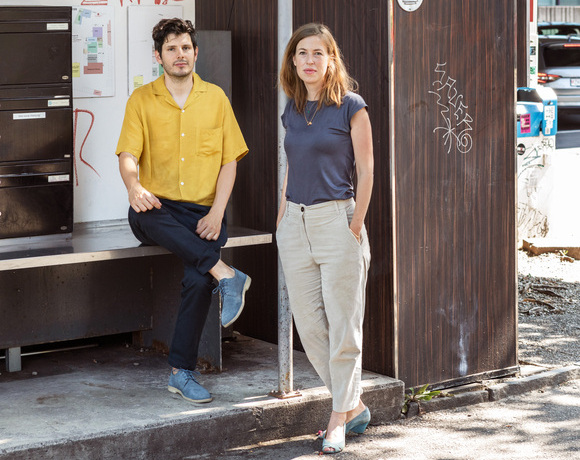
camponovo baumgartner
Flexible Frameworks, Unique Results
MAR ATELIER
Exploring the Fringes of Architecture
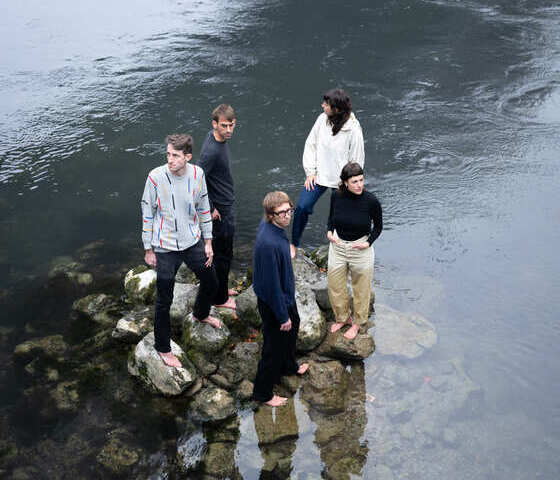
bach muÌhle fuchs
Constantly Aiming To Improve the Environment
NOSU Architekten GmbH
Building an Office from Competitions
BALISSAT KAĂANI
Challenging Typologies, Embracing Realities
Piertzovanis Toews
Crafted by Conception, Tailored to Measure
BothAnd
Fostering Collaboration and Openness
Atelier ORA
Building with Passion and Purpose
Atelier Hobiger Feichtner
Building with Sustainability in Mind
CAMPOPIANO.architetti
Architecture That Stays True to Itself
STUDIO PEZ
The Power of Evolving Ideas
Architecture Land Initiative
Architecture Across Scales
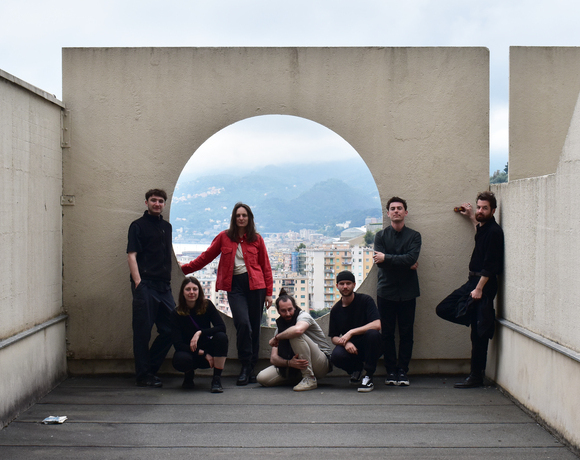
ellipsearchitecture
Humble Leanings, Cyclical Processes
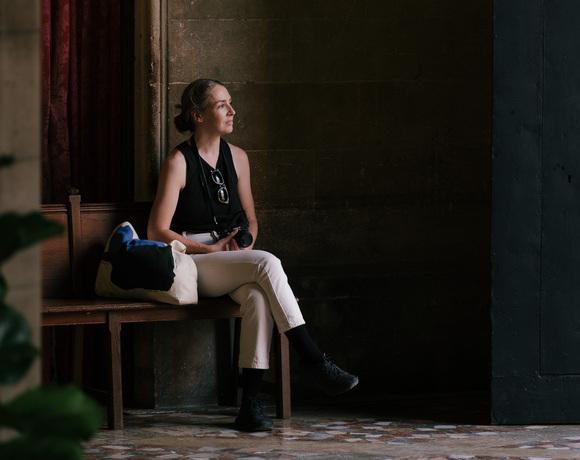
Sophie Hamer Architect
Balancing History and Innovation
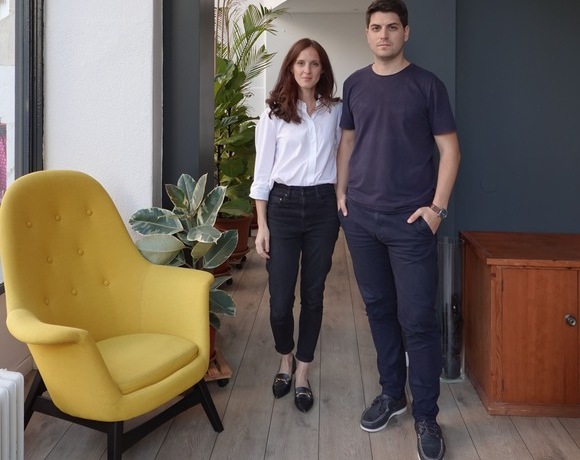
ArgemĂ Bufano Architectes
Competitions as a Catalyst for Innovation
continentale
A Polychrome Revival
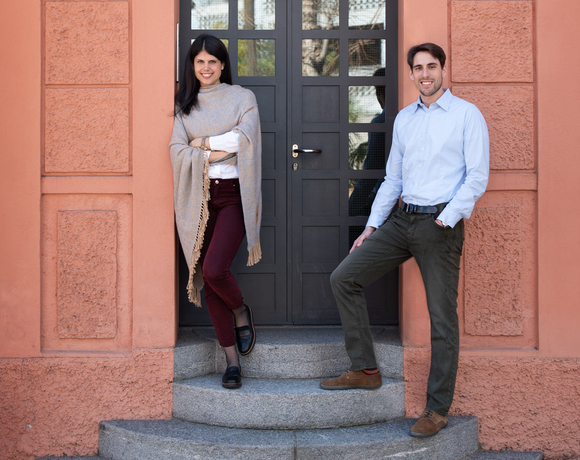
valsangiacomoboschetti
Building With What Remains
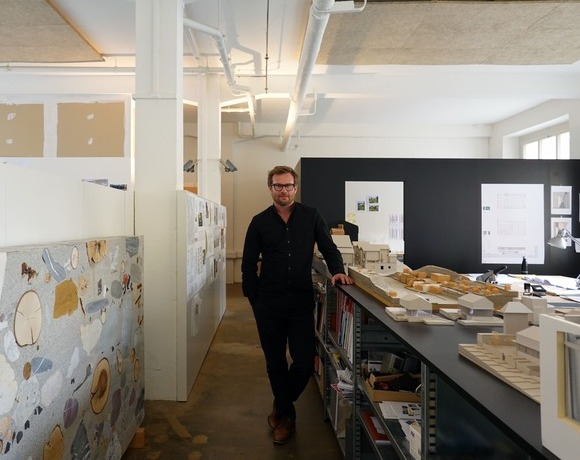
Oliver Christen Architekten
Framework for an Evolving Practice
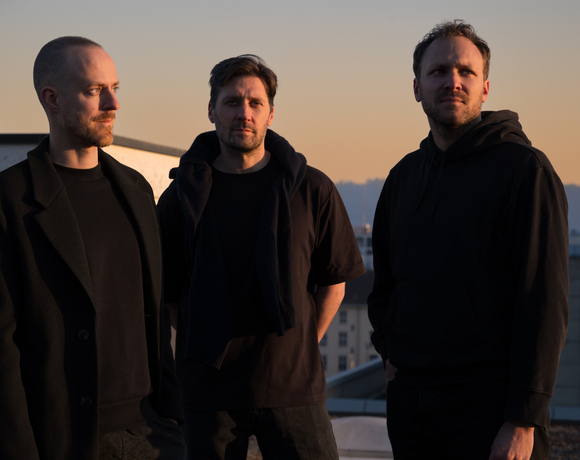
MMXVI
Synergy in Practice
Balancing Roles and Ideas
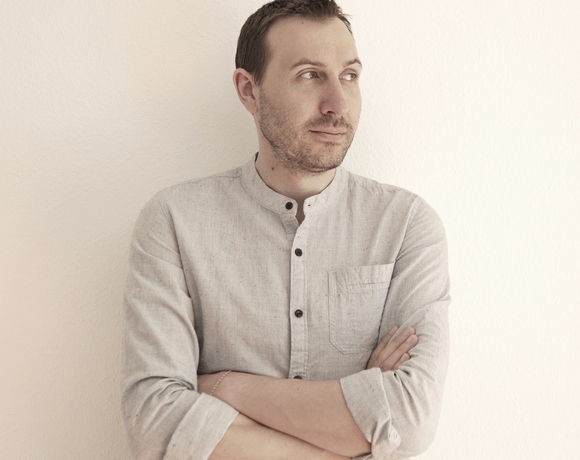
studio 812
A Reflective Approach to
Fast-Growing Opportunities
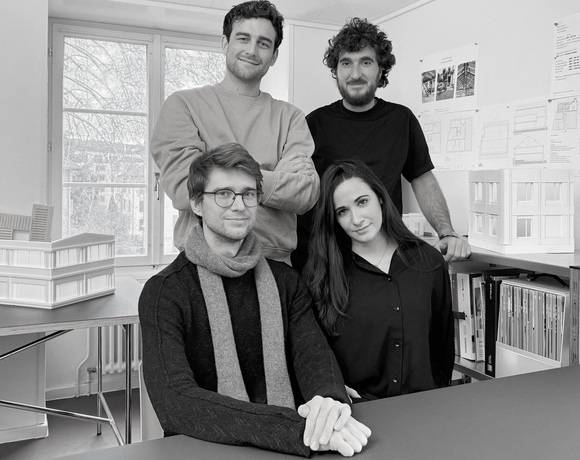
STUDIO4
The Journey of STUDIO4
Holzhausen Zweifel Architekten
Shaping the Everyday
berset bruggisser
Architecture Rooted in Place
JBA - Joud Beaudoin Architectes
New Frontiers in Materiality
vizo Architekten
From Questions to Vision
Atelier NU
Prototypes of Practice
Atelier Tau
Architecture as a Form of Questioning
alexandro fotakis architecture
Embracing Context and Continuity
Atelier Anachron
Engaging with Complexity
SAJN - STUDIO FĂR ARCHITEKTUR
Transforming Rural Switzerland
guy barreto architects
Designing for Others, Answers Over Uniqueness
Concrete and the Woods
Building on Planet Earth
bureaumilieux
What is innovation?
apropaÌ
A Sustainable and Frugal Practice
Massimo Frasson Architetto
Finding Clarity in Complex Projects
Studio David Klemmer
Binary Operations
Caterina Viguera Studio
Immersing in New Forms of Architecture
r2a architectes
Local Insights, Fresh Perspectives
HertelTan
Timeless Perspectives in Architecture
That Belongs
Nicolas de Courten
A Pragmatic Vision for Change
Atelier OLOS
Balance Between Nature and Built Environment
Associati
âCheap but intenseâ: The Associati Way
emixi architectes
Reconnecting Architecture with Craft
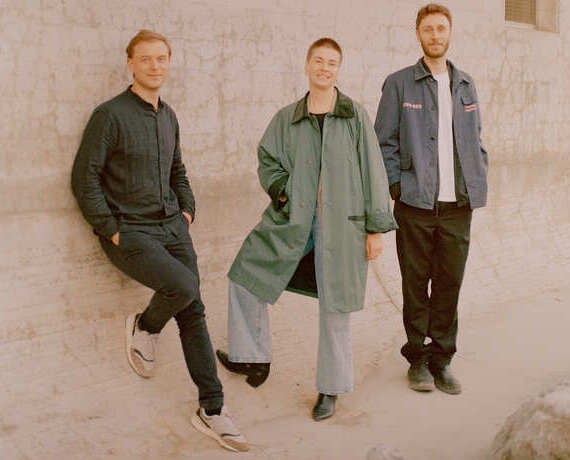
baraki architects&engineers
From Leftovers to Opportunities
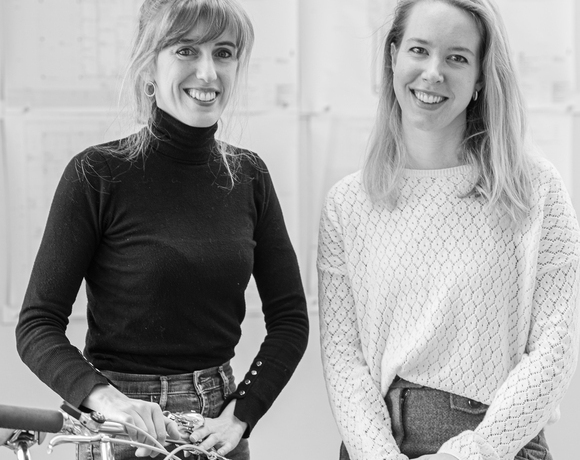
DARE Architects
Material Matters: from Earth to Innovation
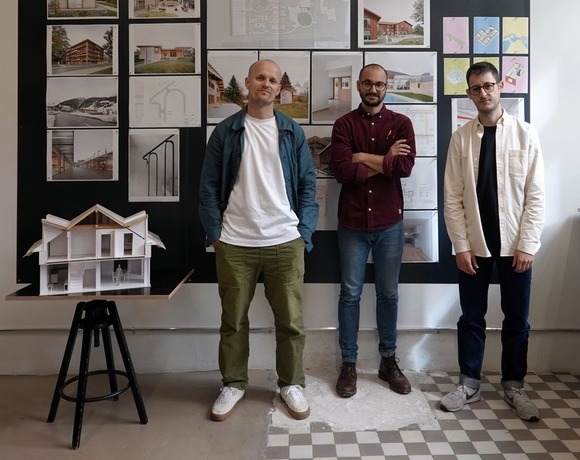
KOMPIS ARCHITECTES
Building from the Ground Up
Fill this form to have the opportunity to join the New Generations platform: submissions will be reviewed on a daily-basis, and the most innovative practices will have the chance to be part of the media's coverage and participate in our cultural agenda, including events, research projects, workshops, exhibitions and publications.
New Generations is a European platform that investigates the changes in the architectural profession ever since the economic crisis of 2008. We analyse the most innovative emerging practices at the European level, providing a new space for the exchange of knowledge and confrontation, theory, and production.
Since 2013, we have involved more than 3.000 practices from more than 50 countries in our cultural agenda, such as festivals, exhibitions, open calls, video-interviews, workshops, and experimental formats. We aim to offer a unique space where emerging architects could meet, exchange ideas, get inspired, and collaborate.
An original idea of New Generations
Team & collaborators: Gianpiero Venturini, Marta HervĂĄs Oroza, Elisa Montani, Giuliana Capitelli, Kimberly Kruge, Canyang Cheng
If you have any questions, need further information, if you'd like to share with us a job offer, or just want to say hello please, don't hesitate to contact us by filling up this form. If you are interested in becoming part of the New Generations network, please fill in the specific survey at the 'join the platform' section.
Crafting Local Language
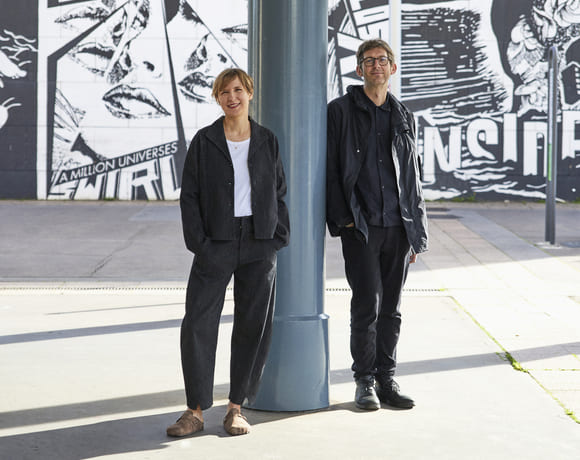
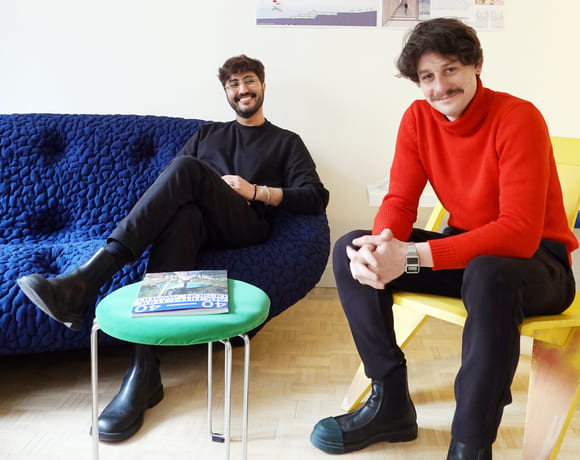
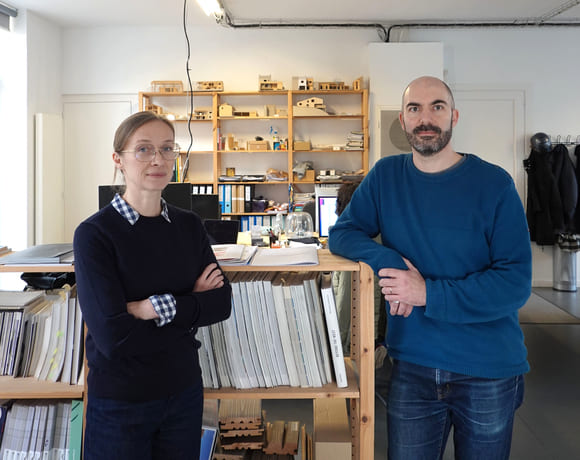
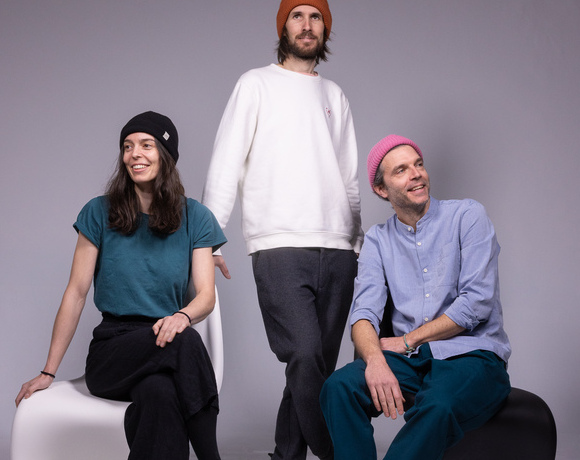
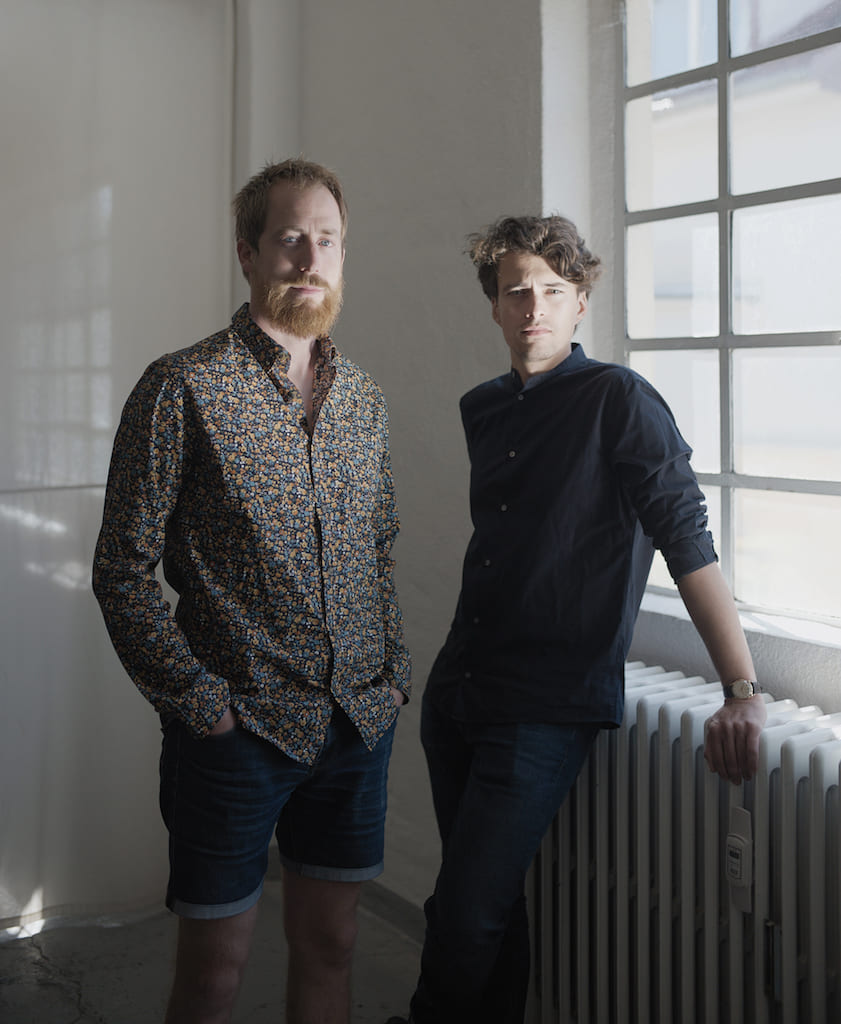
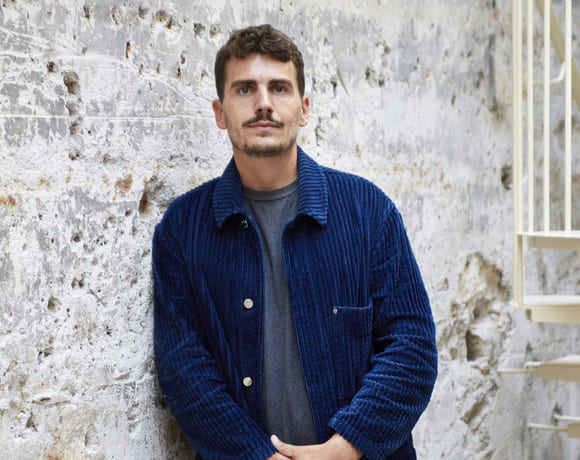
Maxime Dratler, architect since 2011, draws his inspiration from the countryside and mountain, while approaching his work as an architect with a certain rigor in terms of planning, programming, and the reality of things. Gautier Duthoit has been an architect since 2010, and never leaves his house without his sketchbooks, in which he collects sketches that, over time, constitute a wealth of material and ideas for his practice. He is constantly surrounded by books and publications in a perpetual intellectual collection. Together, they work to combine architecture, craftsmanship, and raw nature. They seek to anchor each project in its aesthetic, constructive and cultural context.
MD: Maxime Dratler | GD: Gautier Duthoit
Adapting to surroundings
MD: Strasbourg has a long-standing tradition of architecture and craftsmanship, shaped by its historical prosperity. In comparison to other regions in France, economic downturns such as the 2008 crisis or the COVID-19 pandemic had a more limited impact in Alsace. As a result, the region has maintained a steady flow of architectural projects.
GD: Compared to other regions, such as Bordeaux or Nantes, this part of France doesn't attract many newcomers from Paris, which helps maintain a sense of economic autonomy and keeps external pressure low. During World War II, it was German before, then French after, so culturally thereâs a kind of independence. Sometimes when you talk with Alsatian people, they say they are not French, not Germanâthey are Alsatian. Both of us are not from this part of France; weâre from âFrance,â so we discovered all this after school. We discovered the cultural specificities of this region and deconstructed everything we learned during our studies.
For us, thereâs a stronger connection with Clermont-Ferrand, a city in central France with a school that has been one of the first to incorporate local context into architectural education. So when we do architecture in Strasbourg, we look at a lot of different offices, not only in France, but we link them all by this aspect of building with local resources such as wood and craftsmanship, and with fewer processed materials, like concrete, steel, or glass. We have to think differently.
MD: We started in 2006 at Strasbourg Architecture School, and the professors didnât teach how to use different materials. Everything was based on concrete. We talked a bit about forms and touched on contextâspecifically the site itself, rather than its cultural dimension. For me, my time at school was awful. I only really liked practising architecture after becoming an architect. We graduated in 2010, and before starting our own office, I worked for a year at a medium-scale firm. It wasnât the right path for me, as the projects were large housing developments, and I didnât find the scale interesting. After that, I spent five years with LDA architectes. It was there that I really learned what it means to be an architect. When we were students, there was a huge gap between academia and practice. That has changedâstudents today are much more aware of sustainable ways of thinking.
Seven points of an open manifesto
GD: When we started our practice, we came up with a few guiding principles. Theyâre not fixedâthey form a kind of framework, like a support pole for a growing plant. If we ever want to remove that support, we can.
MD: We wrote these seven points after our first project, La Jetée, where we worked toward those goals. But as Gautier said, things can change in just one or two years.
GD: The first point is LâArt de la Limiteâthe Art of Limits. After all the 'blah, blah, blah' of architecture schoolâforms, sculptural explosionsâwe realised that, in the end, weâre just making a plan. We like architecture as the basic art of limit. Just drawing a square, marking a window with one line. The art of pochĂ©, making a strong wall. So the first rule is almost the most importantâLâart de la limite.
MD: Thereâs a dual aspect too because the LâArt de la Limite means that we cannot build with materials from the other side of the planet. There are limits on what we can build, the amount we can build. So we try to find a good scale for the projectânot too big, not too small. So thereâs a dual aspect: physical limit and lines.
GD: Thatâs really important. When we were at school, we learned architecture was like an infinite gridâyou know, Archizoom, Superstudio, Le Corbusier with this idea of beautiful, infinite volumes under the light. No limits. Like a painted wall. But in reality, a wall has limits. You have to mind these limitsâthey become constructive ornamentation. This idea feeds into the art of the limit too. All materials have limits, and we have to respect them.
The second point is humble-monumentalitĂ©. In La JetĂ©e, we discovered how to use wood. Each pillar, each column, is a treeâeach section adapts to the treeâs shape. The scale of these columns has a monumentality that lives longer than a human. Architecture has the potential to give a sense of memory. When we build, we know that the likelihood is that the building will last beyond our lives, and it has to communicate what we want without us, without any context. The building must be understandable to everyone.
MD: Since itâs a public building, it must be recognisable from the public space. So we can make a strong impact with just basic elementsâa pillar, two or three pillars. Thatâs also what humble monumentality means.
GD: Monumentality is a kind of taboo word because political powers like the Roman Empire used monumentality to show power. Here, our columns arenât made by humans, but by nature. So itâs not only about humanityâitâs about nature too. If it were concrete, it wouldnât be the same. So we try to balance nature and culture. Every time itâs almost a split between the two. When we use monumental architectural elements with raw materials, thereâs a balance, hybridation, hĂ©tĂ©rogĂ©nĂ©itĂ©, symbioseâthatâs the third point. We like to use time, sometimes using things older than a columnâyou can lecture on a column for five hours and still have things to say about it. But we put it in a contemporary context. This heterogeneity can come in shapes and more complex forms.
MD: We try to make projects richer, not simpler. When we talk with carpenters or ironworkers, our process gains materials and knowledge to enrich the project. I take what I learn from a carpenter and integrate that knowledge in a detail.
GD: This heterogeneity in materials and techniques comes from the contextâthe geographic setting and the varying skills of craftspeople, which can differ even between those living just 100 kilometres apart. There's also a temporal heterogeneityâknowledge sometimes fades but can be rediscovered.
Lâexpression de la gravitĂ© (Expression of gravity) is also very important. Gravity in the sense that we will die, and the building will stay. Itâs like vanity. Auguste Perret defined architecture as lâart de faire chanter les points dâappuiâthe art of making the supports sing. Our buildings have to deal with gravity, physically. We have to give shelter for humans, and the architecture must express that. When weâre inside, the best architecture helps you understand how the building is made.
MD: Lâordonnancement refers to the way we introduce complexity through planning and rhythm. Itâs the fifth point in our sort of manifesto. It follows a classical way of designing and thinking architecture. Itâs similar to previous ideasâwe use mathematics and very basic architectural elements that can be understood as a universal language.
GD: Every culture worldwide deals with thisâfrom Mexico to China. For us, itâs a universal language. Materials and craftsmanship skills are linked to a very specific local and regional context. Then thereâs faire savoir, savoir-faireâthe balance between knowledge and craftsmanship. Mathematics is universal; savoir-faire is local.
The last point, sâaffranchir des rĂšgles, means to be freeânot to follow previous rules, to be free to not follow rules.
Crafting continuity
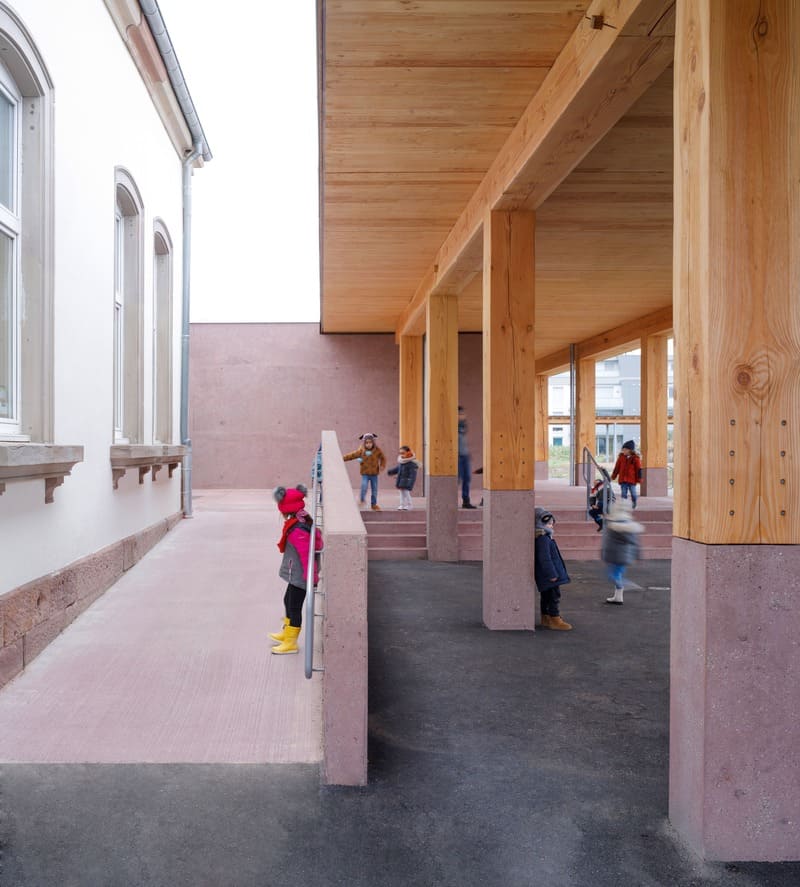
MD: La JetĂ©e is our first public project involving an existing school building, with most of the work focused on an extension behind the main structure. Our main question was, âNow that another story has been added to this buildingâbut is hidden behind the visible partâhow can we access it? How can we make this new chapter legible?â Thatâs why we created a large covered courtyard to express this new phase in the buildingâs life. We used 40x40 pillars that engage in a dialogue with the stonework at the corners of the existing buildings. This creates a connection between stone and woodânot through materials, but through scale and proportion.
GD: We chose the pillar dimensions so they could be crafted entirely from wood, without relying on industrial processes. Through conversations with the carpenters, we discovered the Compagnons du Devoir in Franceâa school dedicated to preserving and teaching ancient craftsmanship. They honour the knowledge passed down by master artisans. While the industry often overlooks empowering individual workers, this tradition provides that kind of skill and authority. We incorporated a gallery, which is unusual for this type of space, to connect the old and new parts of the building, creating a strong link between them. Initially, it serves as a covered courtyard, then acts as a sunshade for the classroom windows as it passes in front of them. The building also features concrete, but we used pigmented concrete to complement the local stone in Alsace. The stone here has a distinctive pink, almost orange-pink tone, so the coloured concrete creates a dialogue with the old buildingâs material.
MD: The wood comes from 30 to 40 kilometres from the site, in the Vosges mountains. Thereâs only one sawmill capable of making these dimensions. So with these limits, the project is very local, due to the process and dimensions.
Forms in stone
GD: Our Möbius project, developed in collaboration with the Parisian firm Figures, is a memorial dedicated to the Second World War. Tackling this theme with contemporary architecture is rare and presented challenges. One was the strict regulatory requirements involved in building with stone, especially since the site is located in a seismic zone. Despite this, we chose to use stone sourced from a quarry just 15 kilometres away to maintain a strong local connection. We used it as a first perimeter without any normative application; itâs only a wall, a huge fence. We decided to use it to evoke a kind of hillock, with really geometrical, pure shapesâcircle, squareâuniversal language.
MD: With this stoneâparticularly our local Vosges sandstoneâitâs challenging to build in seismic areas. The stone is tough and heavy, and unlike limestone, it doesnât easily accommodate concrete inserts. Since it's sandstone, we try to keep the engineering simple and the costs low. Cutting it is expensiveâdiamond blades and chains wear out quicklyâso when we use it, we minimise cuts as much as possible.
GD: Thatâs why we use huge pieces of stoneâitâs less expensive. We canât make holes to put concrete inside because itâs expensive too. So we just use it to make the first perimeter. It doesnât bear the roof. Itâs just stone standing up, like Stonehenge. We refer to the ancient megalithic architectureâappropriate because itâs a funeral building.
Working with whatâs nearby
GD: There are just two of us, and we want to stay that way. Our projects are slow; we donât need many. We usually have two or three, and everything moves slowly.
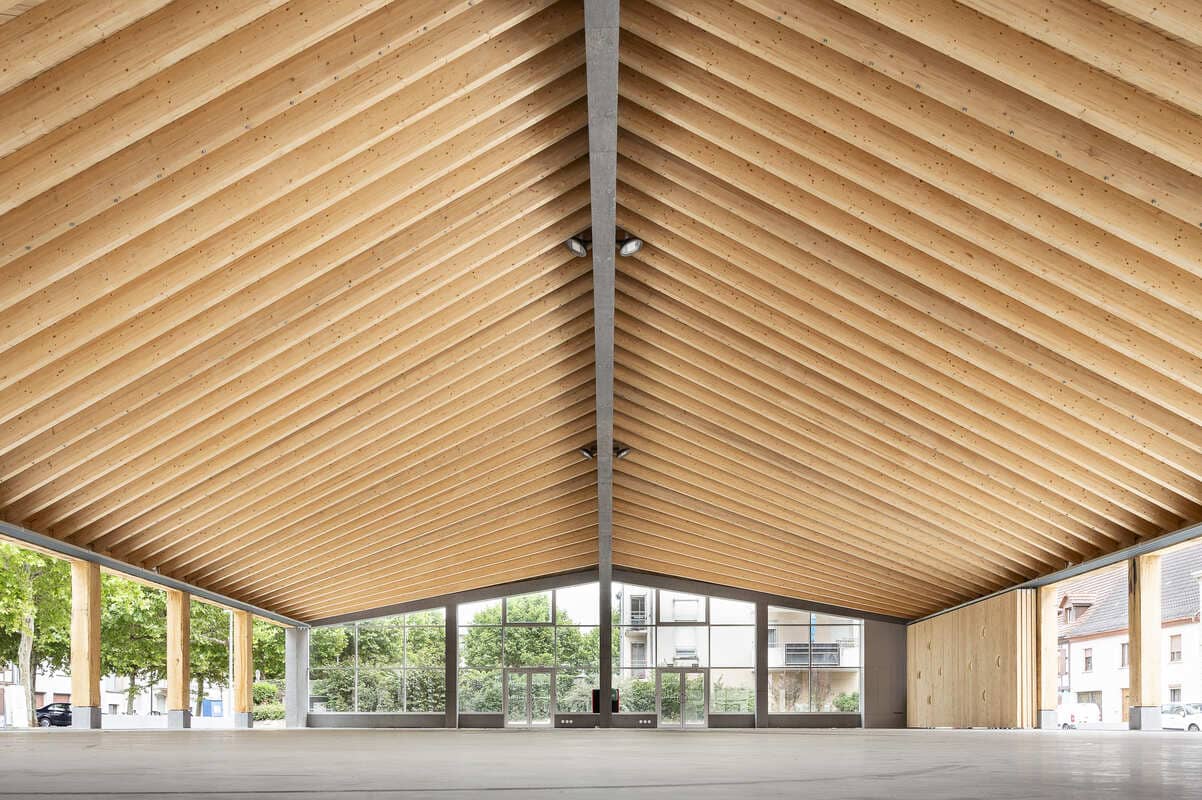
MD: We believe in our societal role and want to contribute meaningfully. We do have some private commissions, but now we prefer public projects with societal impact. One of our latest public projects is a market hall, located 20 kilometres north of Strasbourg. Itâs called Moby Dick 2. The Moby project was delivered in mid-June. The town took advantage of the FĂȘte de la Musique evening to inaugurate the hall with local residents. The occasion was both solemn and joyous. Everyone (the mayor, the residents and us) was really proud of the result.
This project confirms that simple elements implemented in a non-routine way (an oak colonnade, a gable roof with a curved ridge) can generate a major architectural impact and create a socially attractive space.
GD: Itâs basically one big empty room. It has a big concrete arch, and then a full wooden structure, made of bleached oak and pine. Thereâs less material used overall. We do use concrete, but only where it does what other materials canâtâthose big, thin arches only concrete can achieve. But for mass, weâre actually using more wood than before. In the past, massiveness meant concrete. Weâre not trying to ban concreteâit does things no other material can, especially for structure and foundations. With humidity or capillarity, stone or earth can cause problems, so concrete becomes necessary. But when we use it, itâs like jewelleryâconcrete allows us to make beautiful, sculptural forms. We use it joyfully, for things like benches or curvesâthings other materials canât do. But we only use it where itâs truly needed.
Each material we use is very local. Alsace is a valley, and near the Rhine, you find different materials than in the mountains. Thereâs brick in the plains and also in the mountains. Each part of Alsace has its own way of building. Itâs a very rich region, with all the materials we need within 100 kilometres. Even the concrete granules come from the riverâno long-distance transport required.
GD: Weâre not inventing anything new. For us, regulations are normative. Our job is to give space a human scale, bring in natural light, and create harmony. These things are timeless.
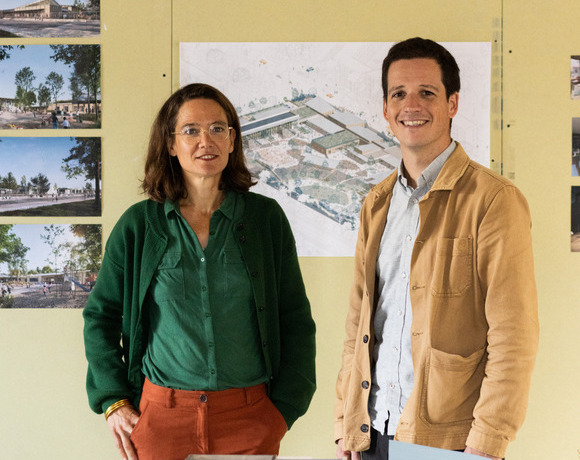
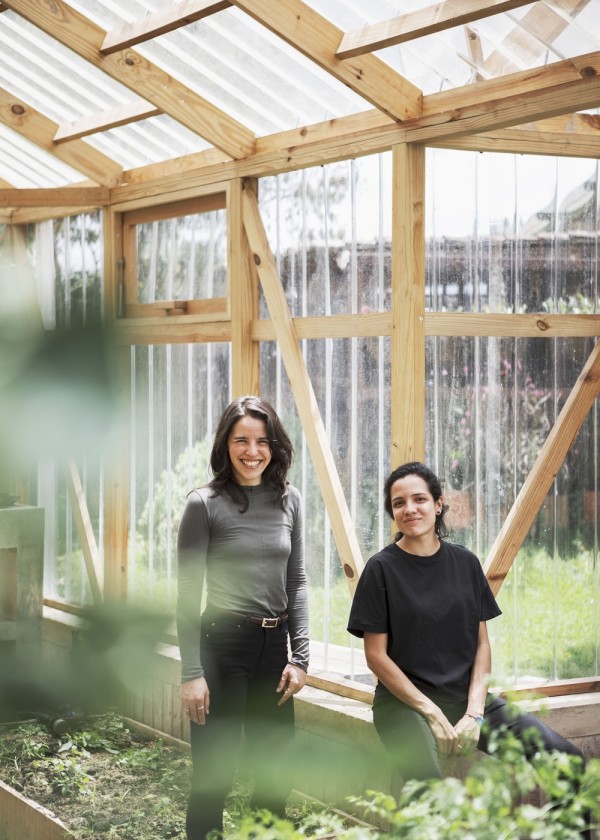
âĄïž DRATLER DUTHOIT architectes. Maxime Dratler, Gautier Duthoit. Ph. Henri Vogt
âĄïž Moby Dick II. Halle de marchĂ©, Bischwiller. Ph. Saupique photographie
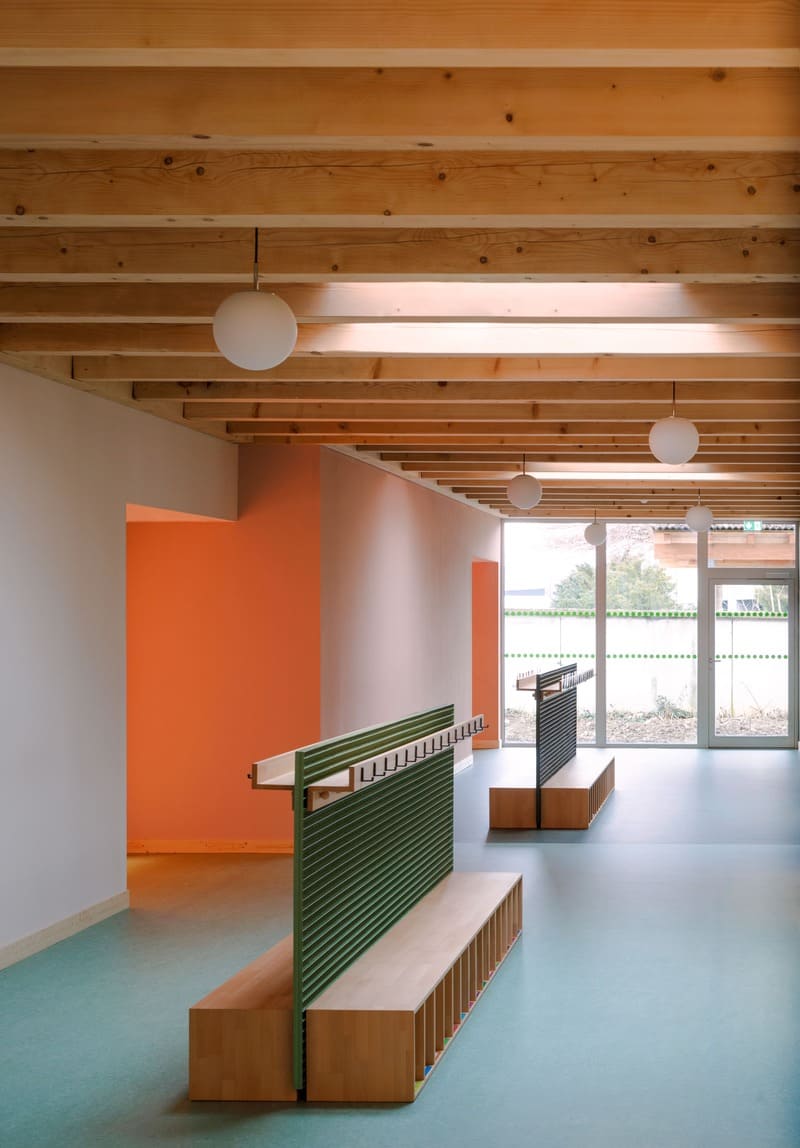
âĄïž The Pier. Kindergarten, Issenheim. Ph. ClĂ©ment Guillaume
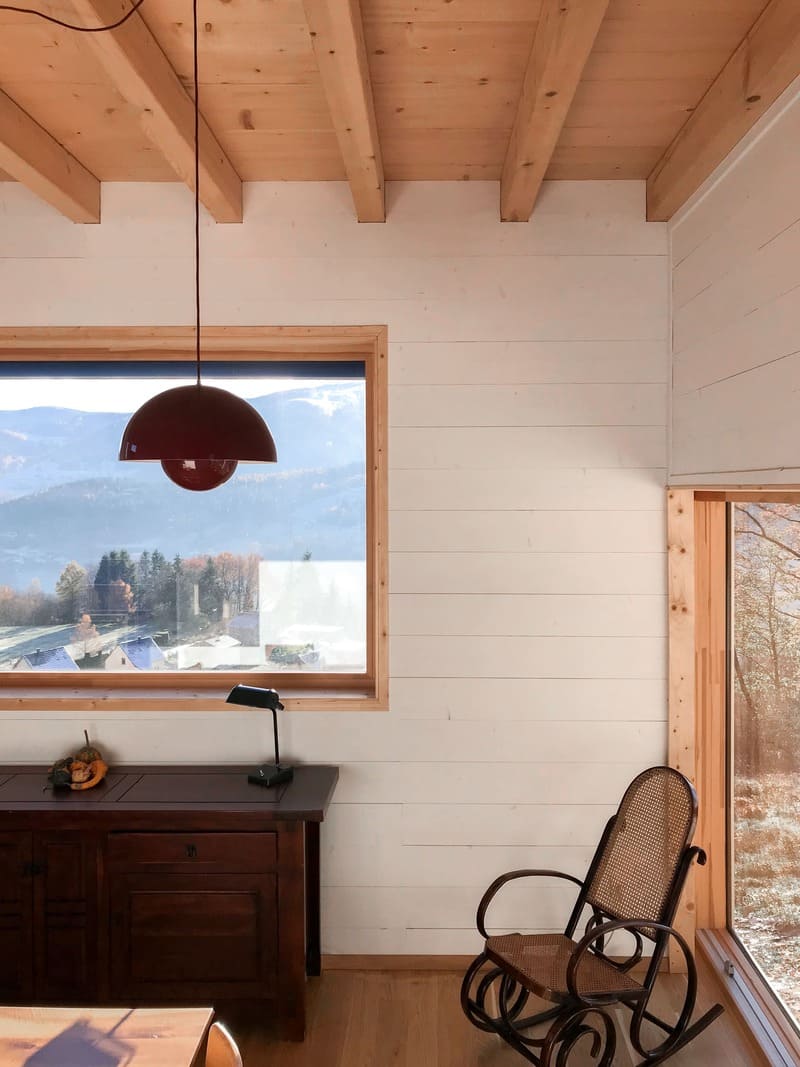
âĄïž Ritournelle. Passive house, Muhlbach-sur-Munster. Ph. Dratler Duthoit
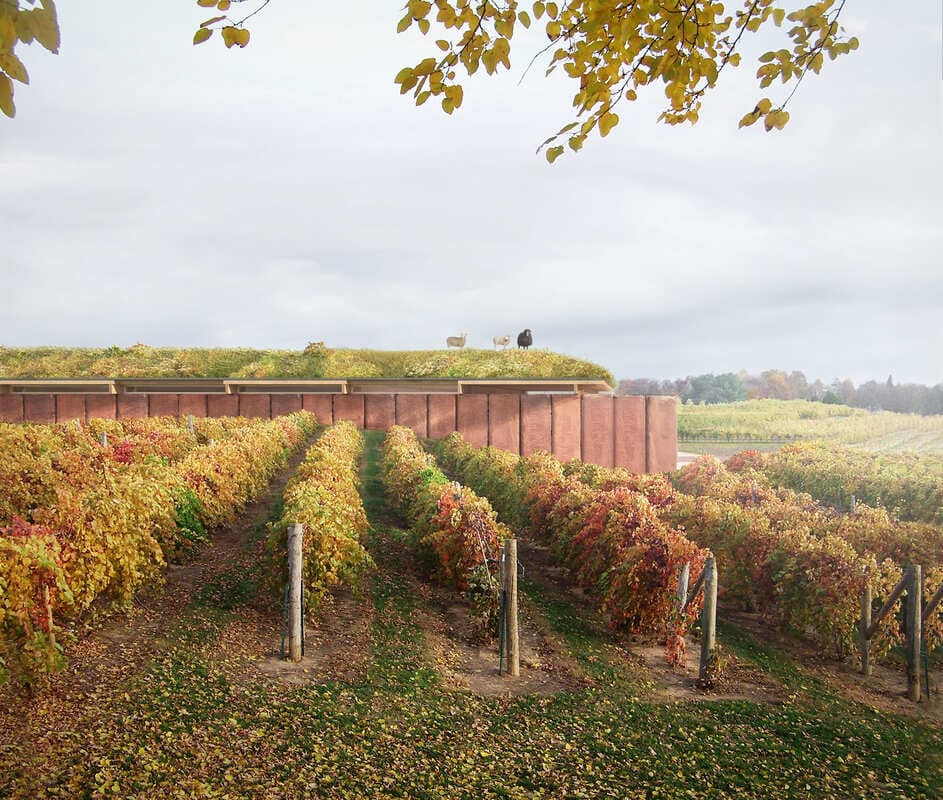
âĄïž Moon. Wine cellar, Alsace. Img. Luce Atelier