Compagnie architecture
Culture on Site
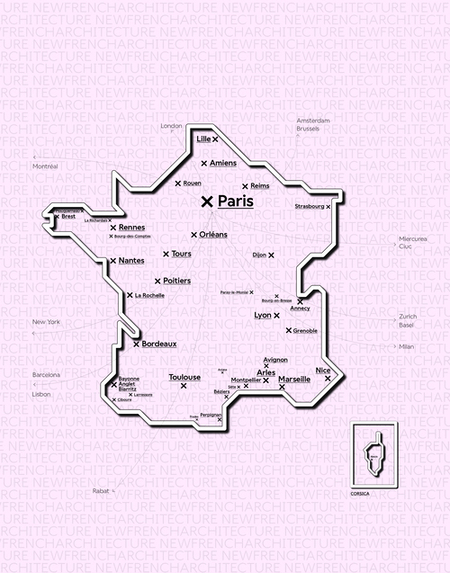
New French Architecture
An Original Idea by New Generations
Studio Albédo
Strategic Acts of Architecture
Fabricaré
Simplicity and Singularity In the Making
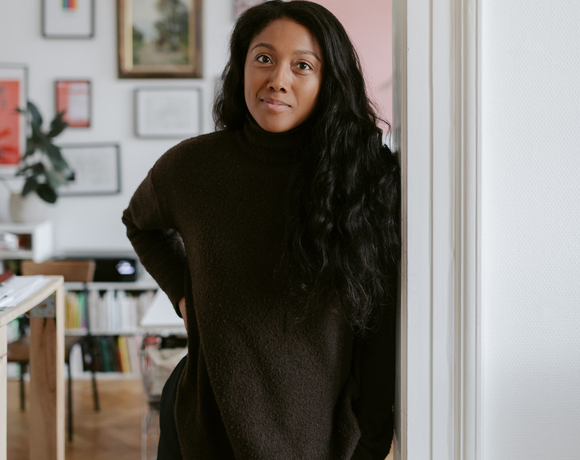
Renode
Renovation as Quiet Resistance
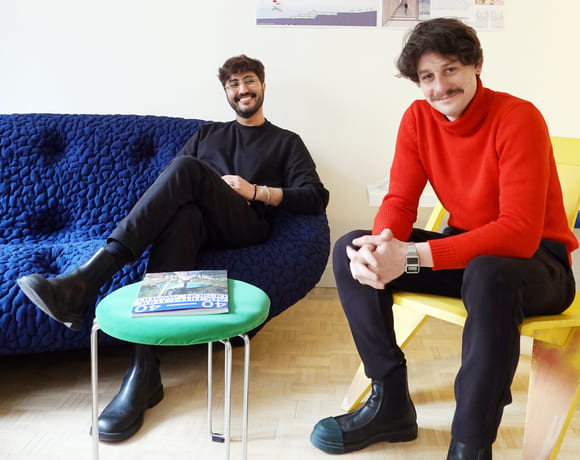
Kapt Studio
Pushing Boundaries Across Scales
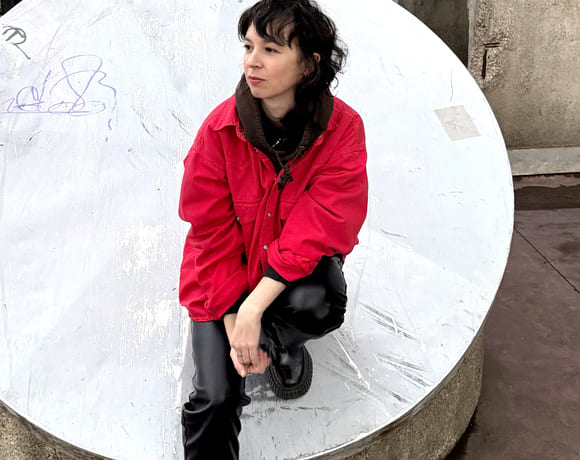
Room Architecture
Between Theory, Activism, and Practice
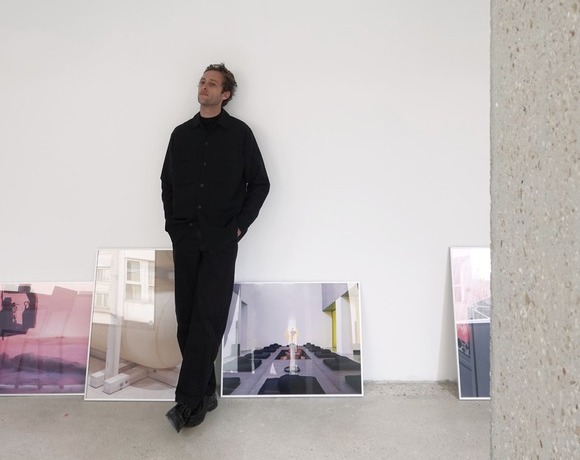
AVOIR
Structural Unknowing
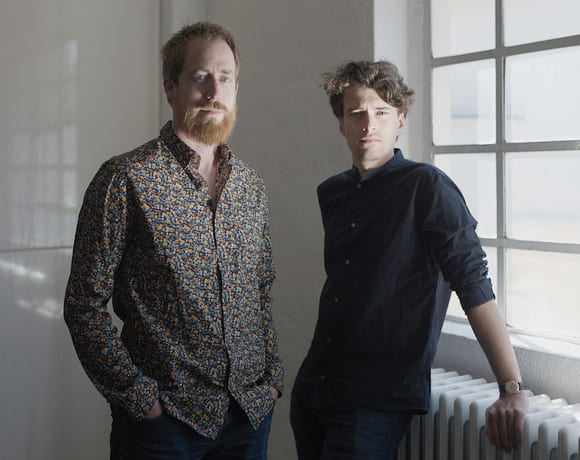
DRATLER DUTHOIT architectes
Crafting Local Language
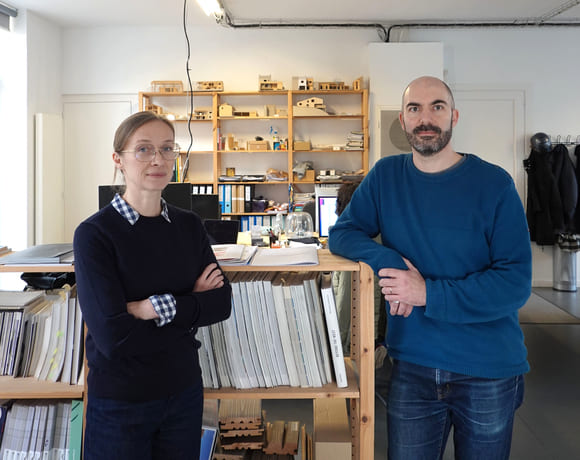
Claas Architectes
Building with the Region in Mind
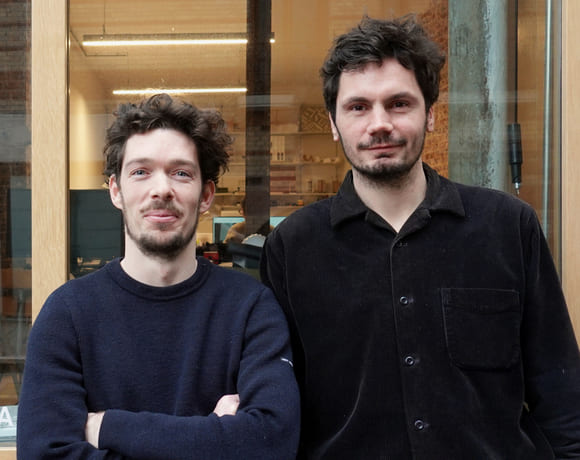
B2A - barre bouchetard architecture
Embracing Uncertainty in Architecture
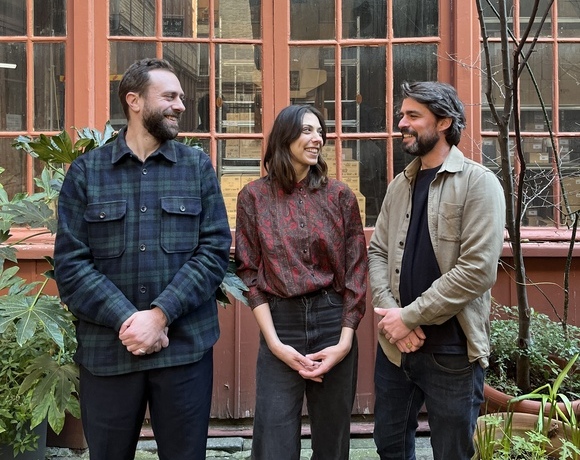
Acmé Paysage
Nurturing Ecosystems
Atelier Apara
Architecture Through a Pedagogical Lens
HEMAA
Designing for Ecological Change
HYPER
Hyperlinked Scales
Between Utopia and Pragmatism
OblĂČ
Dialogue with the Built World
Augure Studio
Revealing, Simplifying, Adapting
Cent15 Architecture
A Process of Learning and Reinvention
Pierre-Arnaud DescĂŽtes
Composing Spaces, Revealing Landscapes
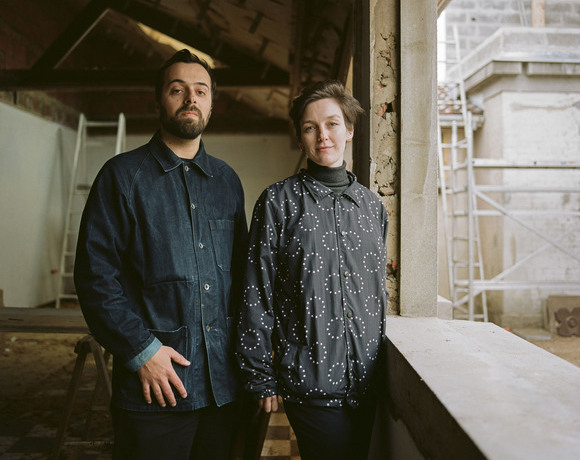
BUREAUPERRET
What Remains, What Becomes
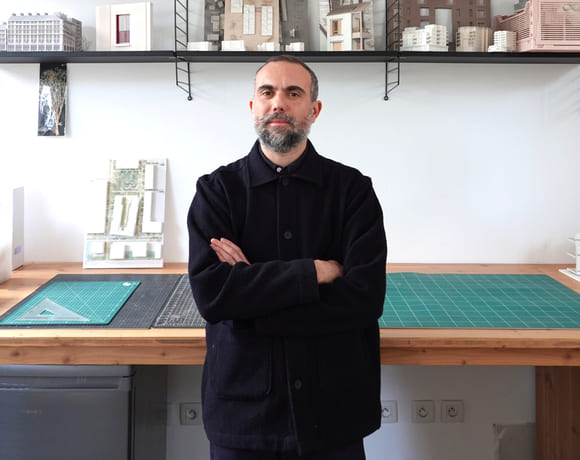
ECHELLE OFFICE
In Between Scales
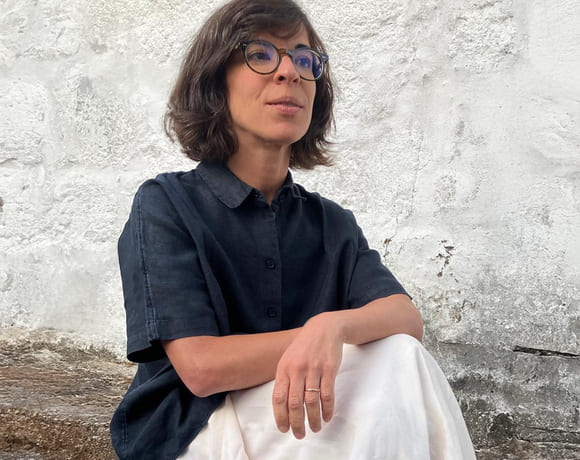
Atelier
Rooted in Context, Situated at the Centre
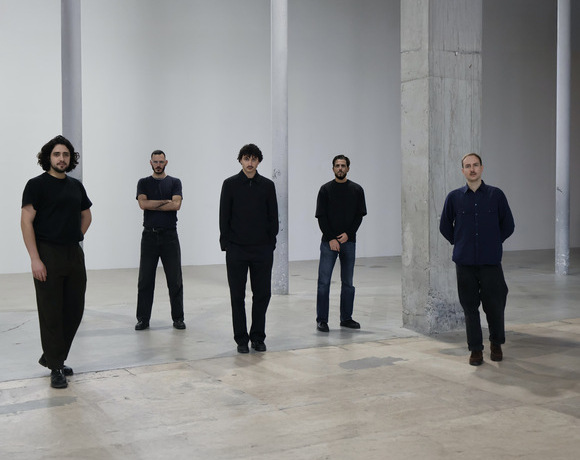
AJAM
Systemic Shifts, Local Gestures
Mallet Morales
Stories in Structure
Studio SAME
Charting Change with Ambition
Lafayette
Envisioning the City of Tomorrow
Belval & Parquet Architectes
Living and Building Differently
127af
Redefining the Common
HEROS Architecture
From Stone to Structure
Carriere Didier Gazeau
Lessons from Heritage
a-platz
Bridging Cultures, Shaping Ideas
Rodaa
Practicing Across Contexts
Urbastudio
Interconnecting Scales, Communities, and Values
Oglo
Designing for Care
Figura
Figures of Transformation
COVE Architectes
Awakening Dormant Spaces
Graal
Understanding Economic Dynamics at the Core
ZW/A
United Voices, Stronger Impacts
A6A
Building a Reference Practice for All
BERENICE CURT ARCHITECTURE
Crossing Design Boundaries
studio mÀc
Bridging Theory and Practice
studio mÀc
Bridging Theory and Practice
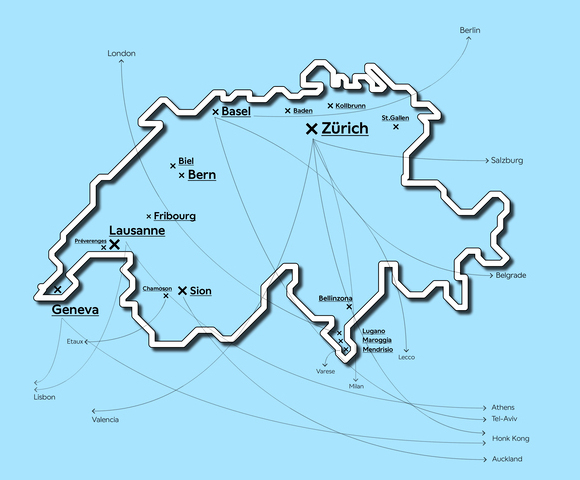
New Swiss Architecture
An Original Idea by New Generations
KUMMER/SCHIESS
Compete, Explore, Experiment
ALIAS
Stories Beyond the Surface
sumcrap.
Connected to Place
BUREAU/D
From Observation to Action
STUDIO ROMANO TIEDJE
Lessons in Transformation
Ruumfabrigg Architekten
From Countryside to Lasting Heritage
Kollektiv Marudo
Negotiating Built Realities
Studio Barrus
Starting byChance,Growing Through Principles
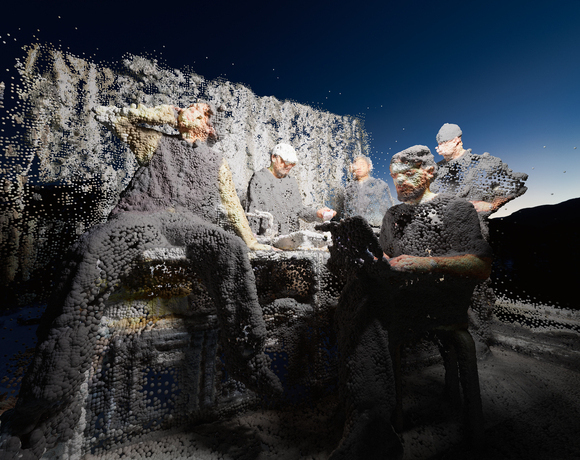
dorsa + 820
Between Fiction and Reality
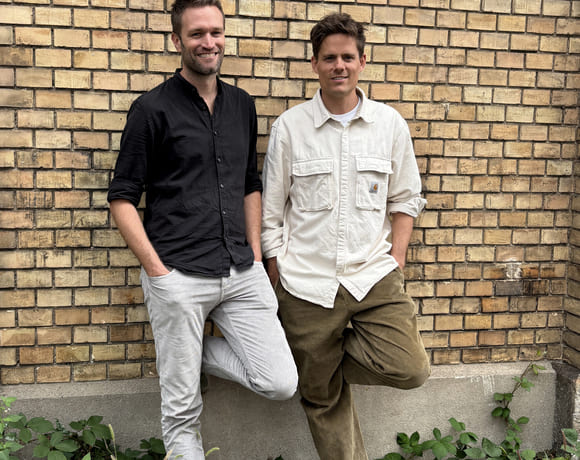
S2L Landschaftsarchitektur
Public Spaces That Transform
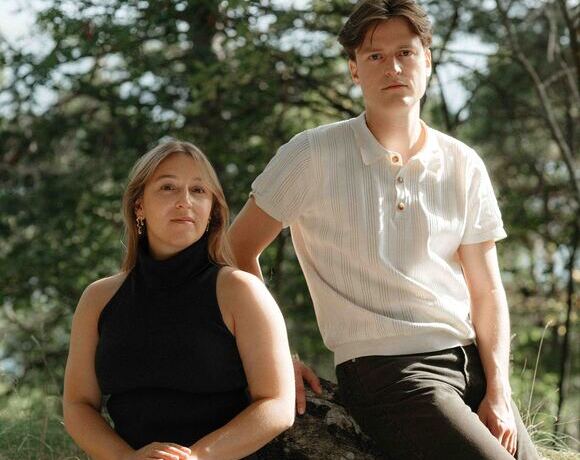
DER
Designing Within Local Realities
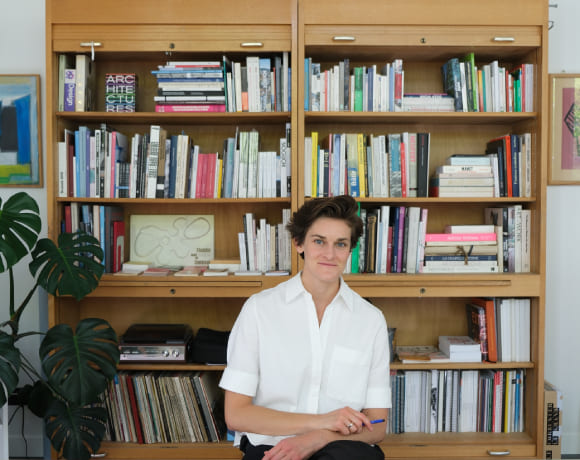
Marginalia
Change from the Margins
En-Dehors
Shaping a Living and Flexible Ecosystem
lablab
A Lab for Growing Ideas
Soares Jaquier
Daring to Experiment
Sara Gelibter Architecte
Journey to Belonging
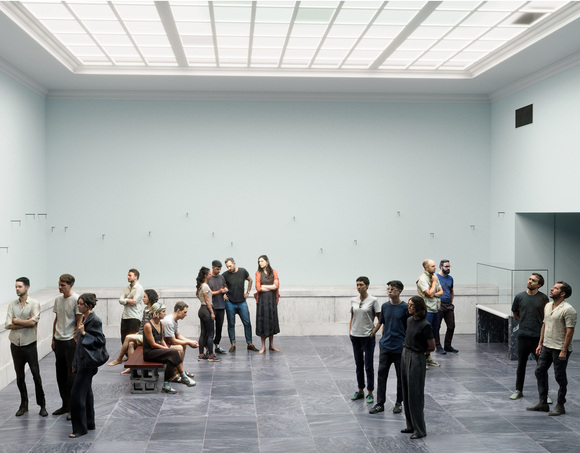
TEN (X)
A New Kind of Design Institute
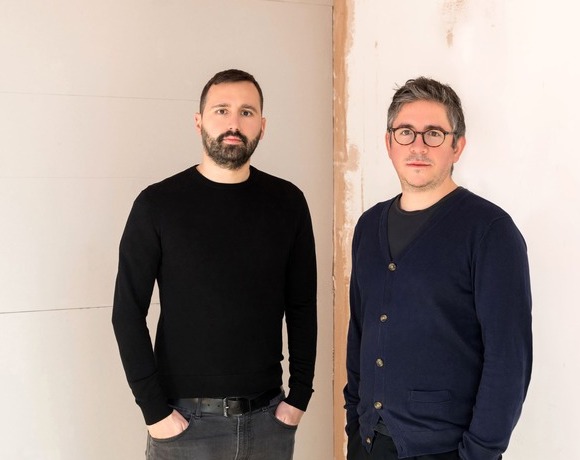
DF_DC
Synergy in Practice: Evolving Together
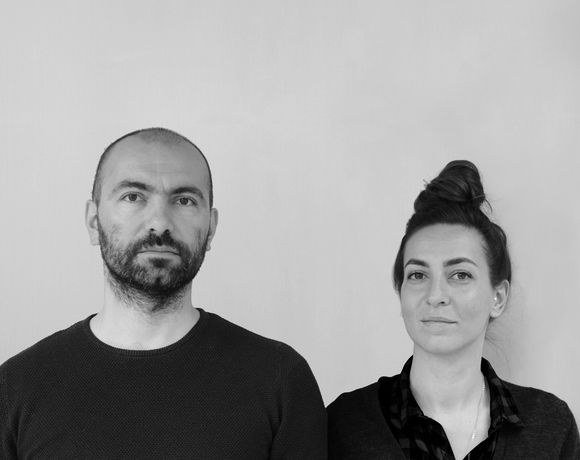
GRILLO VASIU
Exploring Living, Embracing Cultures
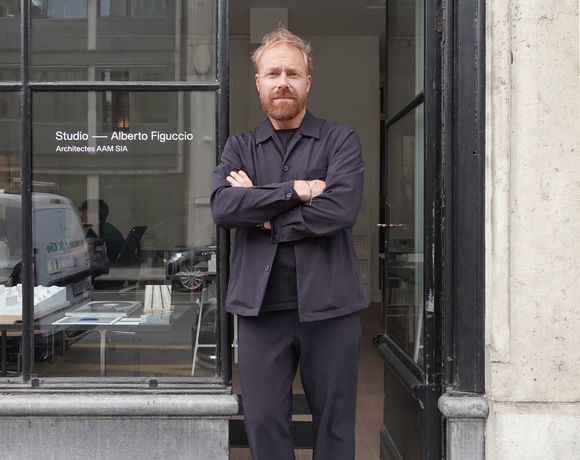
Studio â Alberto Figuccio
From Competitions to Realised Visions
Mentha Walther Architekten
Carefully Constructed
Stefan Wuelser +
Optimistic Rationalism: Design Beyond the Expected
BUREAU
A Practice Built on Questions
camponovo baumgartner
Flexible Frameworks, Unique Results
MAR ATELIER
Exploring the Fringes of Architecture
bach muÌhle fuchs
Constantly Aiming To Improve the Environment
NOSU Architekten GmbH
Building an Office from Competitions
BALISSAT KAĂANI
Challenging Typologies, Embracing Realities
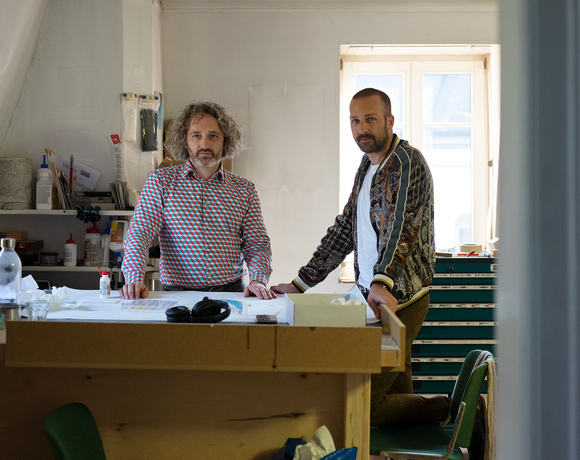
Piertzovanis Toews
Crafted by Conception, Tailored to Measure
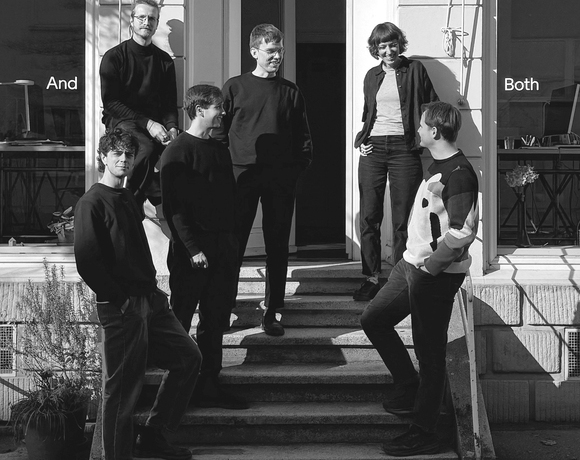
BothAnd
Fostering Collaboration and Openness
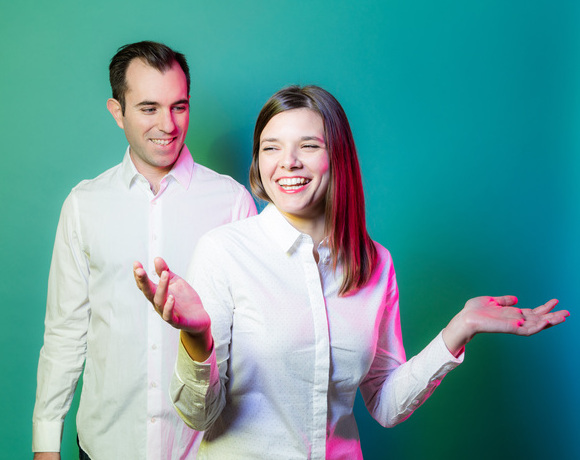
Atelier ORA
Building with Passion and Purpose
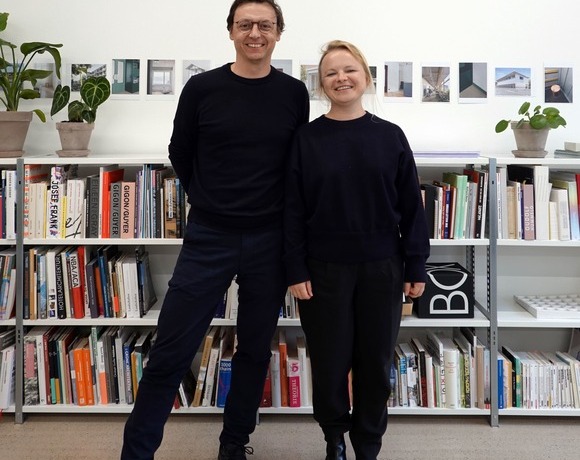
Atelier Hobiger Feichtner
Building with Sustainability in Mind
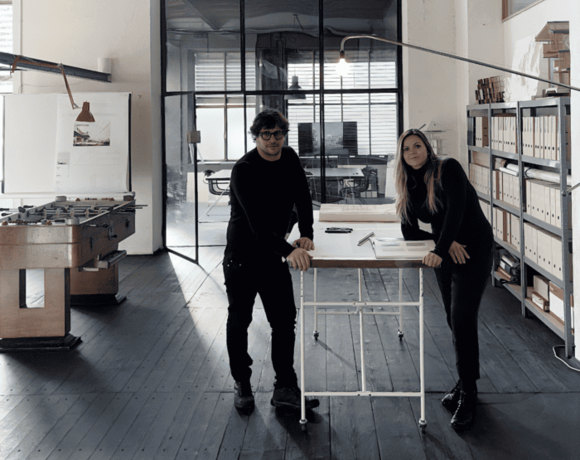
CAMPOPIANO.architetti
Architecture That Stays True to Itself
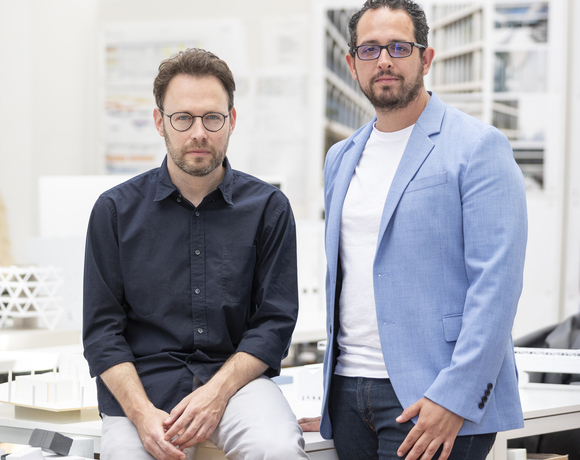
STUDIO PEZ
The Power of Evolving Ideas
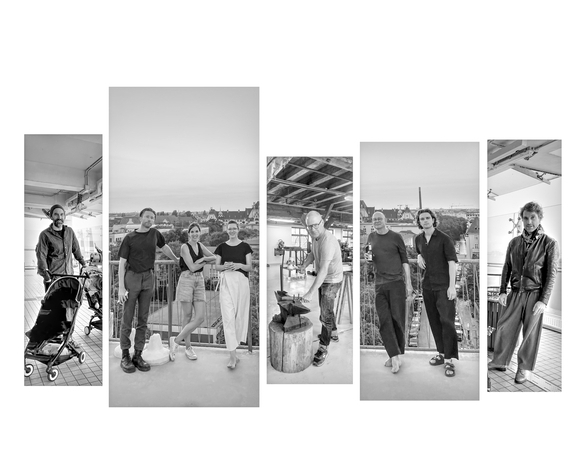
Architecture Land Initiative
Architecture Across Scales
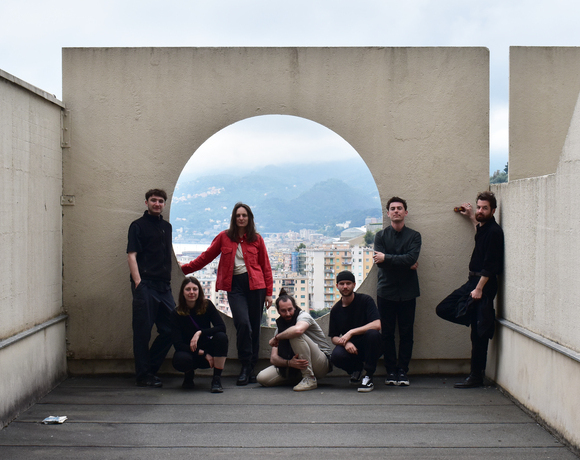
ellipsearchitecture
Humble Leanings, Cyclical Processes
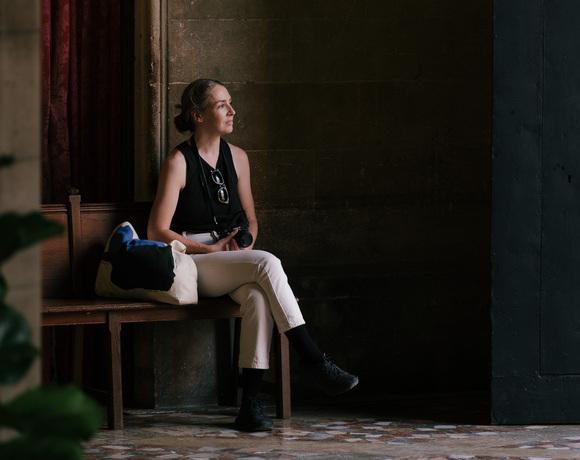
Sophie Hamer Architect
Balancing History and Innovation
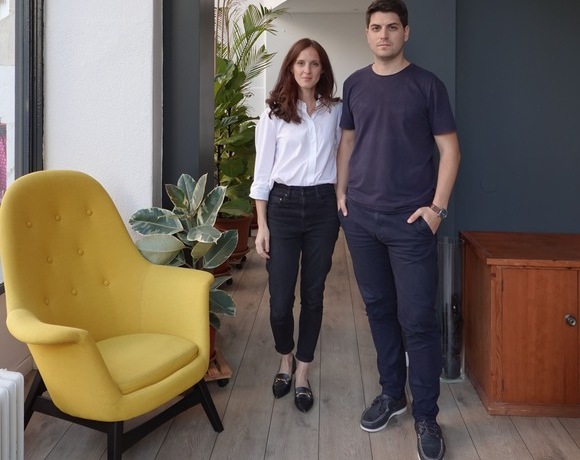
ArgemĂ Bufano Architectes
Competitions as a Catalyst for Innovation
continentale
A Polychrome Revival
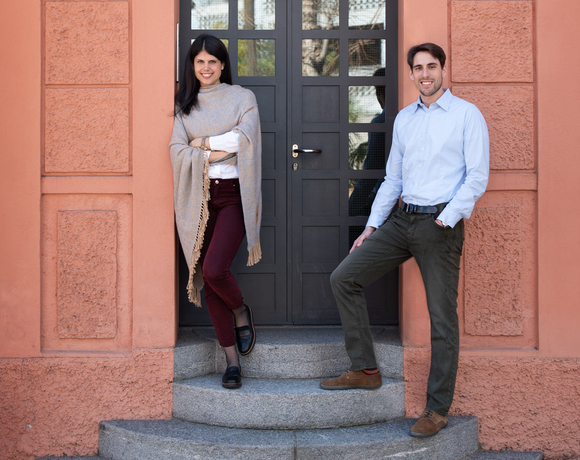
valsangiacomoboschetti
Building With What Remains
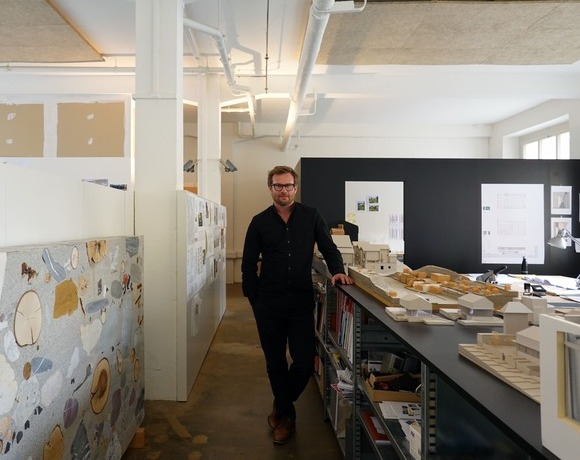
Oliver Christen Architekten
Framework for an Evolving Practice
MMXVI
Synergy in Practice
Balancing Roles and Ideas
studio 812
A Reflective Approach to
Fast-Growing Opportunities
STUDIO4
The Journey of STUDIO4
Holzhausen Zweifel Architekten
Shaping the Everyday
berset bruggisser
Architecture Rooted in Place
JBA - Joud Beaudoin Architectes
New Frontiers in Materiality
vizo Architekten
From Questions to Vision
Atelier NU
Prototypes of Practice
Atelier Tau
Architecture as a Form of Questioning
alexandro fotakis architecture
Embracing Context and Continuity
Atelier Anachron
Engaging with Complexity
SAJN - STUDIO FĂR ARCHITEKTUR
Transforming Rural Switzerland
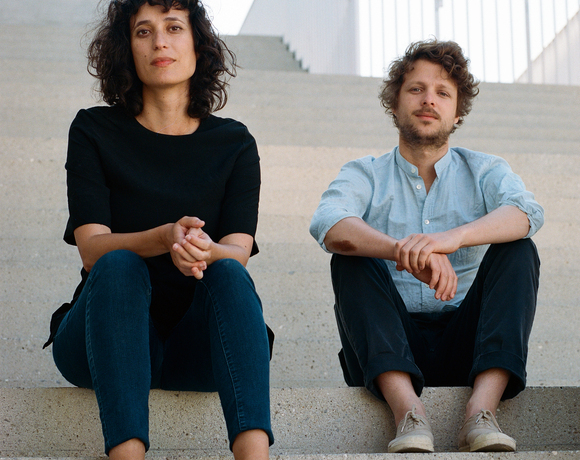
guy barreto architects
Designing for Others, Answers Over Uniqueness
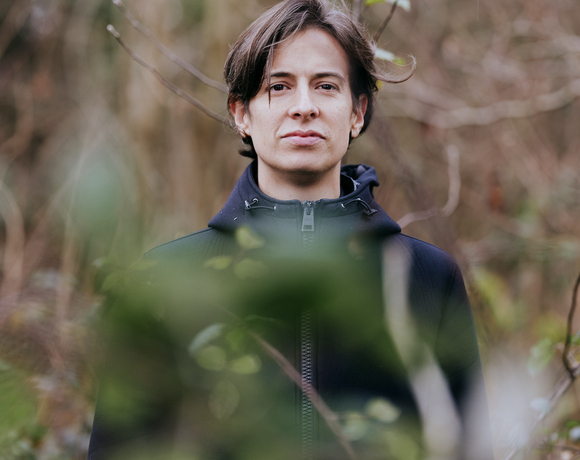
Concrete and the Woods
Building on Planet Earth
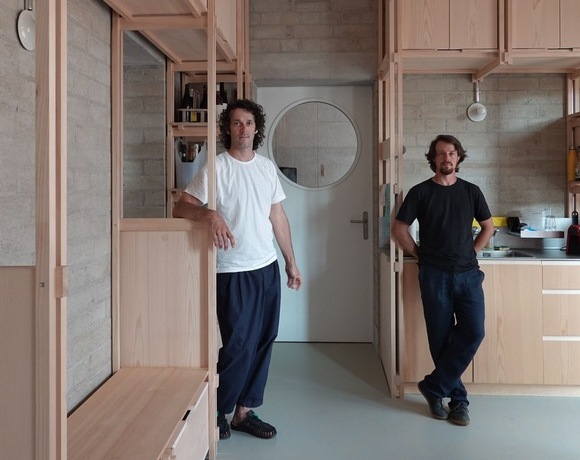
bureaumilieux
What is innovation?
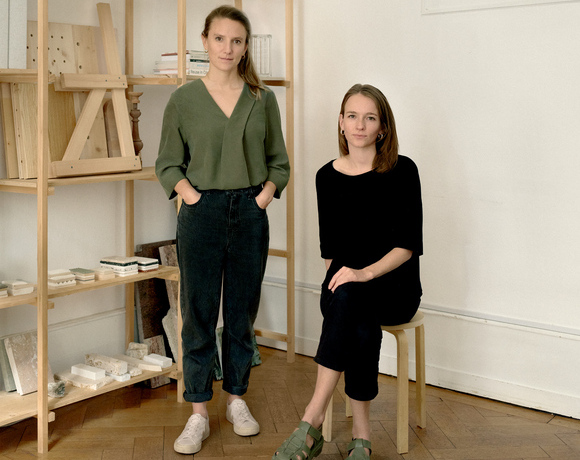
apropaÌ
A Sustainable and Frugal Practice
Massimo Frasson Architetto
Finding Clarity in Complex Projects
Studio David Klemmer
Binary Operations
Caterina Viguera Studio
Immersing in New Forms of Architecture
r2a architectes
Local Insights, Fresh Perspectives
HertelTan
Timeless Perspectives in Architecture
That Belongs
Nicolas de Courten
A Pragmatic Vision for Change
Atelier OLOS
Balance Between Nature and Built Environment
Associati
âCheap but intenseâ: The Associati Way
emixi architectes
Reconnecting Architecture with Craft
baraki architects&engineers
From Leftovers to Opportunities
DARE Architects
Material Matters: from Earth to Innovation
KOMPIS ARCHITECTES
Building from the Ground Up
Fill this form to have the opportunity to join the New Generations platform: submissions will be reviewed on a daily-basis, and the most innovative practices will have the chance to be part of the media's coverage and participate in our cultural agenda, including events, research projects, workshops, exhibitions and publications.
New Generations is a European platform that investigates the changes in the architectural profession ever since the economic crisis of 2008. We analyse the most innovative emerging practices at the European level, providing a new space for the exchange of knowledge and confrontation, theory, and production.
Since 2013, we have involved more than 3.000 practices from more than 50 countries in our cultural agenda, such as festivals, exhibitions, open calls, video-interviews, workshops, and experimental formats. We aim to offer a unique space where emerging architects could meet, exchange ideas, get inspired, and collaborate.
An original idea of New Generations
Team & collaborators: Gianpiero Venturini, Marta HervĂĄs Oroza, Elisa Montani, Giuliana Capitelli, Kimberly Kruge, Canyang Cheng
If you have any questions, need further information, if you'd like to share with us a job offer, or just want to say hello please, don't hesitate to contact us by filling up this form. If you are interested in becoming part of the New Generations network, please fill in the specific survey at the 'join the platform' section.
Culture on Site
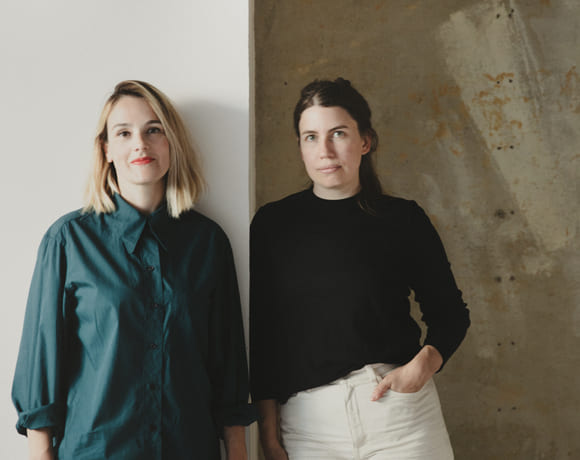
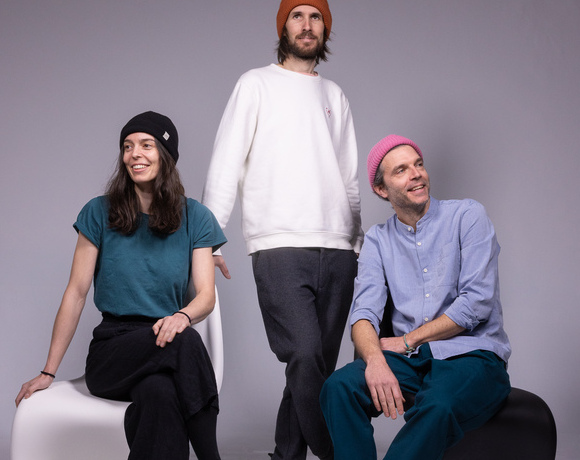
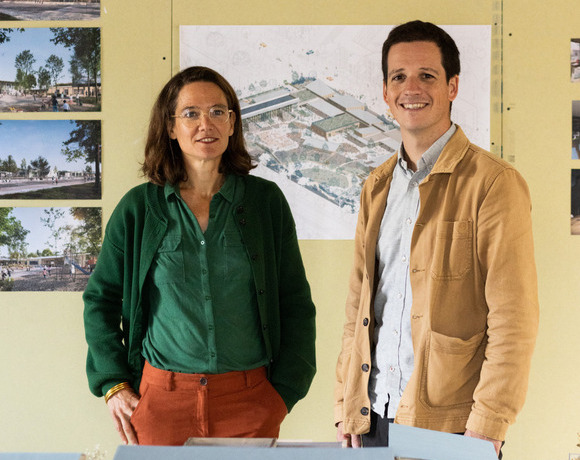
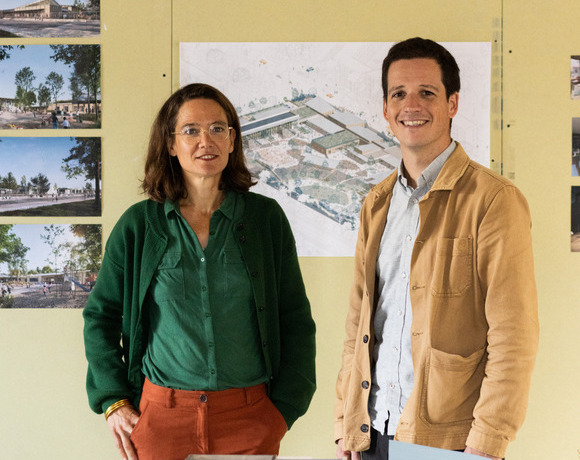
Compagnie architecture, based in Bordeaux, is led by ChloĂ© Bodart and Jules Eymard alongside a team of around fifteen people. Its projects are based on three main principles: an attentive listening of the userâs needs, the sensible transformation of existing structures, and construction sites hosting cultural events. Since 2018, the agency has been creating buildings with expressive contours and intelligible construction choices, where hospitality is both a spatial arrangement and a vocation: cultural venues, schools, third spaces⊠The Company's approach aims to create a culture shared by all those involved in the project, enabling to devise the most appropriate response possible. Architectural permanence, evolving models, thematic workshops, cultural projects and editorial objects are among the resources mobilised by Compagnie in the service of this shared culture.
CB: Chloé Bodart | JE: Jules Eymard
Embracing collective identity
JE: Our practice is based in Bordeaux, just two hours from Paris by high-speed train. Beyond its quality of life, Bordeaux has become increasingly attractive due to its improved accessibility. The recent introduction of the high-speed connection has drawn many practices seeking a high-quality environment, while remaining closely linked to the capital. The city has seen significant private investment in housing, workspaces, and infrastructureâlargely in response to the growing influx of people relocating from Paris.
CB: That said, it's the work that leads us. We're known for cultural projects, and we follow where those opportunities arise. Our interest in specific subjects shapes our directionâwe respond to the projects that resonate with us. While we try to stay in western France, it's ultimately curiosity and project quality that determine where we go.
JE: Our name, Compagnie Architecture, reflects values we hold dear. We chose Compagnie because of its many meaningsâin French, Salut la Compagnie is a casual, inclusive greeting, and the term also evokes dance or theatre companies. We appreciate this sense of openness and collective spirit, which resonates with how we see our practice.
CB: We wanted to link the word compagnie to architecture, hence our firm name. Thatâs really important for usâweâre not doing something abstract. For us, the two terms are intrinsically connected. The word compagnie allows for a multidisciplinary approachâan openness to culture, to various disciplines, to encounters, to the human dimension. At the same time, itâs all applied directly to architecture. Thatâs why the two wordsâCompagnie Architectureâare so meaningful for us. Weâre really grounded in practice: rehabilitation, construction, urbanism. Itâs all architecture, but with this broader, inclusive, cultural vision.
A story of meaningful encounters
CB: The story behind Compagnie is a long one. During my third year at architecture school, I started working on ideas related to theatre and circus. Thatâs when I met Patrick Bouchain, who became an important figure in my career. At the time, he wasnât very well known, but he was one of the first to explore the rehabilitation of factories with artistsâreinvesting in those spaces while preserving traces of their past. He worked with artists in existing spaces, giving them new life. That meeting was really important to me. I worked with Patrick for about 15 yearsâfirst as an intern, then as an employee, and eventually as an associate in 2007. In 2008, I set up my own firm, called ChloĂ© Bodart/Construire. Construire was like a collectiveâa group of people working with Patrick Bouchain. We didnât have one shared company, but several individual structures associated with the projects: SĂ©bastien Eymard/Construire, LoĂŻc Julienne/Construire, Nicole Concordet/Construire, and Patrick Bouchain. It was a way of combining forces to collaborate on projects.
Around 2014, I was focused on large cultural projectsâmainly street performance, museums, and concert halls. These became our agencyâs foundational references. I had been working with Patrick on many of them, and they helped us build a portfolioâimportant when applying for public contracts, where having references is essential. It was then that I decided to move to Bordeaux for family reasons, and I created an agency here, drawing on my experiences with Patrick and Construire.
We began experimenting with urban projects and landfillsâespecially through the project Darwin, which is kind of a tiers-lieu, or third space. Itâs a way to bring together different programs and users, and to support them in defining what they wantâboth in the building and in how they coexist. Itâs part of the foundational thinking that shaped the company. That Darwin project was not only one of our first commissions, but it also shaped our future projects. After that, we continued with studies and research, and then came the La Cartoucherie project in Toulouse.
JE: As for me, I studied in Nantes and spent about a year and a half gaining experience in Brazil. In 2014, I moved to Bordeaux, where I worked with developers and promoters for three to four years before deciding to quit. In 2017, I began working with ChloĂ©. At that time, we were still operating as separate entitiesâjust as she had done with Patrick Bouchainâcollaborating on projects on a case-by-case basis. Our first joint project was in Chirac, a rehabilitation of an old house into a cultural venue. Then came La Cartoucherie, a large-scale rehabilitation of an industrial building that includes restaurants, co-working spaces, sports and climbing areas, and a concert hall. It was a long projectâalmost eight years. Our partnership started in 2018 (in 2021, we officially renamed the practice Compagnie Architecture). Shortly after, we won the project for a concert hall in La Roche-sur-Yon. This was a significant moment, made possible in part thanks to ChloĂ©âs previous experience with Patrick on La SirĂšne in La Rochelleâthe rehabilitation of a former customs warehouse into a contemporary music venue. Around the same time, we also won the Ăcole Frida Kahlo in Bruges, our first project within Bordeaux metropolitan area. These projects helped establish the foundation for our ongoing work and future growth.
Beyond typology
CB: Project themes arise from curiosity and purpose. With each new project, what drives us is the process we build around that themeâfocused on encounters, on use. What really interests us is how we can apply our approach to a theme. It could be a school, a concert hall, a tiers-lieu⊠something with a cultural or even an industrial dimension. Our style is not defined by the selection of a specific typology. For instance, Iâd love to work on a gas station because it brings together very different kinds of people. That openness, and how to approach it differentlyâwith local engagement and sensitivity to usersâis at the heart of our work.
JE: We also havenât worked on housing. Why? Because the process is too closed, leaving too little room to develop the kind of work weâre interested in. Once again, itâs not about the program type, but how we engage with it. And for that, weâve developed over time specific tools.
CB: We refer to those tools as âThe Commonsââthe shared aspects of our methodology and philosophy. I began exploring this with Patrick Bouchain through what we called âarchitectural permanenceâ.
An evolving vocabulary
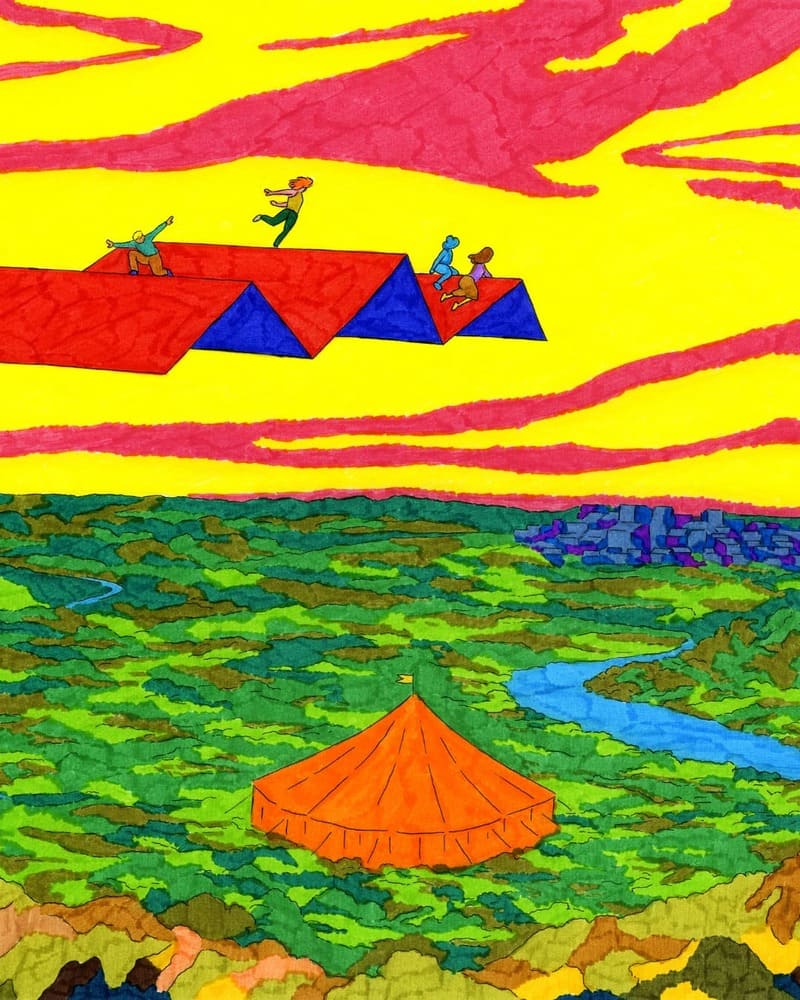
CB: In 2014â2015, I began developing a glossary of termsâa personal vocabulary of tools and concepts that would later become the foundation of the agency. That was when I started to articulate a way of working, marking an important shift. It allowed me to bridge the experience I had with Patrick Bouchain and imagine something new, on my own terms. I had never worked alone before, and I didnât want to work alone either. I had a few projects at the time, and in 2017, I was commissioned for La Cartoucherie in Toulouse. That was when Jules and I were sharing an office and started to collaborate. The vocabulary was quite personal, so weâve had to think about how to update and adapt those words to fit the collective voice of the agency as it is now. We recently worked with journalist and author Emmanuelle Borne to redefine these terms. Thanks to this collaboration, the term 'The Commons' was born. To expand on Emmanuelle Borneâs texts, we've commissioned Simon Roussin, known for his vibrant, expressive drawings. This new glossary, or manifesto, becomes a meeting point between theory and image, using visual storytelling to give form to our architectural ideas. It is available on our website and was presented in our exhibition at the Galerie d'Architecture in Paris at the end of 2025.
The Commons
CB: The first tool is the model. We always use large-scale physical modelsâoften at 1:50âon all of our projects. You wonât find them in the office; theyâre on site. The models help us design and verify the space. They also allow us to communicate the project clearly to different audiencesâchildren, parents, the project owner, the city, elected officials, neighbours, construction workers. We use them in exhibitions, in construction meetings. The first meeting on a construction site happens around the model. It becomes a shared object and a central gathering place on site, a mutual understanding toolâit shows what the building will become.
JE: During the project's development, we organise workshops with users to understand their practical expertiseâtheir daily needsâand we translate that into architecture. It's a conversation, a back and forth. Itâs not co-design, but itâs close. We ask people how theyâll use the space, what they need from it. We see them as experts in how they will live in those places. We take their input seriously and translate it into plans, drawings, and texts that build the project. We call them maĂźtrise dâusageâa kind of user-based mastery of the space.
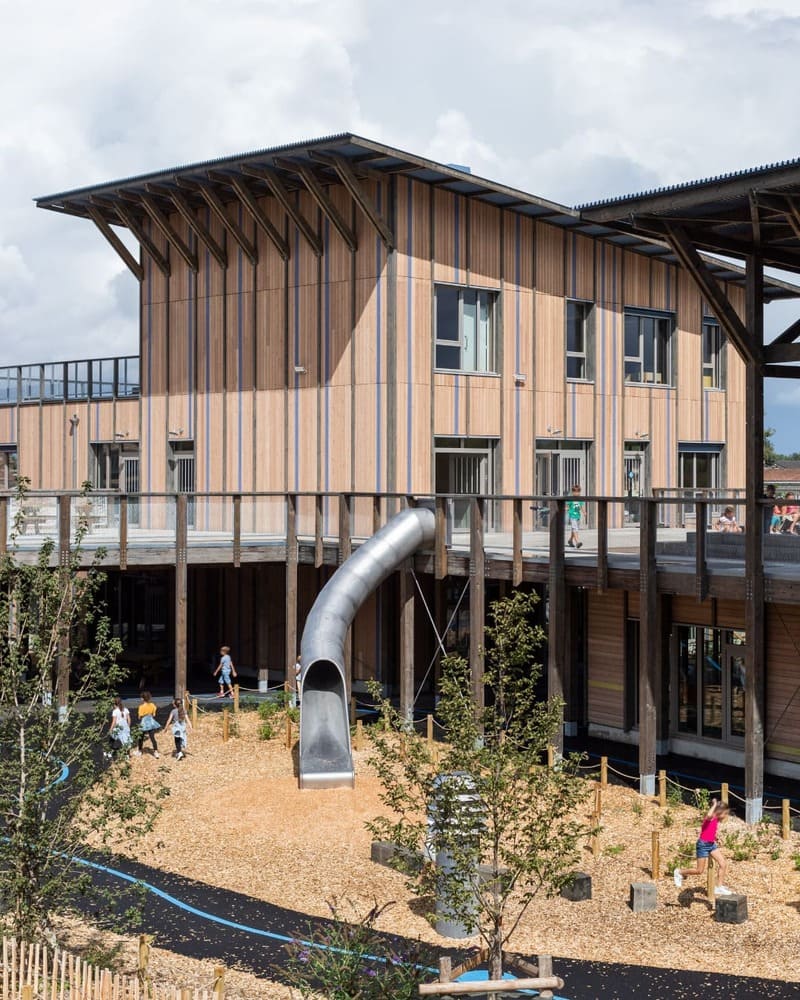
CB: Another tool we often use is what we call cultural construction activities. Since urban projects often take a long time, we use cultural activities to activate and open up the construction period. That can mean organising visits, conferences, or even performancesâdance, concertsâright on site. These events make the construction site accessible, invite the public in, create a sense of shared experience, and encourage the public to have a sense of ownership of the building. They also help ease tensions that can arise between contractors, consultants, and city officials. Our teams are usually large, and these moments help us bond and collaborate more effectively. In a school project in a town near Bordeaux called Pessac, we created what we call a CitĂ© de Chantier. It was a gathering place, the home of the architecturale permanence. An architect was present every day on the construction site to supervise the work but also to organise outreach activities with students and teachers. This allowed them to discover the daily life of the construction site and fully understand the project. Once construction ended, the CitĂ© de chantier became the schoolâs library.
JE: We donât always use all our tools. Sometimes, we just stick to the model. Other times, we do everything. It's a toolbox, and we use what fits.
The life of a building
JE: One of our ongoing projects is the music venue Le Krakatoa, named after the volcano in Indonesia. The name was chosen in the 1970s by the association that runs the building. It is currently under construction. Itâs located in MĂ©rignac, a city just outside Bordeaux. The building was originally a city hall, then in the 1970s it was transformed into a concert venue by the same association. Over time, it had deteriorated significantly, so the city council decided on a full renovationâand thatâs when we got involved.
CB: The competition itself was longâabout a year with three phasesâand we used physical models at different scales throughout. The first model we made was at 1:200 scale, showing the building within its site and surroundings. It helped us understand and explain the projectâs overall conception. We used it to communicate with both the client and the users, who were involved throughout the design process. At the end of the competition, we made a second, more detailed model at 1:50 scale, focusing only on the concert hall. We believe this helped the client understand and connect with the project.
JE: Another crucial tool was timeâspending time with users, both future and current. They had a very strong connection to the building, both emotionally and technically, especially in terms of scenography and sound. We had many meetings with them, using the model to work together and refine the design.
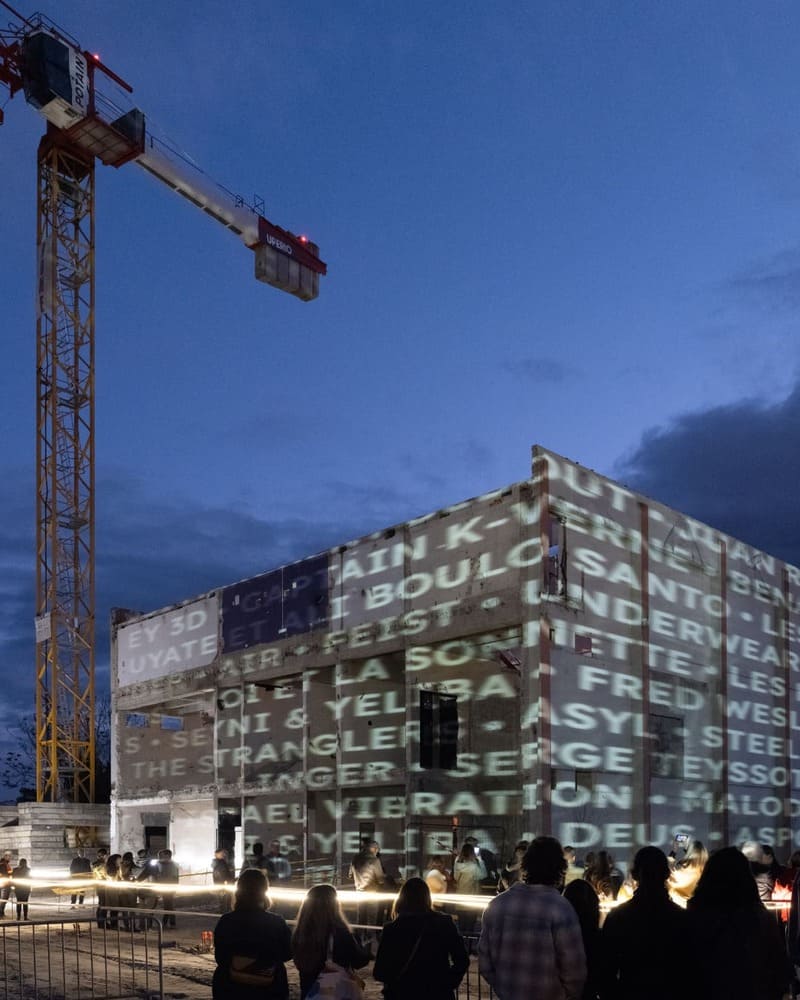
CB: Now that weâre in construction, weâre planning three main events. The construction timeline is shortâjust 14 monthsâwhich is fast for a project of this scale and complexity. Still, weâre committed to integrating these cultural events during the build. The first event, in April 2025, was a concert in the demolished building. Only the four outer walls of the original concert remained. It hosted about 300 people. We organised it with the clients, the users, and the construction companies. The idea wasn't just symbolic: it was about keeping music alive in the space, preserving the buildingâs soul even during demolition but it also allowed the association to continue its activities in the building, even during the renovation work.
Thereâs also a mediation program. The association running the space is deeply engaged in cultural mediation, particularly with people who may not usually have access to music or the arts. Theyâll continue this mission throughout construction, organising presentations and tours for children, seniors, and various community groups. Weâll be there too, to help explain the architecture and the ongoing transformation.
Finally, there's an artist in residence on the construction site. The client invited Olivier Crouzel to document the evolution of the space. He chose to filmânot just the physical construction, but the poetic transitions. Heâs already captured surreal imagery: hands floating in the air during a concert, now hands working on demolition. His work focuses on the transformation itself rather than construction details. Eventually, his film will be exhibited in a cultural space in MĂ©rignac, presenting the artistic side of this evolving building.
JE: I think itâs important to explain why we do all this. Our goal in architecture is to set up a process that includes usersânot just those who use the building daily, but also the public that uses the space. We aim to create buildings that are adapted to different uses and truly belong to their users, so they feel alive from the beginning, appreciated by those who live and move through them every day.
Our priority is to design buildings for peopleâthatâs the foundation of our process. Too often in France, we see architects focused on creating beautiful objects. But when people walk into those spaces, thereâs no love for the building. We take the opposite approach. We have a strong design language and clear architectural intentions, but for us, the main goal is that the space is loved, inhabited, and embraced. Itâs not about creating a sculptural object; itâs about bringing people together, building community, and designing a place that people want to make their own.
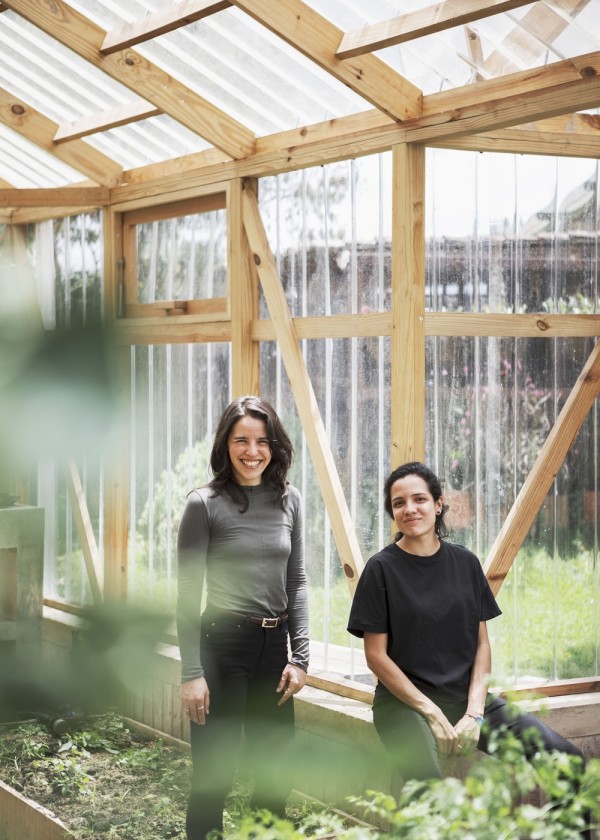
âĄïž Compagnie Architecture. ChloĂ© Bodart, Jules Eymard. Ph. Ivan Mathie
âĄïž Primary school Frida Kahlo, Ville de Bruges. Ph. Ivan Mathie
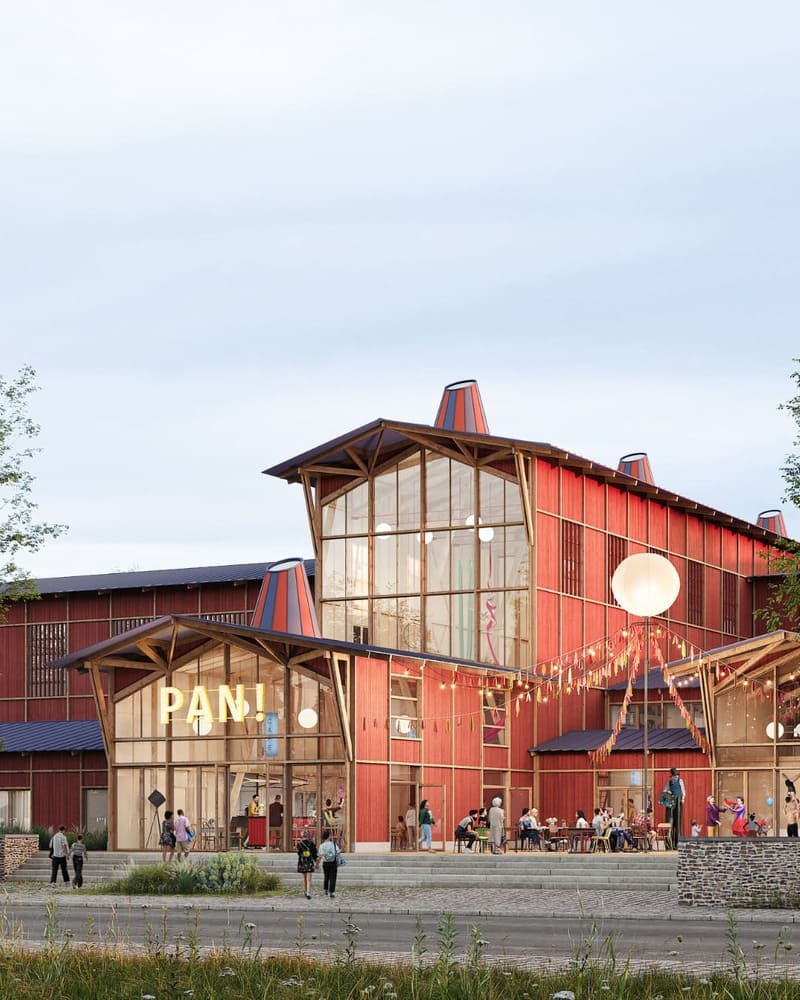
âĄïž Port des arts nomades, Ville de Nantes. Img. Airstudio
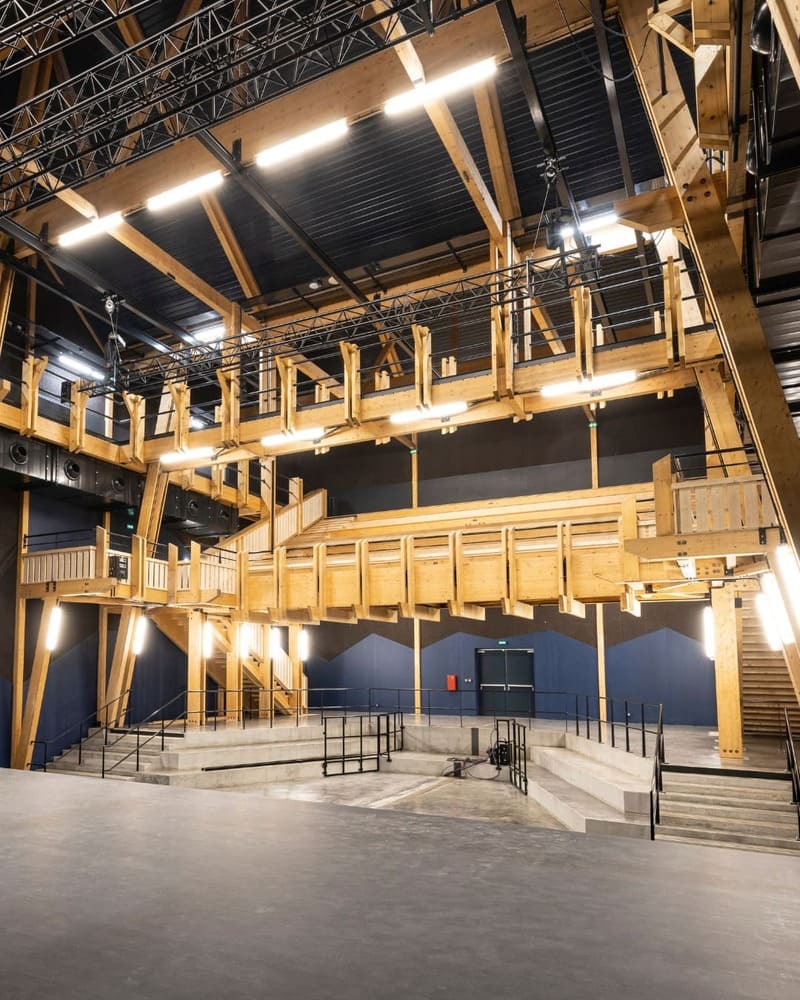
âĄïž Quai M music venue, Ville de La Roche-sur-Yon. Ph. David FugĂšre
âĄïž Krakatoa music venue, Ville de MĂ©rignac. Ph. Sandrine Iratçabal
âĄïž Roof, a glossary about the agentâs work and tools. Img. Simon Roussin