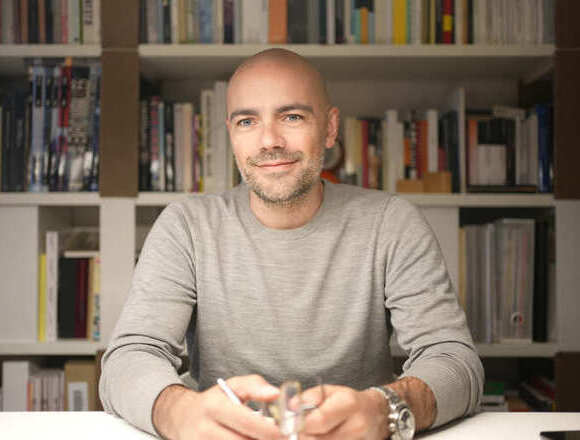
Cent15 Architecture
A Process of Learning and Reinvention
New French Architecture
An Original Idea by New Generations
Augure Studio
Coming Soon
Pierre-Arnaud DescĂ´tes
Composing Spaces, Revealing Landscapes
BUREAUPERRET
What Remains, What Becomes
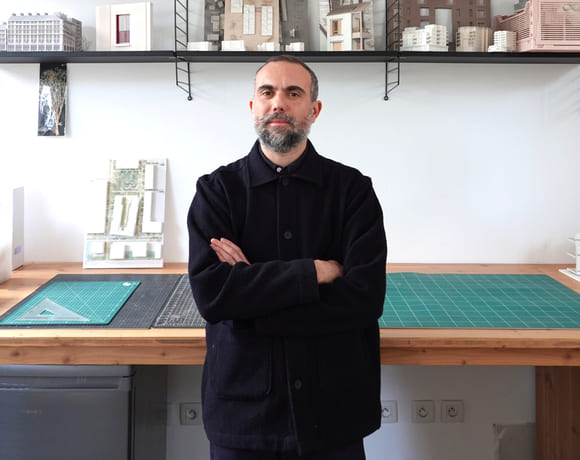
ECHELLE OFFICE
In Between Scales
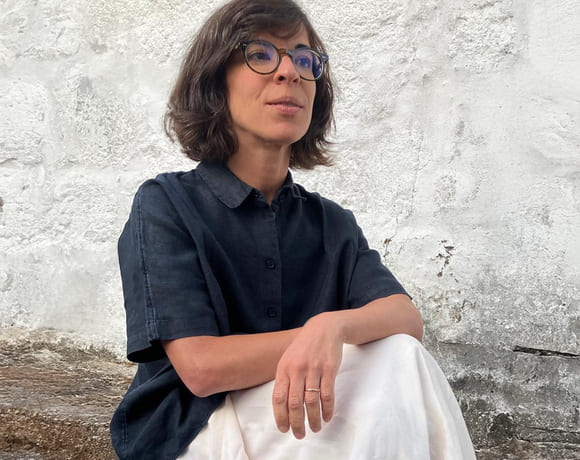
Atelier
Rooted in Context, Situated at the Centre
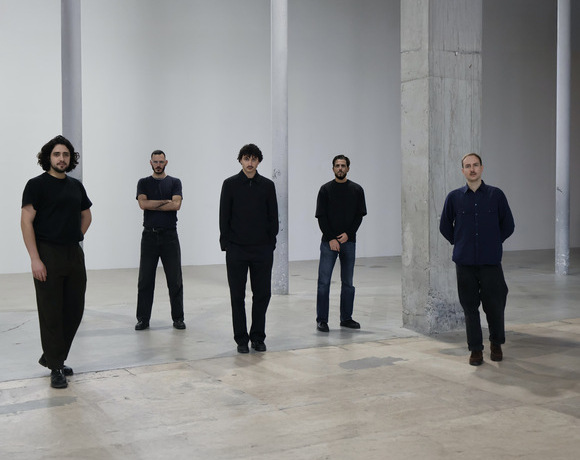
AJAM
Systemic Shifts, Local Gestures
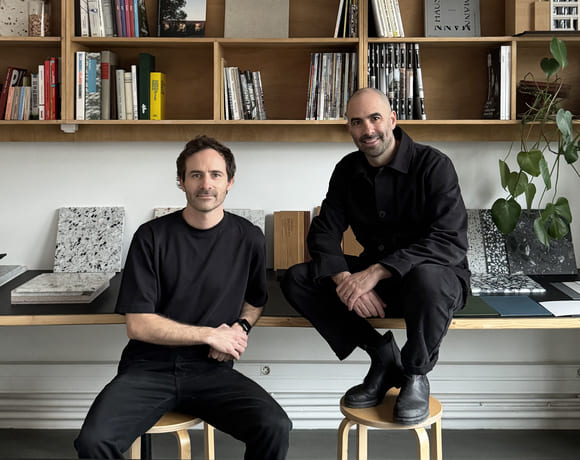
Mallet Morales
Stories in Structure
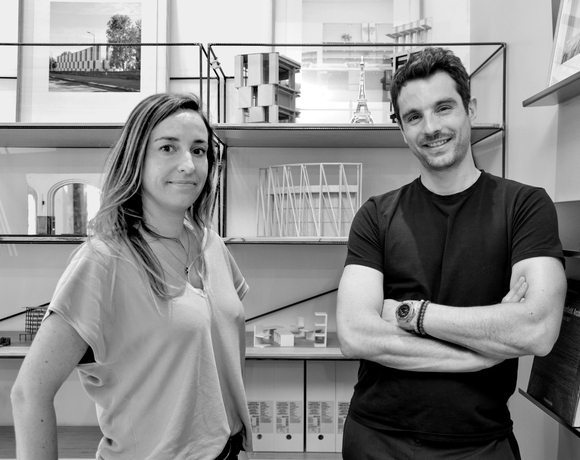
Studio SAME
Charting Change with Ambition
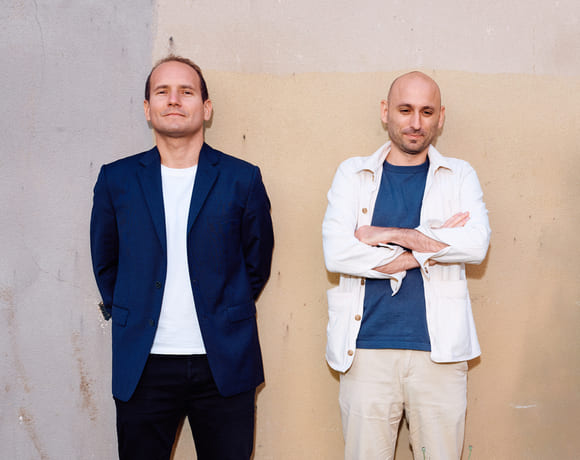
Lafayette
Envisioning the City of Tomorrow
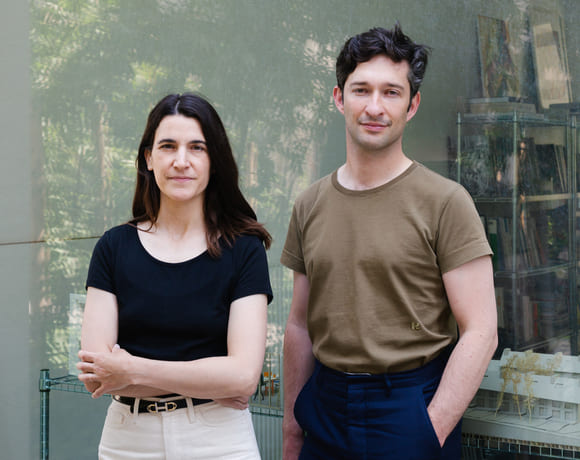
Belval & Parquet Architectes
Living and Building Differently
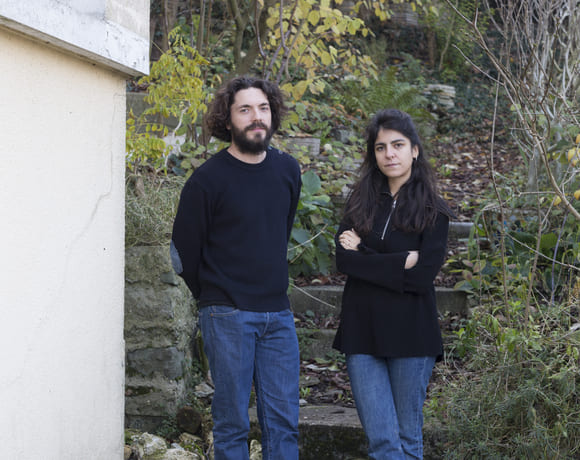
127af
Redefining the Common
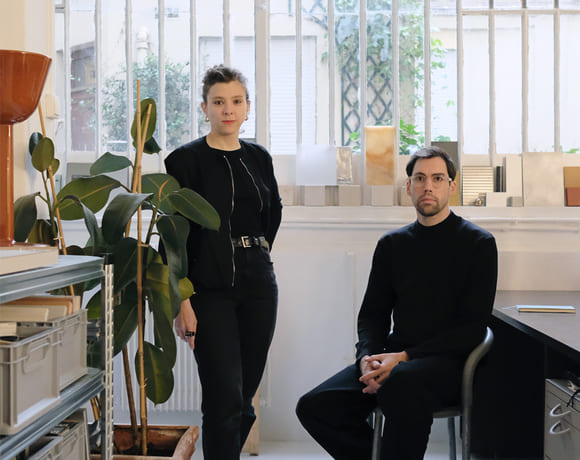
HEROS Architecture
From Stone to Structure
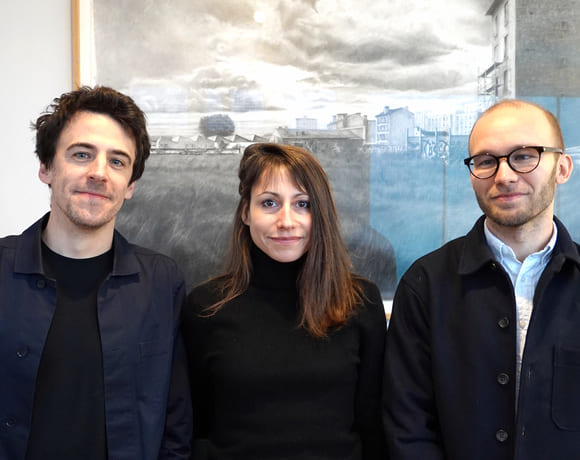
Carriere Didier Gazeau
Lessons from Heritage
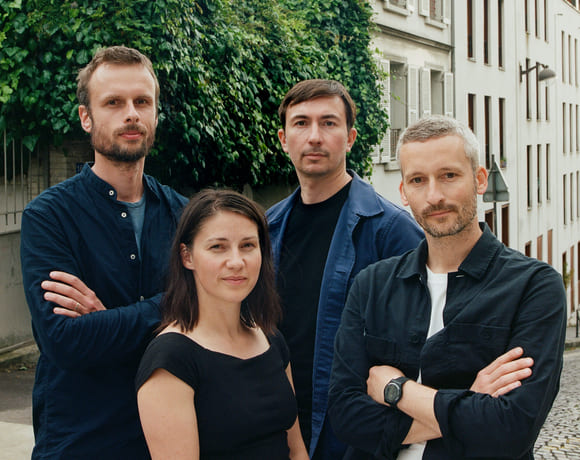
a-platz
Bridging Cultures, Shaping Ideas
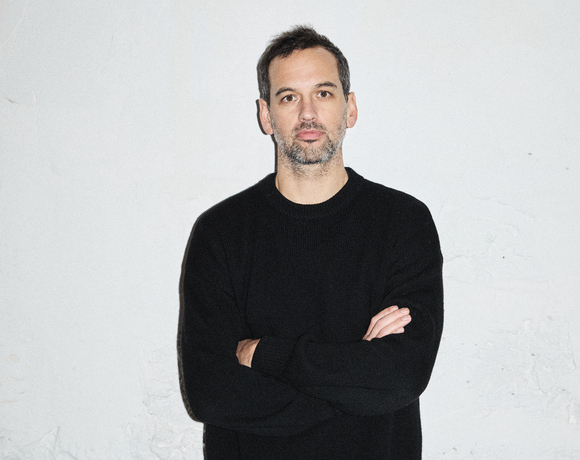
Rodaa
Practicing Across Contexts
Urbastudio
Interconnecting Scales, Communities, and Values
Oglo
Designing for Care
Figura
Figures of Transformation
COVE Architectes
Awakening Dormant Spaces
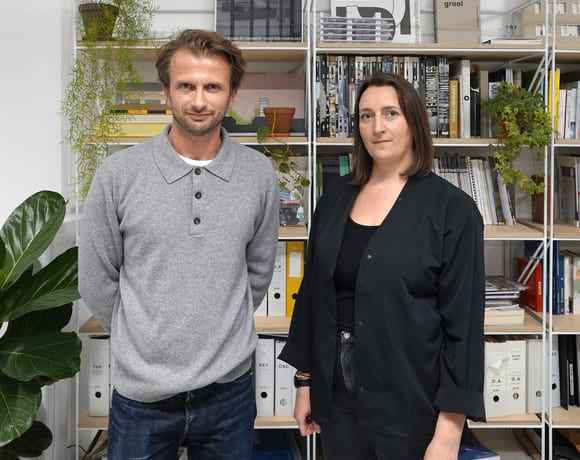
Graal
Understanding Economic Dynamics at the Core
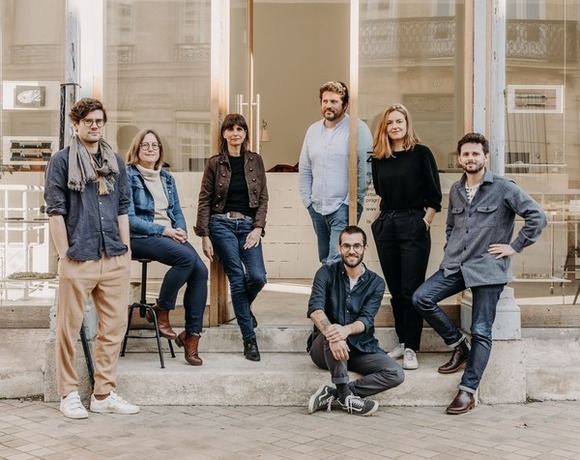
ZW/A
United Voices, Stronger Impacts
A6A
Building a Reference Practice for All
BERENICE CURT ARCHITECTURE
Crossing Design Boundaries
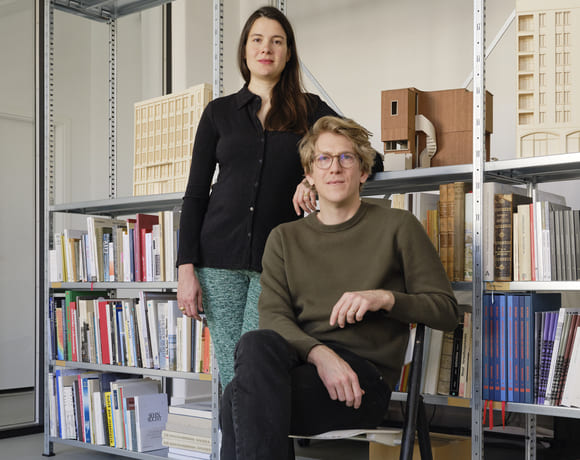
studio mäc
Bridging Theory and Practice
studio mäc
Bridging Theory and Practice
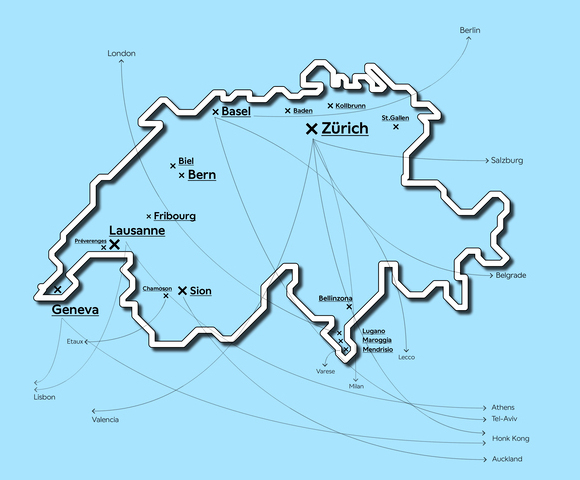
New Swiss Architecture
An Original Idea by New Generations
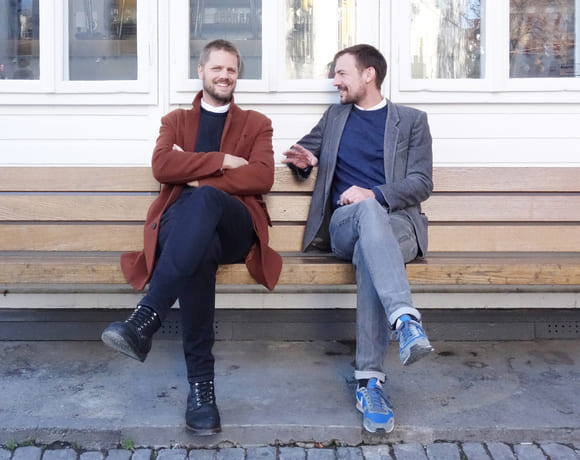
KUMMER/SCHIESS
Compete, Explore, Experiment
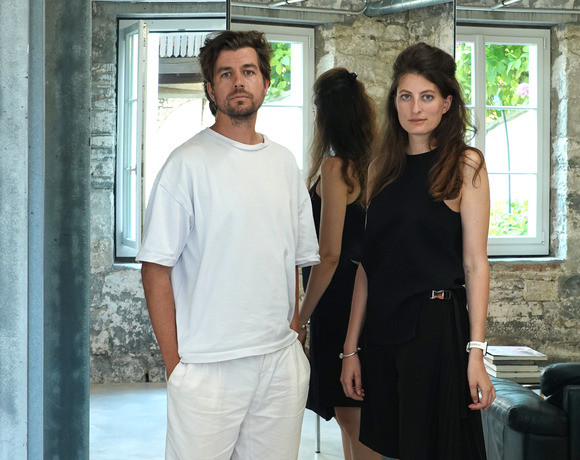
ALIAS
Stories Beyond the Surface
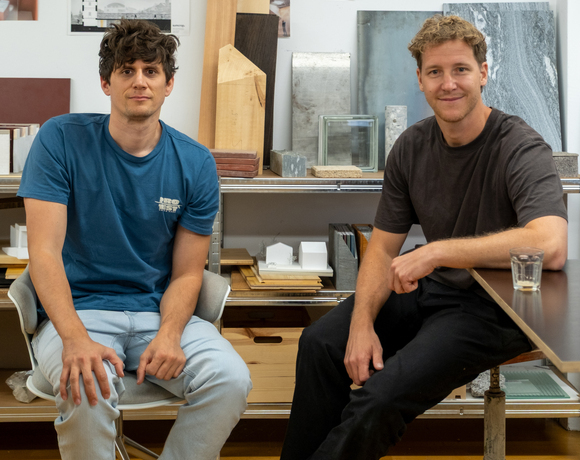
sumcrap.
Connected to Place
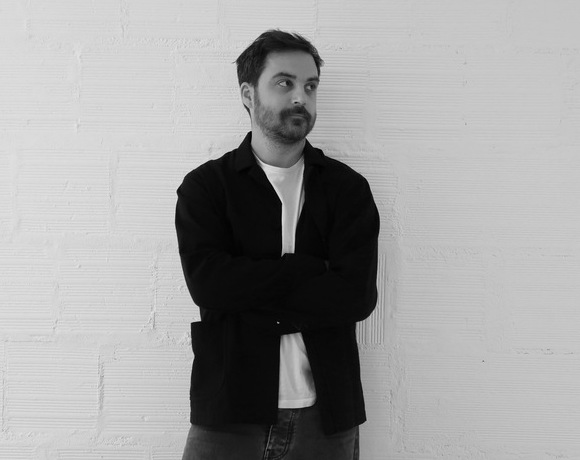
BUREAU/D
From Observation to Action
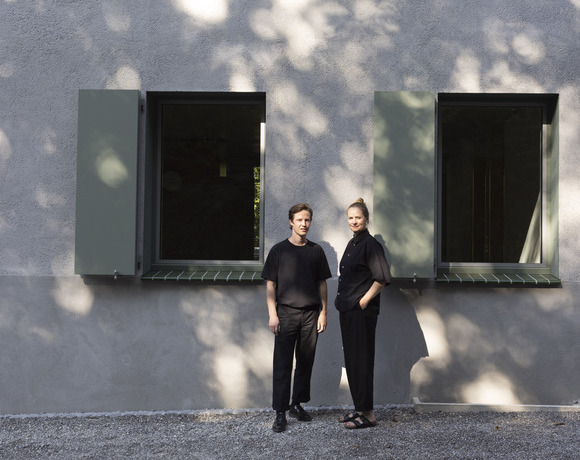
STUDIO ROMANO TIEDJE
Lessons in Transformation
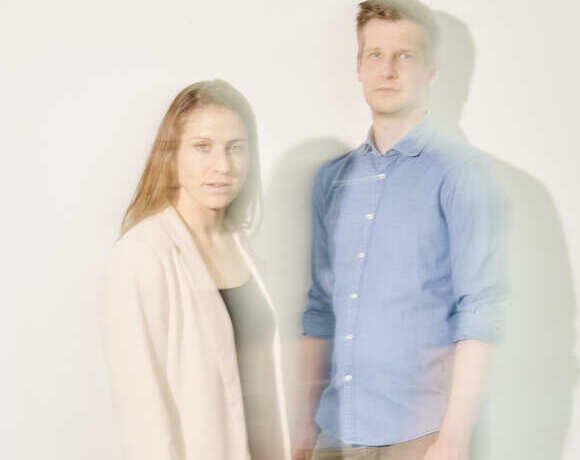
Ruumfabrigg Architekten
From Countryside to Lasting Heritage
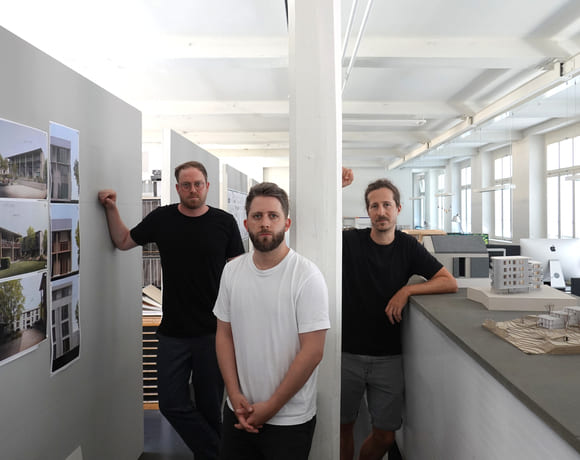
Kollektiv Marudo
Negotiating Built Realities
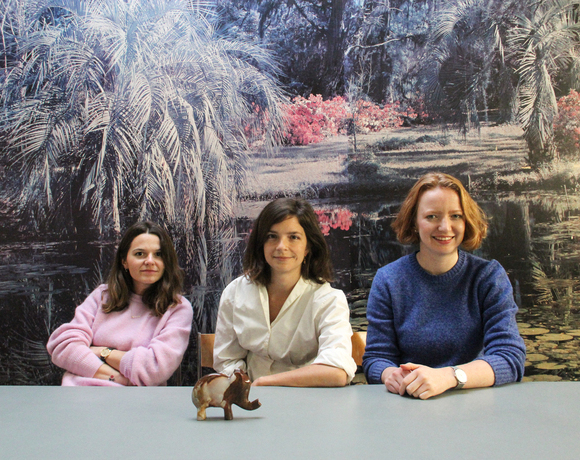
Studio Barrus
Starting byChance,Growing Through Principles
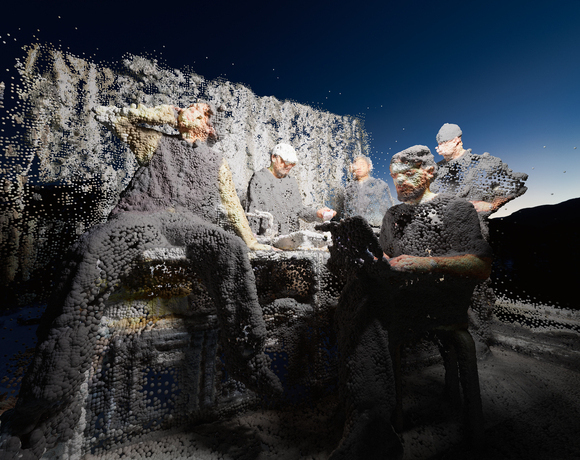
dorsa + 820
Between Fiction and Reality
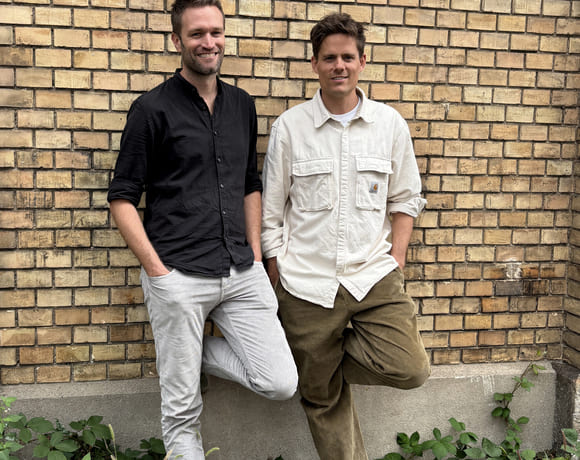
S2L Landschaftsarchitektur
Public Spaces That Transform
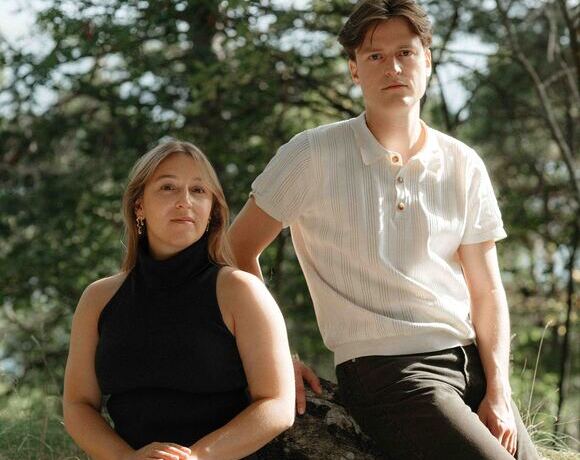
DER
Designing Within Local Realities
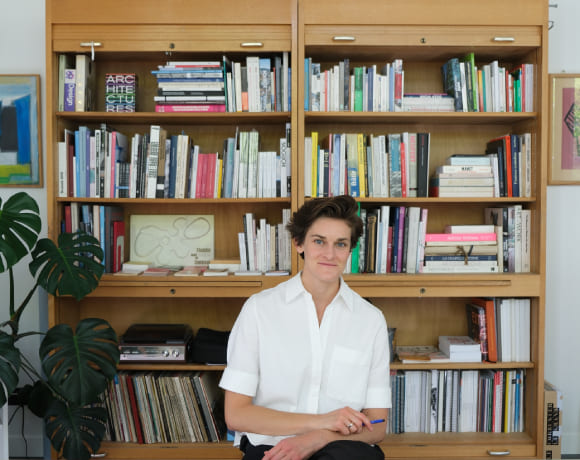
Marginalia
Change from the Margins
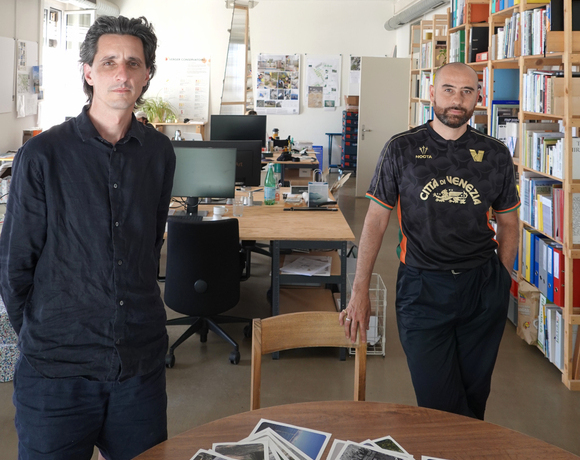
En-Dehors
Shaping a Living and Flexible Ecosystem
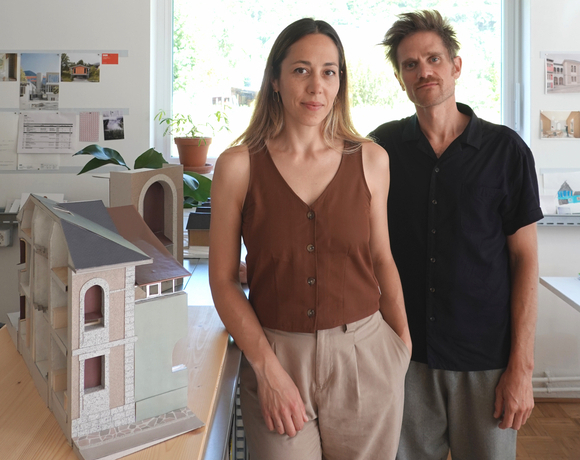
lablab
A Lab for Growing Ideas
Soares Jaquier
Daring to Experiment
Sara Gelibter Architecte
Journey to Belonging
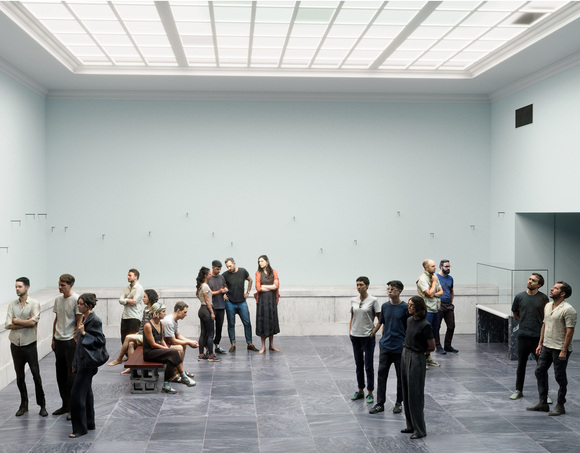
TEN (X)
A New Kind of Design Institute
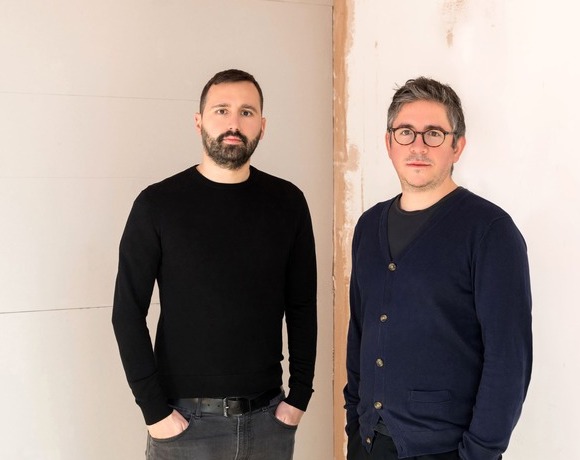
DF_DC
Synergy in Practice: Evolving Together
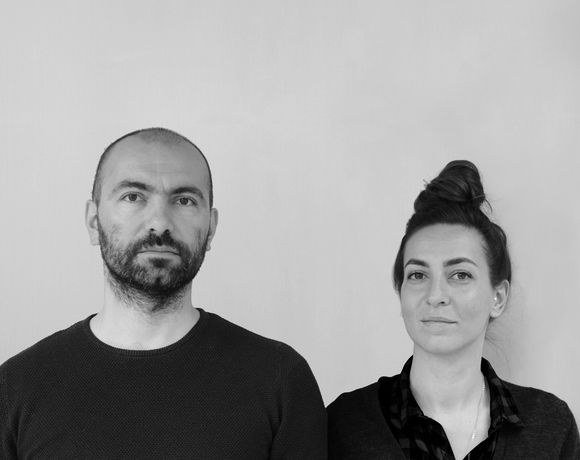
GRILLO VASIU
Exploring Living, Embracing Cultures
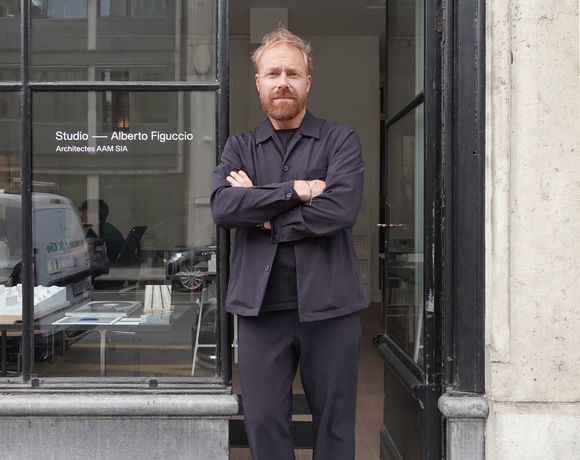
Studio â Alberto Figuccio
From Competitions to Realised Visions
Mentha Walther Architekten
Carefully Constructed
Stefan Wuelser +
Optimistic Rationalism: Design Beyond the Expected
BUREAU
A Practice Built on Questions
camponovo baumgartner
Flexible Frameworks, Unique Results
MAR ATELIER
Exploring the Fringes of Architecture
bach muĚhle fuchs
Constantly Aiming To Improve the Environment
NOSU Architekten GmbH
Building an Office from Competitions
BALISSAT KAĂANI
Challenging Typologies, Embracing Realities
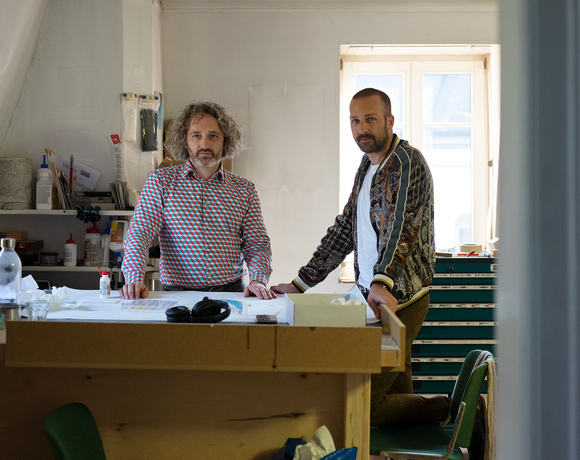
Piertzovanis Toews
Crafted by Conception, Tailored to Measure
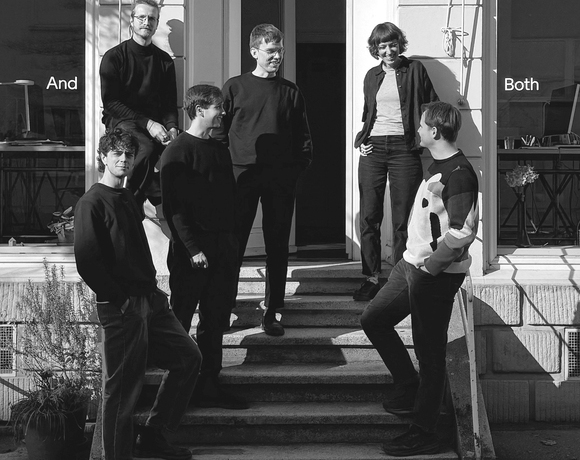
BothAnd
Fostering Collaboration and Openness
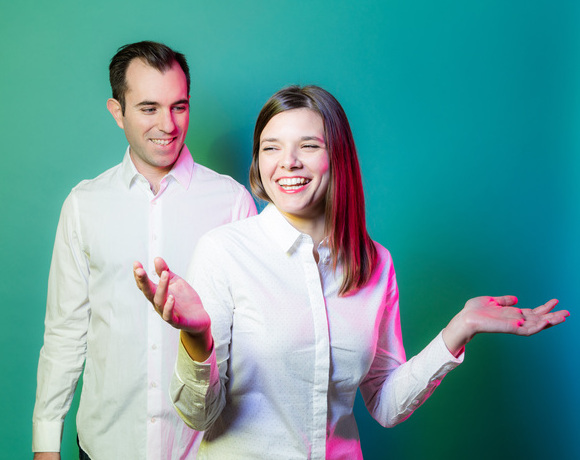
Atelier ORA
Building with Passion and Purpose
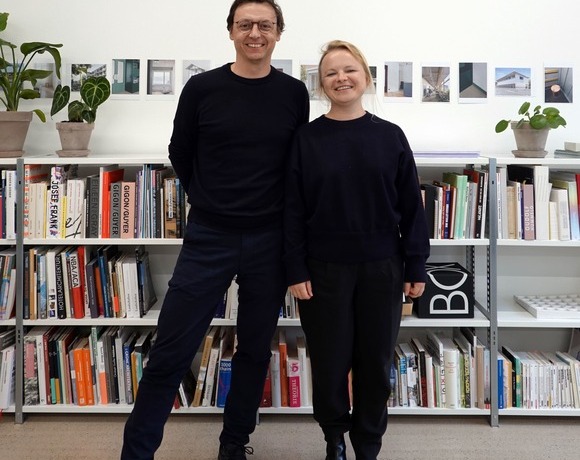
Atelier Hobiger Feichtner
Building with Sustainability in Mind
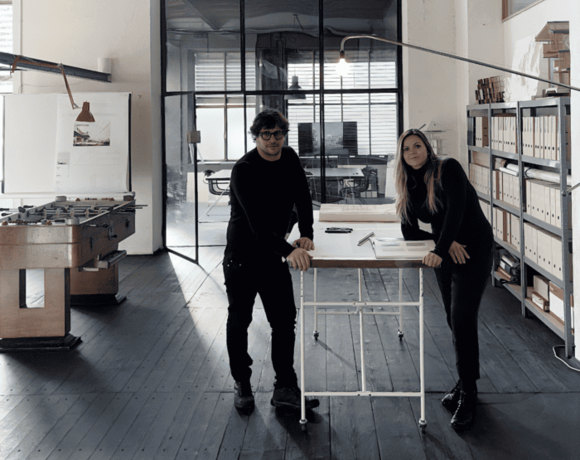
CAMPOPIANO.architetti
Architecture That Stays True to Itself
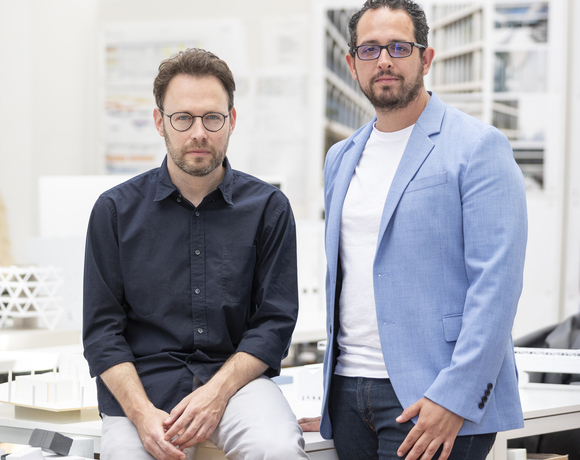
STUDIO PEZ
The Power of Evolving Ideas
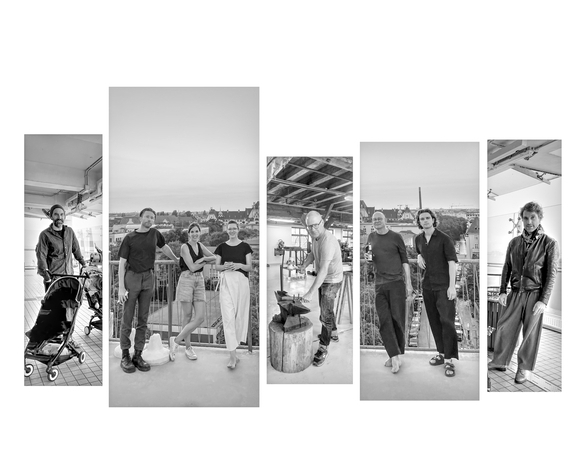
Architecture Land Initiative
Architecture Across Scales
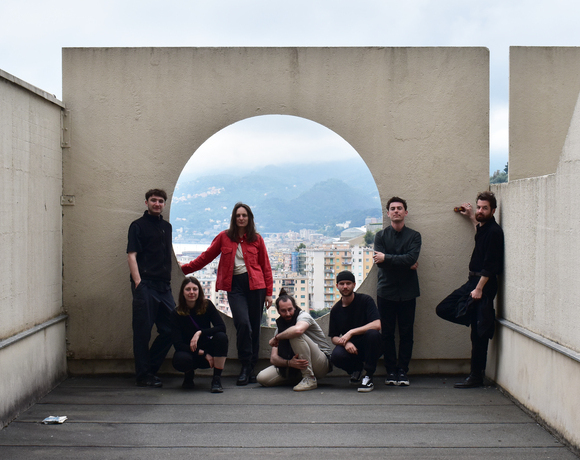
ellipsearchitecture
Humble Leanings, Cyclical Processes
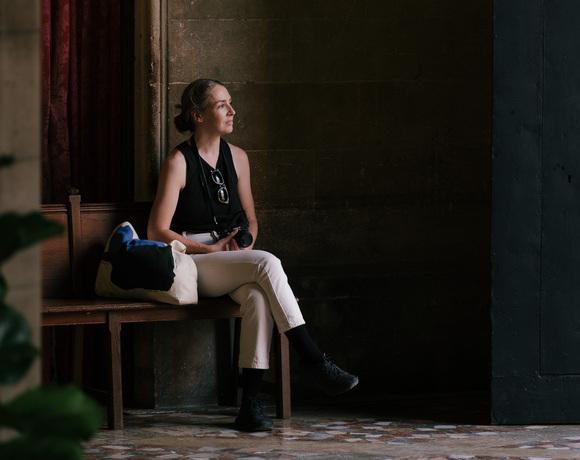
Sophie Hamer Architect
Balancing History and Innovation
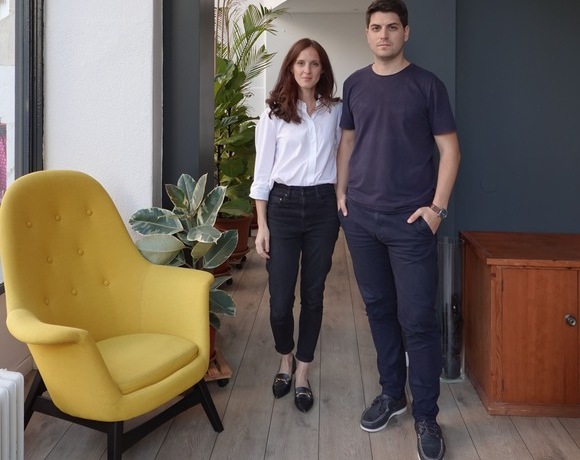
ArgemĂ Bufano Architectes
Competitions as a Catalyst for Innovation
continentale
A Polychrome Revival
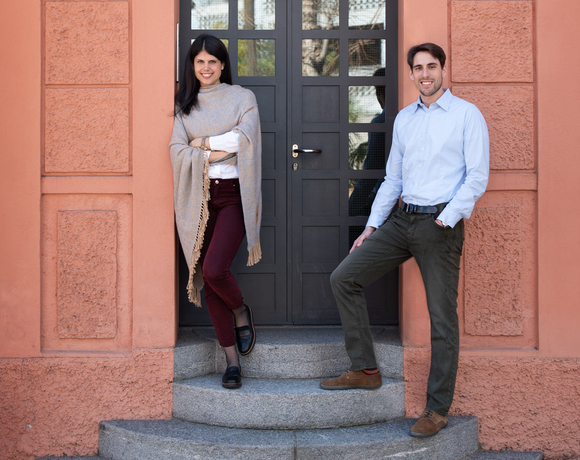
valsangiacomoboschetti
Building With What Remains
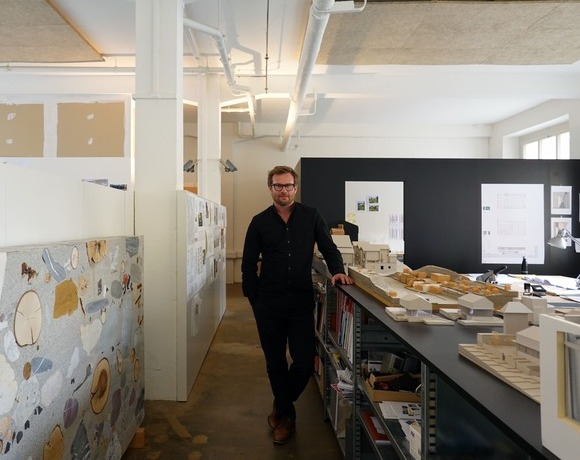
Oliver Christen Architekten
Framework for an Evolving Practice
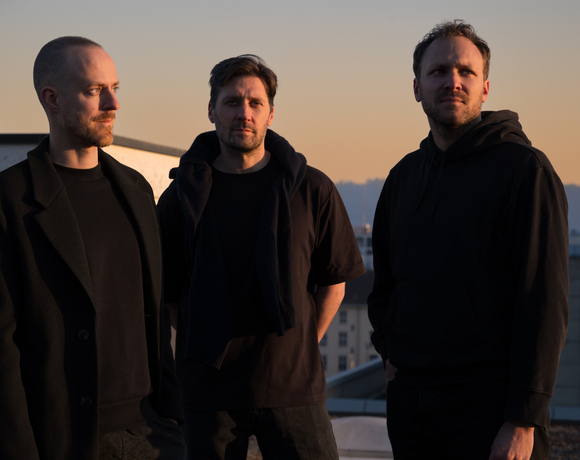
MMXVI
Synergy in Practice
Balancing Roles and Ideas
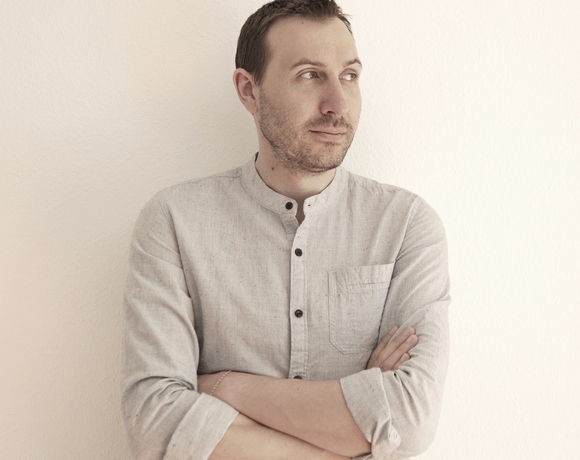
studio 812
A Reflective Approach to
Fast-Growing Opportunities
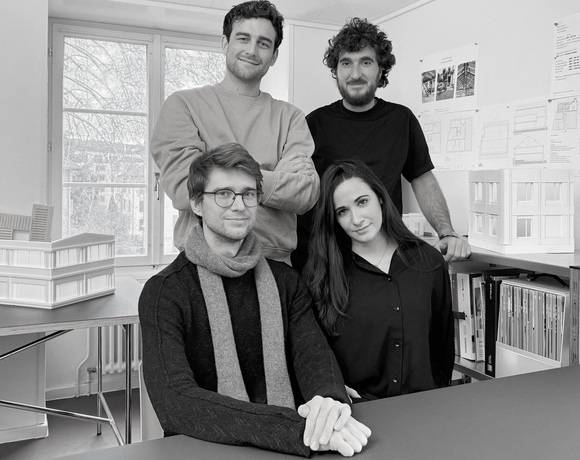
STUDIO4
The Journey of STUDIO4
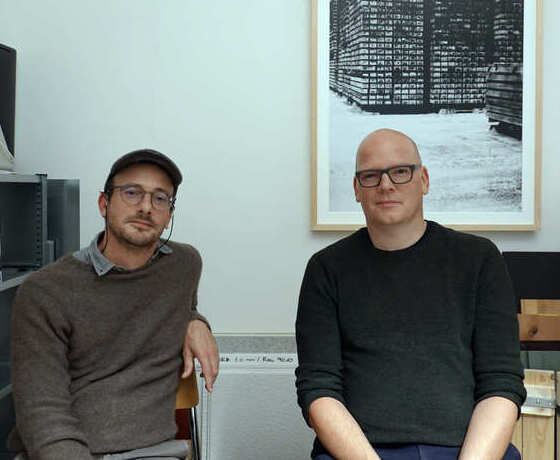
Holzhausen Zweifel Architekten
Shaping the Everyday
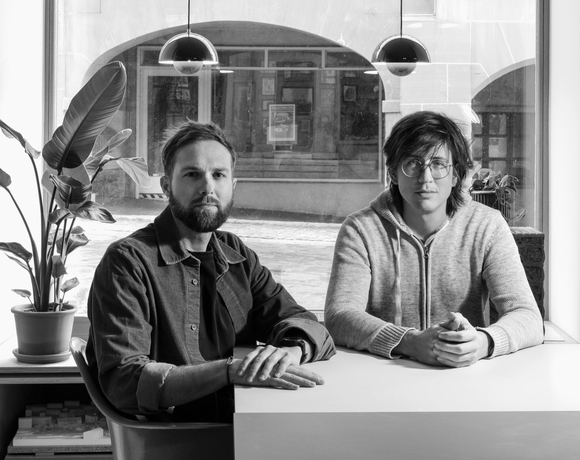
berset bruggisser
Architecture Rooted in Place
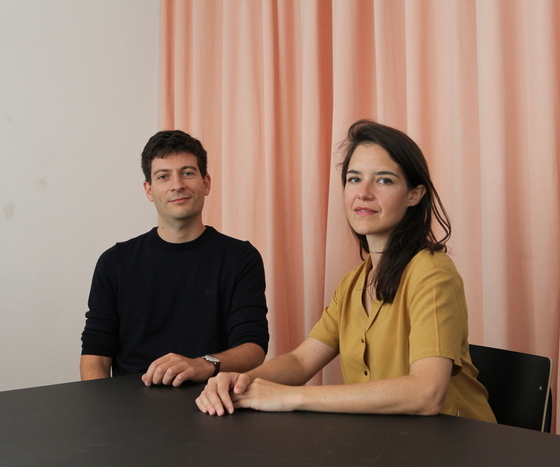
JBA - Joud Beaudoin Architectes
New Frontiers in Materiality
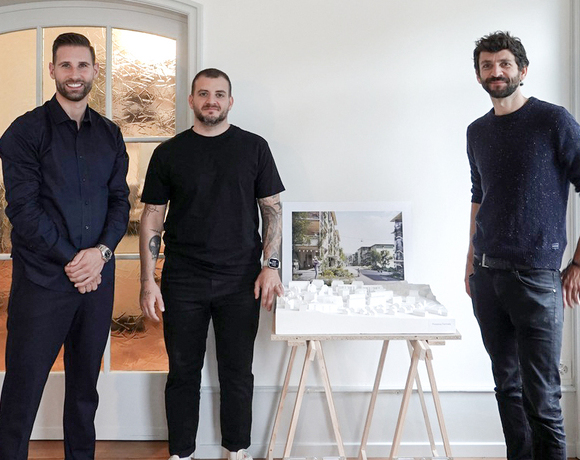
vizo Architekten
From Questions to Vision
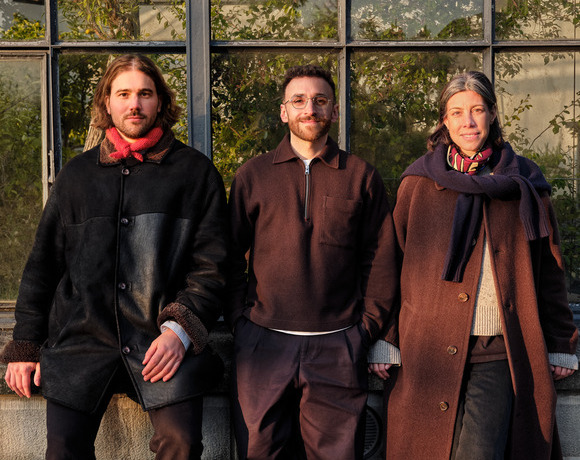
Atelier NU
Prototypes of Practice
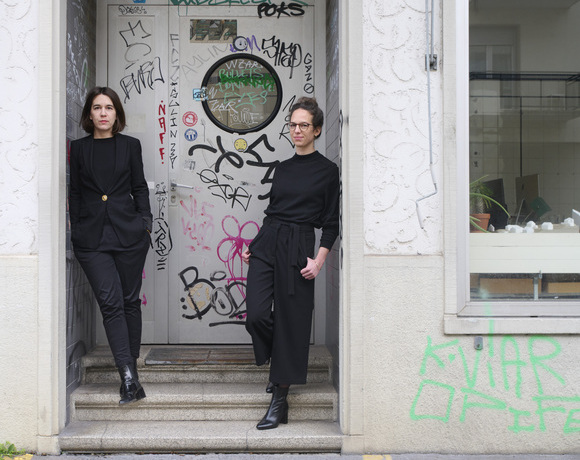
Atelier Tau
Architecture as a Form of Questioning
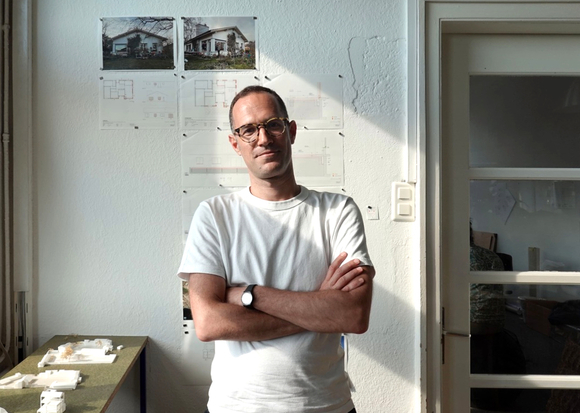
alexandro fotakis architecture
Embracing Context and Continuity
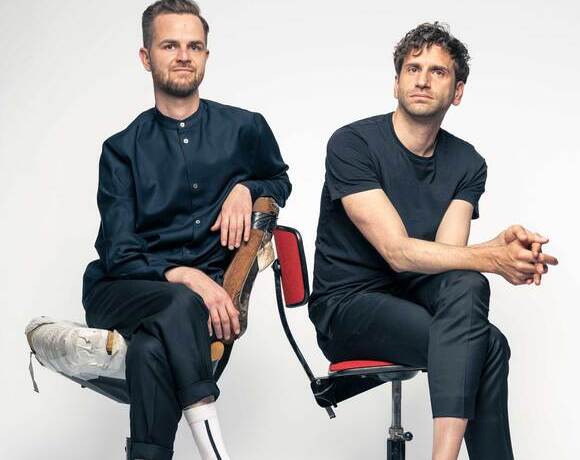
Atelier Anachron
Engaging with Complexity
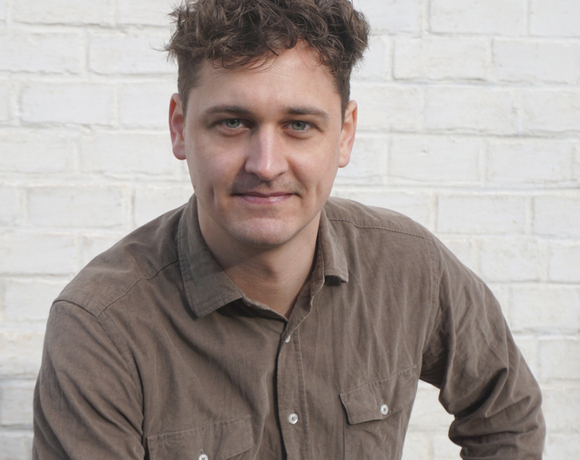
studio jo.na
Transforming Rural Switzerland
guy barreto architects
Designing for Others, Answers Over Uniqueness
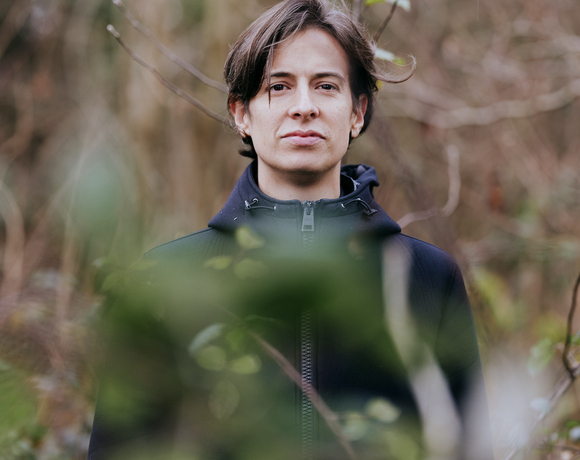
Concrete and the Woods
Building on Planet Earth
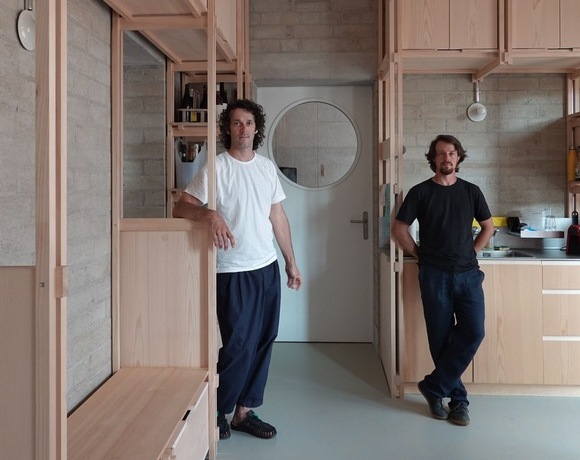
bureaumilieux
What is innovation?
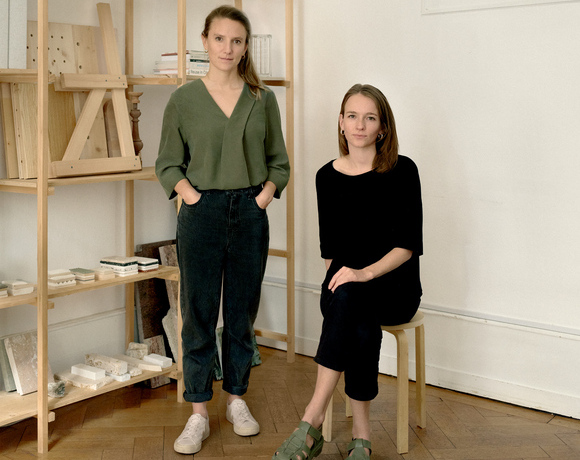
apropaĚ
A Sustainable and Frugal Practice
Massimo Frasson Architetto
Finding Clarity in Complex Projects
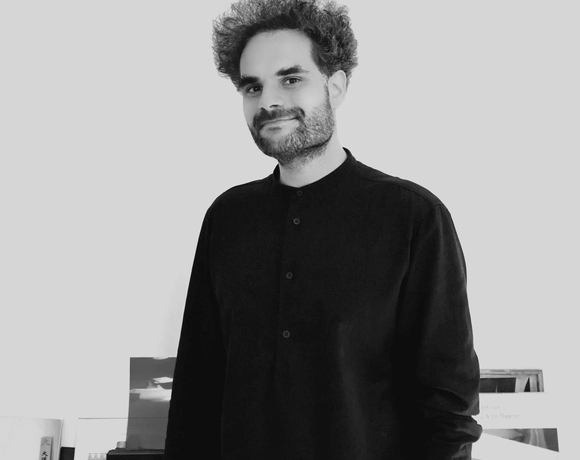
Studio David Klemmer
Binary Operations
Caterina Viguera Studio
Immersing in New Forms of Architecture
r2a architectes
Local Insights, Fresh Perspectives
HertelTan
Timeless Perspectives in Architecture
That Belongs
Nicolas de Courten
A Pragmatic Vision for Change
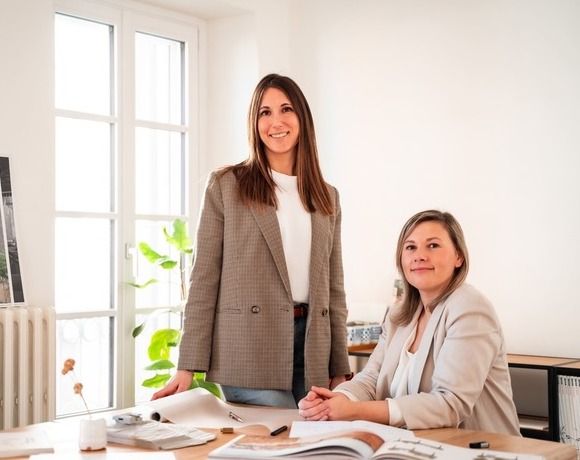
Atelier OLOS
Balance Between Nature and Built Environment
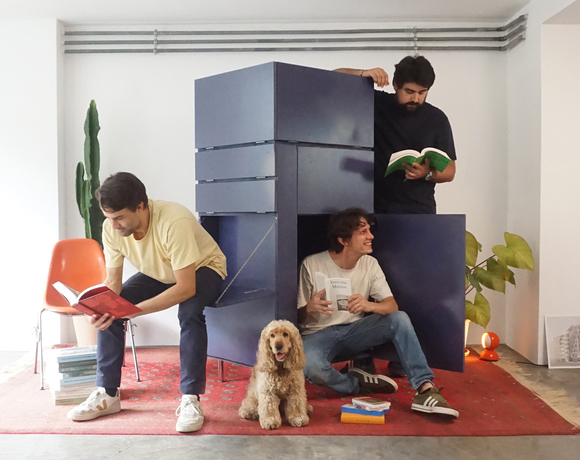
Associati
âCheap but intenseâ: The Associati Way
emixi architectes
Reconnecting Architecture with Craft
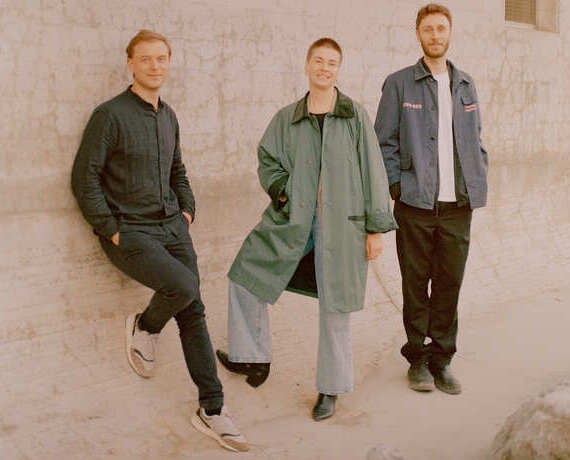
baraki architects&engineers
From Leftovers to Opportunities
DARE Architects
Material Matters: from Earth to Innovation
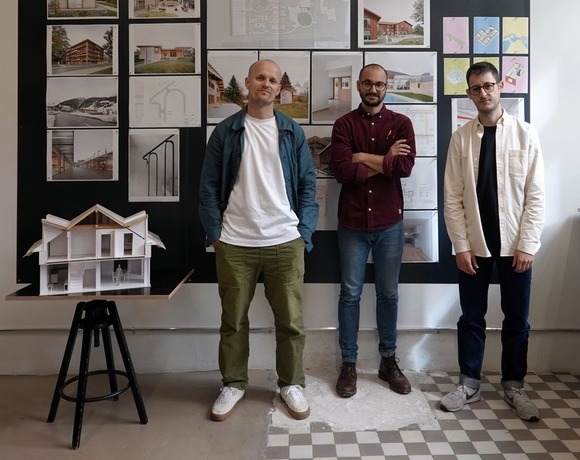
KOMPIS ARCHITECTES
Building from the Ground Up
Fill this form to have the opportunity to join the New Generations platform: submissions will be reviewed on a daily-basis, and the most innovative practices will have the chance to be part of the media's coverage and participate in our cultural agenda, including events, research projects, workshops, exhibitions and publications.
New Generations is a European platform that investigates the changes in the architectural profession ever since the economic crisis of 2008. We analyse the most innovative emerging practices at the European level, providing a new space for the exchange of knowledge and confrontation, theory, and production.
Since 2013, we have involved more than 3.000 practices from more than 50 countries in our cultural agenda, such as festivals, exhibitions, open calls, video-interviews, workshops, and experimental formats. We aim to offer a unique space where emerging architects could meet, exchange ideas, get inspired, and collaborate.
An original idea of New Generations
Team & collaborators: Gianpiero Venturini, Marta HervĂĄs Oroza, Elisa Montani, Giuliana Capitelli, Kimberly Kruge, Canyang Cheng
If you have any questions, need further information, if you'd like to share with us a job offer, or just want to say hello please, don't hesitate to contact us by filling up this form. If you are interested in becoming part of the New Generations network, please fill in the specific survey at the 'join the platform' section.
A Process of Learning and Reinvention
Maxime Scheer founded Cent 15 Architecture studio in Paris in 2011 after renovating the ThÊâtre du Trianon on Boulevard Rochechouart. The studio's approach is to reduce architectural challenges to their specific functions, with perfectly mastered functions creating the original aesthetic of a project that is always unique. Each material has its own nobility depending on how it is implemented and presented. Reinterpreting the use of materials and repurposing them for other purposes, and creating hybrid spaces are themes that guide the studio's work.
MS: Maxime Scheer
Competing in a crowded field
MS: In France, and more particularly in the Ile-de-France region, there is a high concentration of architects. The city has many architecture schoolsâfive or six, I believeâwhich results in a dense architectural community. Around 50% of French architects live in or around Paris, making it a highly competitive environment. In competitions, we are often up against hundreds of other firms, sometimes as many as 200 or 300 for a single project. This creates challenges, especially for young architects, who must continuously strive for excellence.
Paris is unique, and new construction is particularly difficult due to the cityâs historical heritage. Many Parisian firms specialise in renovations and interior projects rather than new builds. With the new thermal regulations, energy renovations do not only involve adding insulation but also an in-depth study of a set of processes to be implemented to reduce energy needs.
In some cases, itâs necessary to be able to offer alternatives to traditional materials such as the iconic zinc rooftops, to incorporate greenery and address rising temperatures. In the next 10â20 years, we may see a significant transformation in Parisian architecture.
From student to studio founder
MS: Today, we would like to be able to access other programs. Social housing has always interested me a lot. However, gaining entry into this field as a young practice without references was extremely difficult. Now, after 12 years in the industry, I have a portfolio that may allow me to participate in such projects, as well as public buildings. To do so, I have recently completed a new book showcasing my work and have started meeting with Parisian institutions. Collaborating with other firms is essential since having prior experience in a specific type of building is often required before being considered for projects in that category. For example, to design a social housing project, one must already have experience in social housing. The same applies to libraries, schools, and other public buildings.
I began my architectural studies in Paris in 2002 and spent a year in Madrid for an Erasmus programme, where I was exposed to different construction strategies and learned a lot about architectural representation. Back in France, I worked under Pierre-Louis Faloci while still a studentâthen in Ateliers Jean Nouvel. After completing my studies in 2008, I had the opportunity to work on the renovation of Le ThÊâtre du Trianon in Paris, located in the 18th arrondissement. As one of only two architects on the project, I was responsible for the entire renovation, including the facade, roof, and structure. At that point, I had to create my own agency. After completing the theatre project, we spoke with friends from architecture school about starting a practice together. This was the beginning of cent15 architecture. We initially believed that having a well-known project in our portfolio would make things easier, but at just 27 years old, we faced scepticism from clients. However, over time, with more experience and projects, the practice grew.
Lessons from a bold beginning
MS: Looking back, starting a practice so young in a city with 20,000 architects was a bold move. Many peers spent years working in established firms before founding their own practices. In hindsight, that may have been the more strategic path. Paris is a tough market, and if I were to reconsider my career path, I might have chosen to spend more time under the guidance of a more experienced practice instead. When starting out in architecture, you have little to lose, so it's a time for experimentation. My early years were spent working non-stopâdays, nights, weekendsâwhile also networking to find new projects. The first significant project we secured was a private office, which later led to designing a private museum for the clientâs grandfather, a 19th-century expressionist painterâa project thatâs currently ongoing. This was our first major opportunity, but it took about seven years to reach that point.
Projects in collaboration with individual clients can be a real challenge. Not all clients understand what an architect can really bring to them. They come with their goals, objectives, and reference imagesâoften too many. Not all clients are open to collaboration, where the project is neither solely the architect's vision nor just the clientâs demands, but the birth of a common and unique project. My best projects come from working with the best clientsâthose who trust the process. Trust between architect and client is key to creating great projects. Each project is different, as are the demands. Even within the same type of spaceâsuch as a restaurantâthere are endless possibilities. We never start with a fixed idea; ideas emerge naturally after weeks of study and understanding the clientâs needs. The most important thing is transforming the clientâs dream into a coherent reality.
Nothing is arbitrary
MS: One of my goals has always been to work on social housing. However, many architects find that once they enter a specific sector, they remain in it exclusively. Some of my peers dream of designing restaurants, museums, or other types of buildings but find themselves locked into one niche. Ideally, I want to explore a variety of architectural programs, and I understand that timing is crucial. We donât adhere to a specific architectural style. Instead, our approach responds to the current architectural landscape. We do a lot of renovations, and for us, itâs completely natural to respect the history of a building. We preserve what can be kept and create a dialogue between old and new materials, techniques, and uses. Understanding a buildingâs transformation over time is essential. We work with simple materials and highlight their inherent qualities.
The beauty of a project comes from its useâthe way a space functions defines its architecture. Spaces today must be designed with adaptability in mind. For example, we once worked on a retail project for a store selling bulk laundry detergent, Kerzon. Customers could bring their own containers and fill them with 10 litres of soap. The client wanted an interactive experience, similar to an Aesop store, where people could engage with the product. We proposed installing a washing machine as part of the storeâs designâallowing customers to experience the scent of freshly washed clothes. Additionally, the client wanted lush greenery throughout the store. We explored this idea further through the possibility of reusing water from the washing machine to irrigate the plants in the shop. Initially, it seemed impossible due to the presence of detergents and other contaminants. However, after weeks of collaboration with engineers, we developed a filtration system that allowed for the reuse of a single cycleâs water per day. Unfortunately, the project was cancelled due to the COVID-19 pandemic, but the process was valuable.
As architects, we often work on projects that never materialise, but these exercises help us grow, test ideas, and contribute to architectural evolution. The client was open to listening and considering new ideas, which is invaluable. I insist on the importance of the client relationshipâit is truly one of the most crucial aspects of our work. Architects must be adaptable, taking on the roles of designers, problem solvers, and sometimes even psychologists. The job is complex because we deal with budgets, planning, and technical constraints, all while maintaining the clientâs trust. Ultimately, the client has the final say, and we respect that.
Pushing boundaries
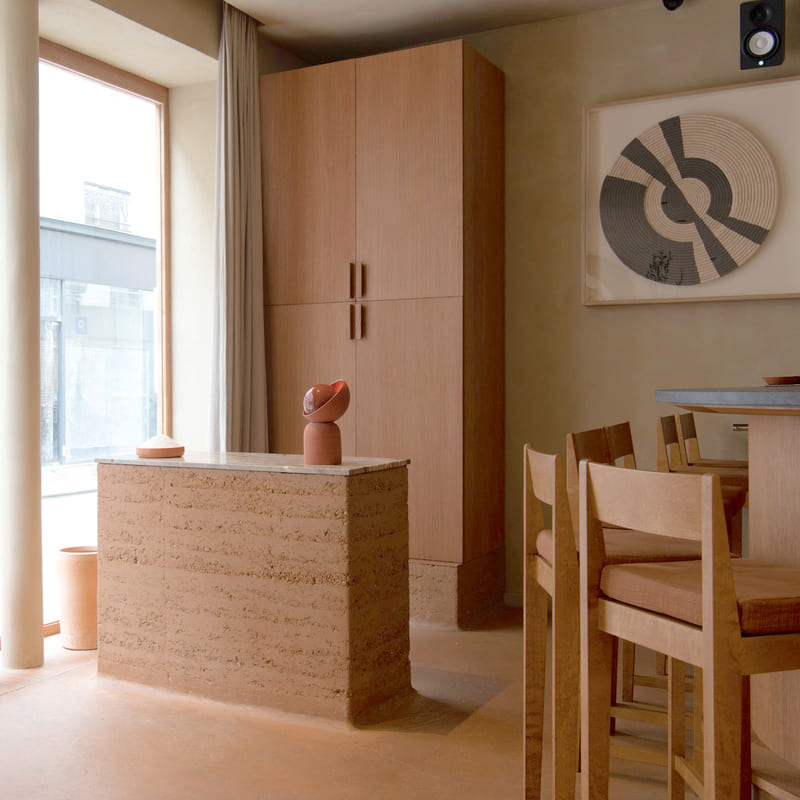
MS: For small projects, itâs preferable to work locally, within the same city or region. For larger projects, travelling is more feasible. About 80% of our projects are in or near Paris, while the rest are spread across France. Weâve worked on a restaurant in Cannes and are currently building a house using wood, straw, and earth in the East of France. Projects like these require space, which is scarce in Paris. I previously designed a restaurant in ParisâTekĂŠsâentirely from earthâwalls, ceiling, floor (a 10 cm-thick earth floor), and furniture, including benches and the reception desk. It was one of the first projects in Paris with such extensive use of earth, sourced two hours north of the city.
At first, the client was sceptical. A restaurant with an earthen floor? It sounded risky. But we demonstrated how architecture isnât about doing something âcrazyââitâs about thoughtful design choices. Earth is sustainable, easy to maintain, and fits seamlessly with the restaurantâs concept, centred on vegetables. As the concept of this vegetarian restaurant. Instead of the typical approach of filling a space with green plants, we emphasised the sourceâearth itself. The result was a successful project that resonated with the client and visitors alike.
The agency also focuses on implementing the most natural climate principles within the home. The 9th Avenue project, for example, involves the construction of a wooden-frame house with straw insulation, an interior earth plaster (partly sourced from the land itself), and heating generated by biomass (wood from trees felled on the property).
In rehabilitation projects, the goal is to retain as much of the existing structure as possible, reusing what is useful on-site and thus avoiding the implementation of excessive new elements. One of the agency's principles is the repurposing of certain materials (often inexpensive). The OpÊra project, for example, utilises aluminium film insulation for the façades of "call boxes," while the Papier Tigre project uses recycled corrugated fibreboard sheets as the formwork for the air conditioning motor. Each material has its own nobility, depending on how it is applied and presented.
The agencyâs approach focuses on reducing architectural issues to their essential functions, believing that perfectly executed functionality naturally gives rise to a project's unique and original aesthetics.
Documenting the work
MS: Publishing a book about our work was an important step. It felt like the right moment to reflect on the past decade and synthesise our experiences. A portfolio forces you to evaluate your practice, choose representative projects, and present your vision clearly.
We wanted to showcase a variety of projects, from small to large-scale ones, to illustrate our versatility. The process was challenging but rewarding. Now, when I meet with potential clients, municipalities, or developers, the book serves as a tangible representation of our work. In some ways, itâs more impactful than a website or Instagramâit conveys a sense of seriousness and permanence that digital platforms sometimes lack.
Looking back on the first ten years of my practice, I realise how much Iâve grown. At the time of designing each project, I was proud of it. But years later, I sometimes question certain choices. Not all projects made it into the book, but overall, Iâm proud of our body of work. Weâve completed around 100 projectsâan average of 10 per year. Some were small sketches or conceptual studies, while others were fully realised. Documenting this history was important, not just for potential clients but also as a reflection of our journey and evolution in the field of architecture.
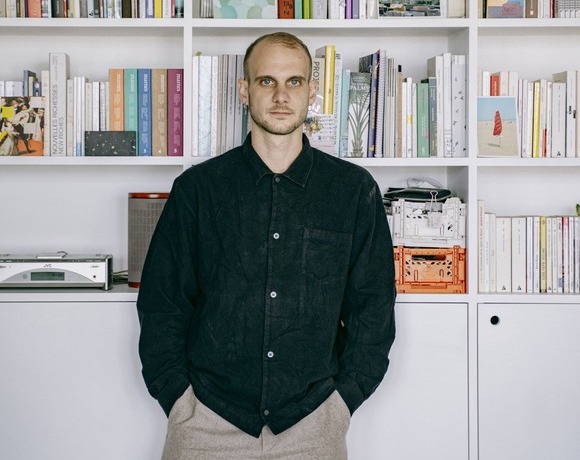
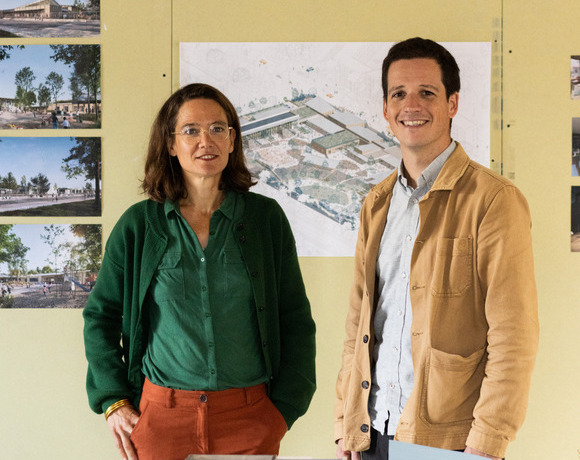
âĄď¸ Cent15 Architecture. Maxime Scheer. Ph. Cristophe Caudroy
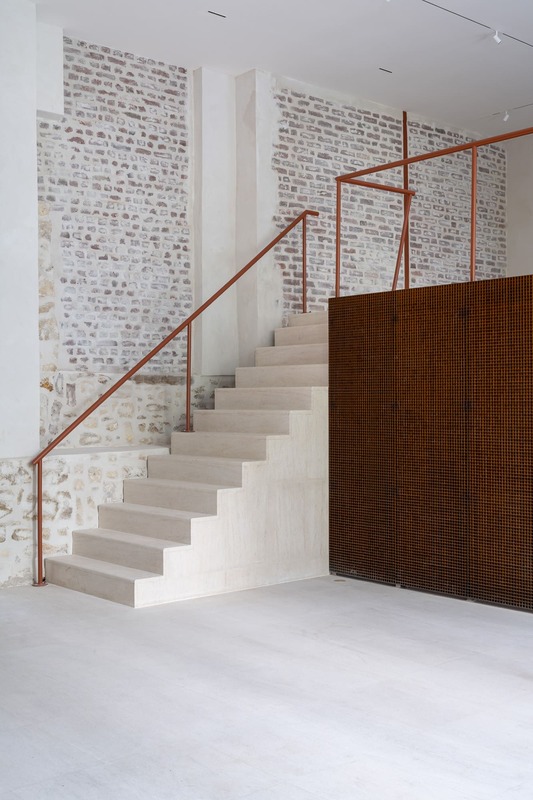
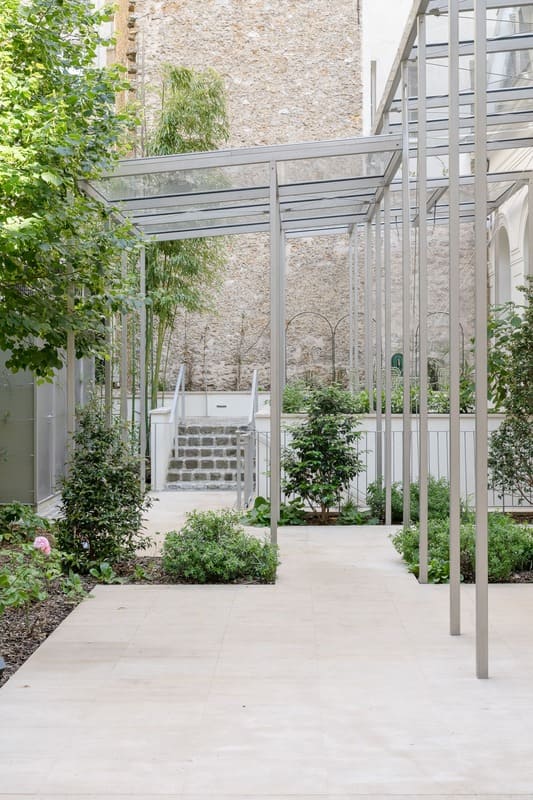
âĄď¸ Private Museum House, Paris. House renovation with a museum. Ph. Christophe Caudroy
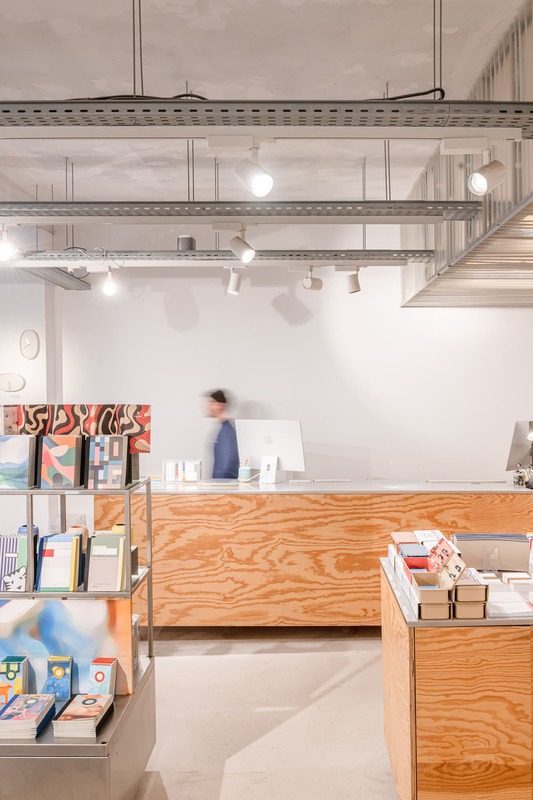
âĄď¸ Papier Tigre, Paris. Parisian designer stationery, 2nd renovation. Ph. Christophe Caudroy
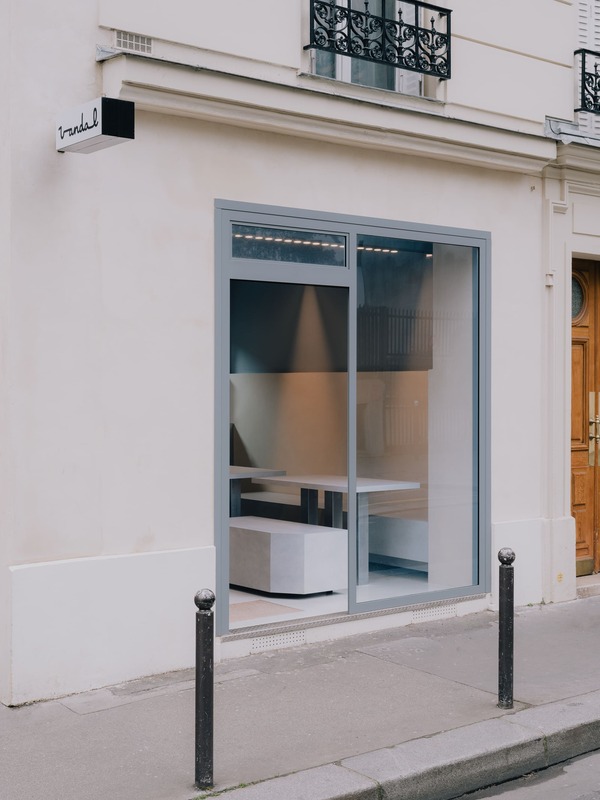
âĄď¸ Vandal, Paris. Restaurant. Ph. Juan Jerez
âĄď¸ TĂŠkès, Paris. Restaurant renovation, use of raw earth in various techniques. Ph. Christophe Caudroy