Belval & Parquet Architectes
Living and Building Differently
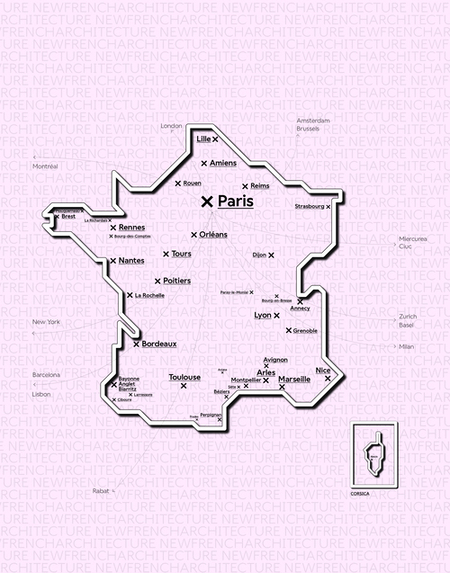
New French Architecture
An Original Idea by New Generations
127af
Redefining the Common
HEROS Architecture
From Stone to Structure
Carriere Didier Gazeau
Lessons from Heritage
a-platz
Bridging Cultures, Shaping Ideas
Rodaa
Practicing Across Contexts
Urbastudio
Interconnecting Scales, Communities, and Values
Oglo
Designing for Care
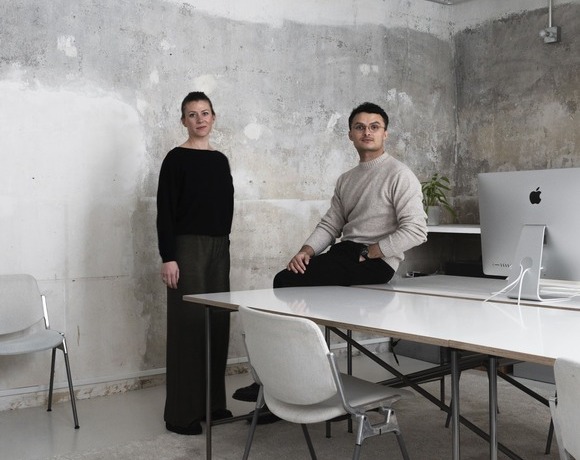
Figura
Figures of Transformation
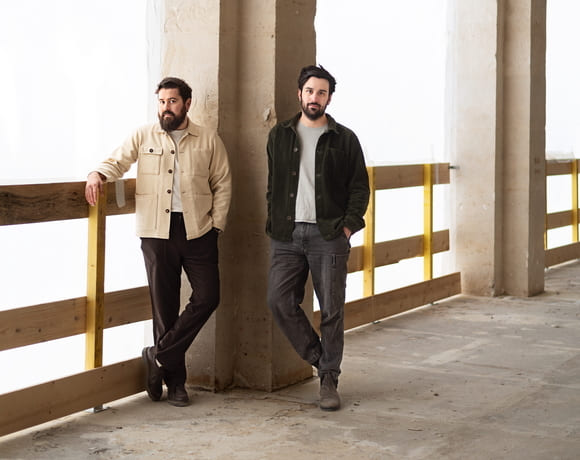
COVE Architectes
Awakening Dormant Spaces
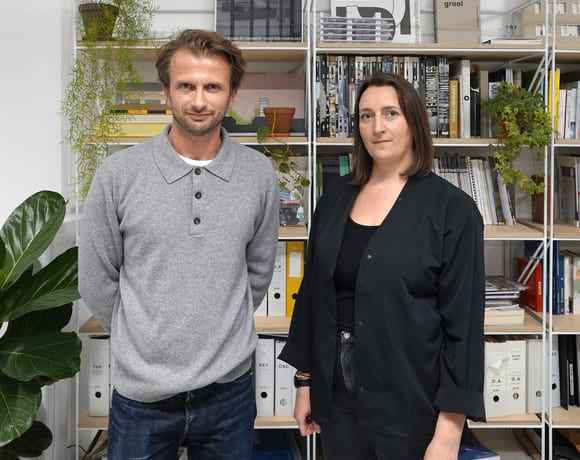
Graal
Understanding Economic Dynamics at the Core
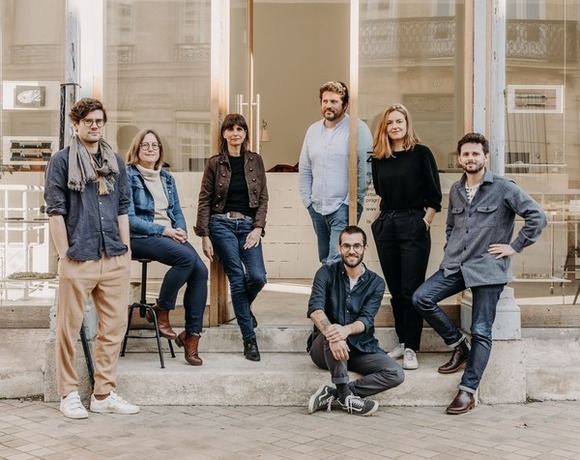
ZW/A
United Voices, Stronger Impacts
A6A
Building a Reference Practice for All
BERENICE CURT ARCHITECTURE
Crossing Design Boundaries
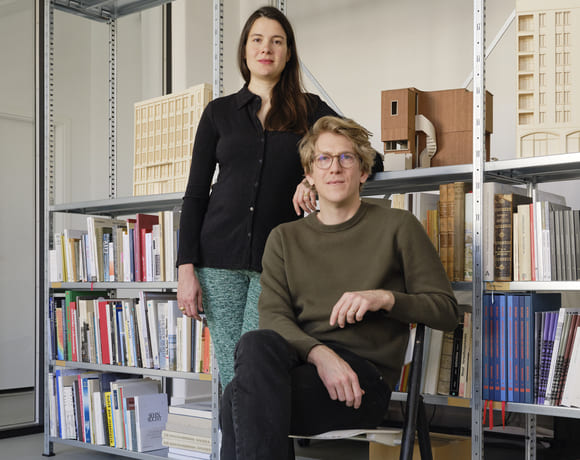
studio mäc
Bridging Theory and Practice
studio mäc
Bridging Theory and Practice
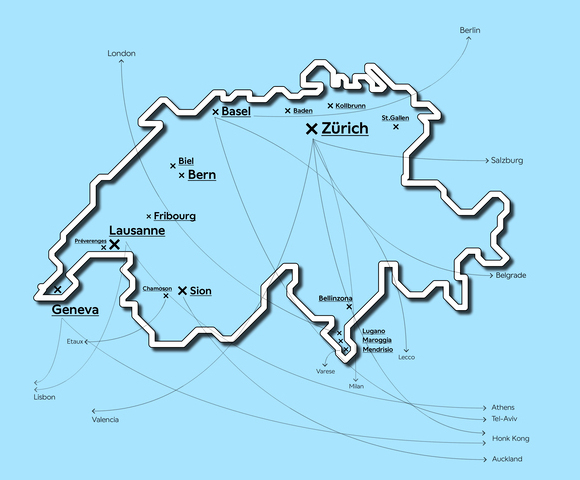
New Swiss Architecture
An Original Idea by New Generations
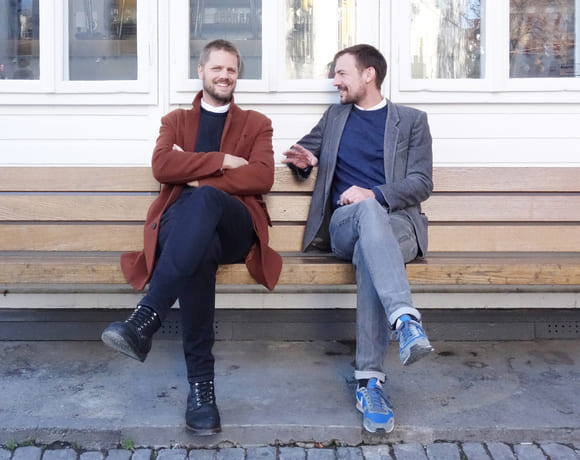
KUMMER/SCHIESS
Compete, Explore, Experiment
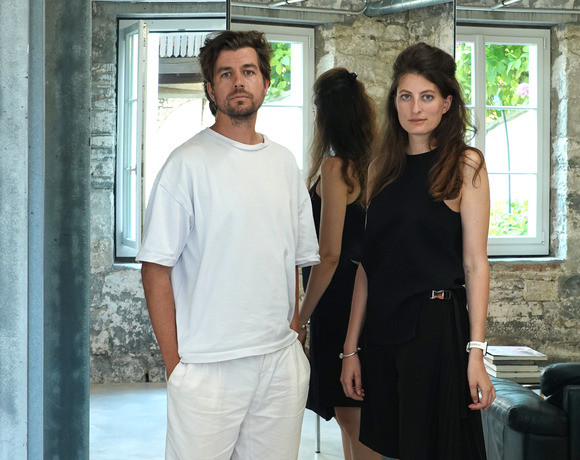
ALIAS
Stories Beyond the Surface
sumcrap.
Connected to Place
BUREAU/D
From Observation to Action
STUDIO ROMANO TIEDJE
Lessons in Transformation
Ruumfabrigg Architekten
From Countryside to Lasting Heritage
Kollektiv Marudo
Negotiating Built Realities
Studio Barrus
Starting byChance,Growing Through Principles
dorsa + 820
Between Fiction and Reality
S2L Landschaftsarchitektur
Public Spaces That Transform
DER
Designing Within Local Realities
Marginalia
Change from the Margins
En-Dehors
Shaping a Living and Flexible Ecosystem
lablab
A Lab for Growing Ideas
Soares Jaquier
Daring to Experiment
Sara Gelibter Architecte
Journey to Belonging
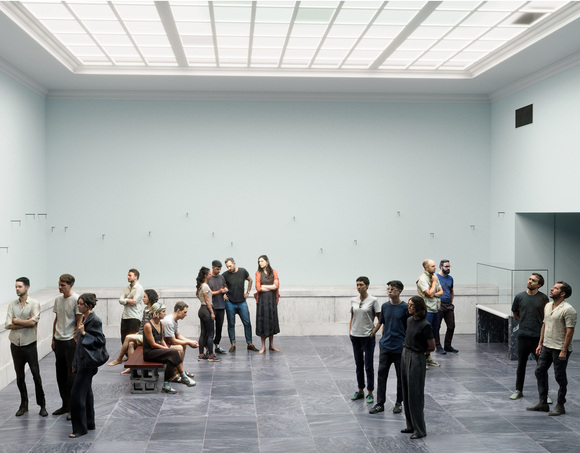
TEN (X)
A New Kind of Design Institute
DF_DC
Synergy in Practice: Evolving Together
GRILLO VASIU
Exploring Living, Embracing Cultures
Studio â Alberto Figuccio
From Competitions to Realised Visions
Mentha Walther Architekten
Carefully Constructed
Stefan Wuelser +
Optimistic Rationalism: Design Beyond the Expected
BUREAU
A Practice Built on Questions
camponovo baumgartner
Flexible Frameworks, Unique Results
MAR ATELIER
Exploring the Fringes of Architecture
bach muĚhle fuchs
Constantly Aiming To Improve the Environment
NOSU Architekten GmbH
Building an Office from Competitions
BALISSAT KAĂANI
Challenging Typologies, Embracing Realities
Piertzovanis Toews
Crafted by Conception, Tailored to Measure
BothAnd
Fostering Collaboration and Openness
Atelier ORA
Building with Passion and Purpose
Atelier Hobiger Feichtner
Building with Sustainability in Mind
CAMPOPIANO.architetti
Architecture That Stays True to Itself
STUDIO PEZ
The Power of Evolving Ideas
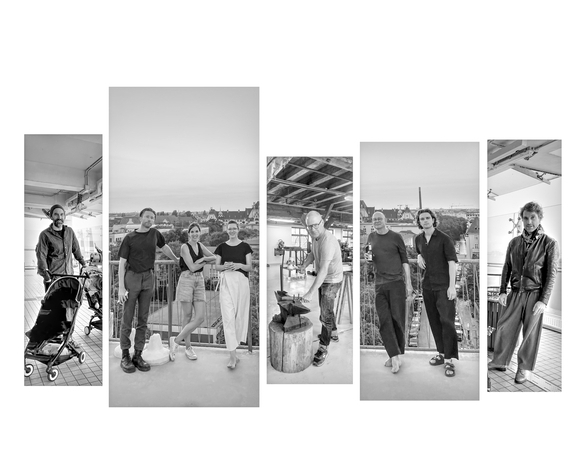
Architecture Land Initiative
Architecture Across Scales
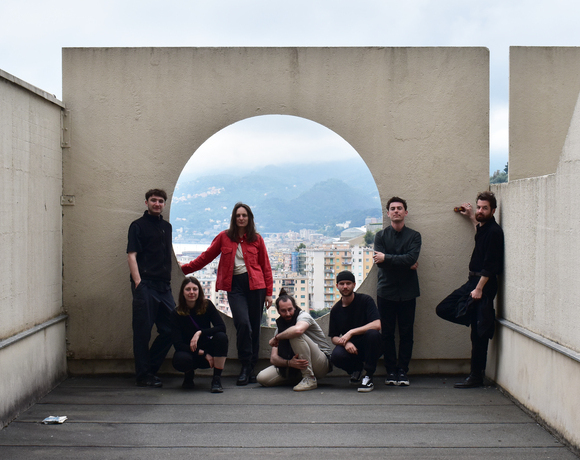
ellipsearchitecture
Humble Leanings, Cyclical Processes
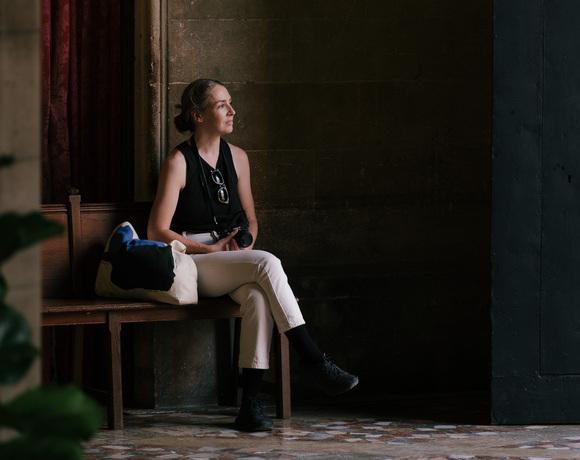
Sophie Hamer Architect
Balancing History and Innovation
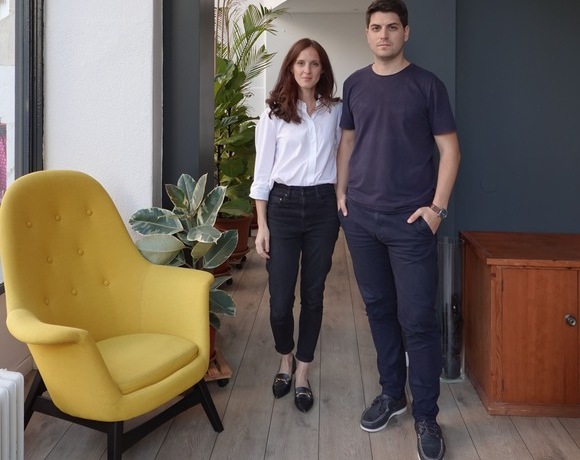
ArgemĂ Bufano Architectes
Competitions as a Catalyst for Innovation
continentale
A Polychrome Revival
valsangiacomoboschetti
Building With What Remains
Oliver Christen Architekten
Framework for an Evolving Practice
MMXVI
Synergy in Practice
Balancing Roles and Ideas
studio 812
A Reflective Approach to
Fast-Growing Opportunities
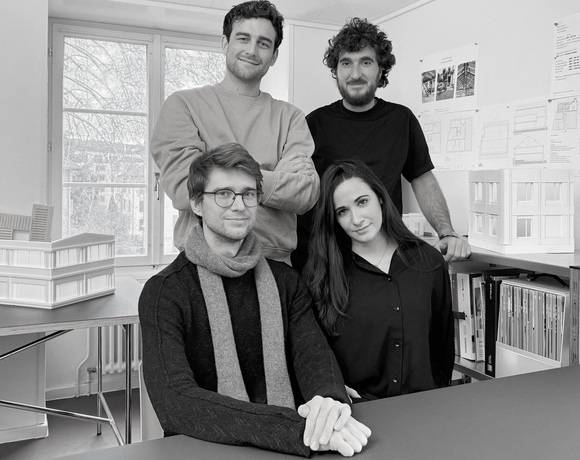
STUDIO4
The Journey of STUDIO4
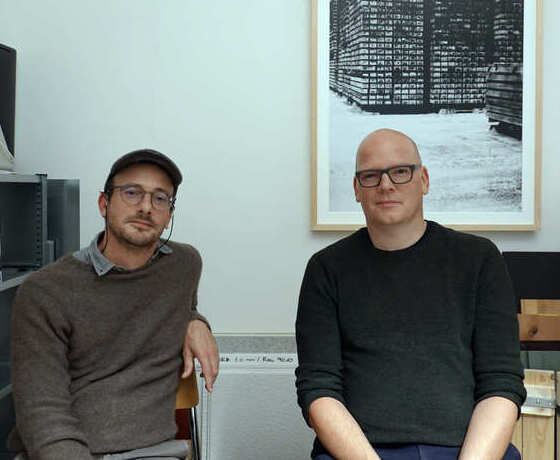
Holzhausen Zweifel Architekten
Shaping the Everyday
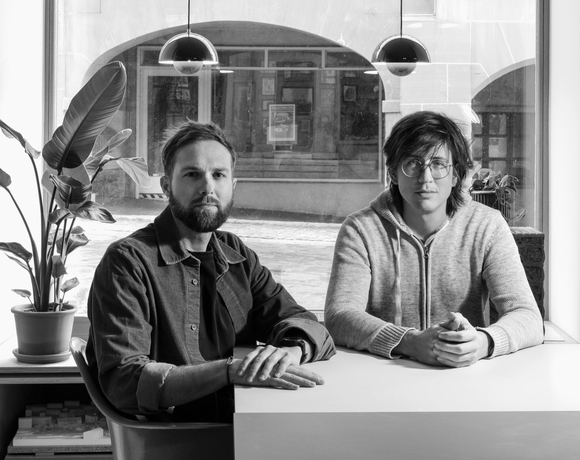
berset bruggisser
Architecture Rooted in Place
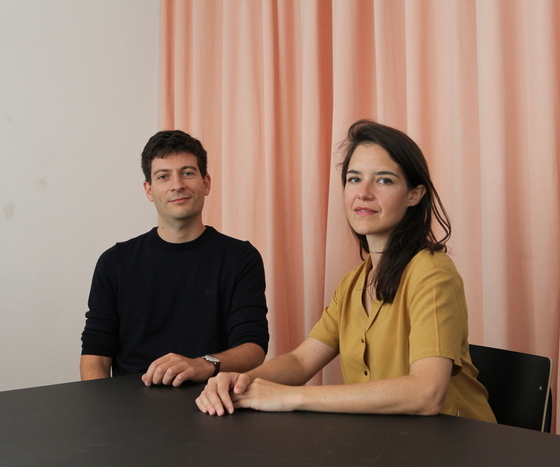
JBA - Joud Beaudoin Architectes
New Frontiers in Materiality
vizo Architekten
From Questions to Vision
Atelier NU
Prototypes of Practice
Atelier Tau
Architecture as a Form of Questioning
alexandro fotakis architecture
Embracing Context and Continuity
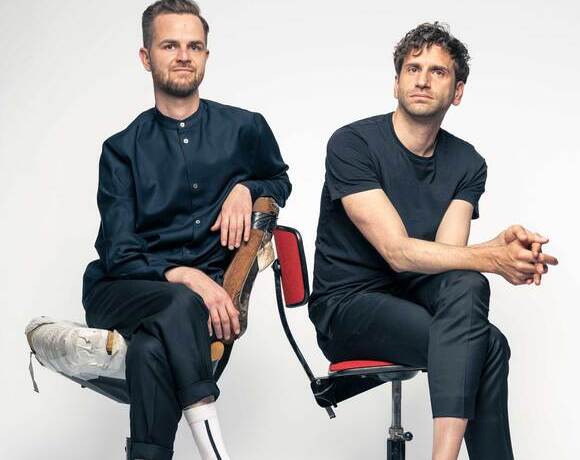
Atelier Anachron
Engaging with Complexity
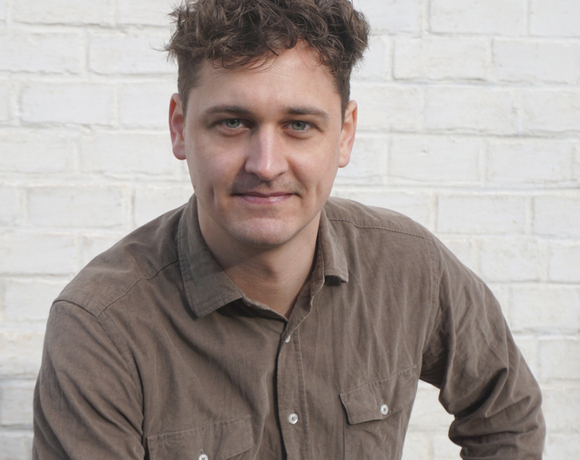
studio jo.na
Transforming Rural Switzerland
guy barreto architects
Designing for Others, Answers Over Uniqueness
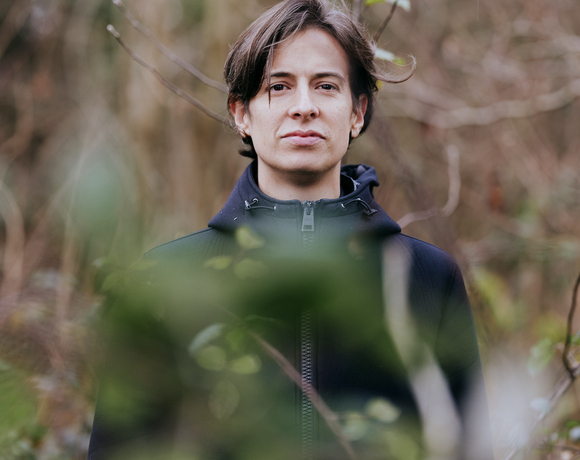
Concrete and the Woods
Building on Planet Earth
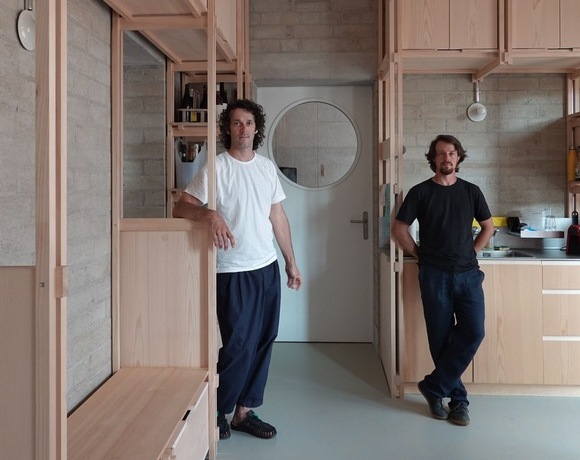
bureaumilieux
What is innovation?
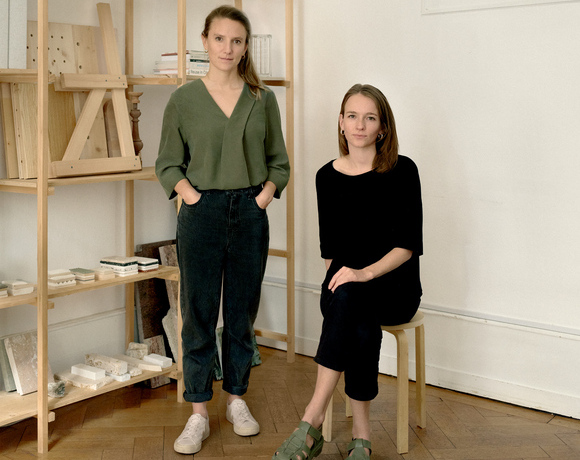
apropaĚ
A Sustainable and Frugal Practice
Massimo Frasson Architetto
Finding Clarity in Complex Projects
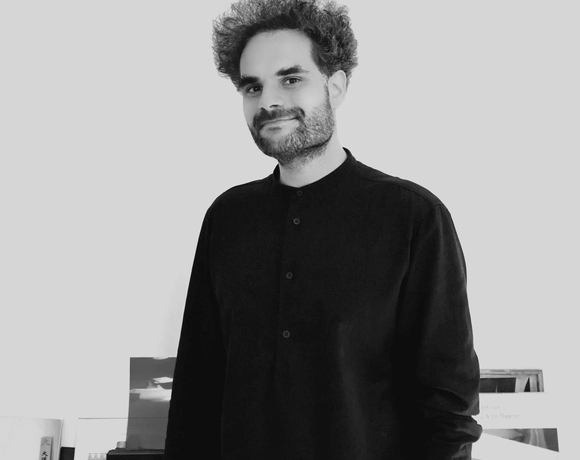
Studio David Klemmer
Binary Operations
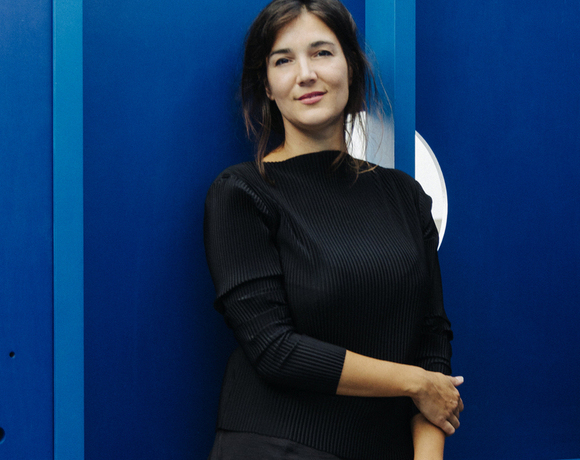
Caterina Viguera Studio
Immersing in New Forms of Architecture
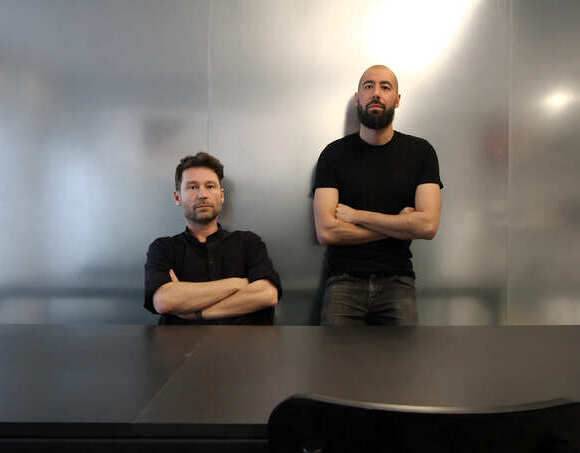
r2a architectes
Local Insights, Fresh Perspectives
HertelTan
Timeless Perspectives in Architecture
That Belongs
Nicolas de Courten
A Pragmatic Vision for Change
Atelier OLOS
Balance Between Nature and Built Environment
Associati
âCheap but intenseâ: The Associati Way
emixi architectes
Reconnecting Architecture with Craft
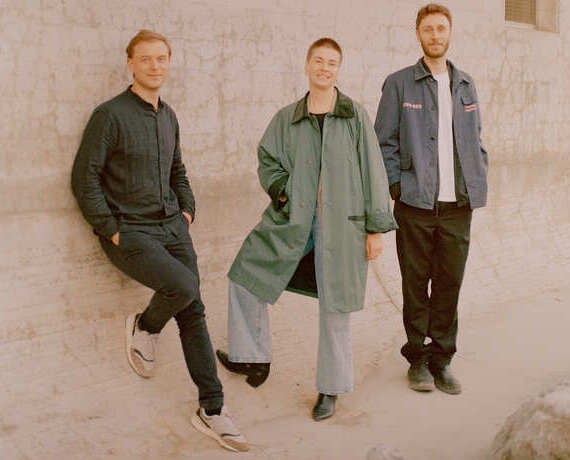
baraki architects&engineers
From Leftovers to Opportunities
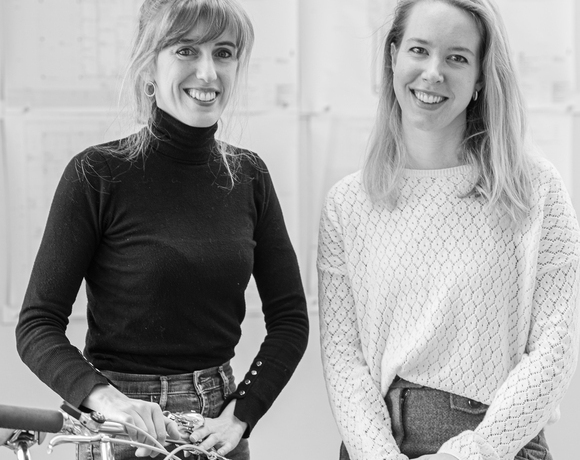
DARE Architects
Material Matters: from Earth to Innovation
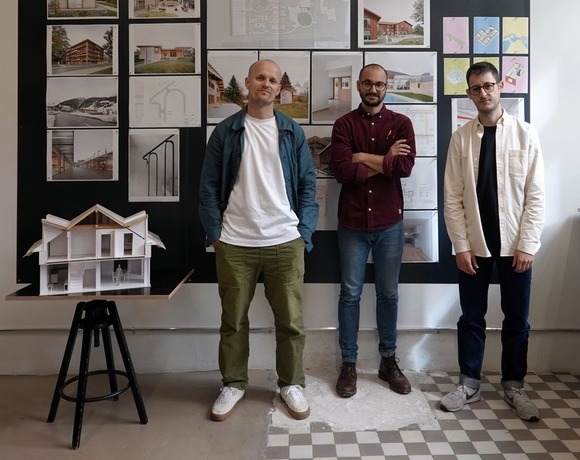
KOMPIS ARCHITECTES
Building from the Ground Up
Fill this form to have the opportunity to join the New Generations platform: submissions will be reviewed on a daily-basis, and the most innovative practices will have the chance to be part of the media's coverage and participate in our cultural agenda, including events, research projects, workshops, exhibitions and publications.
New Generations is a European platform that investigates the changes in the architectural profession ever since the economic crisis of 2008. We analyse the most innovative emerging practices at the European level, providing a new space for the exchange of knowledge and confrontation, theory, and production.
Since 2013, we have involved more than 3.000 practices from more than 50 countries in our cultural agenda, such as festivals, exhibitions, open calls, video-interviews, workshops, and experimental formats. We aim to offer a unique space where emerging architects could meet, exchange ideas, get inspired, and collaborate.
A project by Itinerant Office
Within the cultural agenda of New Generations
Editor in chief Gianpiero Venturini
Team Akshid Rajendran, Ilaria Donadel, Bianca Grilli
If you have any questions, need further information, if you'd like to share with us a job offer, or just want to say hello please, don't hesitate to contact us by filling up this form. If you are interested in becoming part of the New Generations network, please fill in the specific survey at the 'join the platform' section.
Living and Building Differently
Considering the vast scope of the architectâs field of exploration, Belval & Parquet investigate constructive, territorial, artistic, political, economic, and sociological knowledge in order to develop an approach that serves the public interest. By diversifying their practice and remaining in constant motion, they seek out the interstices in which to imagine and build an alternative, inclusive, and shared city. With a strong desire to create a professional environment conducive to debate and exchange, each of their projects questions the state of knowledge â legal, theoretical, historical. The issues raised become opportunities for exploration carried out through the project itself.
CB: Charlotte Belval | PP: Pierre Parquet
Emerging practices, new ideas
CB: I think architecture is a popular career here for two main reasons. First, in Paris, we have many architecture schools (around six) and 20 more across France, making it a relatively accessible course of study in terms of proximity all around France. Secondly, the architecture profession and the practice are changing rapidly toward a more sustainable approach . There are big, well-established firms that have a certain way of practising architecture. Indeed, adapting to new materials, economic shifts, and social contexts is challenging. These firms are often slow to embrace new approaches to building and design, while younger architects tend to approach the profession differently. We studied architecture and started by working in established firms, and learned the craft like one learns music, without questioning. We just played the sheet music like we had learned it. But after five years, repeating the same thing over and over, we had enough; we wanted to be closer to our convictions. We believe itâs necessary to question the practice, to approach architecture differently by challenging it. Many young architects are striving to practise architecture in ways that align more closely with their beliefs. It is the same for us, and, in a way, thatâs the reason why we decided to start our own agency, Belval & Parquet Architectes.
PP: Besides that, I also think that architecture and politics are deeply connected in Paris. Many social operators want to build differently, using alternative materialsâless concrete, for example. This creates opportunities for us, as seen in our social housing projects. Paris is a dynamic environment in that sense. For instance, a few months ago, the City Council introduced new urban bio-climatic rules. This shift is an ongoing processâemerging practices are introducing new ways of building, prioritising transformation over demolition, while politics is beginning to translate these ideas into reality. In Paris, this connection between architecture and politics is particularly significant at this moment. This is a major movement that started a few years ago. We began our architectural studies at the tail end of this, learning from professors who were rationalist architects. We studied architects such as Auguste Perret and JoĹže PleÄnikâfigures who shaped our understanding of architecture. These influences instilled a strong sense of structure and rules, but our generation is now rethinking materials and how they shape architecture.
Designing with communities
PP: In Paris, we often engage in co-design with residents. We even won a project based on this topic, in collaboration with Dreier Frenzel Architecture, an architecture office based in Lausanne. The project, called Lepage, is located in the ZAC Saint-Vincent-de-Paul, in the 14 Arrondissement. The ZAC Saint-Vincent-de-Paul is an urban redevelopment project in Paris on the site of the former Saint-Vincent-de-Paul hospital. It is a mixed-use eco-district led by the City of Paris and developed by Paris & MĂŠtropole AmĂŠnagement (P&Ma).
CB: We were selected to design this collective building, not with a completed design, but purely with a co-design process that involves the community of residents. After winning, we met with the residents and had to design the project together. It was really exciting. Itâs an opportunity for true engagement in every aspectâarchitecture, materials, design, and urban planning. We bring architects, citizens, future residents, and politicians into the same room.
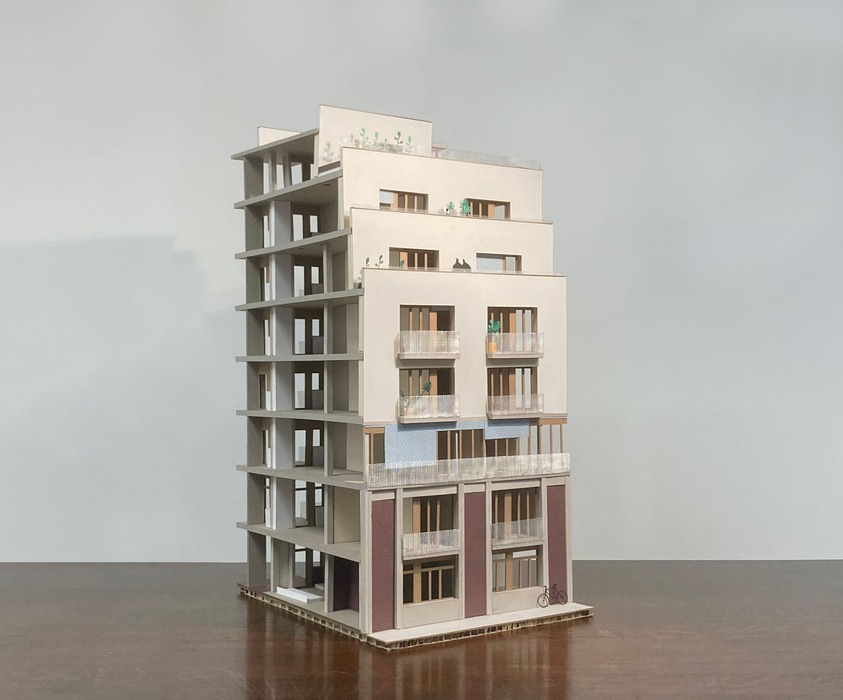
PP: Itâs a 33-unit housing project, with 23 units designated for future owner-residents and 10 for social housing, fostering a mixed community. Given the collaborative nature of the project, we proposed two approaches. The first was based on fixed architectural elementsâcertain aspects of the design, such as the buildingâs structure and window layout, were established from the outset. These decisions, made independently by us as architects, provided a framework that helped organise the project efficiently. The second approach focused on flexible elements, allowing residents to contribute to decisions on space distribution, shared areas, and flat locations. We engaged closely with them, asking questions such as: What spaces do you want to share? Where would you like to live in the building? Do you prefer the first floor or the seventhâand why? Who do you want as your neighbour? This participatory process helped shape a living environment tailored to the residentsâ needs and preferences. Since we had to determine where each family would live, it became a complex puzzleâespecially since nearly everyone wanted to live on the seventh floor!
CB: Ultimately, we incorporated design elements that accommodated different lifestyles, always striving to provide the highest quality for each space. For instance, while the ground floor is often considered less desirable, we designed duplex-style homesâlike small city housesâoffering an appealing option for those interested in a street-level experience. These homes combine direct street access with a more intimate and independent second-floor space. On the middle floors (2nd & 3rd), we made standard flats, more conventional living spaces. And finally, on the upper Floors (4thâ7th), we introduced terraces and balconies to create a Bel Ătage concept, inspired by classic Haussmannien buildings, where the first floor was traditionally for industrial use, and the upper levels were more desirable for living.
PP: Since the cost remains the same regardless of floor level, we designed a variety of living experiences to accommodate different needs. On the upper floors, a large shared terrace fosters a sense of community. Residents were encouraged to consider: âDo I want to live near shared spaces, or do I prefer more privacy?â
CB: We also included three adaptable spaces on the third and sixth floorsâmultifunctional rooms with no fixed purpose. We placed them in strategic locations to ensure no one side of the building had a significantly better spot. These rooms became collective spaces for children, workshops, after-school activities, and creative use. Throughout the project, we prioritised shared spaces in the most desirable locations to avoid favouritism, ensuring an equitable living experience for all.
CB: At the first meeting, we shared our initial selection, presenting the plans and elevations of the building and assigning locations to each family. Some families were in tearsâit was a very intense moment because some really didnât want to be on the ground floor. There were a lot of dramatic situations, but it was also a productive meeting. We asked three key questions: Why do you like or dislike our proposal? Do you like your neighbour, and which neighbour would you prefer? And where do you want to live in the building? After gathering responses, we considered everything and, in the next meeting, presented the final arrangement. In the end, it worked out, though three families decided to leave.
Scaling new materials
CB: When it comes to materials, we try to propose and use a variety of them, and today, thatâs an opportunity for several reasons. The first is comfort for the inhabitants. Hemp, for example, greatly improves indoor living conditions in terms of air quality and thermal comfort.
PP: In 20 years, Paris will have the same climate as southern European cities. This change is happening fast, which is why we need to act now. Hemp is a great response to this challenge, especially for summer comfort. Itâs also a local materialâthereâs plenty of hemp cultivation around Paris, just like straw.
CB: The difference between hemp and straw is that straw requires a significant amount of material to achieve good results. However, its size is already determined by agricultural production, making it easy to use. Itâs essentially a prefabricated module, like in the Lepage building, where we used straw for the façade. The walls are about 60 cm thick, corresponding to the size of the straw bales, and are then covered with a protective natural layer.
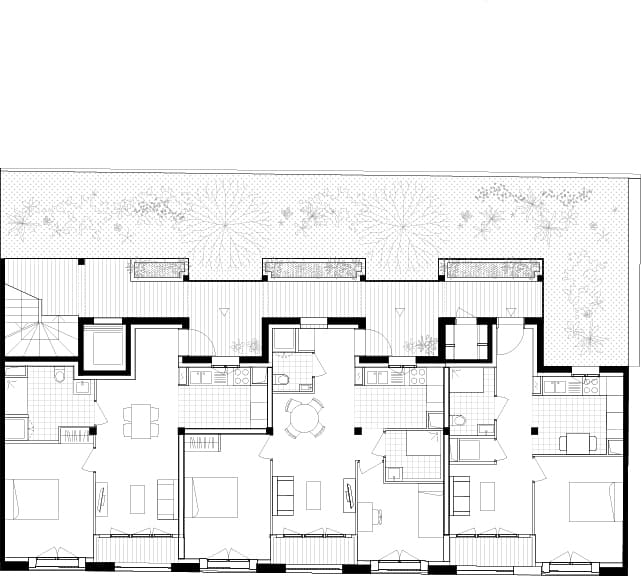
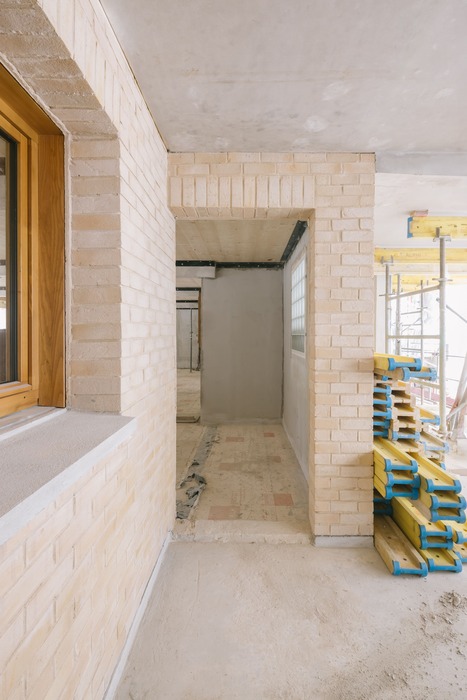
Inside the building, we also need to consider materials that provide thermal inertia. Bio-sourced materials like hemp and wood donât offer that, so we need concrete for certain structural elements. However, weâre also experimenting with earth construction techniques, or we use stone, as in our Montrouge project, where we designed 10 social housing units with solid stone on the street side, maxi-brick on the courtyard side, and timber floors. Maxi-brick is a type of large-format clay or concrete brick used in construction for its thermal and acoustic insulation properties. Itâs not about being against concrete but about using it where itâs truly necessary. Concrete is essential for some structural elements, but in many cases, we can replace it with other materials.
PP: One of our main challenges as an office is to reduce the use of concrete in large-scale projects like social housing. In France, raw earth construction is mostly used for small-scale buildings, but we aim to integrate these techniques into larger urban developments. Every day, we ask ourselves: Is concrete truly necessary here? What alternative can we use? In Montrouge, for example, we designed a hybrid structure that thoughtfully combines different materials, striking a balance between durability and the urban context.
CB: Beyond material selection, we also consider how different construction methods shape the architecture. Weâre not just engineers; weâre architects, so itâs about how these choices influence space. Itâs not just about reducing concrete but thinking about what these materials create within the flats. The relationship between structure and architecture is fundamental, not just about efficiency but about shaping the experience of living in the space.
Fast, solid growth
PP: Our practice has grown quickly. We won competitions just two years after starting the office, and since then, weâve worked across architecture, urban design, and research. Writing and exploring ideas have been part of our growth. The current context in Paris has also played a role, providing opportunities. The challenge now is to develop an office that can handle all of these aspects while staying true to our vision.
We collaborate with many architects, sharing ideas and discussing materials every day. The first part of our growth has been about learning from those around us. But beyond that, we also ask ourselves why we want to grow and how. We donât want to become just a small team of two or three making compromises. If we want to bring about real change, we need to build something bigger.
CB: The real challenge is maintaining quality and ambition in every project. As the office grows, itâs easy to lose intensity, to take on projects that donât receive the same level of engagement. Thatâs what I find most difficultâmaking sure that every project we work on gets the same dedication.
PP: We talk about every project, every day. Even if itâs just for five minutes, we make sure each one gets attention. But now we have about 15 to 20 projects running at the same time. Five minutes per project adds upâit makes for long days.
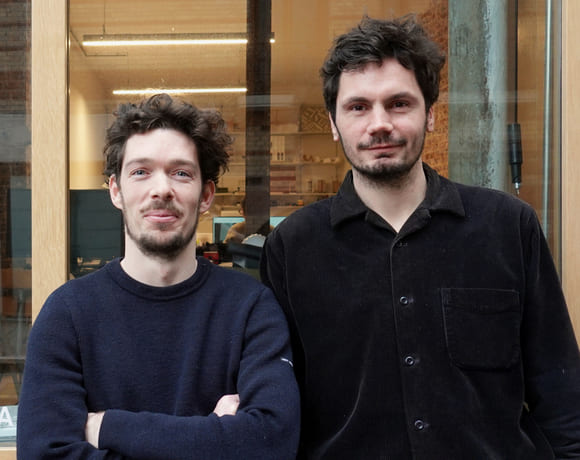
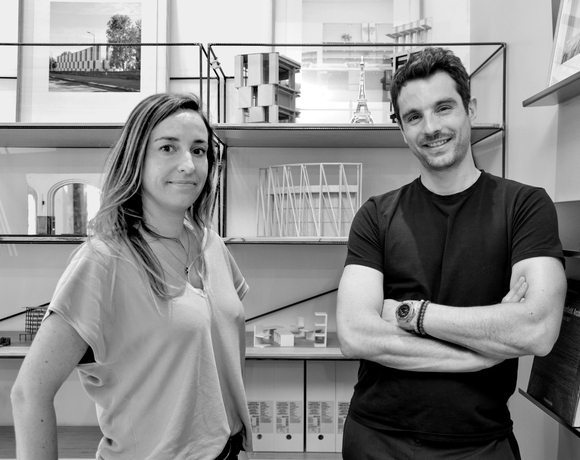
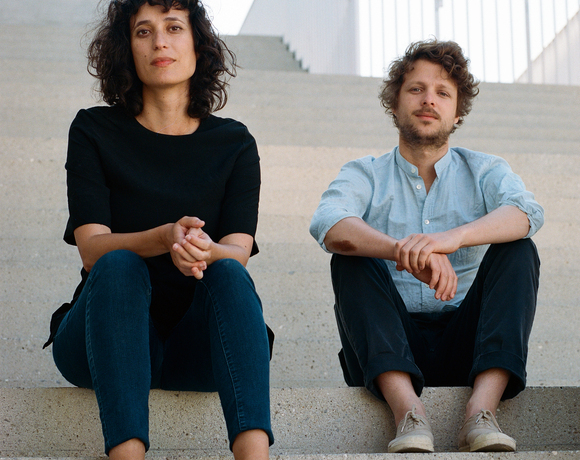
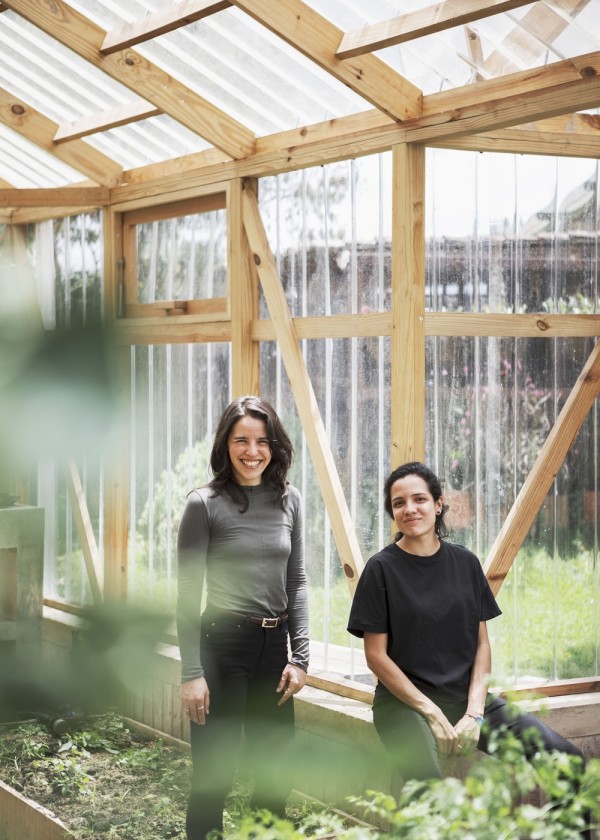
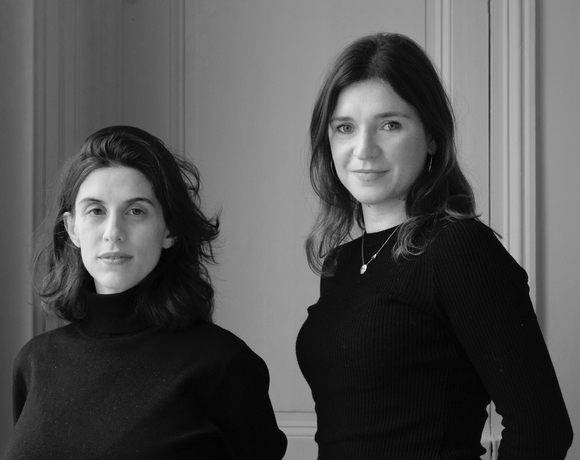
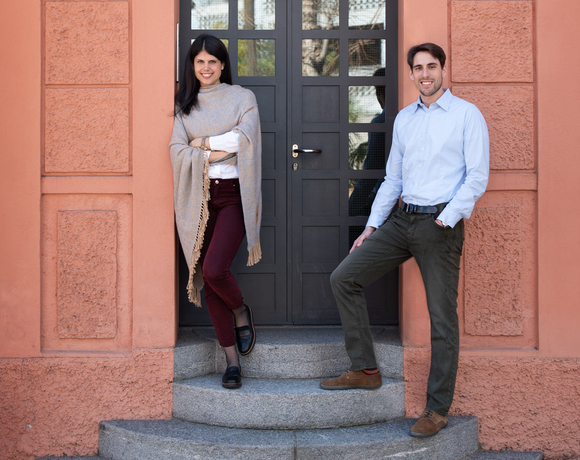
âĄď¸ Belval & Parquet. Charlotte Belval, Pierre Parquet. Ph. Courtesy of Belval & Parquet
âĄď¸ 33 apartments, Lepage. View of the street-facing facade. Img. Vincent Atelier
âĄď¸ 33 apartments, Lepage. Model. Ph. Belval & Parquet
âĄď¸ 10 social housing apartments, Montrouge. View of the street-facing stone facade. Img. Vincent Atelier
âĄď¸ 10 social housing apartments, Montrouge. Plan. Img. Belval & Parquet
âĄď¸ 10 social housing apartments, Montrouge. Construction photo. Ph. Philippe Billard