B2A - barre bouchetard architecture
Embracing Uncertainty in Architecture
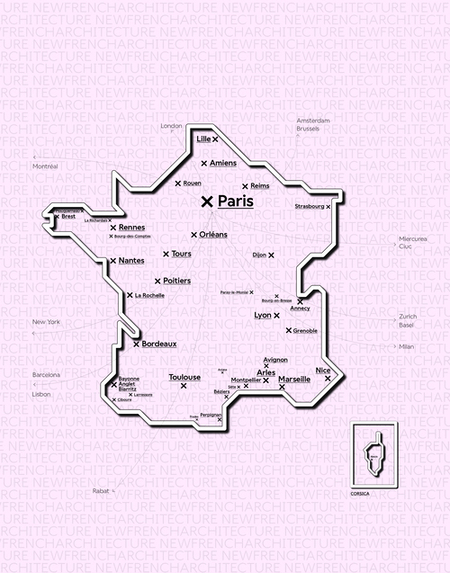
New French Architecture
An Original Idea by New Generations
Claas Architectes
Coming Soon
AcmĂŠ Paysage
Nurturing Ecosystems
Atelier Apara
Architecture Through a Pedagogical Lens
HEMAA
Designing for Ecological Change
HYPER
Hyperlinked Scales
Between Utopia and Pragmatism
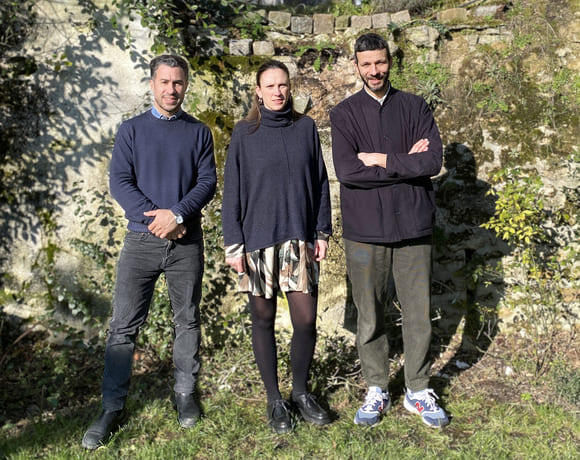
Oblò
Dialogue with the Built World
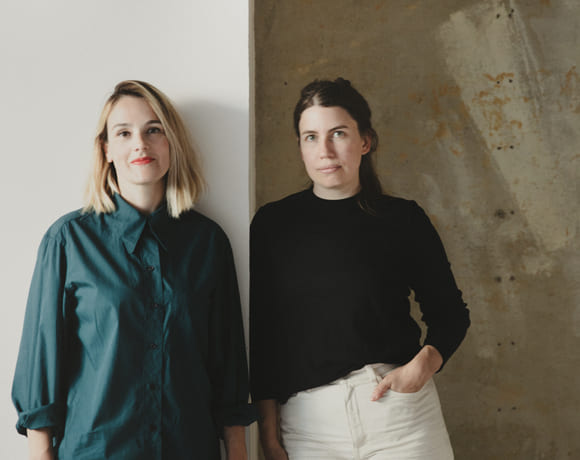
Augure Studio
Revealing, Simplifying, Adapting
Cent15 Architecture
A Process of Learning and Reinvention
Pierre-Arnaud DescĂ´tes
Composing Spaces, Revealing Landscapes
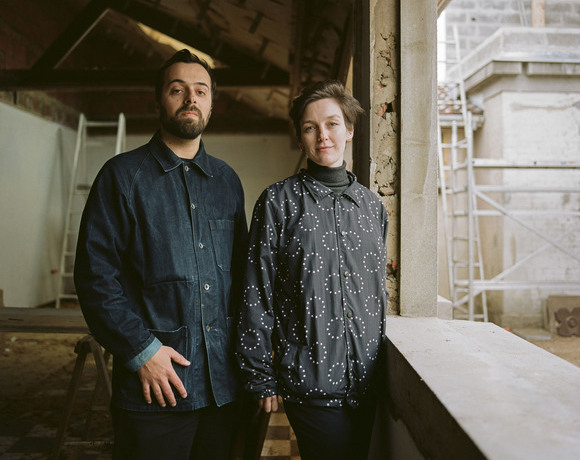
BUREAUPERRET
What Remains, What Becomes
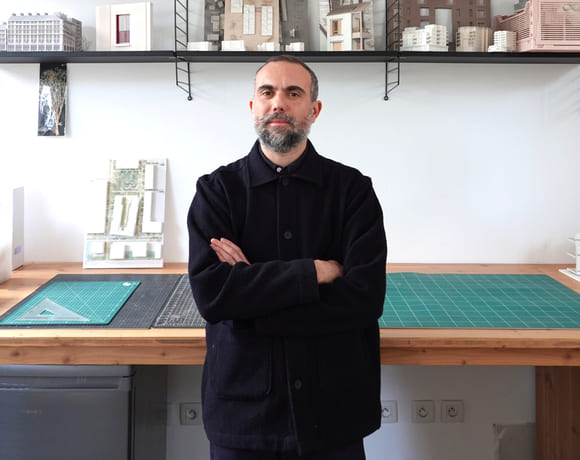
ECHELLE OFFICE
In Between Scales
Atelier
Rooted in Context, Situated at the Centre
AJAM
Systemic Shifts, Local Gestures
Mallet Morales
Stories in Structure
Studio SAME
Charting Change with Ambition
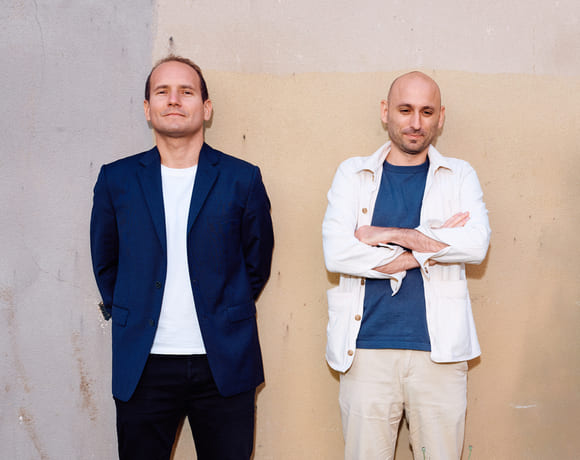
Lafayette
Envisioning the City of Tomorrow
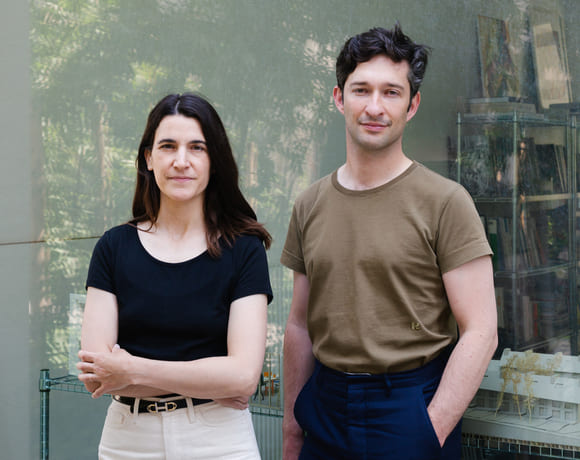
Belval & Parquet Architectes
Living and Building Differently
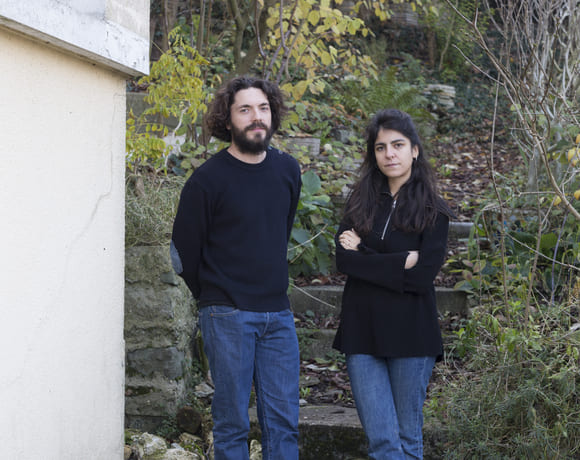
127af
Redefining the Common
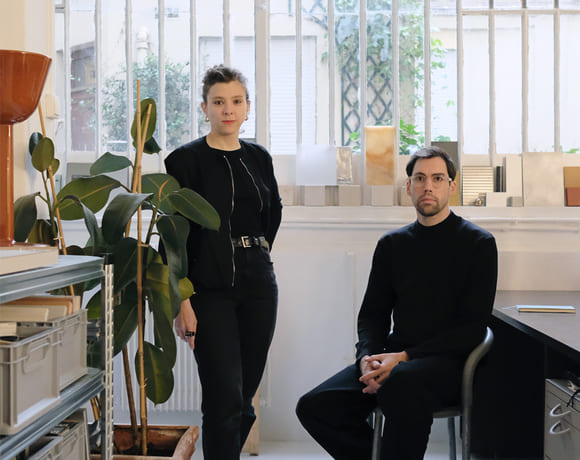
HEROS Architecture
From Stone to Structure
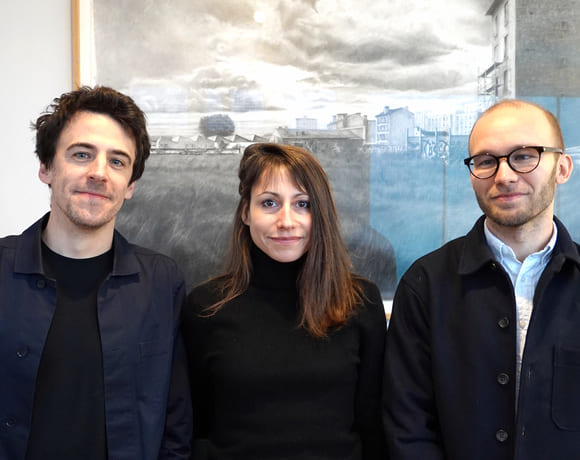
Carriere Didier Gazeau
Lessons from Heritage
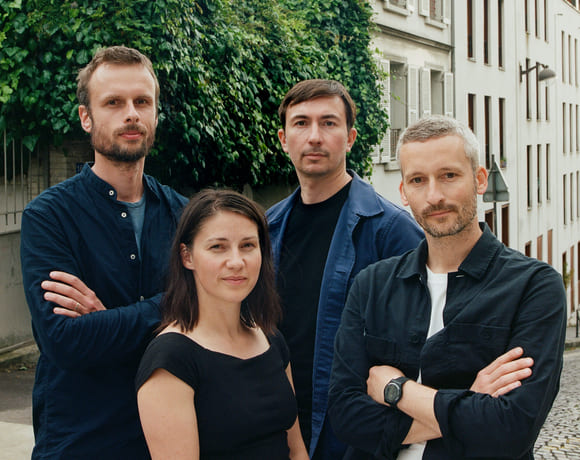
a-platz
Bridging Cultures, Shaping Ideas
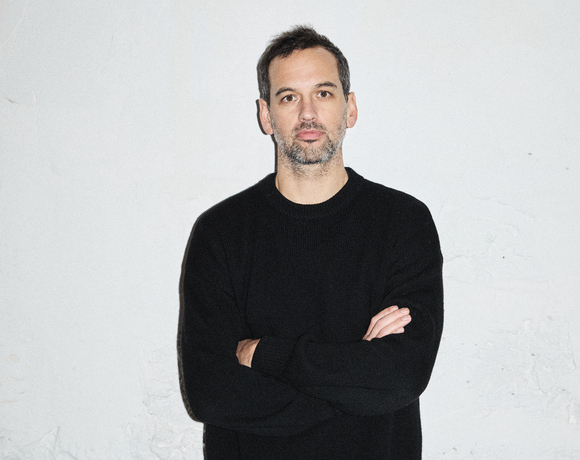
Rodaa
Practicing Across Contexts
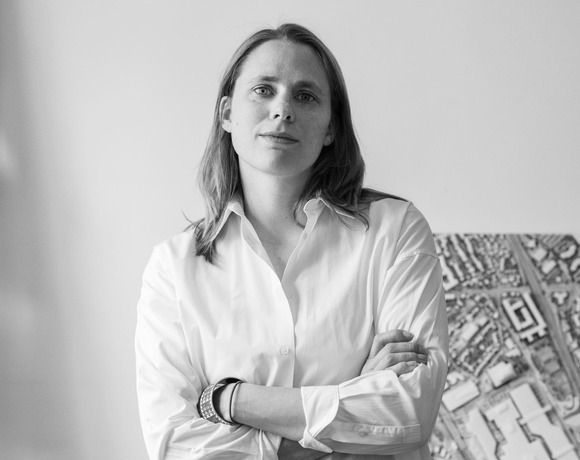
Urbastudio
Interconnecting Scales, Communities, and Values
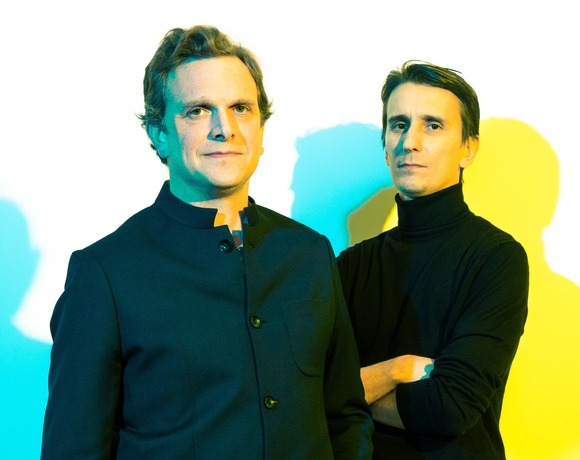
Oglo
Designing for Care
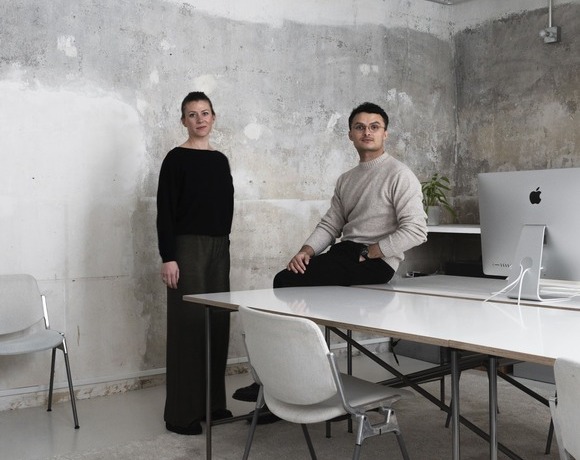
Figura
Figures of Transformation
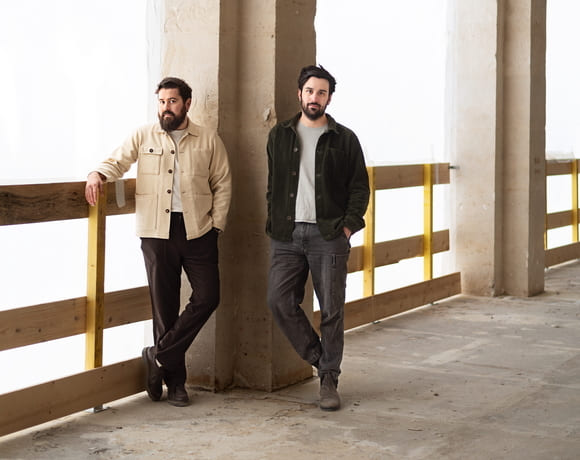
COVE Architectes
Awakening Dormant Spaces
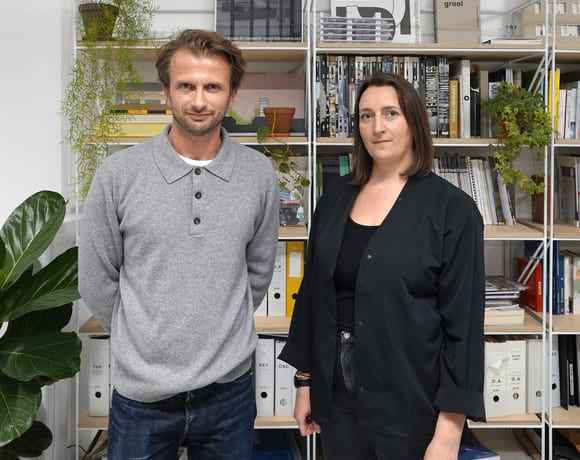
Graal
Understanding Economic Dynamics at the Core
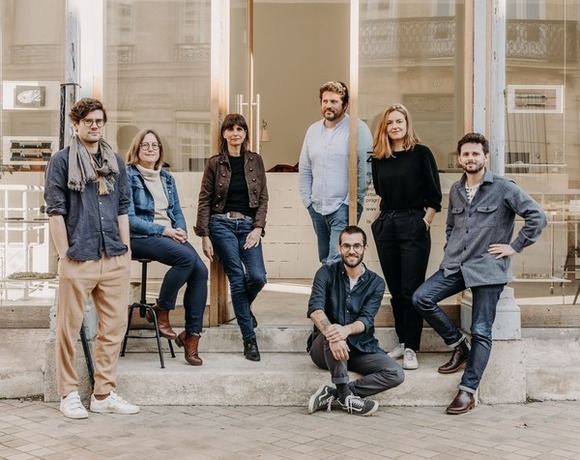
ZW/A
United Voices, Stronger Impacts
A6A
Building a Reference Practice for All
BERENICE CURT ARCHITECTURE
Crossing Design Boundaries
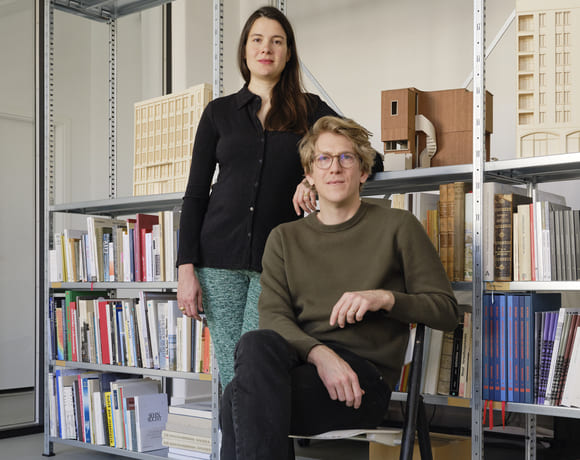
studio mäc
Bridging Theory and Practice
studio mäc
Bridging Theory and Practice
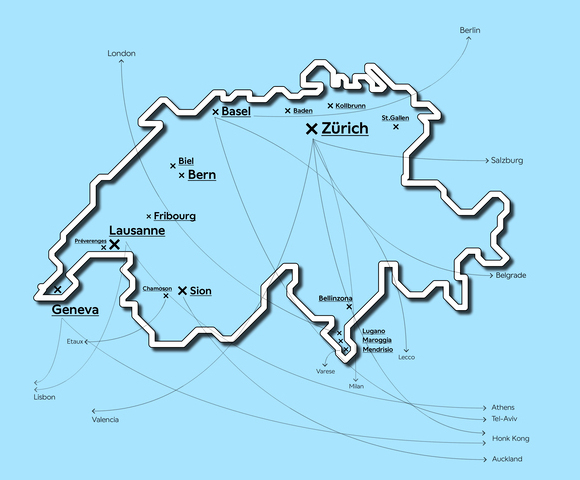
New Swiss Architecture
An Original Idea by New Generations
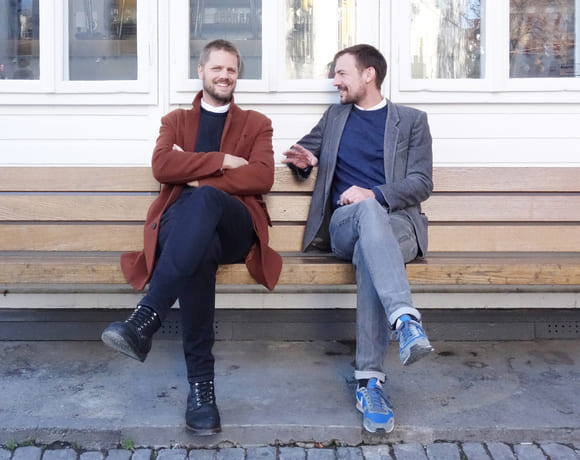
KUMMER/SCHIESS
Compete, Explore, Experiment
ALIAS
Stories Beyond the Surface
sumcrap.
Connected to Place
BUREAU/D
From Observation to Action
STUDIO ROMANO TIEDJE
Lessons in Transformation
Ruumfabrigg Architekten
From Countryside to Lasting Heritage
Kollektiv Marudo
Negotiating Built Realities
Studio Barrus
Starting byChance,Growing Through Principles
dorsa + 820
Between Fiction and Reality
S2L Landschaftsarchitektur
Public Spaces That Transform
DER
Designing Within Local Realities
Marginalia
Change from the Margins
En-Dehors
Shaping a Living and Flexible Ecosystem
lablab
A Lab for Growing Ideas
Soares Jaquier
Daring to Experiment
Sara Gelibter Architecte
Journey to Belonging
TEN (X)
A New Kind of Design Institute
DF_DC
Synergy in Practice: Evolving Together
GRILLO VASIU
Exploring Living, Embracing Cultures
Studio â Alberto Figuccio
From Competitions to Realised Visions
Mentha Walther Architekten
Carefully Constructed
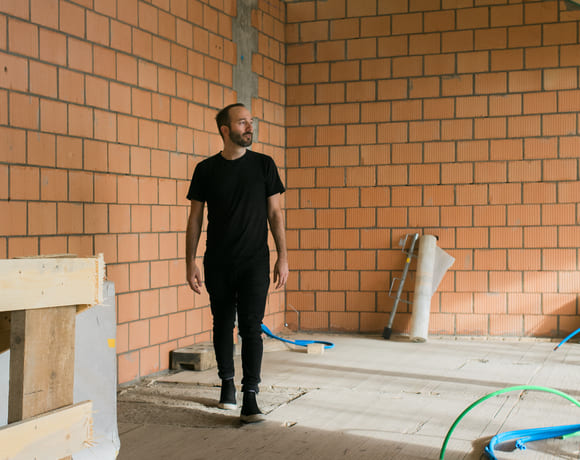
Stefan Wuelser +
Optimistic Rationalism: Design Beyond the Expected
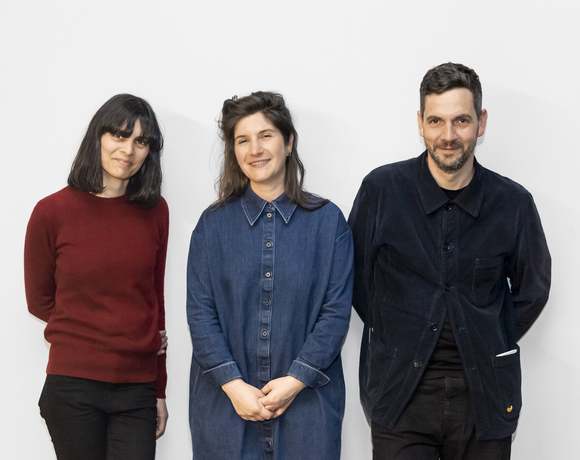
BUREAU
A Practice Built on Questions
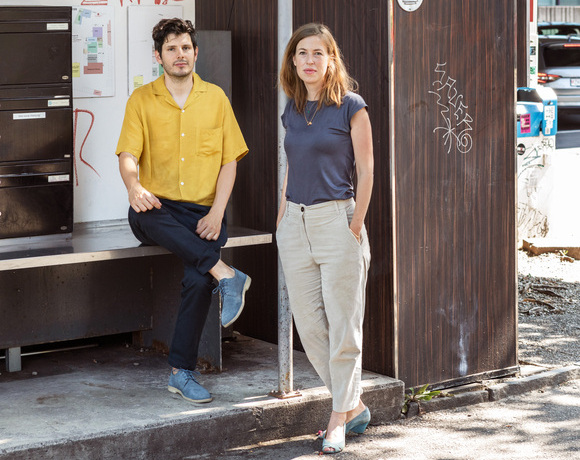
camponovo baumgartner
Flexible Frameworks, Unique Results
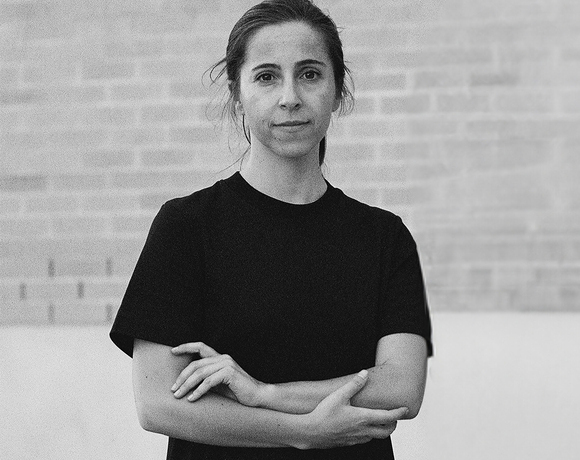
MAR ATELIER
Exploring the Fringes of Architecture
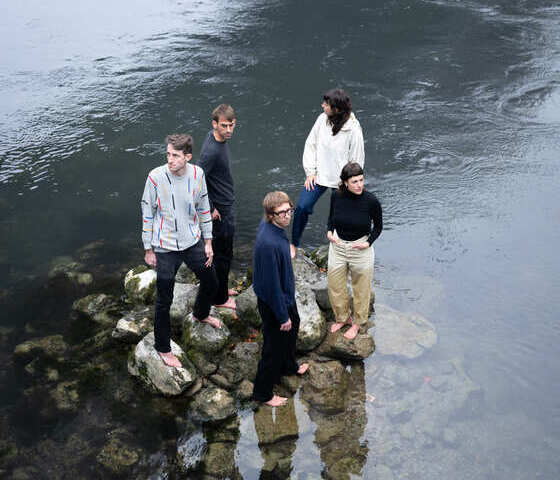
bach muĚhle fuchs
Constantly Aiming To Improve the Environment
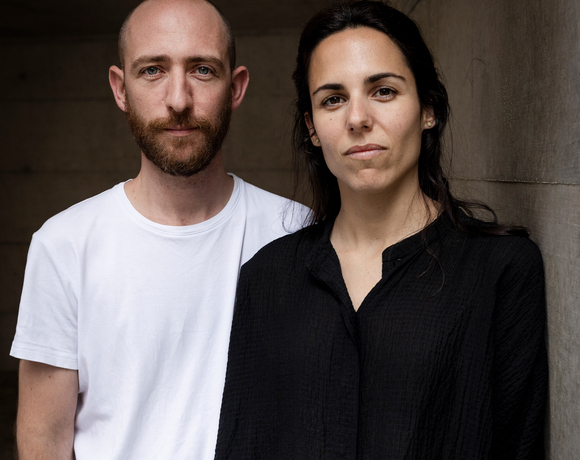
NOSU Architekten GmbH
Building an Office from Competitions
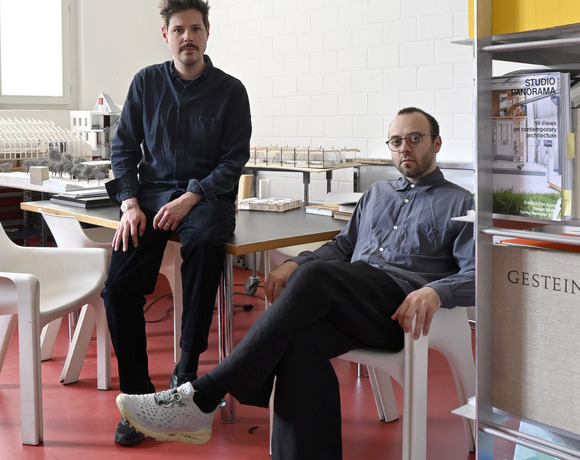
BALISSAT KAĂANI
Challenging Typologies, Embracing Realities
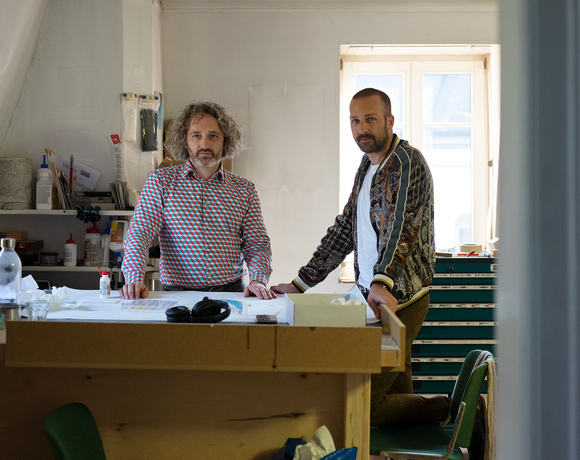
Piertzovanis Toews
Crafted by Conception, Tailored to Measure
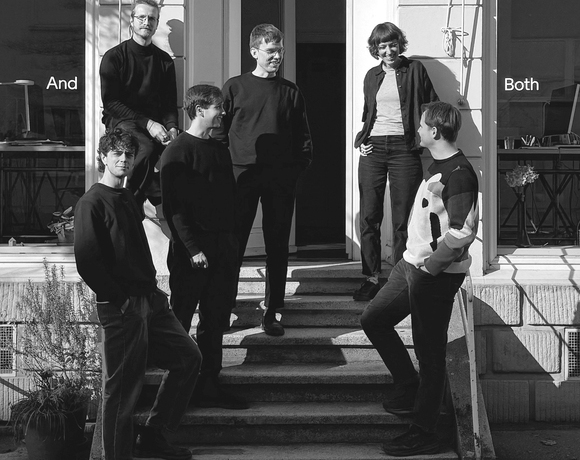
BothAnd
Fostering Collaboration and Openness
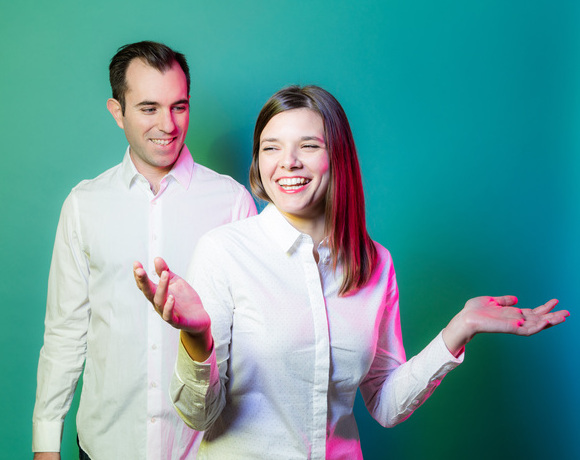
Atelier ORA
Building with Passion and Purpose
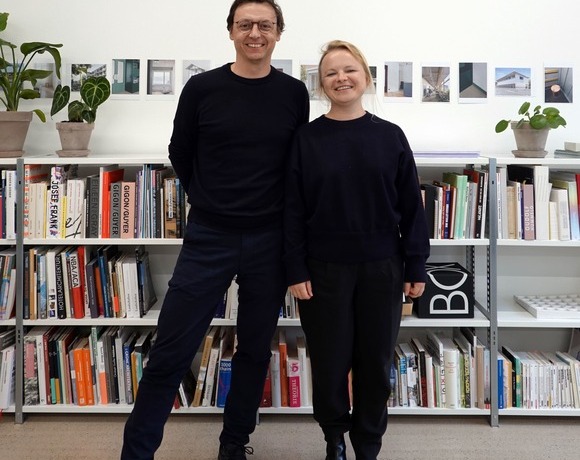
Atelier Hobiger Feichtner
Building with Sustainability in Mind
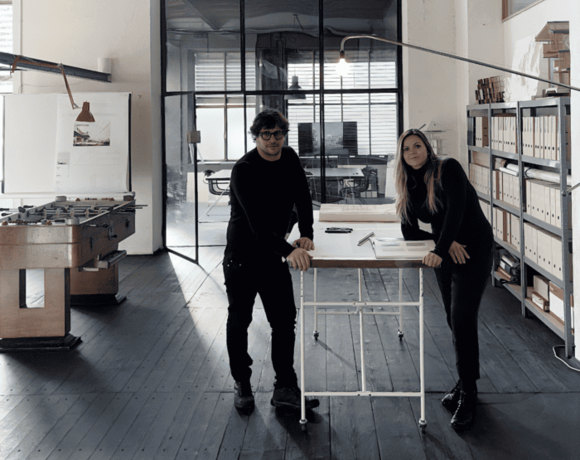
CAMPOPIANO.architetti
Architecture That Stays True to Itself
STUDIO PEZ
The Power of Evolving Ideas
Architecture Land Initiative
Architecture Across Scales
ellipsearchitecture
Humble Leanings, Cyclical Processes
Sophie Hamer Architect
Balancing History and Innovation
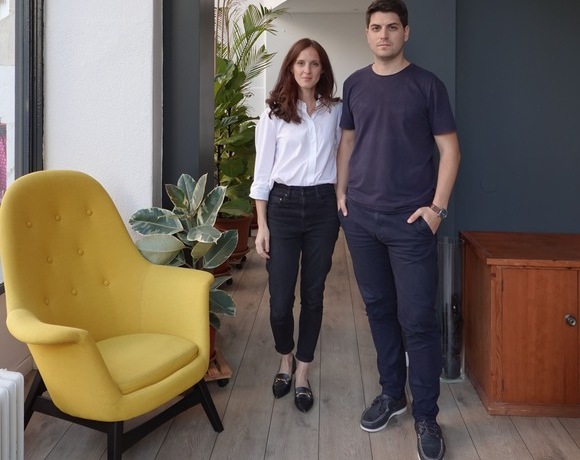
ArgemĂ Bufano Architectes
Competitions as a Catalyst for Innovation
continentale
A Polychrome Revival
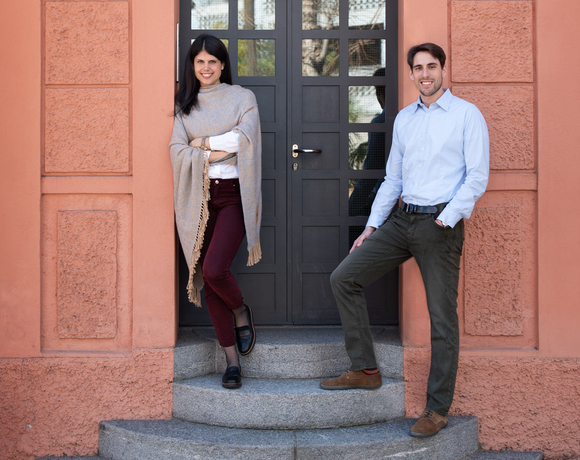
valsangiacomoboschetti
Building With What Remains
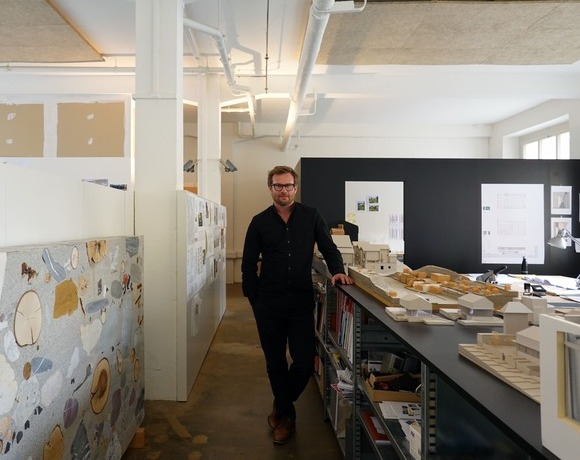
Oliver Christen Architekten
Framework for an Evolving Practice
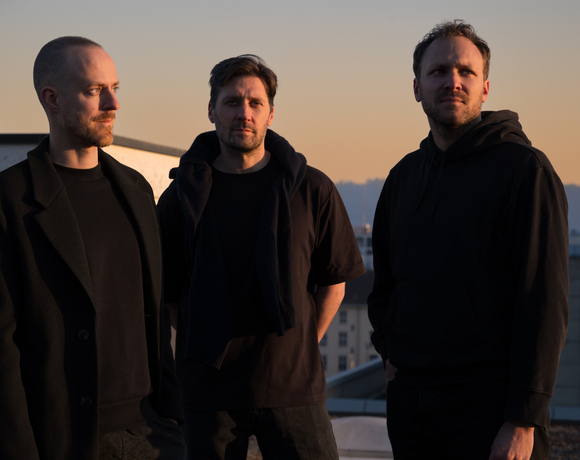
MMXVI
Synergy in Practice
Balancing Roles and Ideas
studio 812
A Reflective Approach to
Fast-Growing Opportunities
STUDIO4
The Journey of STUDIO4
Holzhausen Zweifel Architekten
Shaping the Everyday
berset bruggisser
Architecture Rooted in Place
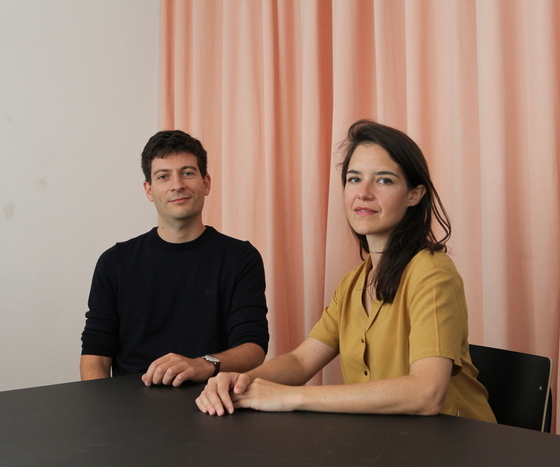
JBA - Joud Beaudoin Architectes
New Frontiers in Materiality
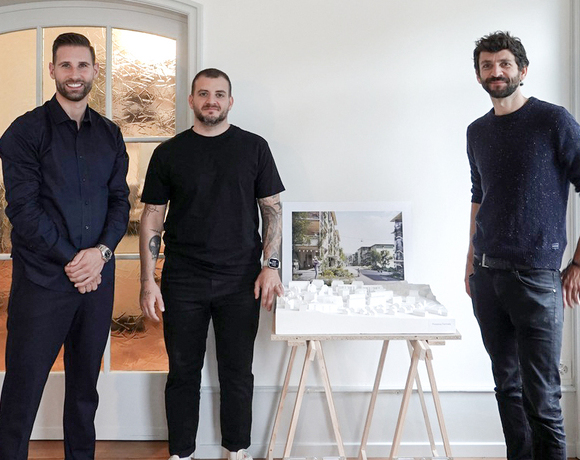
vizo Architekten
From Questions to Vision
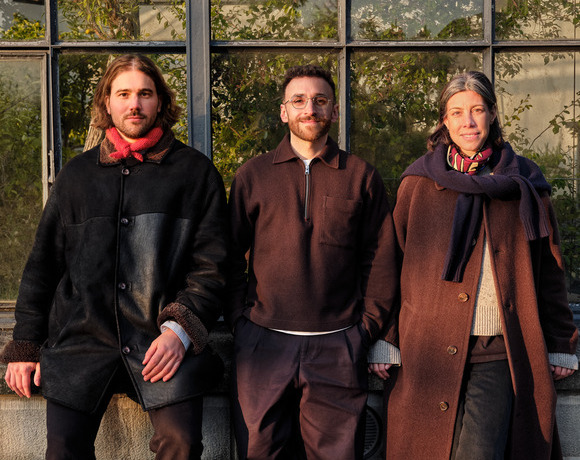
Atelier NU
Prototypes of Practice
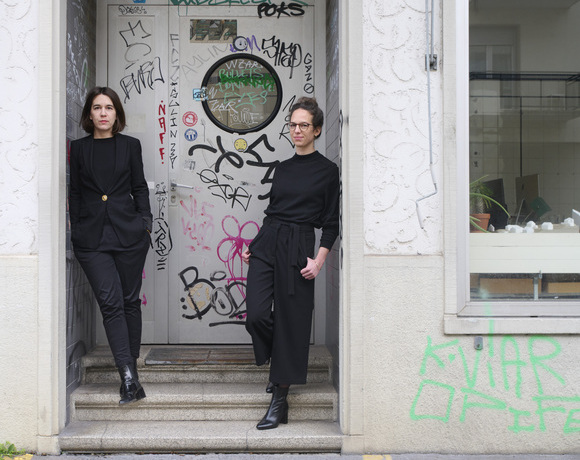
Atelier Tau
Architecture as a Form of Questioning
alexandro fotakis architecture
Embracing Context and Continuity
Atelier Anachron
Engaging with Complexity
SAJN - STUDIO FĂR ARCHITEKTUR
Transforming Rural Switzerland
guy barreto architects
Designing for Others, Answers Over Uniqueness
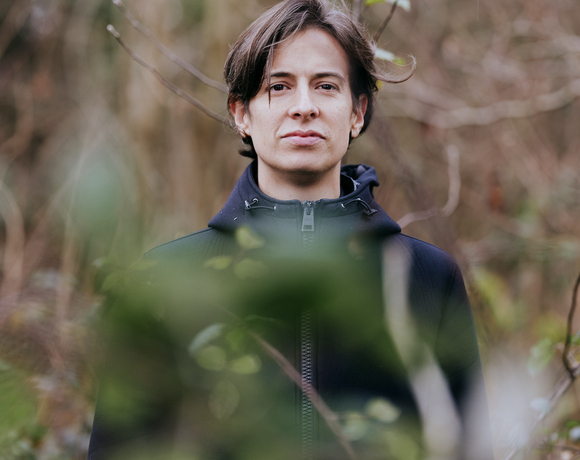
Concrete and the Woods
Building on Planet Earth
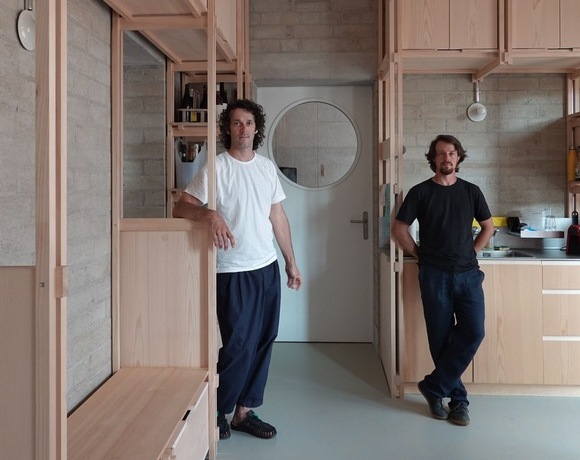
bureaumilieux
What is innovation?
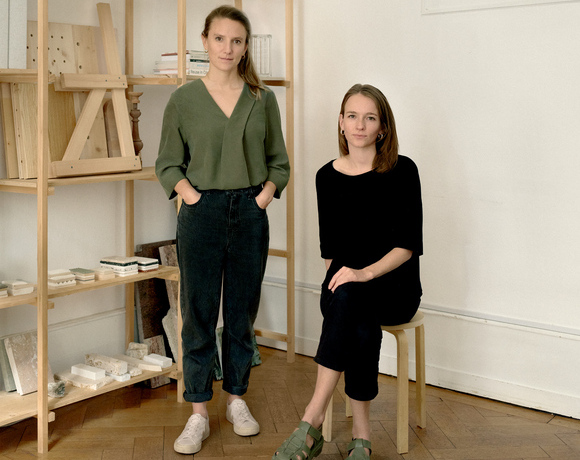
apropaĚ
A Sustainable and Frugal Practice
Massimo Frasson Architetto
Finding Clarity in Complex Projects
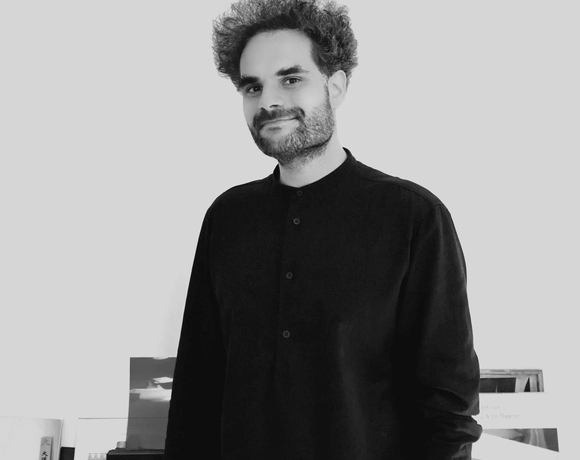
Studio David Klemmer
Binary Operations
Caterina Viguera Studio
Immersing in New Forms of Architecture
r2a architectes
Local Insights, Fresh Perspectives
HertelTan
Timeless Perspectives in Architecture
That Belongs
Nicolas de Courten
A Pragmatic Vision for Change
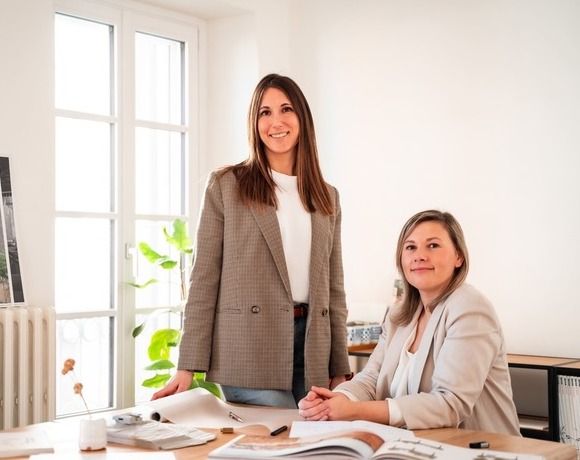
Atelier OLOS
Balance Between Nature and Built Environment
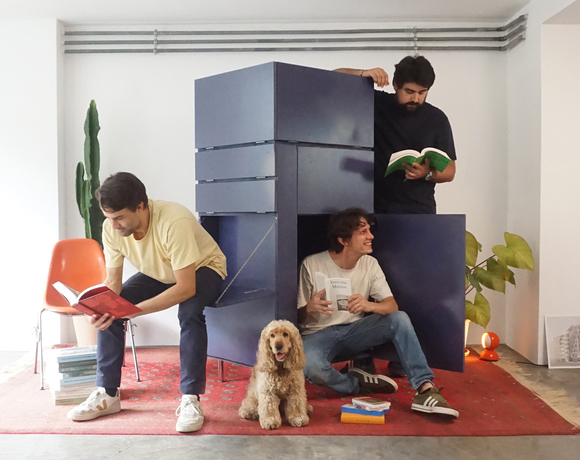
Associati
âCheap but intenseâ: The Associati Way
emixi architectes
Reconnecting Architecture with Craft
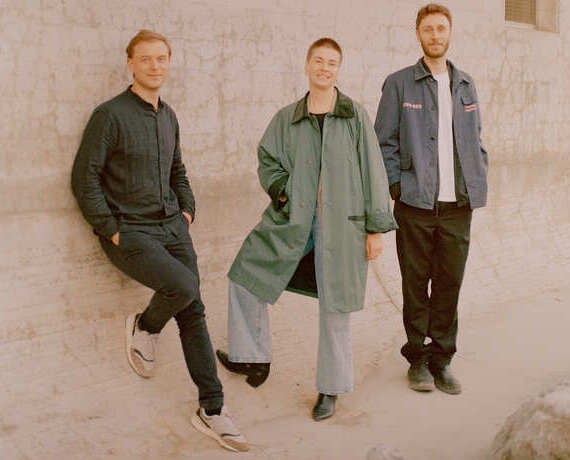
baraki architects&engineers
From Leftovers to Opportunities
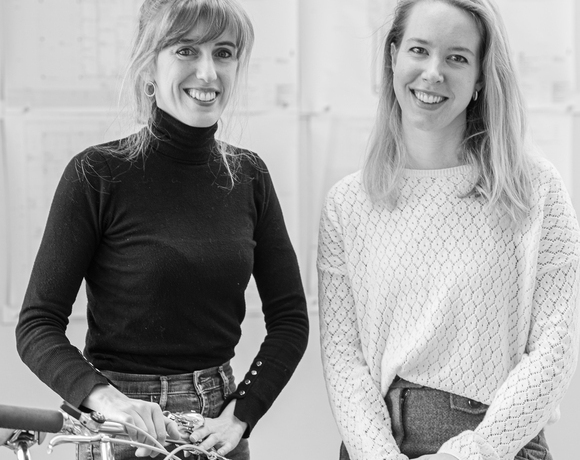
DARE Architects
Material Matters: from Earth to Innovation
KOMPIS ARCHITECTES
Building from the Ground Up
Fill this form to have the opportunity to join the New Generations platform: submissions will be reviewed on a daily-basis, and the most innovative practices will have the chance to be part of the media's coverage and participate in our cultural agenda, including events, research projects, workshops, exhibitions and publications.
New Generations is a European platform that investigates the changes in the architectural profession ever since the economic crisis of 2008. We analyse the most innovative emerging practices at the European level, providing a new space for the exchange of knowledge and confrontation, theory, and production.
Since 2013, we have involved more than 3.000 practices from more than 50 countries in our cultural agenda, such as festivals, exhibitions, open calls, video-interviews, workshops, and experimental formats. We aim to offer a unique space where emerging architects could meet, exchange ideas, get inspired, and collaborate.
An original idea of New Generations
Team & collaborators: Gianpiero Venturini, Marta HervĂĄs Oroza, Elisa Montani, Giuliana Capitelli, Kimberly Kruge, Canyang Cheng
If you have any questions, need further information, if you'd like to share with us a job offer, or just want to say hello please, don't hesitate to contact us by filling up this form. If you are interested in becoming part of the New Generations network, please fill in the specific survey at the 'join the platform' section.
Embracing Uncertainty in Architecture
B2A was founded in 2018 by Etienne Barre and Pierre-Alain Bouchetard. As engineer-architects, their work is based on the shared belief that the conception of the construction system is intrinsically linked to the development of the architectural project. The application of certain proven fundamentals has helped shape an office culture focused on precision in design and careful attention to construction detail, contributing to the unique character of each building. Through a constant iterative process between sensitivity and rationality, between situated experience and system, each project becomes a site for exploring the potential of structural frameworks and construction methods. These areas of reflection are also pursued through teaching and community involvement.
EB: Etienne Barre | PB: Pierre-Alain Bouchetard
Navigating an increasingly complex field
PB: I think we've seen a rise in the number of small offices, along with a growing number of firms overall, as the field of application expands. Weâve analysed this trend and noticed an increasing number of operators from different construction fields working on the same project. There are now more engineering firms collaborating with usânot just in structure and electricity but across many specialised domains. As standards evolve, they contribute to this specialisation, expanding the scope of architectural practice and allowing new offices to emerge in different directions. Compared to when we worked in other firms, and even in the five or six years since starting our own, weâve observed projects becoming increasingly specialised.
EB: Specialisation now extends to materials, social dimensions like territorial participation, and urbanismânot just operational urbanism but urbanism as a project with multiple missions, permits, and regulations that allow firms to develop their own expertise. This is beneficial for young firms like ours, as it creates opportunities. On any given project, we collaborate with environmental designers, structural engineers, electrical and ventilation expertsâsometimes five, six, or seven different engineering firms. This shifts our role within the process, as architecture becomes one of many specialities, rather than the central discipline leading the project.
PB: Construction has become more complex than in the past, making it impossible for architects to address every detail alone. We simply can't know everything. On the other hand, this complexity has somewhat diminished the role we traditionally held. The relationship with clients has also changedâon some topics, they now consult directly with engineers rather than relying solely on the architect.
EB: Regulations push architecture in a good direction, but they also create limitations. Take wood construction, for exampleâit has become very difficult because fire safety regulations require structural wood to be covered, meaning the material canât remain visible.
PB: Another key consideration for small firms in France is that large construction firms hold immense power. If only small offices exist without a collective voice, we risk losing control over architectural discourse. Itâs essential for many small firms to come together rather than letting a few large companies dictate how we live and build.
EB: We need to be conscious of these dynamics. While we collaborate on projects, our practices often feel isolated. Competitions pit us against one another, making it difficult to maintain solidarity.
PB: Itâs a tricky balance. We compete, but we also support each other. When another office wins a project, we recognise its value and celebrate it, understanding that strong projects help advance the profession as a whole.
From learning to independence
PB: We met while studying engineering and architectureâat ESTP (Ecole SpĂŠciale des Travaux Publics, du Bâtiment et de l'Industrie) for engineering and then at the Paris-La Villette architecture school. We did our diplomas together and later worked at the same firm, Dietmar Feichtinger Architects, for three years. In 2018, we decided to start our own office.
EB: We share a similar approach to construction, shaped by our experience at Dietmar Feichtingerâs office. There, we worked on building sites, bridges, and large infrastructural projects, which gave us a very technical perspective on architecture. This prioritises accuracy in drawing, attention to detail, and balancing architectural formalisation with local conditions. We cannot design without considering site-specific factors, local expertise, and available materials. Our process is iterative, moving between drawing and construction. Structure is central to our thinking because it ensures long-term resilience.
PB: Structure is one answer, though not the only one. In France, we are deeply tied to the concrete industry, with major companies like Vinci, or Eiffage, shaping the construction landscape. This history cannot be ignored. The challenge is not to abandon concrete entirely but to rethink how we use it. We aim to find a balance, considering material availability and sustainability. For instance, while wood is often promoted, France does not have enough resources to rely on it exclusively. The same applies to earth and stoneâthese materials hold potential but are not a universal solution.
EB: Architecture remains a bourgeois discipline. If we propose only costly, idealistic solutions, we risk excluding a large part of the population. Structure, in this sense, is more democratic than a purely material-based approach. We are engaged in material experimentation but recognise its limitations. In places like Villeneuve-la-Garenne, a 1960s neighbourhood near Paris, the vernacular is concrete. We cannot simply declare it âbadâ and impose an entirely new system. Social and historical contexts must be acknowledged.
PB: Feichtinger is an Austrian architect with a strong technical background, influenced by Austrian engineering culture, which he brought to France. We learned a lot from that experience. When we started our office, we had no major client or project to launch us, so we began by renovating small flats in Paris for different people. It was quite challenging because we were used to working on large-scale projects like schools and office buildings, with entirely different types of clients. Doing small residential renovations was a good learning experience, but not necessarily the best fit for us. We completed four such projects, and while difficult, they helped us gain experience. Then, we had the opportunity to collaborate on competitions with larger firms, including Dietmar Feichtinger and Atelier Novembre. In our first year, we participated in three competitions and won all three. That was a major turning point, as it allowed us to return to larger-scale projects. One of these was a high school in Palaiseau (LycĂŠe international de Palaiseau), which we continued to develop and build. That project, completed in 2021, became our first major reference and helped us secure our own commissions. Now, we focus on developing projects independently.
Lessons from reuse
EB: Dealing with existing structures is one of our greatest challenges. We had no prior experience with renovation, rehabilitation, or transformation projectsâour work was entirely in new construction. With new buildings, we always had a clear final vision in mind. But with rehabilitation, the process is more uncertain. We had to develop our own protocols to assess existing structures and learn diagnostic tools we hadnât used before. Another challenge was adjusting to a new type of client.
PB: When designing a public building, the client has a budget and program but generally allows the architect creative freedom, as long as those parameters are met. Competitions also help validate your architectural approach. But with private clients, especially for residential projects, they often have a very specific idea of what they want, which can sometimes clash with our design proposals. Occasionally, they recognise the value of our approach, but other times, the process becomes long and challenging.
EB: Private clients will live in the spaces we design, so itâs natural for them to be deeply involved. Over time, we learned how to navigate these conversations, listen more carefully, and adjust our process accordingly. This experience ultimately transformed how we approach projects. In construction, we always look for opportunities for discussion. We donât claim to have the solution. Itâs about fostering dialogue, which can take a project in unexpected directions. We donât follow a predetermined approach. And this is fundamental when working on a reuse project. The construction process often involves dismantling materials, and even if we have a plan in mind, we must constantly redraw and adapt. Over time, you learn how to respond to the specificities of the site.
PB: Our focus is not solely on materiality but on the broader construction system, including structure, façades, and ventilation. When reusing a building, we analyse its essenceâwhat is fundamental and what can be removed. Similarly, when designing new projects, we consider what will endure and what can be adapted over time. This understanding developed through practice; initially, we treated reuse projects like any other, but we quickly realised the importance of diagnostics. Working with existing structures informs our approach to new ones. Malakoff, a project that earned us a nomination for the prestigious Ăquerre d'Argent, embodies these principles and illustrates how we navigate these challenges. We removed multiple layers from the walls and slabs without knowing what weâd find. The process was fascinating because our initial design evolved through discoveries made on-site. Clearing the building was a crucial phase, forcing us to adapt constantly. This changed our mindsetâwe now approach projects with flexibility, understanding that the final object is important but must remain open to change.
EB: We enjoy surprises on-siteâunexpected elements that challenge our original vision. If we remain open to adaptation, these discoveries can enrich the project. Even during competitions, we prefer to leave room for evolution rather than finalising every detail too soon.
PB: We are comfortable redrawing and adapting at every stage, even during construction. Long projects naturally evolve, and embracing this fluidity is key. Clients are not always open to this approach. They often expect a project to look exactly like the initial competition image. Our flexibility can be challenging for them and for engineers, as it demands ongoing adjustments. Itâs more comfortable for clients to see a linear process from concept to completion, but we try to balance adaptation with maintaining their expectations.
EB: Clients need reassurance about deadlines and project stability, so we balance openness with providing a clear, structured process. For us, itâs crucial to define the essence of a project. With timelines stretching between five and ten years from concept to completion, we must determine what elements should remain consistent. Sometimes, itâs materiality, sometimes form, or even the fundamental unit of habitation. Regardless, we are committed to preserving a core idea that endures throughout the projectâs development.
Questions that arise from teaching
PB: Teaching is very important to us. The ideas we explore in our projects are shared with students, but we also learn from them. They see the world differently, and their perspectives enrich our practice. Etienne teaches thirdâand fourth-year students, while I work with first-year students. At that level, theyâre completely new to architecture and open to everything. We encourage them to experiment, making models, drawing, and remaining open to unexpected results rather than clinging to a fixed vision.
EB: New questions are emerging in architectural education. At Belleville, I work with diploma students, and we focus on both construction and deconstruction. Deconstruction is an architectural act, not just about preserving existing buildings but understanding their relationship with the landscape and territory. Thereâs growing attention to water management, land use, and a more careful engagement with the built environment. Teaching offers a space to meet other architects and discuss new paradigms in architecture. Academia should challenge existing norms, not just teach rules that may be obsolete in a decade. Students must learn to critique and understand how to inhabit the world. I struggle with the separation between academic and professional practice. If we treat academia as purely theoretical and professional work as purely applied, we risk turning architects into engineers. In our studies, we observed this: Engineering often meant applying formulas rather than critically engaging with social issues.
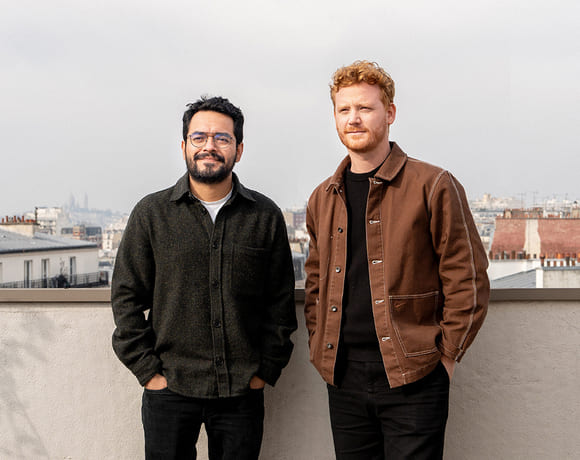
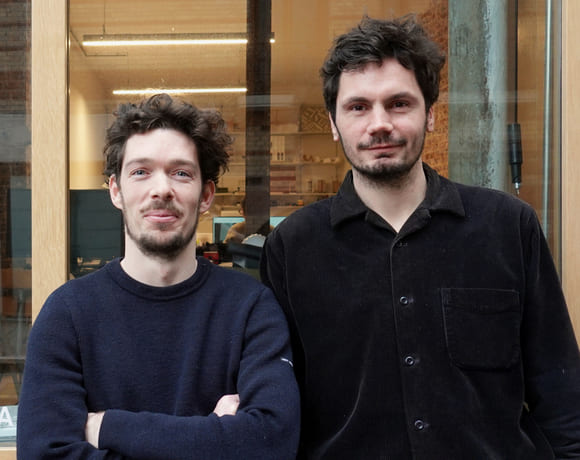
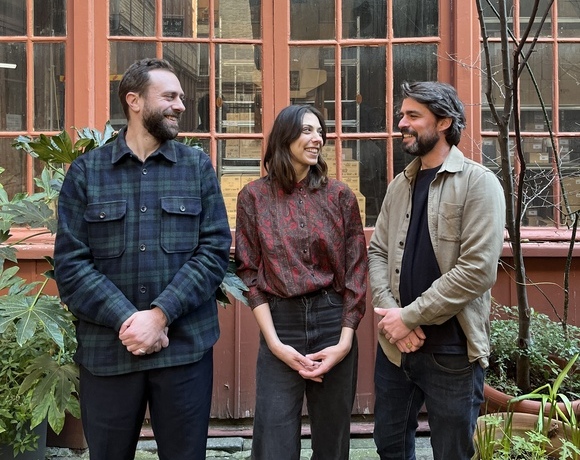
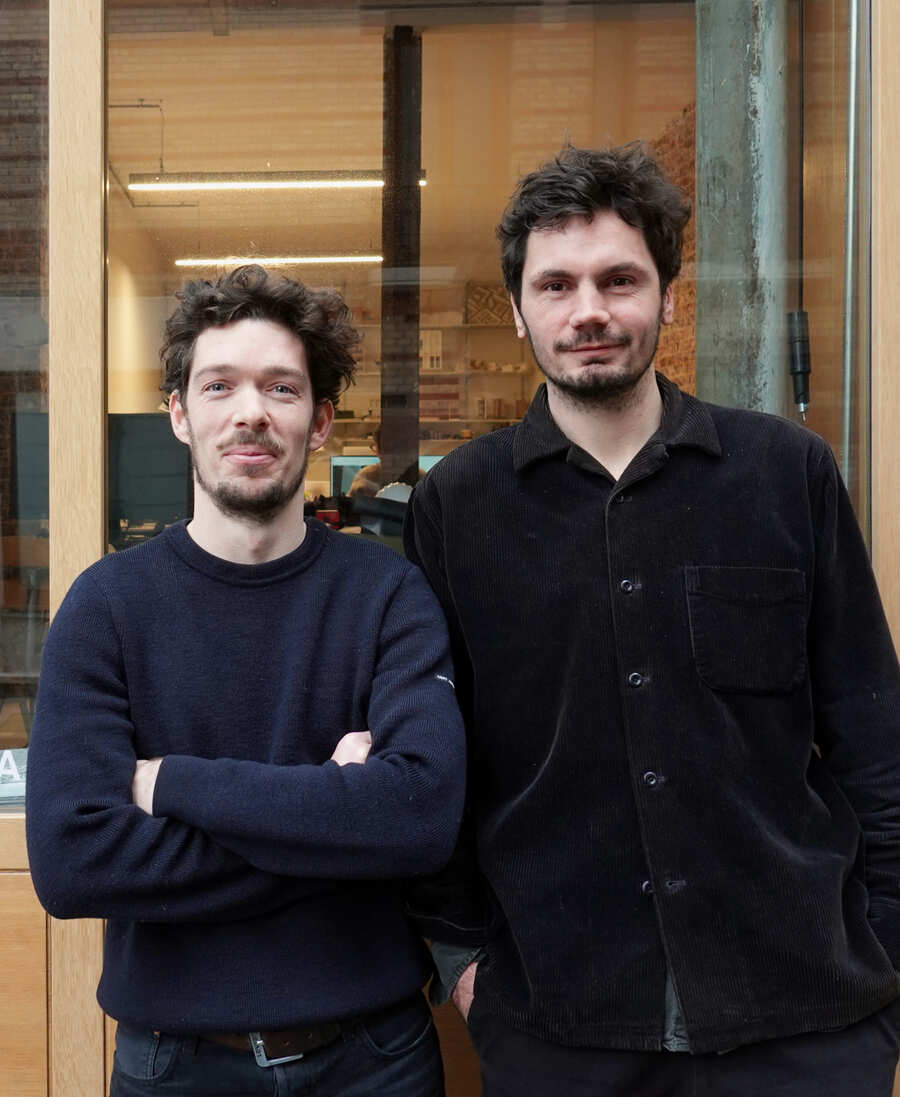
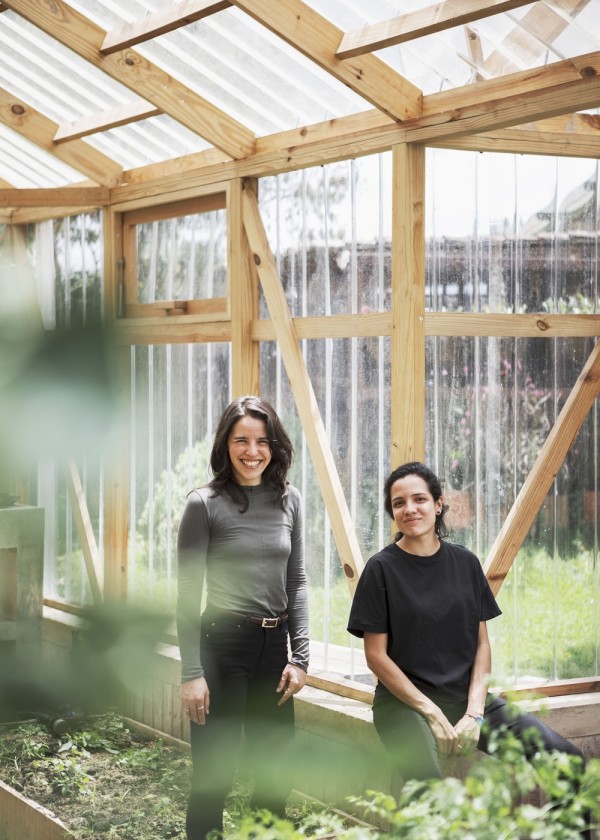
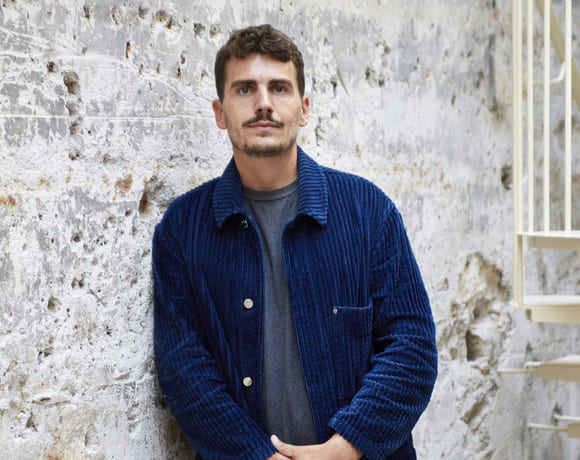
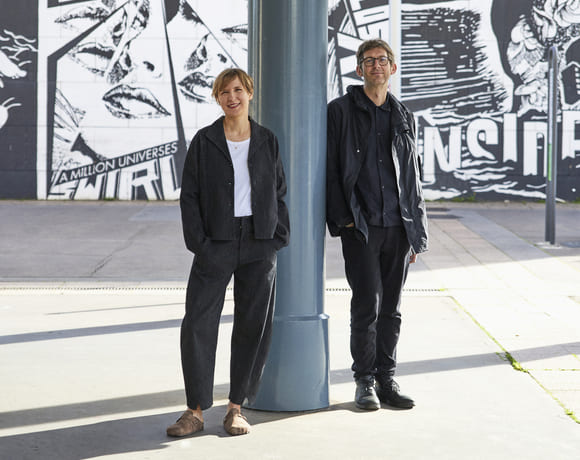
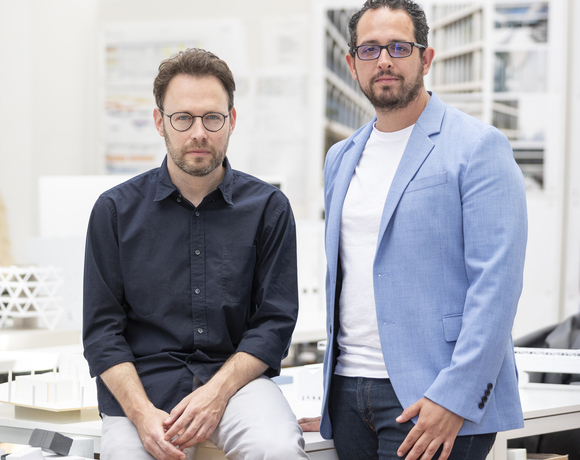
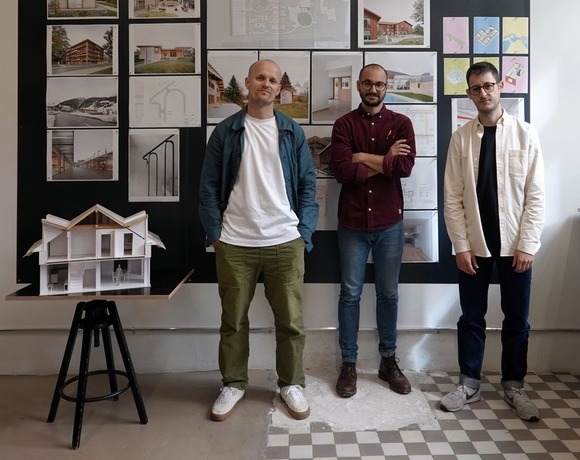
âĄď¸ B2A. Etienne Barre, Pierre-Alain Bouchetard. Ph. Gianpiero Venturini
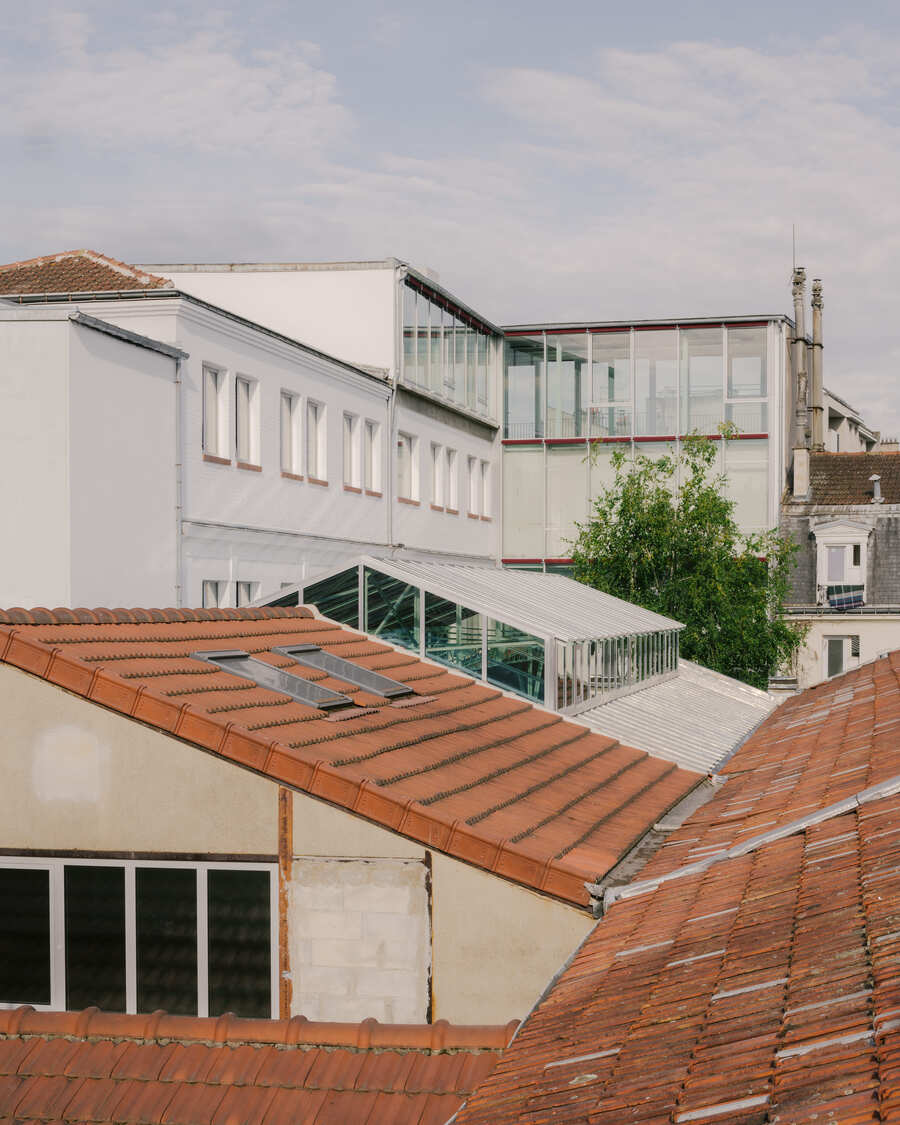
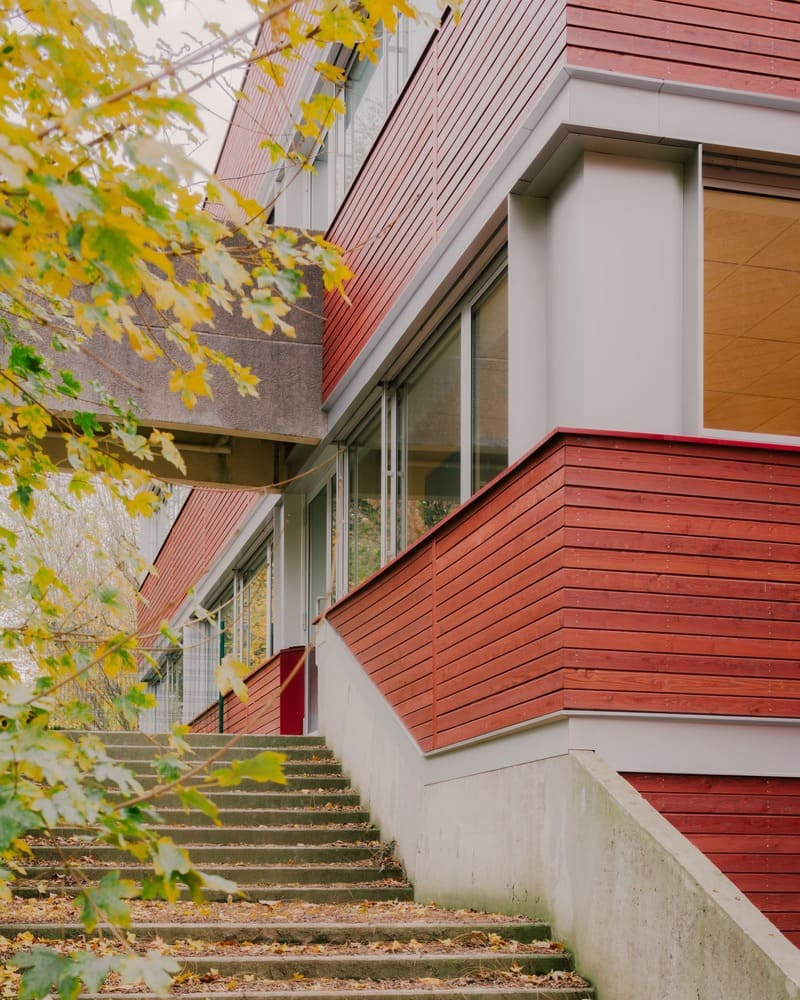
âĄď¸ Industrial lot restoration, Malakoff. Ph. Maxime Verret
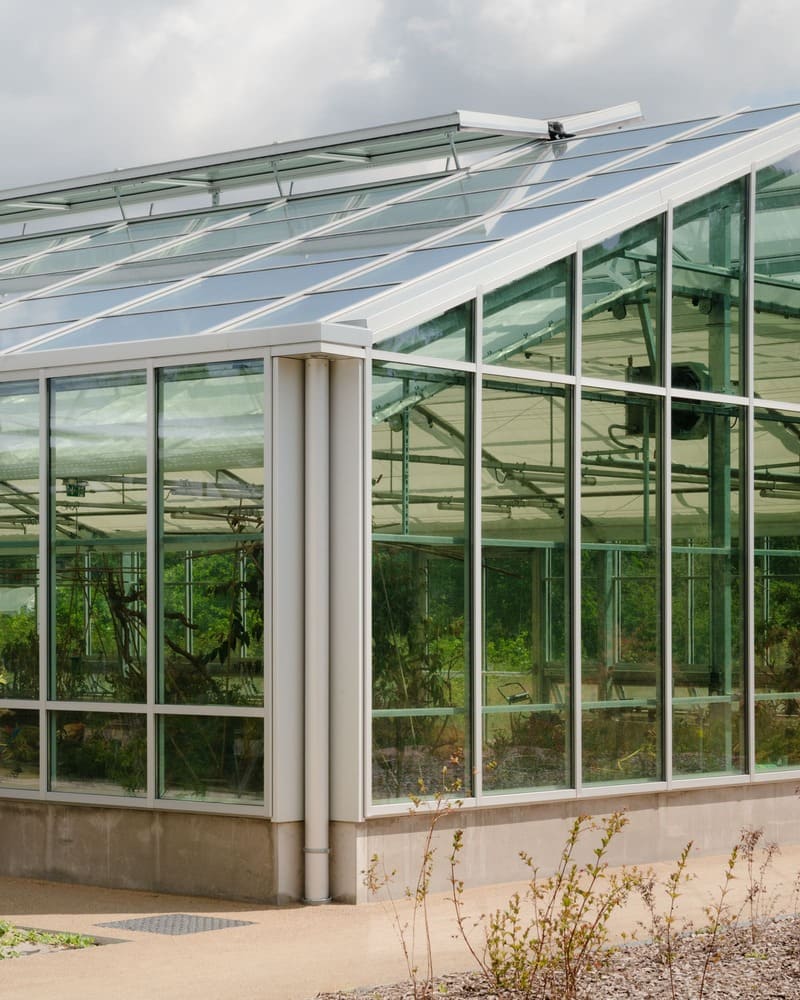
âĄď¸ Greenhouse, Versailles-Chèvreloup Arboretum. Ph. Luc Borho
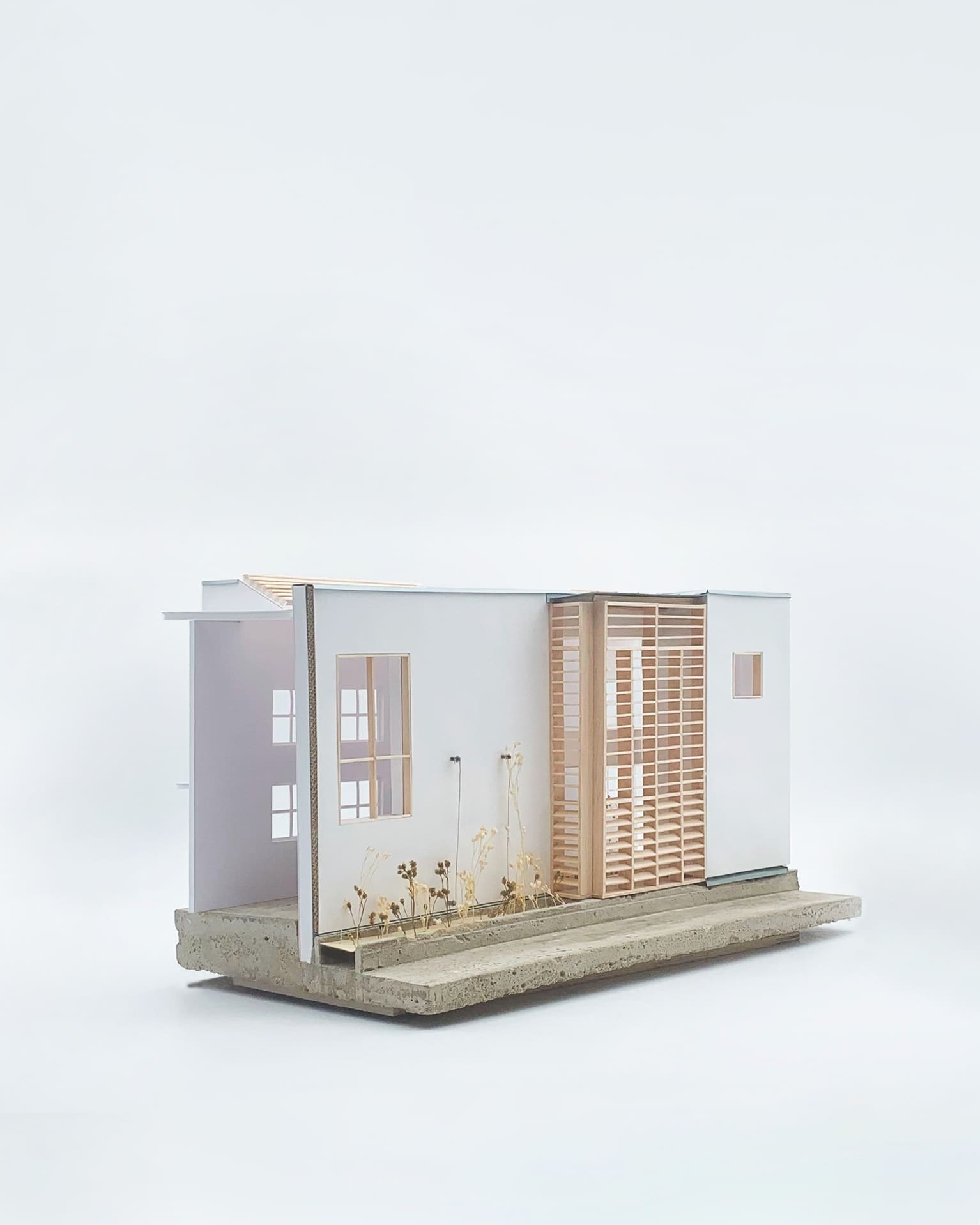
âĄď¸ Orme au Chat school, Ivry-sur-Seine. Ph. Barre Bouchetard Architecture (B2A)
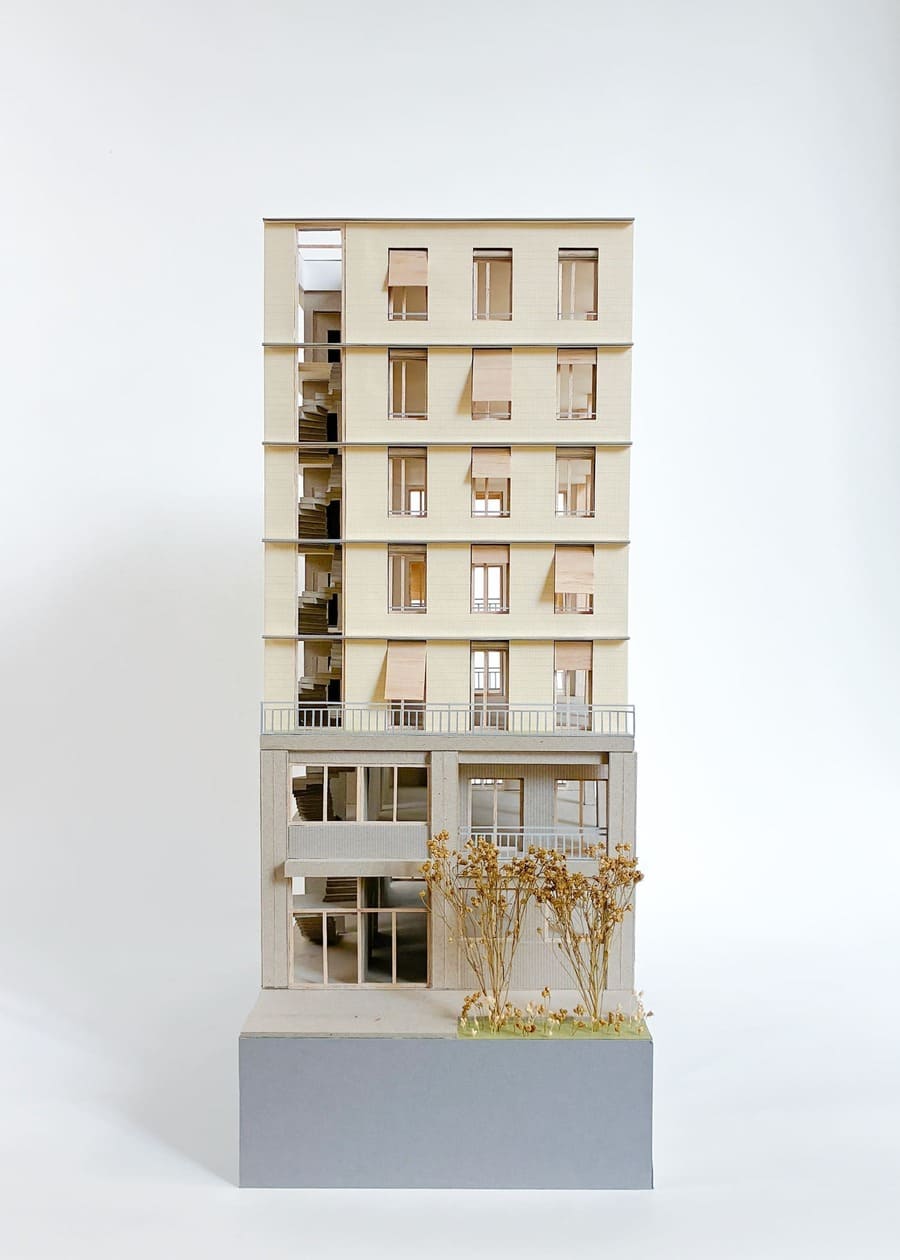
âĄď¸ Social housing building, Palaiseau. Ph. Barre Bouchetard Architecture (B2A)
âĄď¸ GĂŠrard de Nerval high school, Luzarches. Ph. Maxime Verret