Room Architecture
Coming Soon
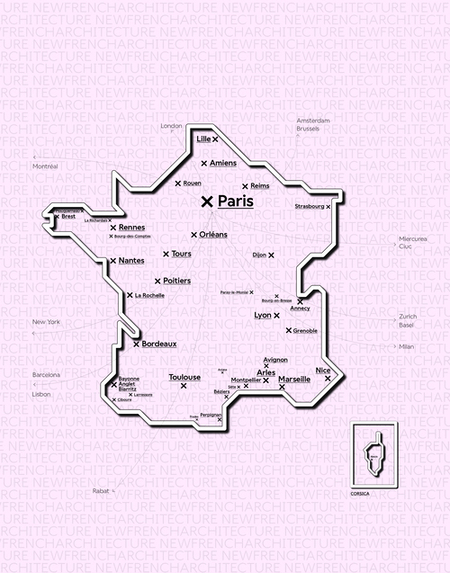
New French Architecture
An Original Idea by New Generations
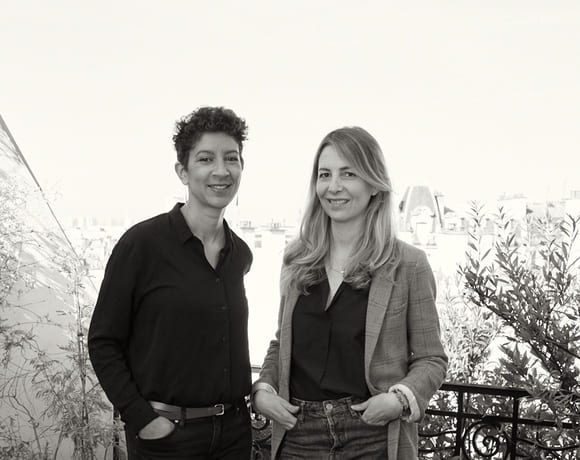
AVOIR
Structural Unknowing
DRATLER DUTHOIT architectes
Crafting Local Language
Claas Architectes
Building with the Region in Mind
B2A - barre bouchetard architecture
Embracing Uncertainty in Architecture
AcmĂŠ Paysage
Nurturing Ecosystems
Atelier Apara
Architecture Through a Pedagogical Lens
HEMAA
Designing for Ecological Change
HYPER
Hyperlinked Scales
Between Utopia and Pragmatism
Oblò
Dialogue with the Built World
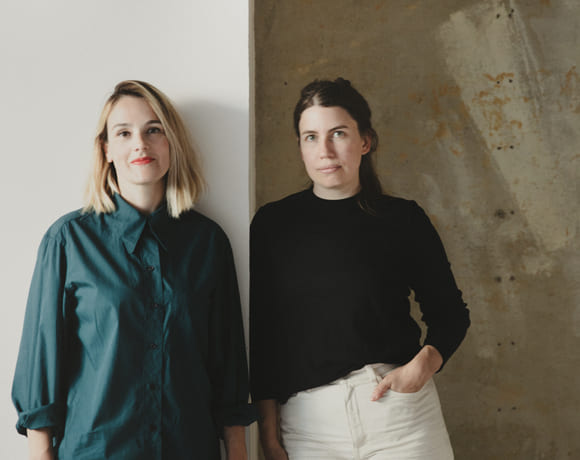
Augure Studio
Revealing, Simplifying, Adapting
Cent15 Architecture
A Process of Learning and Reinvention
Pierre-Arnaud DescĂ´tes
Composing Spaces, Revealing Landscapes
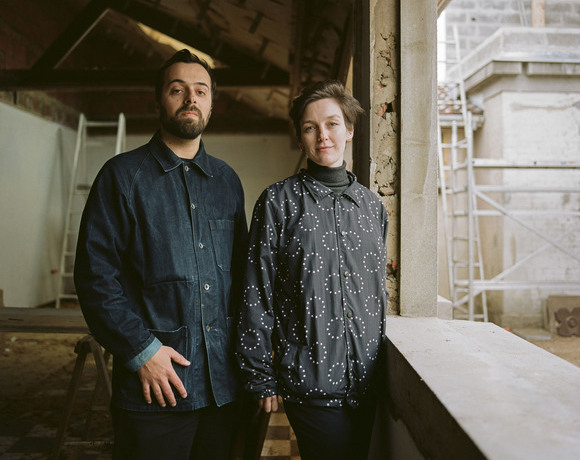
BUREAUPERRET
What Remains, What Becomes
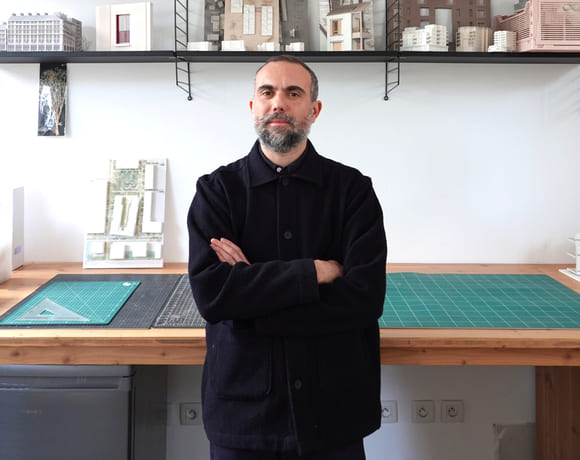
ECHELLE OFFICE
In Between Scales
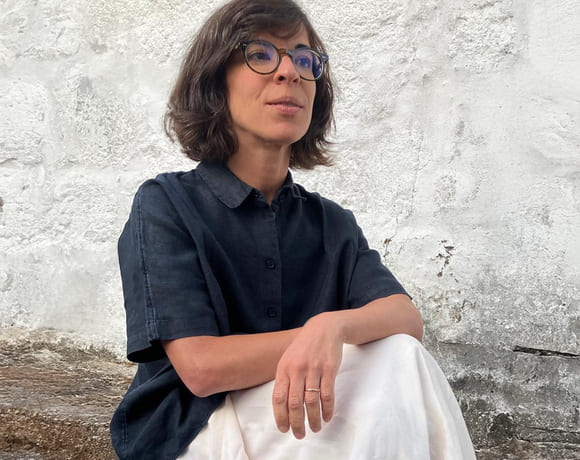
Atelier
Rooted in Context, Situated at the Centre
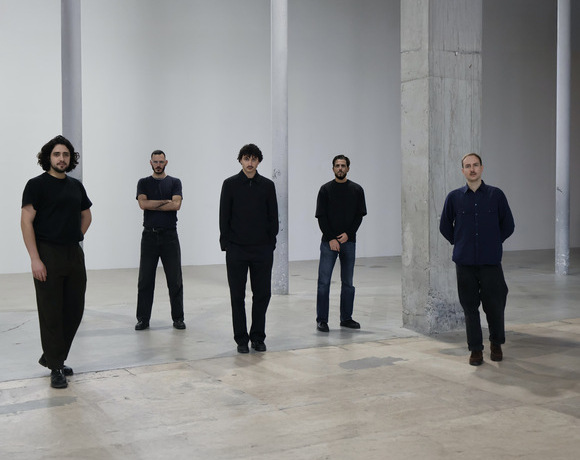
AJAM
Systemic Shifts, Local Gestures
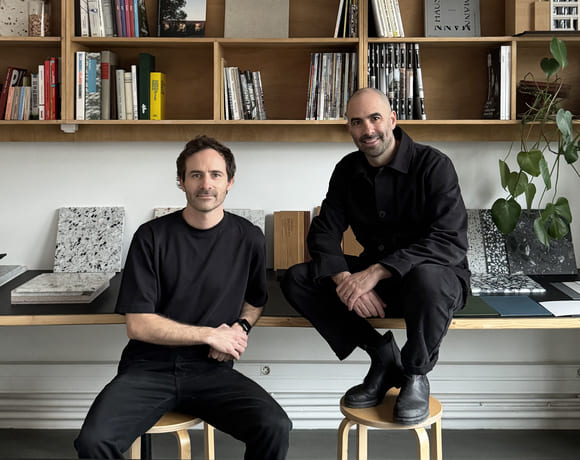
Mallet Morales
Stories in Structure
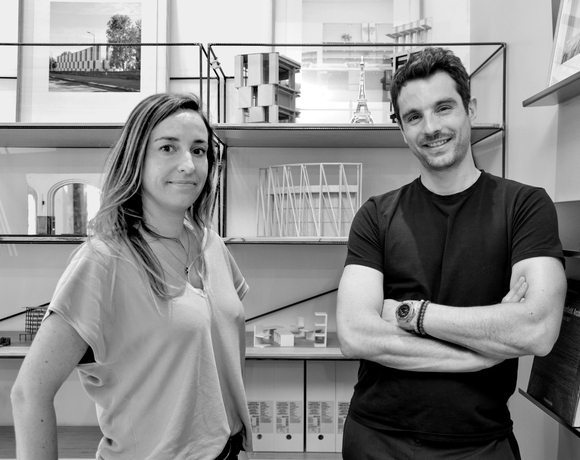
Studio SAME
Charting Change with Ambition
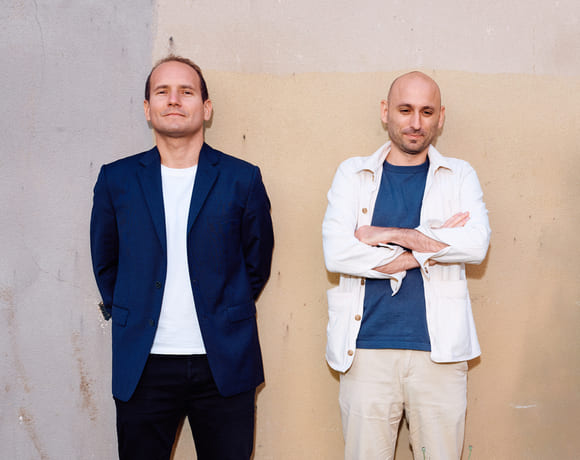
Lafayette
Envisioning the City of Tomorrow
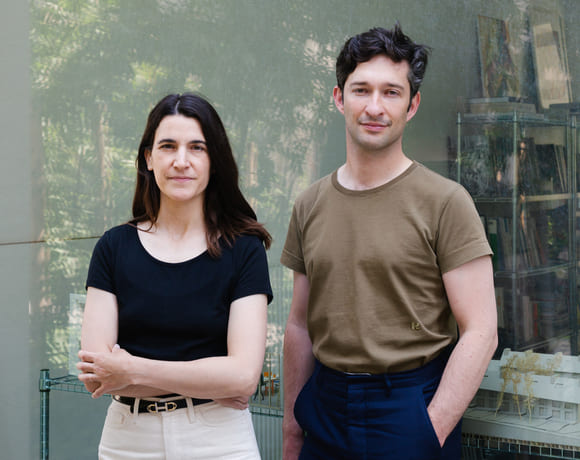
Belval & Parquet Architectes
Living and Building Differently
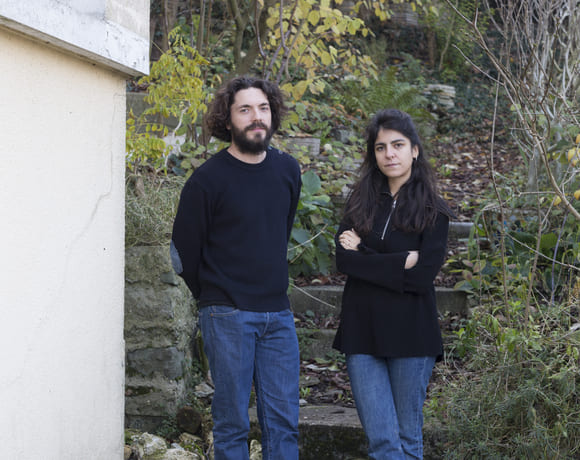
127af
Redefining the Common
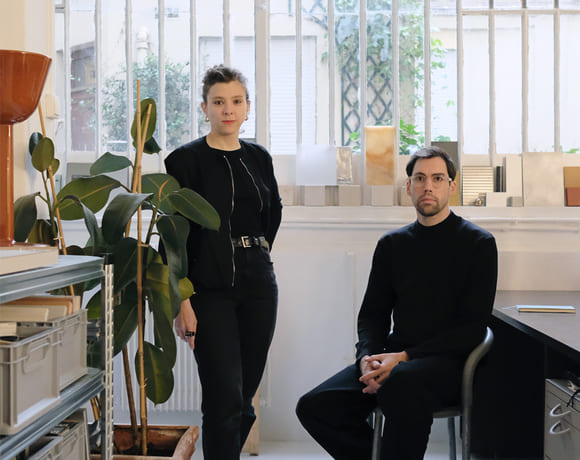
HEROS Architecture
From Stone to Structure
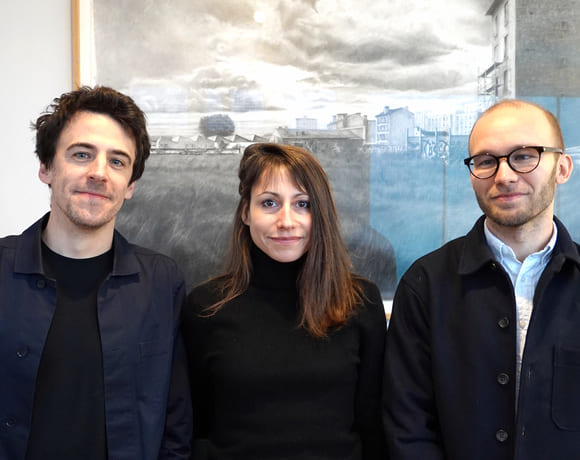
Carriere Didier Gazeau
Lessons from Heritage
a-platz
Bridging Cultures, Shaping Ideas
Rodaa
Practicing Across Contexts
Urbastudio
Interconnecting Scales, Communities, and Values
Oglo
Designing for Care
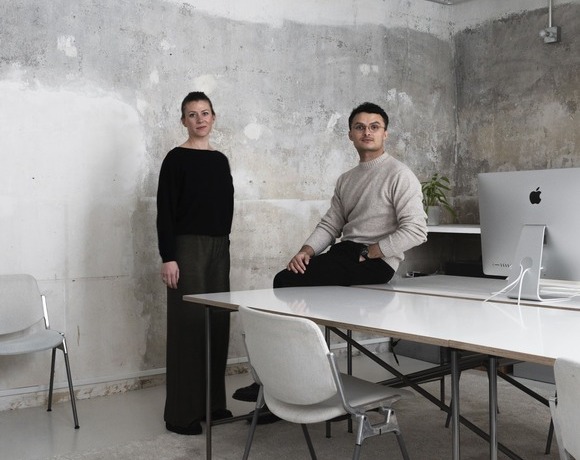
Figura
Figures of Transformation
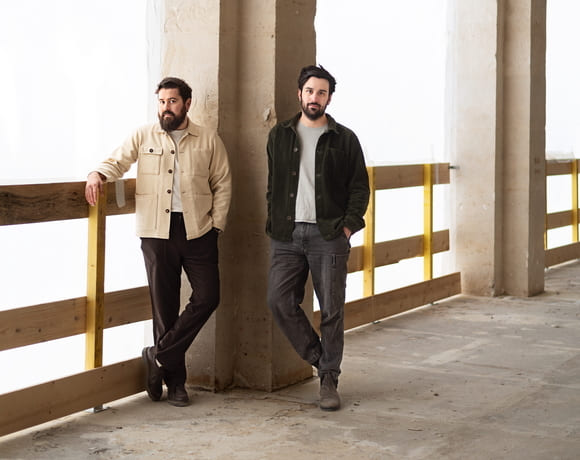
COVE Architectes
Awakening Dormant Spaces
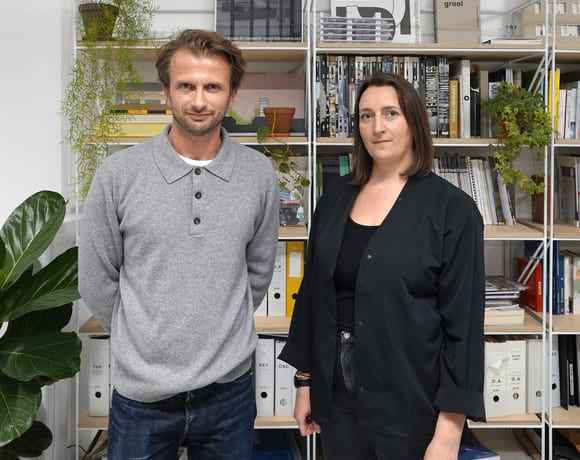
Graal
Understanding Economic Dynamics at the Core
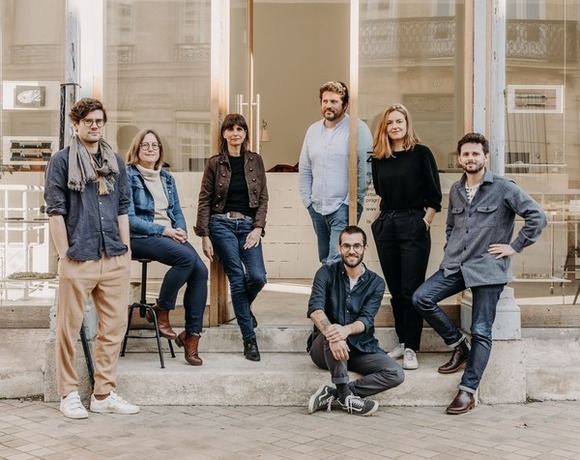
ZW/A
United Voices, Stronger Impacts
A6A
Building a Reference Practice for All
BERENICE CURT ARCHITECTURE
Crossing Design Boundaries
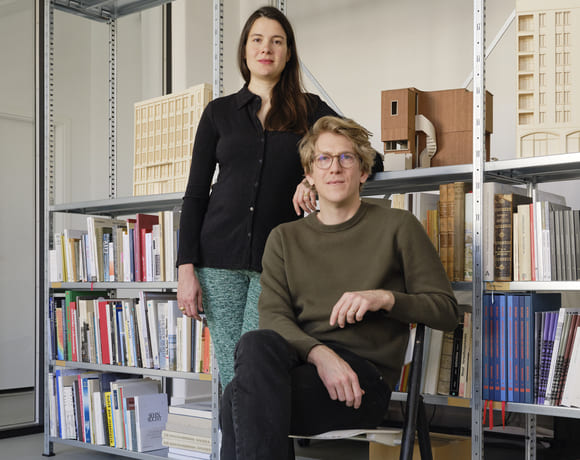
studio mäc
Bridging Theory and Practice
studio mäc
Bridging Theory and Practice
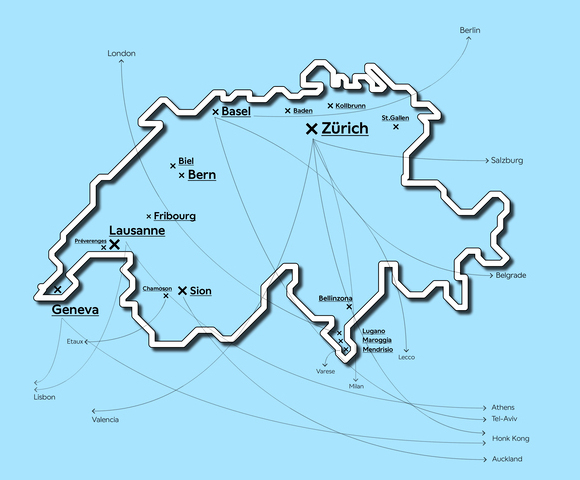
New Swiss Architecture
An Original Idea by New Generations
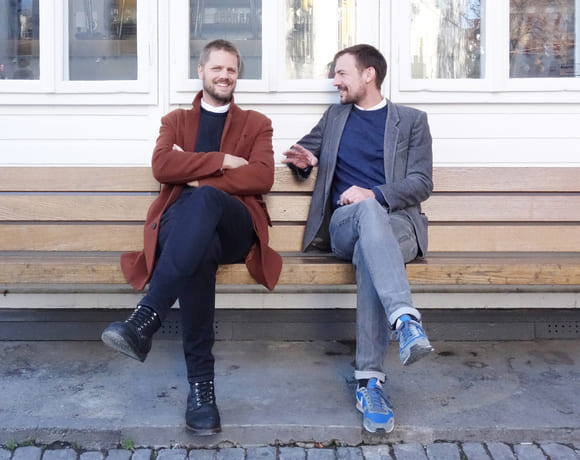
KUMMER/SCHIESS
Compete, Explore, Experiment
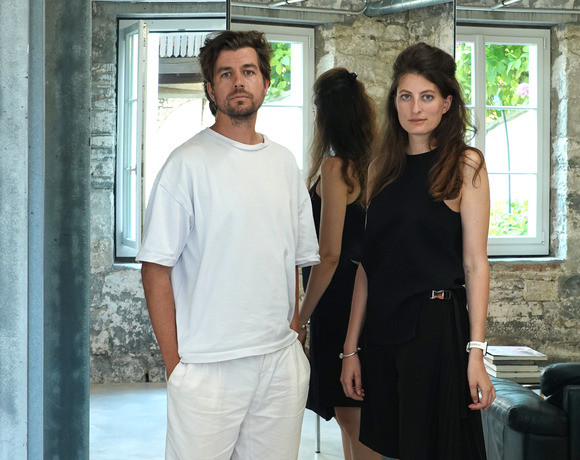
ALIAS
Stories Beyond the Surface
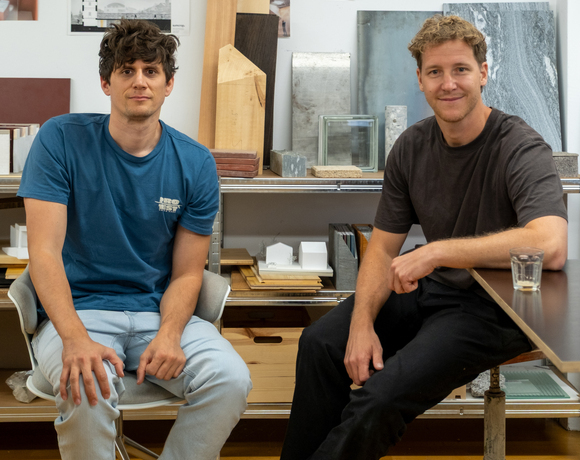
sumcrap.
Connected to Place
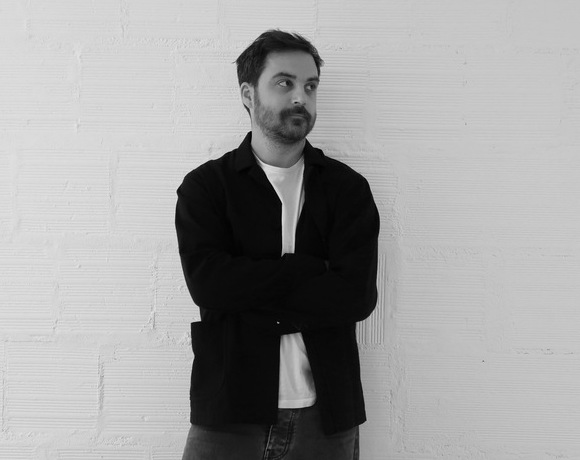
BUREAU/D
From Observation to Action
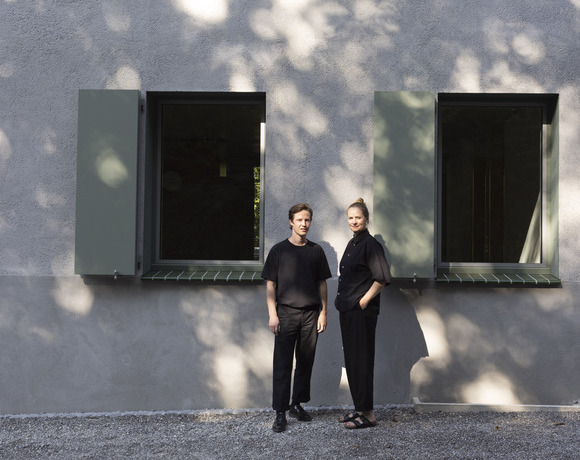
STUDIO ROMANO TIEDJE
Lessons in Transformation
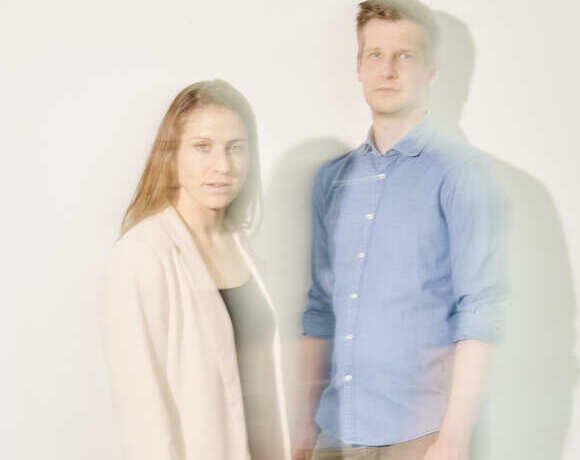
Ruumfabrigg Architekten
From Countryside to Lasting Heritage
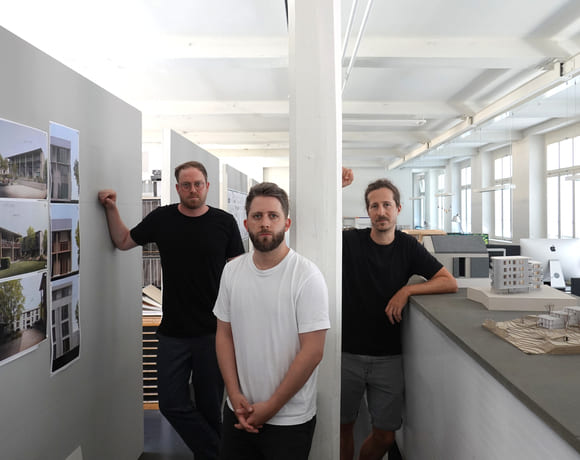
Kollektiv Marudo
Negotiating Built Realities
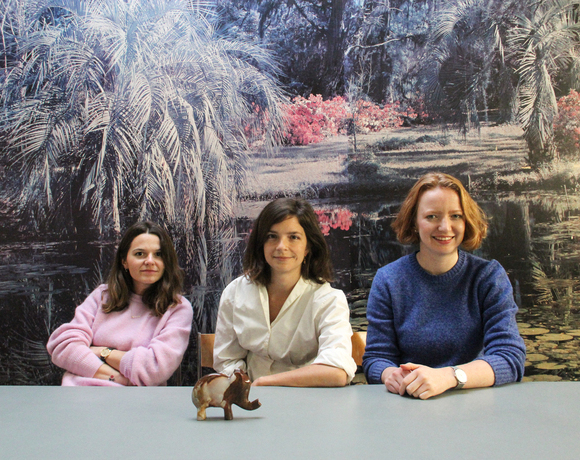
Studio Barrus
Starting byChance,Growing Through Principles
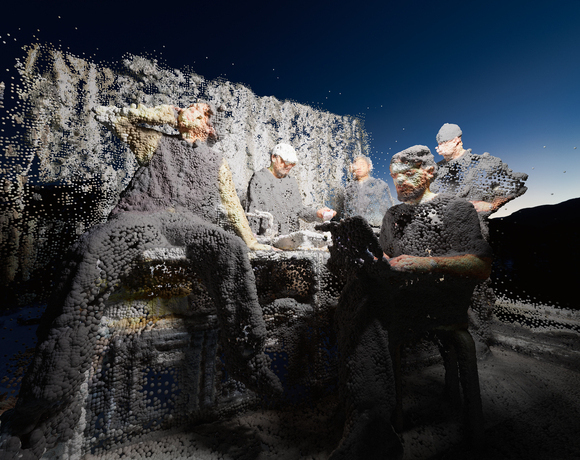
dorsa + 820
Between Fiction and Reality
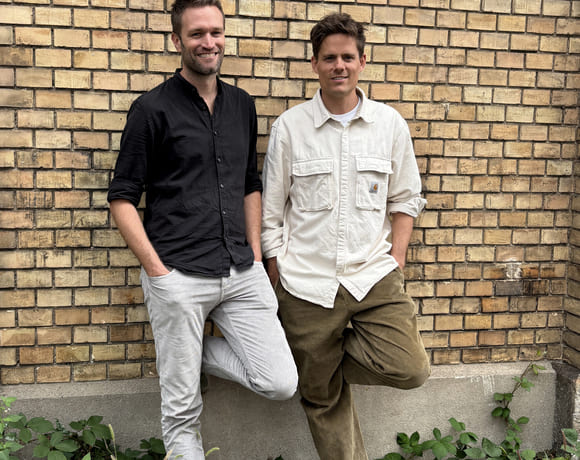
S2L Landschaftsarchitektur
Public Spaces That Transform
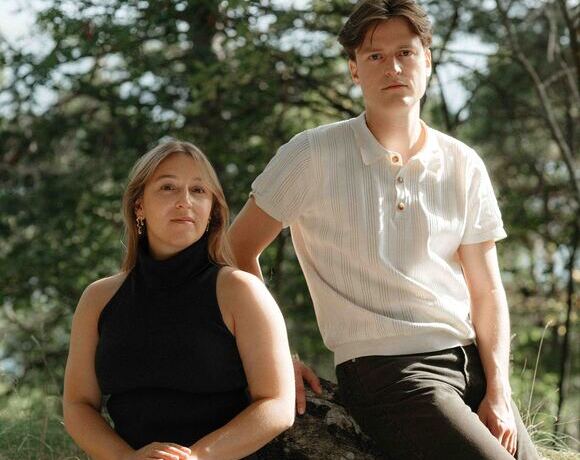
DER
Designing Within Local Realities
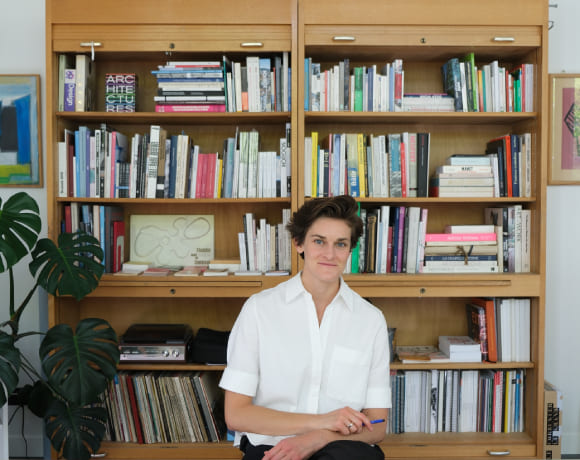
Marginalia
Change from the Margins
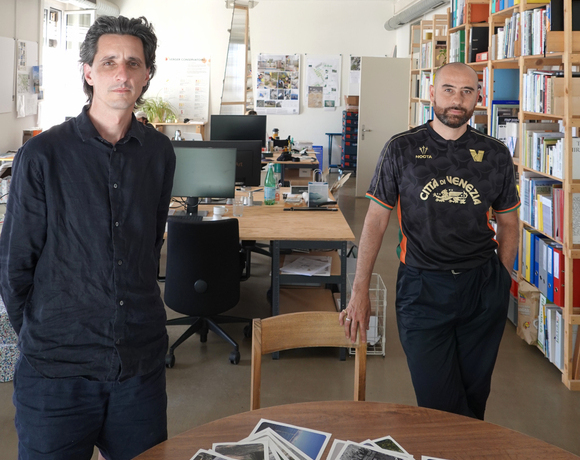
En-Dehors
Shaping a Living and Flexible Ecosystem
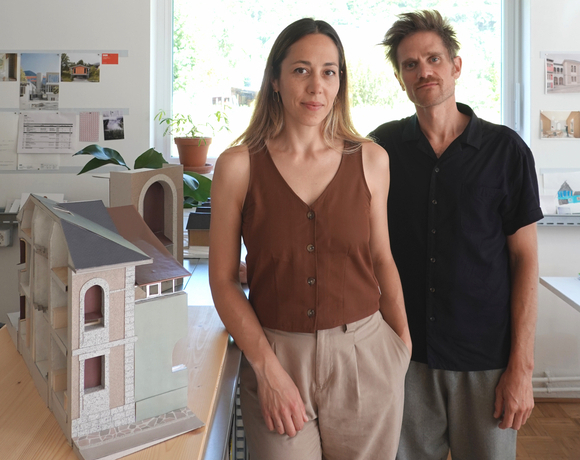
lablab
A Lab for Growing Ideas
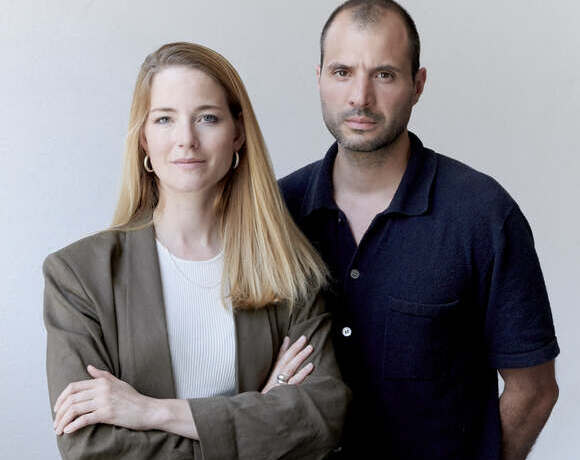
Soares Jaquier
Daring to Experiment
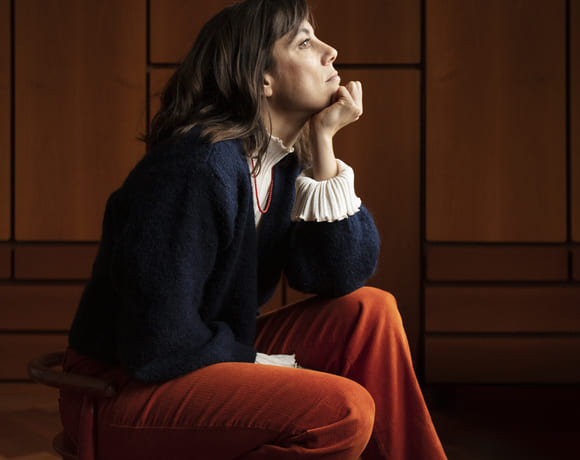
Sara Gelibter Architecte
Journey to Belonging
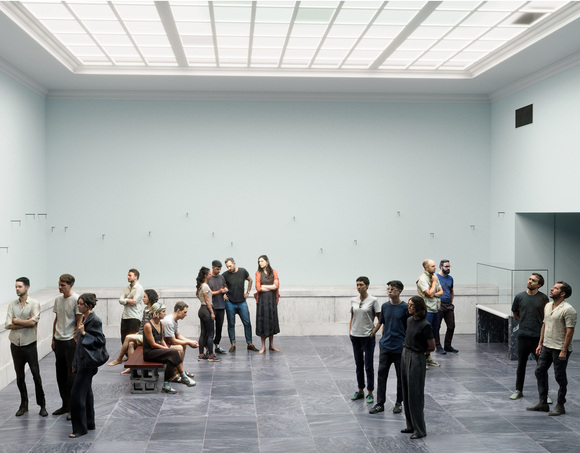
TEN (X)
A New Kind of Design Institute
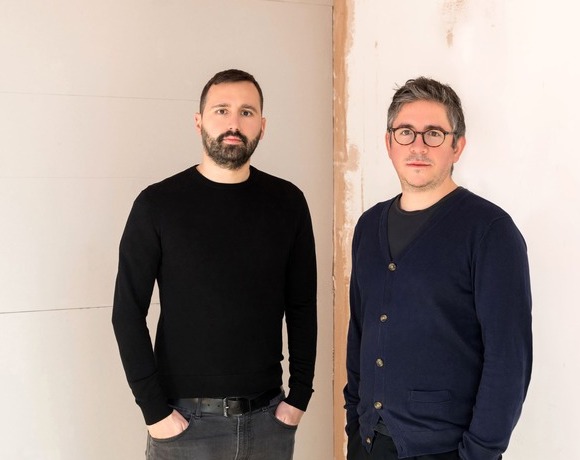
DF_DC
Synergy in Practice: Evolving Together
GRILLO VASIU
Exploring Living, Embracing Cultures
Studio â Alberto Figuccio
From Competitions to Realised Visions
Mentha Walther Architekten
Carefully Constructed
Stefan Wuelser +
Optimistic Rationalism: Design Beyond the Expected
BUREAU
A Practice Built on Questions
camponovo baumgartner
Flexible Frameworks, Unique Results
MAR ATELIER
Exploring the Fringes of Architecture
bach muĚhle fuchs
Constantly Aiming To Improve the Environment
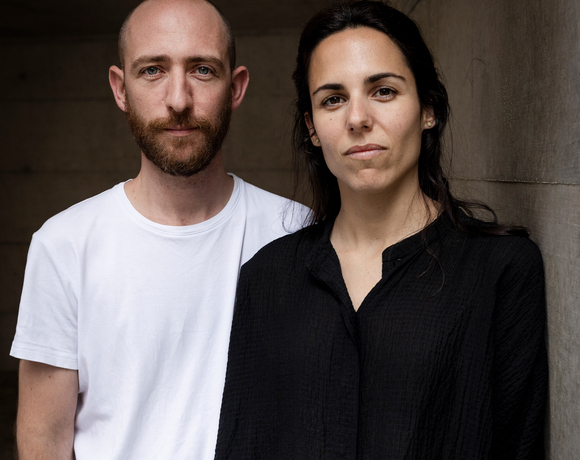
NOSU Architekten GmbH
Building an Office from Competitions
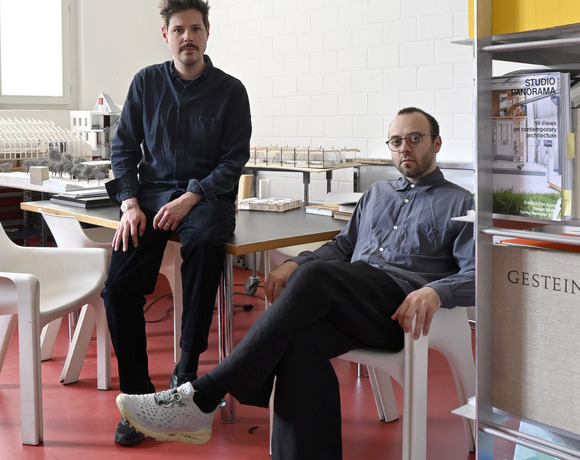
BALISSAT KAĂANI
Challenging Typologies, Embracing Realities
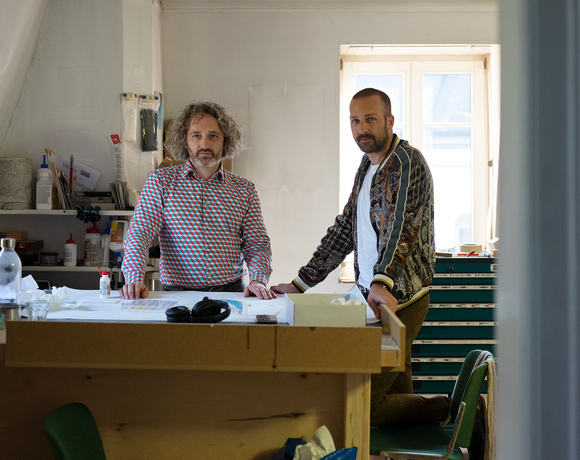
Piertzovanis Toews
Crafted by Conception, Tailored to Measure
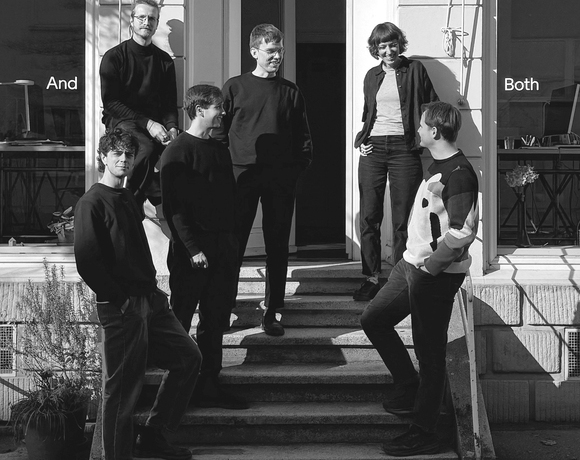
BothAnd
Fostering Collaboration and Openness
Atelier ORA
Building with Passion and Purpose
Atelier Hobiger Feichtner
Building with Sustainability in Mind
CAMPOPIANO.architetti
Architecture That Stays True to Itself
STUDIO PEZ
The Power of Evolving Ideas
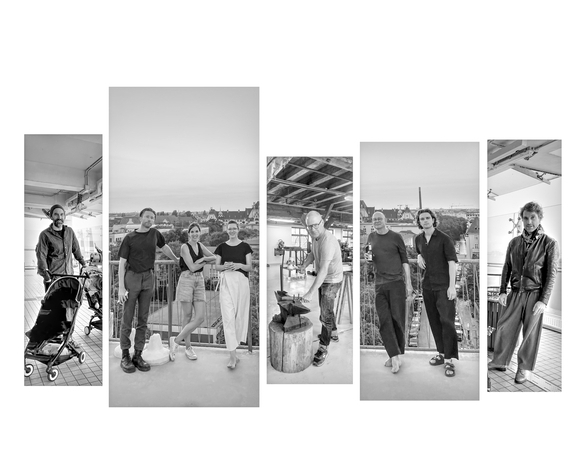
Architecture Land Initiative
Architecture Across Scales
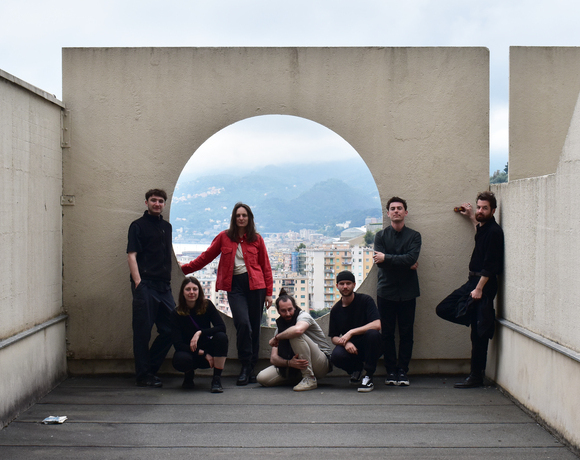
ellipsearchitecture
Humble Leanings, Cyclical Processes
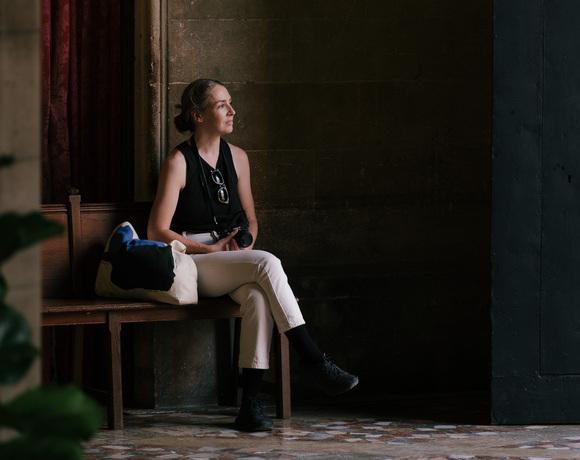
Sophie Hamer Architect
Balancing History and Innovation
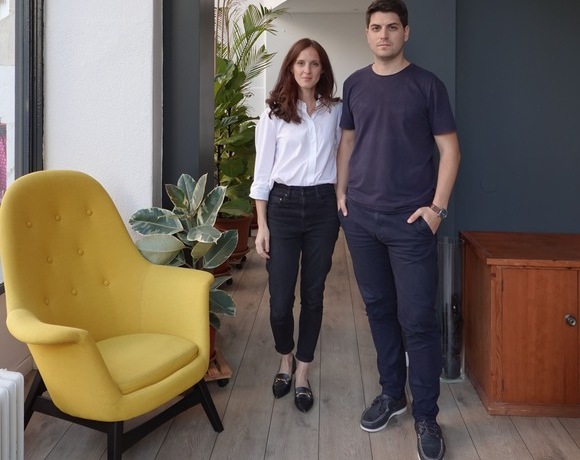
ArgemĂ Bufano Architectes
Competitions as a Catalyst for Innovation
continentale
A Polychrome Revival
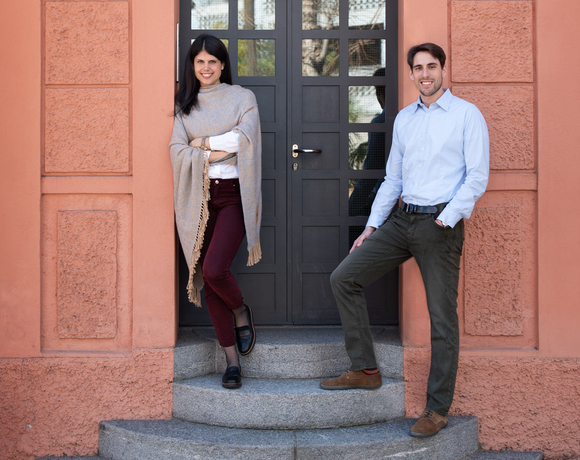
valsangiacomoboschetti
Building With What Remains
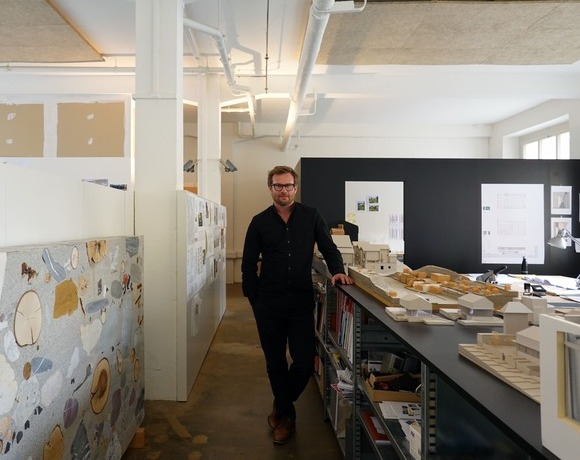
Oliver Christen Architekten
Framework for an Evolving Practice
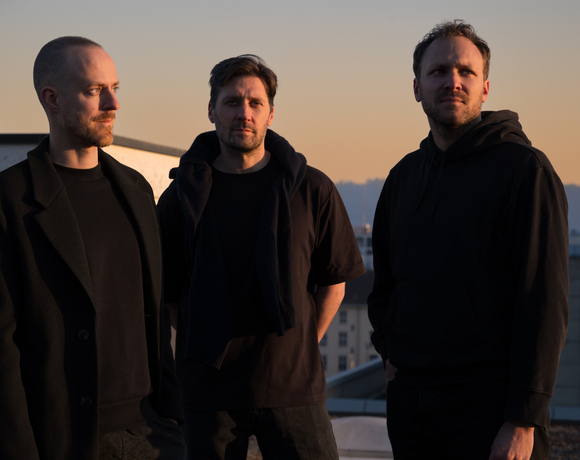
MMXVI
Synergy in Practice
Balancing Roles and Ideas
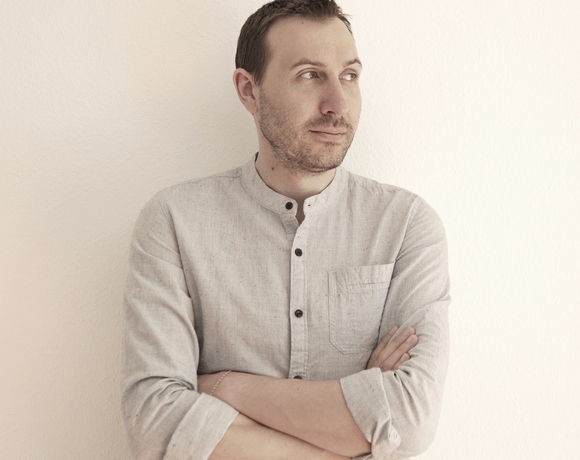
studio 812
A Reflective Approach to
Fast-Growing Opportunities
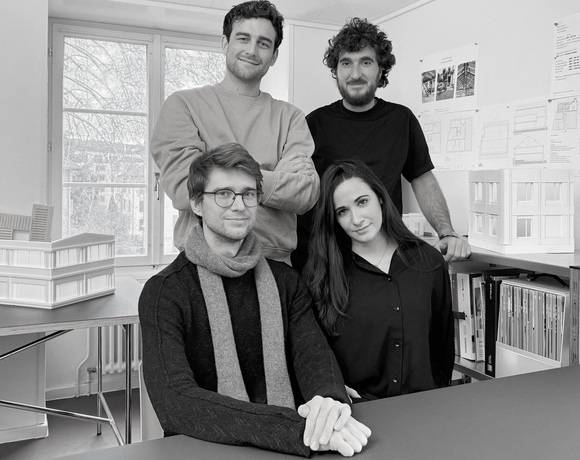
STUDIO4
The Journey of STUDIO4
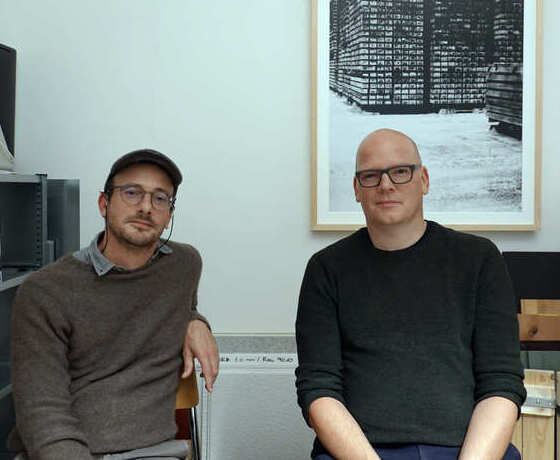
Holzhausen Zweifel Architekten
Shaping the Everyday
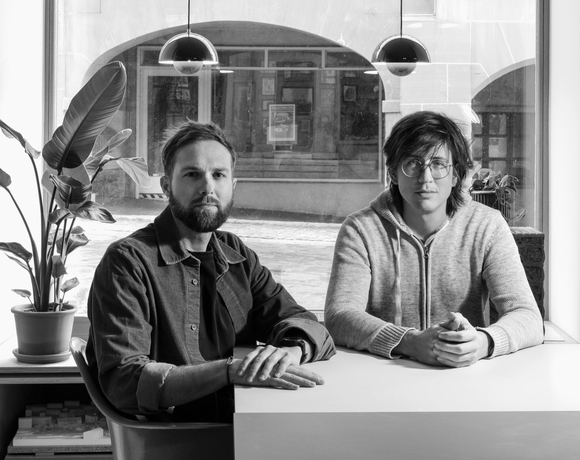
berset bruggisser
Architecture Rooted in Place
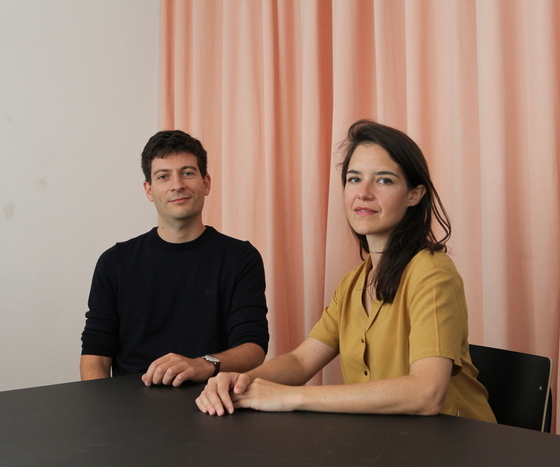
JBA - Joud Beaudoin Architectes
New Frontiers in Materiality
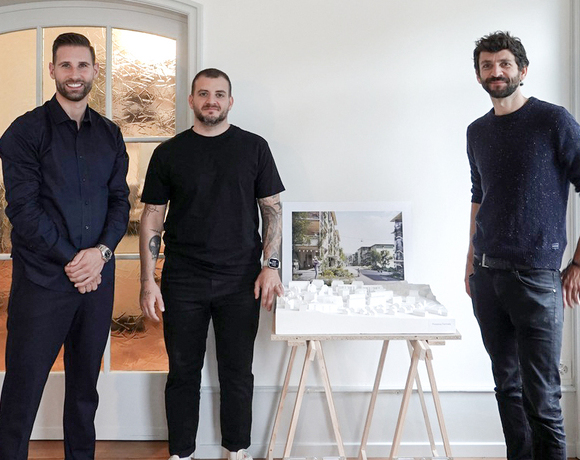
vizo Architekten
From Questions to Vision
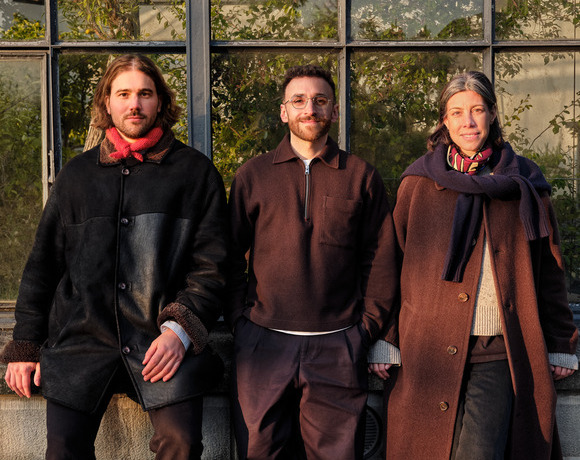
Atelier NU
Prototypes of Practice
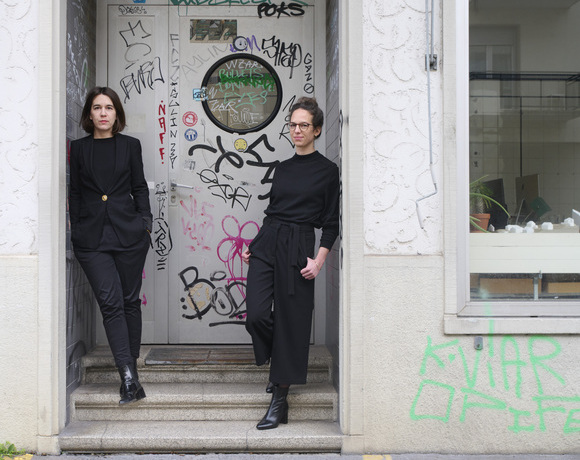
Atelier Tau
Architecture as a Form of Questioning
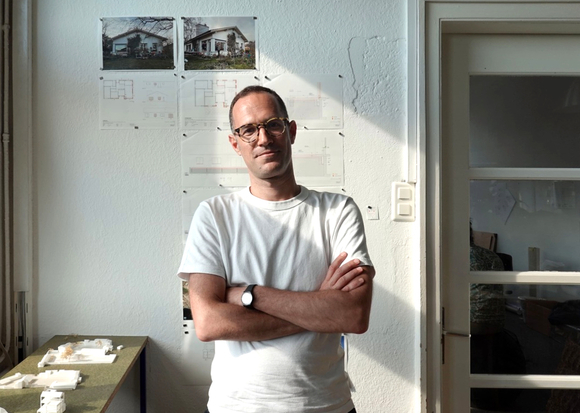
alexandro fotakis architecture
Embracing Context and Continuity
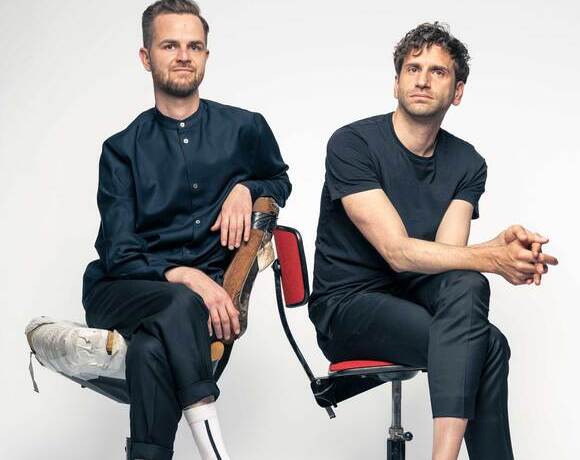
Atelier Anachron
Engaging with Complexity
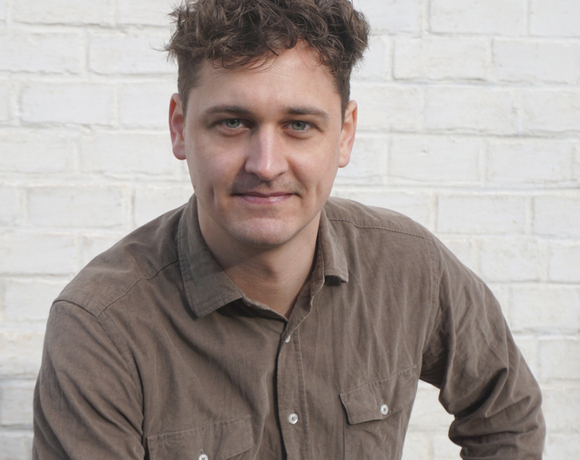
SAJN - STUDIO FĂR ARCHITEKTUR
Transforming Rural Switzerland
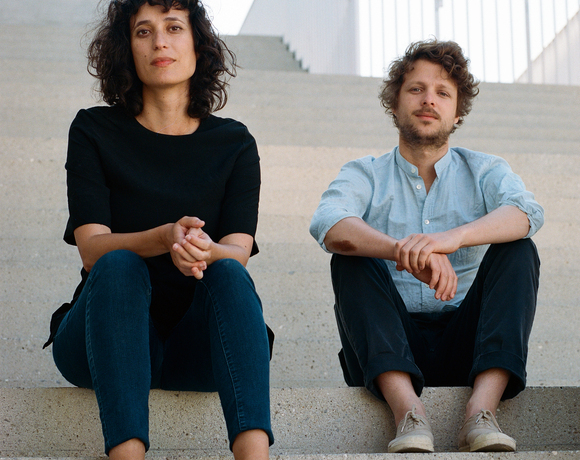
guy barreto architects
Designing for Others, Answers Over Uniqueness
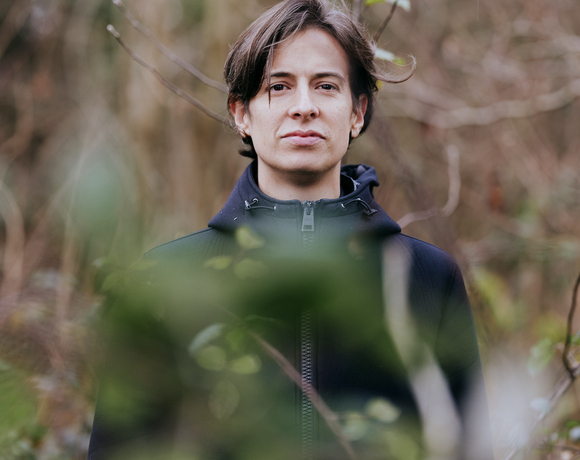
Concrete and the Woods
Building on Planet Earth
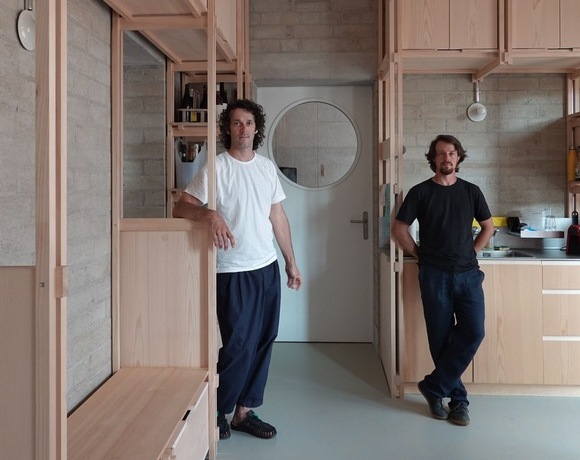
bureaumilieux
What is innovation?
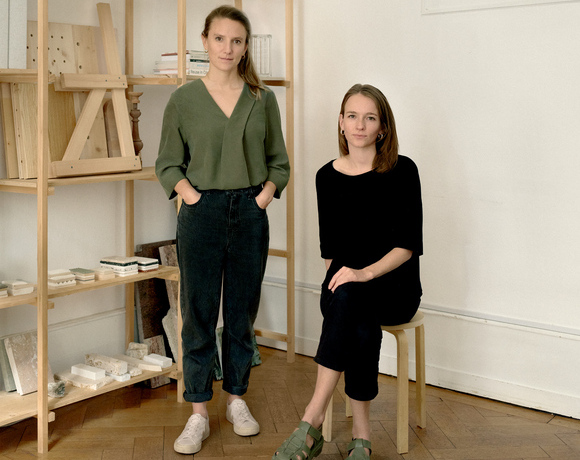
apropaĚ
A Sustainable and Frugal Practice
Massimo Frasson Architetto
Finding Clarity in Complex Projects
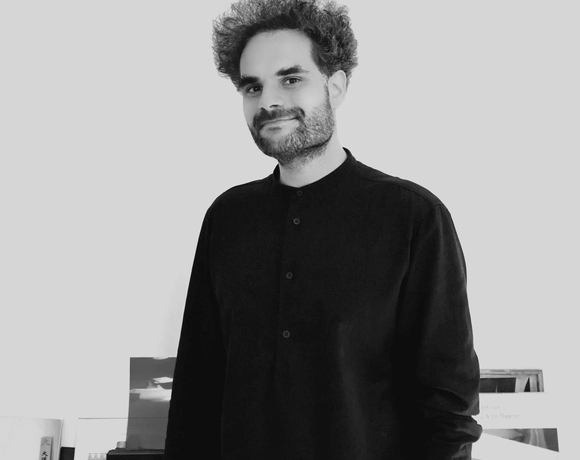
Studio David Klemmer
Binary Operations
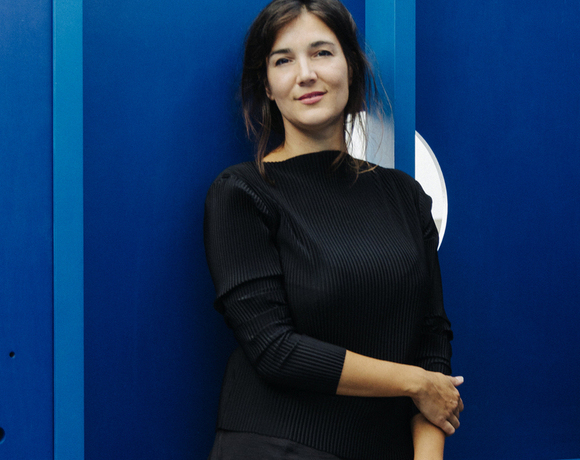
Caterina Viguera Studio
Immersing in New Forms of Architecture
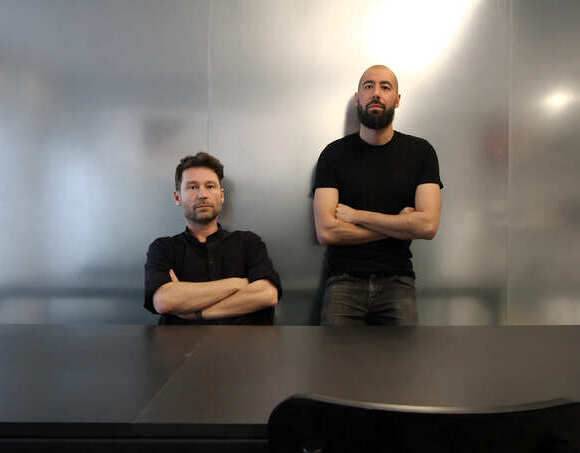
r2a architectes
Local Insights, Fresh Perspectives
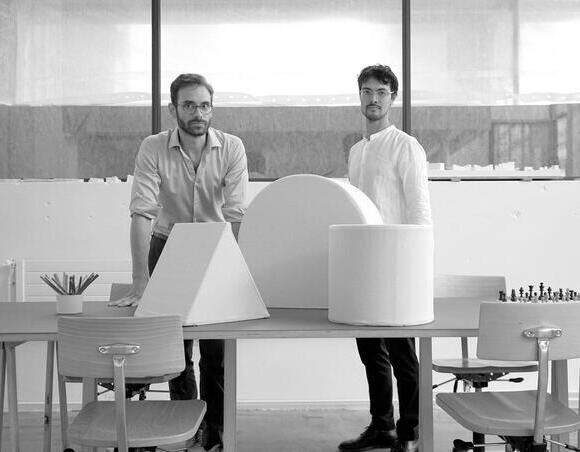
HertelTan
Timeless Perspectives in Architecture
That Belongs
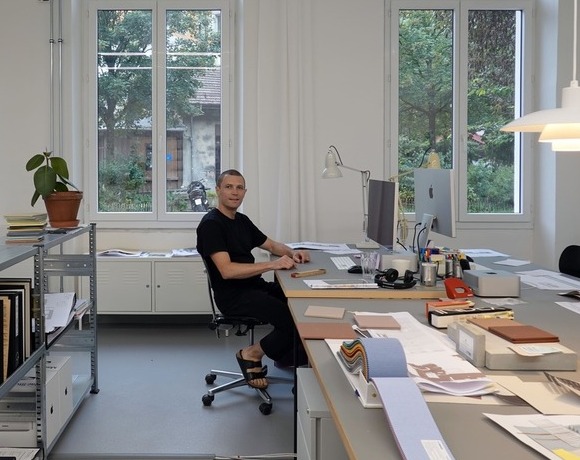
Nicolas de Courten
A Pragmatic Vision for Change
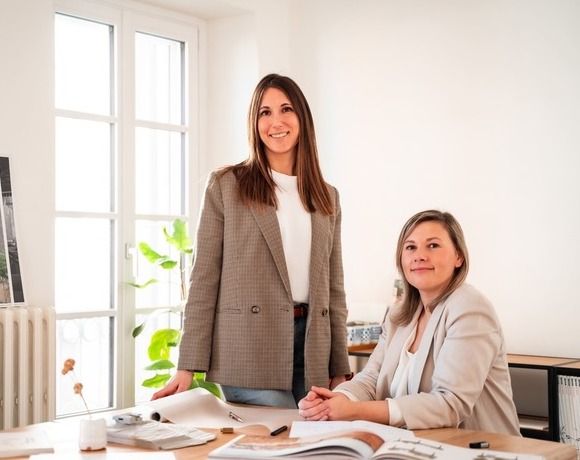
Atelier OLOS
Balance Between Nature and Built Environment
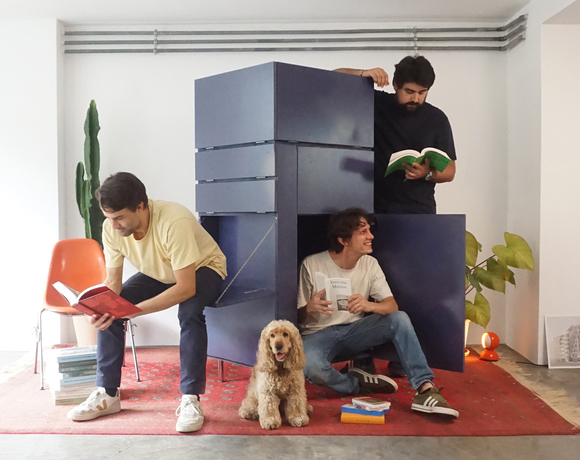
Associati
âCheap but intenseâ: The Associati Way
emixi architectes
Reconnecting Architecture with Craft
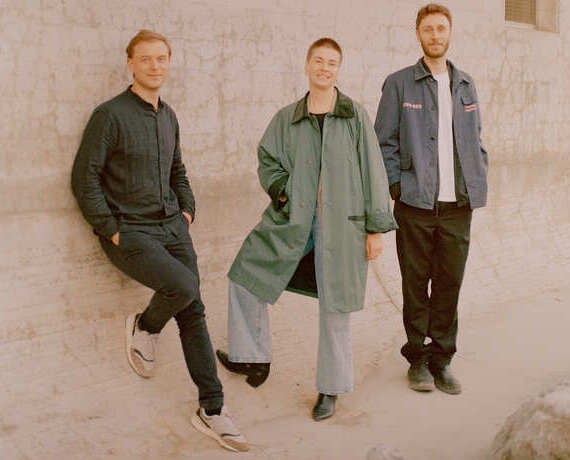
baraki architects&engineers
From Leftovers to Opportunities
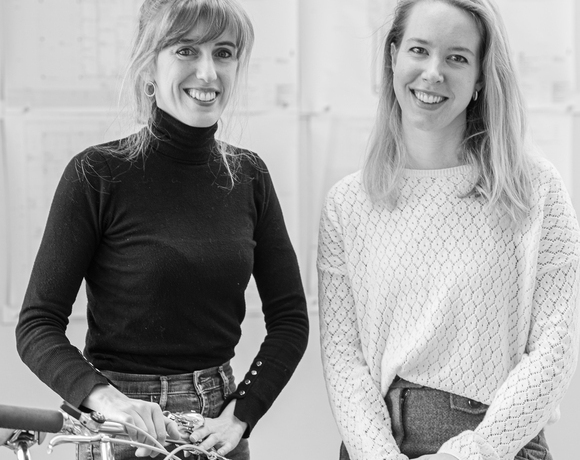
DARE Architects
Material Matters: from Earth to Innovation
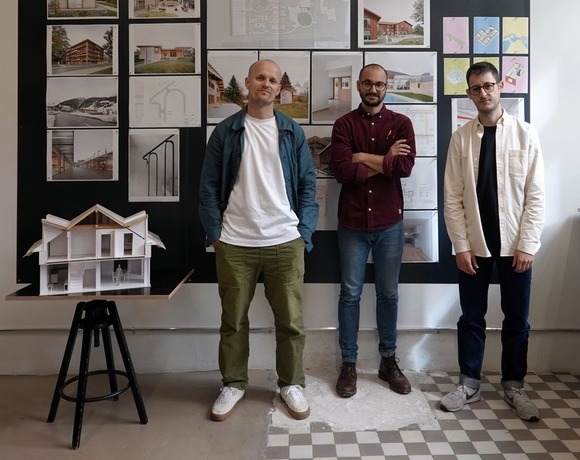
KOMPIS ARCHITECTES
Building from the Ground Up
Fill this form to have the opportunity to join the New Generations platform: submissions will be reviewed on a daily-basis, and the most innovative practices will have the chance to be part of the media's coverage and participate in our cultural agenda, including events, research projects, workshops, exhibitions and publications.
New Generations is a European platform that investigates the changes in the architectural profession ever since the economic crisis of 2008. We analyse the most innovative emerging practices at the European level, providing a new space for the exchange of knowledge and confrontation, theory, and production.
Since 2013, we have involved more than 3.000 practices from more than 50 countries in our cultural agenda, such as festivals, exhibitions, open calls, video-interviews, workshops, and experimental formats. We aim to offer a unique space where emerging architects could meet, exchange ideas, get inspired, and collaborate.
An original idea of New Generations
Team & collaborators: Gianpiero Venturini, Marta HervĂĄs Oroza, Elisa Montani, Giuliana Capitelli, Kimberly Kruge, Canyang Cheng
If you have any questions, need further information, if you'd like to share with us a job offer, or just want to say hello please, don't hesitate to contact us by filling up this form. If you are interested in becoming part of the New Generations network, please fill in the specific survey at the 'join the platform' section.
Structural Unknowing
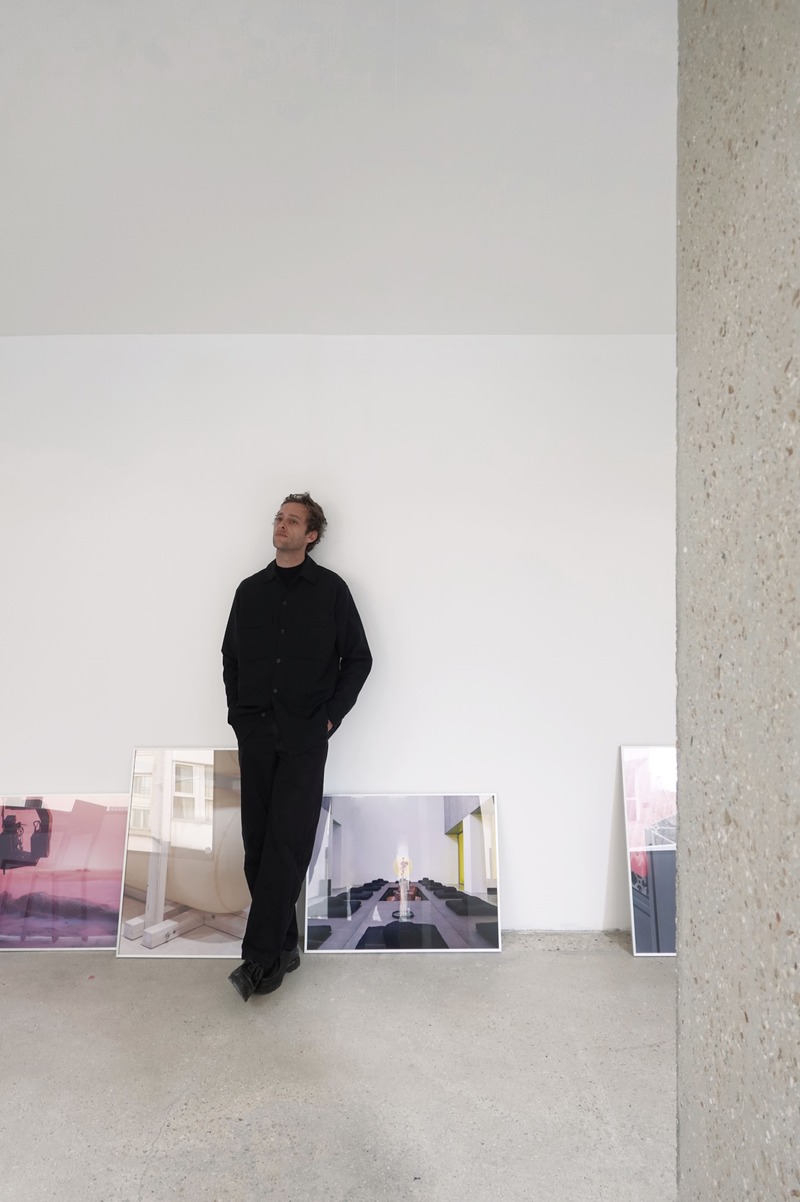
[a.vwar] French for âto haveââis a transitive verb, literally binding our experience of the material world. Founded in 2019 by Arthur Van Peteghem & Marine Decherf, Avoir is a Paris-based architecture and design studio operating across a wide range of formatsâincluding buildings, interiors, retail, furniture, shows, installations, and exhibitions. Free from rigid stylistic doctrines yet in constant dialogue with diverse forms of knowledge, their approach combines conceptual rigour and technical expertise to engage with contemporary socio-cultural dynamics at multiple scale.
AP: Arthur Van Peteghem
Working in the gaps
AP: One persistent issue in France is the centralisation of opportunities in Paris. It remains the countryâs professional epicentre, which can be limiting. After COVID, some architects have moved to smaller cities like Bordeaux or Marseilleânot exactly rural, but certainly outside the capital. Still, Paris continues to dominate, acting as both a national and international showcase. If you want visibility or to grow a practice, there's often a sense that you have to be here, which feels like a pressure, as if this centralised visibility was mandatory for opportunities - which is also a contemporary mechanism much reflected digitally on social platforms online.
This imbalance begins in education. Architecture and design schools, often under the Ministry of Culture, inherit a Beaux-Arts tradition thatâs largely theoretical and historical, disconnected from practice. At my school, Paris-Belleville, there was little to no technical trainingâno AutoCAD, no real exposure to contemporary work. Teachers encouraged us to focus on traditional architectural figures, often dismissing more contemporary references of that time, like Koolhaas. As a result, students graduate with a romanticised idea of the profession and very few practical tools.
This situation seems to have started to change for the next generation of students. People in my generation are now teaching, which naturally re-adjusts the pedagogical methodology and focus.
Once out of school, there were two main options: follow the traditional path in an office, or explore alternatives. I was more drawn to the latter. We looked at practices like OMA/AMO that worked across disciplinesâdesigning fashion shows, cultural projects, architectureâand saw potential in that kind of versatility. In Paris, we realised that much of the funding for creative work comes from cultural institutions and luxury brands. That ecosystem, though small and highly competitive, opened up new spaces for experimentation. We saw how a few large production companies were already operating at this intersection of architecture and event design, shaping spaces on a much broader scale.
A reality of their own
AP: After working a few years with Renzo Piano, I joined BUREAU BETAK with this curiosity in mind. They needed an architect for a large-scale project for one of their clients. That was the start of observing a different way to work and to find a reality of our own, even if school hadnât prepared us.
I had friends who left the professionâsome pursued further studies to become intermediaries between architects and clients, like advisors or an assistant Ă la maĂŽtrise dâouvrage: a negotiator. They thought theyâd have more impact on the final outcome than just designing the building. I found that very interesting. This is something we try to hold onto: the architectsâ capacity to orient, delimit, point to, or provide a viewpointâquite literally offering a perspective on a situation or context. Thatâs why the projects weâre doing now often hover on this blurry boundary between designing and advising. It could be defined as something like creative direction, but with drawings and construction as the outcome.
For example, we design furniture sets to present collections and develop fixtures or hanging systems for exhibitions. These elements often travel to different locations, serving as pop-up stores, and eventually settle in the clientâs office as showroom pieces. Itâs a collaborative series of small-scale projects, all unified by a distinct identity tailored to each brand. Just as brands have long crafted visual identities, they are now increasingly interested in how they are represented in space. I often compare visual identity to spatial identityâan idea that tries to capture the dynamic of our work. We aim to understand how a client or brand expresses itself through architectural choices: materials, proportions, and uses. Itâs a bit like when you enter someoneâs homeâyou get to know them without talking by seeing a series of decisions or conditions that characterise that space. In a way, a brand is the ultimate character, and it has many homes.
Scaling down and reshape
AP: One of the first things I reflected on was the scale of the workâboth physically and over time. Large projects like those at Renzo Pianoâs office often take years to complete. The buildings are excessively large and complex, and the connection between architects and the final result can feel like a powerless story in a certain wayânot exactly a lack of control, but a kind of obscured relationship. At that scale, clients are often buying a name, and star architects paradoxically end up selling their signature to buy creative freedom or influence. Iâm not saying the architecture is bad, but the added value often leans more towards a sense of strange transactional branding of space. Coming from a school that was sceptical of architect celebrity culture, working in such an office felt like a contradictory choice. I remember Renzo reviewing a project and spending 15 to 30 minutes focusing exclusively on a tiny gestureâtreating the building like a sculpture. There were amazing structural insights about how to build and use materials ambitiously and with great intelligence, but alongside that was this polished, poetic, valuable, almost virtuous way of shaping the work that I didnât always feel comfortable with.
I left that environment to find something more connected to other disciplinesâsomething less traditional or boxed than architectural practices. I found the complete opposite in fashion set design: working on temporary construction with huge budgets but extremely tight deadlines and a sometimes absurd and wasteful way of building. This was something we integrated early as a positive challenge: how could we bring architectural thinking and an economy of means into the extravagantâand often contradictoryâworld of luxury fashion? We were fortunate enough to meet on some of these questions with our first client, Marine Serre, a fashion designer from France who has worked a lot with upcycling garments. Sheâs making couture dresses with bedsheets and using interesting approaches that we could easily translate or see resonating in architecture, design, furniture design, and objects.
So, we first started to do exactly what she was doing, basically mirroring her methodology into her own brand environment, upcycling elements and parts of objects, machines, and furniture from different eras to reassemble fixtures to present her collection in her showroom or stores. That evolved to other projectsâwe worked on a fashion show, or, rather, a fashion movie during Covid with her, where we did the production, set design, and conceptual research. This is genuinely how it beganârooted in doubts and observations about the current state of the profession. What struck us was that, in this particular context of this commercial and cultural circus of fashion and luxury. Paris becomes a true destination, drawing waves of people, especially during fashion weeks. We found ourselves in the midst of this energy, swept into a fertile economy that allowed us to take root. We embraced the opportunity and, over the first five years, gathered a rich and varied body of work.
More than a name
AP: I once read that Rem Koolhaas and Elia Zenghelis initially considered calling OMA âThe Office of Dr. Strangelove,â or something along those lines. I believe a practiceâs name should have some kind of hook or question in it. This is how AVOIR came to mind. I have to admit itâs a weird name, and I take full responsibility for that. But having a quirky or unusual name is probably also the purpose of actually having a name. Avoir, which means âto haveâ in English, brings us back to the root of our practiceâgrounding it in a basic, almost obvious conceptual and intellectual idea: life starts with just being. Then, what is having? What does it really mean? In other words, what is our direct relationship with this world? Itâs the most open definition I could give to what comes just before architectureâthe fundamental need to create is, I believe, driven by our basic relationship with life as it appears or as it happens, materially and temporally.
Avoir is also a transitive verb that you cannot use alone. It just does not exist by itself, which I think is also true about architecture. Itâs interdependent and thus always correlated to something. You can âhave an experienceâ, you can âhave a cup of coffeeâ, you can âhave a houseâ, but you canât have nothing! Anything happening is the product of a set of causes and conditions.
Minimal means, maximum intent
AP: Our generation, which grew up exposed to the birth of so-called starchitecture as part of the evolution of advanced capitalism, is now trying to go back to a more humble or meaningful proposal of what architecture could be, scaling back on ego in favour of a model that promotes the work and production itself. I've seen it called ânew pragmatism.â Itâs just a much more tangible and obvious way of practising. It also seems to be much more honest. This pragmatic attitude has really favoured the emergence of new practices because they construct a project much faster and with more solid intentions. Weâre also starting to see a cohesive thread between practices. One can connect with other practices without even looking at their actual projects.
I think we really connect with the younger generation. And inside that, there are, of course, a few gestural notions that we have shared with other practices. One is upcycling or repurposingâthe idea or acceptance that not everything has to be designed, that a lot of things are produced industrially off-the-shelf, and that most building materials are actually finished or semi-finished products. Even a finished product, something made and used for a specific purpose, could be easily repurposed or thought of differently. That is not only, I think, a smart idea, but itâs also automatically a way to produce or reproduce an aesthetic, a form of collective or ubiquitous style in and of itself.
Something else thatâs personally important to us is our love for industrial components. By industrial components, I mean things not designed by designers but designed purely through functional considerations and often hidden or not exposed. That has, of course, become a style in itself; in the same way brutalism is a style, industrial architecture or design is a kind of style. From the very beginning, weâve used these industrial components, like composite aluminium lightweight panels, basically used for billboards. We expose their inner structure, revealing the language of fabrication that is traditionally hidden.
We try to approach materials for their physical properties rather than their aesthetic values, which may be a bit difficult to understand, but we have some examples that can speak for themselves. We transformed a typical terrace into a space for post-yoga sessions for Nike, where people could unwind and take part in guided relaxation. The table was transformed into a dinner table, and the cushions went on the ground so that people could have dinner together. It was just the most cost-effective and smart way of raising the table. Thereâs also an aesthetic dialogue with that sort of approach, which is more comfortable for us.
Another example is this really enormous 200-square-metre inflatable floating barrier, traditionally used in Denmark to prevent flooding. These are filled with air and water and put up around buildings. We used them for the Craig Green fashion show in London in 2022. We had a tight budget and had to seat 250 people. We try to correlate the physical property of the material with the use of the space. The way we move in an urban context or space can be micro-observed within the material somehow. So, imagine 250 fashionable people sitting to watch a show. We wanted to connect them tangibly. When a person sits down or gets up, the seat moves, responds to pressure. Plus, the material is super resistantâeven a knife couldnât puncture it.
Another example is a rotating shoe display we designed for a Swiss luxury sport-fashion brandâfunctional, on wheels, yet inspired by a street shop we saw in India. Even when working within the tight framework of brand contexts, I look for openings to bring in outside influences and propose objects that resist classificationânot quite furniture, not quite sculpture, but still purposeful. As it rotates, the shelves counterbalance the motion. Itâs as refined as architecture, yet deliberately ambiguous in scaleâand that ambiguity, I think, is a strength.
The intangibility of scale
AP: In terms of scale, if we take this idea of covering the spatial identity of a brand, whatâs interesting is the elasticity of scale. You could design invitations for a fashion showâsmall objects that are iconic and incorporate architectural value or thinkingâand also design the full space. So in one project, you have this tension between scales. Then we opened to furniture, a hybrid between office and home status for fixtures and furniture, developing hanging systems for garments, storage systems, seating, and tables. From there, we worked on travelling exhibitions and pop-up stores for some brands.
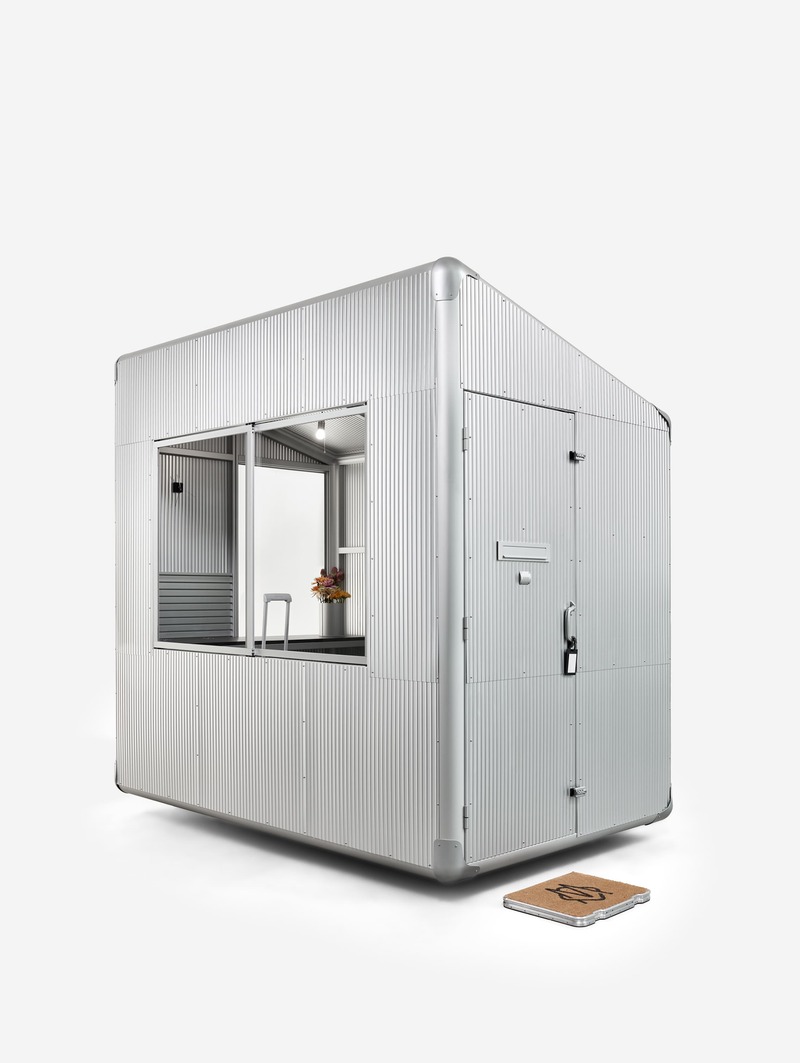
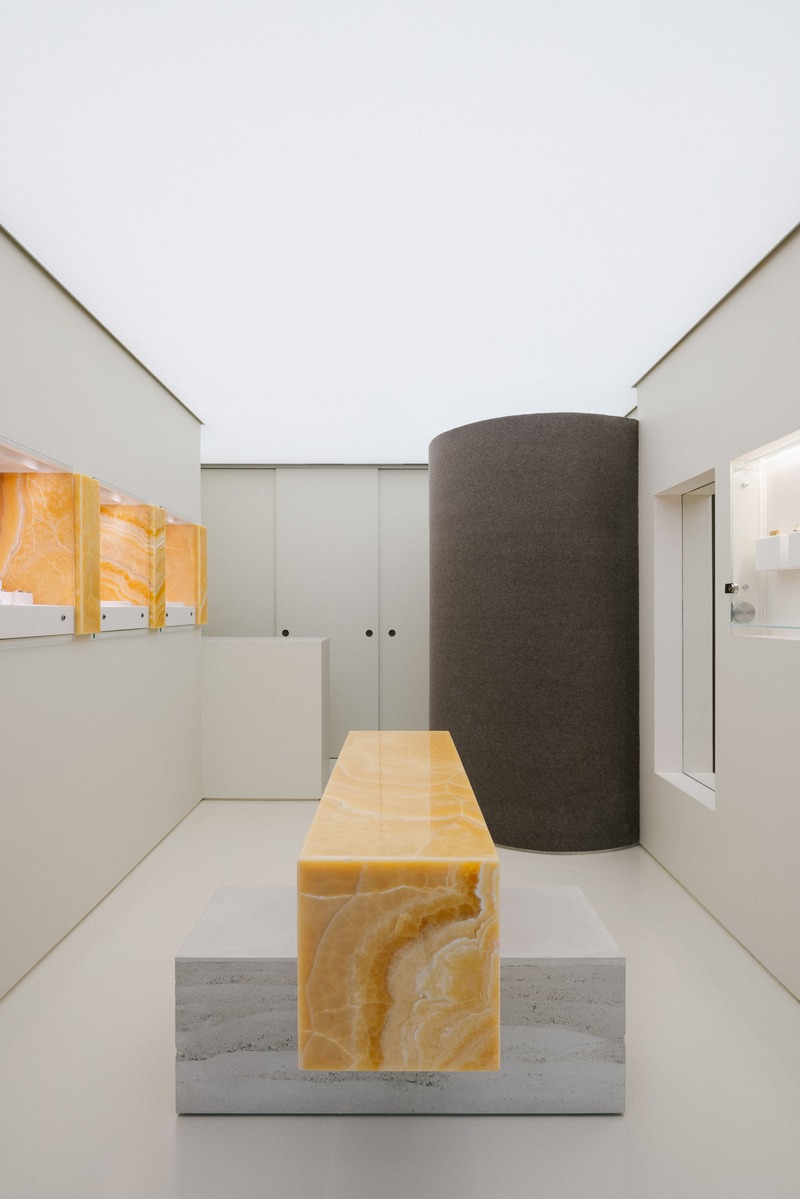
In 2022, we experimented with micro-architecture scale with a cabin project for RIMOWA, and in 2024, we finalised a permanent store in Rue de Grenelle, a 25-square-meter jewellery store. So I think weâre at that threshold of scaleâor, letâs say, at the maximum scale that we thought could define our practice. So we are now, funnily enough, back at the initial question: Is this an architecture studio? Do we want to be? What opportunities and contributions could we bring to the architectural scene? Even though we see a proliferation of diverse, exciting practices, I wonder where our meeting point is? Could we find some common ground that is intentional and not residual? Something more than pragmatism, a set of intentions that, no matter how diverse practices evolve, bring us together into a conversation. I think thatâs really needed.
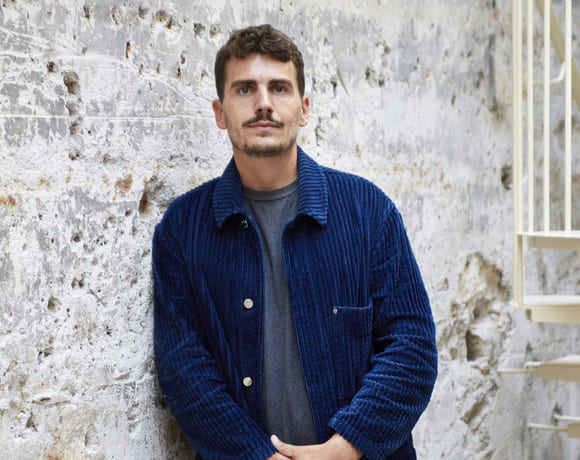
âĄď¸ AVOIR. Arthur Van Peteghem. Ph. Gianpiero Venturini
âĄď¸ Little Big Architecture. Rimowa cabin, Berlin. Ph. Gregor Kaluza
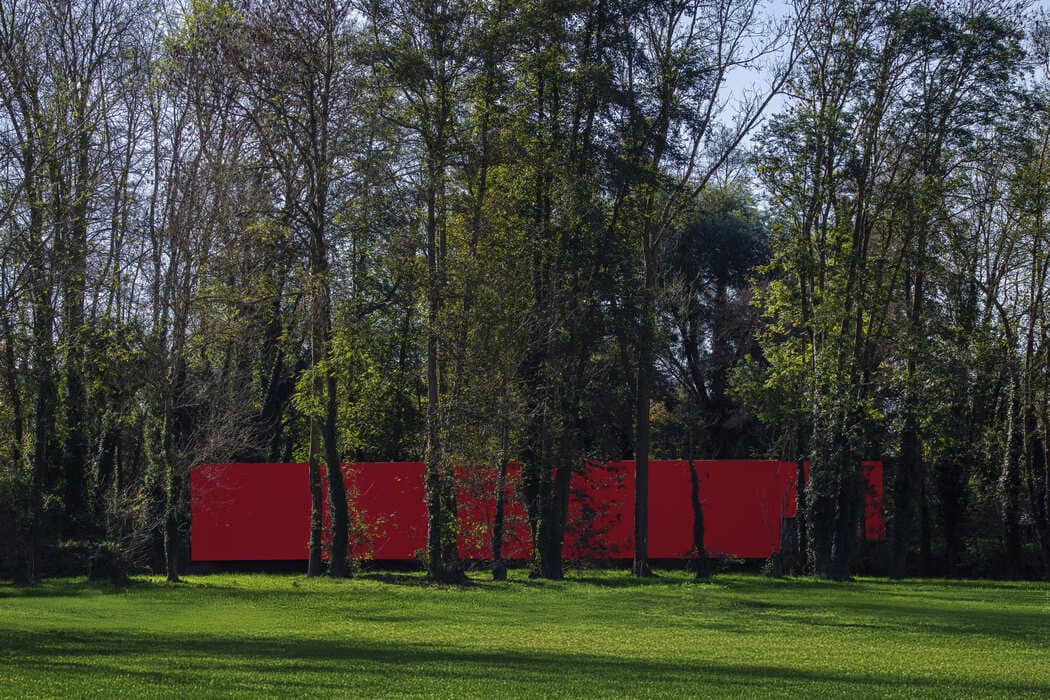
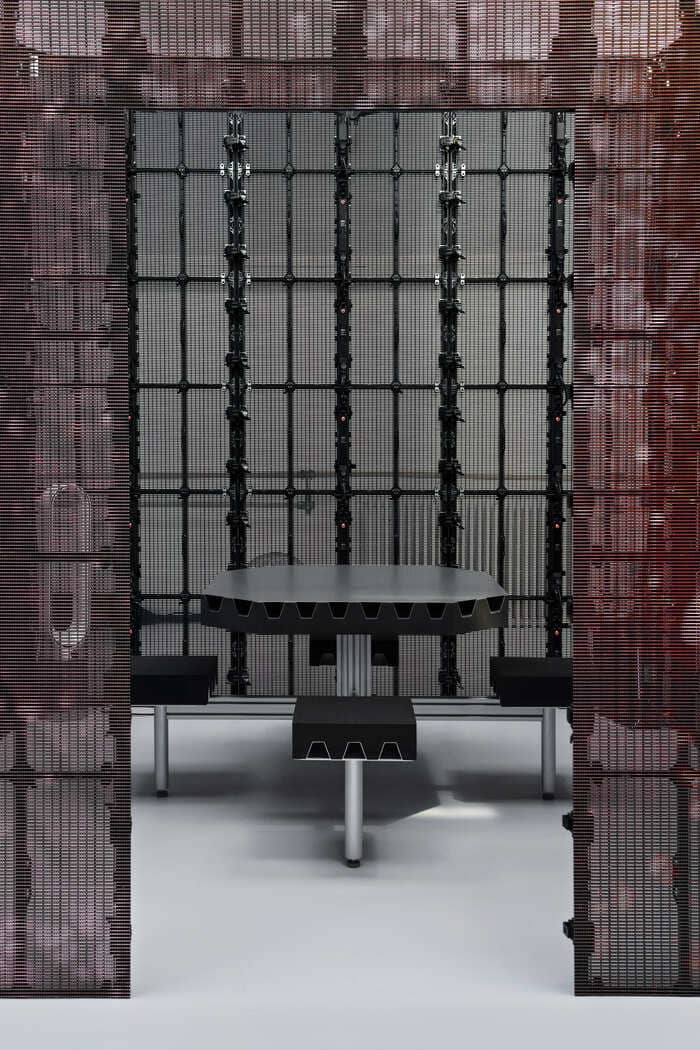
âĄď¸ WHOâS AFRAID OF RED AND GREEN? France. Ph. OphĂŠlie Maurus
âĄď¸ Current form. Fashion showroom, Paris. Ph. OphĂŠlie Maurus
âĄď¸ It matters. Jewellery store, Paris. Ph. Benoit Florençon
âĄď¸ Qualia. Fashion showroom, Paris. Ph. OphĂŠlie Maurus