Atelier Sierra
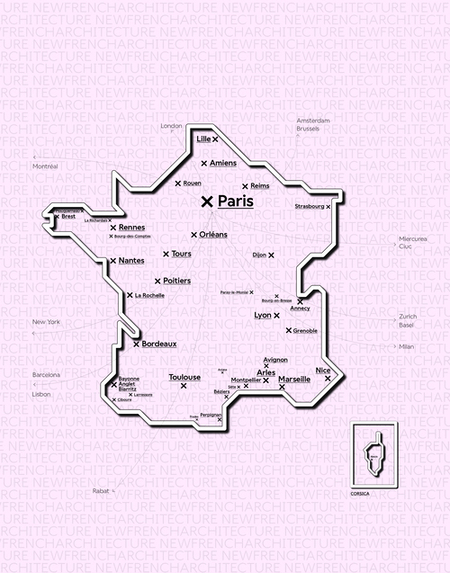
Geographies of Practice
New French Architecture
An Original Idea by New Generations
LDA Architectes
Coming Soon
nicolas bossard architecture
Evolution: Flat by Flat
Compagnie architecture
Culture on Site
Studio Albédo
Strategic Acts of Architecture
Fabricaré
Simplicity and Singularity In the Making
Renode
Renovation as Quiet Resistance
Kapt Studio
Pushing Boundaries Across Scales
Room Architecture
Between Theory, Activism, and Practice
AVOIR
Structural Unknowing
DRATLER DUTHOIT architectes
Crafting Local Language
Claas Architectes
Building with the Region in Mind
B2A - barre bouchetard architecture
Embracing Uncertainty in Architecture
Acmé Paysage
Nurturing Ecosystems
Atelier Apara
Architecture Through a Pedagogical Lens
HEMAA
Designing for Ecological Change
HYPER
Hyperlinked Scales
Between Utopia and Pragmatism
OblĂČ
Dialogue with the Built World
Augure Studio
Revealing, Simplifying, Adapting
Cent15 Architecture
A Process of Learning and Reinvention
Pierre-Arnaud DescĂŽtes
Composing Spaces, Revealing Landscapes
BUREAUPERRET
What Remains, What Becomes
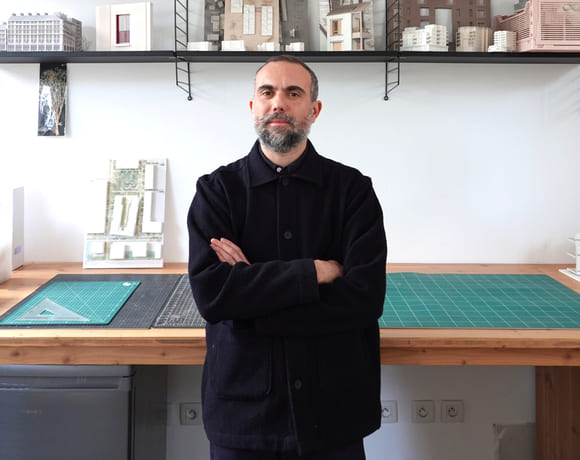
ECHELLE OFFICE
In Between Scales
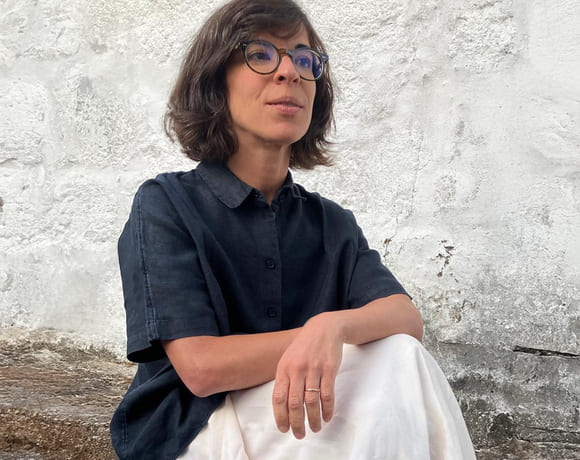
Atelier
Rooted in Context, Situated at the Centre
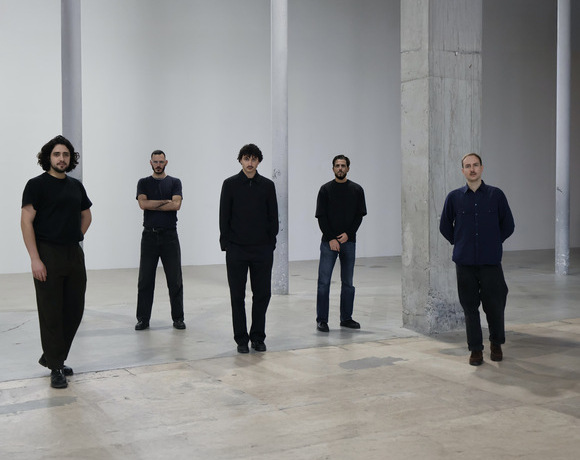
AJAM
Systemic Shifts, Local Gestures
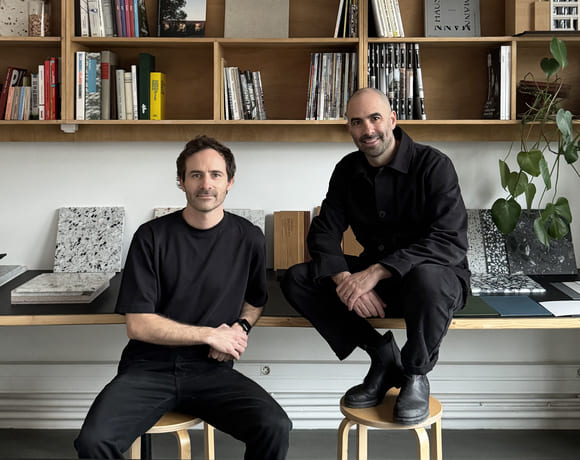
Mallet Morales
Stories in Structure
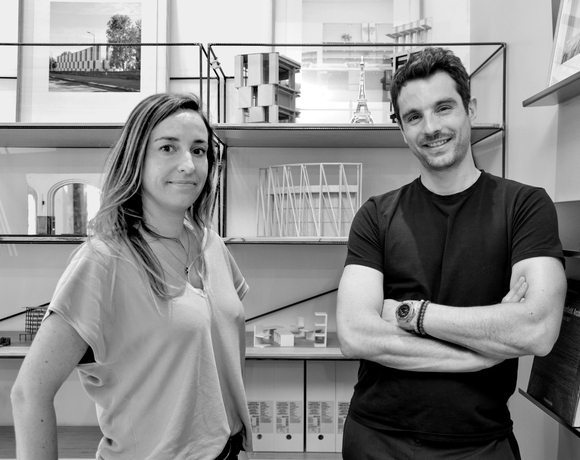
Studio SAME
Charting Change with Ambition
Lafayette
Envisioning the City of Tomorrow
Belval & Parquet Architectes
Living and Building Differently
127af
Redefining the Common
HEROS Architecture
From Stone to Structure
Carriere Didier Gazeau
Lessons from Heritage
a-platz
Bridging Cultures, Shaping Ideas
Rodaa
Practicing Across Contexts
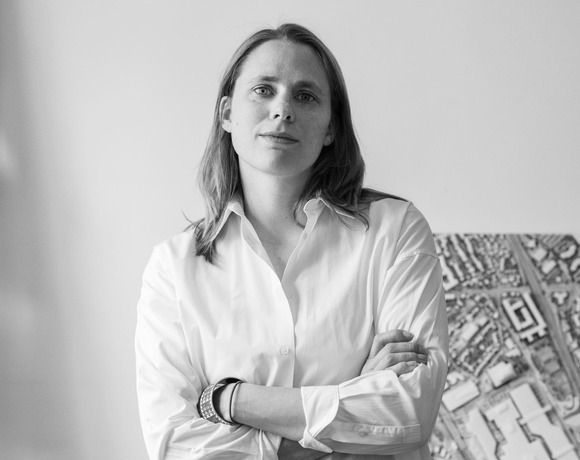
Urbastudio
Interconnecting Scales, Communities, and Values
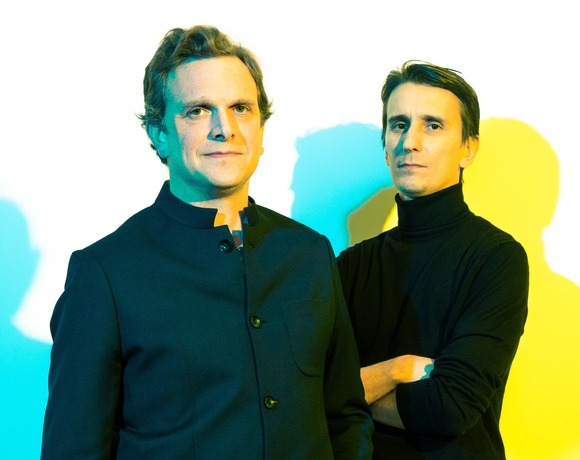
Oglo
Designing for Care
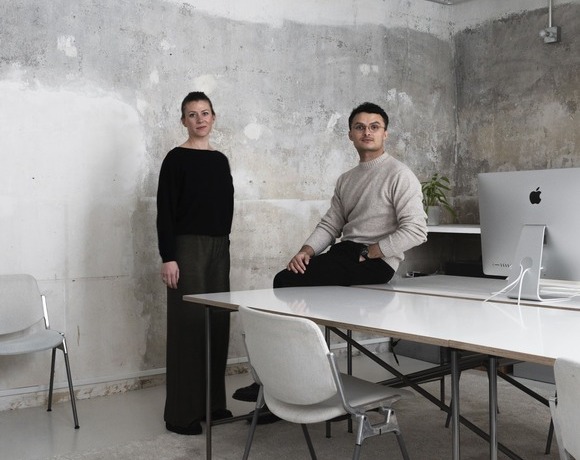
Figura
Figures of Transformation
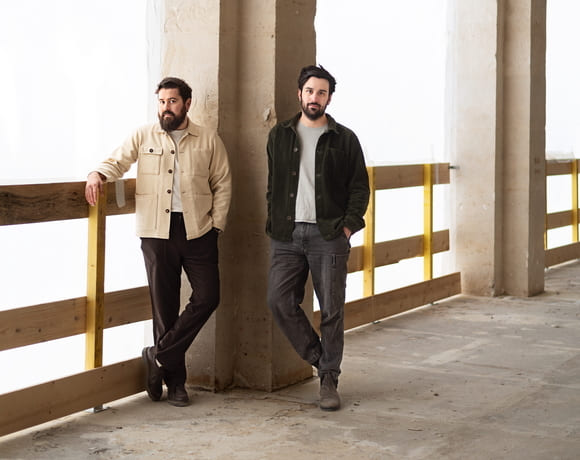
COVE Architectes
Awakening Dormant Spaces
Graal
Understanding Economic Dynamics at the Core
ZW/A
United Voices, Stronger Impacts
A6A
Building a Reference Practice for All
BERENICE CURT ARCHITECTURE
Crossing Design Boundaries
studio mÀc
Bridging Theory and Practice
studio mÀc
Bridging Theory and Practice
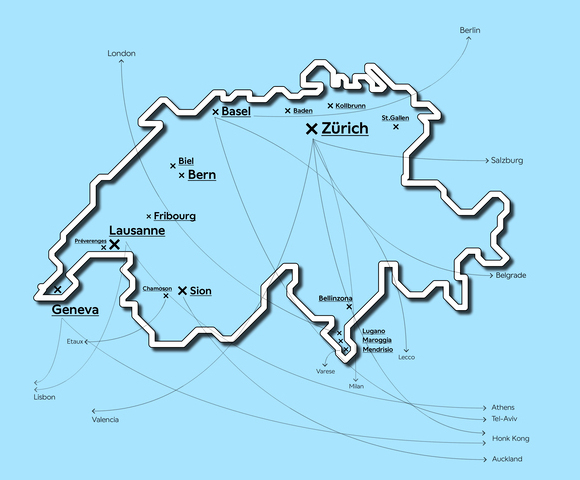
New Swiss Architecture
An Original Idea by New Generations
KUMMER/SCHIESS
Compete, Explore, Experiment
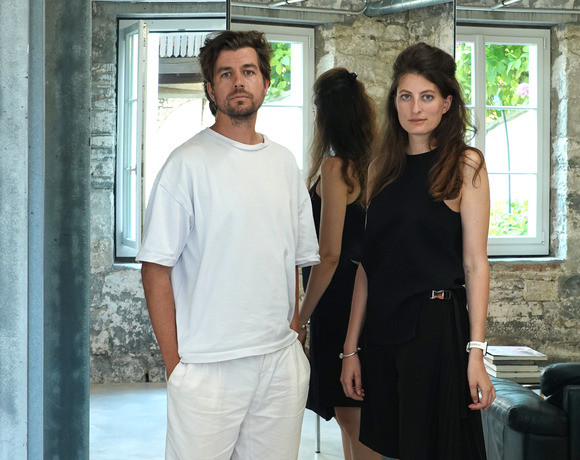
ALIAS
Stories Beyond the Surface
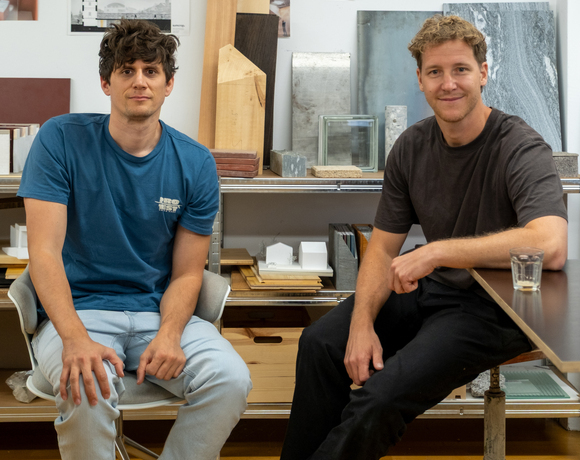
sumcrap.
Connected to Place
BUREAU/D
From Observation to Action
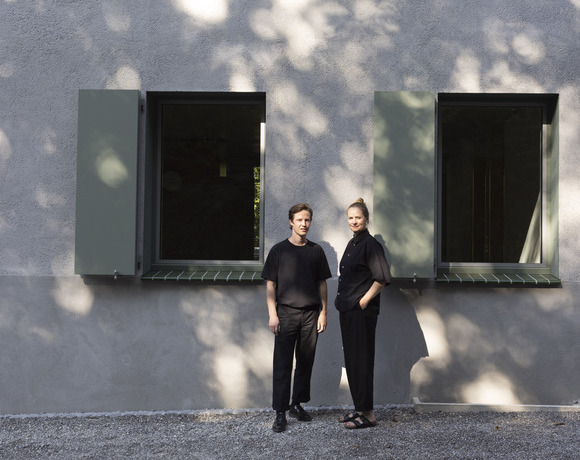
STUDIO ROMANO TIEDJE
Lessons in Transformation
Ruumfabrigg Architekten
From Countryside to Lasting Heritage
Kollektiv Marudo
Negotiating Built Realities
Studio Barrus
Starting byChance,Growing Through Principles
dorsa + 820
Between Fiction and Reality
S2L Landschaftsarchitektur
Public Spaces That Transform
DER
Designing Within Local Realities
Marginalia
Change from the Margins
En-Dehors
Shaping a Living and Flexible Ecosystem
lablab
A Lab for Growing Ideas
Soares Jaquier
Daring to Experiment
Sara Gelibter Architecte
Journey to Belonging
TEN (X)
A New Kind of Design Institute
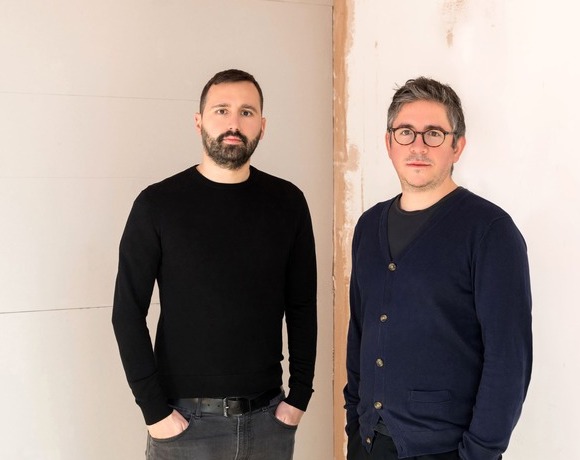
DF_DC
Synergy in Practice: Evolving Together
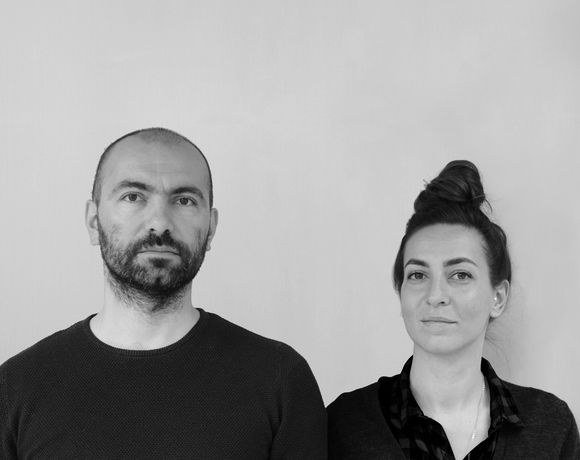
GRILLO VASIU
Exploring Living, Embracing Cultures
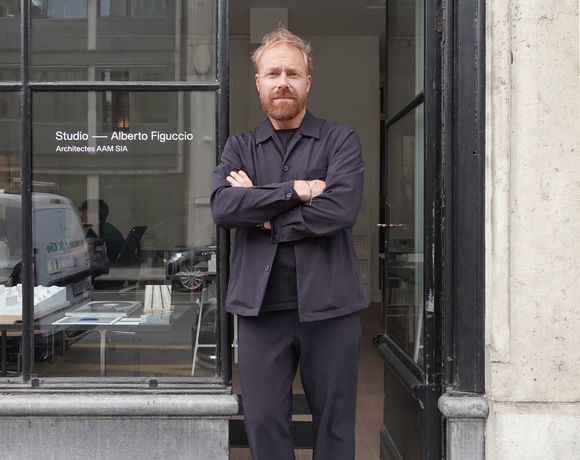
Studio â Alberto Figuccio
From Competitions to Realised Visions
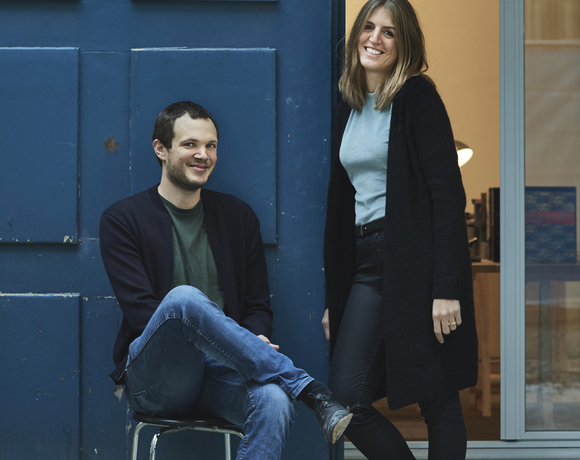
Mentha Walther Architekten
Carefully Constructed
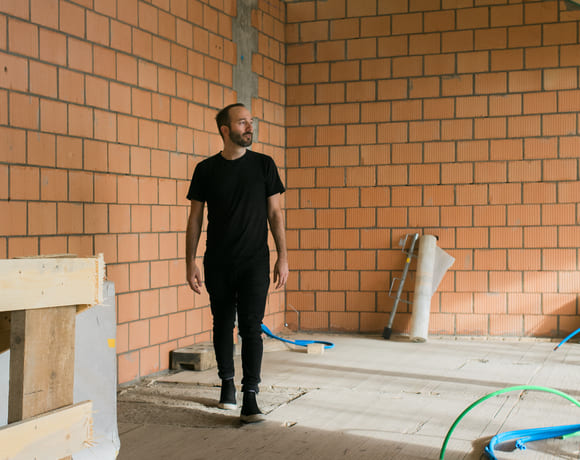
Stefan Wuelser +
Optimistic Rationalism: Design Beyond the Expected
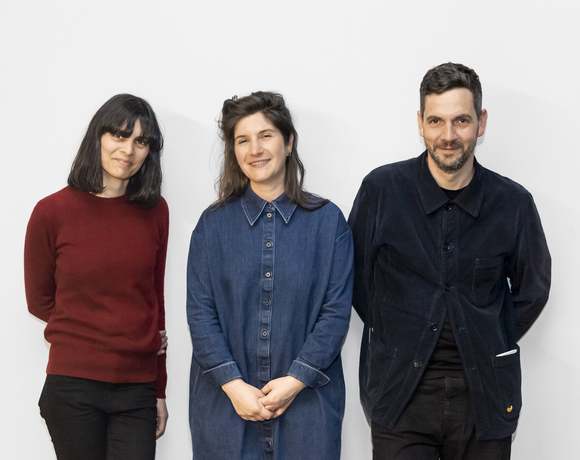
BUREAU
A Practice Built on Questions
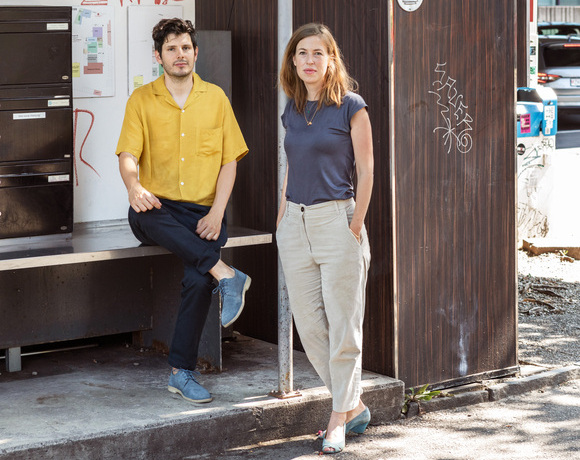
camponovo baumgartner
Flexible Frameworks, Unique Results
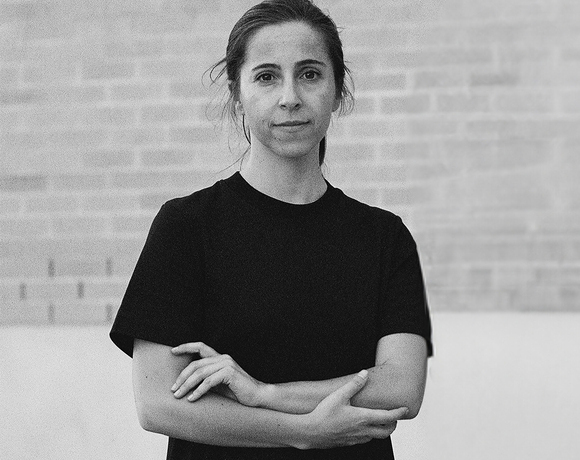
MAR ATELIER
Exploring the Fringes of Architecture
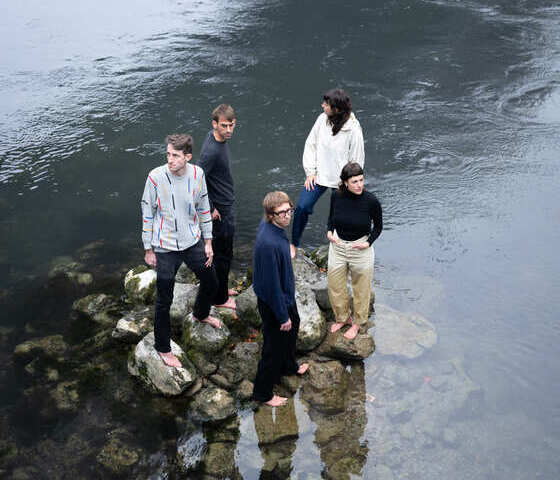
bach muÌhle fuchs
Constantly Aiming To Improve the Environment
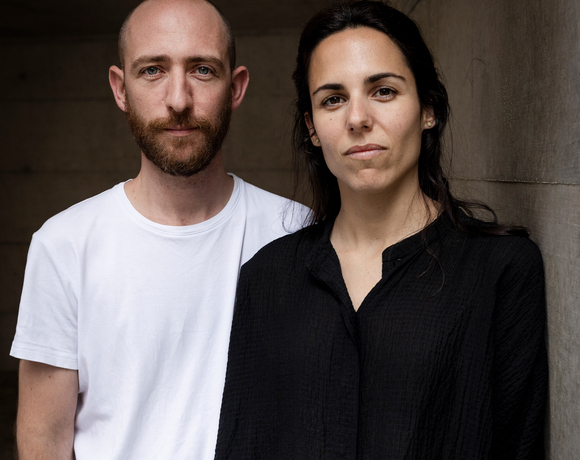
NOSU Architekten GmbH
Building an Office from Competitions
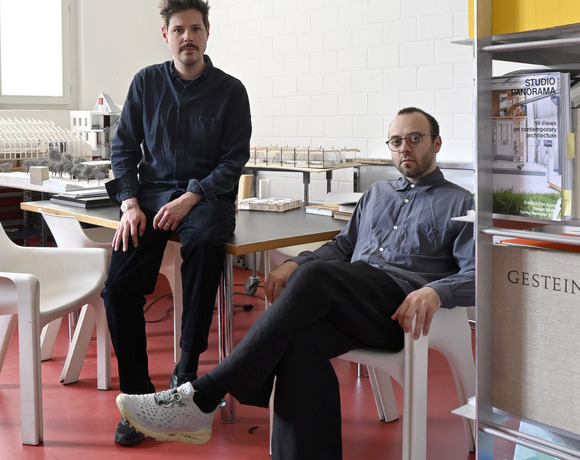
BALISSAT KAĂANI
Challenging Typologies, Embracing Realities
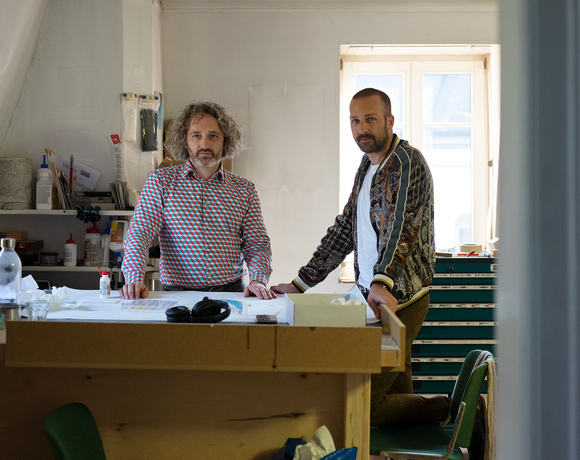
Piertzovanis Toews
Crafted by Conception, Tailored to Measure
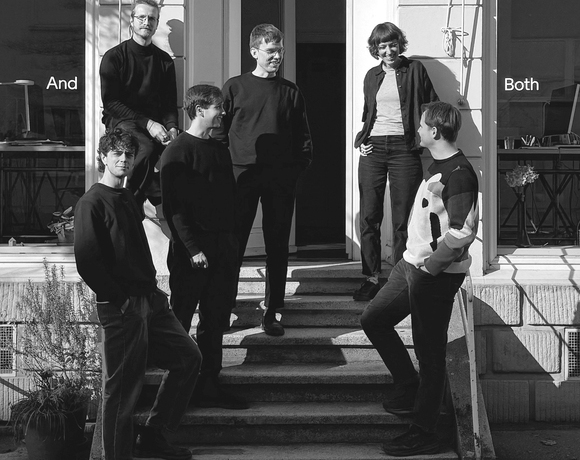
BothAnd
Fostering Collaboration and Openness
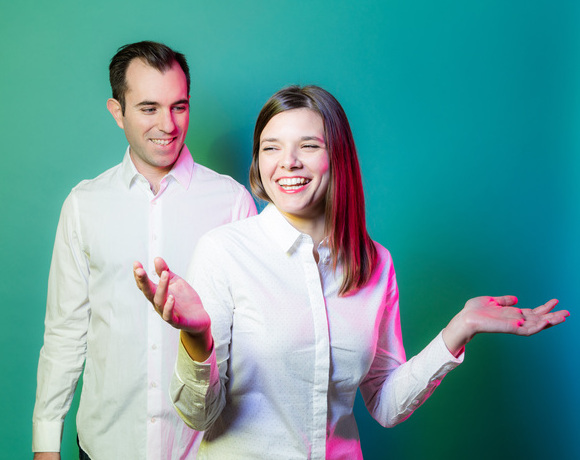
Atelier ORA
Building with Passion and Purpose
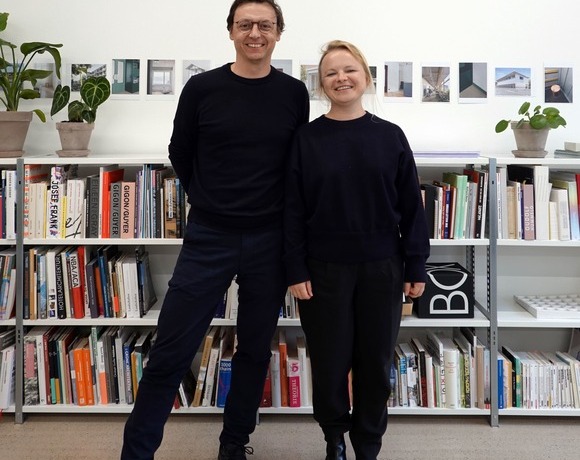
Atelier Hobiger Feichtner
Building with Sustainability in Mind
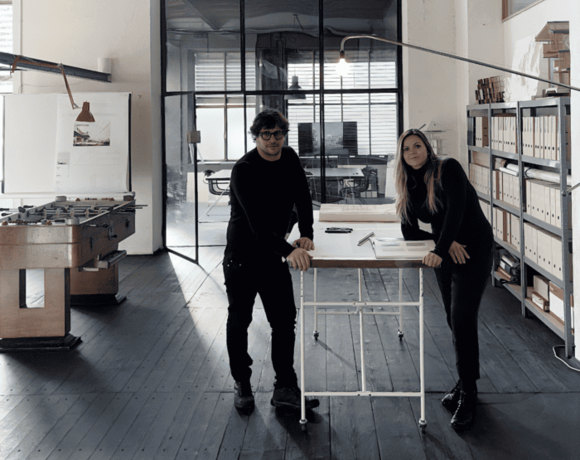
CAMPOPIANO.architetti
Architecture That Stays True to Itself
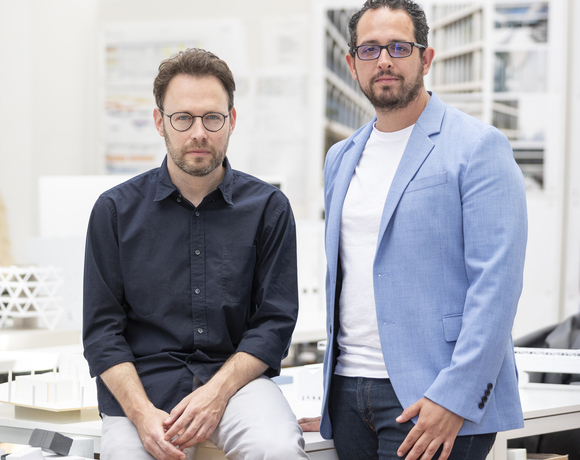
STUDIO PEZ
The Power of Evolving Ideas
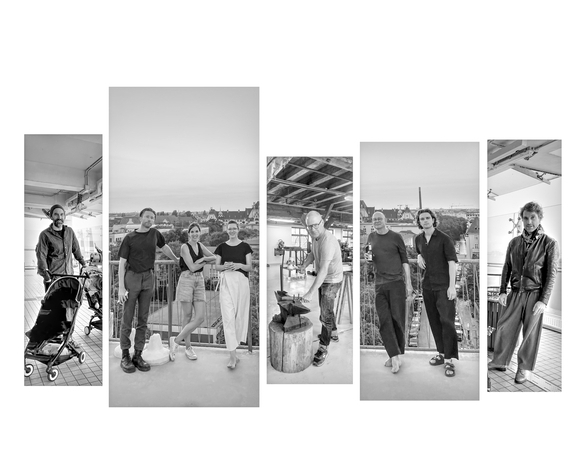
Architecture Land Initiative
Architecture Across Scales
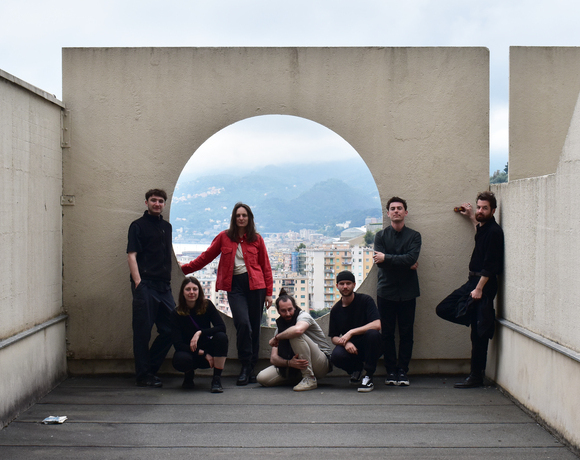
ellipsearchitecture
Humble Leanings, Cyclical Processes
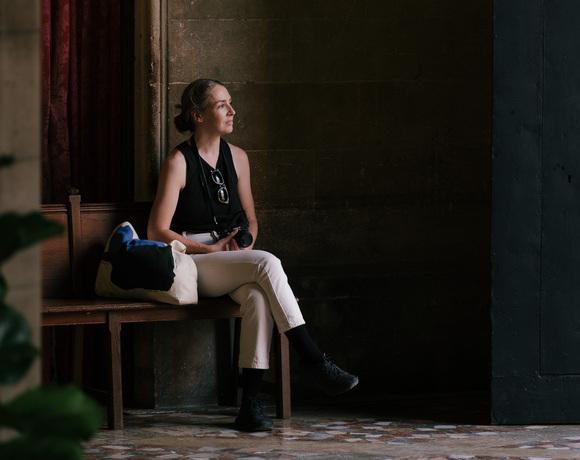
Sophie Hamer Architect
Balancing History and Innovation
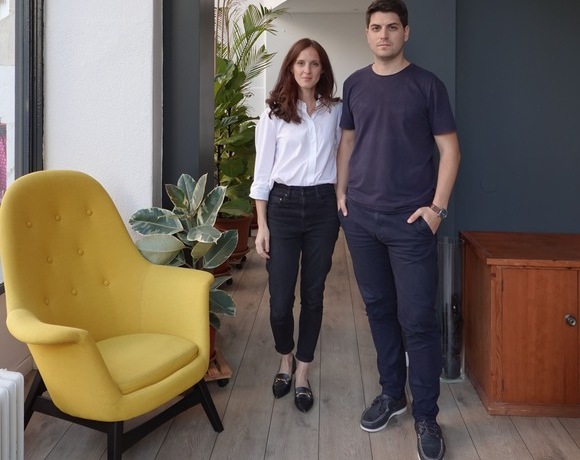
ArgemĂ Bufano Architectes
Competitions as a Catalyst for Innovation
continentale
A Polychrome Revival
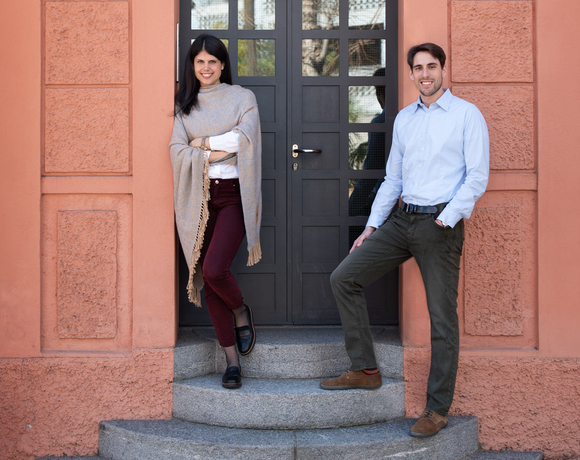
valsangiacomoboschetti
Building With What Remains
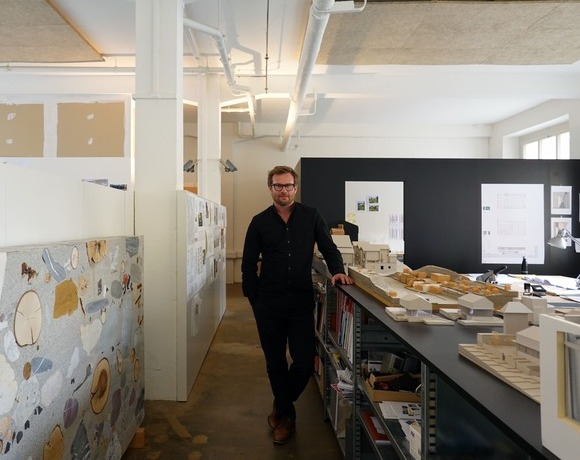
Oliver Christen Architekten
Framework for an Evolving Practice
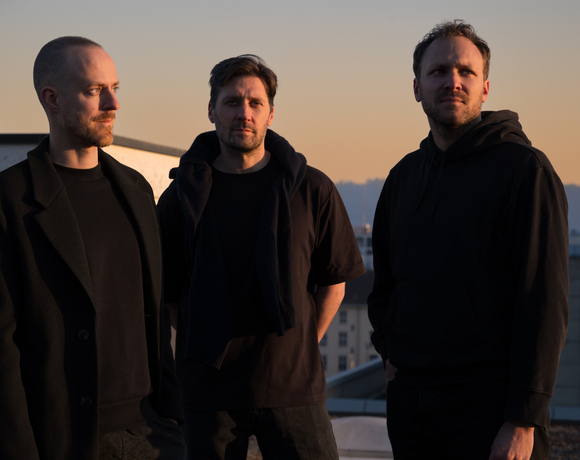
MMXVI
Synergy in Practice
Balancing Roles and Ideas
studio 812
A Reflective Approach to
Fast-Growing Opportunities
STUDIO4
The Journey of STUDIO4
Holzhausen Zweifel Architekten
Shaping the Everyday
berset bruggisser
Architecture Rooted in Place
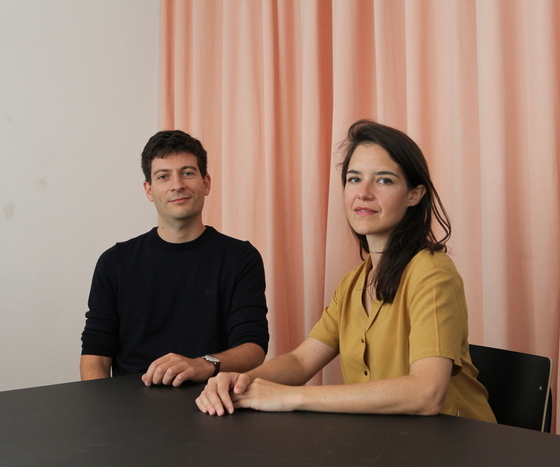
JBA - Joud Beaudoin Architectes
New Frontiers in Materiality
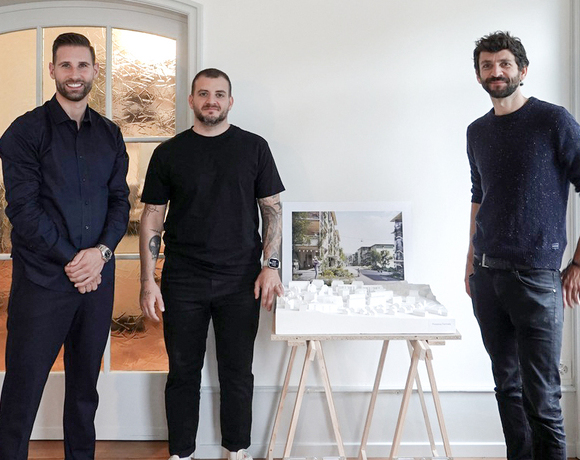
vizo Architekten
From Questions to Vision
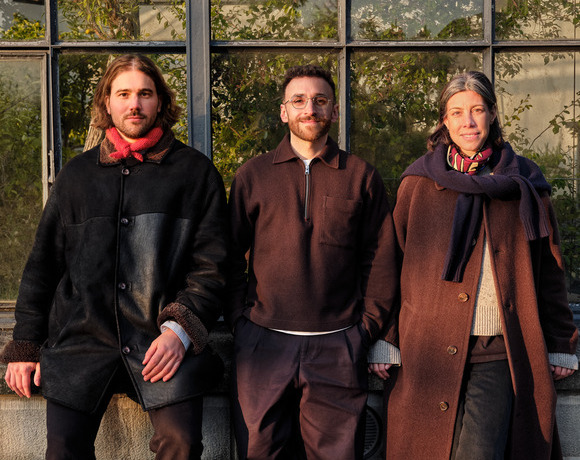
Atelier NU
Prototypes of Practice
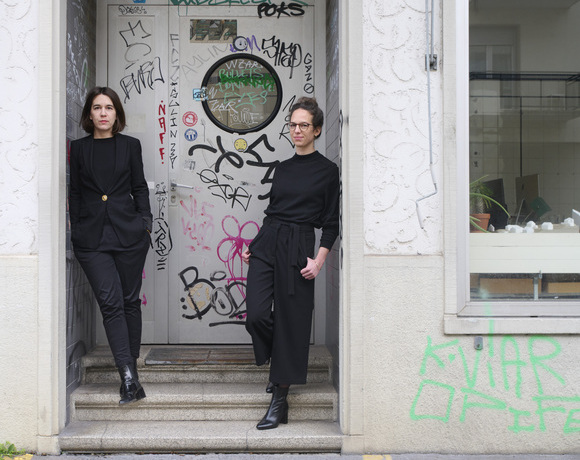
Atelier Tau
Architecture as a Form of Questioning
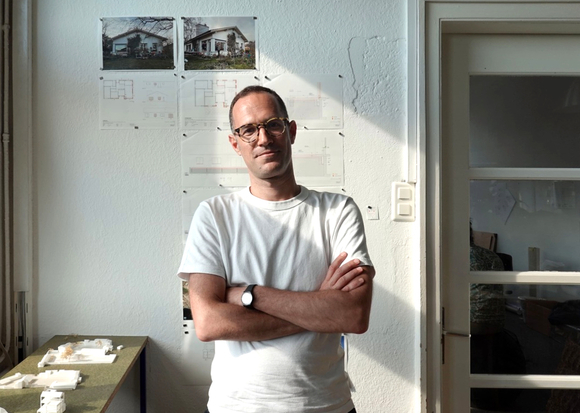
alexandro fotakis architecture
Embracing Context and Continuity
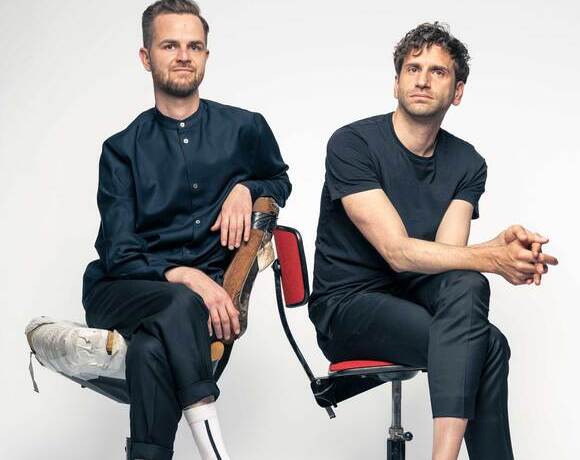
Atelier Anachron
Engaging with Complexity
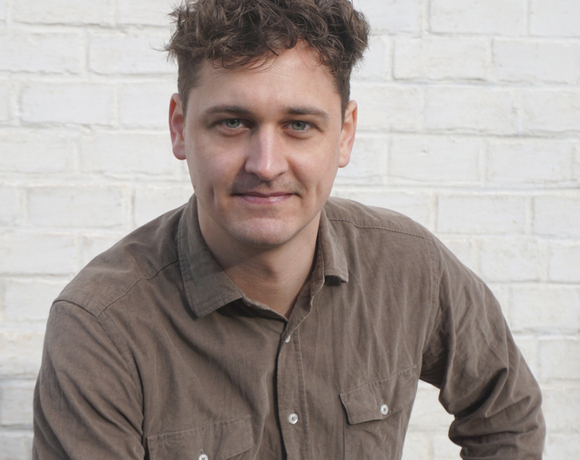
SAJN - STUDIO FĂR ARCHITEKTUR
Transforming Rural Switzerland
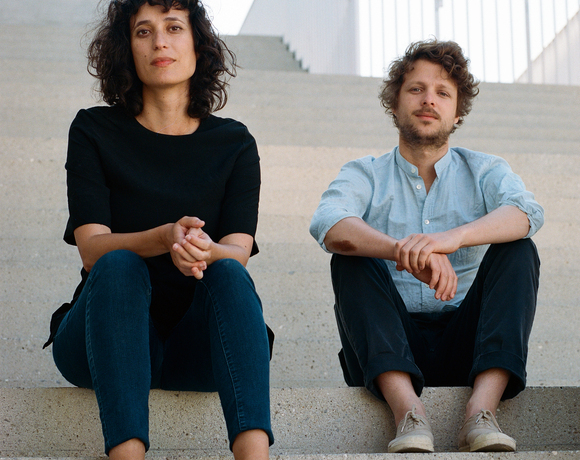
guy barreto architects
Designing for Others, Answers Over Uniqueness
Concrete and the Woods
Building on Planet Earth
bureaumilieux
What is innovation?
apropaÌ
A Sustainable and Frugal Practice
Massimo Frasson Architetto
Finding Clarity in Complex Projects
Studio David Klemmer
Binary Operations
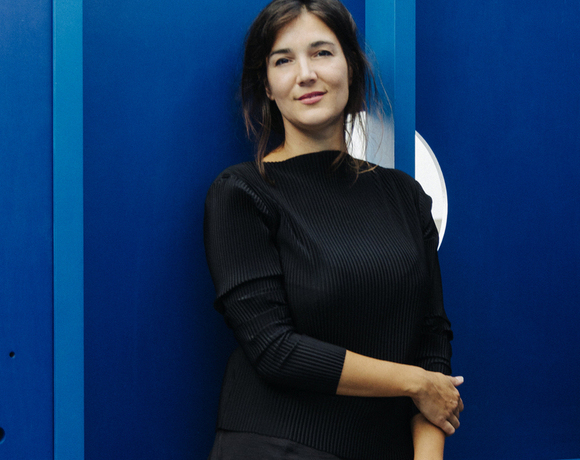
Caterina Viguera Studio
Immersing in New Forms of Architecture
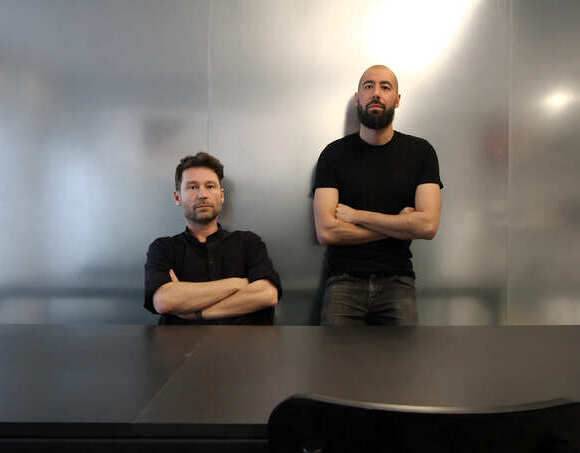
r2a architectes
Local Insights, Fresh Perspectives
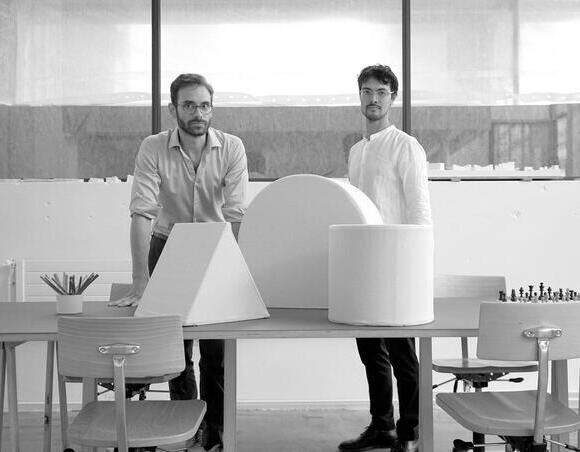
HertelTan
Timeless Perspectives in Architecture
That Belongs
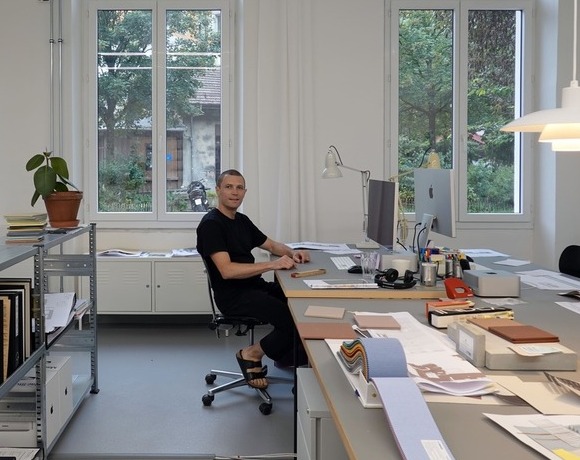
Nicolas de Courten
A Pragmatic Vision for Change
Atelier OLOS
Balance Between Nature and Built Environment
Associati
âCheap but intenseâ: The Associati Way
emixi architectes
Reconnecting Architecture with Craft
baraki architects&engineers
From Leftovers to Opportunities
DARE Architects
Material Matters: from Earth to Innovation
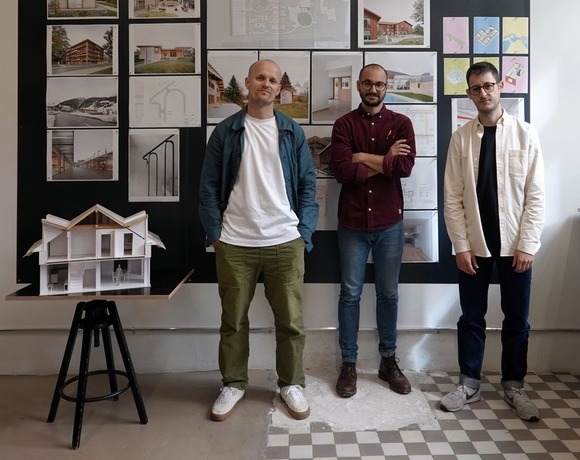
KOMPIS ARCHITECTES
Building from the Ground Up
Fill this form to have the opportunity to join the New Generations platform: submissions will be reviewed on a daily-basis, and the most innovative practices will have the chance to be part of the media's coverage and participate in our cultural agenda, including events, research projects, workshops, exhibitions and publications.
New Generations is a European platform that investigates the changes in the architectural profession ever since the economic crisis of 2008. We analyse the most innovative emerging practices at the European level, providing a new space for the exchange of knowledge and confrontation, theory, and production.
Since 2013, we have involved more than 3.000 practices from more than 50 countries in our cultural agenda, such as festivals, exhibitions, open calls, video-interviews, workshops, and experimental formats. We aim to offer a unique space where emerging architects could meet, exchange ideas, get inspired, and collaborate.
An original idea of New Generations
Team & collaborators: Gianpiero Venturini, Marta HervĂĄs Oroza, Elisa Montani, Giuliana Capitelli, Kimberly Kruge, Canyang Cheng
If you have any questions, need further information, if you'd like to share with us a job offer, or just want to say hello please, don't hesitate to contact us by filling up this form. If you are interested in becoming part of the New Generations network, please fill in the specific survey at the 'join the platform' section.
Geographies of Practice
Sierra is an American-French building and design studio based in Paris, France. The firmâs focus is on creating unique spaces through bioclimatic and low-tech solutions for âpeople who make thingsâ and âpeople who love natureâ â from breweries to gastronomic restaurants, a sealife museum or an ecotourism resort. At Sierra, a diverse team of builders, creatives, and technical experts bring a globally aware and locally sensitive perspective. Sierra understands that our environment impacts how we live today and the next generation. They work closely with clients and collaborators that share this sensitive and optimistic spirit to make successful built projects.
CW: Carrie Wilbert | EL: Eléonore Levieux
Part of the wave
EL: I think our generation, and the one after us, has found a way to adapt to this new world thatâs emergingâhow to work in it, how to find projects. Our lesson focuses on resilience and adaptability. We grew up with crises. This is normal for us. So we live with them, we build with them.
CW: Itâs worth noting that we joined Echelle-Un, an incubator for young practices at ENSA Paris-Est. That gave us the chance to observe many of our peers, other architects of our generation, who were starting at the same timeâand how everyone was practising. At that time, we launched our podcast series, Making Good Architecture, because we were really curious about how the architects around us were working. And the title itself was about exploring both how architecture is made and what "good" means. Does it refer to social impact? Environmental responsibility? Aesthetic quality? We spoke with architects from our generation to understand why they had chosen to go into practice. What we found was that many were driven by strong environmental values or deep commitments to social responsibility in the way they approach projectsâ that really resonated with Sierra.
The former way of practisingâ the âmasterâ architect dictating everything from the top downâwas simply no longer how they worked. They wanted to hear from the engineer, the contractor, the craftsperson. They wanted a kind of architecture that would emerge through collaboration, that would make sense in its context. Everyone wanted to work with the community, with the client, with anyone impacted by the project. To make the project meaningful in its specific contextâwhatever that may beâby creating a kind of ecosystem of collaboration.
Lessons from across the globe
CW: I'm originally from Kansas, in the middle of the United States, and ĂlĂ©onore is from RĂ©union Island, a small French island near Madagascar. We met after studying architecture, during our urban design program at Belleville in Paris.
I previously worked in New York, and one of the main reasons I returned to France to start Atelier Sierra with ĂlĂ©onore was this sense of freedom and accessibility. Itâs possible to start small here. There are so many firms in Franceâsmall ones, two or three peopleâdoing meaningful work, getting access to good projects, and having real impact. But in the U.S.âthanks to the way construction and economics have evolvedâyouâre facing a much larger machine, a bigger corporate structure. Itâs really difficult to graduate with a Masterâs in Architecture in the U.S. and start your own firm. But in France, even in school, I saw that it was possible. And I think thatâs what makes the scene here so rich and interesting: thereâs so much diversity and creativity, because there are so many voices. Thereâs not just one way to do things.
ĂlĂ©onore and I started working together during our studies on a project about climate change and sea level rise, back in 2013âtrying to transform risk into opportunity for the project. The name Sierra came from looking at a mapâ we both love cartography. We found the geographic midpoint between Kansas and RĂ©union Island is near Sierra Leone. Today, I think that name represents our approach: this combination of global perspectives and very different origins. Itâs something we try to bring into everything we do.
EL: When we were at Belleville, we were working on several projects: one about sea level rise and territorial resilience around Paris and the Seine river, called Waterworld. And another one, at the same time, a competition in New Yorkâthe Queensway Steps, an AIA Emerging New York Architects Competition. It was around an abandoned railway in Queens, New York. The competition called for ideas to transform it into a park.
CW: What was really interesting is that, unlike the High Lineâwhich runs through the west side of Manhattan, and some very privileged neighbourhoods todayâthis railway runs through one of the most culturally diverse areas in New York, maybe even in the whole U.S. Itâs an immigrant-heavy neighbourhood, less well-known, and not as well-served. So the design challenge was to make something truly inclusiveâsomething that the community could use and take ownership of. Not just another shiny park or commercial space, but something real.
EL: It was an ideas competition, and we ended up winning with that proposal in 2014, at the end of our studies. We went to New York to present the project, which was a very exciting moment. I think thatâs when we truly realised we wanted to work together and eventually start a firm.
CW: Something interesting to mention is that, since it was an ideas competition, we decided to take the risk and actually bend the rules a little bit. The brief was to design the access points to the new park, but we went beyond that. We walked along the whole line and noticed a lot of abandoned or underused spacesâcar parks, old industrial zones, empty buildings. Instead of simply connecting to the park, we proposed transforming those sites into community spaces with programming. So each access point wasnât just a stair or a rampâit became an activation node. Like stadium seating facing a baseball field, or a longer ramp to allow food trucks and picnic areas. Very simple public infrastructures, but oriented towards the life that was already there. That project really marked the beginning of Sierra.
Driven by curiosity
CW: After that, we each took time to gain experience in offices. It was really important for both of us to understand how architecture is actually practicedâlearning how to handle permits, develop technical drawings, and work on construction sites. We needed that. I worked in Paris for a long time at Arte Charpentier, and then spent three years in New York at AtelierTek, which was very exciting. I was lucky to have fabulous mentorsâlearning to appreciate the grit of the architecture profession but also to gravitate towards optimists.
EL: I started in landscape and urban design. Then I went to Abidjan, in CĂŽte dâIvoire, to work in a large architecture firm called Koffi & DiabatĂ©. It was a very important experience because I had to totally change my context and mindset. I didnât know anything about CĂŽte dâIvoire. Itâs very different from France or even RĂ©union. So I had to let go of everything Iâd learned in France, be humble, and say, âOkay, Iâm here to learn from you.â And the Ivorian architects were so good at what they didâvery respectful, very skilled. That experience changed me. After that, I returned to France and worked at Atelier King Kong, where I was involved in large-scale housing projects.
CW: This idea of forgetting what you know to learn something new is crucial. Thatâs something we share. We both come from modest, unassuming placesâKansas and RĂ©union Island arenât the centres of the world. Weâre naturally curious. We want to listen and learn from other people. Thatâs how we approach our work, and I think itâs something that connects us, despite our very different backgrounds. That curiosity and opennessâit always makes me happy to see that in our partnership.
Stories, spaces, cultures
CW: From the very beginning, we established core principles that have always guided our practice. These values form the foundation of our approach, though we believe they should evolve over time. Today, what weâre really focused onâand how we like to describe the way we workâis a local approach with a global perspective. And we feel like that encompasses everything. Itâs the overarching idea behind how we approach things. Given our backgrounds that span architecture, landscape, and urban design, we donât like to limit ourselves to a particular typology. We work between social and bioclimatic architecture and resilient urban designâacross all scales, from micro-architecture and ecotourism trails to mediation and transitory urbanism, all the way to regional-scale thinking, like floodwater management. We like to experiment with all scales, but always with the same approach: being hyper-sensitive to context.
EL: Weâre also interested in the community and the stories of the people who will live in or use these spaces. As we mentioned with the Queens project, it was crucial for us to understand the people impacted by itânot just to propose a pretty building or park without knowing what the community truly needed.
CW: We believe everybody has a story. Everyone comes from somewhere and has a distinct way of using a building. Across cultures, weâve observed different ways of sleeping, or using the bathroomâso when designing a space, we must remember that every culture has its own customs and habits. We have to understand that to avoid accidentally forcing people into a different way of living. If we want our projects to have a real impact, we truly have to understand how people will use the building, how theyâre going to live in it, and what the life cycle will be. Itâs not just about functioning on day oneâitâs about what the space will be like in five years, in fifteen years. Because the people in that building are going to live their lives there.
Between landscape and architecture
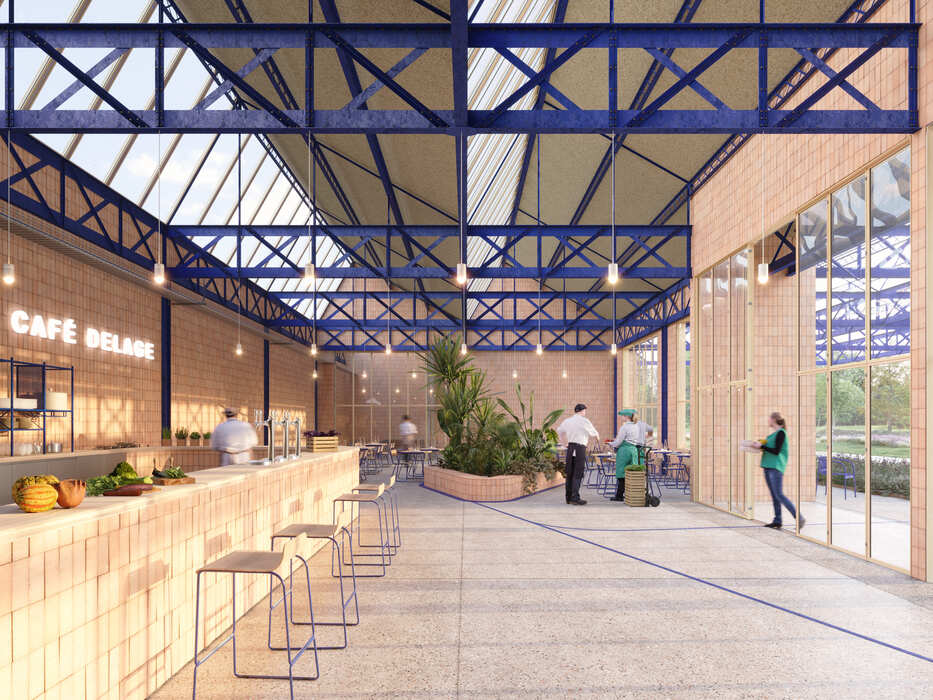
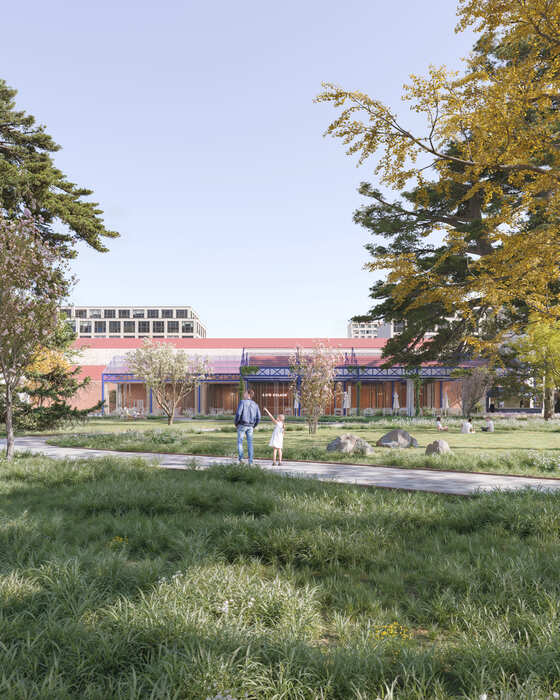
CW: On the larger scale, weâve been really lucky in the last year to partner with other firms and participate in public competitions. We worked with Arte Charpentier on a proposal to renovate an old car factory near Paris into a new park and a small cafĂ©-community hub building. We collaborated with landscape architects, and we designed the small building in the park. We took a risk proposing to adapt and reuse a large portion of the existing industrial structure, which was destined to be demolishedâto use this structure to create pergolas, swing sets, greenhouses, and more. We were looking for a way to authentically transform the site without erasing its history. We didnât win, but participating in the public competition was exciting, and we feel our proposal really encapsulated our respect for each project's history and context.
EL: Another project weâre working on is in Sainte-Suzanne, on RĂ©union Islandâitâs a competition in collaboration with King Kong Atelier, to renovate an old sugar factory into an art and cultural centre. Whatâs interesting in this competition is that thereâs an additional mission beyond just the architecture: urbanisme transitoire and co-conception of the public spaces. On RĂ©union Island, we live outdoors, so we need areas where people can stay outside while being protected from the sun and rain. In this cultural centre, there will be many open areasâperhaps just an overhangâconnecting to nature or the town. There will be buildings, yes, but also very different kinds of spaces. And we have to co-design these in-between spaces with the local population.
Another important aspect was the large budget dedicated to designing public furniture employing reused materials. As part of this collaboration, beyond contributing to design and research, we also brought contextual knowledgeâabout the climate and local way of life.
Totems and territories
EL: A meaningful experience for Sierra was the 12 Totems project. It was a great opportunity because it connected a broad territorial perspective with the intimate context of small towns in the Val de Saintonge region north of Bordeaux. One of these towns, Centre-Bourg, needs economic revitalisation, as many young people leave for larger cities in search of work. In this region, thereâs a lot of Roman architecture and a strong architectural heritage. There are rivers, forests, and stone that can be used for building. There are resources to highlight.
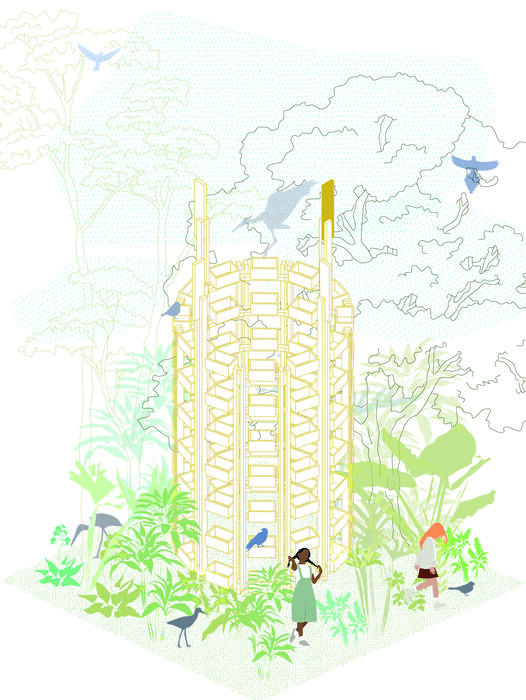
We had to design and build 12 totems using only two materials. We chose woodâspecifically chestnut, which is naturally protected against fire, insects, and so onâand local stone, la pierre de pays. We created micro-architecture with these two materials and proposed a series of variations. Itâs the same base structure for all 12 totems, but we adapted each one to its specific site. Each site is about 30 minutes apart by bike, forming a cycling route that links them together. That connection was likely a key reason our proposal was selectedâwe designed a cohesive network to strengthen the regionâs identity and boost its appeal to visitors. Each totem, located in a different town, has a playful or interactive aspect: you have to listen, or pull, or push, or climb.
CW: Since we met, ĂlĂ©onore and I connected over a shared sensitivity to the environmentâwe both have a deep love for nature. Even early on, my interest in urban design stemmed from that respect: I saw it as a way to counter suburban sprawl and preserve natural landscapes. This project reflects those shared values and our multiscalar thinking.
Climate and craft
CW: There are a couple of projects that reflect our values and are worth mentioning. One is a restaurant in RĂ©union Island, which is particularly excitingâitâs for a chef who trained in top international kitchens in Paris and New York and has returned home to open his own place, focusing on local ingredients and a deeply rooted approach. Whatâs so interesting about this project is that there are so many parallels between cuisine and architecture. The client is sensitive to the question of where materials come from and what it means to place them in a space. Itâs exciting to collaborate with someone who has that kind of sensibility. The way he approaches food is similar to how we work with materials in architecture.
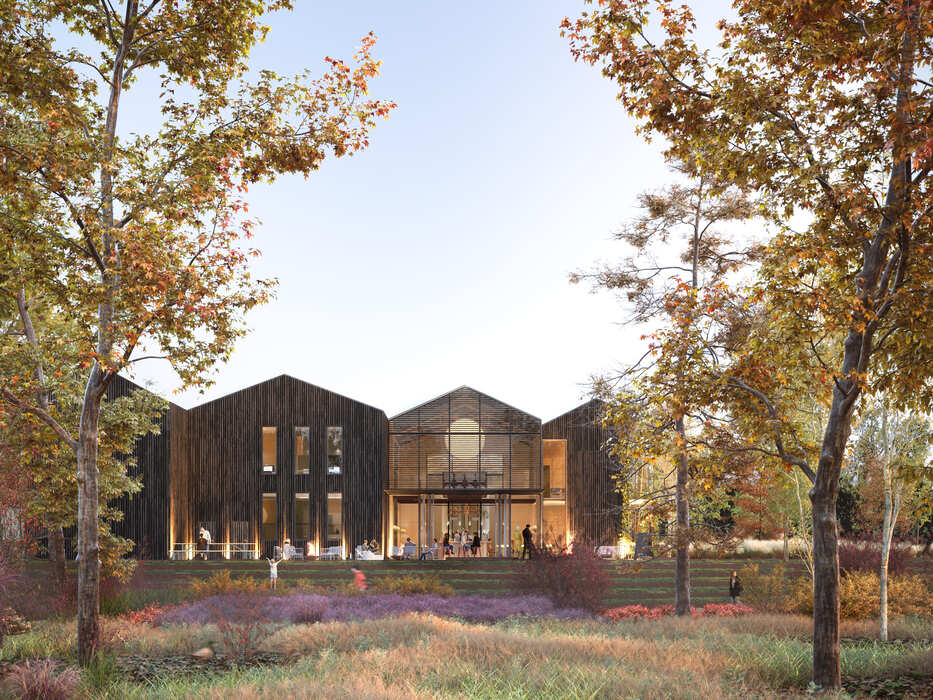
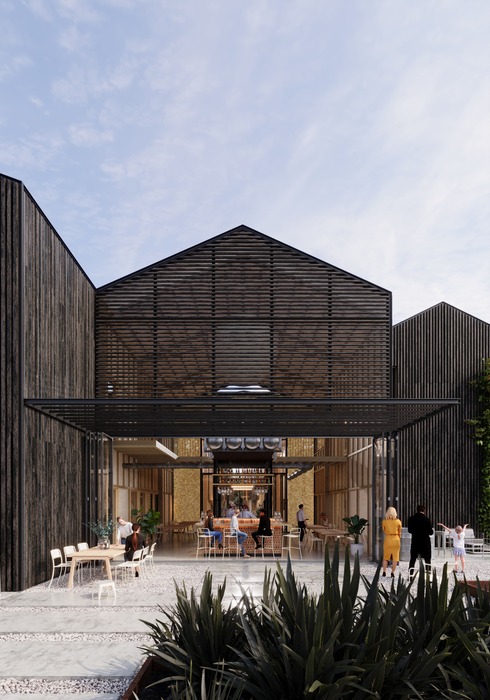
The other project is a brewery for craft brewers near Tours, France. Like the chef, these brewers have a deep sensitivity to the process of making. So, a lot of the language we use in architecture, they understood instinctivelyâlike the importance of ingredients, the process, the time things take. There was such a natural link between what they do and our approach to architecture. Thatâs something we want to explore moreâworking with craftspeople and makers, and seeing how architecture can support their world of fabrication. We donât want to lose that link between the act of making and the architectural process.
EL: We are also interested in the rehabilitation of old and historic buildings for living with the climate. We have one project near Bordeaux, a very old stone house, and weâre rethinking its uses. Itâs interesting because weâre asking: what new materials can we introduce that still respect the history and the way the building works? Stone walls have specific qualitiesâtheyâre naturally cooling, and they need to breathe. So the question of how to intervene is complex but fascinating.
Then, in RĂ©union Island, weâre working on the transformation of a small concrete house into a tropical villa with indoor and outdoor living spaces. The existing house is very basic, totally unsuited to the local climate, but we decided to keep the existing structure. We can build on top of the base thatâs there, and we think itâs useful to keep as much material as possible. We can rethink natural ventilation and passive solar protection. Itâs fascinating to rehabilitate what we might call ordinary patrimoine. Itâs not an official heritage site, but it tells the story of a certain time in RĂ©union, when this type of house was built everywhere. It feels meaningful to transform it.
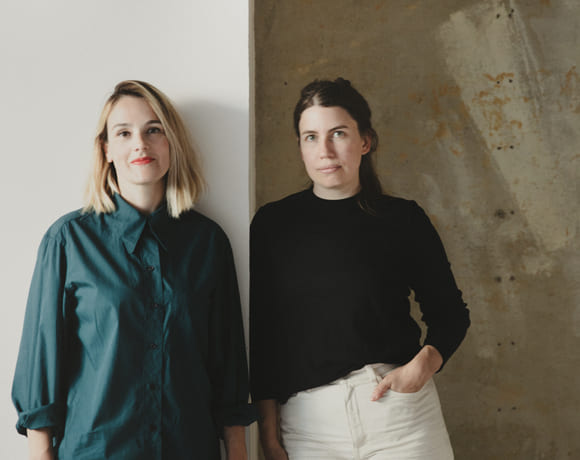
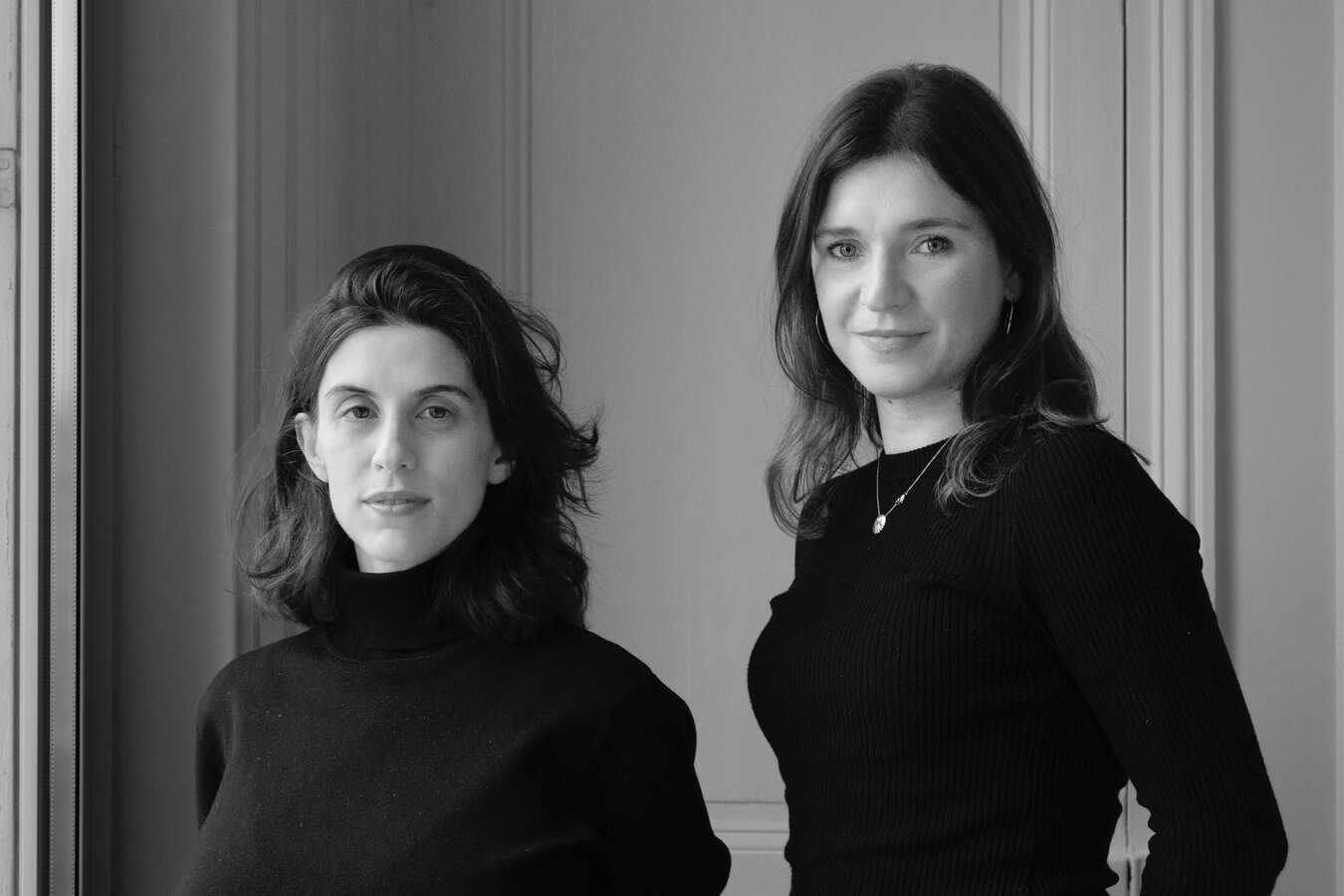
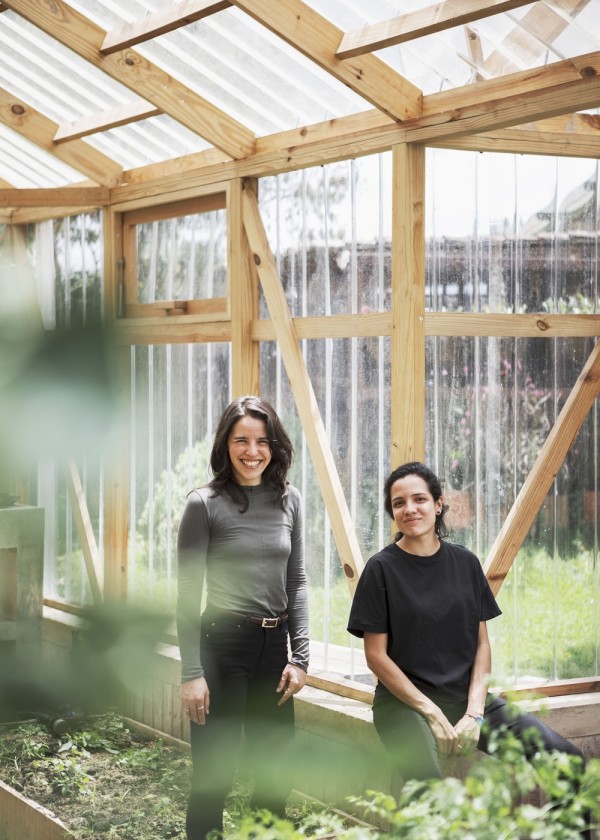
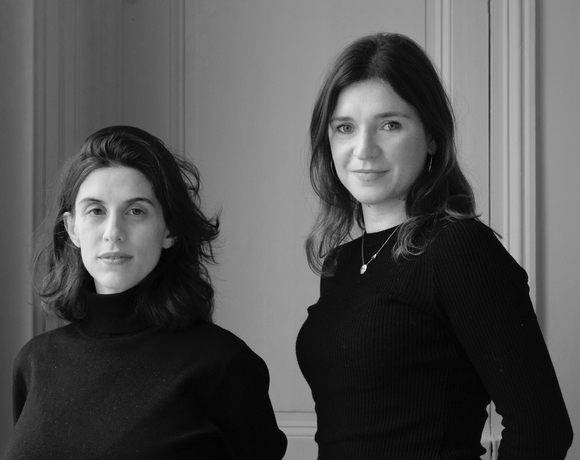
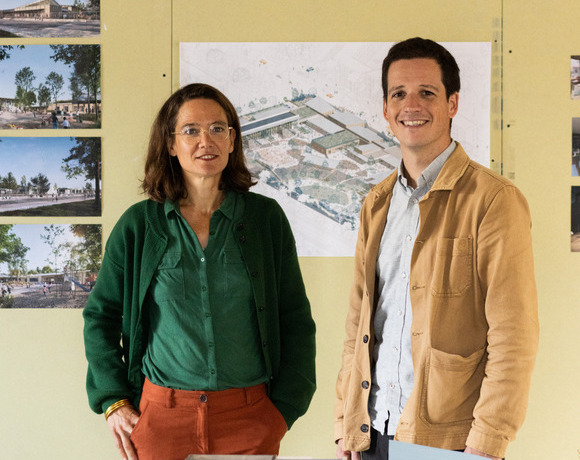
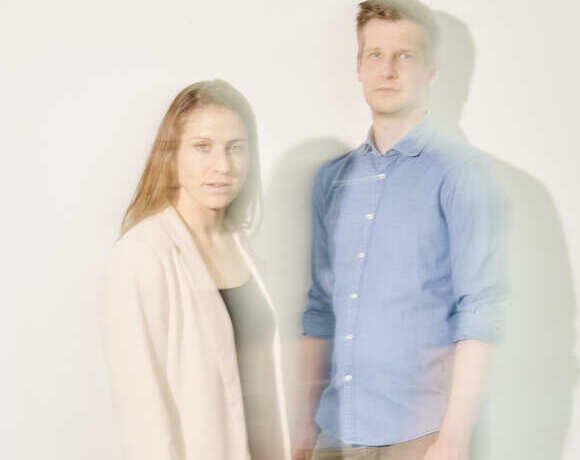
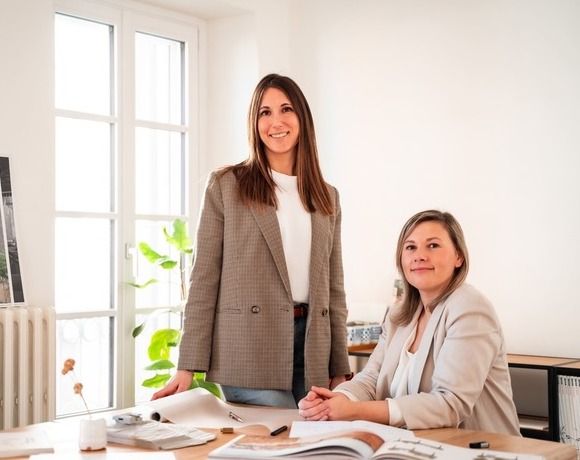
âĄïž Sierra. Carrie Wilbert, ElĂ©onore Levieux. Ph. Sabrina Budon
âĄïž Bioclimatic craft brewery, Tours. Biergarten. Img. Atelier Komune
âĄïž Bioclimatic craft brewery, Tours. Tasting bar. Img. Atelier Komune
âĄïž Community cafe in former car factory, Paris. Img. Atelier Komune
âĄïž Artistic outdoor furniture for tourist destinations, Vals de Saintonge. Img. Sierra