Atelier Apara
Architecture Through a Pedagogical Lens
New French Architecture
An Original Idea by New Generations
HEMAA
Designing for Ecological Change
HYPER
Hyperlinked Scales
Between Utopia and Pragmatism
Oblò
Dialogue with the Built World
Augure Studio
Revealing, Simplifying, Adapting
Cent15 Architecture
A Process of Learning and Reinvention
Pierre-Arnaud DescĂ´tes
Composing Spaces, Revealing Landscapes
BUREAUPERRET
What Remains, What Becomes
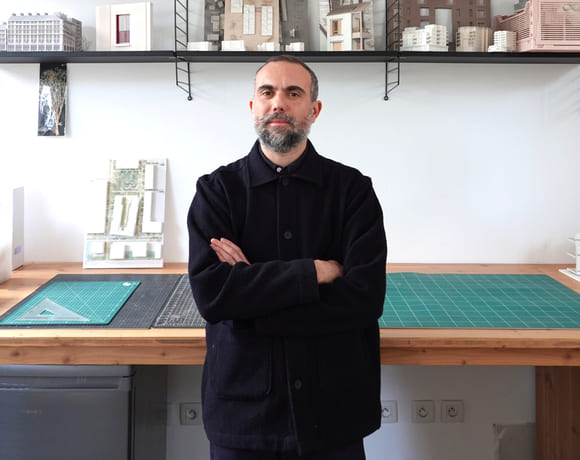
ECHELLE OFFICE
In Between Scales
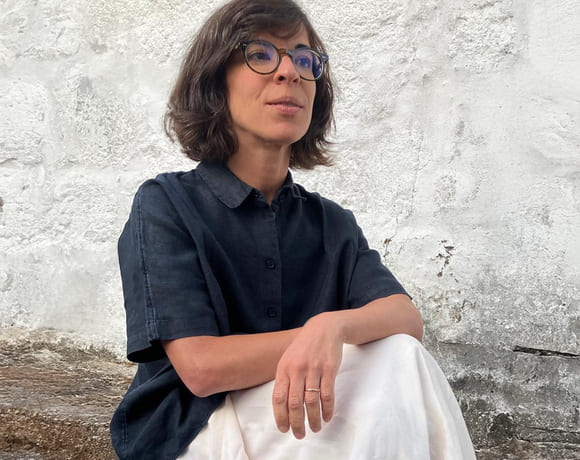
Atelier
Rooted in Context, Situated at the Centre
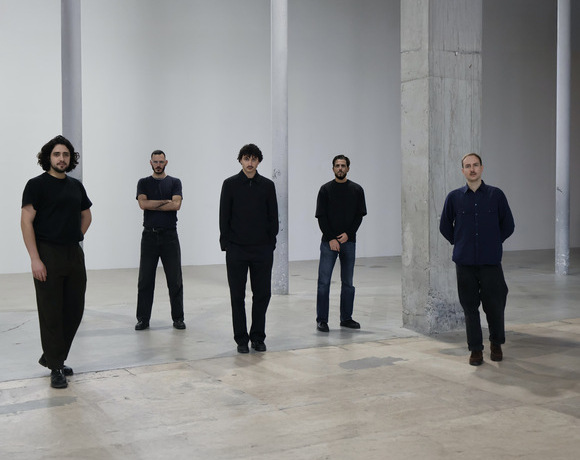
AJAM
Systemic Shifts, Local Gestures
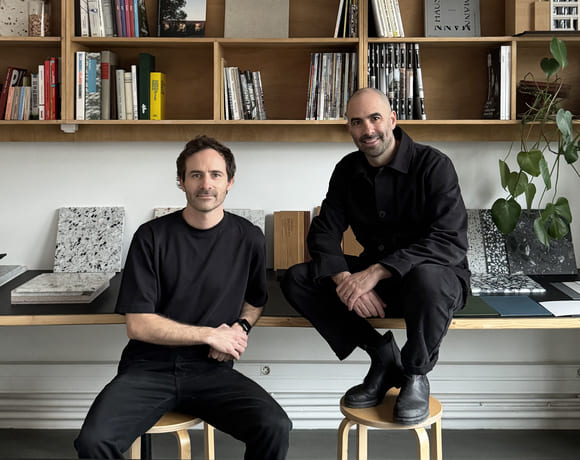
Mallet Morales
Stories in Structure
Studio SAME
Charting Change with Ambition
Lafayette
Envisioning the City of Tomorrow
Belval & Parquet Architectes
Living and Building Differently
127af
Redefining the Common
HEROS Architecture
From Stone to Structure
Carriere Didier Gazeau
Lessons from Heritage
a-platz
Bridging Cultures, Shaping Ideas
Rodaa
Practicing Across Contexts
Urbastudio
Interconnecting Scales, Communities, and Values
Oglo
Designing for Care
Figura
Figures of Transformation
COVE Architectes
Awakening Dormant Spaces
Graal
Understanding Economic Dynamics at the Core
ZW/A
United Voices, Stronger Impacts
A6A
Building a Reference Practice for All
BERENICE CURT ARCHITECTURE
Crossing Design Boundaries
studio mäc
Bridging Theory and Practice
studio mäc
Bridging Theory and Practice
New Swiss Architecture
An Original Idea by New Generations
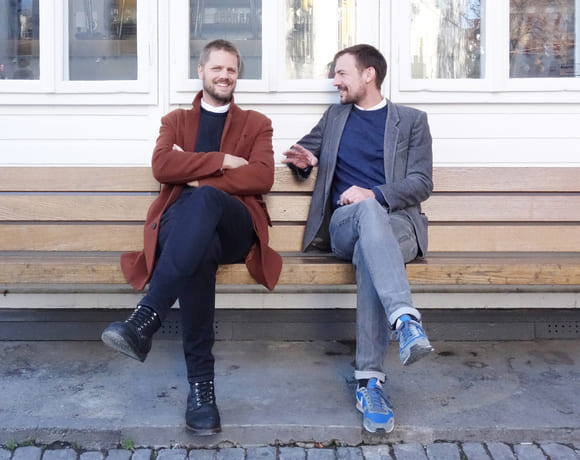
KUMMER/SCHIESS
Compete, Explore, Experiment
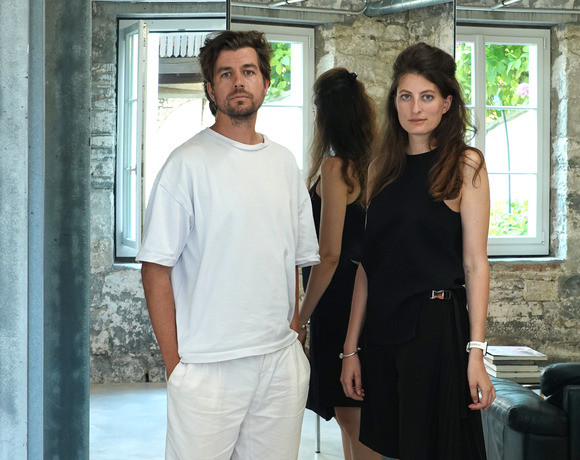
ALIAS
Stories Beyond the Surface
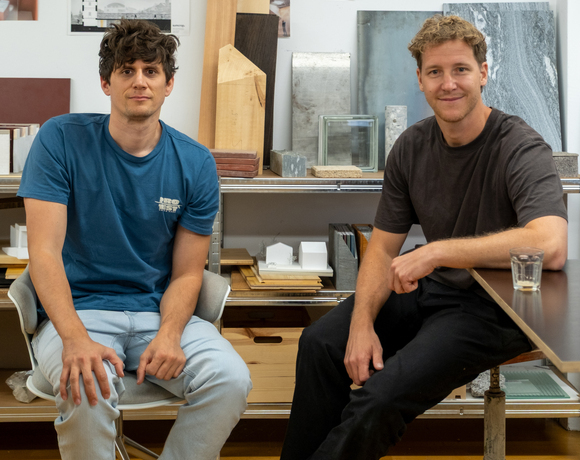
sumcrap.
Connected to Place
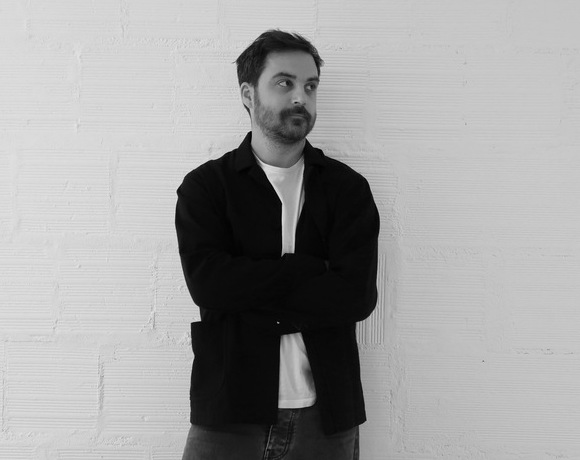
BUREAU/D
From Observation to Action
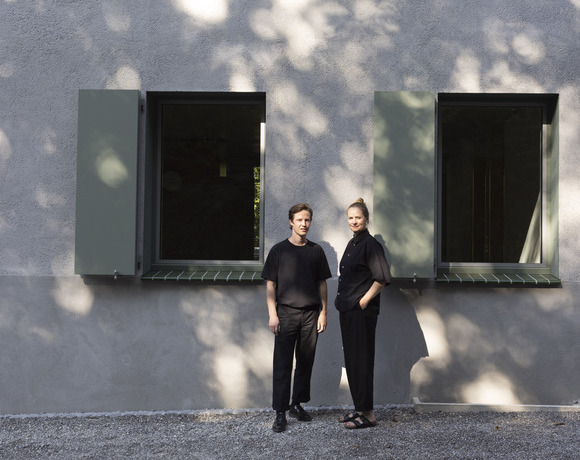
STUDIO ROMANO TIEDJE
Lessons in Transformation
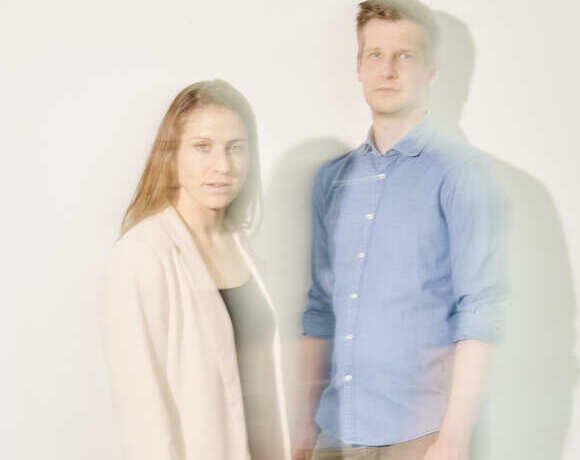
Ruumfabrigg Architekten
From Countryside to Lasting Heritage
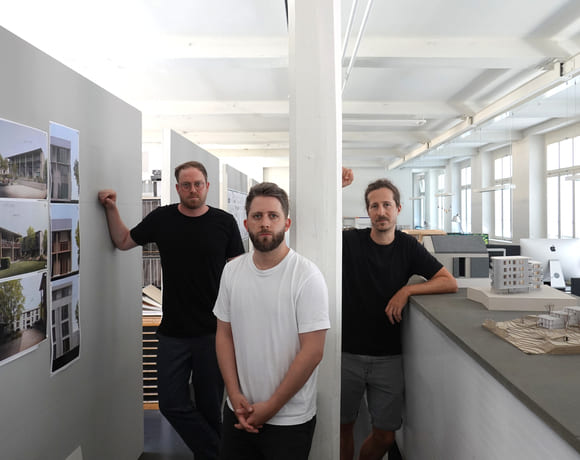
Kollektiv Marudo
Negotiating Built Realities
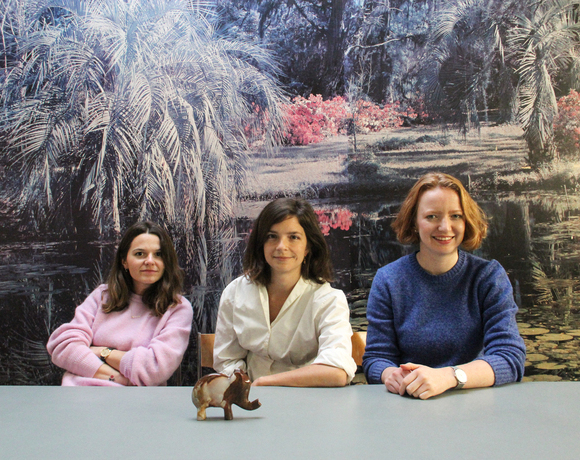
Studio Barrus
Starting byChance,Growing Through Principles
dorsa + 820
Between Fiction and Reality
S2L Landschaftsarchitektur
Public Spaces That Transform
DER
Designing Within Local Realities
Marginalia
Change from the Margins
En-Dehors
Shaping a Living and Flexible Ecosystem
lablab
A Lab for Growing Ideas
Soares Jaquier
Daring to Experiment
Sara Gelibter Architecte
Journey to Belonging
TEN (X)
A New Kind of Design Institute
DF_DC
Synergy in Practice: Evolving Together
GRILLO VASIU
Exploring Living, Embracing Cultures
Studio â Alberto Figuccio
From Competitions to Realised Visions
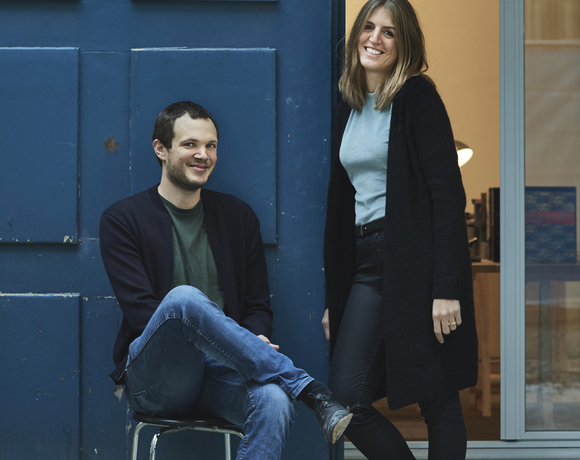
Mentha Walther Architekten
Carefully Constructed
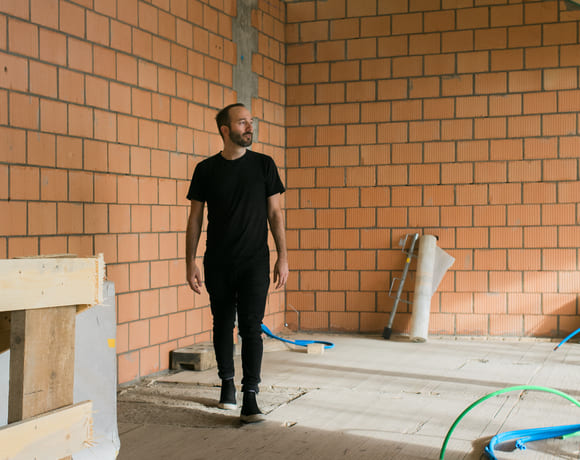
Stefan Wuelser +
Optimistic Rationalism: Design Beyond the Expected
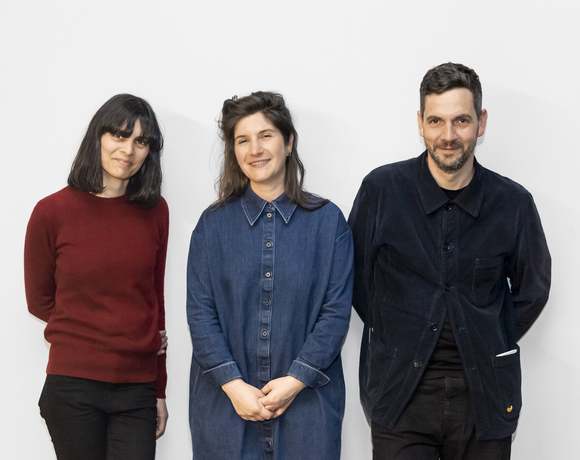
BUREAU
A Practice Built on Questions
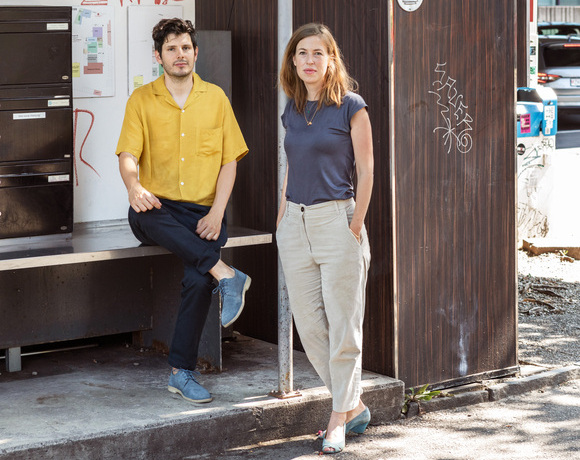
camponovo baumgartner
Flexible Frameworks, Unique Results
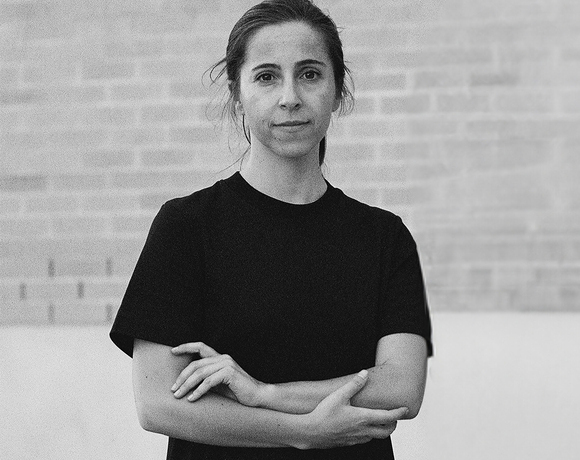
MAR ATELIER
Exploring the Fringes of Architecture
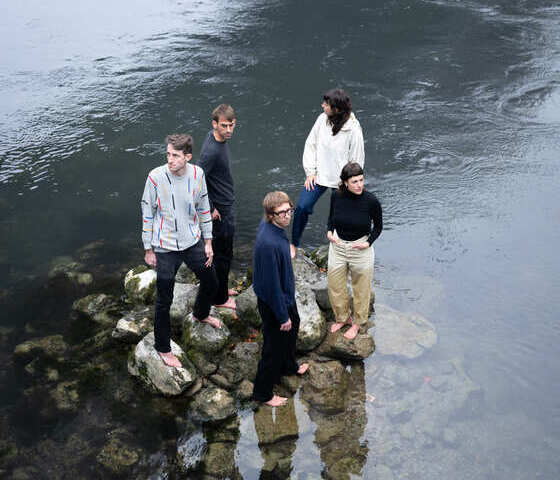
bach muĚhle fuchs
Constantly Aiming To Improve the Environment
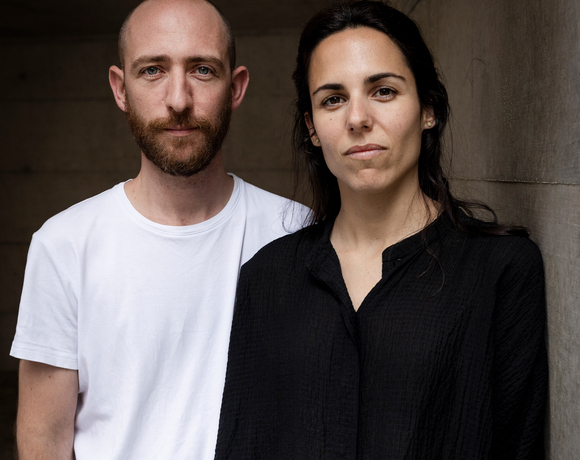
NOSU Architekten GmbH
Building an Office from Competitions
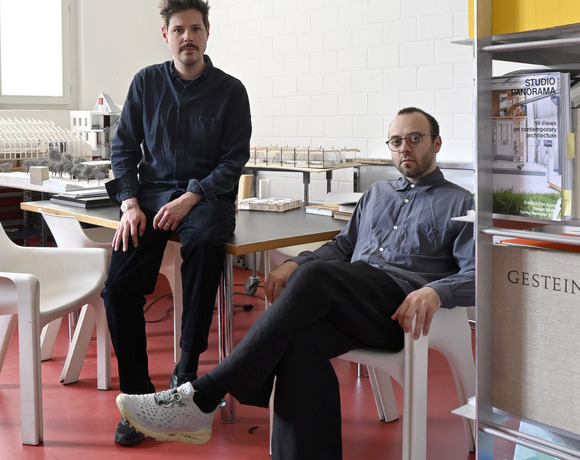
BALISSAT KAĂANI
Challenging Typologies, Embracing Realities
Piertzovanis Toews
Crafted by Conception, Tailored to Measure
BothAnd
Fostering Collaboration and Openness
Atelier ORA
Building with Passion and Purpose
Atelier Hobiger Feichtner
Building with Sustainability in Mind
CAMPOPIANO.architetti
Architecture That Stays True to Itself
STUDIO PEZ
The Power of Evolving Ideas
Architecture Land Initiative
Architecture Across Scales
ellipsearchitecture
Humble Leanings, Cyclical Processes
Sophie Hamer Architect
Balancing History and Innovation
ArgemĂ Bufano Architectes
Competitions as a Catalyst for Innovation
continentale
A Polychrome Revival
valsangiacomoboschetti
Building With What Remains
Oliver Christen Architekten
Framework for an Evolving Practice
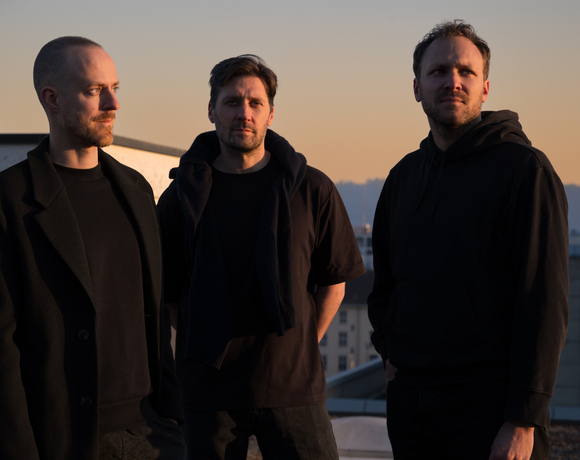
MMXVI
Synergy in Practice
Balancing Roles and Ideas
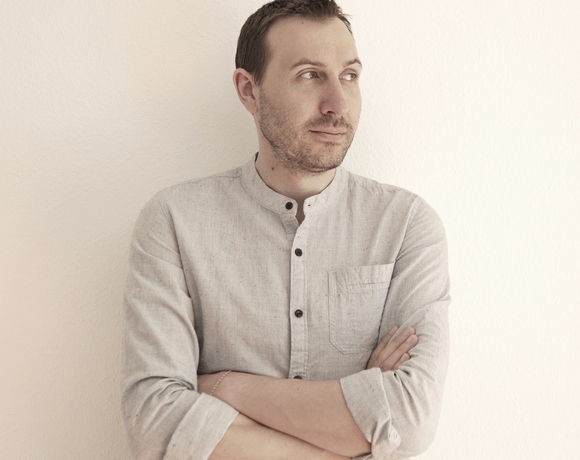
studio 812
A Reflective Approach to
Fast-Growing Opportunities
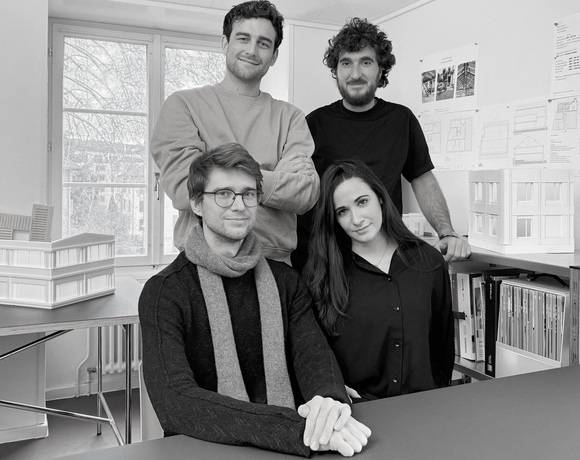
STUDIO4
The Journey of STUDIO4
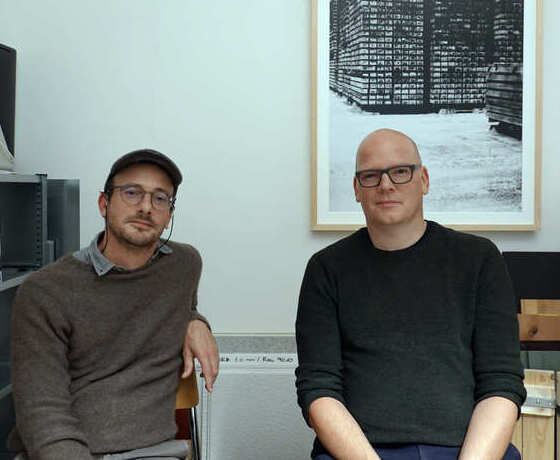
Holzhausen Zweifel Architekten
Shaping the Everyday
berset bruggisser
Architecture Rooted in Place
JBA - Joud Beaudoin Architectes
New Frontiers in Materiality
vizo Architekten
From Questions to Vision
Atelier NU
Prototypes of Practice
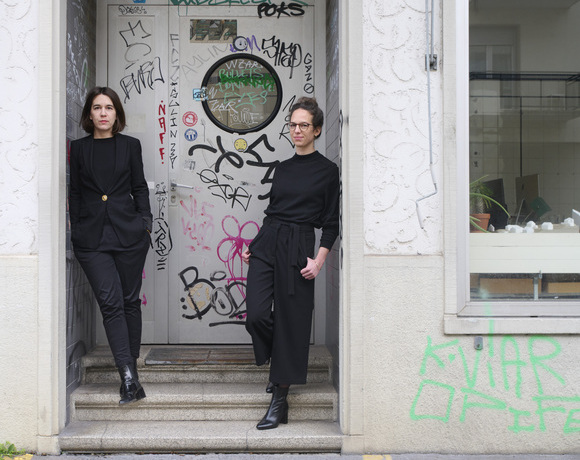
Atelier Tau
Architecture as a Form of Questioning
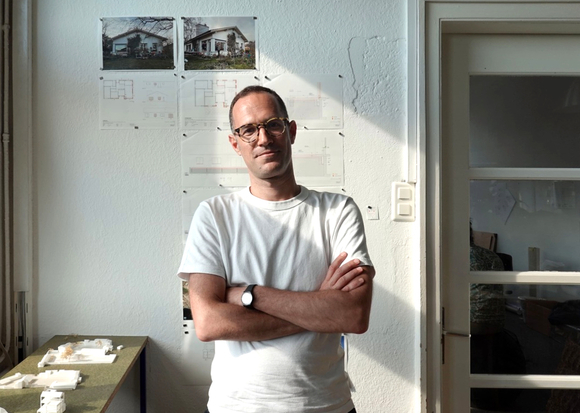
alexandro fotakis architecture
Embracing Context and Continuity
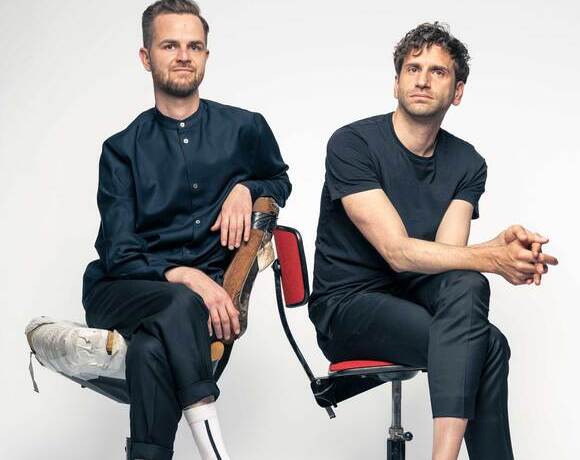
Atelier Anachron
Engaging with Complexity
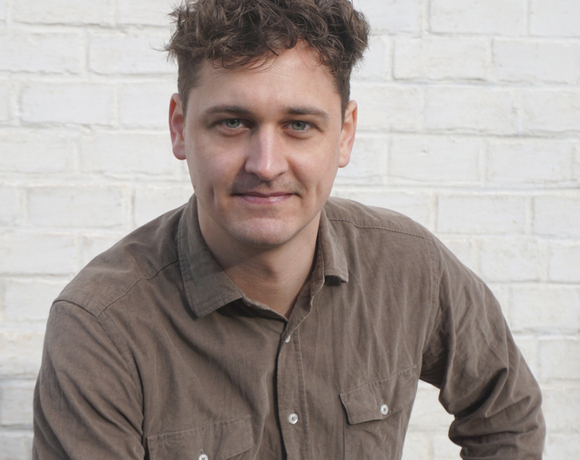
SAJN - STUDIO FĂR ARCHITEKTUR
Transforming Rural Switzerland
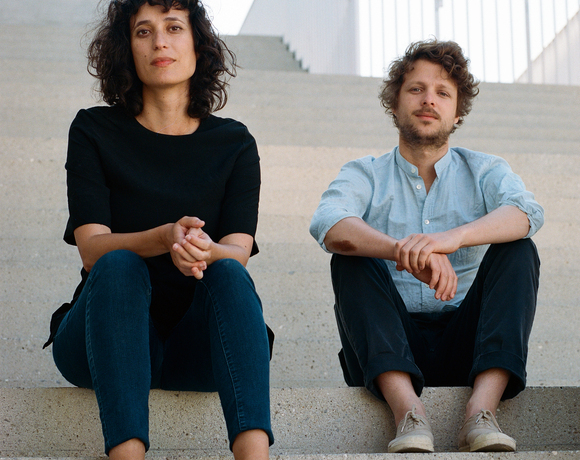
guy barreto architects
Designing for Others, Answers Over Uniqueness
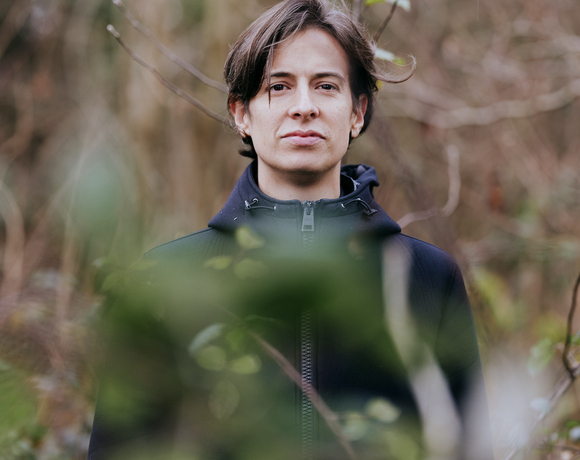
Concrete and the Woods
Building on Planet Earth
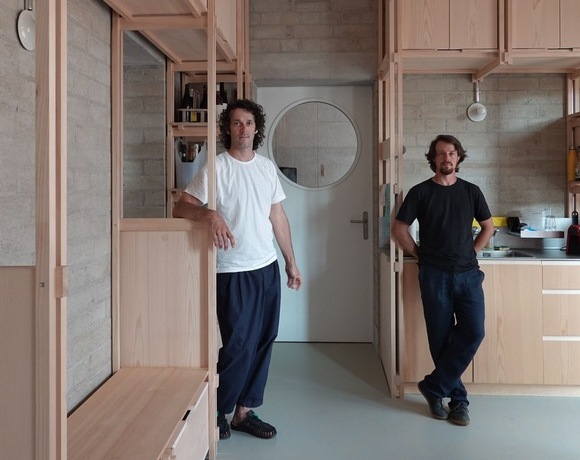
bureaumilieux
What is innovation?
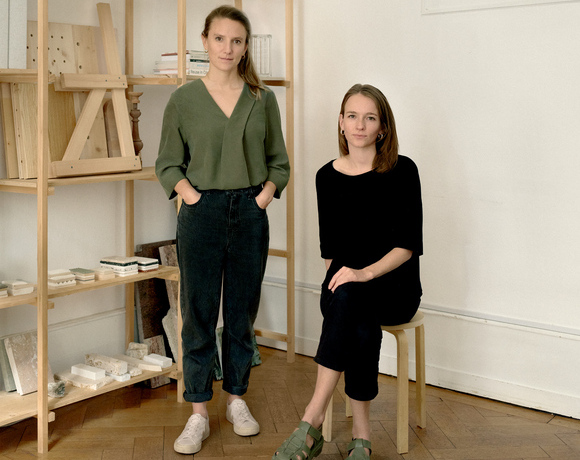
apropaĚ
A Sustainable and Frugal Practice
Massimo Frasson Architetto
Finding Clarity in Complex Projects
Studio David Klemmer
Binary Operations
Caterina Viguera Studio
Immersing in New Forms of Architecture
r2a architectes
Local Insights, Fresh Perspectives
HertelTan
Timeless Perspectives in Architecture
That Belongs
Nicolas de Courten
A Pragmatic Vision for Change
Atelier OLOS
Balance Between Nature and Built Environment
Associati
âCheap but intenseâ: The Associati Way
emixi architectes
Reconnecting Architecture with Craft
baraki architects&engineers
From Leftovers to Opportunities
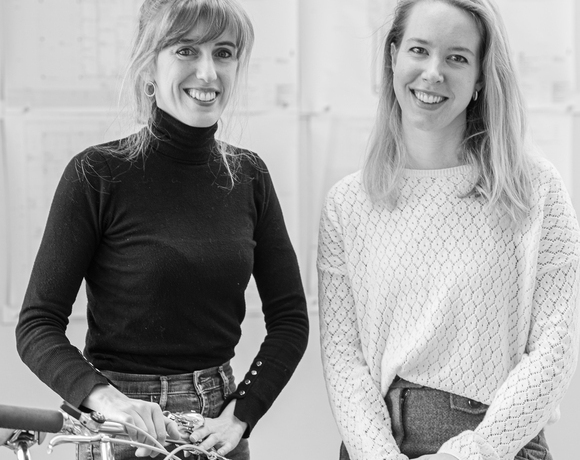
DARE Architects
Material Matters: from Earth to Innovation
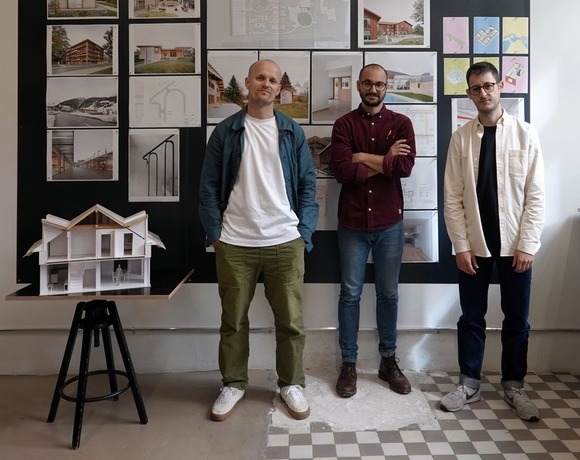
KOMPIS ARCHITECTES
Building from the Ground Up
Fill this form to have the opportunity to join the New Generations platform: submissions will be reviewed on a daily-basis, and the most innovative practices will have the chance to be part of the media's coverage and participate in our cultural agenda, including events, research projects, workshops, exhibitions and publications.
New Generations is a European platform that investigates the changes in the architectural profession ever since the economic crisis of 2008. We analyse the most innovative emerging practices at the European level, providing a new space for the exchange of knowledge and confrontation, theory, and production.
Since 2013, we have involved more than 3.000 practices from more than 50 countries in our cultural agenda, such as festivals, exhibitions, open calls, video-interviews, workshops, and experimental formats. We aim to offer a unique space where emerging architects could meet, exchange ideas, get inspired, and collaborate.
An original idea of New Generations
Team & collaborators: Gianpiero Venturini, Marta HervĂĄs Oroza, Elisa Montani, Giuliana Capitelli, Kimberly Kruge, Canyang Cheng
If you have any questions, need further information, if you'd like to share with us a job offer, or just want to say hello please, don't hesitate to contact us by filling up this form. If you are interested in becoming part of the New Generations network, please fill in the specific survey at the 'join the platform' section.
Architecture Through a Pedagogical Lens
Co-founded by Charlotte Guillochon and Victor Mesguich, atelier apara is an architecture practice committed to designing thoughtful projects that respond to social, ecological, economic, and territorial challenges. The studio works on housing, shared offices, public facilities, commercial spaces, and scenography, always mindful of context and resources. Emphasising biobased materials and bioclimatic design, it seeks to enhance existing heritage. Each project embraces resource efficiency, collaborative processes, and a deep reflection on use, form, and spatial relationshipsâaiming to create sustainable, meaningful, and adaptable architecture.
CG: Charlotte Guillochon | VM: Victor Mesguich
An organic start
VM: I think many young architects under 35, with maybe two to five years of experience, are opening their own practices. Iâm not sure exactly why, but right now, in France and across Europe, thereâs a strong political and social crisis. Young architects want to be part of this moment and contribute their ideas. Maybe itâs not the perfect answer, but itâs different from what previous generations have done.
CG: Itâs another kind of crisisâpersonal and social. We want to get involved and find new ways of doing things. Itâs not an existential crisis, but everyone wants to contribute to building a different future. Weâre aware of ecological and economic crises, and COVID really changed how we live and think. Thatâs what drives this generationâwe want to work and think differently, prioritising life over work. Starting our own firm means being part of that shift, embracing a new way of living.
VM: For us, joining forces was a natural step after our studies. With an open mindset, we wanted to bring that spirit into our professional work. Even during school, we enjoyed following every phase of a projectâfrom design to realisation and communicationâso continuing this after graduation felt seamless. We didnât want to be just another typical firm; we wanted to do research and take our time. We sought the freedom to exploreâeven without always knowing exactly where we were headed. It was about testing, exploring, and fully engaging in the process.
CG: Thatâs also why we didnât want to join an existing office. It might sound naive, but we wanted to keep dreaming. It was scary to imagine the gap between our school ambitions and the reality of working for rigid developers on housing projects. We feared losing our vision.
VM: Even now, after more than four or five years, weâd make the same choice. Gradually, the way we workâand especially how we communicate with clientsâis helping us create projects that truly reflect what we believe in.
Renovation as a way of thinking
VM: At first, the firmâs name was Atelier Parââparâ because weâre a duo, a pair. But everyone called us Apara, so we thought it might be easier to just use Atelier Apara. We think itâs important not to develop architecture in our own name, but rather as a way of thinking.
CG: Today, we mostly work on renovations with private clients. Thatâs been a big part of our work from the start. I was alone the first year because Victor was still in school. The first project was for family friends. Over time, Victor joined me, and we did more and more flats and houses. We see renovation as a relevant response for the architectâs role tomorrow.
As the years pass, we gain experience, and we just won our first public contract for a public building in Normandy. At the same time, we do a lot of research, teaching, and experimentationâwhich has built our practice over the past five years.
VM: From renovations we are now moving into small-scale public projects with a social dimension that reflects our commitment to renovation. One example is a library with a shop and two flats in Normandy. Most of our work is still in Paris, often through word of mouth, which allows us to experiment while staying financially afloat. We're also expanding our network across France, collaborating with other architects, municipalities, and friends of friends to grow beyond the capital.
Pedagogy through practice
VM: Weâre interested in working in other territories, especially rural ones, because thereâs more freedom to explore. The attention we bring to projects is also very different in rural areasâthe stakes, the context, the contact with peopleâand our approach to creating the project changes too. I think a good project comes from a good client. We see now, especially in rural areas, projects with intention and a genuine care for the territory.
CG: This is where we can develop meaningful projects rooted in craftsmanshipâsomething increasingly rare, especially in Paris and Ăle-de-France. By returning to essential constructive principles, we bring clarity and richness to the process while reconnecting with local know-how. In Normandy, for example, we often work with stone in renovations, collaborating with artisans who are familiar with traditional materials. In Ăle-de-France, we're rehabilitating a brick house, learning from craftspeople who understand the materialâs specificities and even exploring natural solutions like straw insulation to allow the walls to breathe. Itâs about understanding each building's needs and working with the right materials and skillsâoften within tight constraints. Rather than avoiding these challenges, we embrace them, using them as a basis for deeper reflection and innovation.
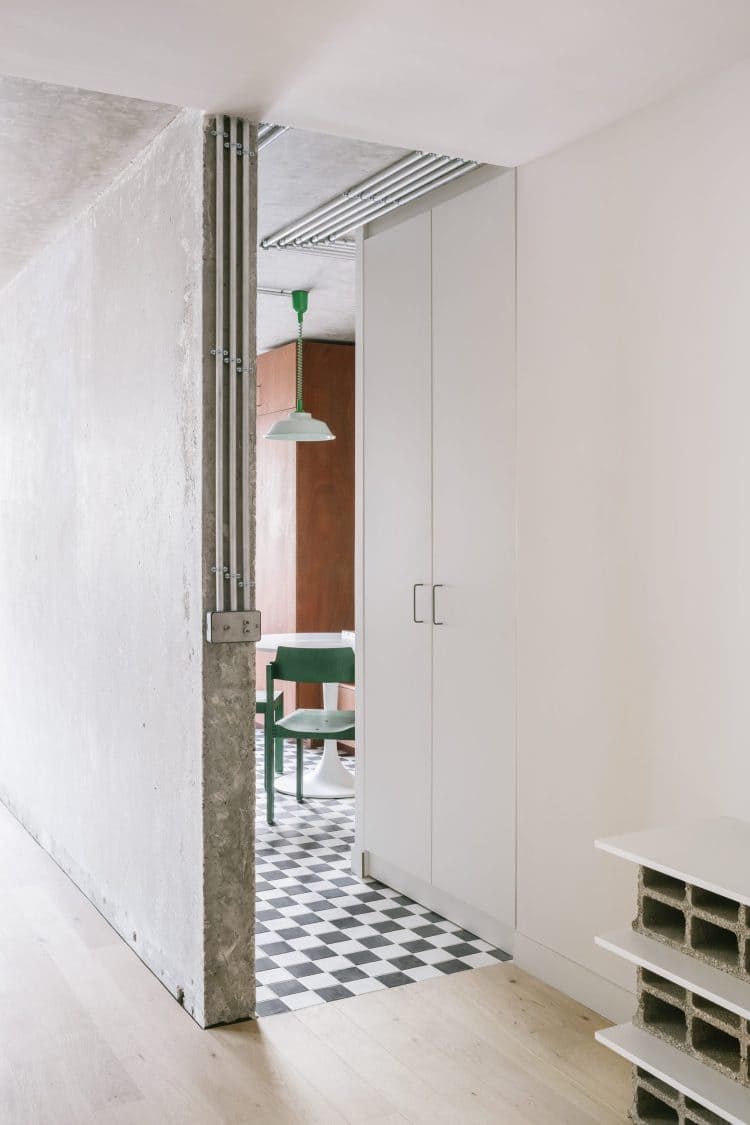
VM: In one of our projects, Convention, we aim to highlight the materiality of constructionânot just for its aesthetic value, but to reveal its fundamental role in architecture. This clarity allows the client to truly understand the design. Itâs not about complex theoretical research, but about something direct, tangible, and essential. The architecture should be approachable by the client. Thatâs a really important part of our workâmaking sure the client understands and feels connected to the project.
CG: Weâre trying to make architecture simpler and more comprehensible. Itâs also necessary to help people understand what architects actually do, what the constraints are. Thereâs a whole pedagogy to build around that. This helps everyone involved develop better projects, because when everyone understands the different constraints for each role, the project benefits.
VM: Thereâs a strong connection between our methodology and the pedagogy we develop with clients. When we talk about making a project simple, weâre referring to a focus on the essence of architectureâan economy of means. To support this, we use models as tools for communication. They offer a level of clarity and engagement that plans alone often canât. By inviting clients to interact with models, we make the project more accessible. This seemingly simple approach helps us move away from technical language and toward something more pedagogical and intuitive.
The same approach applies to public commissions: We aim to help the client understand, embrace, and take pride in the projectânot just as a client, but as a representative of the wider community. In our Normandy project, for example, the client is the mayor. While it's a public commission, the relationship remains personal; he wants a meaningful building for his village, not for himself. The project involves the renovation of a large, 350-square-metre house in the village. It includes a library managed by a local association, a 150-square-metre space for an ornithological group dedicated to biodiversityâpart of a historic foundation active in the regionâand, on the fourth floor, two social housing units for low-income families.
Minimal means
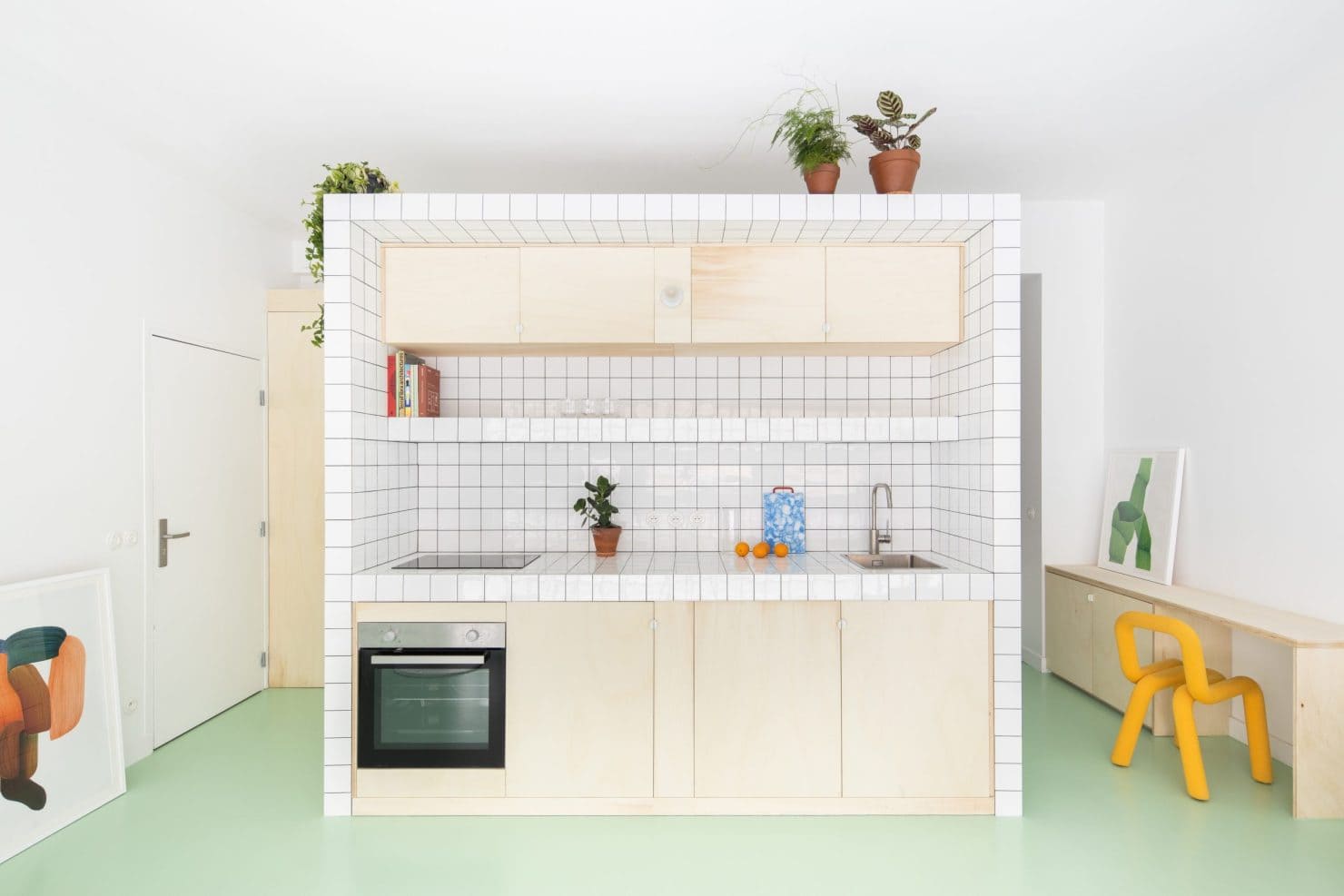
VM: Our first project in Paris that truly reflects our approach is Chuquetâa small flat organised around a central functional block. Previously a two-car garage, the space was transformed into a flat at the owner's request. We focused on a clear concept: placing the functional core at the centre, so the living spaces unfold around it.
CG: When we say this was the first project to truly reflect our intentions, weâre referring to an approach grounded in material economyâwhere every element is durable, functional, and essential. Nothing is superfluous. We aimed for pragmatism and simplicity, using minimal means and materials to get back to the basics. This focus on function and durability is a recurring theme in many of our projects, especially small flats we design for rental. Constraints like economic and functional requirements push us to think carefully about projects. This methodology truly reflects our way of doing architecture, not only economically but also as a sustainable approach in terms of time, materials, and function.
VM: This methodology is still new for us, but now we begin projects by carefully studying the construction, methodology, and structure of the existing elements. This step is becoming increasingly important. This reflection on working with the existing structuralâand therefore essentialâbuilding continued with the project Hugo. The renovation of this house was carried out using traditional methods in the 1960s: cheap hollow brick walls and beam and joist floors. We exposed the exterior walls and floors and highlighted their irregularities as a strength for the project. This responded to an economic point, but also to ecological and aesthetic ones.
An opportunity to evolve
VM: In the coming months, we see ourselves becoming much more involved in public competitions in rural areas. Until now, our work has focused mainly on flat renovations in Paris, but our practice is evolving. Weâre opening up to new types of projects, and this shift is accompanied by a strong interest in research, which continues to nourish our work. Weâre at a real transition pointâkeen to continue flat renovations while deepening our involvement in rural projects, research, and teaching. A key thread in our research is the relationship between energetic or climatic qualities of a space and its use. Weâre exploring how to connect these aspects across scales, especially in existing buildingsâworking with whatâs already there, while rethinking and adapting it to contemporary needs. This focus on renovating rather than constructing new buildings is crucial. There are many architects working this way, and we believe this approach needs to develop in other territories, especially rural areas and cities. With a multidisciplinary teamâarchitect, landscaper, urban planner, and social designerâwe submitted a proposal to Europan 18 in Julouville. The site is a 15-minute bike ride from our Normandy library project. By submitting this competition, we are keen to become even more involved in this area, to better understand its landscape, its challenges, and therefore our potential role. We certainly hope to win; it would represent a real milestone for our firm. On this project, our objective was to intervene wisely and even possibly to deconstruct to leave more space for the living world. However, the central focus of this work lies above all in our commitment to better understanding human and non-human lives. Giving back to this area, which allows us, through our first public commission, to express ourselves and better reflect on a grounded project.
CG: We also collaborate with other architects, such as StĂŠphanie Boufflet, one of our former teachers at the School of Architecture of Paris-Val-de-Seine. Itâs a way to experiment, ask questions with students, and develop reflections. They provide a framework to explore questions we donât yet have answers to, fostering real dialogue. This framework helps us develop our own thinking.
We also respond to open calls and write articles on themes important to us. This allows us to step back from daily practice and enrich what we do. For example, we contributed to Polygone, an architecture publishing house, and Year Book (School of Architecture of Versailles), which asked us about the future role of architects. This helped us question how we want to continue with renovations. We try to answer these requests because they fuel research and reflection on our practice.
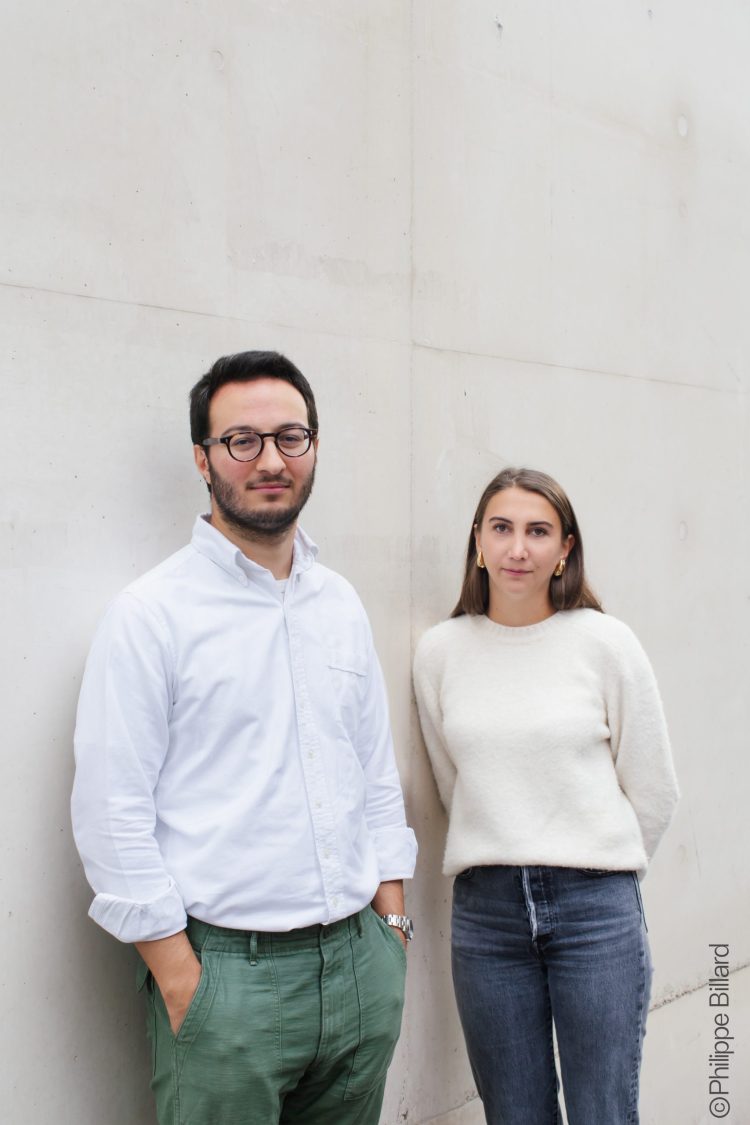
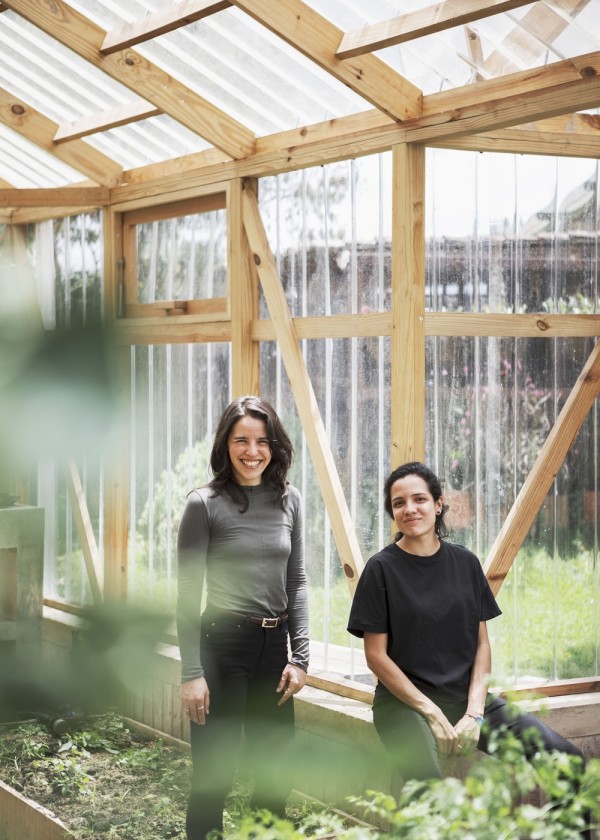
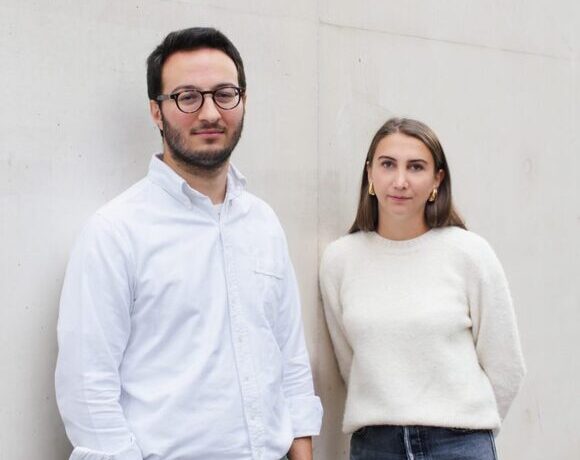
âĄď¸ Atelier Apara. Charlotte Guillochon, Victor Mesguich. Ph. Philippe Billard
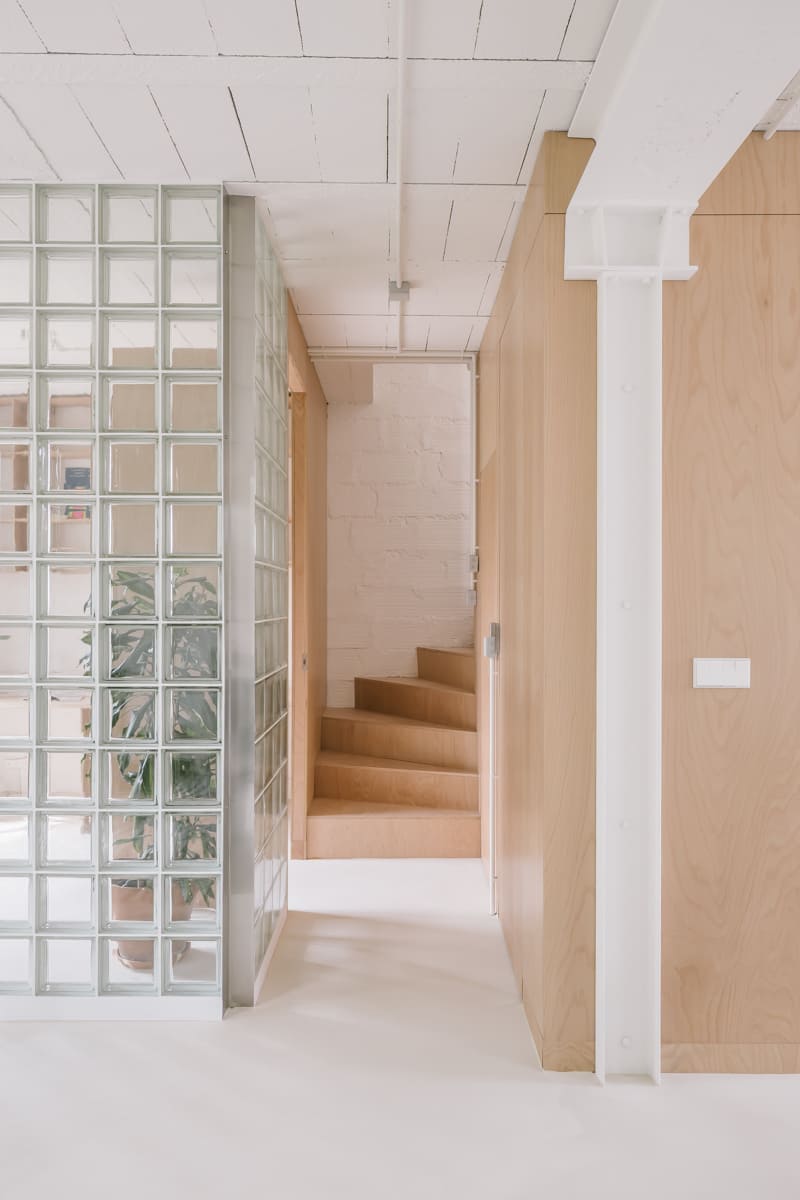
âĄď¸ 064 Hugo. Renovation of a family home, Palaiseau. Ph. Philippe Billard
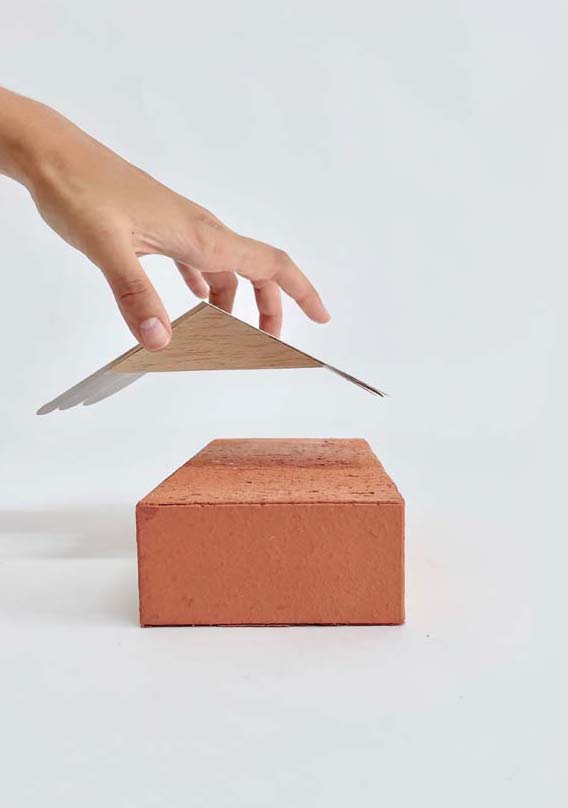
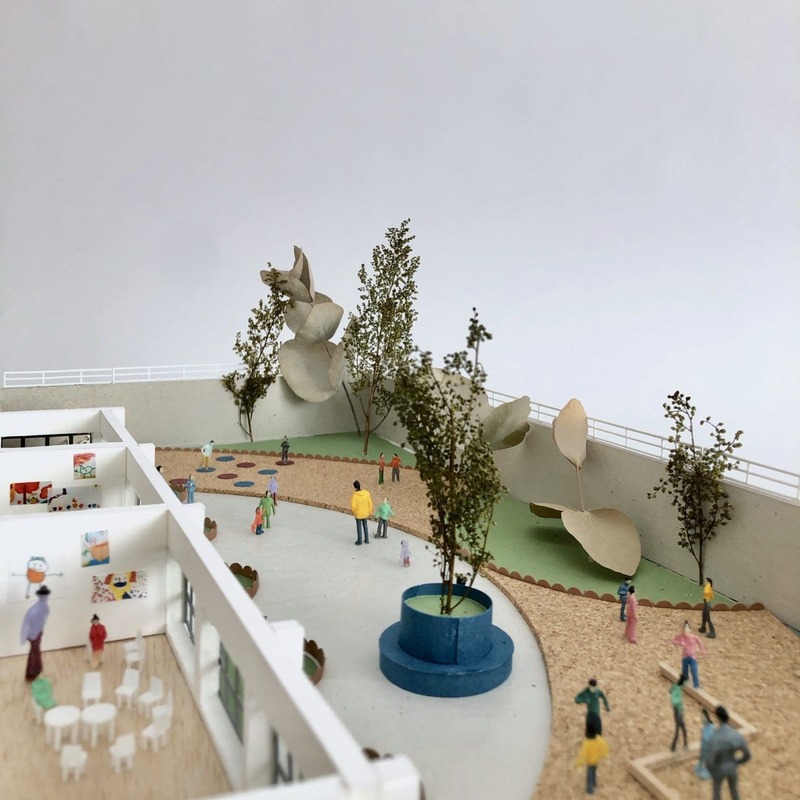
âĄď¸ 057 ChildHouse. Conceptual model for a childrenâs home, Senegal. Ph. Atelier Apara
âĄď¸ 039 Chuquet. Transformation of an old garage into an apartment, Paris. Ph. Philippe Billard
âĄď¸ 017 Buissonière, model. Rehabilitation of a nursery school playground, Aubervilliers. Ph. Atelier Apara
âĄď¸ 106 Convention. Renovation of an apartment in a 1960s building, Paris. Ph. Philippe Billard