a-platz
Bridging Cultures, Shaping Ideas
New French Architecture
An Original Idea by New Generations
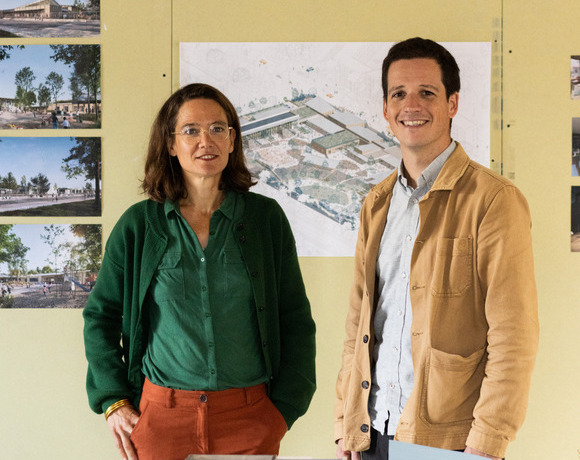
Carriere Didier Gazeau
Coming Soon
Rodaa
Practicing Across Contexts
Urbastudio
Interconnecting Scales, Communities, and Values
Oglo
Designing for Care
Figura
Figures of Transformation
COVE Architectes
Awakening Dormant Spaces
Graal
Understanding Economic Dynamics at the Core
ZW/A
United Voices, Stronger Impacts
A6A
Building a Reference Practice for All
BERENICE CURT ARCHITECTURE
Crossing Design Boundaries
studio mäc
Bridging Theory and Practice
studio mäc
Bridging Theory and Practice
New Swiss Architecture
An Original Idea by New Generations
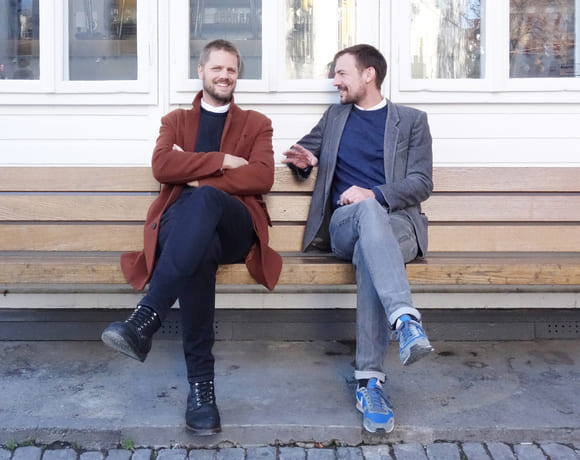
KUMMER/SCHIESS
Compete, Explore, Experiment
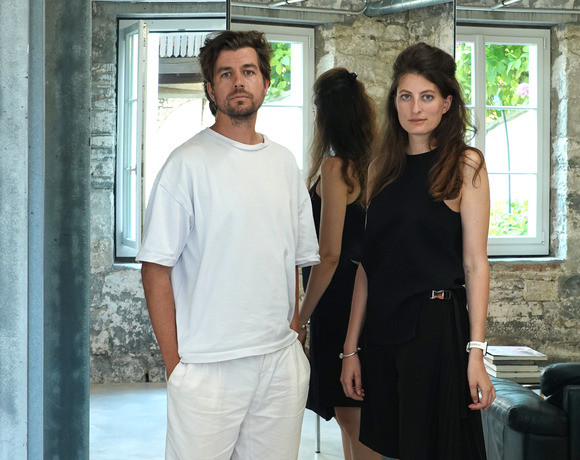
ALIAS
Stories Beyond the Surface
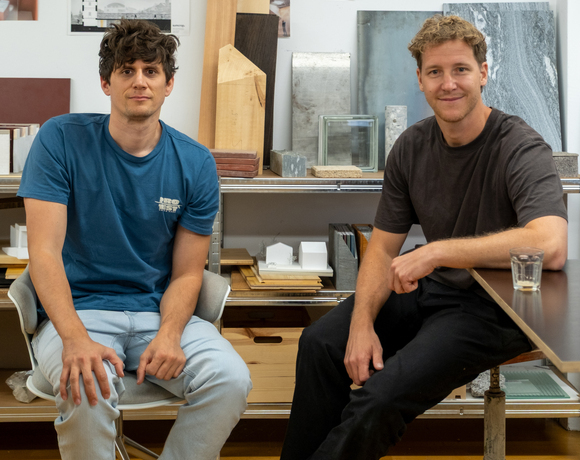
sumcrap.
Connected to Place
BUREAU/D
From Observation to Action
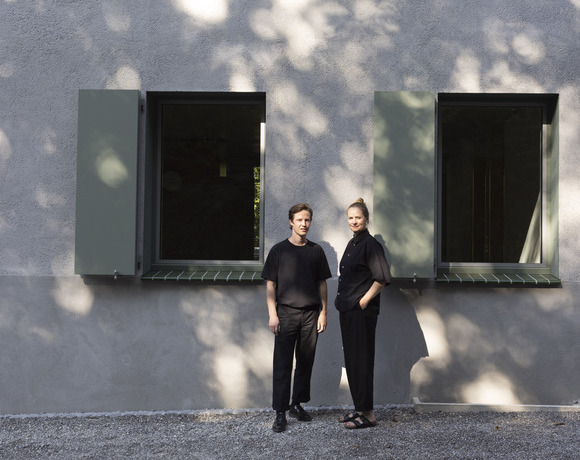
STUDIO ROMANO TIEDJE
Lessons in Transformation
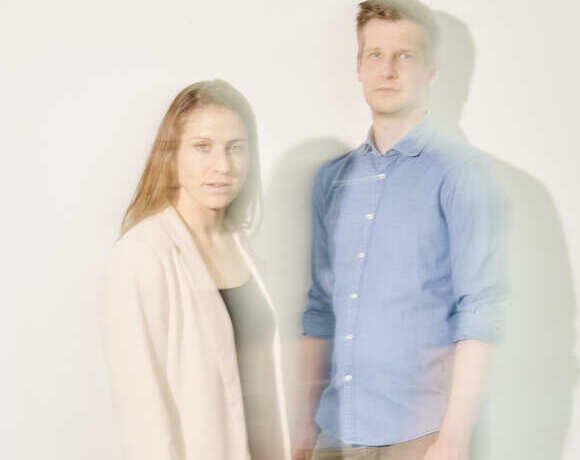
Ruumfabrigg Architekten
From Countryside to Lasting Heritage
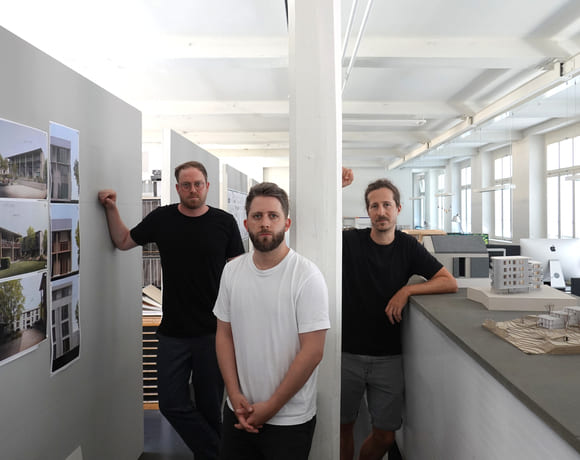
Kollektiv Marudo
Negotiating Built Realities
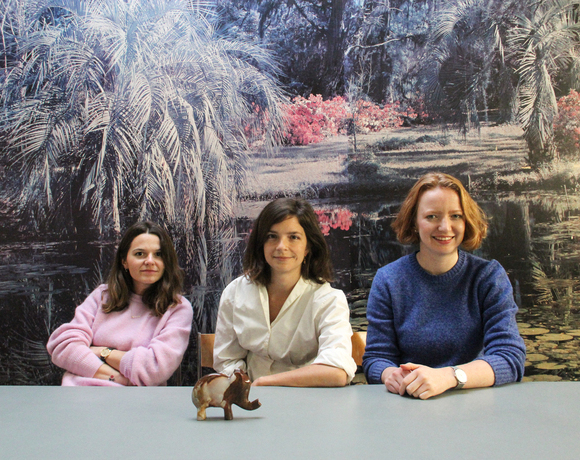
Studio Barrus
Starting byChance,Growing Through Principles
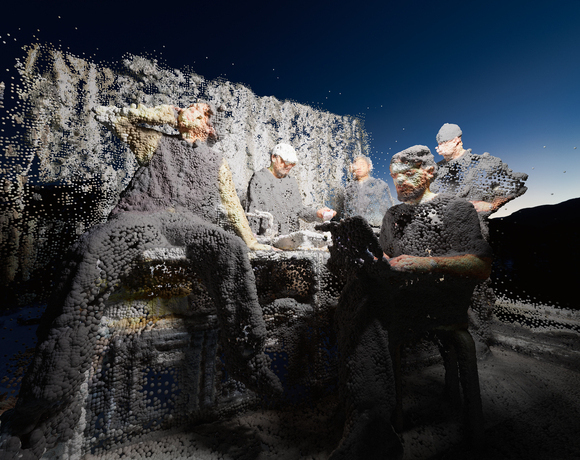
dorsa + 820
Between Fiction and Reality
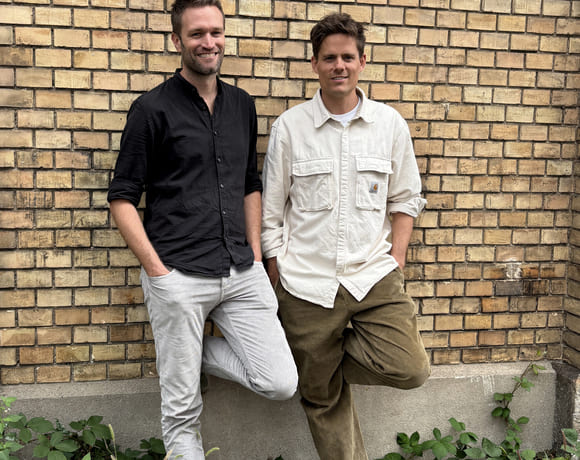
S2L Landschaftsarchitektur
Public Spaces That Transform
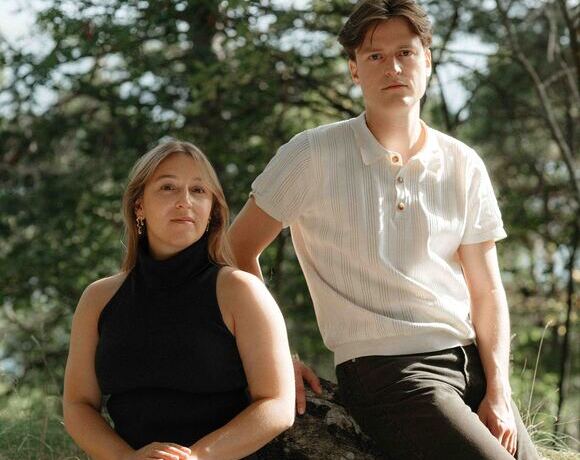
DER
Designing Within Local Realities
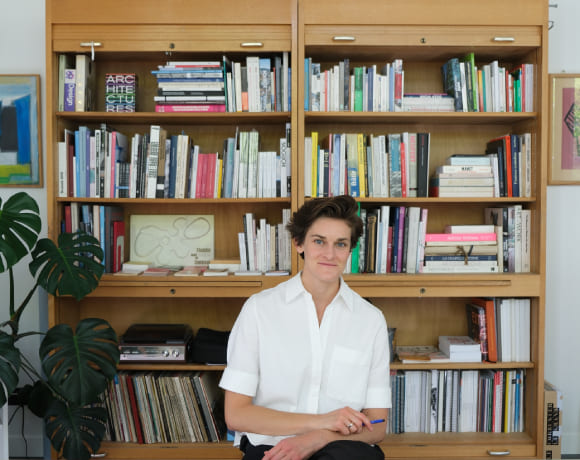
Marginalia
Change from the Margins
En-Dehors
Shaping a Living and Flexible Ecosystem
lablab
A Lab for Growing Ideas
Soares Jaquier
Daring to Experiment
Sara Gelibter Architecte
Journey to Belonging
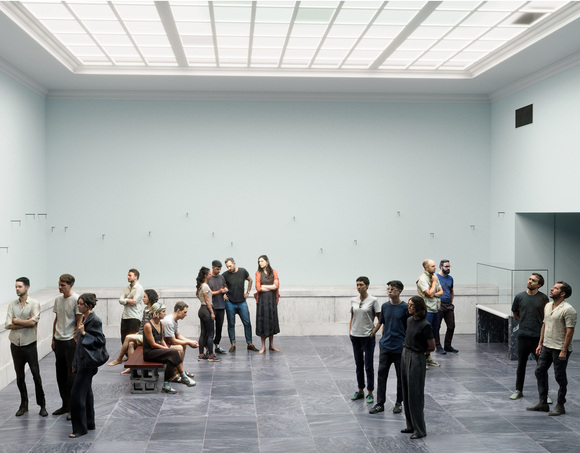
TEN (X)
A New Kind of Design Institute
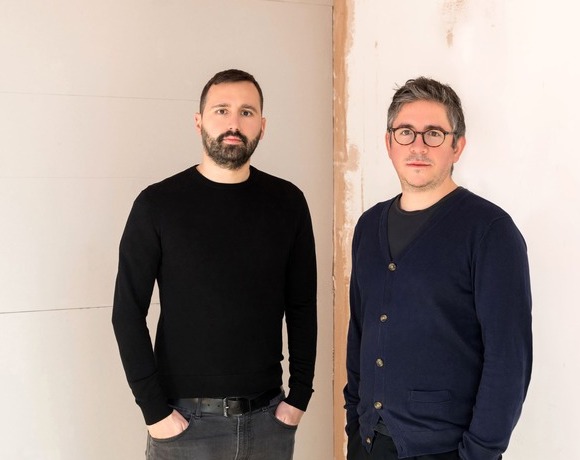
DF_DC
Synergy in Practice: Evolving Together
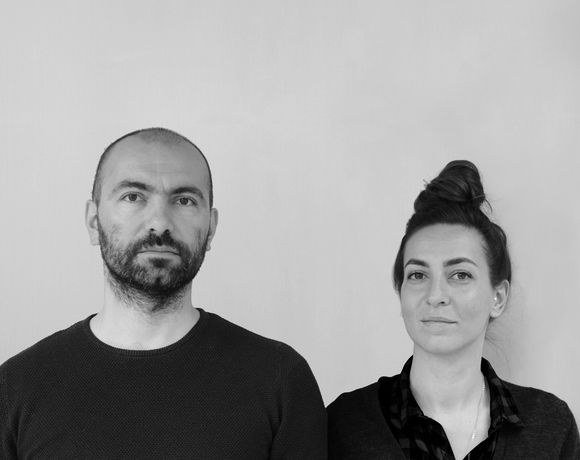
GRILLO VASIU
Exploring Living, Embracing Cultures
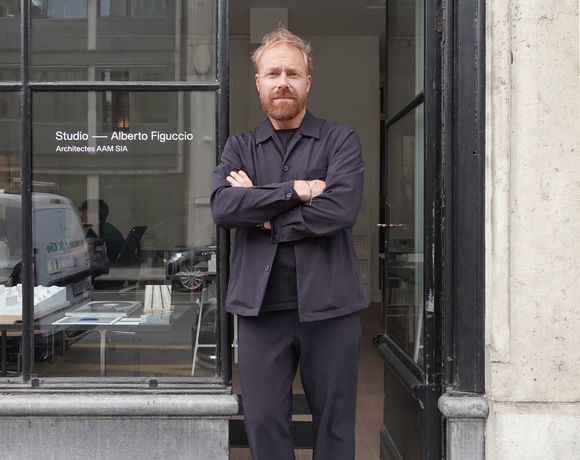
Studio â Alberto Figuccio
From Competitions to Realised Visions
Mentha Walther Architekten
Carefully Constructed
Stefan Wuelser +
Optimistic Rationalism: Design Beyond the Expected
BUREAU
A Practice Built on Questions
camponovo baumgartner
Flexible Frameworks, Unique Results
MAR ATELIER
Exploring the Fringes of Architecture
bach muĚhle fuchs
Constantly Aiming To Improve the Environment
NOSU Architekten GmbH
Building an Office from Competitions
BALISSAT KAĂANI
Challenging Typologies, Embracing Realities
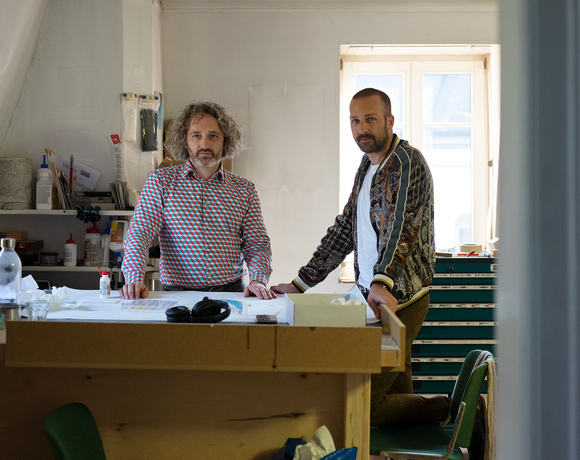
Piertzovanis Toews
Crafted by Conception, Tailored to Measure
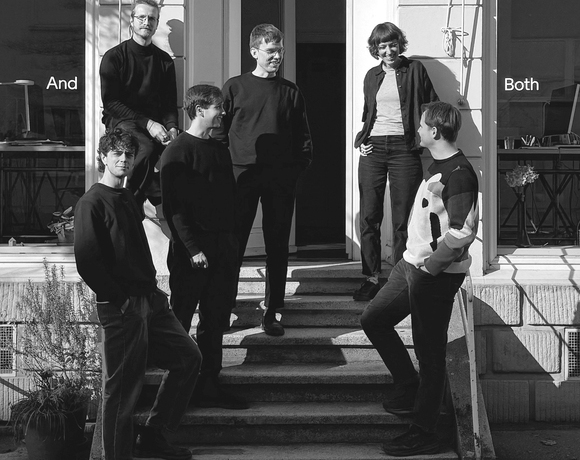
BothAnd
Fostering Collaboration and Openness
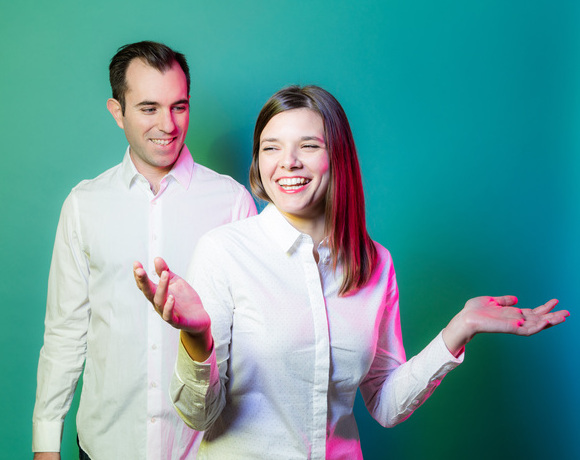
Atelier ORA
Building with Passion and Purpose
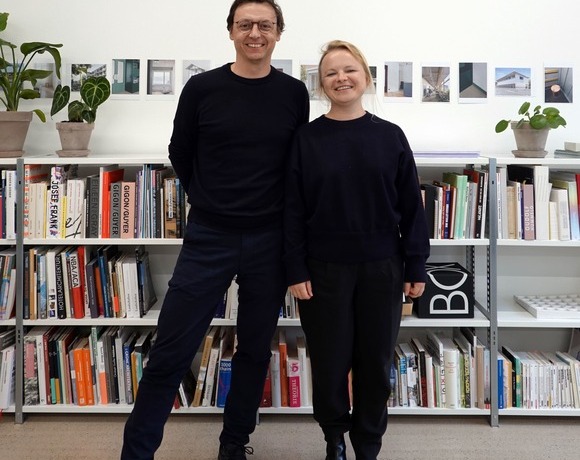
Atelier Hobiger Feichtner
Building with Sustainability in Mind
CAMPOPIANO.architetti
Architecture That Stays True to Itself
STUDIO PEZ
The Power of Evolving Ideas
Architecture Land Initiative
Architecture Across Scales
ellipsearchitecture
Humble Leanings, Cyclical Processes
Sophie Hamer Architect
Balancing History and Innovation
ArgemĂ Bufano Architectes
Competitions as a Catalyst for Innovation
continentale
A Polychrome Revival
valsangiacomoboschetti
Building With What Remains
Oliver Christen Architekten
Framework for an Evolving Practice
MMXVI
Synergy in Practice
Balancing Roles and Ideas
studio 812
A Reflective Approach to
Fast-Growing Opportunities
STUDIO4
The Journey of STUDIO4
Holzhausen Zweifel Architekten
Shaping the Everyday
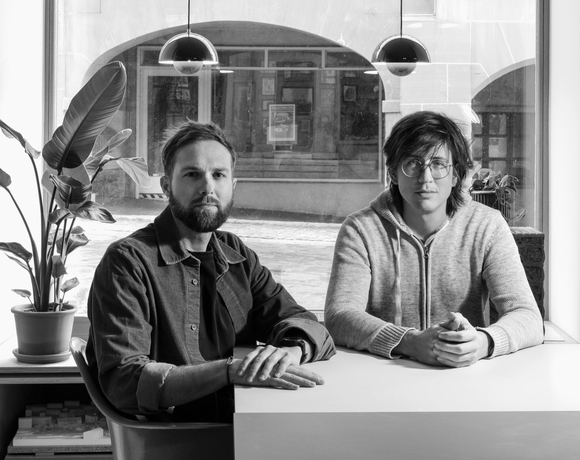
berset bruggisser
Architecture Rooted in Place
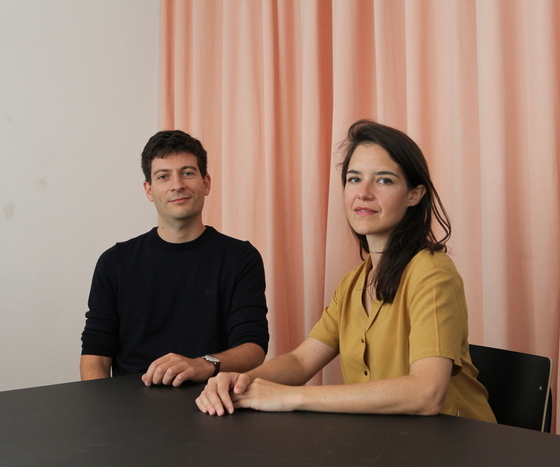
JBA - Joud Beaudoin Architectes
New Frontiers in Materiality
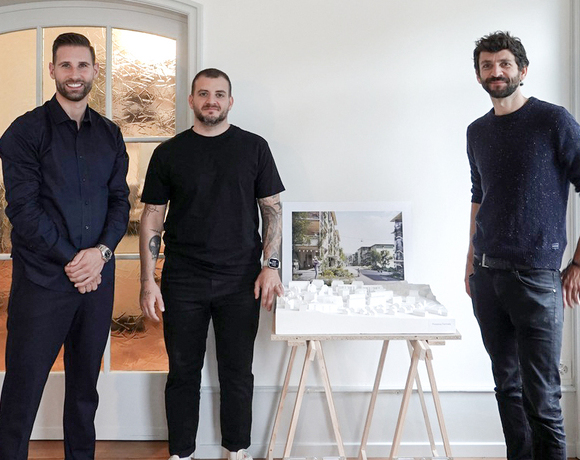
vizo Architekten
From Questions to Vision
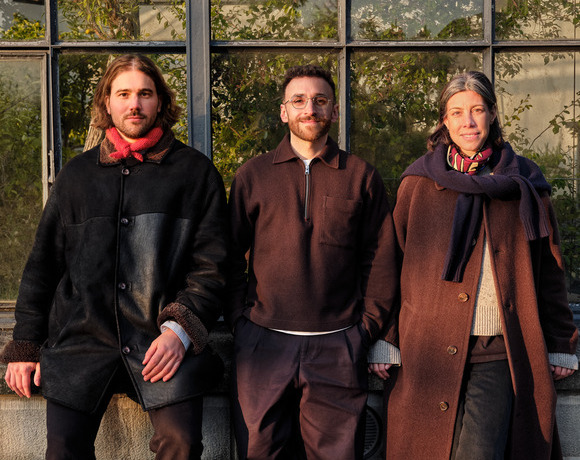
Atelier NU
Prototypes of Practice
Atelier Tau
Architecture as a Form of Questioning
alexandro fotakis architecture
Embracing Context and Continuity
Atelier Anachron
Engaging with Complexity
studio jo.na
Transforming Rural Switzerland
guy barreto architects
Designing for Others, Answers Over Uniqueness
Concrete and the Woods
Building on Planet Earth
bureaumilieux
What is innovation?
apropaĚ
A Sustainable and Frugal Practice
Massimo Frasson Architetto
Finding Clarity in Complex Projects
Studio David Klemmer
Binary Operations
Caterina Viguera Studio
Immersing in New Forms of Architecture
r2a architectes
Local Insights, Fresh Perspectives
HertelTan
Timeless Perspectives in Architecture
That Belongs
Nicolas de Courten
A Pragmatic Vision for Change
Atelier OLOS
Balance Between Nature and Built Environment
Associati
âCheap but intenseâ: The Associati Way
emixi architectes
Reconnecting Architecture with Craft
baraki architects&engineers
From Leftovers to Opportunities
DARE Architects
Material Matters: from Earth to Innovation
KOMPIS ARCHITECTES
Building from the Ground Up
Fill this form to have the opportunity to join the New Generations platform: submissions will be reviewed on a daily-basis, and the most innovative practices will have the chance to be part of the media's coverage and participate in our cultural agenda, including events, research projects, workshops, exhibitions and publications.
New Generations is a European platform that investigates the changes in the architectural profession ever since the economic crisis of 2008. We analyse the most innovative emerging practices at the European level, providing a new space for the exchange of knowledge and confrontation, theory, and production.
Since 2013, we have involved more than 3.000 practices from more than 50 countries in our cultural agenda, such as festivals, exhibitions, open calls, video-interviews, workshops, and experimental formats. We aim to offer a unique space where emerging architects could meet, exchange ideas, get inspired, and collaborate.
A project by Itinerant Office
Within the cultural agenda of New Generations
Editor in chief Gianpiero Venturini
Team Akshid Rajendran, Ilaria Donadel, Bianca Grilli
If you have any questions, need further information, if you'd like to share with us a job offer, or just want to say hello please, don't hesitate to contact us by filling up this form. If you are interested in becoming part of the New Generations network, please fill in the specific survey at the 'join the platform' section.
Bridging Cultures, Shaping Ideas
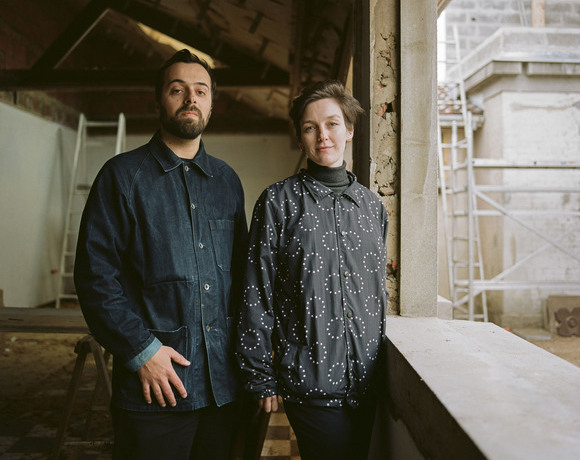
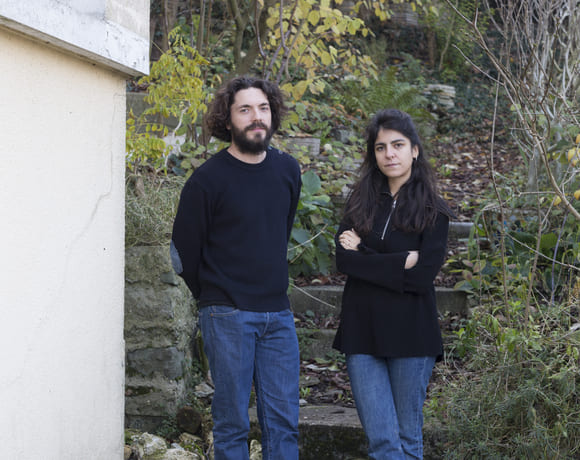
a-platz is an architecture practice founded in 2021, based in Paris, France, and Miercurea-Ciuc, Romania. Through a research-driven approach focused on the interpretation of archetypes, shared heritage, and the development of an architecture that is familiar, and accessible to its inhabitants, they aim to establish a new balance between the autonomy of architecture and its dependence on its surrounding territory.
MB: Mihai BuČe | JC: JĂŠrĂ´me Couatarmanacâh
Not easier, but more engaged
MB: a-platz is founded on the collaboration of four partners with diverse backgrounds. JĂŠrĂ´me and I have experience in large offices, working with teams of 25 to 30 people, while MĂĄrton and EmĹke have always been involved in smaller, more domestically scaled practices. We gained experience working on long-term projects, many of which, unfortunately, we didnât see come to fruition. This might be part of why we wanted to be more involved in the entire process of architecture and construction. Itâs something that probably resonates with other emerging practices as well. Additionally, larger projects are becoming less frequent, and we feel that we can engage more deeply with small-scale interventions, not only from an economic standpoint but also from an environmental one.
This explains our desire to establish our own independent collaborations through a-platz. As for the name of our practice, its origins arenât entirely clear, but it evokes something about the cityâparticularly the European city. âPlatzâ, in German means âsquareâ, so for us, it connects to the idea of European culture, of public space. But overall, we feel the name is open to interpretation. Itâs not about a single definition but the feeling it conveys.
Long story short: a beginning rooted in friendship and collaboration
MB: We worked in different offices before founding ours. MĂĄrton and I met while studying in Romania, and later, we became colleagues. JĂŠrĂ´me and I met while working in an office in Paris, and MĂĄrton and EmĹke also had international experiencesâstudying and interning in places like Budapest and Basel. This variety of experiences seemed natural for our generation, where we travelled and studied in different places. We got along well in architectural projects, and that evolved into a strong friendship. It felt right to work together.
In the beginning, we didnât have a structured office. We started with competitions, as many do, and we were fortunate to win Europan13 in Graz, Austria. These small successes encouraged us to keep going, and after the Europan, we became more confident and realised we wanted to pursue our own practice. Our collaboration started around 10 years ago, but the official office, a-platz, began in 2021. So we are approaching our 10th year, but the practice itself is only four years old. Before that, we worked on projects in our spare time while still employed in other offices. In that phase, it was easier to take a more experimental approach, feeling free to draw and propose ideas that we might not have explored in our day-to-day jobs. Over time, everything came together to form the practice.
Crossing borders: two places, one practice
MB: We are located in two cities and two countries: Paris, France, where I collaborate with JĂŠrĂ´me, and Miercurea Ciuc, Romania, where the other two partners of the practice, MĂĄrton TĂśvissi and EmĹke ForrĂł, are based. There are two entities for organisational reasons, but the name remains the same. The reason we have two locations is simple: we live in different places, and we mainly develop projects in these two regions. At the time, we found that working together, despite the distance, was working well. We had strong communication, both in practical and architectural ideas, and we made the choice to live in different places. It felt natural to continue collaborating because what mattered was not being physically in the same place, but how we worked together. Technology allowed us to stay connected, and the COVID crisis validated this way of working. What once felt rare has now become quite natural. In the end, working from a distance doesnât feel strange any more; it feels like a strength. When you're in your own head, it can be easy to get overwhelmed by problems and lose perspective. Having someone from the outside offers fresh insight, which is quite valuable.
JC: Itâs really valuable to get fresh perspectives on each project. Sometimes, when working on a project in Romania or France, one of us might not fully grasp the translation of regulations or cultural specifics, and that can open up new ideas. Itâs like being free from the weight of regulations, which can sometimes be constraining. We can step back, propose ideas, and draw without worrying about every detail. This distance gives us a new way to look at things and helps the creative process.
MB: The division of work is very different from project to project. Itâs clear that when working in a certain context, the local team understands it bestâtheyâre in contact with clients, administration, partners, engineers, and so on. So, theyâre naturally the ones managing the project. We only focus on the architectural proposal and donât get involved with regulations. Step by step, we join in, but the idea is to stay free of that. Itâs great when you can look at the project from an architectural, social, and cultural point of view. While we work together on projects in different locations, at some point, as the construction process unfolds, we take charge if the project is local. We only ask for advice when necessary.
JC: France and Romania are both similar and different contexts. In France, especially in recent years, weâre involved with many public commissions, and there are competitions or selection processes. We also have a few private projects, which sometimes involve competition as well. So, in France, competitions have become a way to get projects.
MB: In Romaniaâat least, for usâ the process is different. Itâs often about meeting clients directly without a competition. We have a few public projects there, though none have been realised yet. The volume of public projects there isnât as high as in France. The territories are also differentâhere weâre working in denser, urbanised areas, while in Romania, weâre in smaller cities with a larger countryside. But overall, the type of work weâre doingâtransforming and extending existing buildingsâis similar in both places.
Transforming the existing
MB: Our involvement in transformation projects has grown significantly over the years. Five or ten years ago, transformation projects accounted for maybe 20 to 50 percent of our work, with the majority being new projects. Now, that ratio has flipped, and I think this is a broader trend.
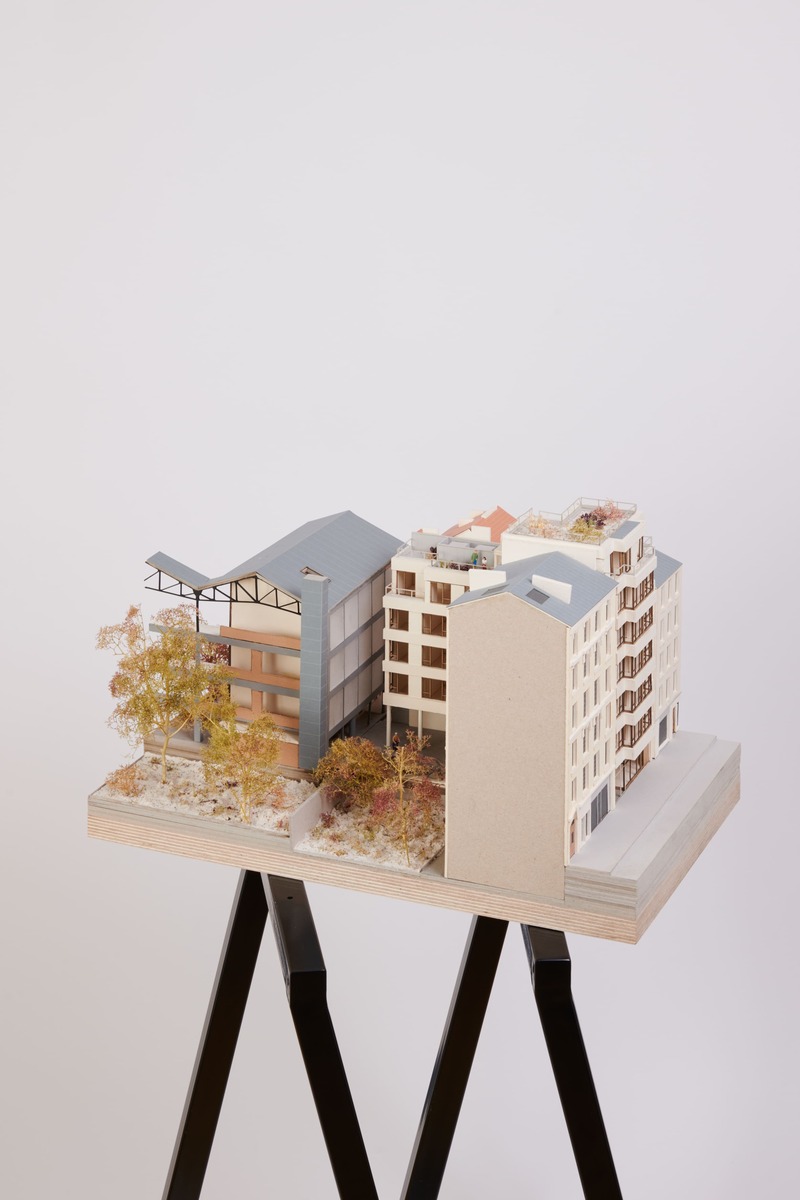
Transformation projects come with their own challenges. You have to understand the existing structure, not just from an architectural perspective but also from an urban one. Working on a dense site often affects the surrounding buildings and community. You must assess what is important to preserve in the building, even when fragmentation complicates things. Regulations can also limit the possibilities, but the challenge is finding the balance between regulation and the potential improvements for the building. It requires a lot of analysis. The technical diagnosis is one thingâchecking the structure, the air quality, materials used in construction, and their safety. This part is more straightforward because there are clear rules. But there's also a cultural diagnosis, understanding the building's history, how itâs evolved, and whether some of these changes are worth preserving or improving. In Paris, we work on transformation projects and rehabilitation. Right now, weâre dealing with a Haussmannian building from 1912âRue Jules Lefebvreâand with a garage building from the beginning of the 20th century in Cours de Vincennes. The first project is more of a renovation and has a patrimonial dimension, and the second one is about transforming an obsolete programme and its structure in housing.
Simplification is a central objective, and a common aspect in our projects. In transformation projects, this is crucial. Over time, buildings undergo multiple interventions that can dilute their identity. Finding the original identity or creating a new one involves simplifying the structure. From an economic perspective, simplification is crucial because budgets are often under pressure. The risk of not simplifying is that the project may not be feasible. This approach is also important for new projectsâclarity and simplicity in the system are key.
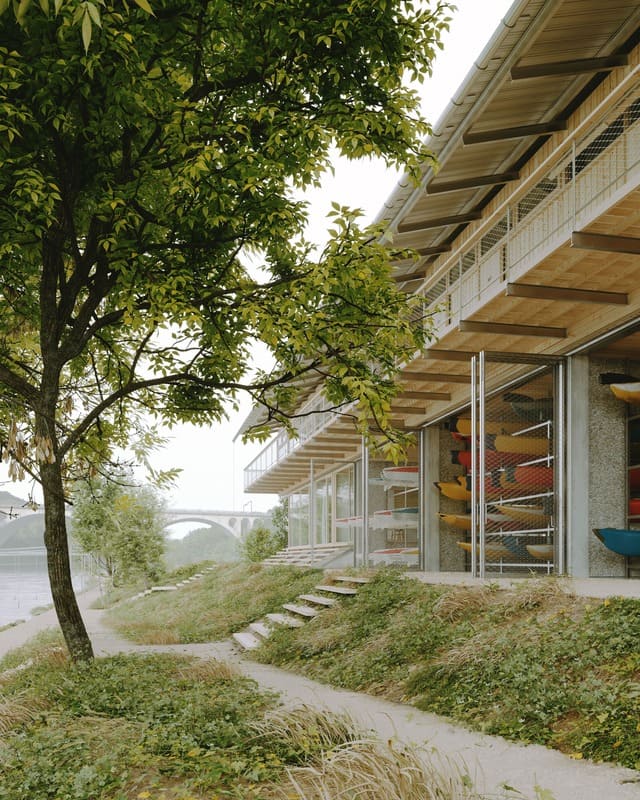
Beside renovation projects in Paris, sometimes we join other teams and collaborate to propose ideas through competitions. We participated in one in 2024 in Geneva together with Acte architectes from Lausanne. Unfortunately, we didnât win, but it was a valuable experience. The competition involved transforming a site to accommodate a new nautical centre and create more green space. Our approach was to work with the materials found on-site, including an existing building and nearby metal structures. The challenge was to reuse these materials creatively, almost like a ready-made object. It was a valuable exercise. Although we didnât win, we learned a great deal, particularly from collaborating with a team from a different context.
Miercurea Ciuc, Romania
MB: Transformation projects are more and more common in Miercurea Ciuc, as well. While one of our first built projects in the region, a small ski pavilion, was a completely new structure in a natural landscape, since then, almost every project has dealt with extending or renovating existing structures.
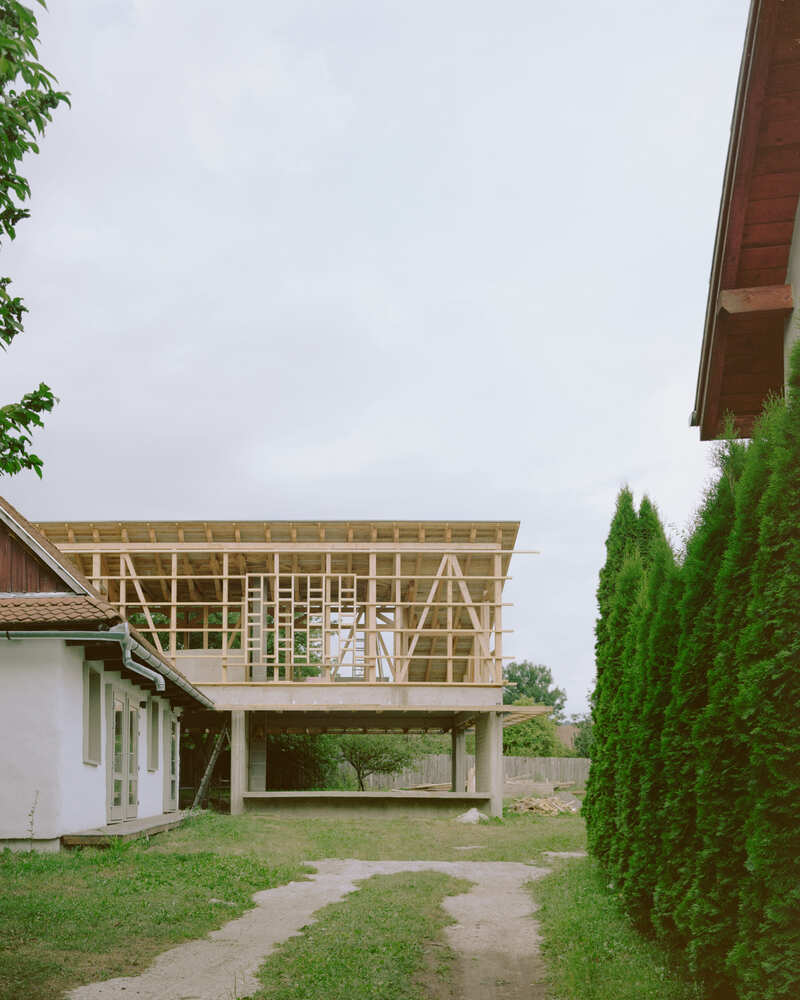
The region has a history of building in timber, which we like to integrate into our projects as well. The ski pavilion is built completely in timber, combining traditional details with contemporary ones. We have a house extension project close to completion in Pirickse, where an old country house is completed with a contemporary wing, consisting of a clear structure of concrete and timber, and the essence of the project is the dialogue between the two. Formally, there is a contrast between them, but they share similar materiality, only in different proportions.
Working with the existing is even more central to the renovation project of a city house in Miercurea Ciuc, on Marton Aron street, where our studio is. It is an ongoing project with an unusual nature: itâs a long-term planning and realisation process, and the building is being used while undergoing the transformation. The needs are also changing with time. It is also a really interesting process of understanding traditional building techniques and improvising to find the optimal solution for every situation that arises, often working with reused materials from the site. Working practically from the construction site is an important side of it; itâs a hands-on experience.
The value of research and print
MB: We are interested in theory, but so far, we do not have a dedicated department for research activities. Our focus now is on the practicalities of starting and delivering an architectural project. It might sound simple, but providing quality architecture today is a challenging process with many variables. It's a difficult task to deliver a project as you envisioned it, and that's something weâre learning to navigate. Alongside that, weâre interested in construction techniques, materials, social phenomena, and typologies. But this isnât formal academic research; itâs more of an ongoing exploration focused on structuring our practice.
Weâre also interested in publications and books, and in 2023 we published one, titled Paris to Stockholm, Views from the North. It came from a cycling trip we took from Paris to Stockholm in 2019, where we visited architectural sites and explored social and collective housing along the way. I always carry an analogue camera, and after the trip, we thought it would be nice to put everything together into a book. It wasnât planned, but it came together as a shared experience.
JC: When we saw the photos and realised how they captured the essence of the trip, we thought it would be worth sharing. It wasnât about making a publication; it was about sharing the experience and understanding the process behind. A book is like architectureâit has form, presence, and details. It was a great learning experience, understanding how the world of publishing works and seeing how books are made.
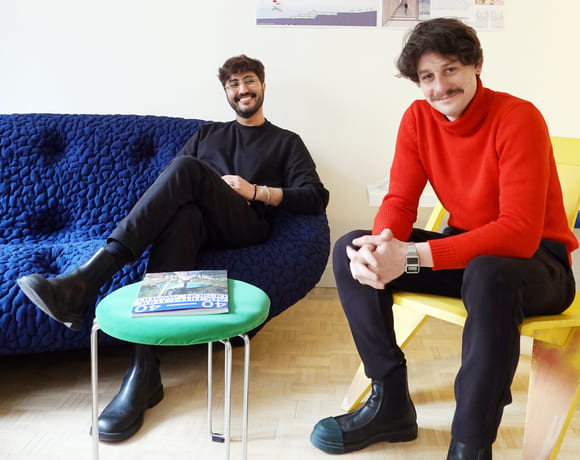
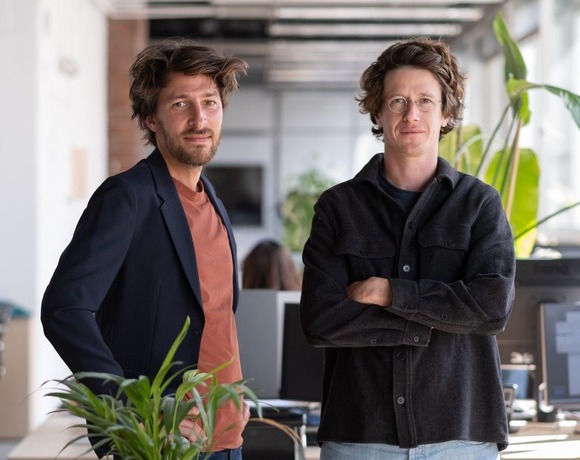
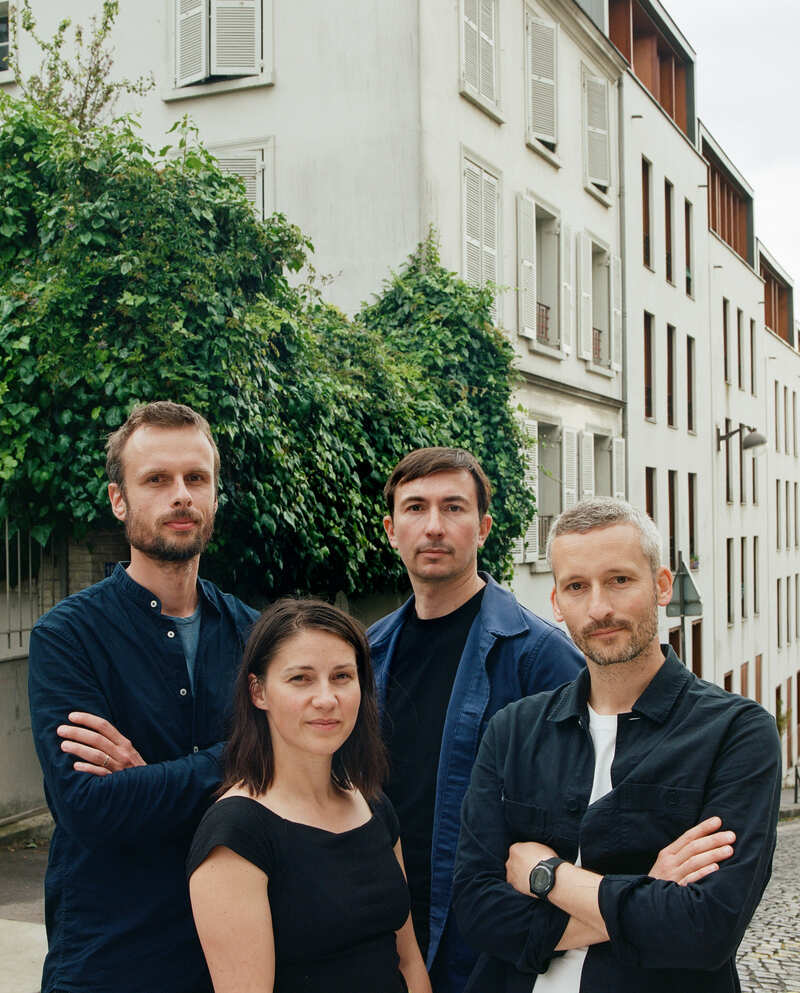
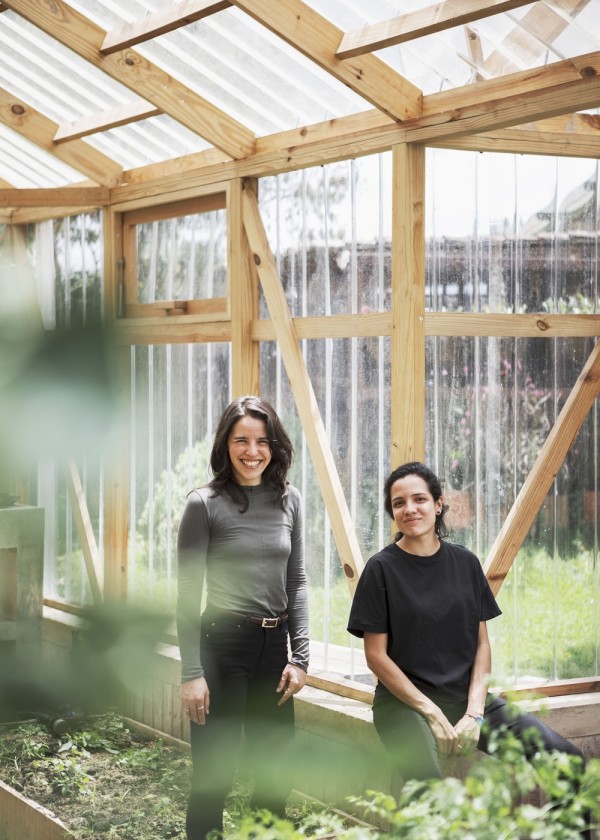
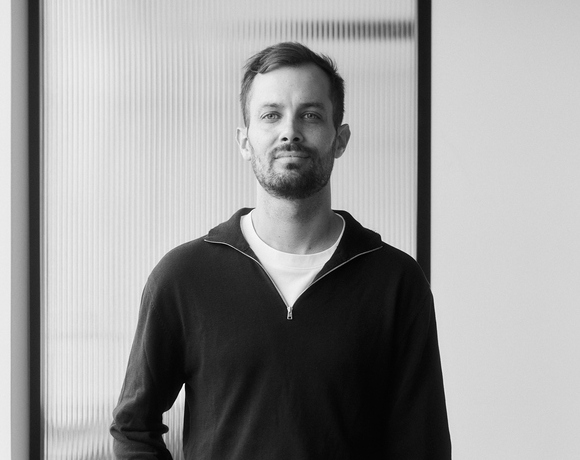
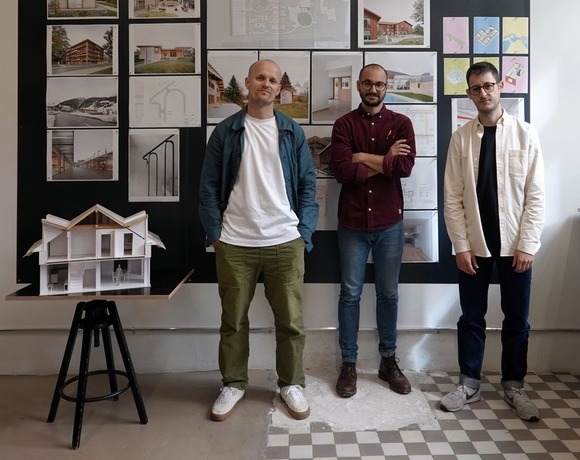
âĄď¸ a-platz. Mihai BuČe, JĂŠrĂ´me Couatarmanacâh, EmĹke ForrĂł, MĂĄrton TĂśvissi. Ph. Antoine SĂŠguin
âĄď¸ Jules Lefebvre, Paris. Rehabilitation of a haussmannian office building. Ph. Jeudi Wang
âĄď¸ 42 Cours de Vincennes, model, Paris. Transformation of a garage in apartments. Ph. Nyima Marin
âĄď¸ Pointe de la Jontion, Geneva. Nautical centre. Ph. Jeudi Wang
âĄď¸ Ski pavilion, Pirickse. Ph. Mihai Caranica
âĄď¸ House extension, Tapioca. Ph. Mihai Caranica