OAR / OFFICE ABRAMI ROJAS
Paris

Starting Small, Thinking Deep

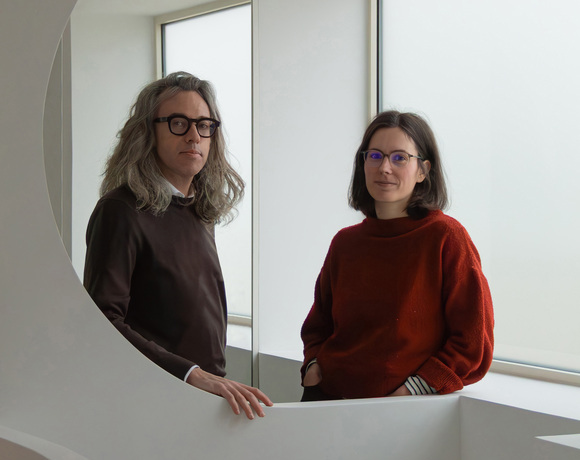
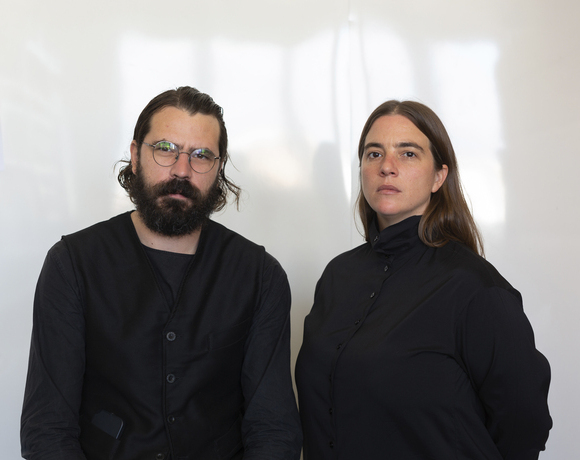
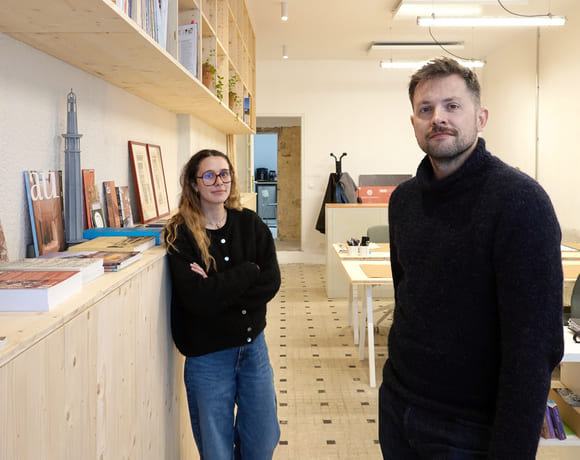
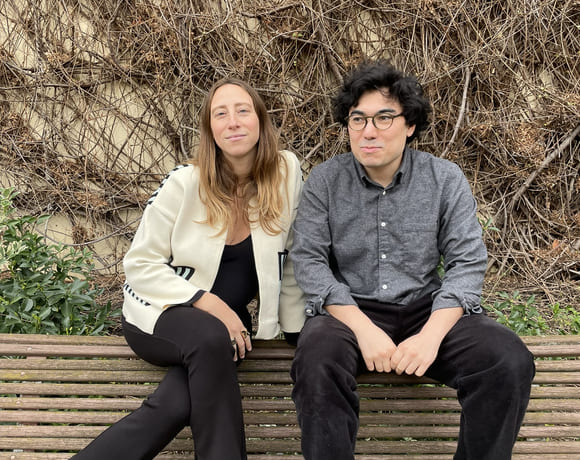
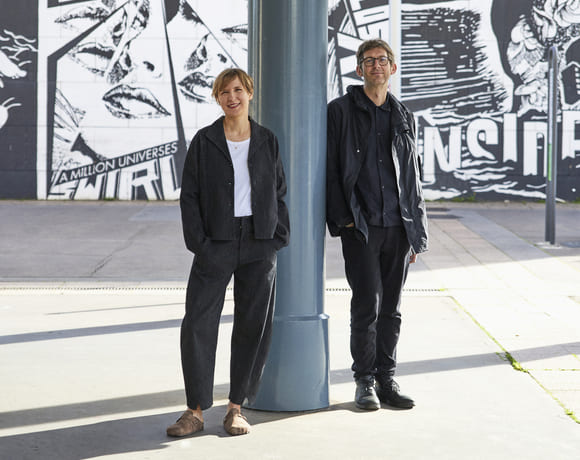
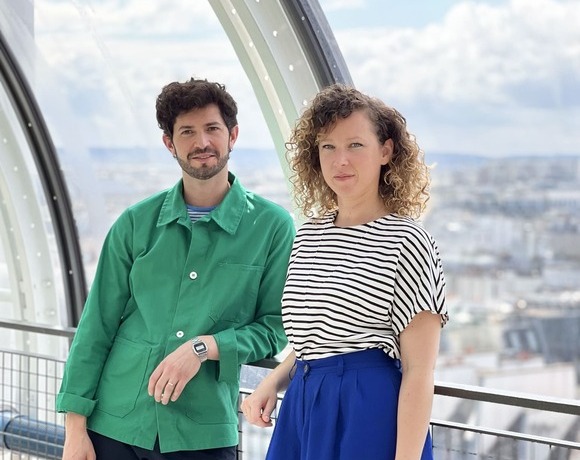
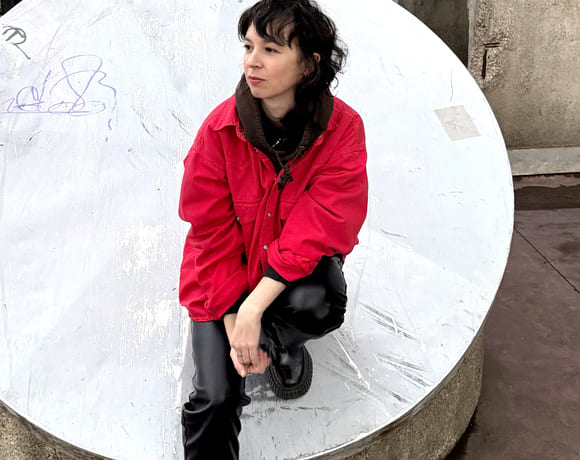
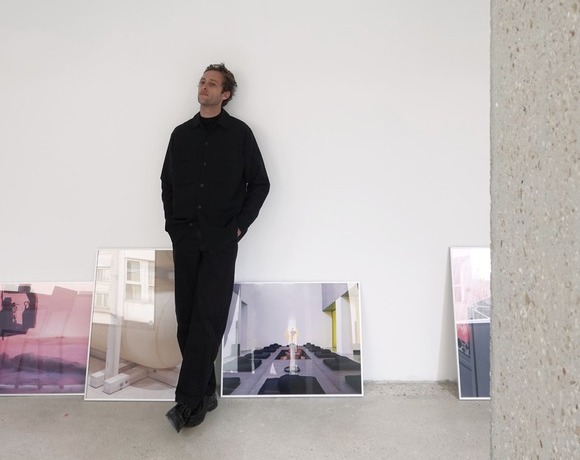
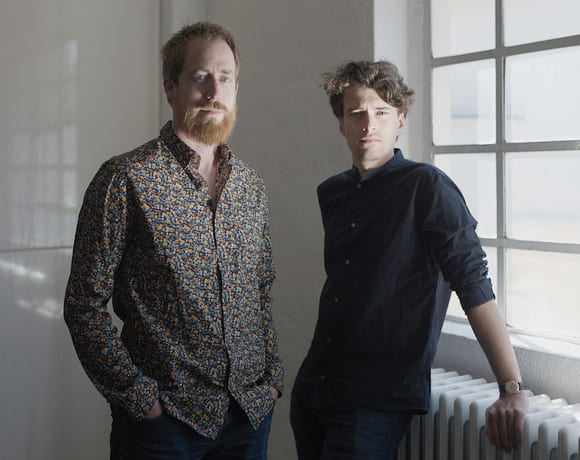
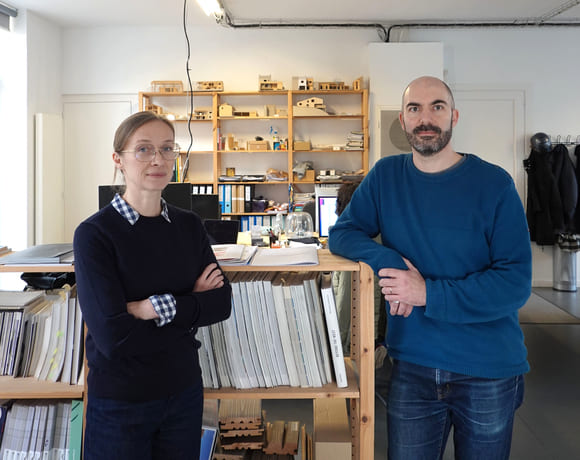
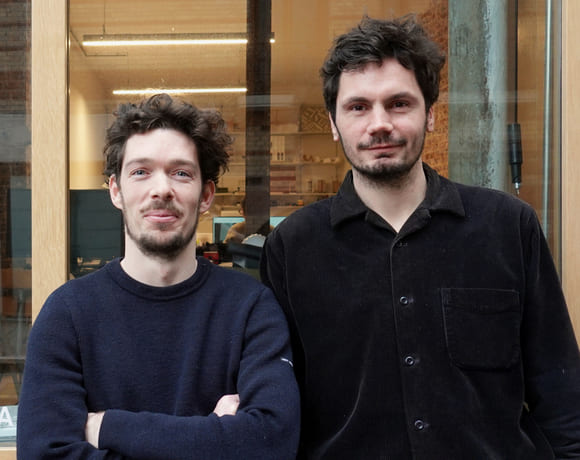
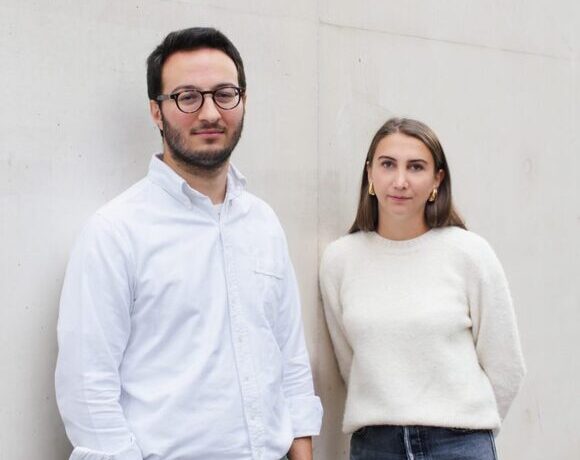
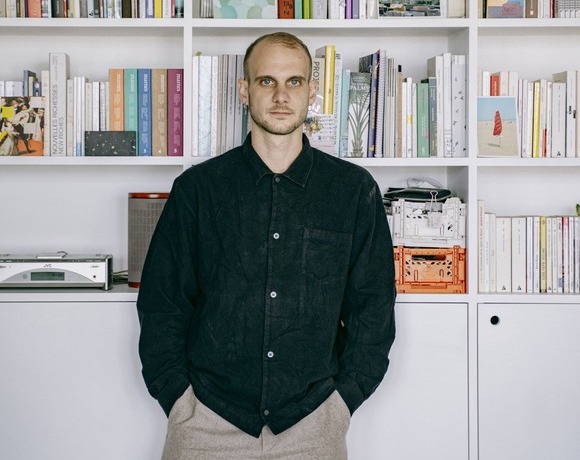
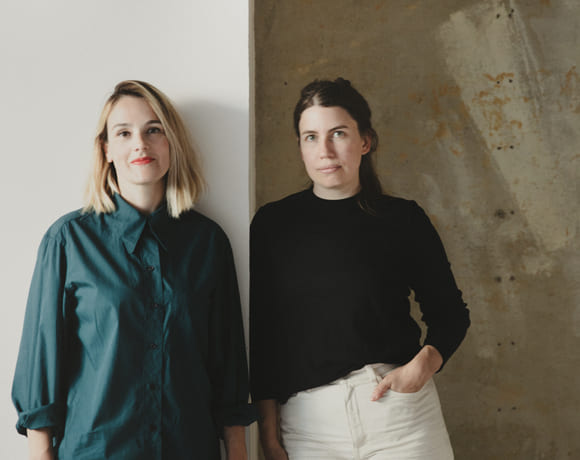
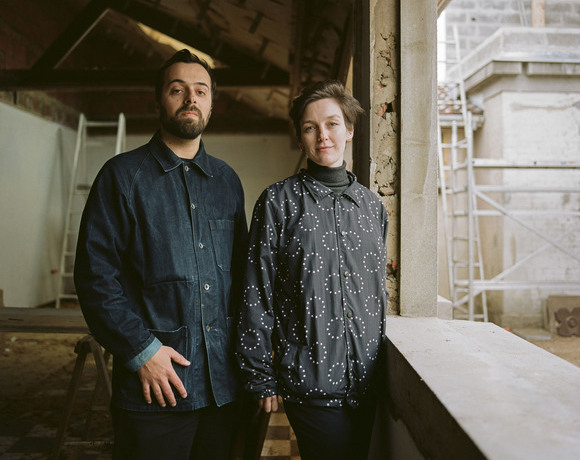
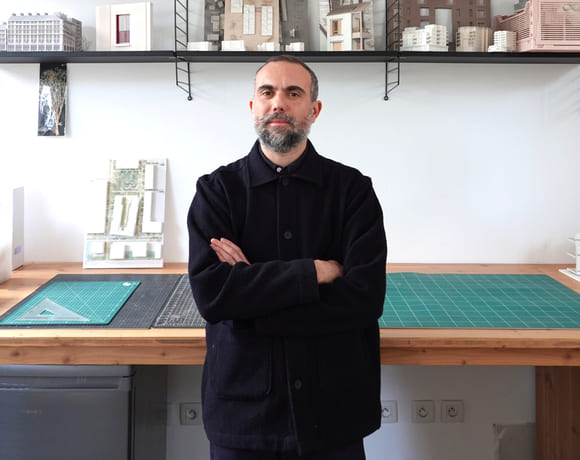
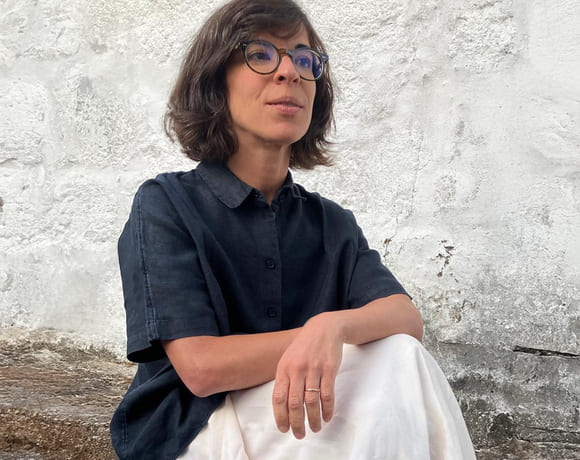
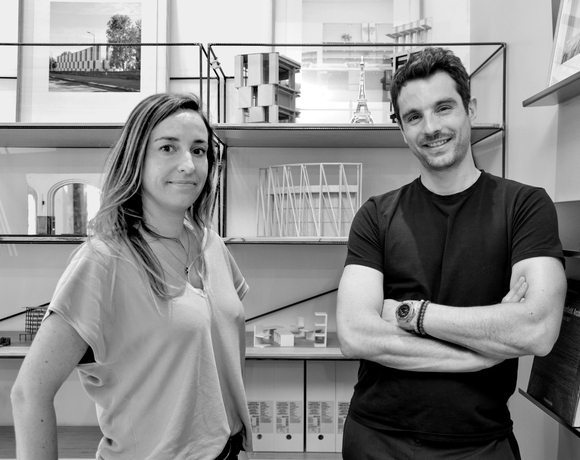
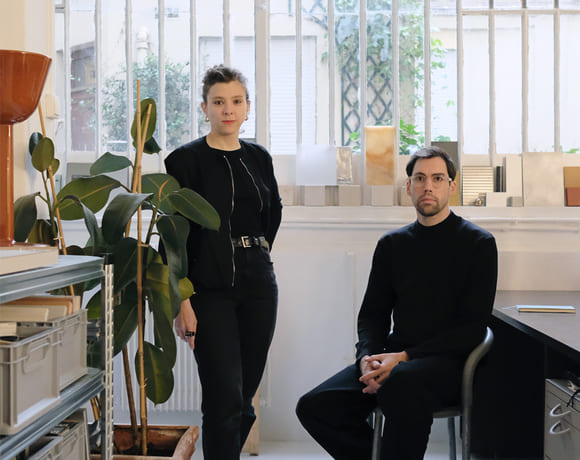
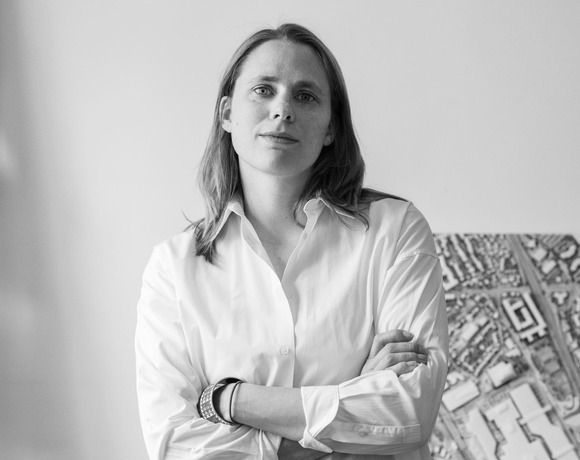
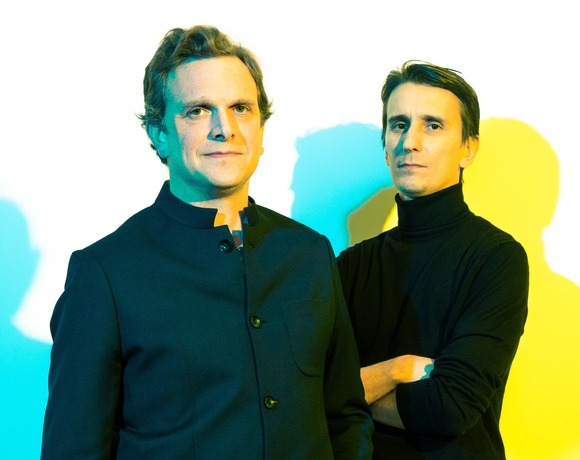
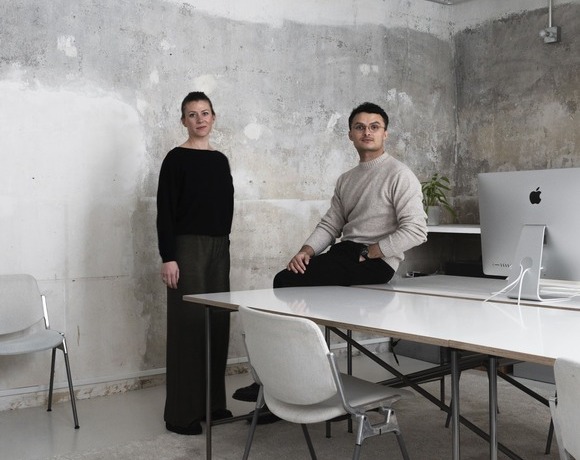
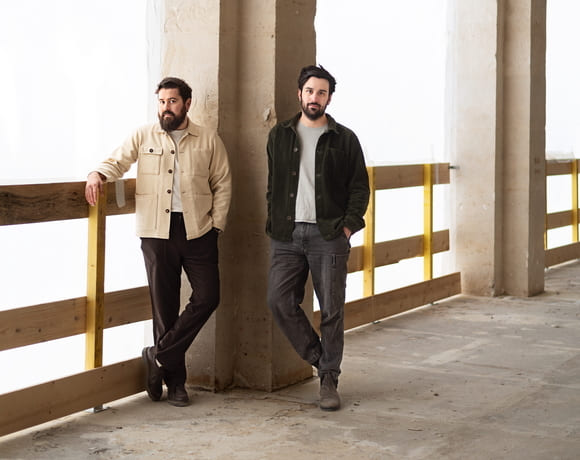
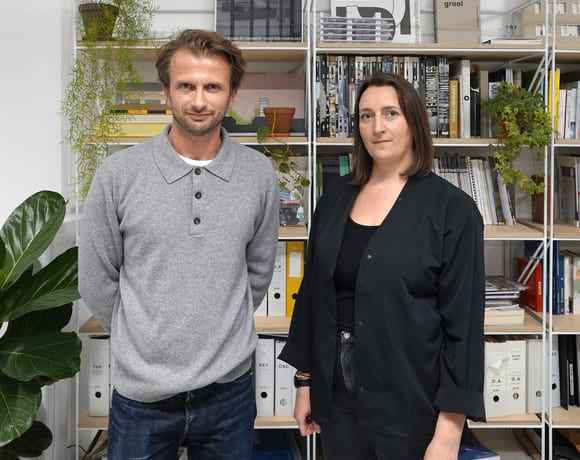
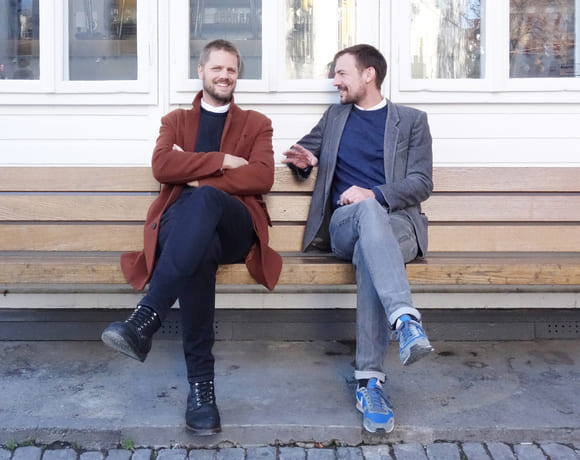
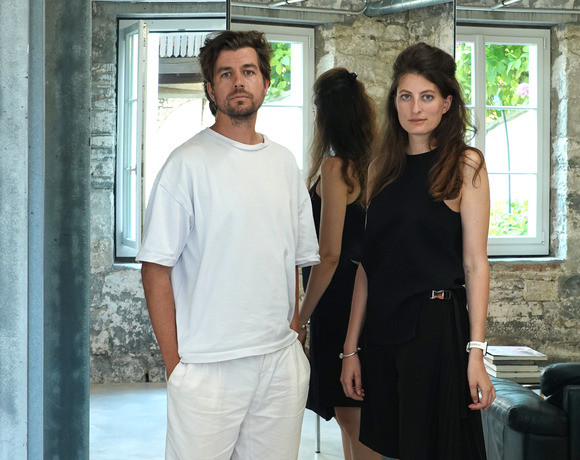
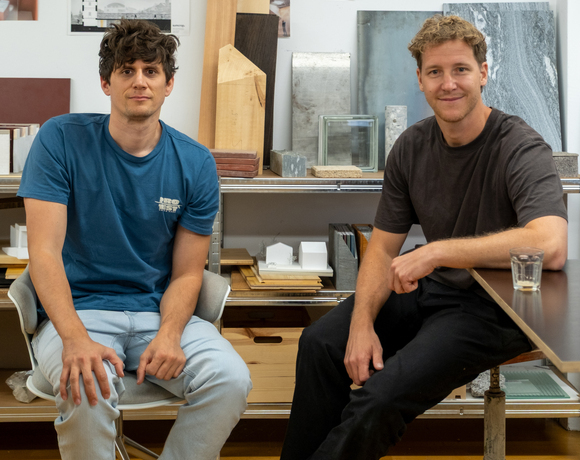
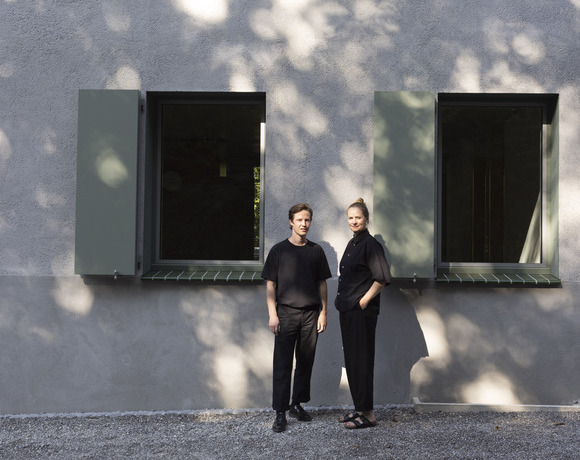
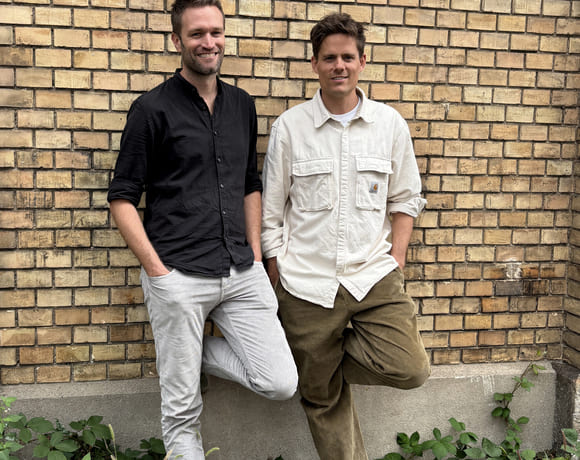
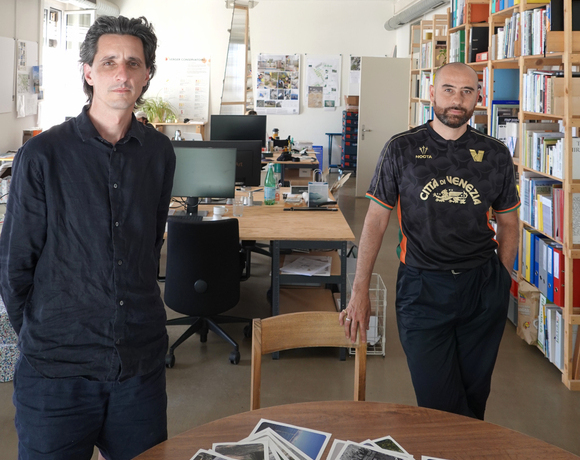
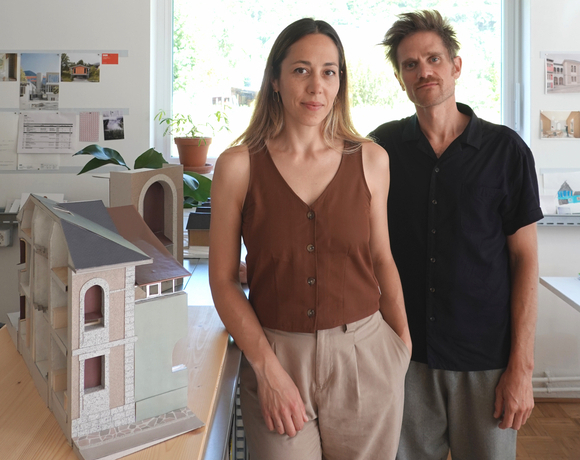
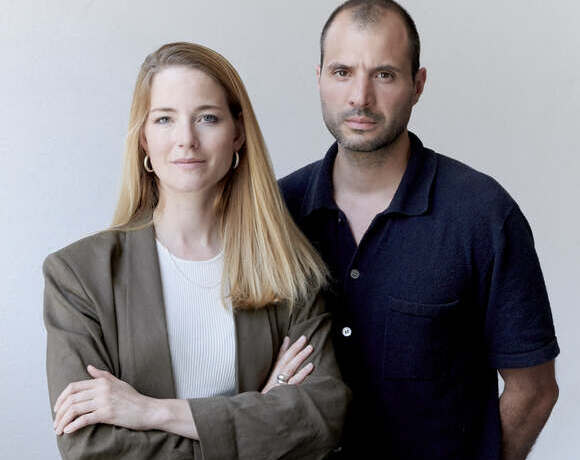
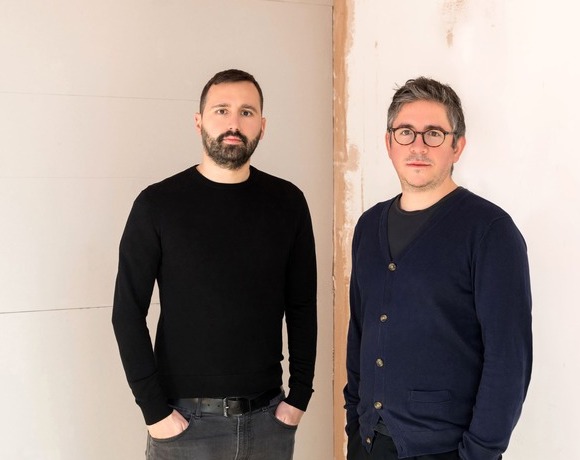
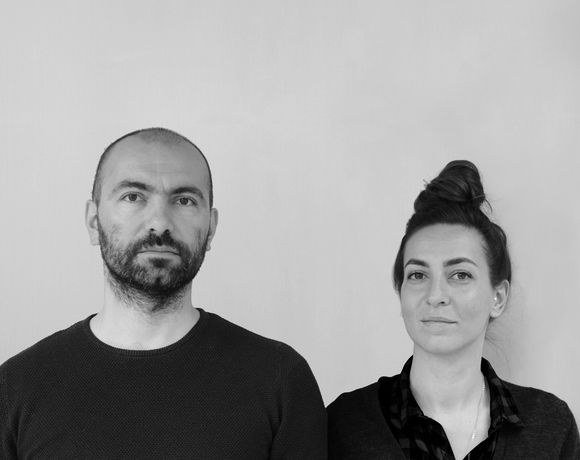
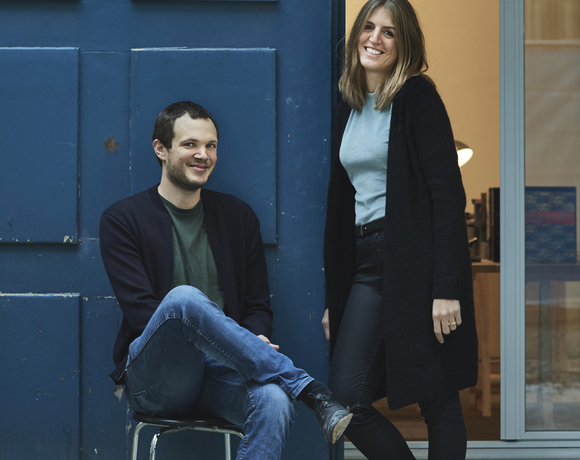
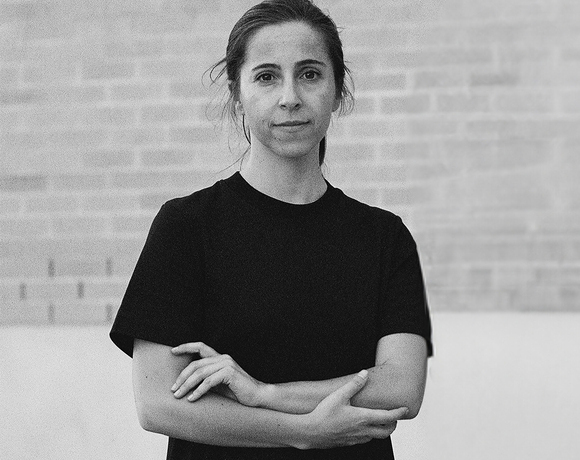
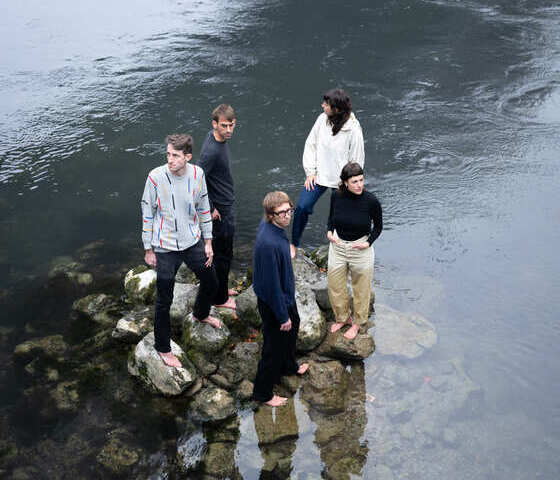
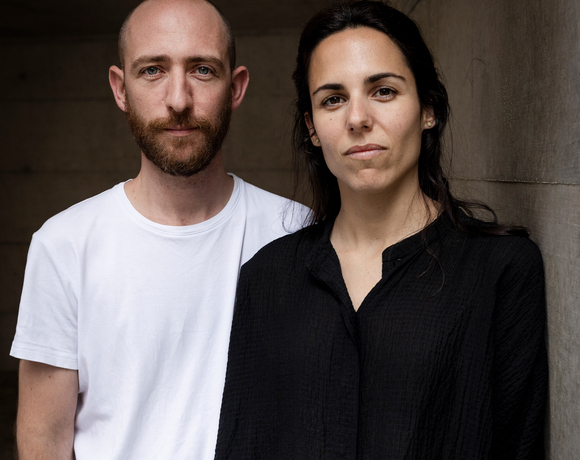
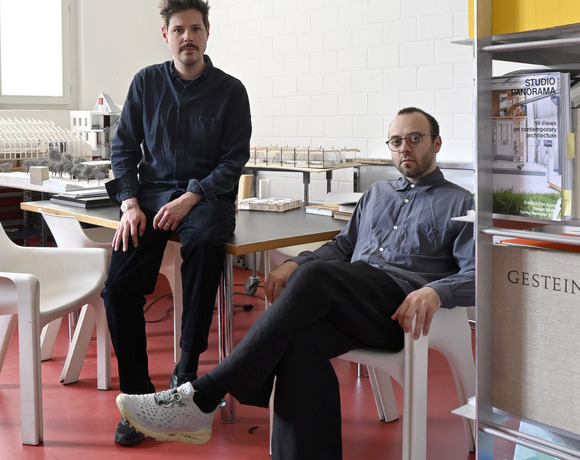
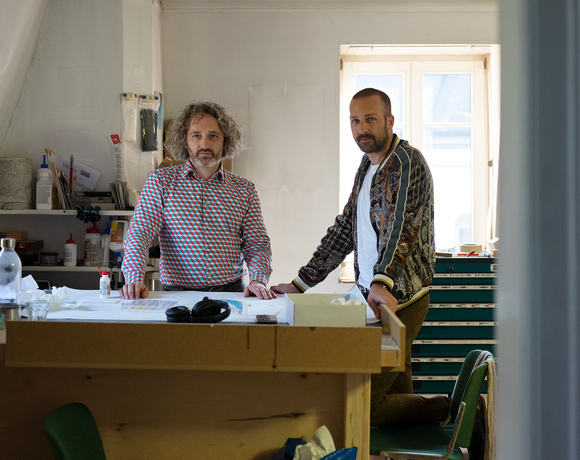
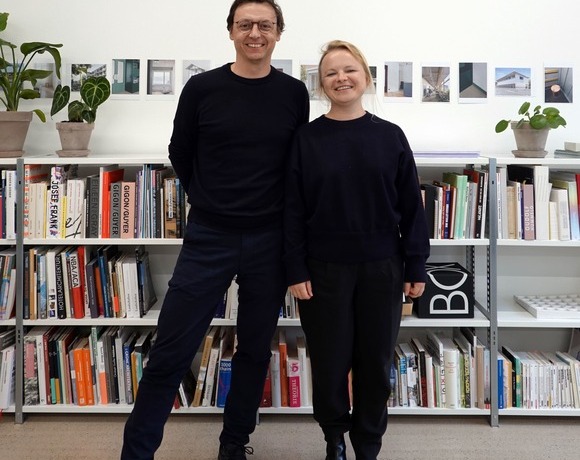
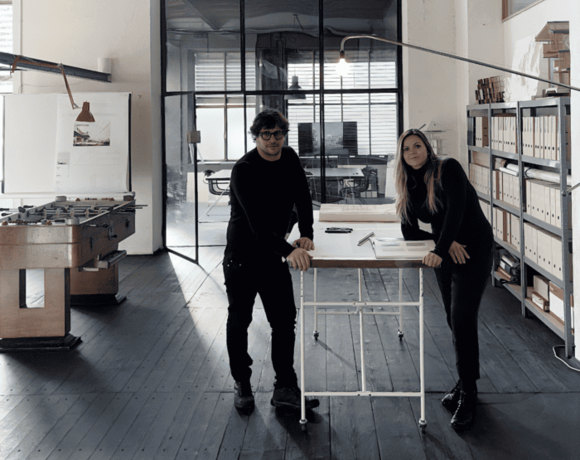
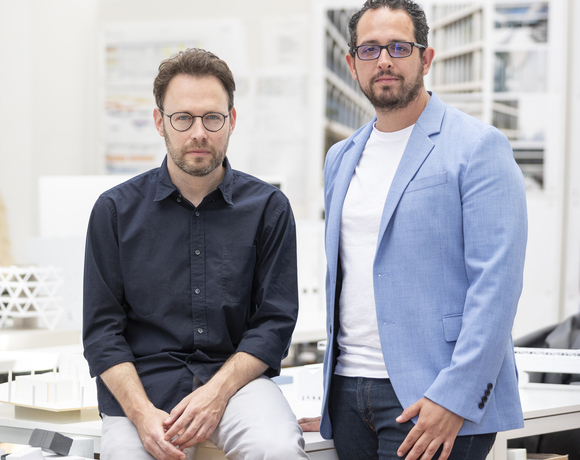
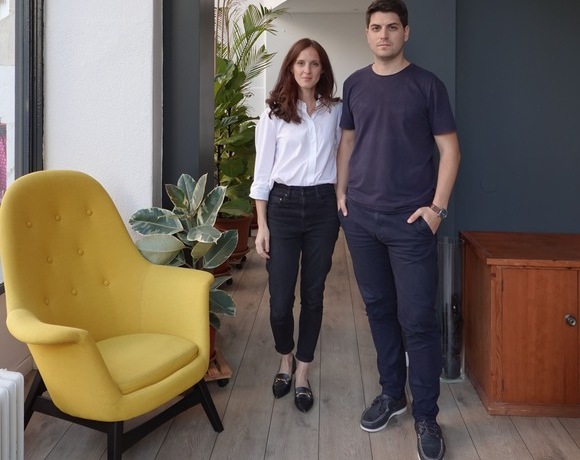
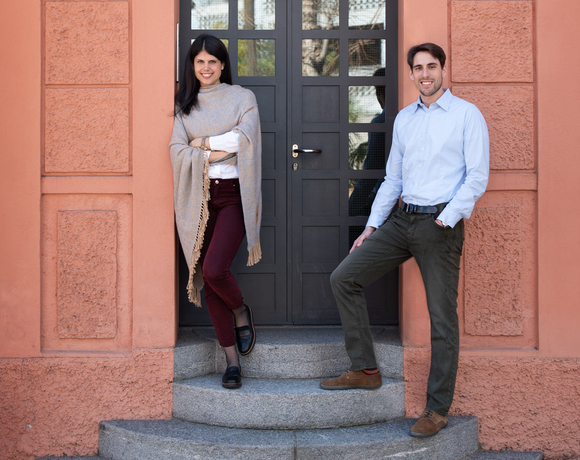
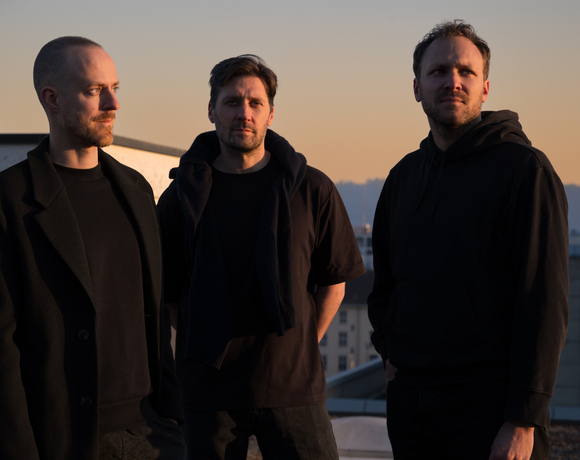
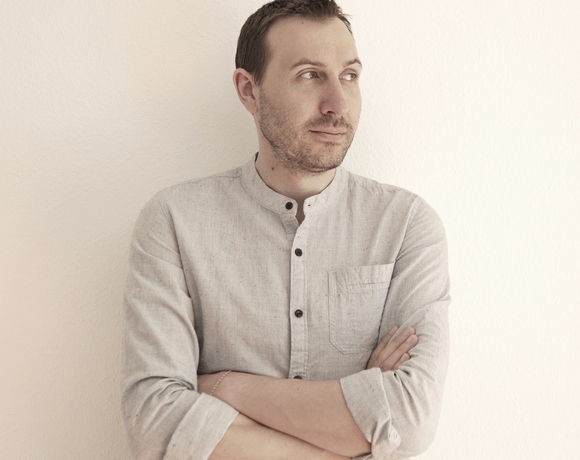
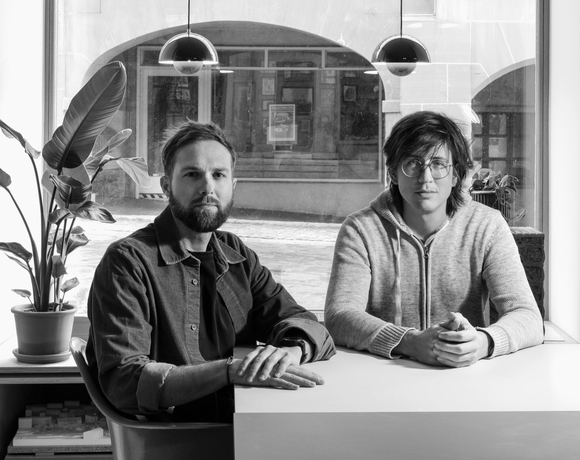
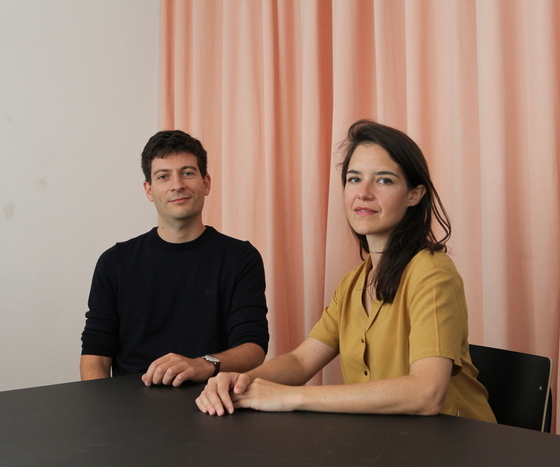
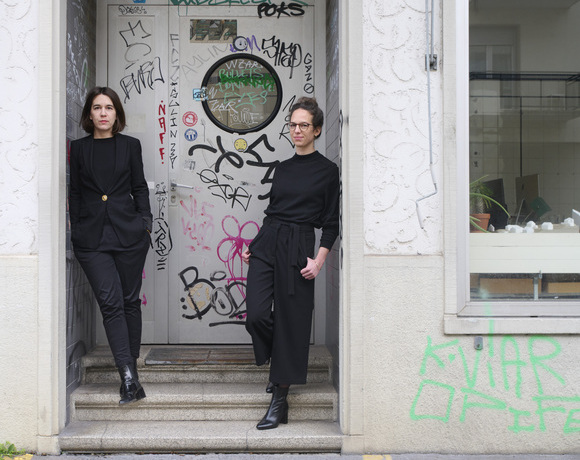
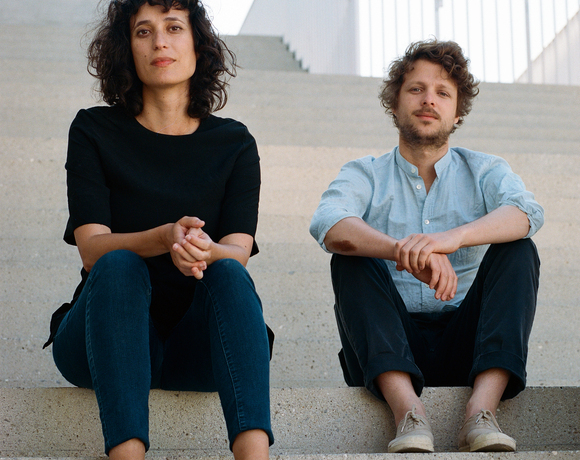
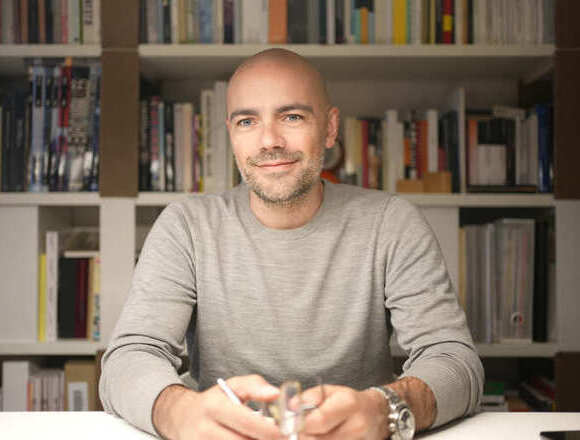
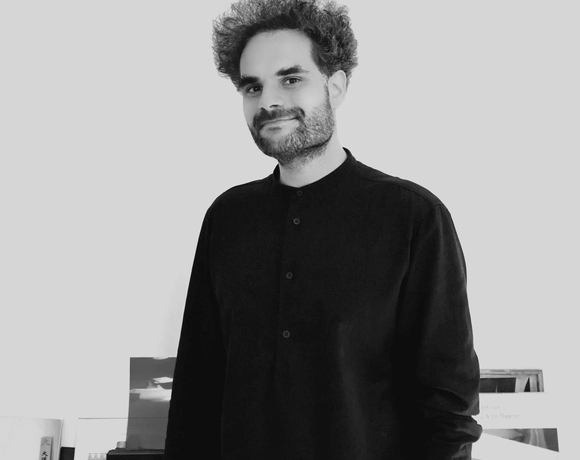
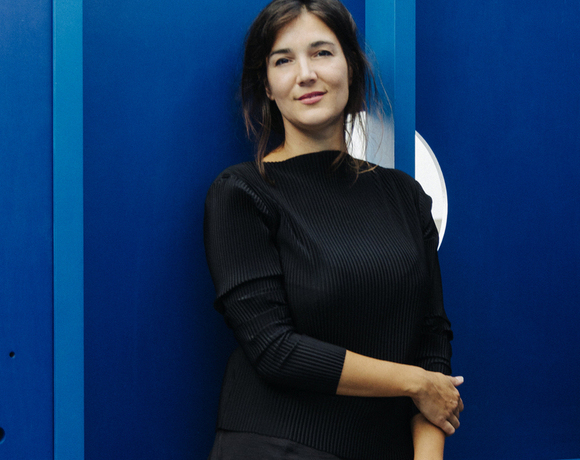
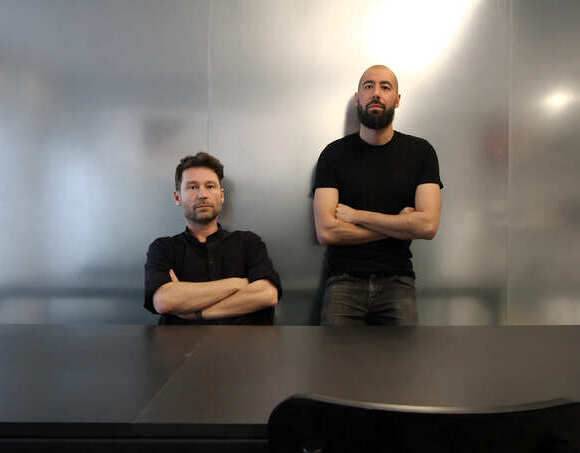
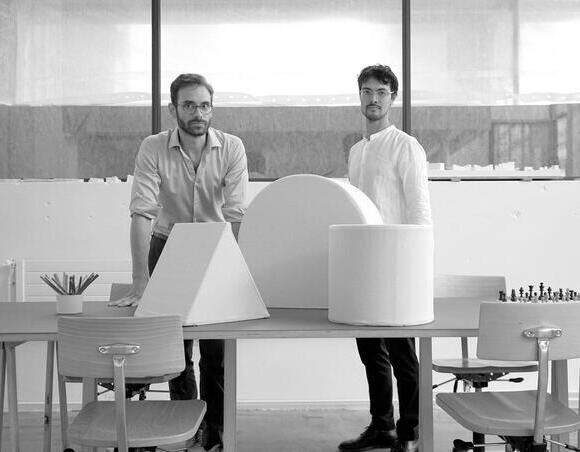
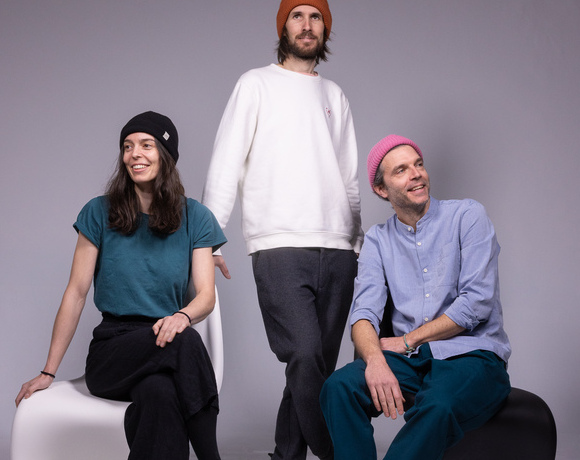
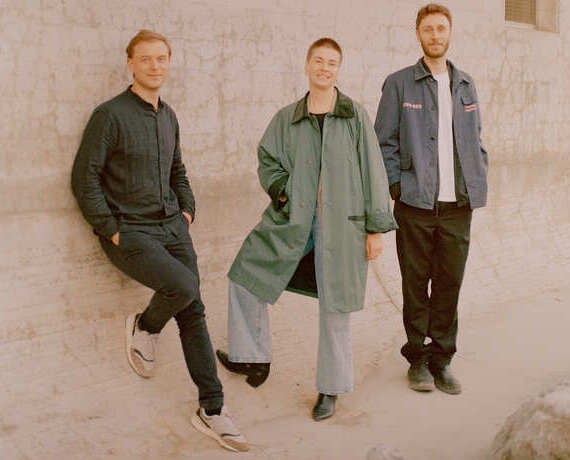
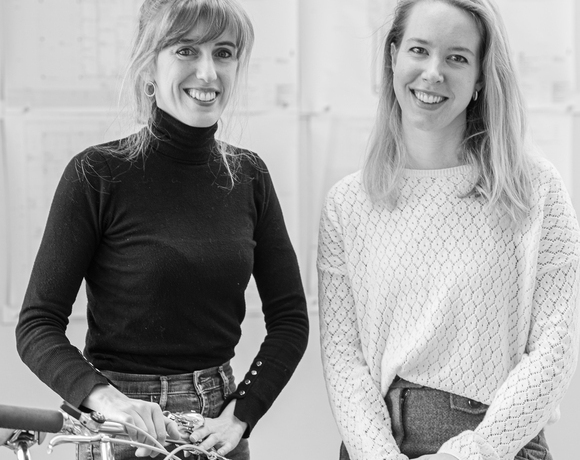
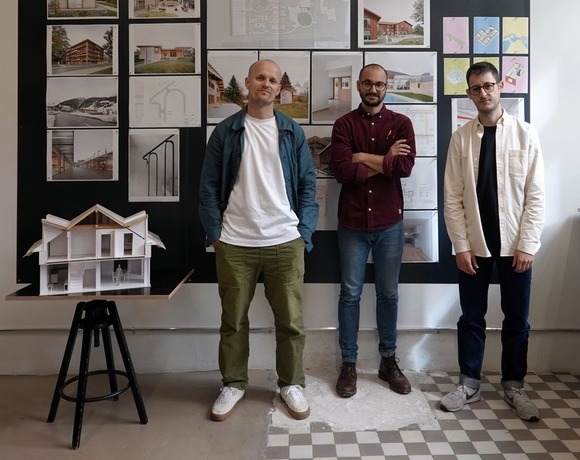
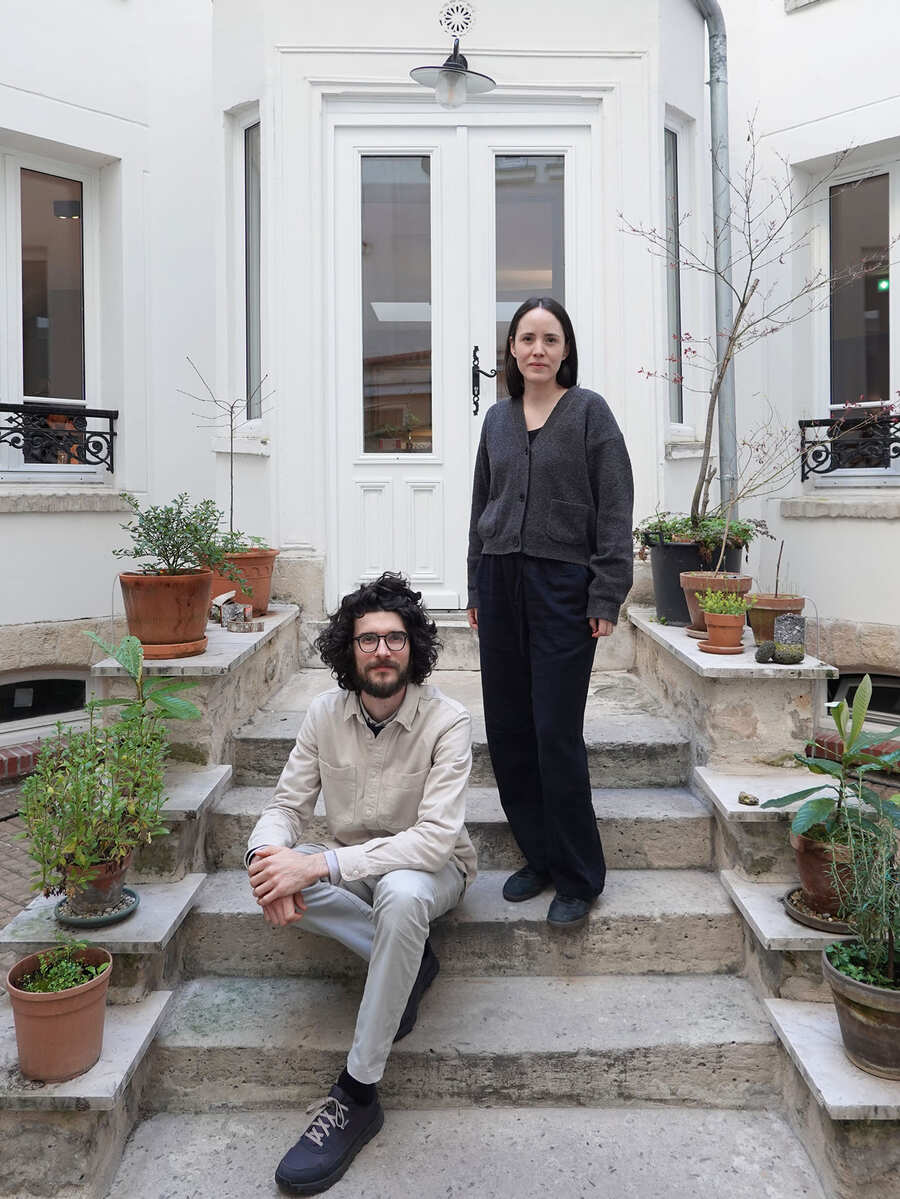
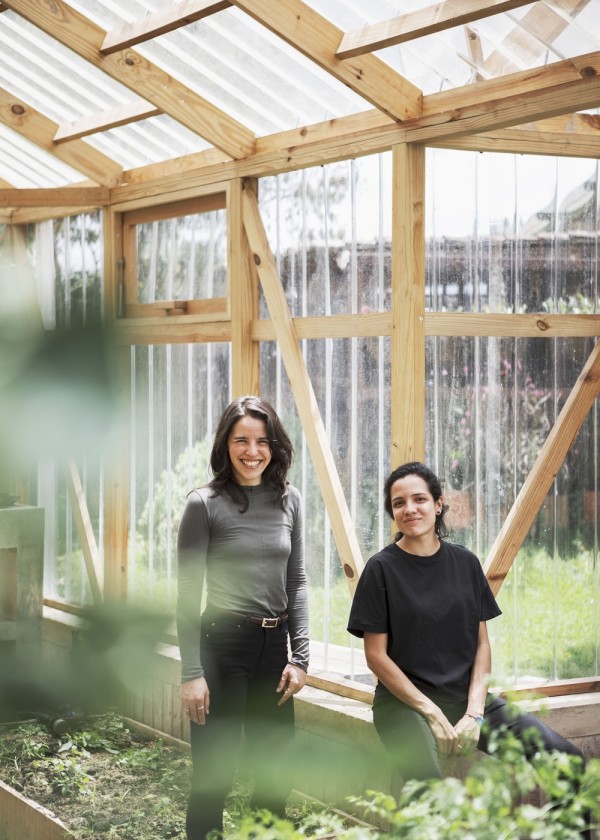
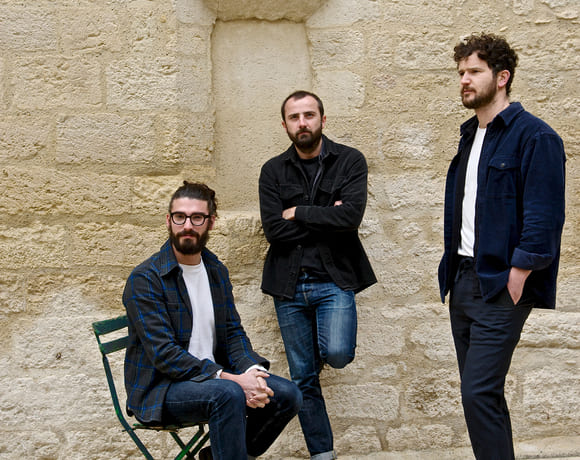
OAR is an Italian-Mexican architectural practice based in Paris and founded in 2020 by Filippo Abrami and Helena Haas-Rojas. Two architects with complementary profiles come together to build a unique perspective on architecture beyond disciplinary boundaries. Their approach is defined by attention to detail, thoughtful material choices, and a commitment to the craft. From objects to cities, their projects are designed in a sustainable, contextual, and innovative way.

HR: Helena Haas-Rojas | FA: Filippo Abrami


Small acts, big impact

HR: I believe many reasons can push someone to work independently. Speaking from my own experience, I’m not sure it’s still necessary to work for a firm just to prove to yourself that you’re capable of delivering your ideas. As architects, our path is often from the bottom up—you learn through the process of building, of doing. But now, with all the tools we have—technology, access to knowledge online, conferences, conversations with friends and colleagues—I think we’ve reached a point where you don’t necessarily have to go through a big firm to learn and grow. And maybe it's better, even healthier, to say, "I want to learn by myself." Working for large firms can be very demanding, both physically and mentally. One of the advantages of being a young practice is the possibility to collaborate with more established firms and gain access to major public competitions. In fact, precisely because we are young, it makes sense to build these partnerships. It’s often a win–win, where both sides benefit and grow from the exchange. Maybe you know someone qualified to enter, and you propose collaborating on a small project to get started. In the past, there may have been a desire to pursue big projects for greater impact, but now it’s clear that even a small project, when done well, can make a real difference.

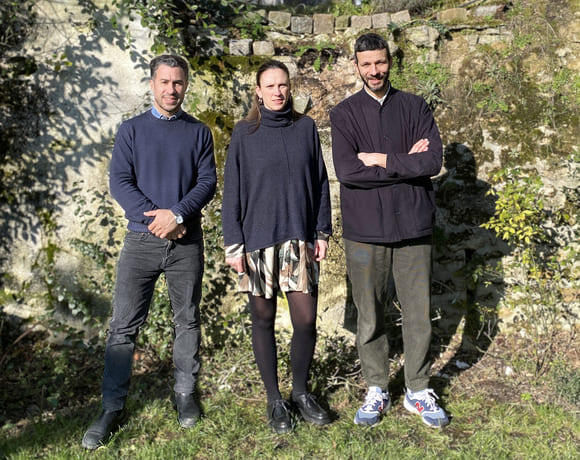
FA: This year, we had the chance to participate in Echelle-Un, an incubator for young French practices at ENSA Paris-Est. And it was the first time we really met other young architects within a shared framework—like, “Let’s work together, learn how to manage our practices, and learn from each other’s mistakes and successes.” That was when we really understood this broader community. Before that, I wouldn’t say we felt lonely, but it did feel like, “Okay, we’re on our own, doing our thing.” Then you zoom out and realise—there are others like us, starting their own practices. Some are younger, some started straight out of school, others after a few years of experience. Everyone has their own path. But that moment helped us see the larger picture. There is a community—let’s use it.  


Every step tells a story 

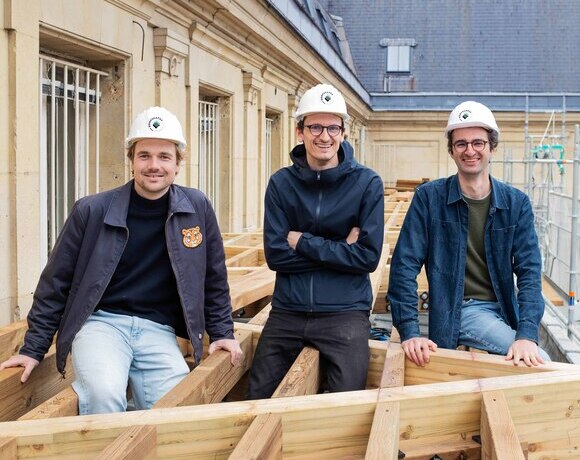
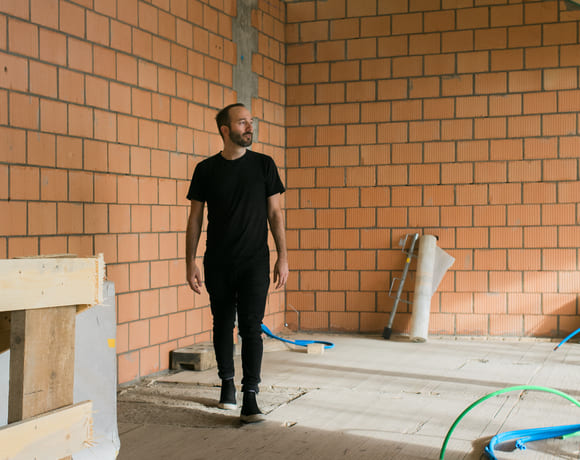
HR: The community Filippo referred to brings many positive, often indirect, benefits. Take communication, for example—a field that’s evolving rapidly. As architects, we tend to take ourselves very seriously. We’re cautious not to appear too commercial or follow fleeting trends. But why not be more transparent about the process, including the missteps that led to better outcomes? Sometimes things don’t go as planned. Sometimes it’s hard. But maybe it’s time we embraced that. After all, architecture is built on trial and error. You don’t always get it right the first time—but that’s how you learn. You now see peers on social media sharing the process more openly—including the mistakes—not just the filtered results of their practice. That’s why, for our Villa OlĂ©ron project, we decided to document the entire process, with the support of a photographer, to show how the building is constructed, especially the timber structure.

FA: When we go out to take pictures, we often do it ourselves. But we also like to bring in a professional, someone who can see something we might not. Documenting the process matters. I don’t actually check too much what others are publishing, but for us, it’s natural to show the process. It tells a story. Like Helena said, we learn by doing and by making mistakes. 

Sometimes, even in the photos, you notice things. You look at an image from last week and realise you need to change something this week. You spot a detail to improve. That kind of ongoing feedback is part of the process. With the Anbassa project, for instance, we made most of the decisions on site. It felt almost like archaeology. You start demolishing a wall and suddenly discover something, so you strip off the paint to see what’s underneath. It wasn’t what you expected, but it’s better. That’s the beauty of going off track. It's serendipity—you look for one thing and end up with something else, something better. The other day, we posted a picture from a construction site, and someone from our Echelle Un group sent me a message. They noticed something in the image and commented on it, and this turned into a conversation. Everyone brings their own eye, their own perspective.


Taking risks

FA: I don’t know if it’s because we’re naive, or because we’re still at the beginning with our practice, but sometimes we take on a project even if it won’t make much money—just because we want to do it, to express ourselves. You take that risk. Of course, the further you go in your career, the more selective you become. You start thinking: maybe this isn’t a good project from a business perspective.

Still, there’s a part of us that says, “Let’s do it!” because it’s an opportunity to explore a new typology, or we see some potential. I’m usually the one pushing for that. Then the more pragmatic part of the team says, “This might not be the best choice financially.” So we try to strike a balance. We mix small-scale and large-scale, small budgets and big ones. Sometimes it’s more fun to work within constraints. Other times, you need a project that lasts a year so you know you're covered, and can take more risks elsewhere. It’s like a recipe. Every firm finds its own mix. 

HR: I’d add that maybe it’s good that our generation is letting go of this romanticised image of the architect. That whole “it’s my dream to be an architect” mindset—the fantasy of what the job looks like. That’s tied to the idea of publishing perfect images, of pretending everything is perfect. It’s great to be an architect—we love it—but you also have to face the reality of running an office. You have to take care of your team. You have to pay rent. You have to be an accountant, a business developer. It’s a tough job.

And the more you do it, the less time you spend on actual architecture—at least the kind of architecture you imagined at school. Now, it’s about managing money, resources, politics, and working with clients who have their own financial concerns. You have to be aware of that. It’s not just about what you want. That’s why I think it’s great that more young architects are people-oriented. They care about delivering good projects, even small ones. They care about balance. You don’t need giant commissions to be fulfilled. For example, in France, we’ve talked about how there’s this whole market of people living in suburban houses around Paris who want to add a floor to their home. Some think that’s not interesting enough to spend time on. But there are practices—young and established—that are interested. Because that’s how cities are made. That has a real impact. We need to stop thinking that good architects only do big, iconic stuff.


Seeds of growth

FA: We met in Paris in 2018 in the office of the Lebanese-French architect Lina Ghotmeh. We were on the same team, working on international competitions and feasibility studies across different scales. After that, we went our separate ways—I left first, worked elsewhere, and so did Helena. We each had different experiences. Then, during the COVID pandemic in 2020, we both realised that working for big firms didn’t make sense any more. There were layoffs and budget cuts, and we felt a kind of internal shift: I’ve trained in Italy, Portugal, and Spain —now I want to start my own thing. But I didn’t want to do it alone. 

We reconnected kind of by chance. One of us had a project and asked the other, “Want to do it together?” It was really organic. Even though we’d worked together before, this was our first time on a personal project. That was the beginning—end of the summer 2020—and then from 2021 onwards, one project followed another.

HR: It all started with Le Terrain, a small gym project—that was our first opportunity to work together. From there, we decided to keep collaborating with people we already knew. Before moving to Paris, I had worked in Mexico with Manuel Cervantes, so when we saw the opportunity to submit a proposal for a private house competition organised by BAM (Because Architecture Matters), we reached out to Manuel and proposed a collaboration. That marked the beginning of a new chapter. Our proposal won first prize, which was a huge milestone for us. Until then, we had mainly worked on small flat extensions and rooftop additions—modest projects with tight budgets.

FA: Helena and I had been collaborating for a while, but since we didn’t have an official company structure, we created OAR - OFFICE ABRAMI ROJAS in 2022. That’s when we started discovering everything that comes with running a proper business. Before, we were both freelancers, each managing our own work. But when you create a SociĂ©tĂ© d'Architecture, it becomes much more serious and complex—but we survived. Over time, we also maintained collaborations with companies we had worked with before. I had worked with a firm that does scenography and exhibition design for artists, cultural events, and luxury brands, and we kept that door open for new commissions and collaborations. 

HR: When we founded the company, we began working on this larger-budget house project in collaboration with Manuel. At the same time, we applied to the incubator at Ensa Paris-Est, l'Ă©cole d'architecture de la ville & des territoires, and were fortunate to be selected—only 20 firms were chosen. It was a really nice opportunity that helped us understand the things we were already dealing with in the business and how to focus on certain aspects of managing an office.


Archeology as a practice

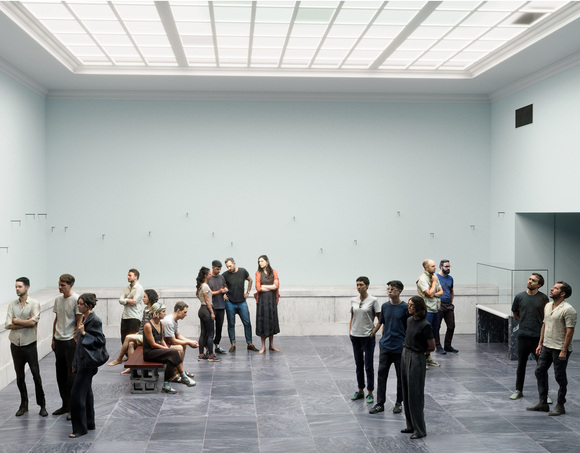
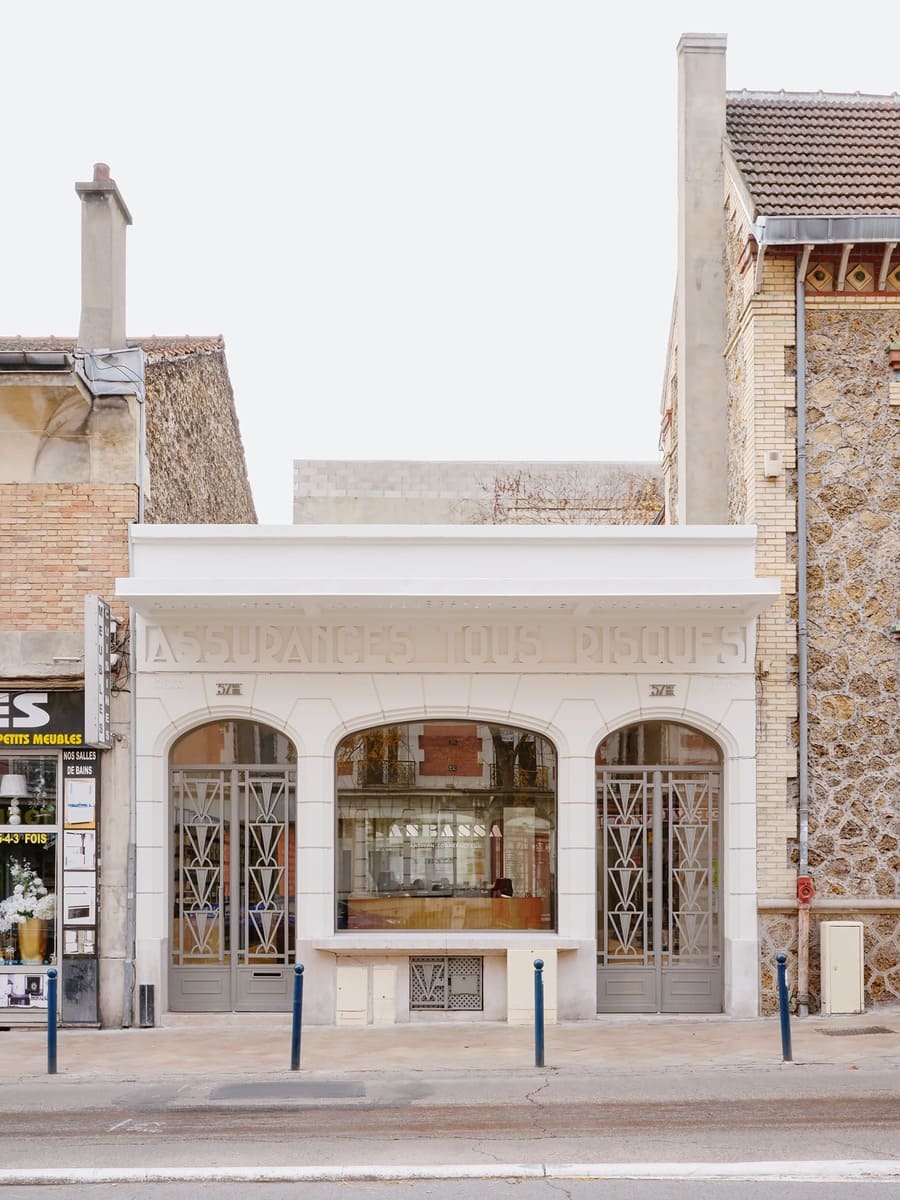
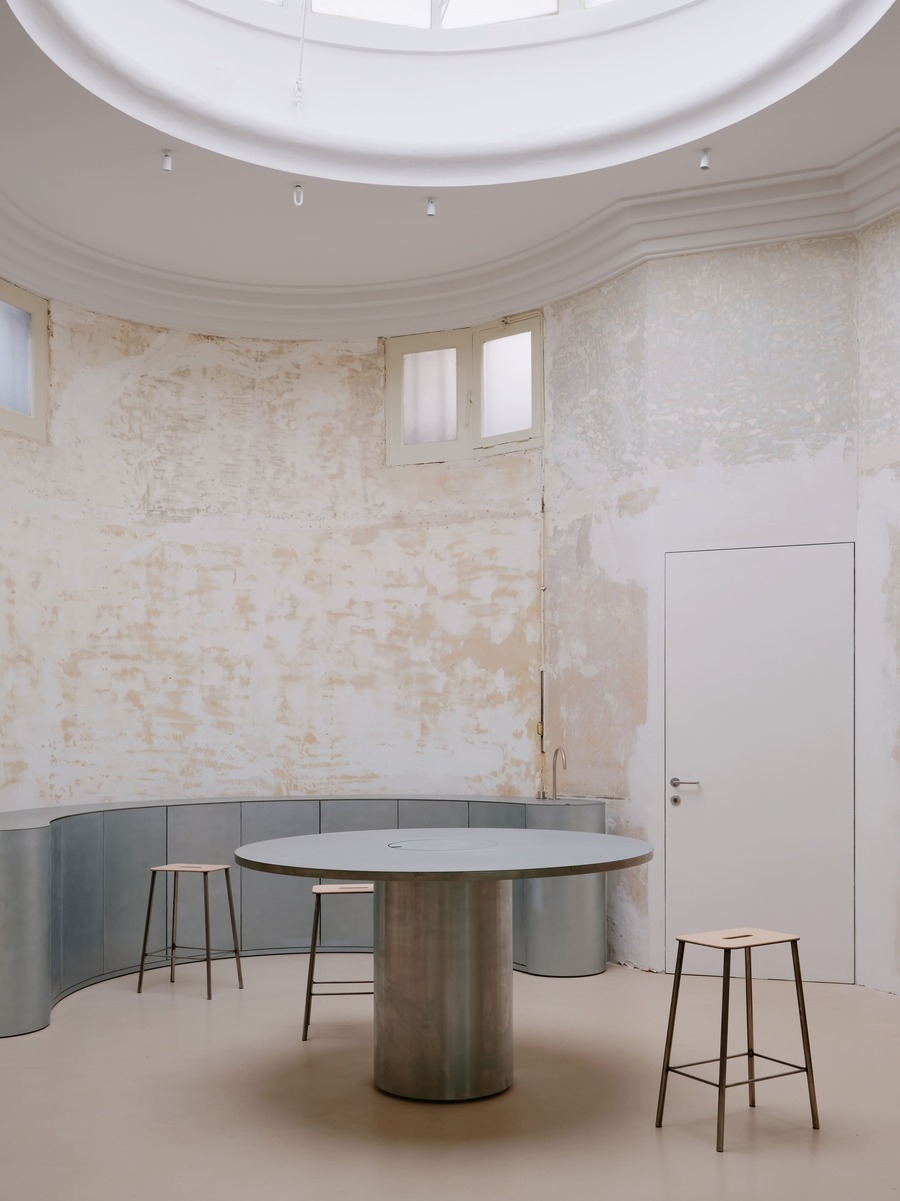
FA: The Anbassa project began as an interior design commission, but soon evolved into an exercise in architectural archaeology. The intervention focused on the restoration of a 1930s building, reprogrammed as a venue dedicated to coffee culture. What started as a furniture-driven interior project gradually became a full renovation, shaped by a constant dialogue between our initial intentions and what the building itself revealed.

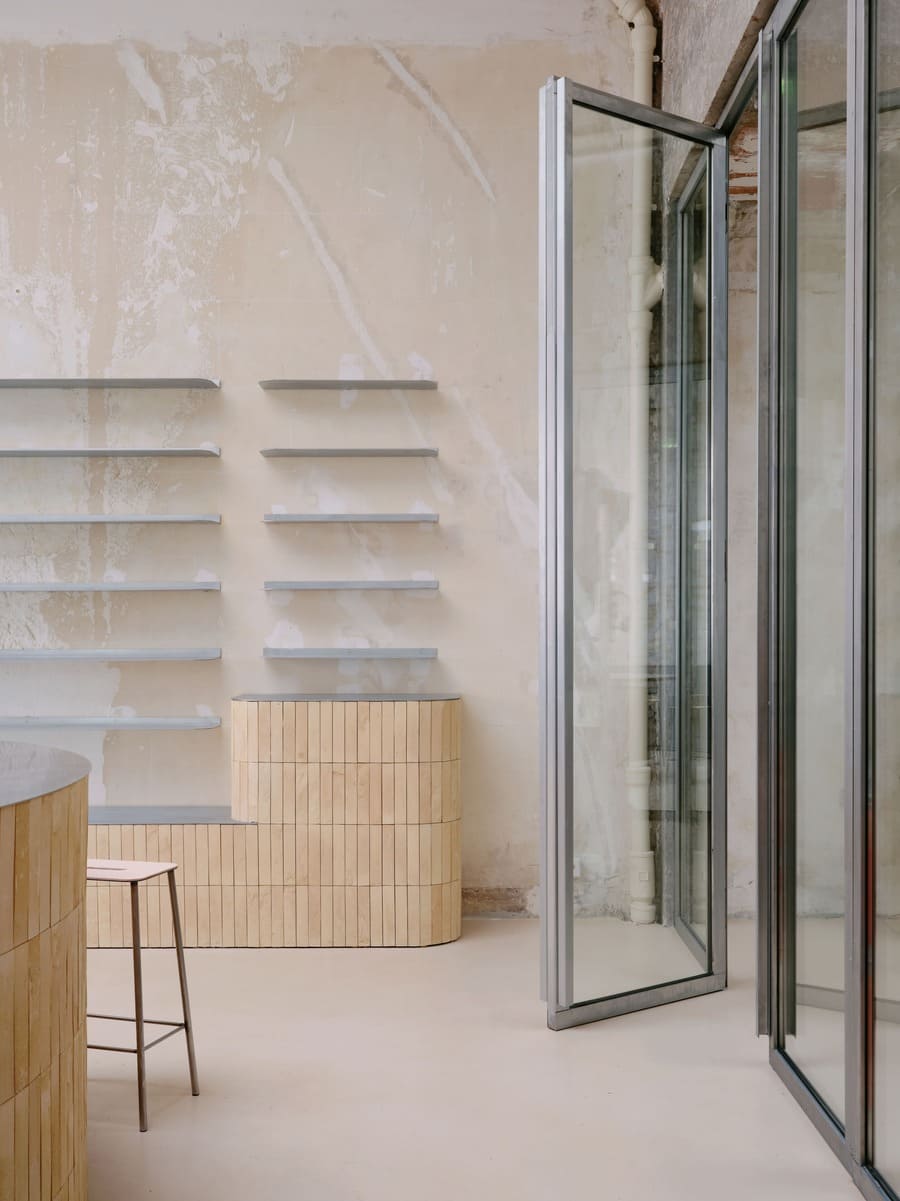
The design approach combined the preservation and celebration of existing elements—such as the glass-concrete skylights, the exposed reinforced concrete frame, and, of course, the facade. The interior irregular wall textures, bearing the traces of time, were intentionally left visible to emphasise the materiality and essential qualities of the space, reinforcing a reading of its historical stratification.

Much of the process relied on making decisions directly on site—reacting quickly yet thoughtfully to new discoveries. For instance, when we uncovered concrete beams, we decided to keep them exposed. A marble floor was carefully reused in the bathrooms. At each step, we asked ourselves what could be retained, transformed, or reinterpreted.

The facade required close collaboration with the Architecte des BĂątiments de France. We reinstated the original facade colour and revealed the inscription ‘Assurances tous risques’, restoring an important historical detail. Every detail involved discussion—with heritage experts, with the client—making the project unexpectedly complex but deeply rewarding. In many ways, that project now feels like a manifesto for our practice. 

HR: Working with existing structures is fascinating. But it’s also risky. You uncover things you didn’t anticipate, and budgets can shift quickly. In the beginning, it was difficult, but as an architect, you have to be stubborn. That’s something I’ve learned from Filippo. You need to fight for your decisions. It’s not about convincing the client but showing them possibilities. You explore, but also stand by your vision. It’s challenging because companies want everything settled up front. You have to convince them to allow flexibility—a space to change your mind along the way. And that takes energy—this profession takes a lot of energy. You’re constantly working to shape something you believe is right: for the site, the client, and the project. 


In dialogue with the island

HR: Villa OlĂ©ron is one of the most exciting projects we're currently working on at OAR. What drew us in was its location—on an island—and the fact that it’s a private house, a typology I had explored before in Mexico. When we saw the competition and the brief—I said, “I've worked in Mexico with Manuel, I’ve worked a lot with wood, and if there’s something we know how to do, it’s building with wood.” So we thought, let’s make a team with Manuel and enter the competition. Right away, we knew the direction we wanted to take. Manuel agreed to join, and we were selected. It started with 100 offices, narrowed to 20, then five, then three—and finally we won in April 2022. 

FA: One of the key goals was to build using bio-sourced materials. That came directly from the client’s brief. We proposed a wooden structure, with bio-sourced insulation too. In France, we now have the RĂ©glementation Environnementale 2020, the latest update to the thermal and environmental standards, replacing the 2012 version. It sets stricter requirements for heating, insulation, and energy efficiency, which led us to make specific design decisions. It’s a highly constraining regulation—but also one that forces us to think differently.

HR: When we visited the site, we took a weekend to explore the island, because even though it’s small, it’s very diverse. The north is completely different from the south. We really tried to understand the essence of the place. The island is a protected landscape—so we had to work closely with Bñtiments de France to get approval. That meant respecting a traditional, simple architectural language.

FA: The house unfolds as a sequence of volumes and a composition of open spaces. Terraces set at different levels, with subtle shifts in height, create distinct, yet interconnected, worlds dedicated to different family members or visiting guests. We realised the landscape was key: the idea became to design a house where every space engages in dialogue with the exterior, with a constant sense of transparency between inside and out. We played with volumes: it looks like a small village, but it’s actually one house. Each volume corresponds to a function—the living room, kitchen, TV room, kids’ bedrooms, the master bedroom. These volumes push and pull to create patios and gardens dedicated to each part. When you look at the plan, it’s a composition of volumes meant to recreate the tight feel of a small community—but it’s a single house.

HR: And this “language” had to adapt to local regulations. The zoning rules are strict: you have to keep a distance from plot boundaries, and you’re not allowed to build two stories, partly because of seismic regulations. So we had to be careful with the footprint, especially with such a big programme.

FA: Privacy was also important. We didn’t want a signature architecture that says “look at me.” We wanted something that blends with the built environment, the garden, and the surrounding pine forest. In the end, the house integrates seamlessly into its context, balancing regulatory constraints with a sensitive response to landscape and scale


The next chapter

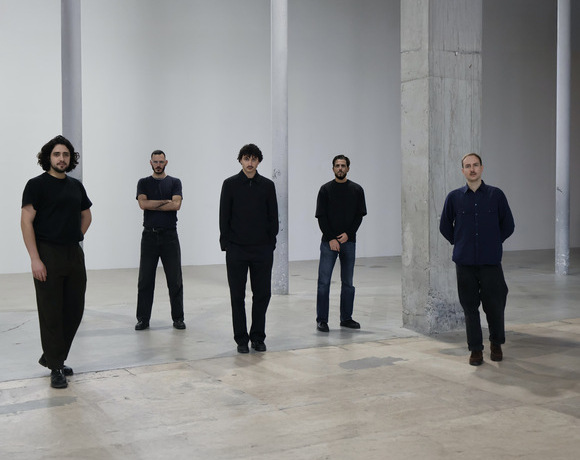
FA: Most of the offices we look at as references aren't the big firms. So for us, the idea is not to grow too much. We know we need to grow a little now, because if we want to take on new projects, we’ll need help. We're lucky enough to receive a lot of applications—from interns, from people looking for jobs, people who want to collaborate with us—and we're really thankful. So far, it’s just been Helena and me working together. We’ve never had someone else helping us, but we know we need to grow—and we will. If a good project comes our way, we’ll take it as a chance to bring in interns or young architects who’d like to join, and we’ll be glad to have them on board.

Sometimes we don’t accept certain projects because we’d rather focus on bigger ones than fill our pockets with smaller ones. But it’s still an open question. It’s something we’re just beginning to explore now, in the fifth year of our collaboration between me and Helena. Being good architects also means being able to bring projects into the office that others can help us develop. I don’t think we want to be the ones always drawing, always doing everything. There’s going to be an evolution—maybe in the next five years. We’ve reached a kind of milestone now, and maybe from this point we’ll begin to delegate some tasks to collaborators. But so far, we’ve been very hands-on with every detail.

We believe our next step lies in growth through collaboration—not merely by expanding our office, but by widening our horizons. It means daring to enter larger competitions with practices we admire, learning from their experience, while also continuing to build meaningful partnerships with peers of our own generation. This is the direction we see for the future of our practice.

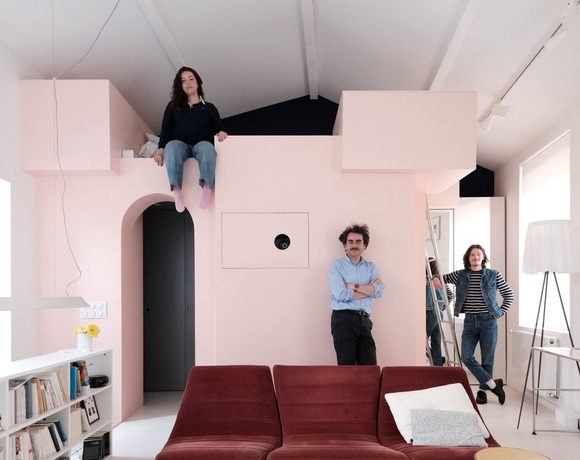
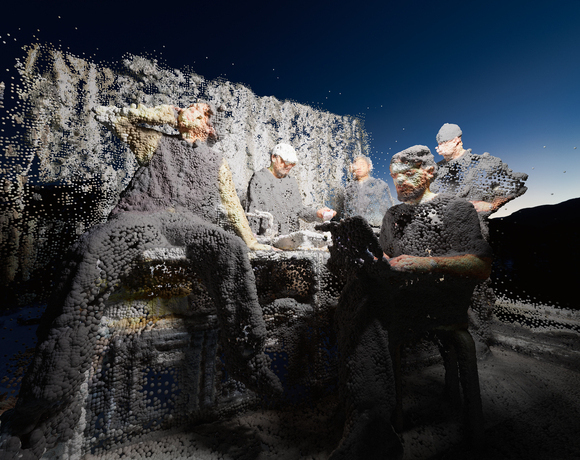
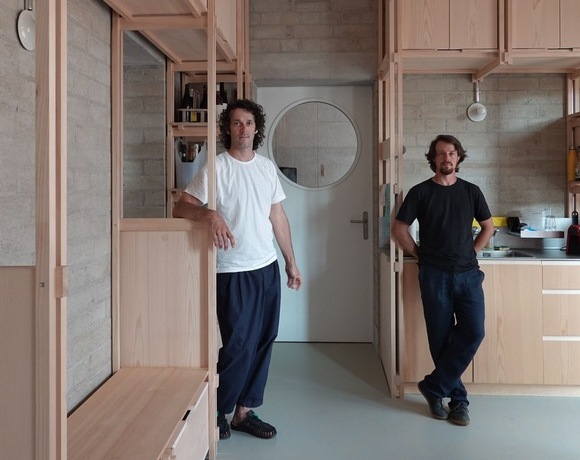
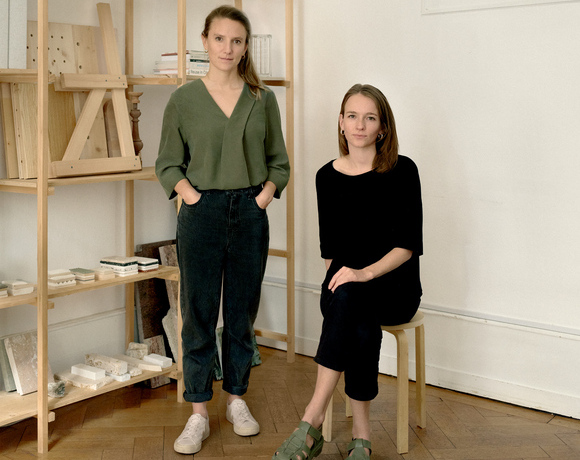
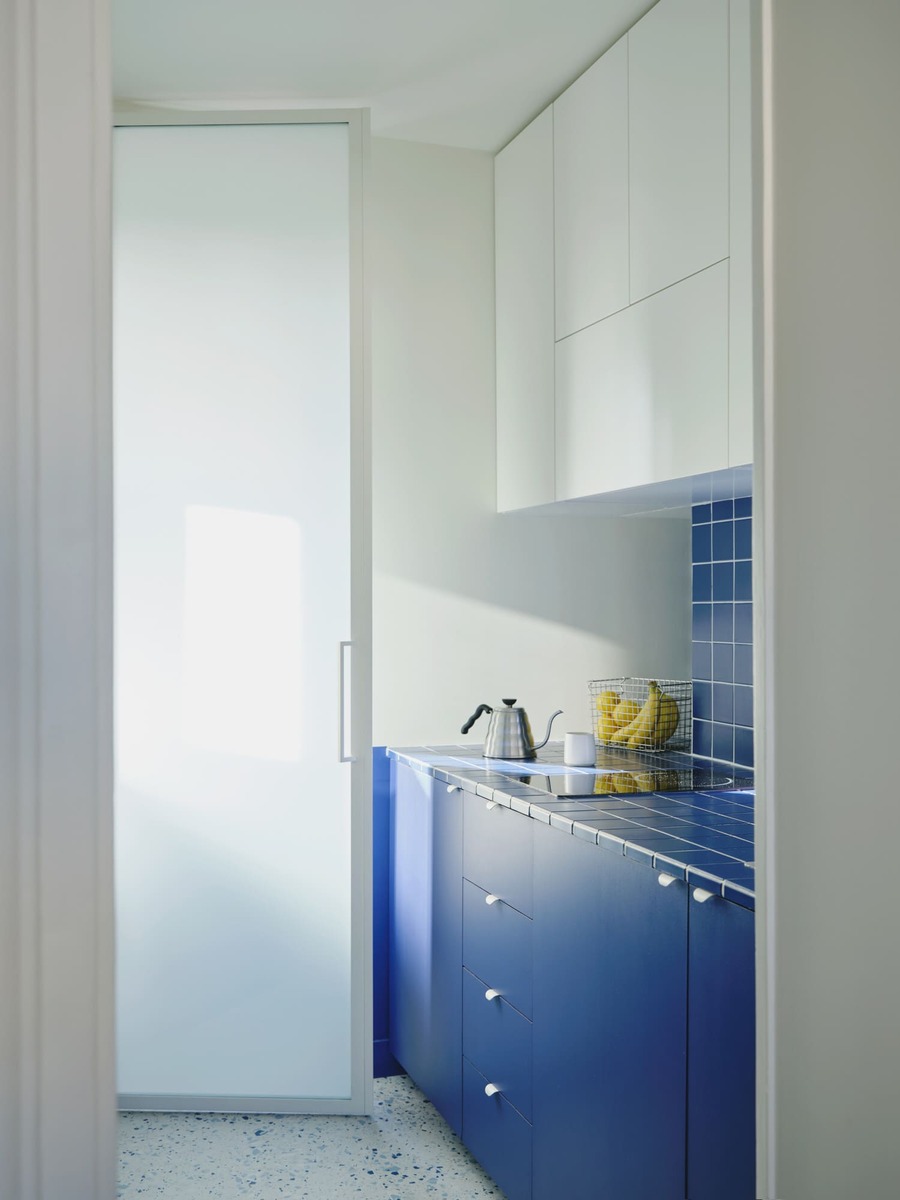
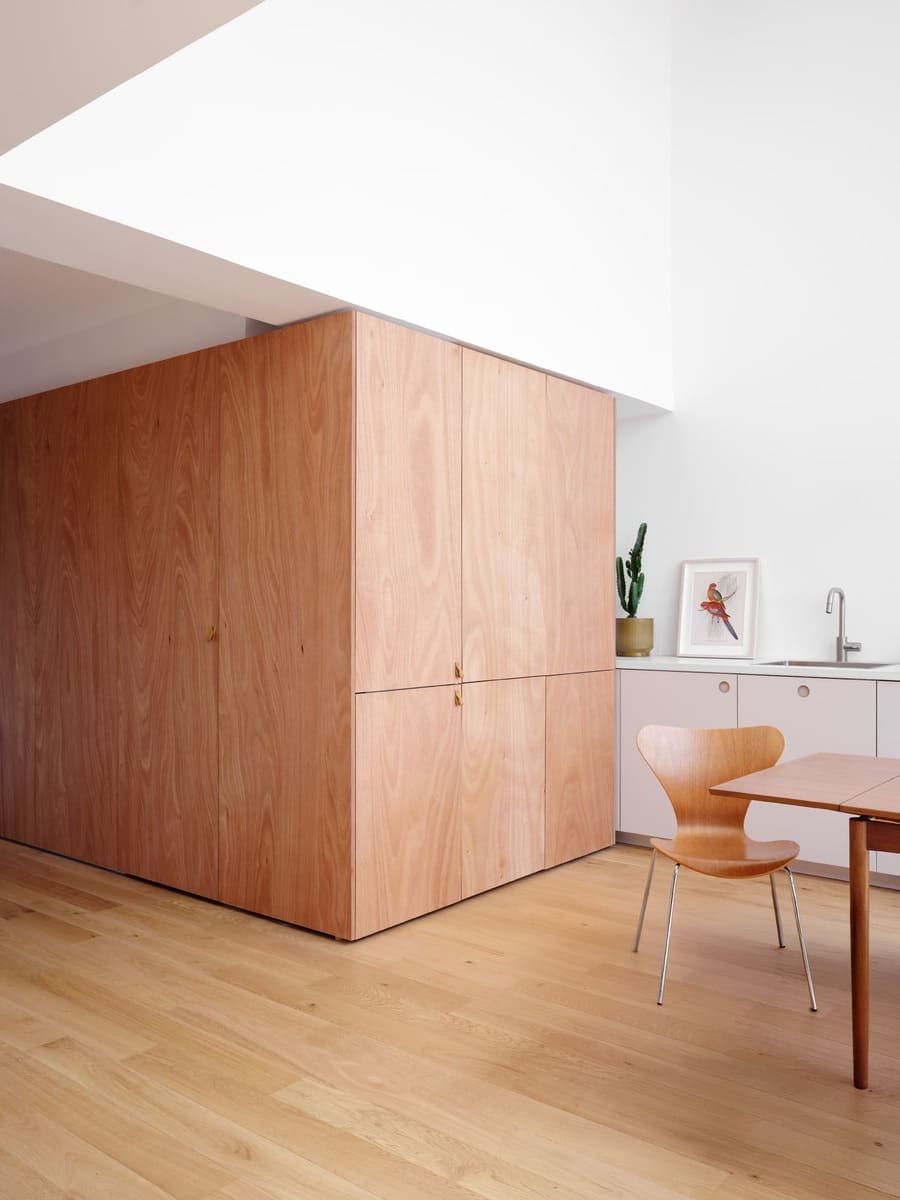
01 âžĄïž OAR. Filippo Abrami, Helena Haas-Rojas. Ph. Gianpiero Venturini04 âžĄïž Rue de Joinville. Apartment renovation, Paris. Ph. Francesca Iovene05 âžĄïž Anbassa specialty coffee shop and roasters, Pantin. Ph. Francesca Iovene06 âžĄïž Anbassa specialty coffee shop and roasters, Pantin. Ph. Francesca Iovene07 âžĄïž Anbassa specialty coffee shop and roasters, Pantin. Ph. Francesca Iovene08 âžĄïž Green Sheds. Duplex interior design, Pantin. Ph. Francesca Iovene


a project powered by Itinerant Office

subscribe to our newsletter

follow us