Acmé Paysage
Nurturing Ecosystems
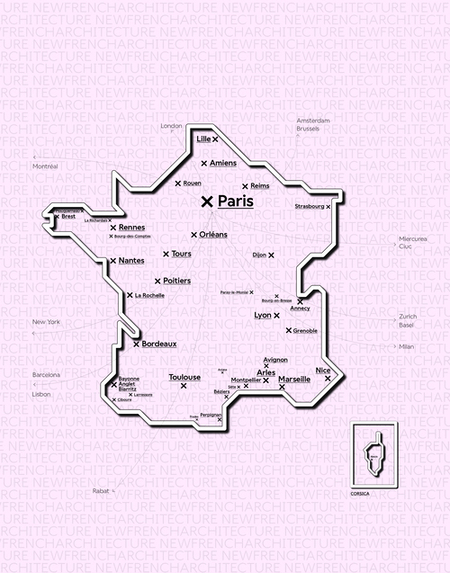
New French Architecture
An Original Idea by New Generations
B2A
Coming Soon
Atelier Apara
Architecture Through a Pedagogical Lens
HEMAA
Designing for Ecological Change
HYPER
Hyperlinked Scales
Between Utopia and Pragmatism
Oblò
Dialogue with the Built World
Augure Studio
Revealing, Simplifying, Adapting
Cent15 Architecture
A Process of Learning and Reinvention
Pierre-Arnaud Descôtes
Composing Spaces, Revealing Landscapes
BUREAUPERRET
What Remains, What Becomes
ECHELLE OFFICE
In Between Scales
Atelier
Rooted in Context, Situated at the Centre
AJAM
Systemic Shifts, Local Gestures
Mallet Morales
Stories in Structure
Studio SAME
Charting Change with Ambition
Lafayette
Envisioning the City of Tomorrow
Belval & Parquet Architectes
Living and Building Differently
127af
Redefining the Common
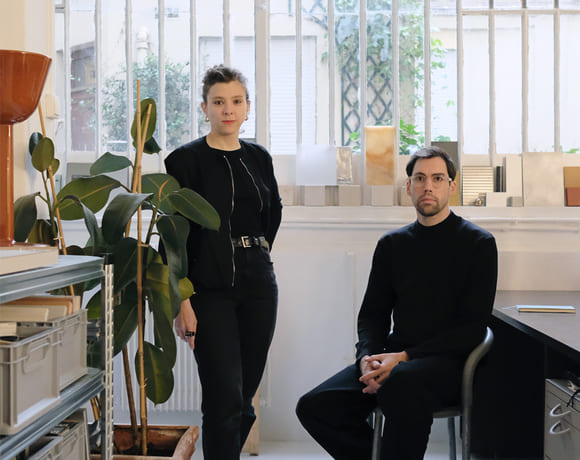
HEROS Architecture
From Stone to Structure
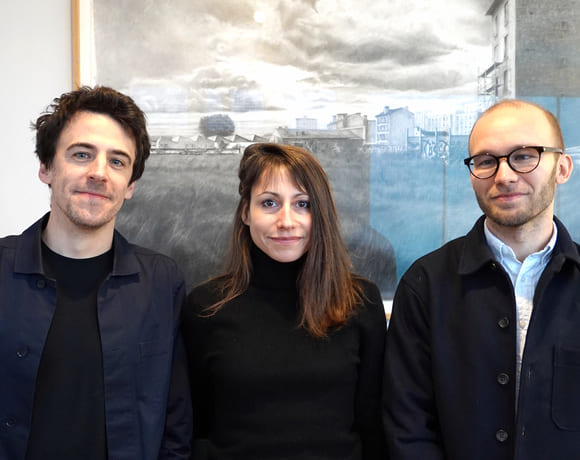
Carriere Didier Gazeau
Lessons from Heritage
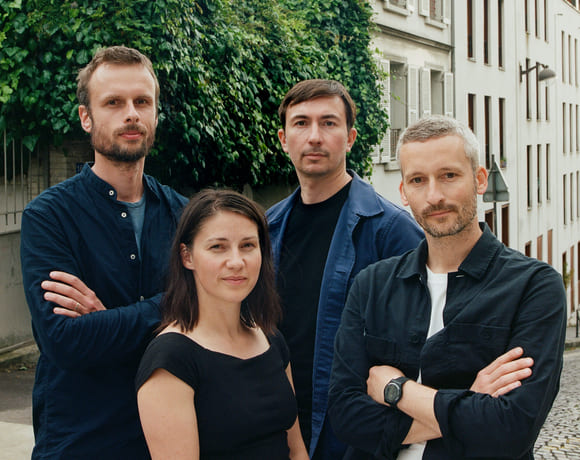
a-platz
Bridging Cultures, Shaping Ideas
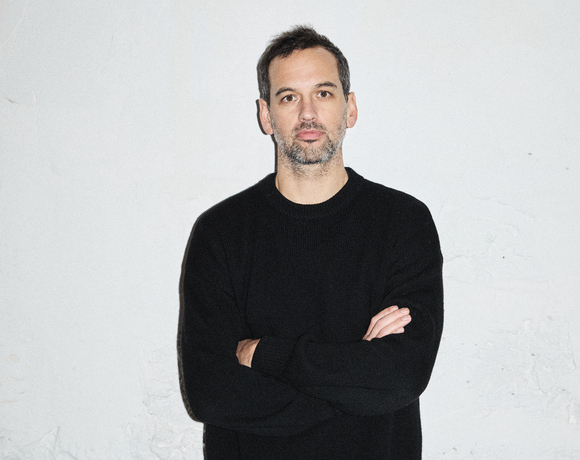
Rodaa
Practicing Across Contexts
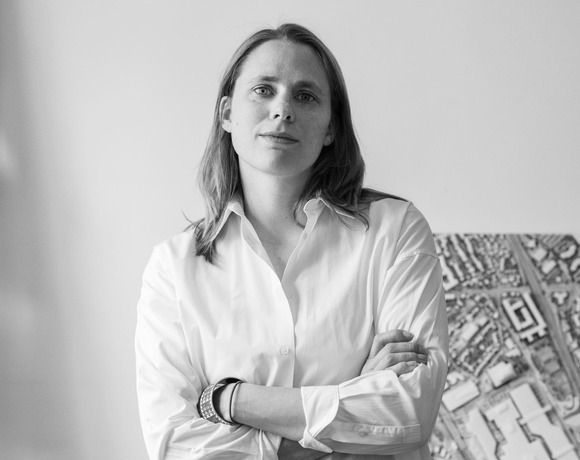
Urbastudio
Interconnecting Scales, Communities, and Values
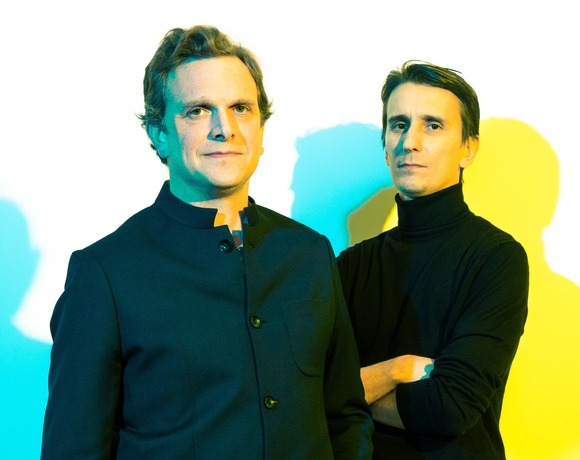
Oglo
Designing for Care
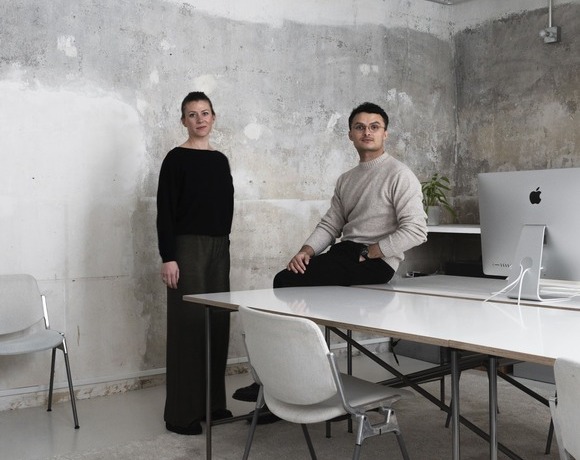
Figura
Figures of Transformation
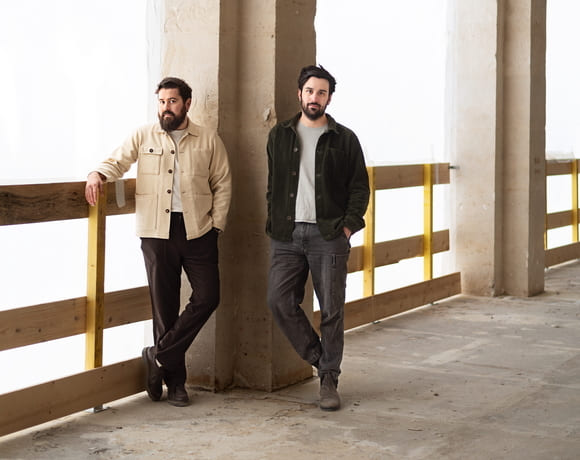
COVE Architectes
Awakening Dormant Spaces
Graal
Understanding Economic Dynamics at the Core
ZW/A
United Voices, Stronger Impacts
A6A
Building a Reference Practice for All
BERENICE CURT ARCHITECTURE
Crossing Design Boundaries
studio mäc
Bridging Theory and Practice
studio mäc
Bridging Theory and Practice
New Swiss Architecture
An Original Idea by New Generations
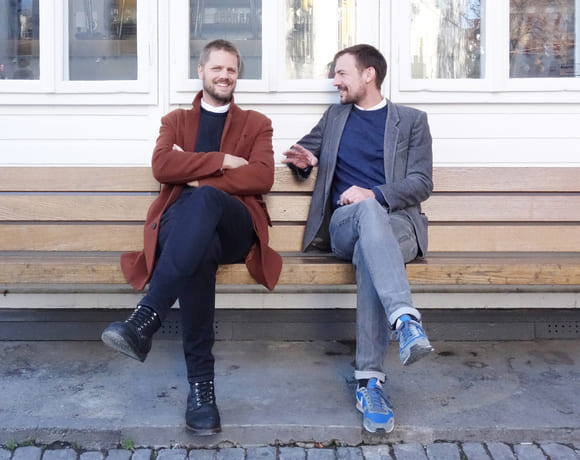
KUMMER/SCHIESS
Compete, Explore, Experiment
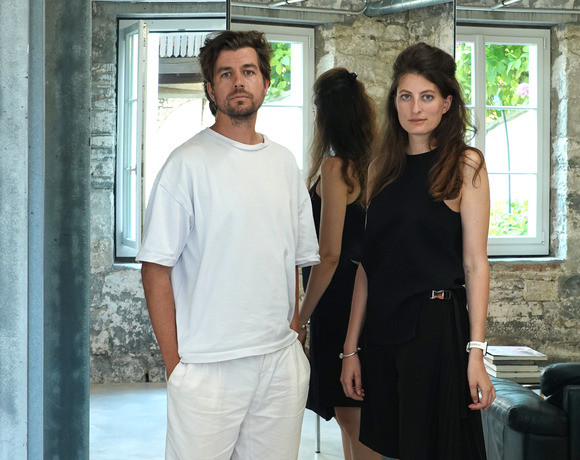
ALIAS
Stories Beyond the Surface
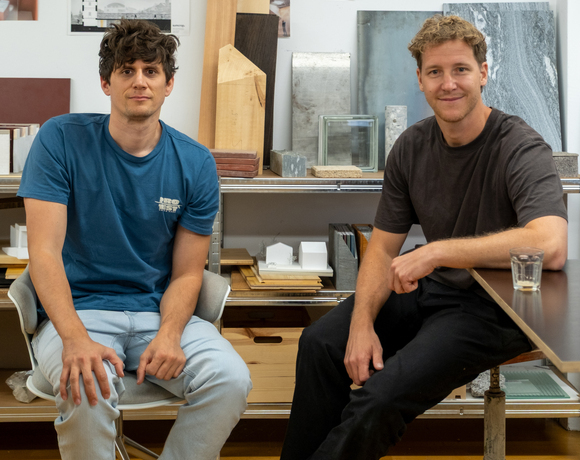
sumcrap.
Connected to Place
BUREAU/D
From Observation to Action
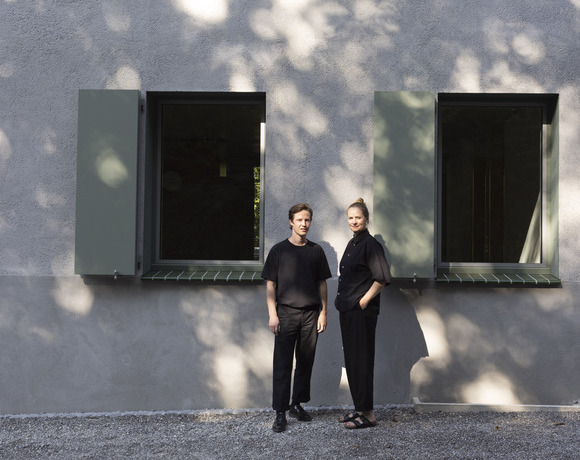
STUDIO ROMANO TIEDJE
Lessons in Transformation
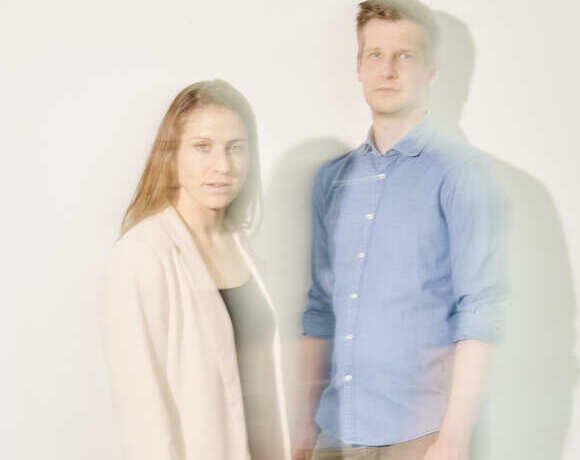
Ruumfabrigg Architekten
From Countryside to Lasting Heritage
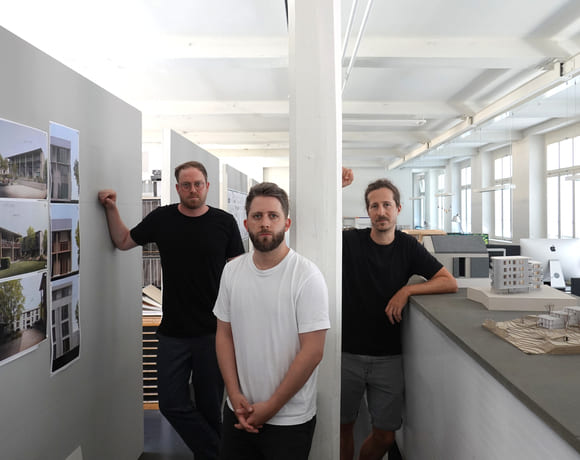
Kollektiv Marudo
Negotiating Built Realities
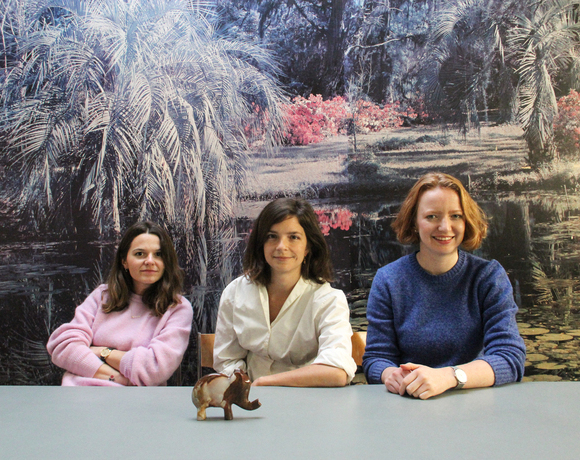
Studio Barrus
Starting byChance,Growing Through Principles
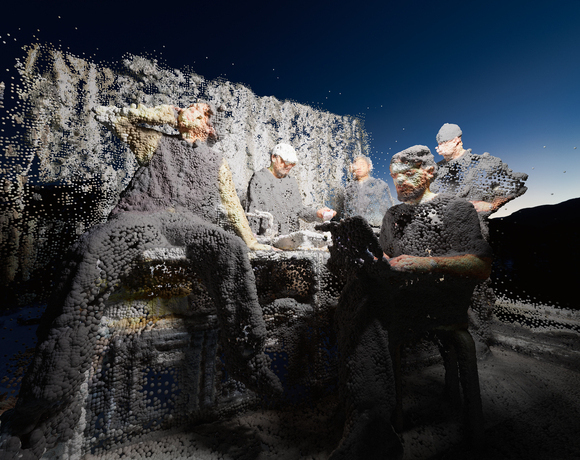
dorsa + 820
Between Fiction and Reality
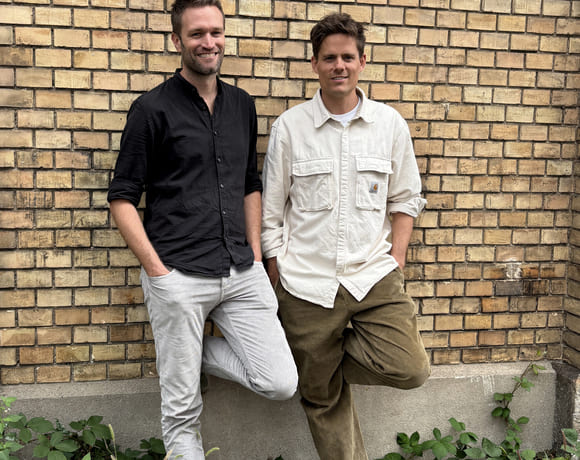
S2L Landschaftsarchitektur
Public Spaces That Transform
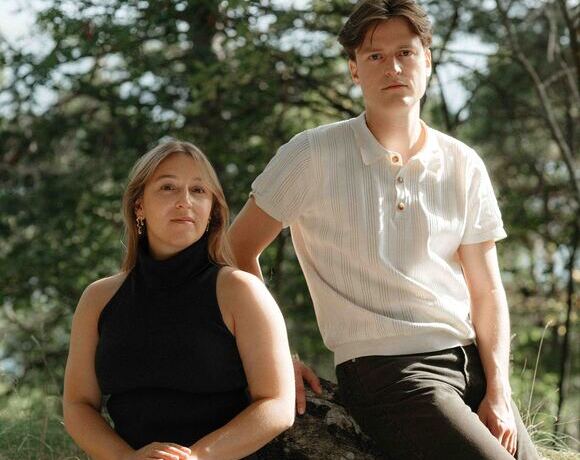
DER
Designing Within Local Realities
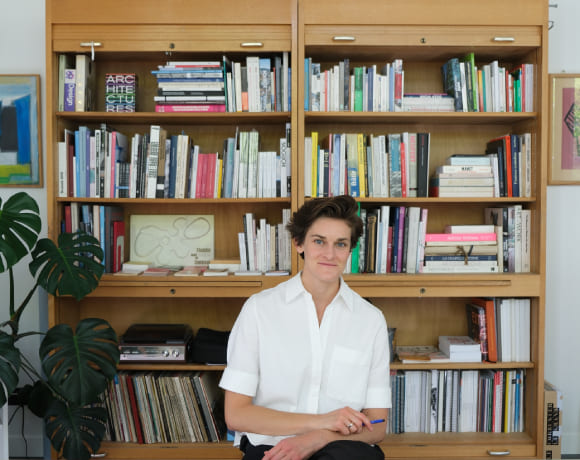
Marginalia
Change from the Margins
En-Dehors
Shaping a Living and Flexible Ecosystem
lablab
A Lab for Growing Ideas
Soares Jaquier
Daring to Experiment
Sara Gelibter Architecte
Journey to Belonging
TEN (X)
A New Kind of Design Institute
DF_DC
Synergy in Practice: Evolving Together
GRILLO VASIU
Exploring Living, Embracing Cultures
Studio — Alberto Figuccio
From Competitions to Realised Visions
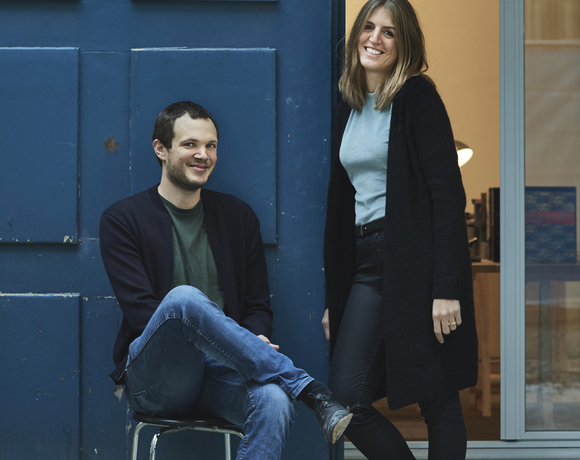
Mentha Walther Architekten
Carefully Constructed
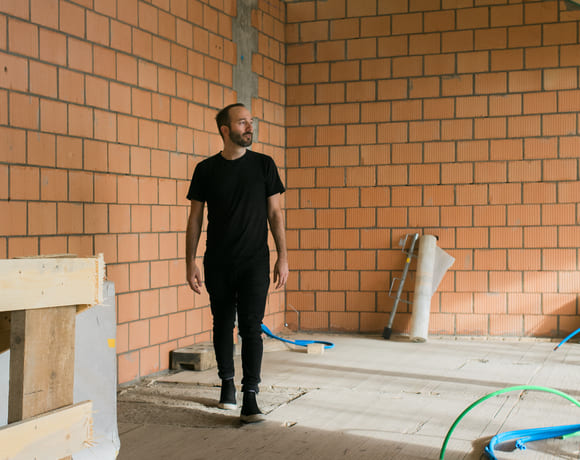
Stefan Wuelser +
Optimistic Rationalism: Design Beyond the Expected
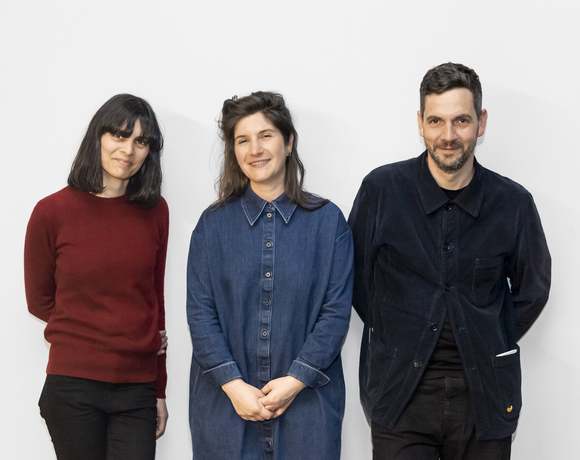
BUREAU
A Practice Built on Questions
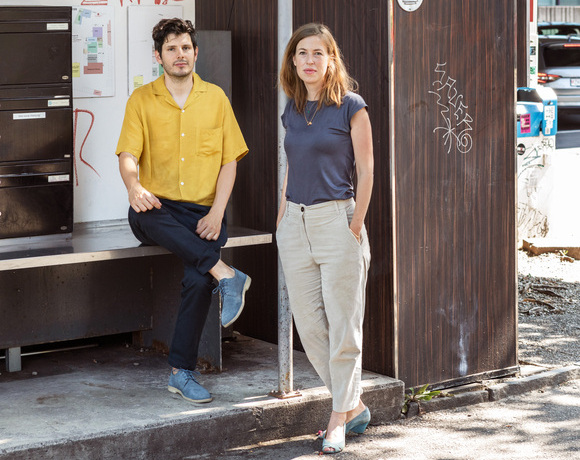
camponovo baumgartner
Flexible Frameworks, Unique Results
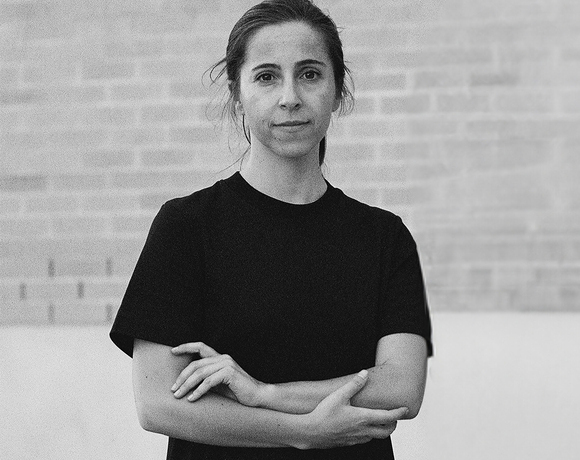
MAR ATELIER
Exploring the Fringes of Architecture
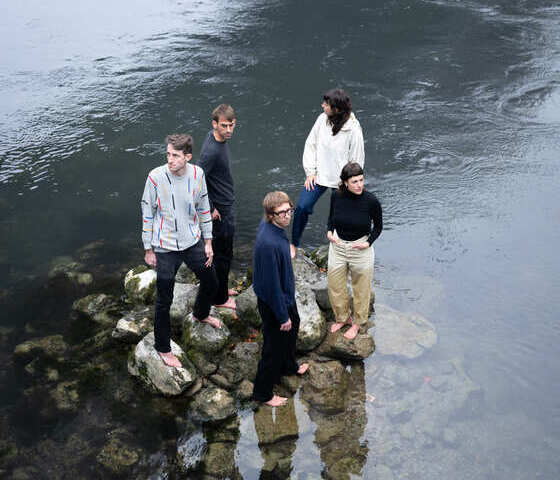
bach mühle fuchs
Constantly Aiming To Improve the Environment
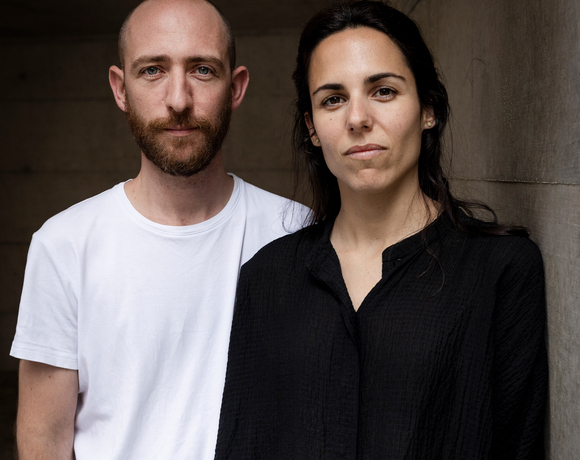
NOSU Architekten GmbH
Building an Office from Competitions
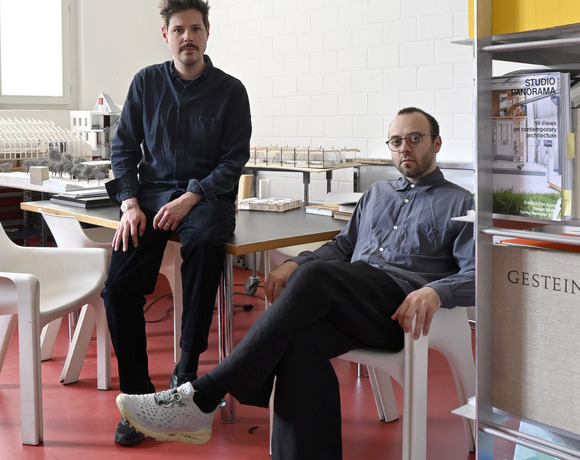
BALISSAT KAÇANI
Challenging Typologies, Embracing Realities
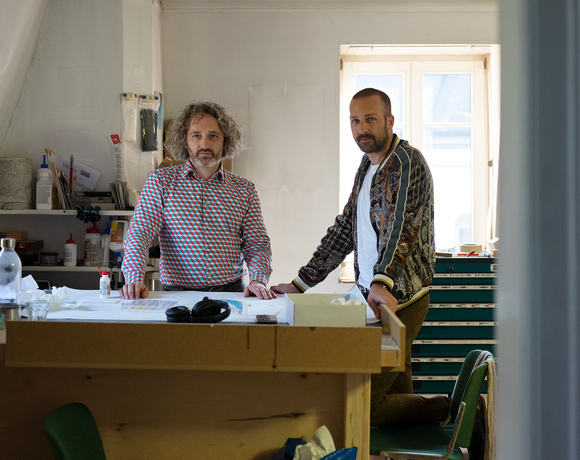
Piertzovanis Toews
Crafted by Conception, Tailored to Measure
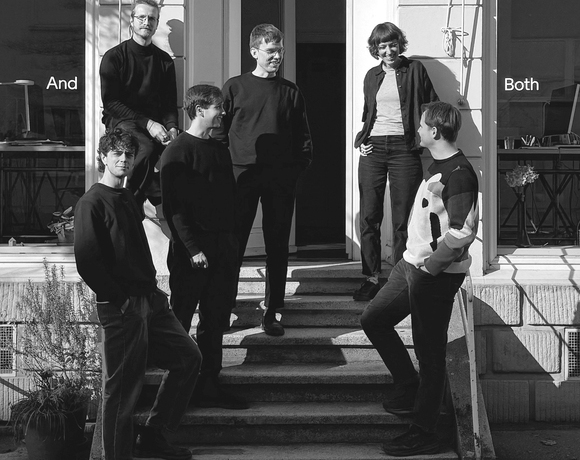
BothAnd
Fostering Collaboration and Openness
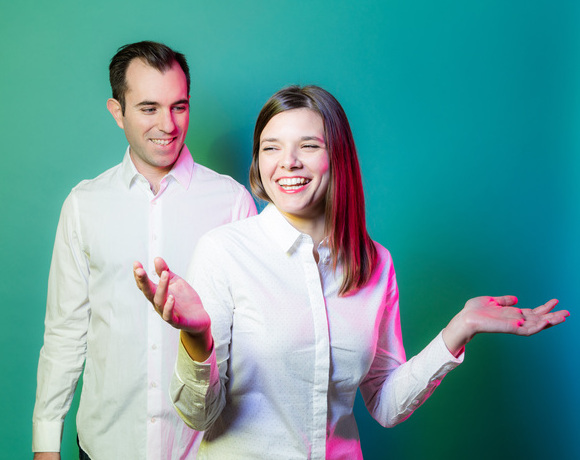
Atelier ORA
Building with Passion and Purpose
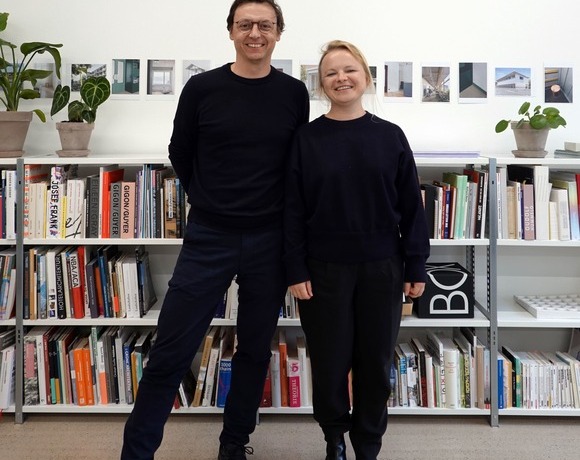
Atelier Hobiger Feichtner
Building with Sustainability in Mind
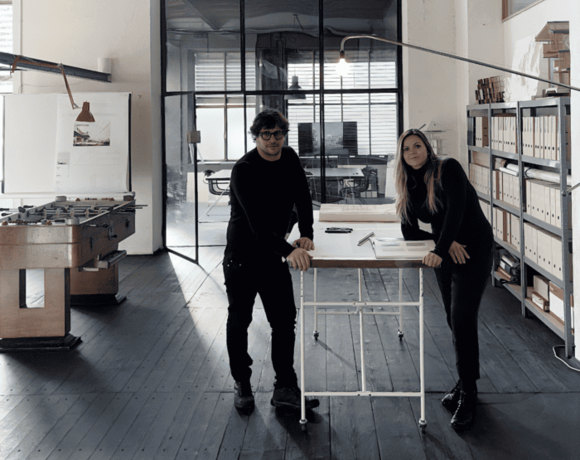
CAMPOPIANO.architetti
Architecture That Stays True to Itself
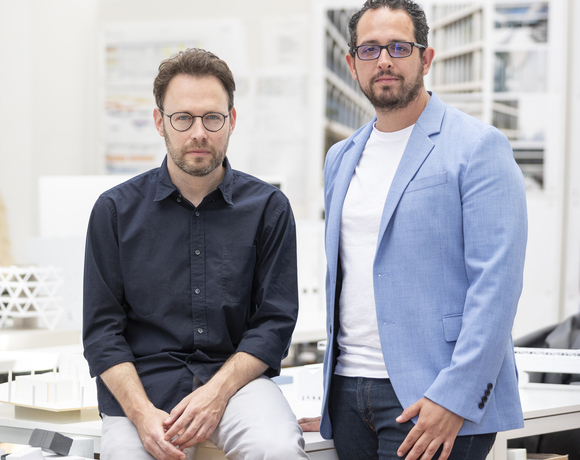
STUDIO PEZ
The Power of Evolving Ideas
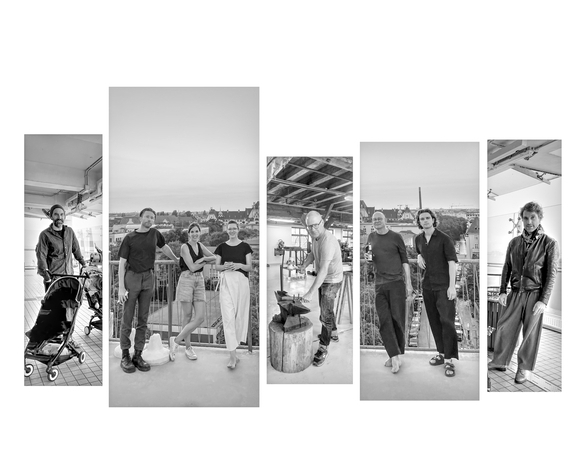
Architecture Land Initiative
Architecture Across Scales
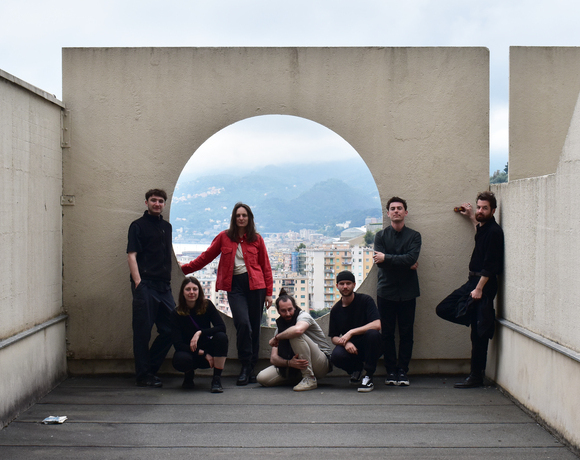
ellipsearchitecture
Humble Leanings, Cyclical Processes
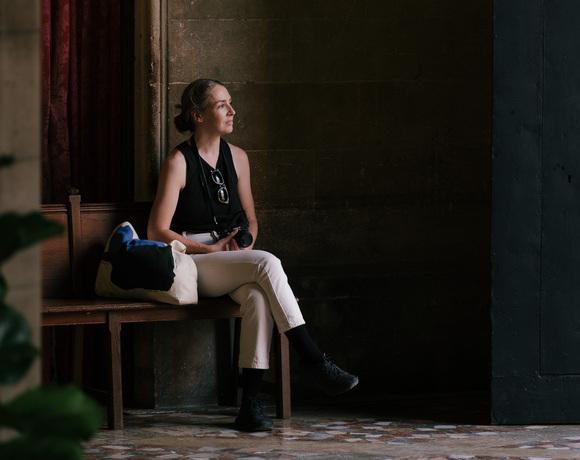
Sophie Hamer Architect
Balancing History and Innovation
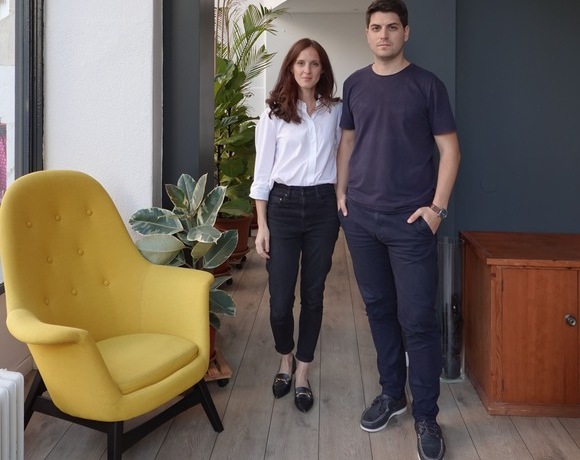
Argemí Bufano Architectes
Competitions as a Catalyst for Innovation
continentale
A Polychrome Revival
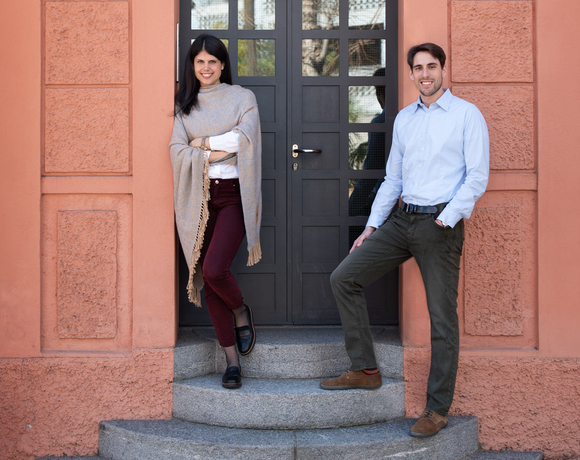
valsangiacomoboschetti
Building With What Remains
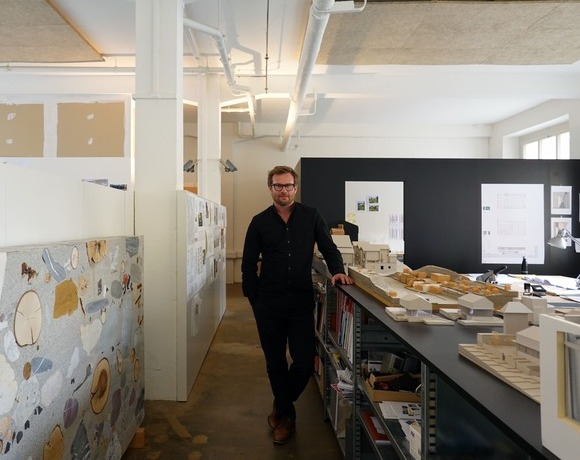
Oliver Christen Architekten
Framework for an Evolving Practice
MMXVI
Synergy in Practice
Balancing Roles and Ideas
studio 812
A Reflective Approach to
Fast-Growing Opportunities
STUDIO4
The Journey of STUDIO4
Holzhausen Zweifel Architekten
Shaping the Everyday
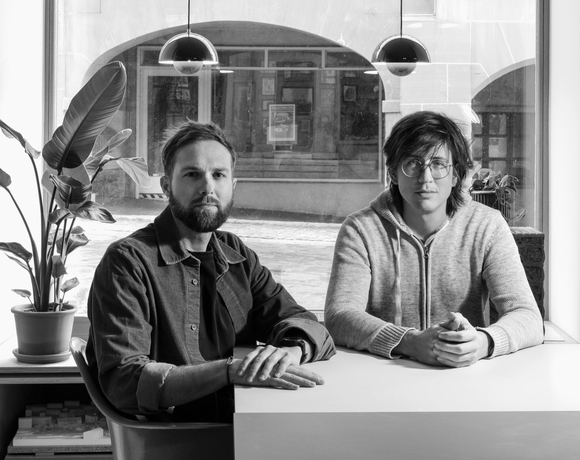
berset bruggisser
Architecture Rooted in Place
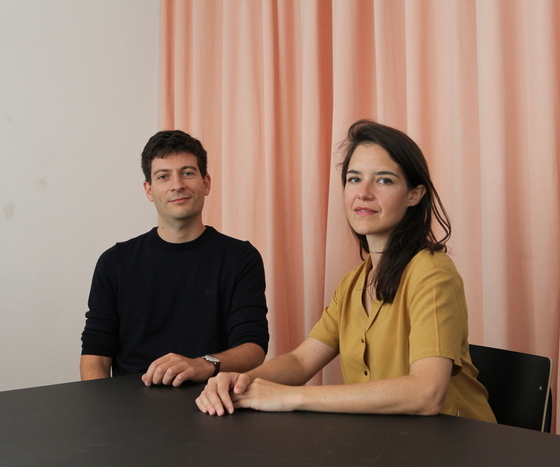
JBA - Joud Beaudoin Architectes
New Frontiers in Materiality
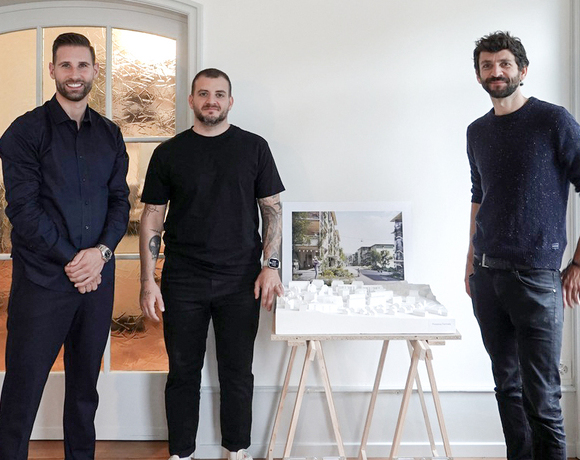
vizo Architekten
From Questions to Vision
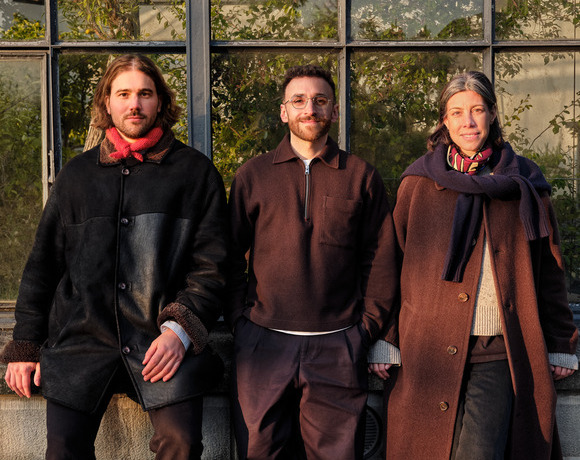
Atelier NU
Prototypes of Practice
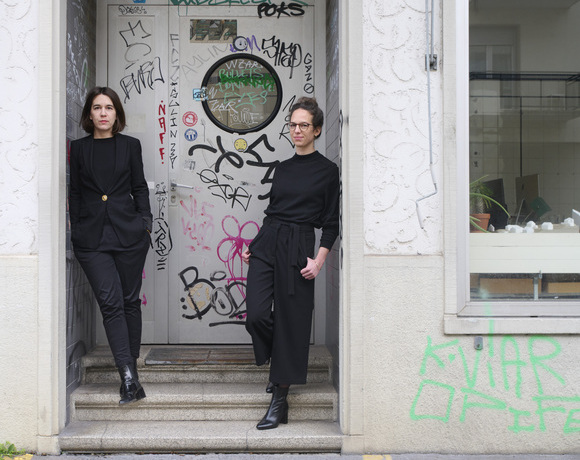
Atelier Tau
Architecture as a Form of Questioning
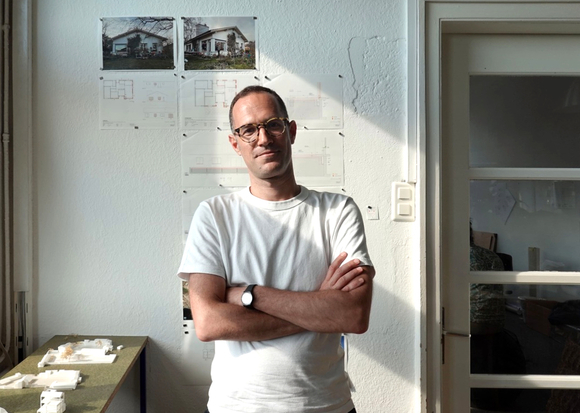
alexandro fotakis architecture
Embracing Context and Continuity
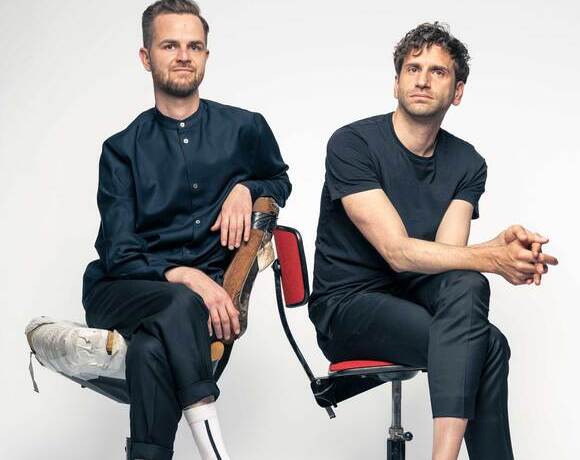
Atelier Anachron
Engaging with Complexity
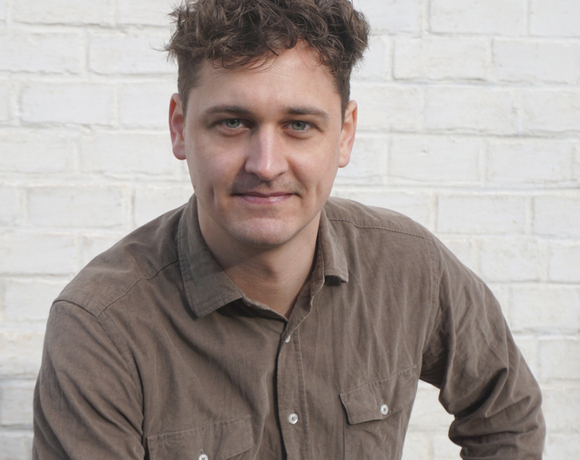
SAJN - STUDIO FÜR ARCHITEKTUR
Transforming Rural Switzerland
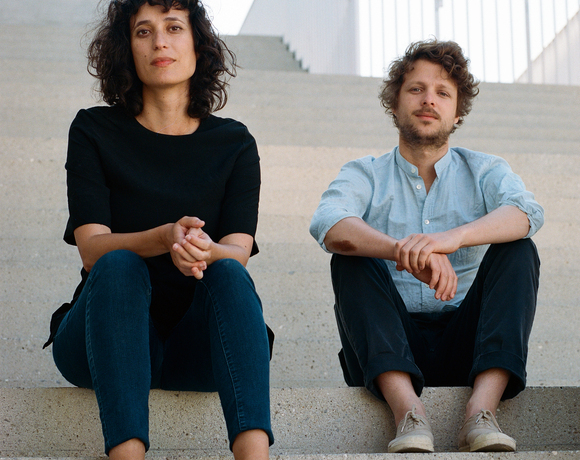
guy barreto architects
Designing for Others, Answers Over Uniqueness
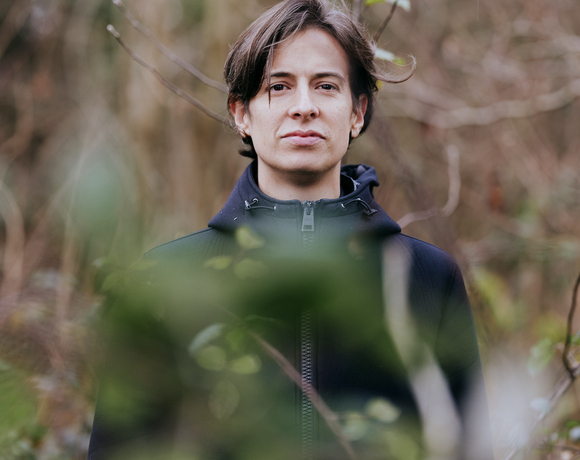
Concrete and the Woods
Building on Planet Earth
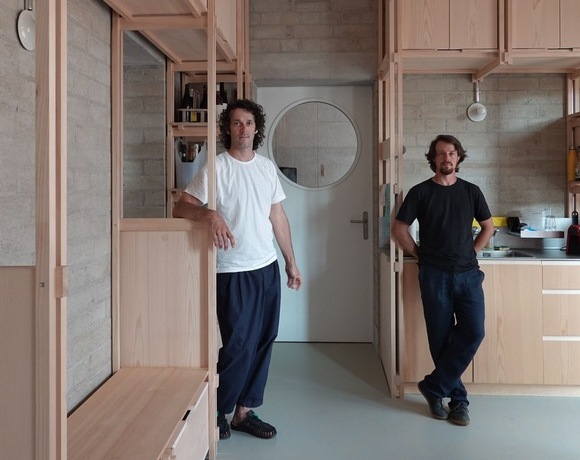
bureaumilieux
What is innovation?
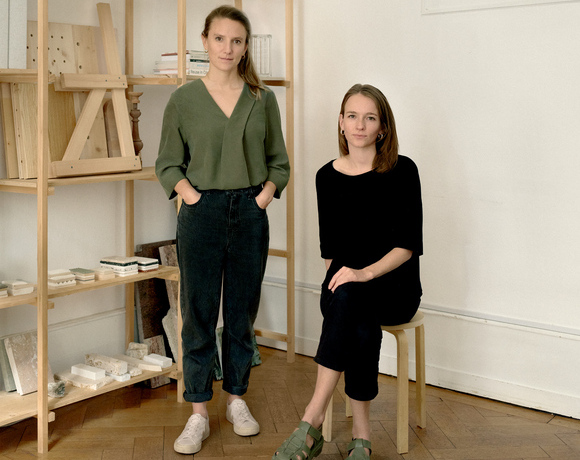
apropå
A Sustainable and Frugal Practice
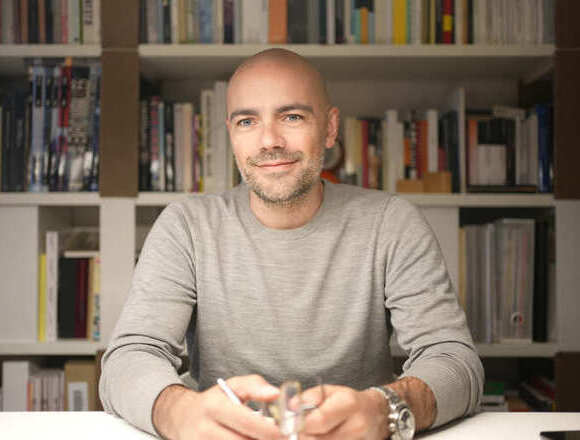
Massimo Frasson Architetto
Finding Clarity in Complex Projects
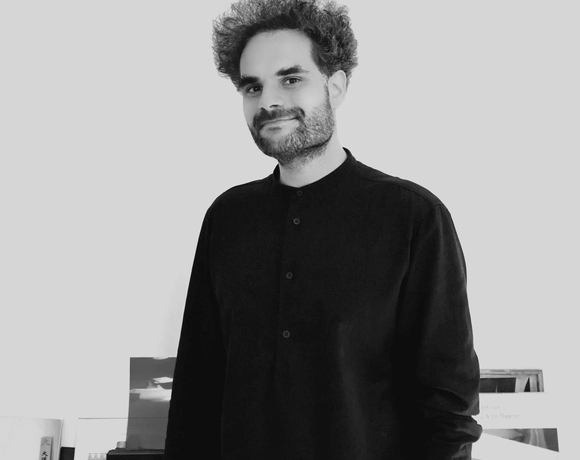
Studio David Klemmer
Binary Operations
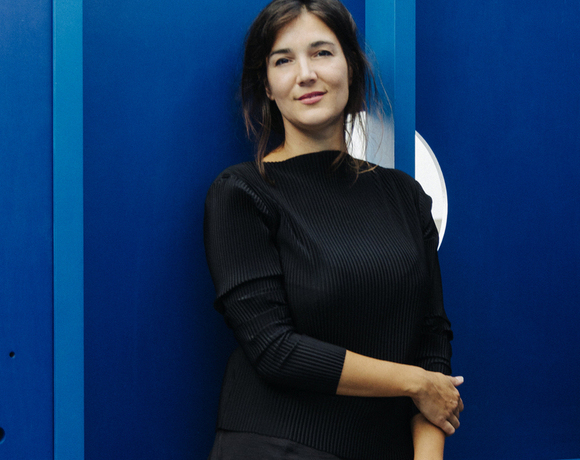
Caterina Viguera Studio
Immersing in New Forms of Architecture
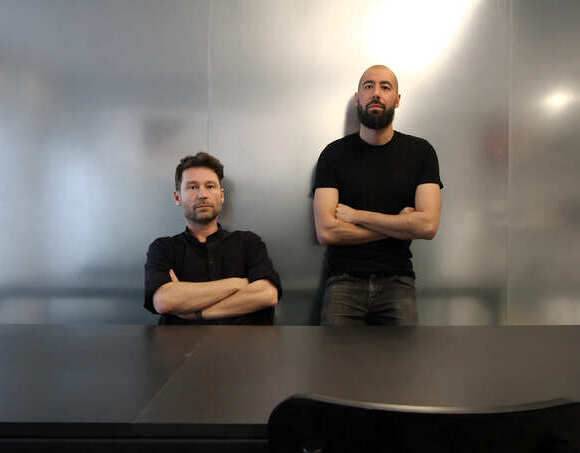
r2a architectes
Local Insights, Fresh Perspectives
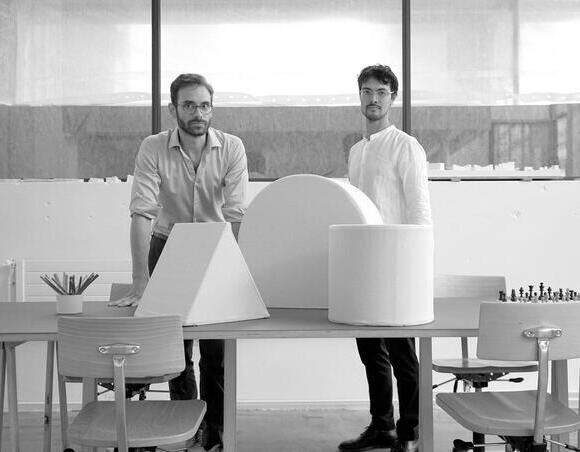
HertelTan
Timeless Perspectives in Architecture
That Belongs
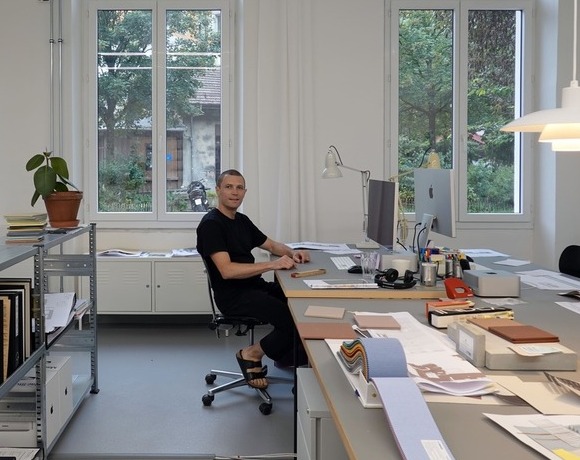
Nicolas de Courten
A Pragmatic Vision for Change
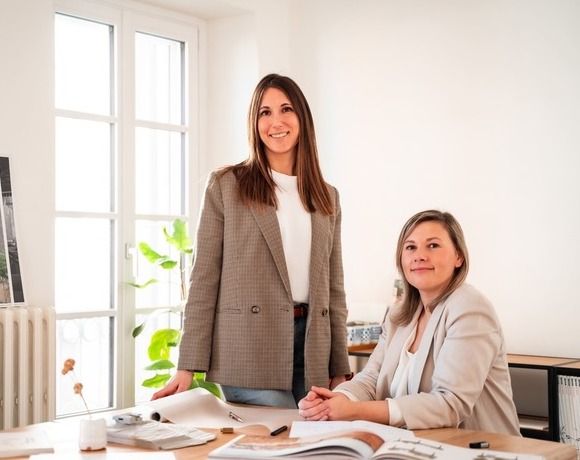
Atelier OLOS
Balance Between Nature and Built Environment
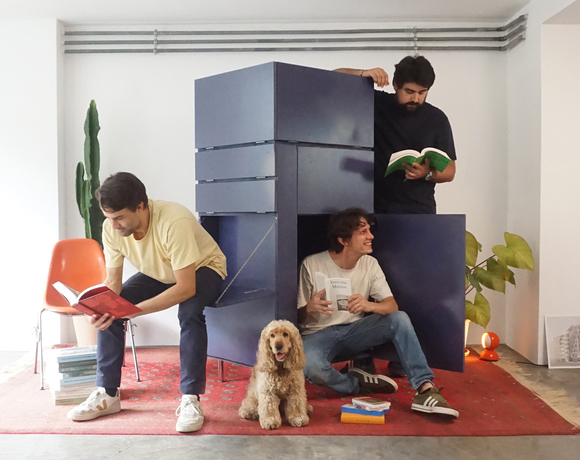
Associati
‘Cheap but intense’: The Associati Way
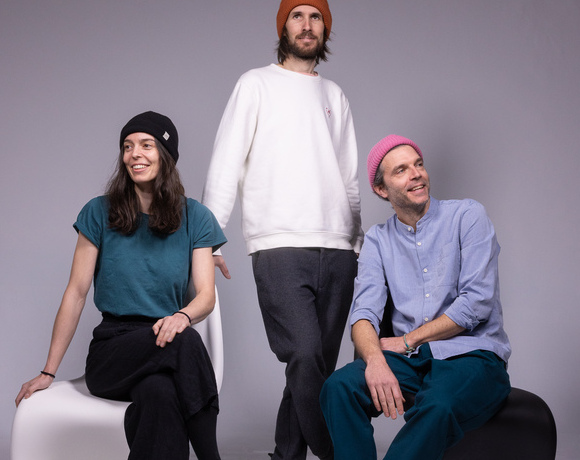
emixi architectes
Reconnecting Architecture with Craft
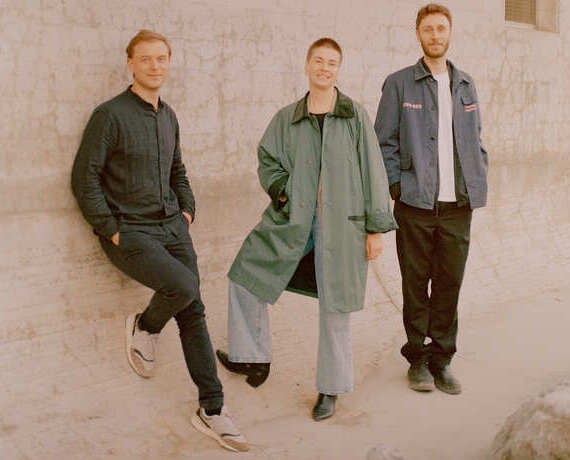
baraki architects&engineers
From Leftovers to Opportunities
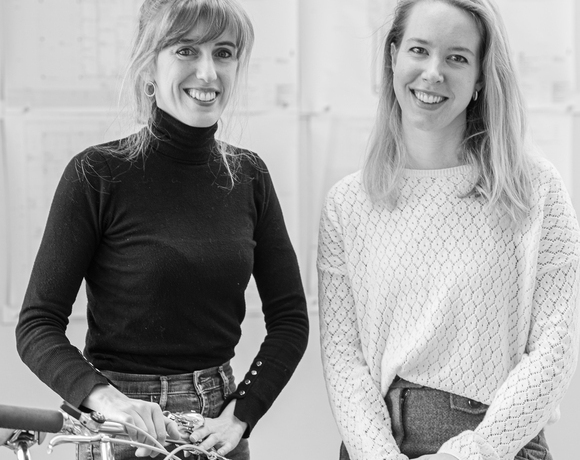
DARE Architects
Material Matters: from Earth to Innovation
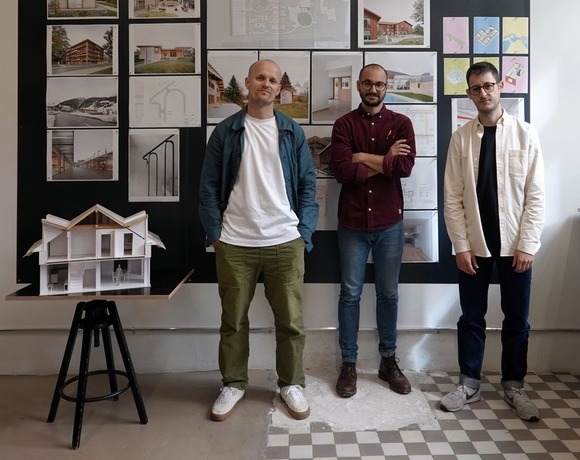
KOMPIS ARCHITECTES
Building from the Ground Up
Fill this form to have the opportunity to join the New Generations platform: submissions will be reviewed on a daily-basis, and the most innovative practices will have the chance to be part of the media's coverage and participate in our cultural agenda, including events, research projects, workshops, exhibitions and publications.
New Generations is a European platform that investigates the changes in the architectural profession ever since the economic crisis of 2008. We analyse the most innovative emerging practices at the European level, providing a new space for the exchange of knowledge and confrontation, theory, and production.
Since 2013, we have involved more than 3.000 practices from more than 50 countries in our cultural agenda, such as festivals, exhibitions, open calls, video-interviews, workshops, and experimental formats. We aim to offer a unique space where emerging architects could meet, exchange ideas, get inspired, and collaborate.
An original idea of New Generations
Team & collaborators: Gianpiero Venturini, Marta Hervás Oroza, Elisa Montani, Giuliana Capitelli, Kimberly Kruge, Canyang Cheng
If you have any questions, need further information, if you'd like to share with us a job offer, or just want to say hello please, don't hesitate to contact us by filling up this form. If you are interested in becoming part of the New Generations network, please fill in the specific survey at the 'join the platform' section.
Nurturing Ecosystems
At the crossroads of landscape, ecology, urban planning, and geography, Acmé Paysage’s projects aim to create spaces of harmony that accommodate diverse social, spatial, and ecological dynamics. Each intervention is an opportunity to enhance the living environment, connecting programmatic needs with site history, existing and potential uses, micro-environments and territorial continuities — all for the benefit of the living world. With strong environmental awareness, they prioritise ecosystem respect, sustainable design and resource preservation. They aim to challenge how we occupy space at all territorial scales; to explore the reintegration of natural processes into built environments to counteract their artificialisation and to advocate for a humble, adaptive and frugal approach.
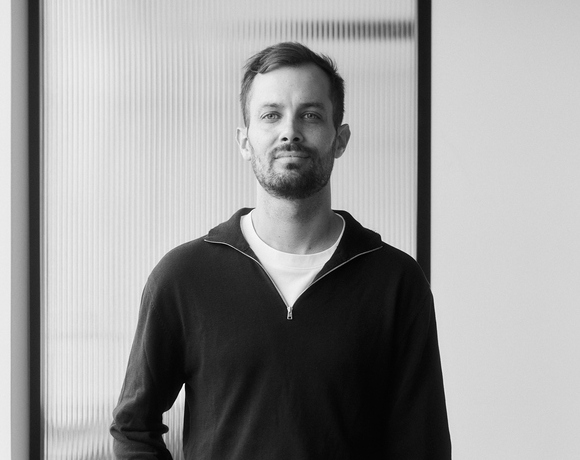
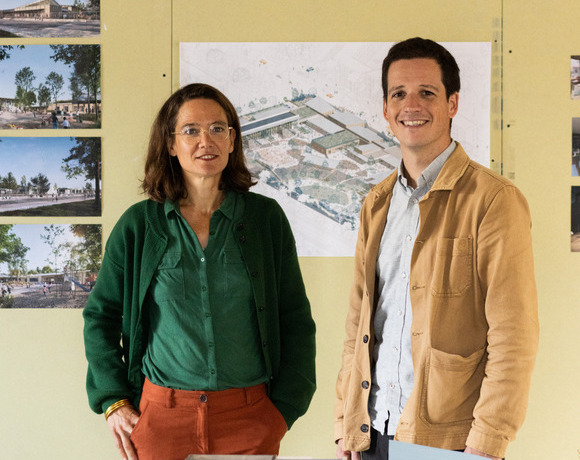
SL: Sacha Lenzini | HD: Hugo Deloncle | ES: Eleonora Schiavi
Landscape architects in nature, not by nature
HD: One of the reasons we believe there has been a rise in emerging practices in landscape is the increasing awareness of ecological impacts. This shift has been particularly noticeable in France over the past 10 to 15 years, and it continues to gain momentum today. As landscape architects, we’re being asked to collaborate on so many different kinds of projects—urban planning, architectural designs, public spaces, residential developments. This increased focus on ecological issues is definitely one of the reasons more practices like ours are popping up.
ES: I think government councils play a big role, too. Paris and other cities have realised how important large green spaces are. There’s even a law now that requires a certain percentage of green space in architectural projects. So, for example, if you’re designing a building, you’re obligated to involve a landscape designer in the process. It’s really pushed ecological interests to the forefront and is becoming a political issue. A lot of philosophical and ecological ideas that used to be more theoretical are now finding their way into practice.
SL: Landscape architecture is actually a pretty young field in France. Ten years ago, we were just seen as the ‘green touch’, adding a bit of decoration to projects. But now, we’re becoming part of a much deeper, philosophical way of thinking about projects, especially urban ones, on a larger scale. Architecture and urbanism have always focused on human needs, but landscape design considers not just humans, but all living things—life in general. So now, our work isn’t just about “adding trees”; it’s about creating meaningful spaces that reflect this shift in perspective.
ES: People are exposed to ideas about ecology and co-living through books, social media, and other platforms. It’s not just about human life any more—it’s about how humans coexist with animals and other forms of life. That’s why you see architects who are interested in designing things like rooftop nests for birds. Landscape architecture and architecture are evolving together, moving away from being purely decorative towards creating spaces that promote co-living and shared ecosystems.
From seeds to significance
HD: We founded Acmé Paysage in 2021. Sacha and I met during school, and while we followed our own paths for a while, we eventually reconnected and decided to collaborate. Not long after, we met Eleonora through our school network, and everything came together. Initially, it wasn’t a well-defined project but more of an opportunity at the right moment. Now we’re a team of four or five people, working on a range of projects.
SL: In French, our name is Acmé, which stands for Appréhender, Composer, Matérialiser et Éprouver. For us, this represents the process of a good project. It translates to: discovering and understanding the site and its context first (Appréhender); Composer, which is about combining and designing; Matérialiser, turning ideas into reality; and Éprouver, learning from the process—successes and failures alike. For example, testing seeds could be part of this—adopting a learning-by-doing approach.
HD: Experimenting and refining, even through failures, is central. The term Acmé in French also signifies the highest point, the peak. Additionally, Akmeizm is a Russian poetic movement that reached its peak in the early 1910s. The artists of this movement aspire to the indivisible unity of the Earth and man. Acmeists advocate the use of simple and concrete language to bring the poetic dimension of everyday life to its peak. This last sentence reflects the philosophy in which we aspire to inscribe the workshop's approach.
A diverse team in action
HD: The three of us have complementary strengths, and we are involved in all aspects of our work. This is partly due to our diverse backgrounds and experiences, which enrich and complement each other.
SL: Before co-founding the practice, I gained experience in several agencies and also worked within a cooperative environment. This allowed me to collaborate with professionals like botanists, ecologists, and even entomologists. That multidisciplinary experience shaped my approach today. Later, I took on roles in education, becoming a school director at ESAJ, l’école des paysages de la transition écologique (School of Landscapes for Ecological Transition), while continuing to work on urban and landscape projects.
ES: My background is rooted in architecture, which I studied in Milan. But over time, I realised I wasn’t passionate about designing buildings. What captivated me was the ecological side of things. The financial crisis in Italy pushed me to explore opportunities abroad, and I eventually found my way into landscape architecture. For me, it was less about form and material and more about creating ecological, adaptive environments. I’ve spent over a decade in landscape practice now, even completing a PhD in France on the role of spontaneous plants in transforming ruins into new landscapes.
HD: My journey started with landscape studies, followed by urban design, focusing on public spaces. This foundation naturally led to starting the agency. These experiences translate into our roles within the practice, making our partnership a natural collaboration in which we complement each other perfectly, each bringing our own strengths and perspectives.
Fertile inspiration
HD: Our projects fall into two broad categories: landscape urbanism and landscape design. Within these, we work on public spaces, regional-scale projects, public facilities (like schools and museums), and residential developments. We approach every scale, from a single building to entire neighbourhoods, because we believe in creating impact across all levels. For us, landscape design is like a form of acupuncture, activating spaces and ecosystems across scales.
ES: Whether it’s working with water systems, local plants, or animal habitats, each small-scale intervention can have a larger ripple effect. These elements create connections between scales, from the micro to the macro, and help foster co-living between humans, plants, and animals.
SL: We draw inspiration from ecosystems, emphasising bioclimatic and biomimetic strategies. Landscape materials are alive and dynamic, which demands humility and adaptability. When a building is delivered, it’s complete. But when a landscape is delivered, it’s just the beginning.
HD: Frugality is one key principle—being humble and efficient, working with what’s already present. For example, instead of recreating a fixed ecosystem, we aim to create adaptable spaces using local seeds and species. These are more resilient, require less maintenance, and allow nature to evolve freely.
ES: A meadow, for instance, holds far more biodiversity than a simple lawn. It draws in local insects, animals, and a wide range of life forms, becoming a living, breathing ecosystem. One project we’re particularly proud of is the CMR PAUL VALERY where we collaborated with specialists to source seeds from the calcareous cliffs along the banks of the Seine near the West of Paris. By replicating that local calcareous meadows ecosystem, we created a landscape that’s not only rich in life but also resilient—naturally adapted to its context and requiring minimal external input.
Letting landscapes evolve
HD: We’re not trying to recreate nature but to design spaces for people that coexist with thriving ecosystems. A key challenge we face is management—ensuring that the landscapes we create are maintained in sustainable ways. We believe this is an area that needs more evolution and recognition.
ES: We’re advocating for less-intensive maintenance by using local plants and seeds that are naturally adapted to the environment. It’s a shift in perspective—from viewing beauty as perfection to appreciating the dynamic, imperfect beauty of nature in motion.
SL: We work a lot with the soil. Soil is made over 100 years for its constitution, but in landscapes, we use so much soil and waste it. It feels like an absence—taking soil off the fields and it’s almost senseless. So, we focus on innovation. In Paris, we worked with “Technosol”, a soil reconstructed from technical or recycled materials sourced from on-site demolition, fortified with topsoil and organic matter. The goal is to reduce the export of inert waste and the import of excavated arable soils of unknown origin, while creating a soil specifically designed to perform ecological and agronomic functions in urban environments. It’s really new and still experimental, but it’s very important to us. We're confident that we can manage the soil, but managing life itself is much harder. That’s not possible.
HD: By managing the soil, we also shape the ecosystem that evolves from it—its quality and composition play a fundamental role. We applied this approach in a particularly meaningful project for the Cité Mixte Régionale Paul Valéry, a high school and middle school, where we experimented with soil regeneration by involving young students in hands-on research. They explored which species would thrive in regenerated soil by testing three different spaces, each with its own mix of soil and seeds. Alongside their teachers and professors, the students observed the ecosystems’ development over time, allowing us to adapt our approach based on real results. It was a valuable opportunity to actively involve the younger generation in the creation of their landscape.
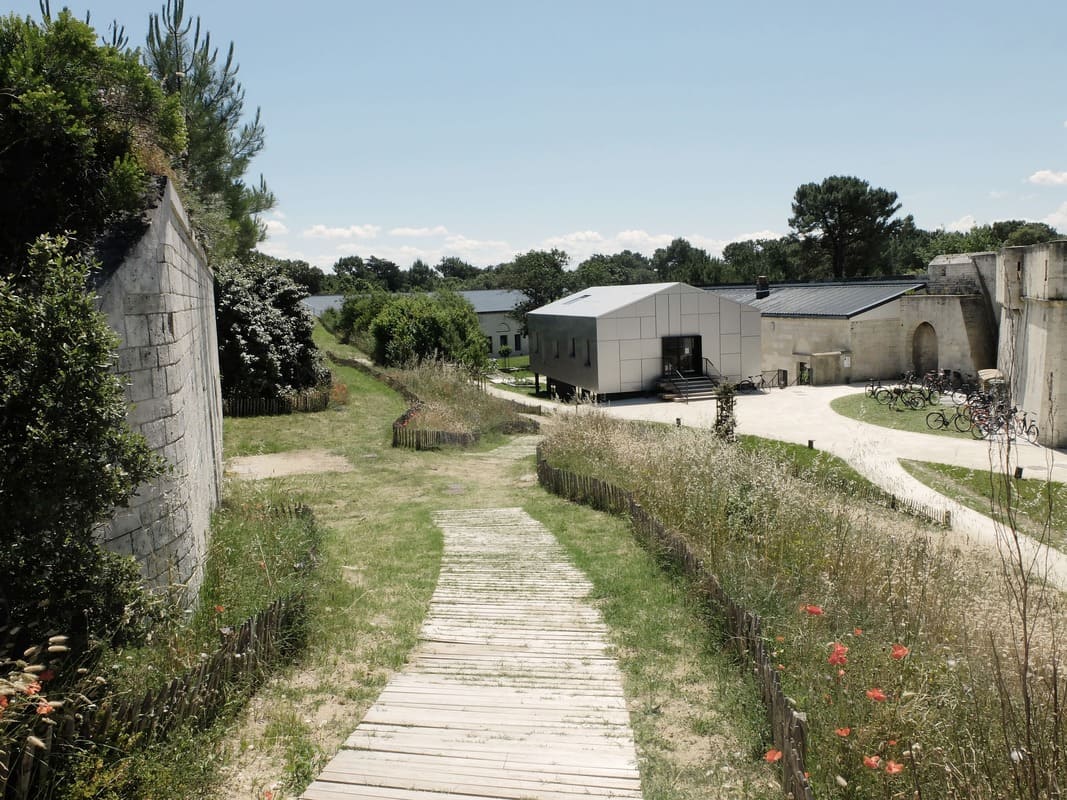
Another example was on Île d'Oléron in France, where we worked on an old fort located in a protected area, la forêt des Saumonards (Natura 2000). In this case, we chose not to introduce anything new. Instead, we worked with the existing vegetation and materials, carefully removing and reusing the top layer of soil—along with its seed bank—to preserve what was already there. Six months later, it was like a jigsaw puzzle coming together—it worked beautifully. We spent almost no money, it was ecologically sound, and it came after a tough negotiation with the client. At first, they said, “No, it’s impossible, we need something now.” We had to convince them to wait three months—and once they did, they saw the transformation unfold.
ES: Both projects involve working with earth, specifically reconstituted earth from demolished buildings. It’s about reusing materials to create new earth. For us, earth is one of the most important materials in our projects, whether reconstituted or from the site itself.
Listening to the site, learning from students
SL: One key idea for us is la préséance du vivant, a thesis from Gilles Clément—the priority of life. It's about observing the dynamics of species, human and non-human, in a space. This is the most important step before starting a project. We need to wait and observe the site, letting the dynamic unfold. It’s crucial because it shifts the education in landscape schools. Traditionally, projects come first, and ecology comes later. We believe it should be the opposite—the ecological understanding is primary.
ES: It’s important to help students think in terms of multiple scales. Many students get too focused on small-scale design and never open up to larger perspectives. Teaching this broad view is essential. The final projects are also an interesting part of education. In France, students combine research and practical work. It’s great because it helps them connect theory to practice. And in our practice, we learn from our students too. They bring fresh perspectives with their research topics, and I help guide them, not by teaching specific answers, but by helping them refine their methodology, think critically, and explore different scales. Each student is different, and I adapt based on the person I’m working with. It’s the same with a project or a client—you adapt your approach based on the context.
SL: The educational side of our practice is really important. It provides a break from the crazy rhythm of our projects. We take time for reflection with the students, and there’s no pressure. It’s a space to think deeply.
ES: It’s easy to close ourselves off to new ideas, but working with students forces you to stay open. They come with their own ideas, and you can’t protect yourself from that. You have to stay open and receptive to their thoughts.
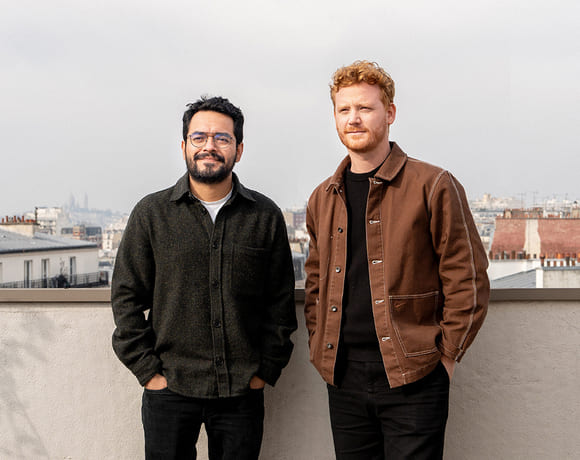
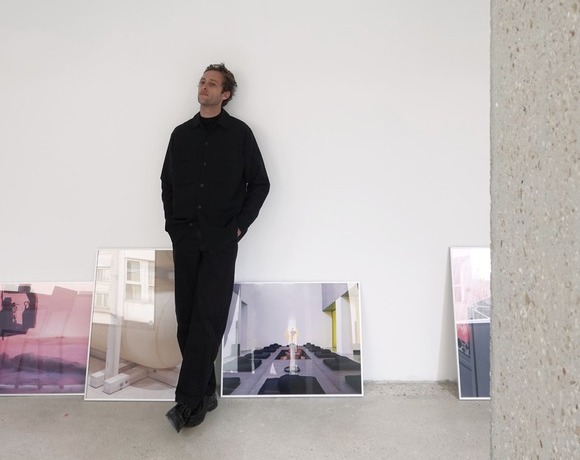
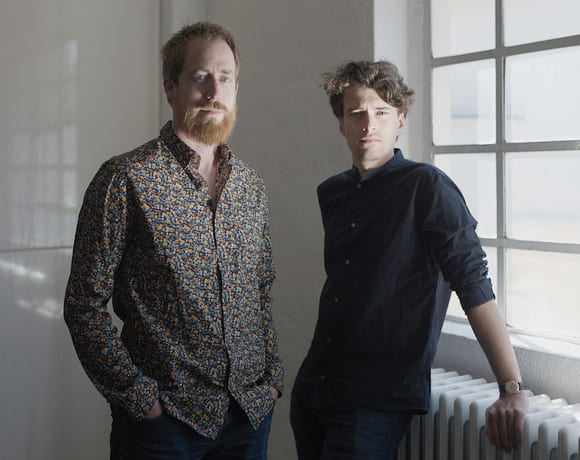
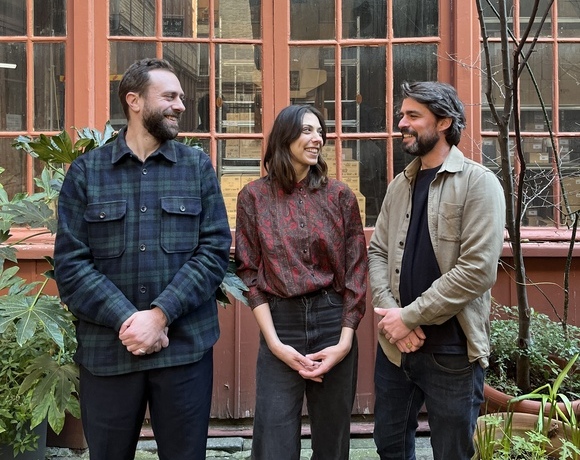
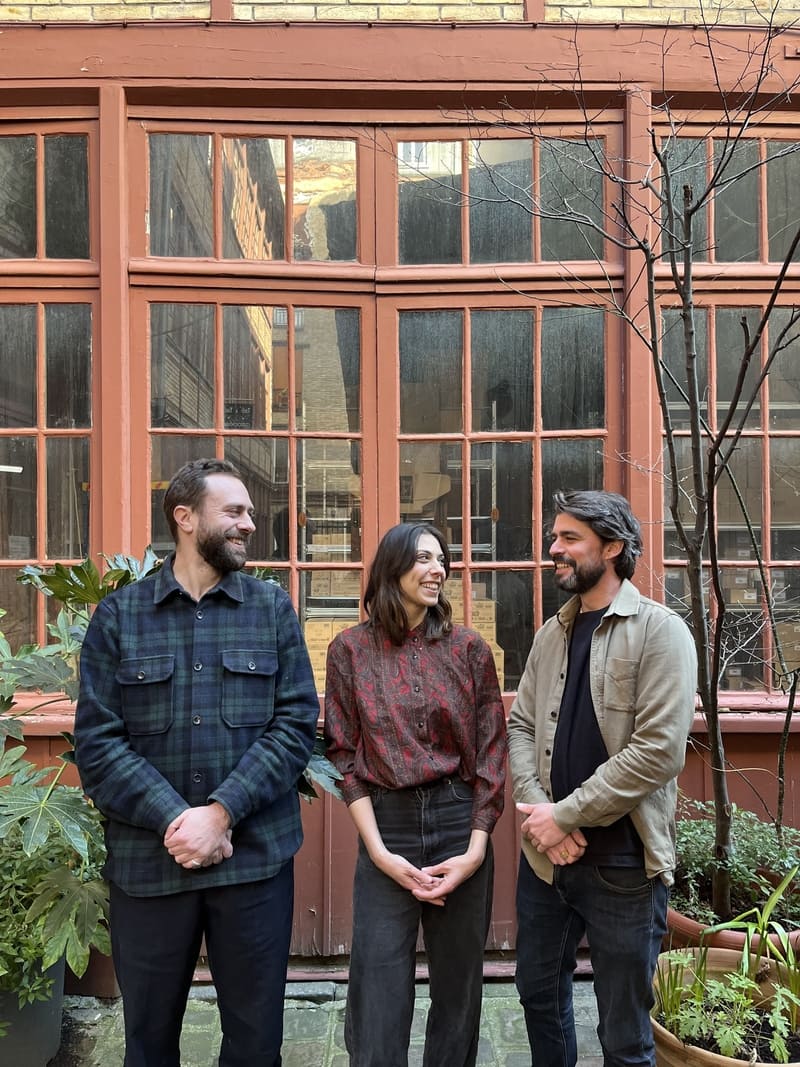
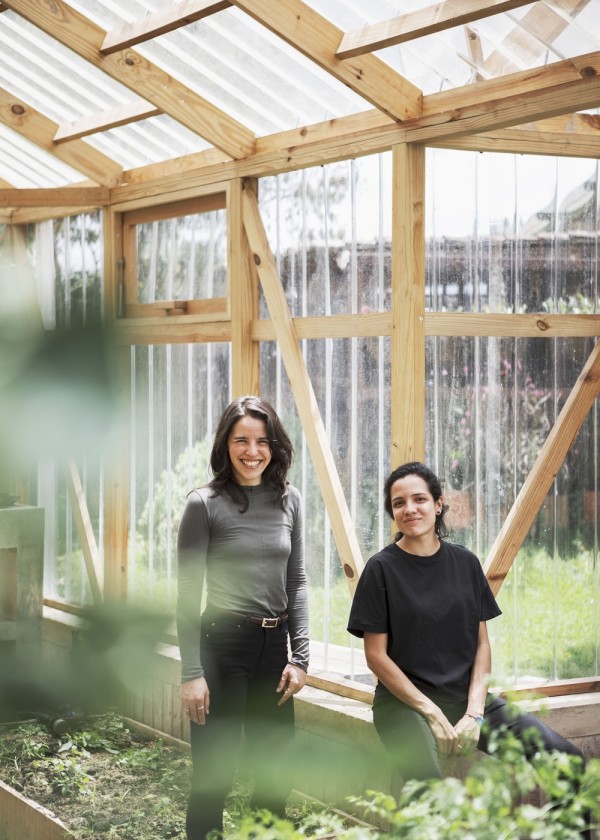
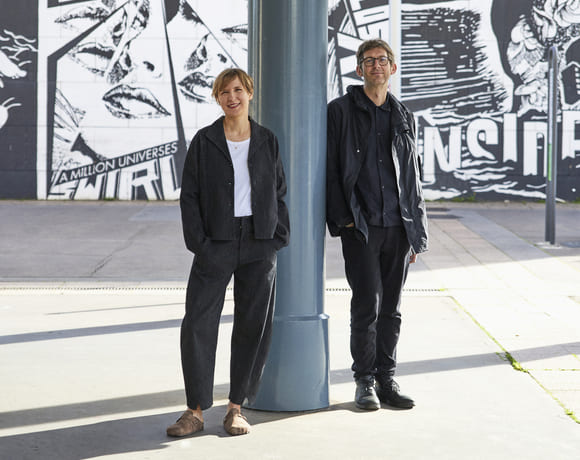
➡️ Acmé Paysage. Sacha Lenzini, Hugo Deloncle, Eleonora Schiavi. Ph. Courtesy of Acmé Paysage
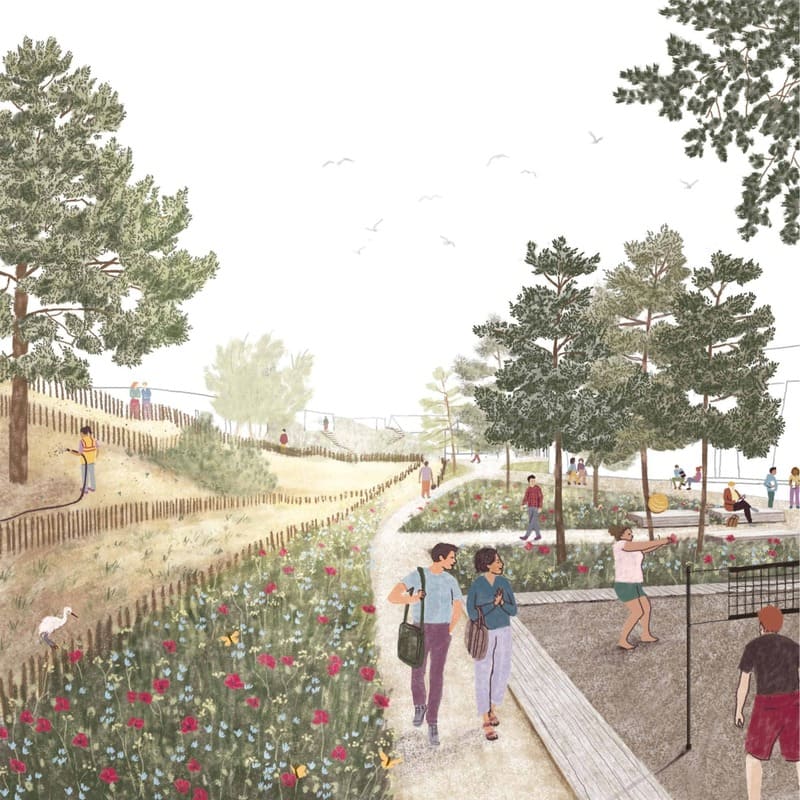
➡️ Le Fort des Saumonards, Saint-Georges-d’Olerón. Natural “milieux” and uses. Img. A Vol d’Oiseau
➡️ Le Fort des Saumonards, Saint-Georges-d’Olerón. Remanaging dune habitats. Ph. Acmé Paysage
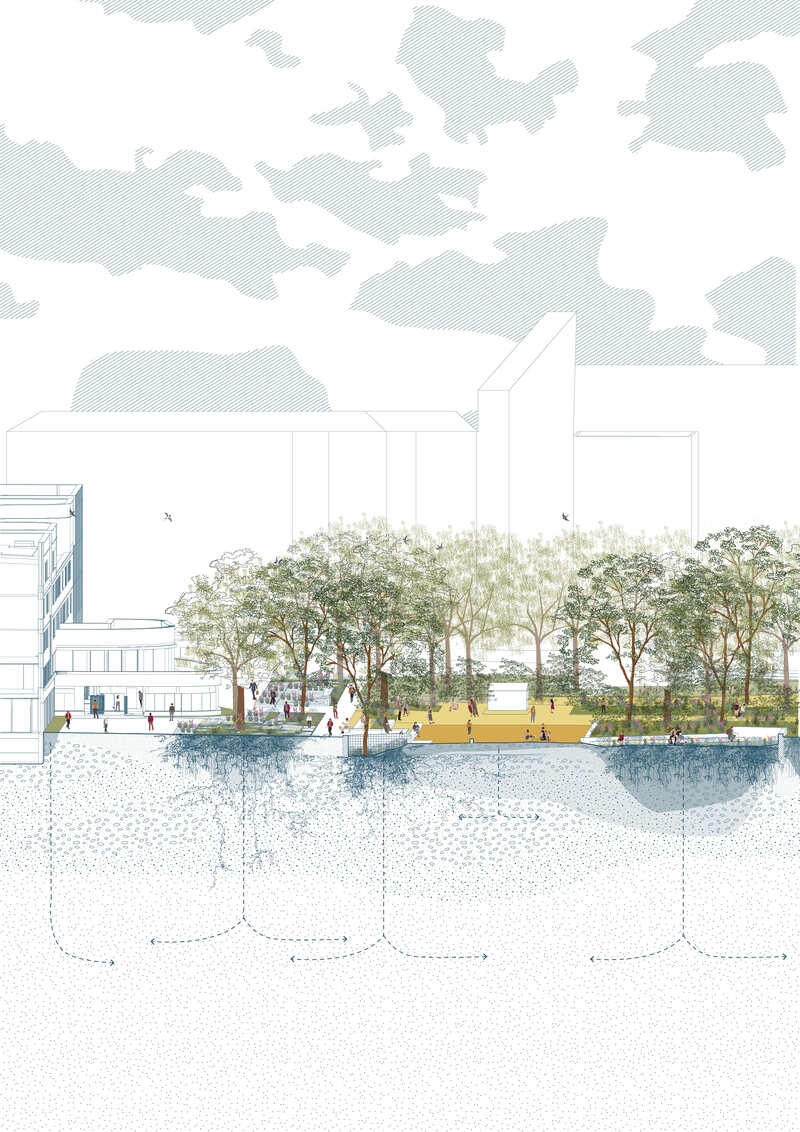
➡️ Cité Mixte Régionale Paul Valéry, Paris. School park and reuse. Img. A Vol D’Oiseau
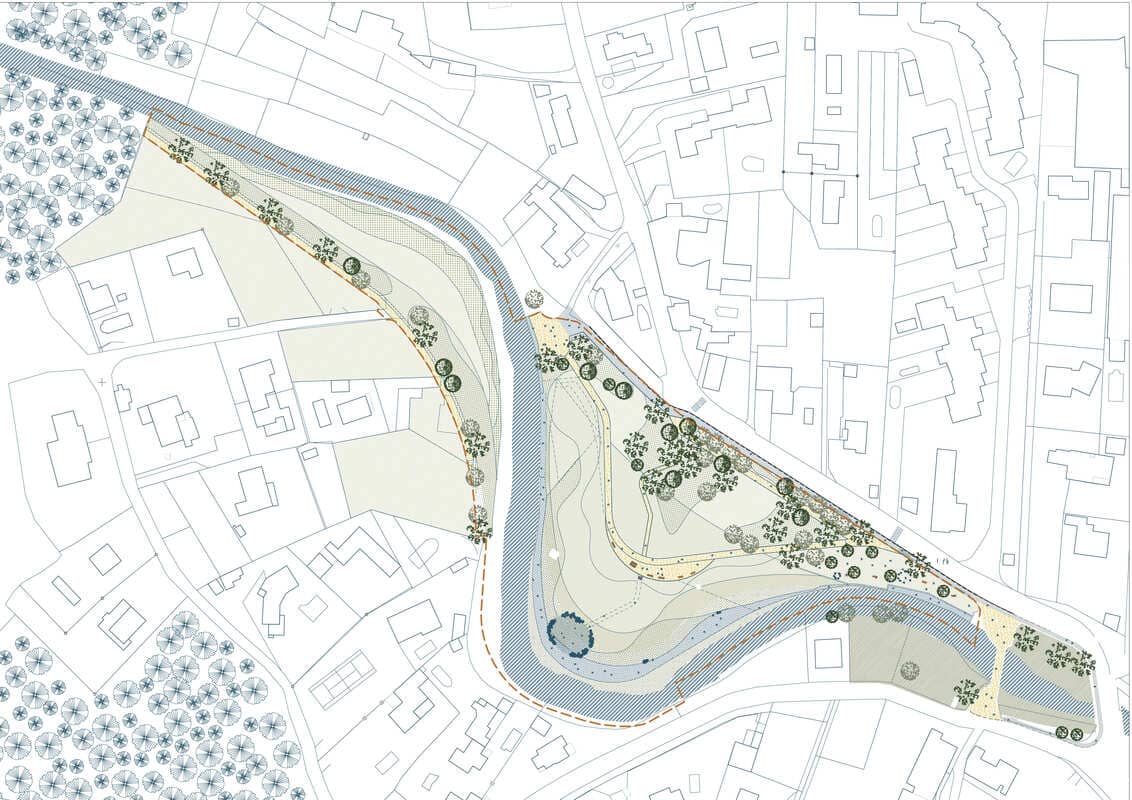
➡️ Renaturation of Brague torrential river, Biot. Img. Acmé Paysage
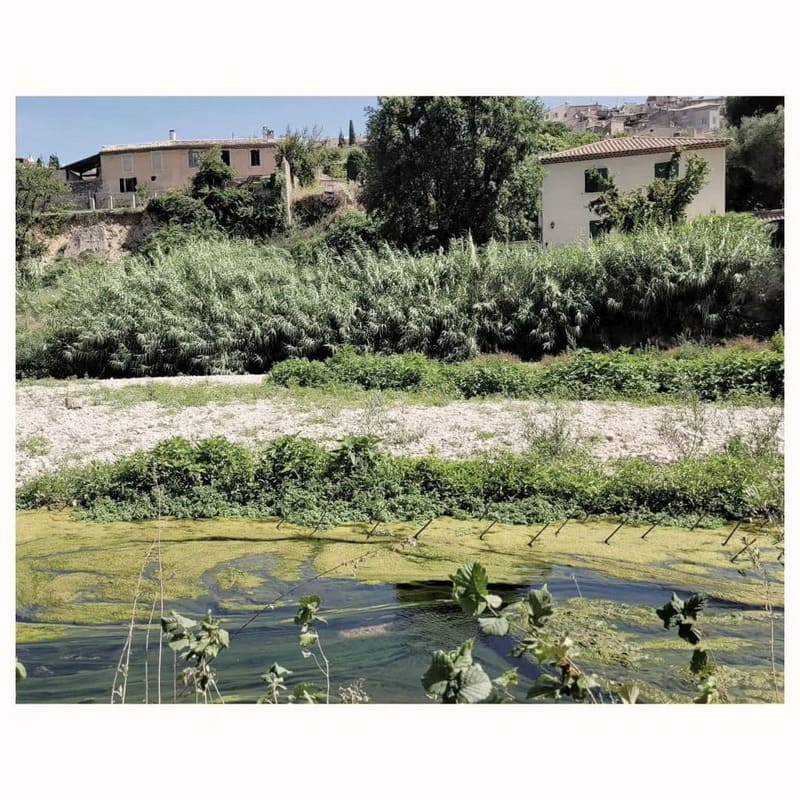
➡️ Renaturation of Brague torrential river, Biot. Ph. Acmé Paysage